| | Service, Support & Advocacy | | |
|
Do you have BillTrack50 yet?
A powerful tool to track state and federal legislation, and it's free.
Just email us a request at info@nssba.org to get your link to enroll today!
| |
N-SSBA wants to thank our Strategic Partner Sponsor
| |
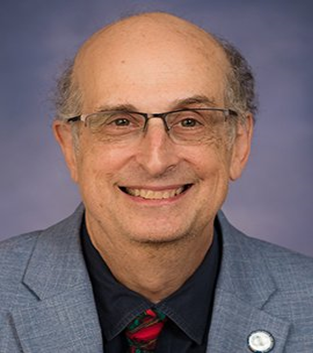
President's Message
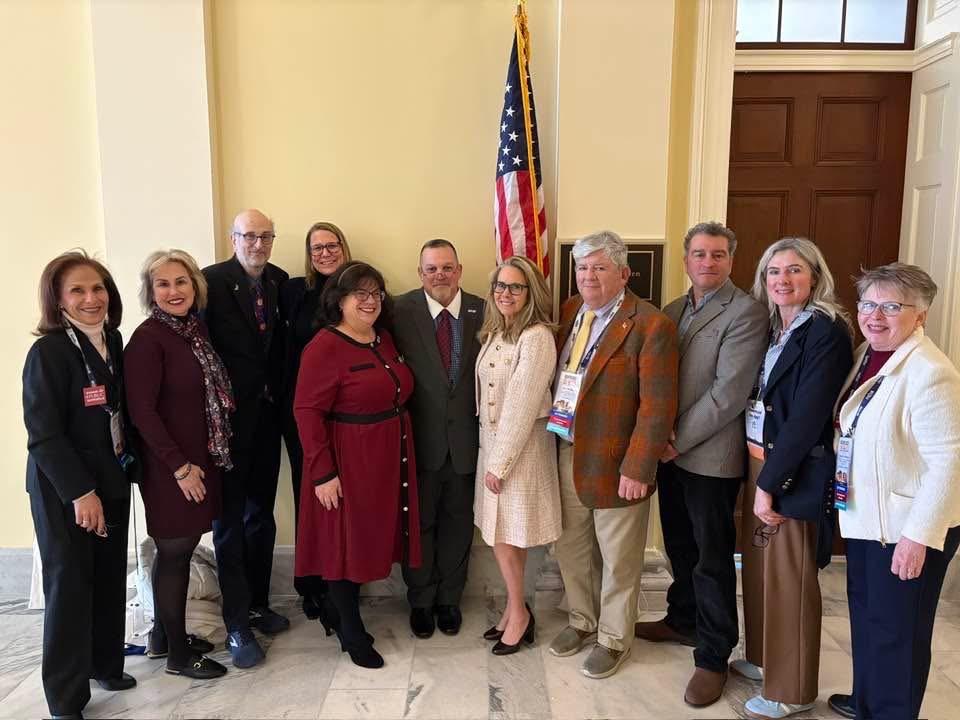
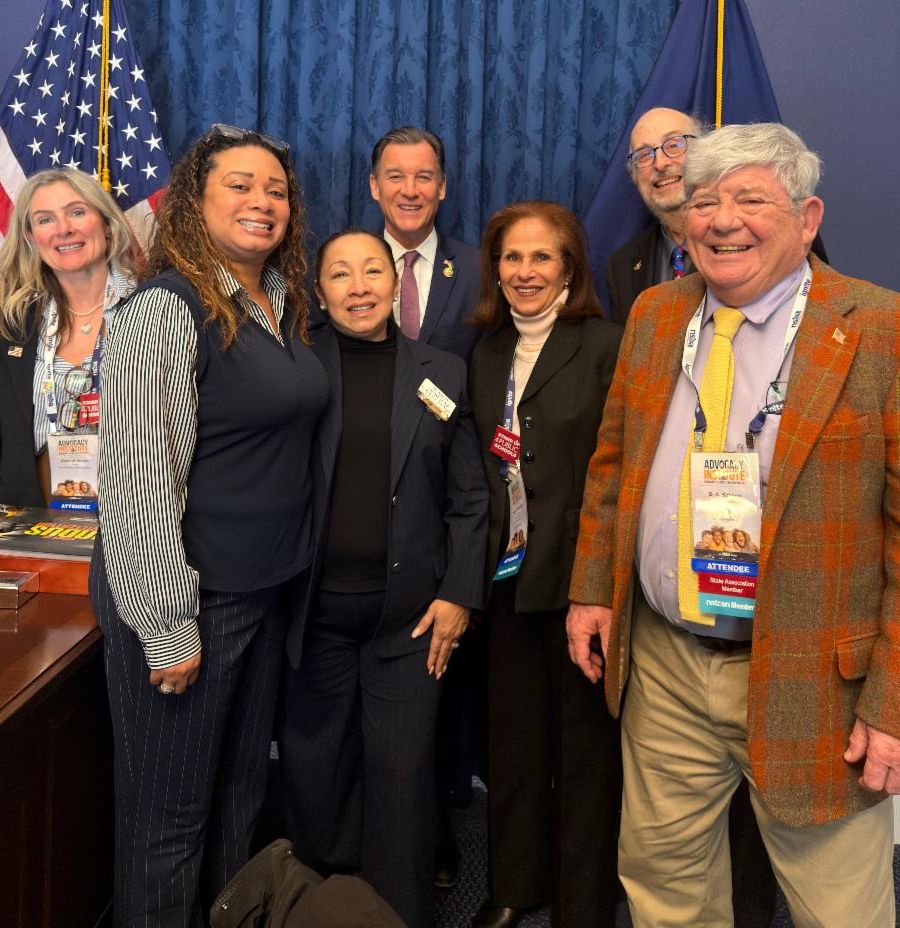
I hope your budget preparations are going smoothly and that final state aid numbers arrive on schedule this year. It has been a busy time for us at N-SSBA. A group of us traveled to Washington, D.C., in the frigid weather for the National School Boards Association’s Advocacy & Equity Institute, where we heard updates on the changing federal education landscape and learned new strategies to strengthen our advocacy efforts.
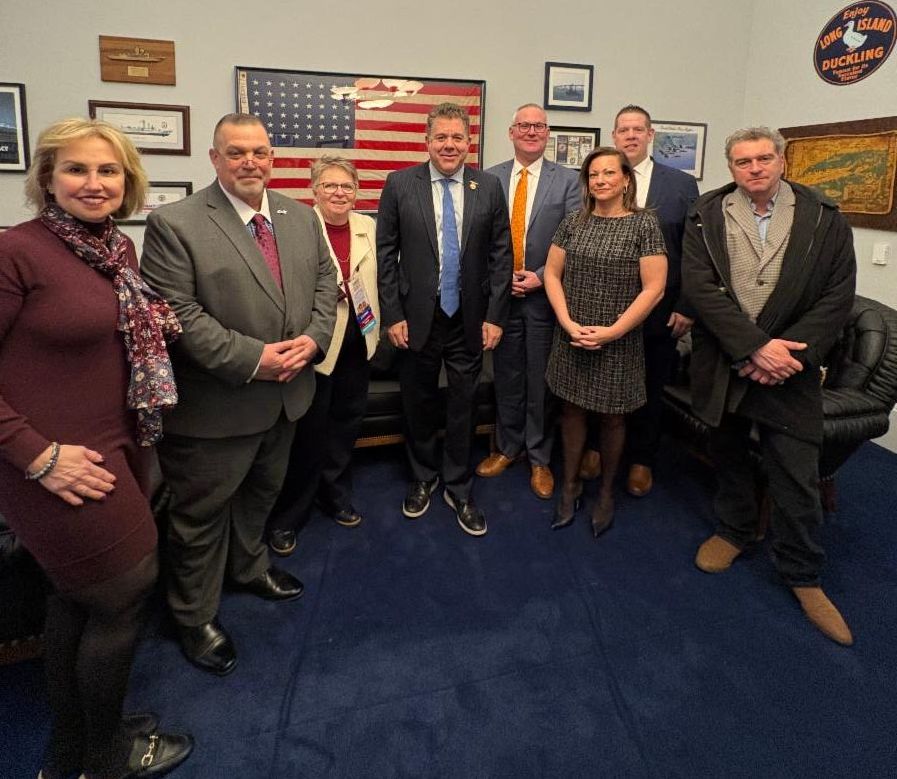
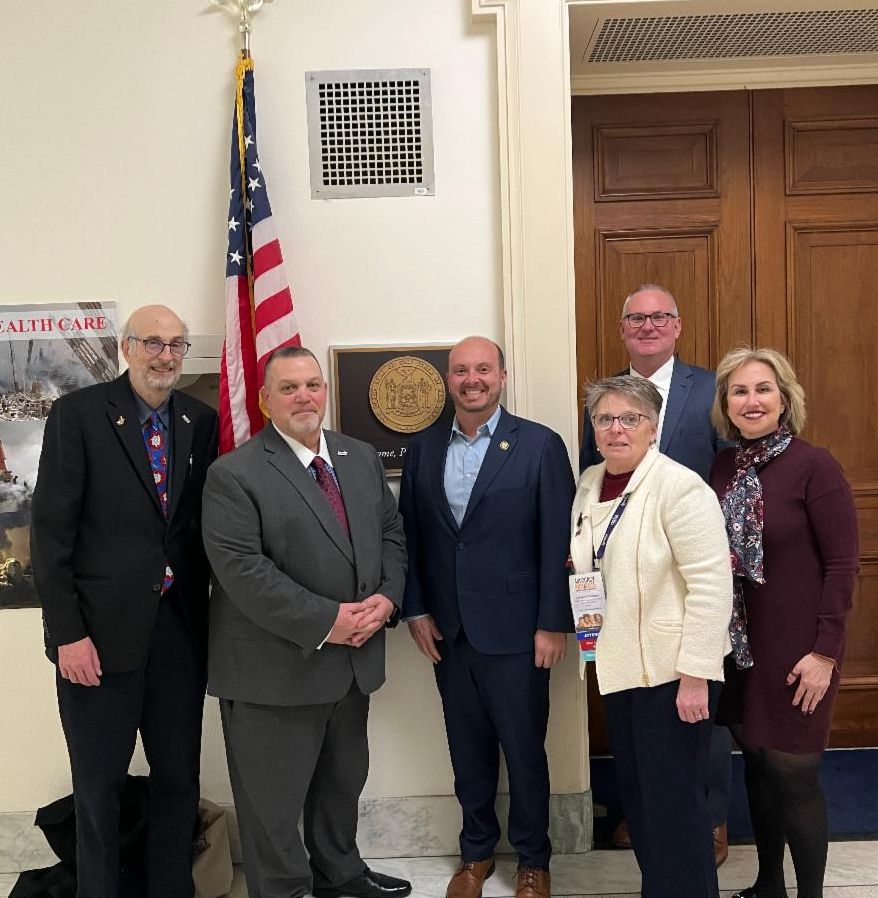
We also had productive meetings with all four of our local members of Congress and with the staff of both Senators. Their message was consistent: they support public education and recognize the excellent work Long Island schools do each day.
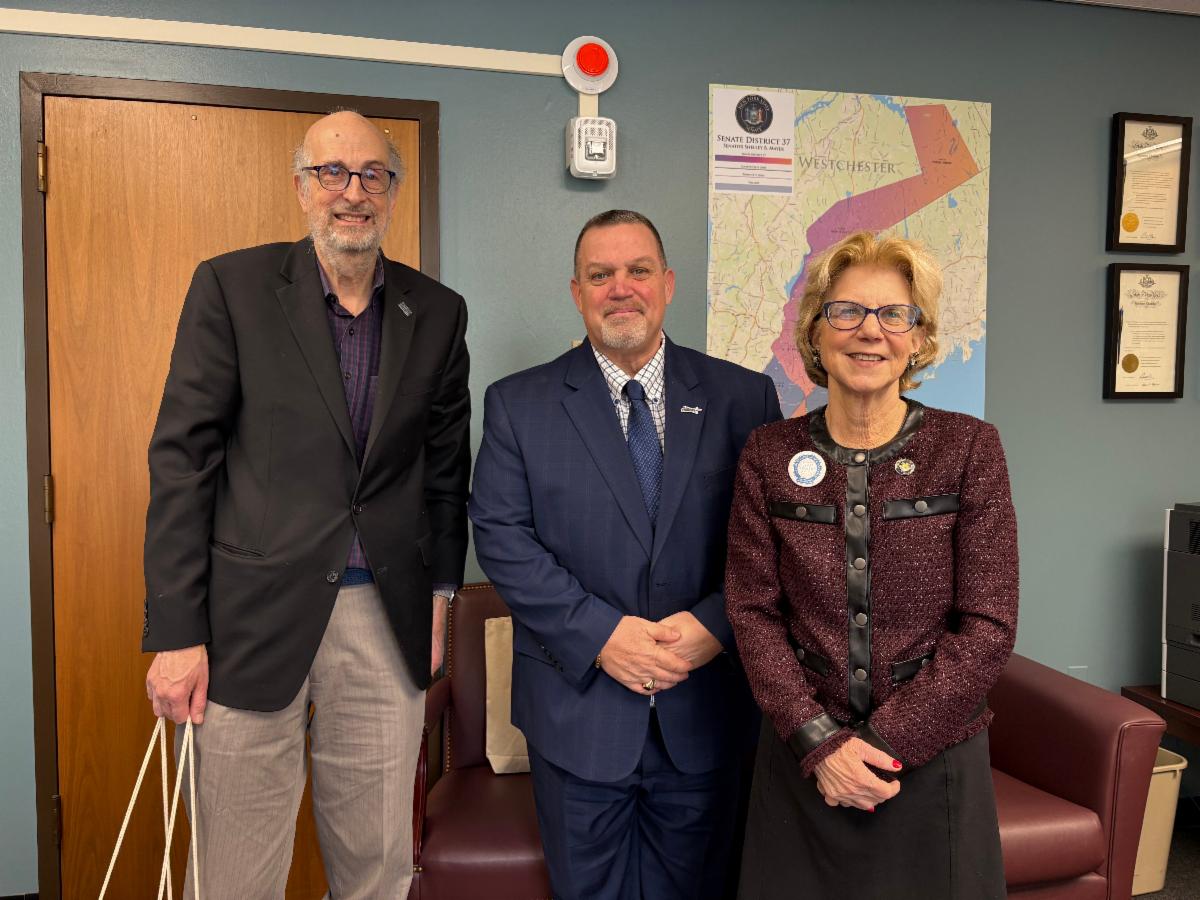
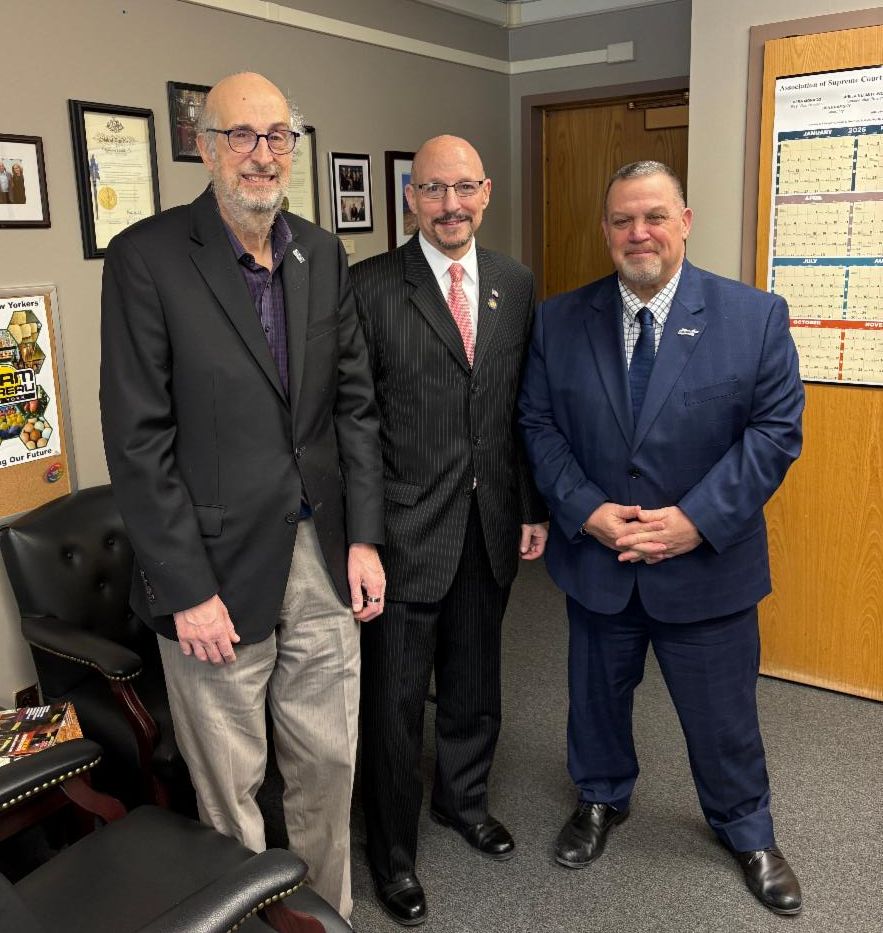
The following week, Bob and I attended the Board of Regents meeting in Albany, followed by meetings with our local assemblymembers and senators. We emphasized the need to increase the 1% hold harmless to at least 2%. We also had an in‑depth conversation with Senator Mayer focused largely on the electric bus mandate. In addition, several of us had the chance to personally congratulate Assemblyman Ed Ra on his appointment as leader of the Minority Conference.
I share all of this not because of any single issue or promised outcome, but because advocacy really is a year‑round effort. Building strong relationships with our elected partners takes consistency and communication. As elected officials ourselves, we represent our communities, and our state and federal partners value hearing from us.
One of the most effective ways to help them understand the impact of their decisions is to invite them into our schools—nothing showcases your district’s success more clearly than seeing students learning, performing, and engaging firsthand. Meeting with representatives in their district offices and keeping them informed about local priorities also goes a long way. We may not always agree, but respectful dialogue strengthens those relationships over time.
Thank you for everything you do each day on behalf of your students and communities. Your work matters, and it does not go unnoticed.
| | | | |
N-SSBA Members Were Busy During the
Month at a Variety of Advocacy Events
From Washington, D.C. to Albany and events locally on Long Island, N-SSBA was at several advocacy events promoting the legislative priorities with our elected officials on both the federal and state levels.
We want to thank all of our members who joined us in Washington, D.C. at NSBA's annual National Advocacy & Equity Institute. We had the opportunity to meet with all 4 Congressional members of the House, and members met with the staff of Senator Schumer and Gillibrand's offices.
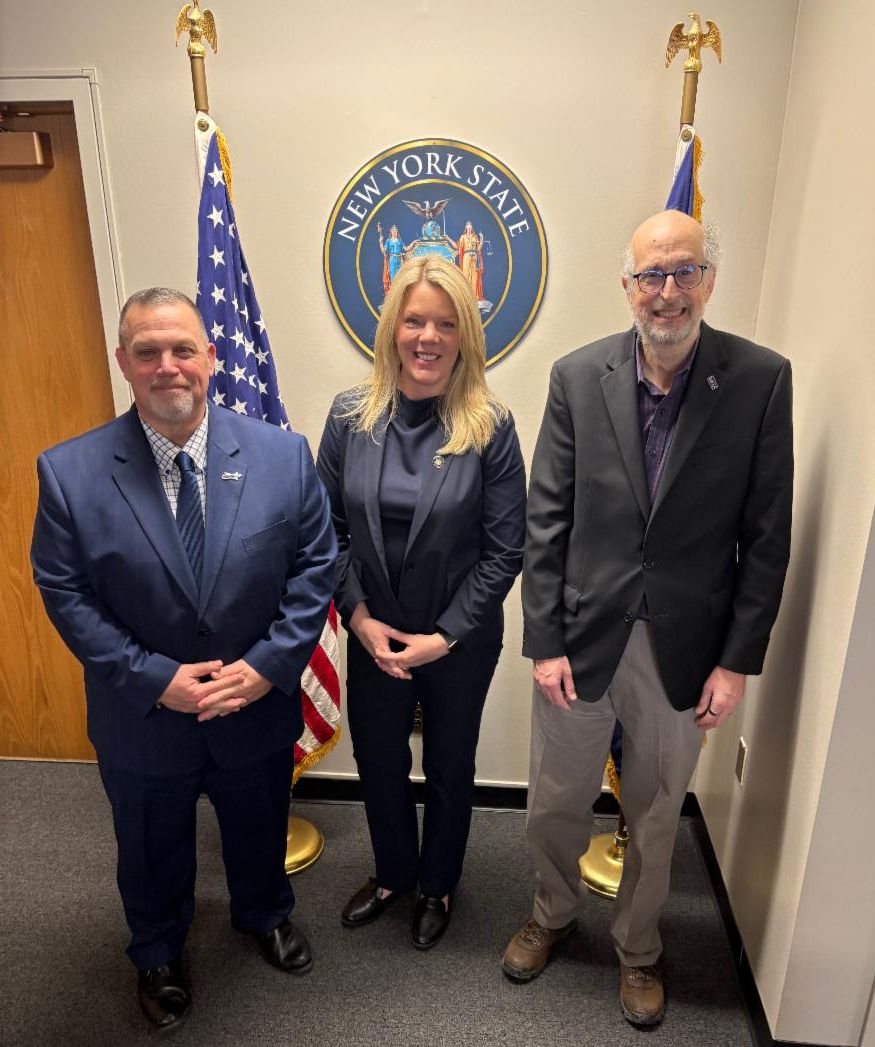
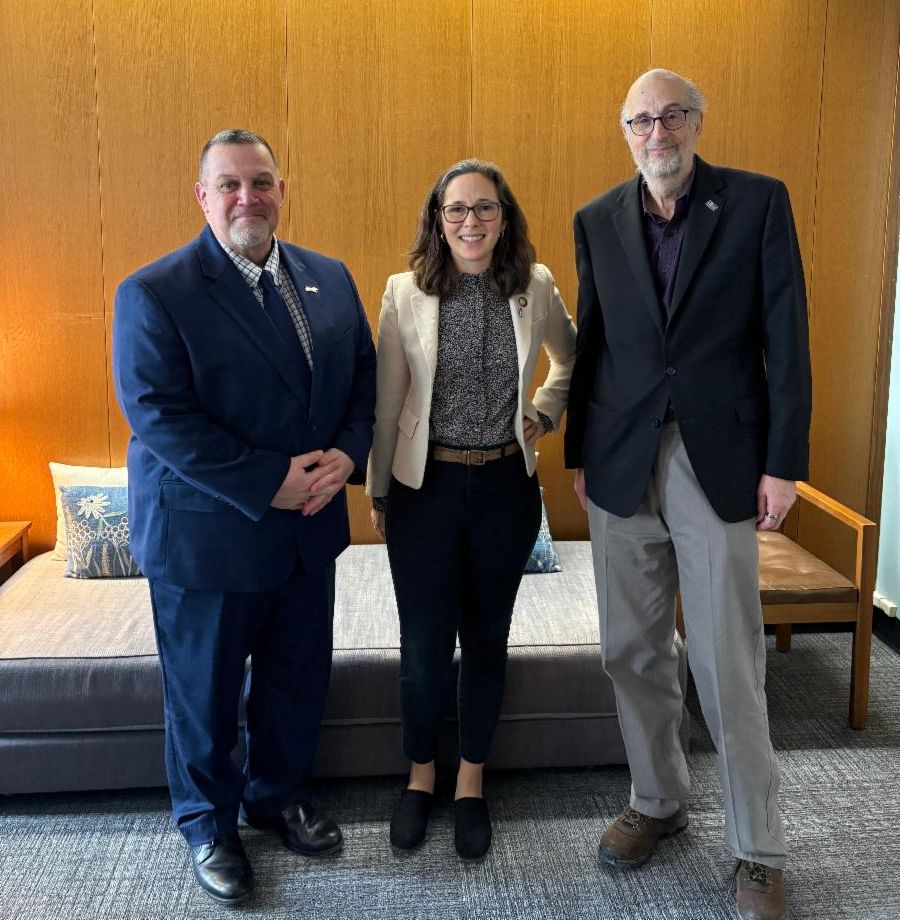
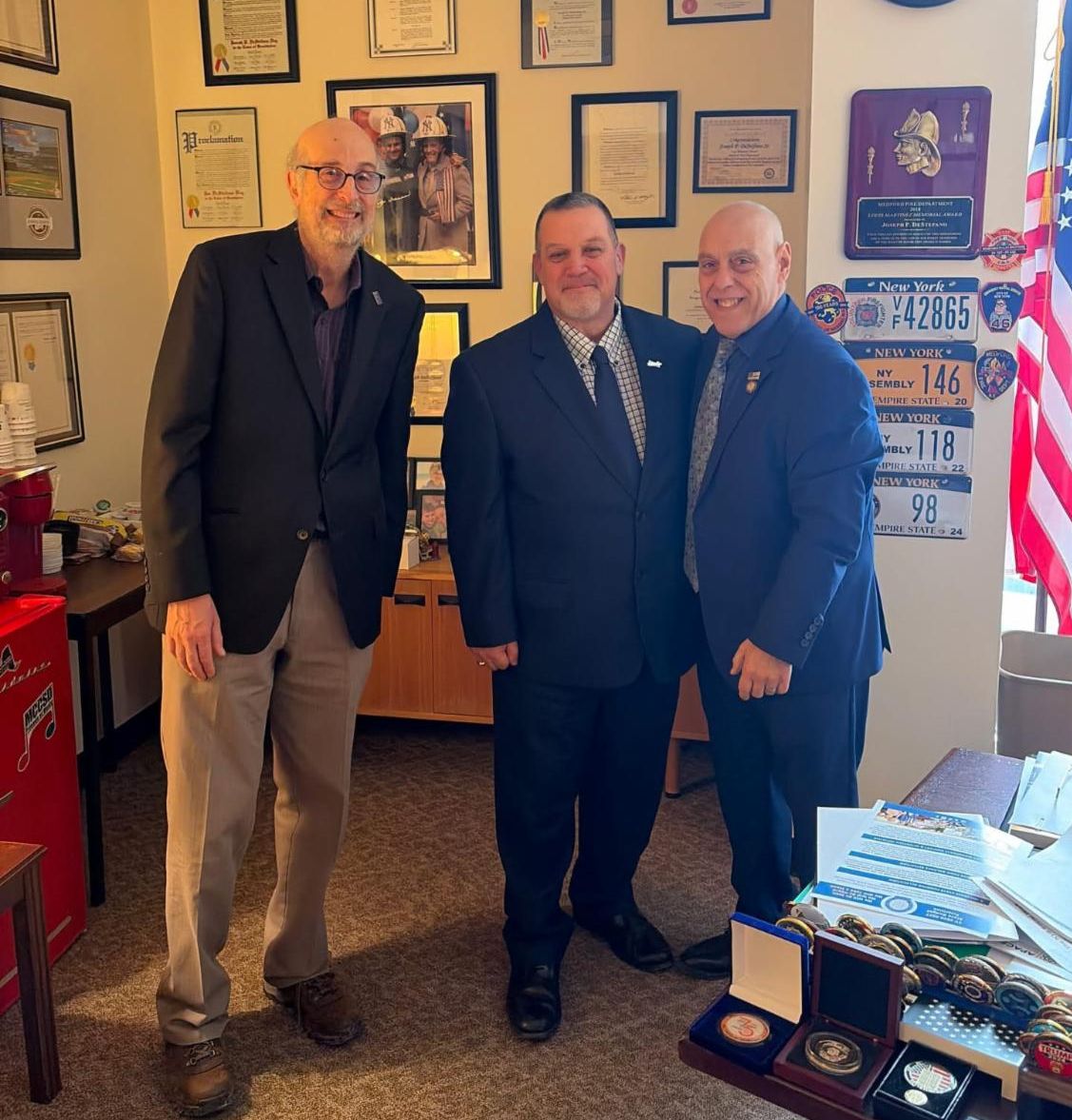
N-SSBA's President and Executive Director attended the February Board of Regents meeting in Albany and met with several state elected officials. The meetings with the State elected officials were Senators Shelly Mayer, Dean Murray, and Alexis Weik. We also met with Assemblymembers Rebecca Kassay, Joseph DeStefano, and Doug Smith. The conversations were productive and encouraging.
N-SSBA's Executive Director was a speaker at the annual Longwood Legislative Breakfast, and N-SSBA was in attendance at the annual Western Suffolk BOCES Legislative Breakfast.
| | |
A New Way to Fund School Infrastructure in New York: Understanding Energy Savings-as-a-Service (ESaaS)
New York State school districts face a familiar challenge: aging facilities, rising operating costs, deferred maintenance, and limited access to capital—even with the support of state building aid. While New York provides some of the strongest capital reimbursement programs in the country, districts are still required to front significant portions of project costs, carry debt, and wait years for reimbursement.
Energy Savings-as-a-Service (ESaaS) introduces a new way forward.
Rather than issuing bonds or allocating scarce capital dollars, ESaaS uses private investment to fund facility upgrades upfront. These improvements can include HVAC modernization, indoor air quality enhancements, lighting, controls, and other critical building systems. The district does not own the equipment outright; instead, it pays a predictable monthly service fee—similar to a utility bill.
What makes ESaaS different is its holistic approach. Traditional energy projects often focus narrowly on short-term savings. ESaaS looks at the full operating picture: energy, maintenance, repairs, system reliability, and long-term performance. The objective is not just to reduce consumption, but to lower total operating costs while improving building health and resilience.
Equally important, ESaaS projects still follow New York State Education Department (NYSED) design, engineering, and approval protocols. Licensed engineers and architects are engaged, code compliance is maintained, and district oversight remains intact. The difference lies in how the project is funded and how risk is allocated.
Instead of placing financial and performance risk on the district, ESaaS shifts that burden to the service provider and its private capital partners. Contracts typically include long-term maintenance, monitoring, and performance obligations—helping prevent the cycle of deferred maintenance that strains so many district budgets.
Add in SED state aid to the same projects, and schools can save more in operating costs or broaden their project scope to include other essential upgrades like exceeding not just meeting ventilation standards, redesigning classrooms, adding security upgrades, and more.
There is no “free lunch” in school infrastructure. Buildings must be paid for one way or another. ESaaS simply aligns payments with performance, spreads costs over time, and preserves capital for classrooms. For New York school boards and their Superintendents’ business officials seeking healthier buildings, budget predictability, and long-term stability, ESaaS offers practical alternative to traditional funding models.
| | |
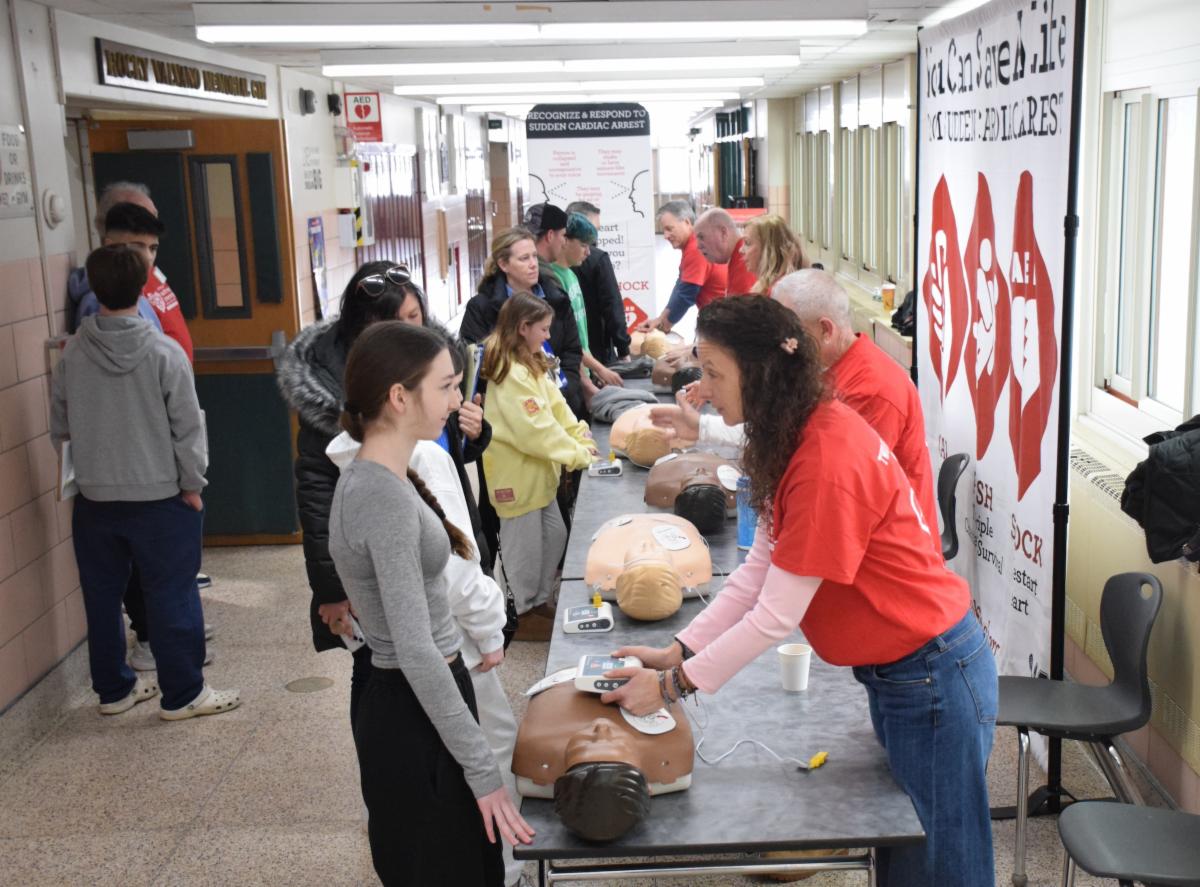
Seaford opens doors for free heart screenings
Nearly 200 teenagers and young adults received free cardiac exams at a Heart Screen New York community event on Feb. 7 at Seaford Middle School.
The screening was a partnership between the Seaford School District, Louis J. Acompora Memorial Foundation and Dominic A. Murray 21 Memorial Foundation.
Boys and girls entered separate screening areas where their height and weight was measured. They underwent an EKG test that records the electrical activity of the heart, followed by an analysis of heart sound.
If a need for further evaluation was determined by medical professionals, participants were then given an echocardiogram, which creates images of a heart’s structure and function using sound waves.
Results were discussed during consultations with cardiologists. After leaving the gym, participants visited a station to learn CPR and how to use an automated external defibrillator, another way of fulfilling the event’s life-saving mission.
Kevin Witt, Seaford’s director of physical education, health and athletics, said that 198 people took advantage of the screening, which was open to community residents ages 12 to 24.
There were 146 volunteers from the Acompora and Murray foundations, including doctors, nurses, medical students and CPR instructors. Several administrators and teachers from Seaford also volunteered throughout the six-hour event.
The Louis J. Acompora Memorial Foundation is named in honor of a teen who died in 2000 from a condition known as commotio cordis while playing lacrosse at 14 years old.
The Dominic A. Murray 21 Memorial Foundation is in honor of a young man who died on the basketball court in 2009 after going into sudden cardiac arrest.
| | |
Kramer Lane rallies behind hometown Olympian Charlie McAvoy
Milan wasn't the only place alive with Olympic spirit on Feb. 6– Kramer Lane Elementary School hosted a spirited pep rally to celebrate second grade teacher Jennifer McAvoy's son, Charlie, who is representing the United States on the men's hockey team and is the only U.S. athlete from Long Island competing in the Winter Olympics.
The student body gathered in the multipurpose room dressed in red, white and blue, carrying an array of pom-poms, American flags and signs wishing Charlie luck.
The event kicked off with the Pledge of Allegiance and the national anthem, performed by four Kramer Lane students who represented the school at the NYSSMA All-County performance a few weeks ago.
Students then learned about the Winter Olympics – from its history to the many winter sports it hosts. Members of the student government helped tell Charlie's story through a timeline of his life, sharing his various hockey milestones from when he started playing as a young boy in Long Beach all the way to his professional career with the Boston Bruins.
The room filled with cheers as students watched a video compilation of Charlie in action on the ice.
The Bethpage High School cheer team made a special appearance, leading Kramer Lane students in enthusiastic chants of "Char-lie! Char-lie!"
Ms. McAvoy then participated in a Q&A with students, answering questions about Charlie and offering insight into what it was like raising an Olympian.
The event concluded with a special video message from Charlie himself to the Kramer Lane students, encouraging them to follow their dreams and thanking them for their support.
It was a proud and patriotic afternoon, and everyone in Bethpage is cheering Charlie and Team USA on.
| | |
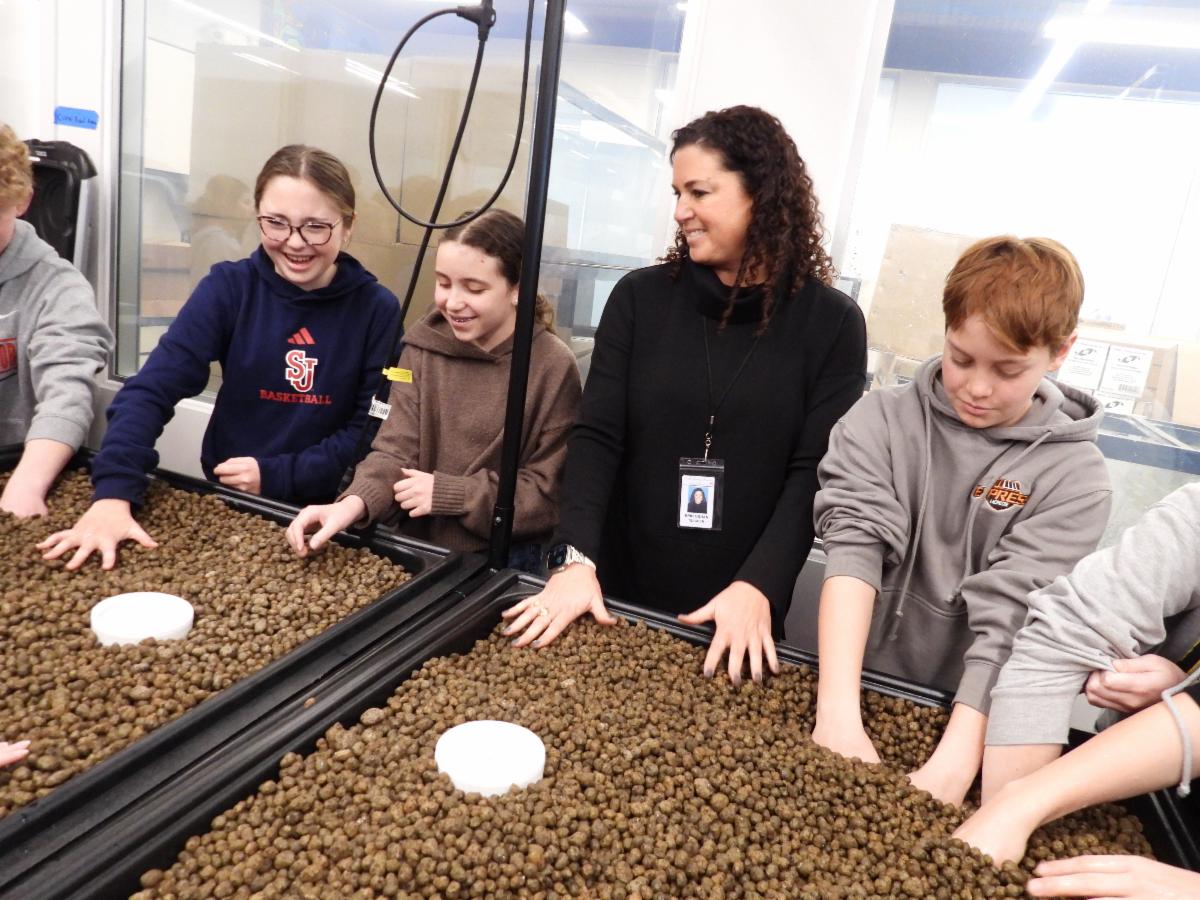
New aquaponics tank unveiled in Cold Spring Harbor Jr./Sr. High School
A new aquaponics tank has been installed in the Cold Spring Harbor Central School District’s state-of-the-art science wing at the Jr./Sr. High School and is now ready for instructional use.
This new equipment offers students a hands-on learning experience in sustainable, soil-less agriculture.
Students in Ms. Erin Oshan’s class will soon begin exploring the system as it comes to life in the classroom.
Aquaponics is a closed, recirculating ecosystem that combines aquaculture, the raising of fish, with hydroponics, the cultivation of plants in water.
Unlike traditional hydroponic systems that rely on added fertilizers, aquaponics uses fish waste as a natural nutrient source for plants.
As plants absorb these nutrients, they filter and clean the water, creating a healthy environment for the fish. The system mirrors natural
ecosystems found in rivers, lakes and oceans, where organisms depend on one another to thrive.
At the core of aquaponics is a balanced relationship among fish, bacteria and plants. Fish produce waste, beneficial bacteria convert that waste into usable nutrients, and plants take up those nutrients while purifying the water. This interdependence allows the system to function efficiently and sustainably, offering significant benefits including rapid plant growth, up to 90% water savings and the elimination of chemical fertilizers.
The district is grateful to the Cold Spring Harbor Education Foundation for its generous grant support, which made this innovative educational resource possible.
The aquaponics system will enhance science instruction by connecting classroom learning to real-world applications in sustainability, biology and environmental stewardship.
| | |
From the N-SSBA Archives
Executive Committee Meeting 2/16/2006
| | | | |