If images don't appear, right-click image placeholders and select Download pictures. | | |
THE JOINT EXPEDITIONARY FORCE NEWSLETTER
from the Standing Joint Force Headquarters (SJFHQ) in London
June 2025
|
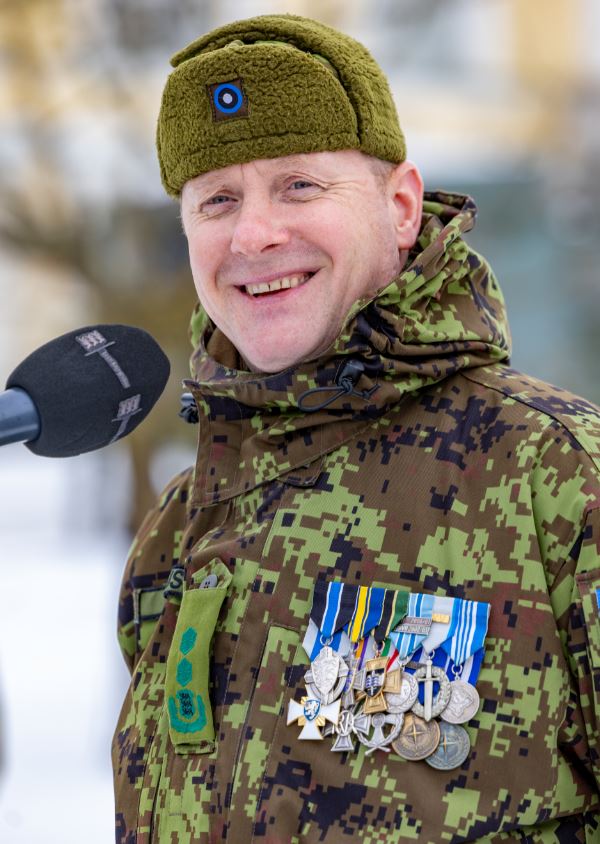
| Major General Vahur Karus, Chief of Staff, Joint Headquarters of Estonian Defence Forces. | |
JEF members understand the security challenge of North-Eastern Europe
Last December, the leaders of JEF nations met in Tallinn, Estonia, to discuss the current security situation in the region and the role of JEF nations in addressing it. In the joint statement issued after the meeting, they emphasized that Russia remains the most significant, direct, and long-term threat to security, peace, and stability in the Euro-Atlantic area.
Just one week after the prime ministers' meeting, the oil tanker Eagle S, believed to be part of Russia’s shadow fleet, caused damage to the Estlink2 underwater cable between Finland and Estonia. The following month, a cable connecting Latvia and Sweden was also damaged. JEF’s decision to activate an advanced, UK-led system to monitor potential threats to undersea infrastructure is a clear and tangible step in supporting early detection efforts.
Over the past year, JEF conducted several exercises—Nordic Warden, focusing on underwater infrastructure protection; Global Guardian; and finally Joint Protector, held in Latvia, where participants practiced countering a wide spectrum of hybrid threats.
Weaponized immigration, malign information campaigns, and attacks on underwater infrastructure are threats that JEF nations face on a daily basis. Countering these hazards requires international cooperation and coordination with civilian agencies, police forces, and border guards. JEF exercises have provided valuable opportunities to understand the challenges posed by hybrid threats in the Nordic-Baltic region and to develop effective responses.
In today’s turbulent security environment, alliances of like-minded nations are more vital than ever. For Europe, the war in Ukraine is not just about a single conflict—it represents a broader challenge to European security. It is likely that Russia will test NATO’s and other alliances’ readiness in the years ahead.
JEF plays a crucial role in enhancing the stability and security of the Nordic-Baltic region. Its forces should continue to train together, building familiarity with each other’s mindsets, strengths, and weaknesses. JEF nations possess a deep understanding of the unique security challenges facing Northeastern Europe and form an effective alliance to address them. With its capabilities and flexible response framework, JEF is a great asset—and it must become more integrated with NATO’s regional plans. Only through such integration can JEF fully realize its deterrent effect.
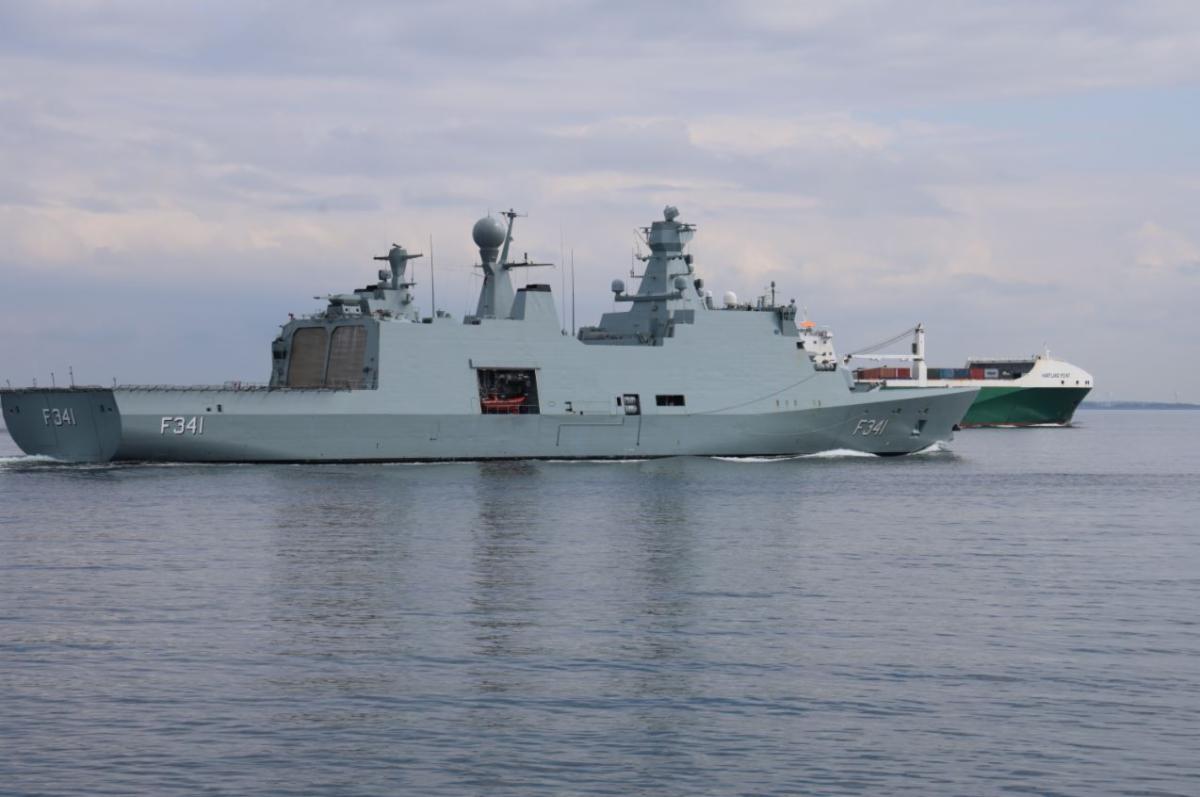
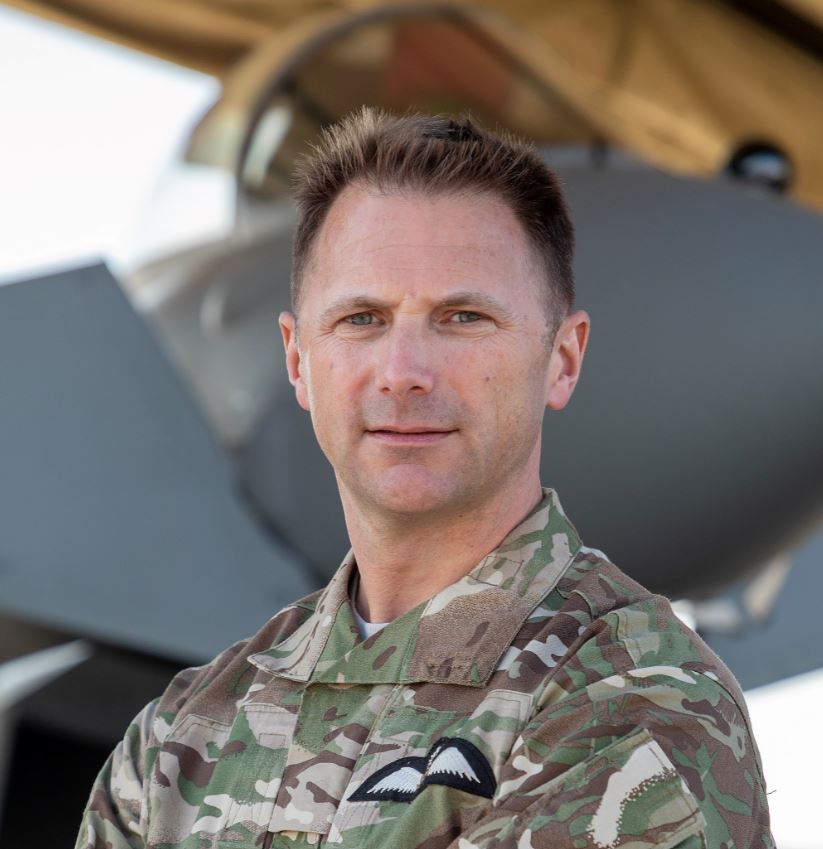
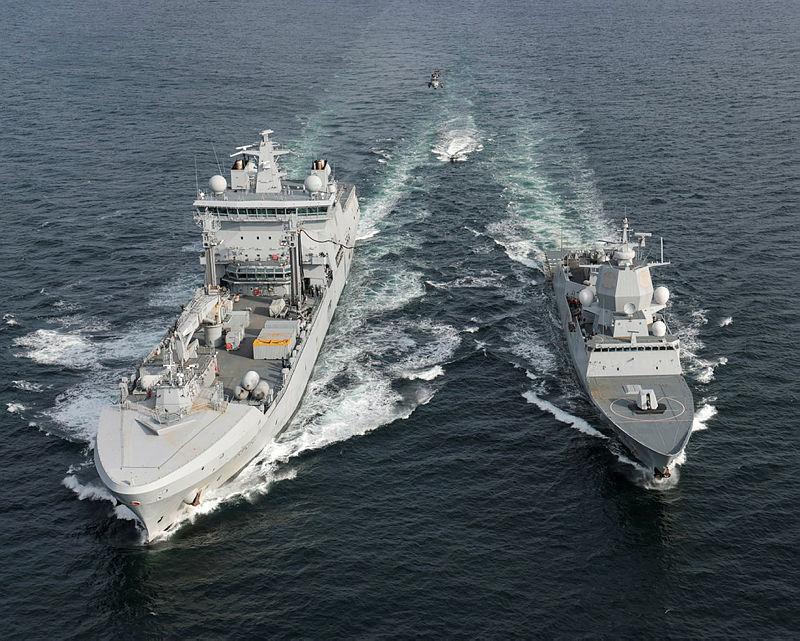
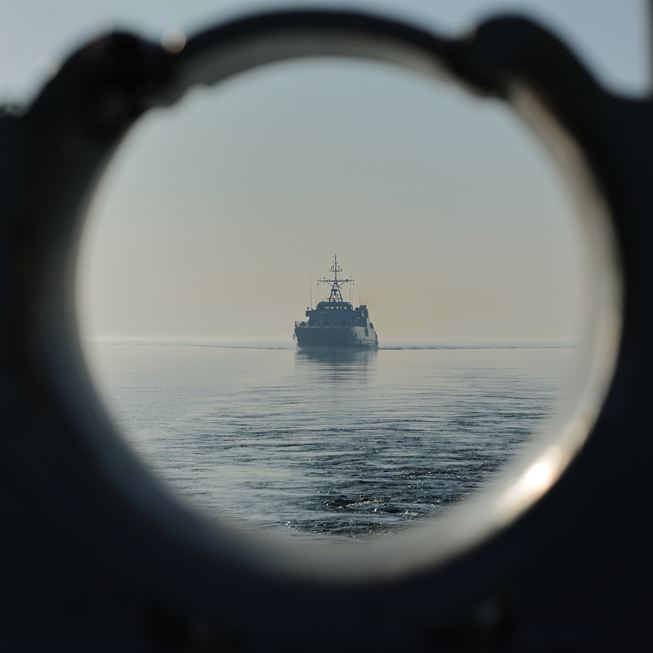
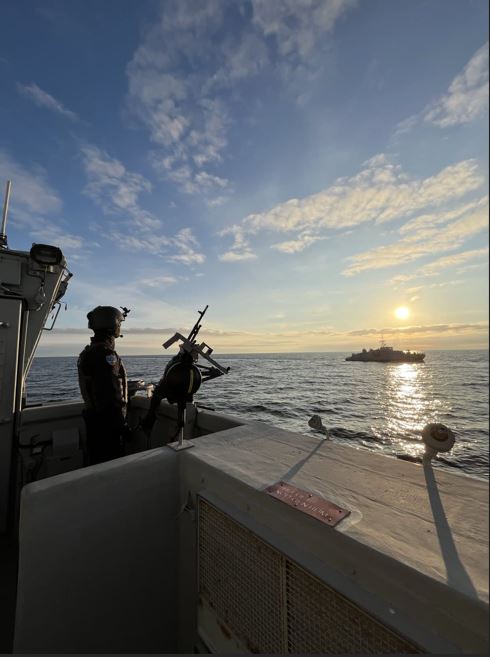
| | | BALTIC EXPRESS featured a Strategic RoRo from the United Kingdom to the Baltic Sea Region in support of an Estonian national defence exercise. In this photo HDMS Absalon is sailing in the Kattegat. | | Gp Capt Jonathan Eastlake, Assistant Chief of Staff, JEF Operational headquarters. | |
TARASSIS: A Multidomain Demonstration of JEF Readiness in Northern and Eastern Europe
This autumn, JEF nations will come together for TARASSIS which will be the most ambitious display of JEF capability to date. TARASSIS is a large-scale JEF+ multi-domain event, in which JEF Response Options will be rehearsed across the northern part of NATO’s area of responsibility in support of SACEUR’s Peacetime Vigilance posture.
TARASSIS will demonstrate the JEF’s power to act collectively, showcase its utility to NATO and key allies, and highlight an ability to deliver coordinated, scalable, adaptable activities that are fully aligned with NATO plans.
At the heart of TARASSIS will be rehearsals of multiple JEF Response Options across the Baltic Sea region and the High North, which will involve dozens of aircraft and vessels, and thousands of deployed soldiers. This event will cement the JEF’s ability to deliver agile responses to European security challenges within NATO Article 3, while remaining complementary to NATO throughout.
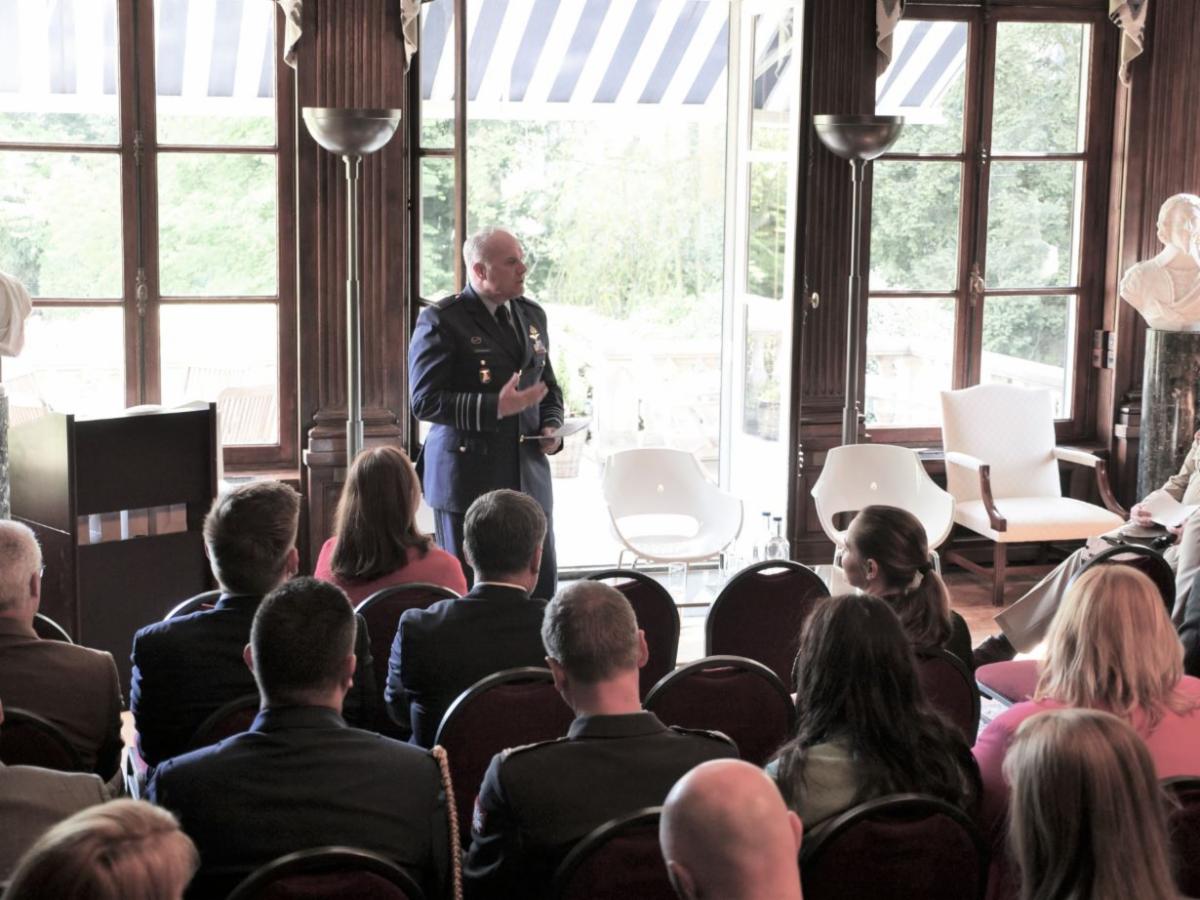
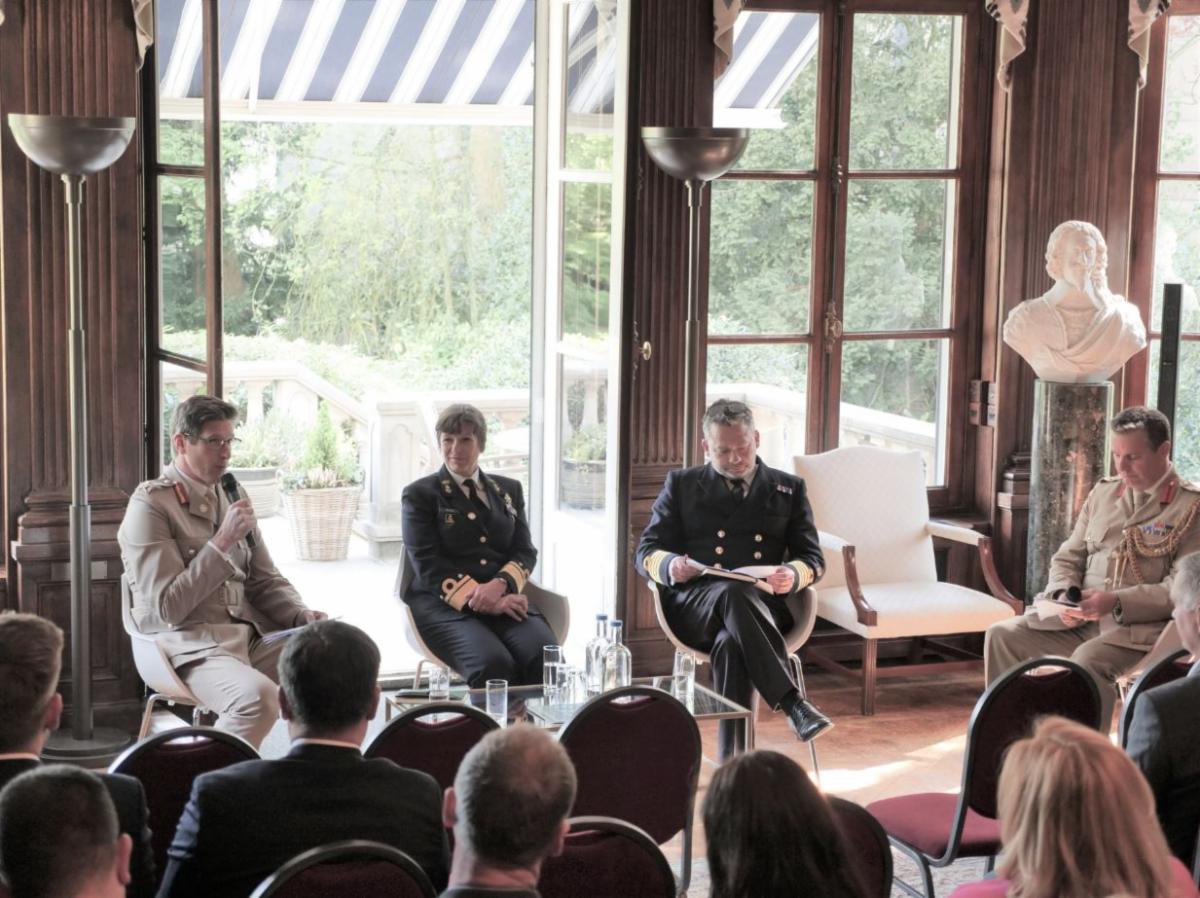
| | | The JEF panel discussion hosted by the British Embassy in the Hague, Netherlands. Above General Onno Eichelsheim, Chief of Defence of the Netherlands, the keynote speaker of the event offered a candid and strategic vision for JEF’s evolving role and its complementarity to NATO. | | Bianca Torossian, Defence Policy Advisor at the British Embassy in the Hague, Netherlands. | His Majesty’s Ambassador to The Netherlands, H.E. Joanna Roper hosted the JEF panel discussions. | Maj Gen Tom Bateman CBE, UK's Standing Joint Force Commander underscored JEF’s alignment with NATO’s Article 3. | |
Panel Discussion in The Hague: JEF and its Complementarity to NATO
On 28 May 2025, the British Embassy in The Hague held a panel discussion on the JEF and its complementarity to NATO, hosted by His Majesty’s Ambassador to The Netherlands, H.E. Joanna Roper. The event featured General Onno Eichelsheim, Chief of Defence of the Netherlands, as the keynote speaker, offering a candid and strategic vision for JEF’s evolving role and its complementarity to NATO. The panel discussion featured Major General Tom Bateman, Standing Joint Force Commander; Rear Admiral Jeanette Morang, Director of Operations at the Netherlands MOD; and Capt Matt Boulind, UK Deputy National Military Representative to SHAPE. A packed audience of Ambassadors and Defence Attachés from NATO, Ukraine, and Indo-Pacific 4 countries were present, alongside Dutch stakeholders from the Ministry of Defence, Ministry of Foreign Affairs, and local think tanks. We look back on a fantastic event with huge relevance for the upcoming NATO Summit.
JEF as a force multiplier
General Eichelsheim, Netherlands Chief of Defence Staff, didn’t shy away from addressing the broader strategic picture. He echoed UK Prime Minister Sir Keir Starmer’s sentiment that we are in a “once-in-a-lifetime” moment to shape the Euro-Atlantic future. For him, this means acting now—with clarity, unity, and strength. He emphasised that the JEF must remain tightly aligned with NATO’s Deterrence and Defence of the Euro-Atlantic Area (DDA) plans. The JEF is a force multiplier, providing added value by proving it can act quickly and serving as a nimble coalition of like-minded allies ready to respond decisively. The CHOD looked towards JEF’s future and outlined how the JEF could further strengthen European security.
It's not only about the journey or the destination
Maj Gen Tom Bateman underscored JEF’s alignment with NATO’s Article 3, which emphasises national and collective resilience. The JEF’s opt-in model is a strength, allowing nations to act swiftly based on their own priorities while reinforcing NATO’s broader goals. The Joint Response Options and the JEF+ Concept have demonstrated NATO complementarity. He emphasised the strong bonds between JEF nations, saying that the value of JEF is not only in the journey or even the destination, but in the companionship along the way.
The Dutch perspective characteristically emphasises practicality
Rear Admiral Jeanette Morang, Dutch Director of Operations, reflected on the Netherlands’ evolving stance on JEF. Once envisioned as a global force, JEF has proven its worth as a rapid response coalition rooted in shared values and operational agility. She highlighted JEF’s role as a bridge across NATO’s boundaries, particularly in the High North and Arctic, and its ability to convene nine nations quickly—rather than navigating consensus among 32—makes it a nimble platform for strategic planning and action.
Fight tonight
Capt Matt Boulind noted that JEF’s language, structure, and operations are increasingly aligned with NATO’s DDA strategy. SACEUR has recognised JEF’s value, particularly in aggregating capabilities and enabling rapid effect without duplicating NATO’s efforts. JEF’s political value is evident in the continued commitment of senior leaders who prioritise JEF meetings even after long NATO sessions.
Captain Boulind closed with a sobering reminder: by 2027, NATO may need to “fight with what we have.” That means readiness today—not just planning for tomorrow. JEF’s integration into NATO training, planning conferences, and strategic rehearsals is essential to ensure it remains a credible, ready force.
Conclusion
The event highlighted the value of reaching an audience beyond the ‘usual suspects’ to explain the utility of the JEF and its complementarity to NATO. Audience members remarked that the event was not the puff piece for the JEF they might have expected, but a real and honest engagement that highlighted future challenges too. This event was held in the lead-up to the NATO Summit, which will be held in The Hague between 24–25 June. But there is no reason the event can’t be replicated in other JEF Nation capitals.
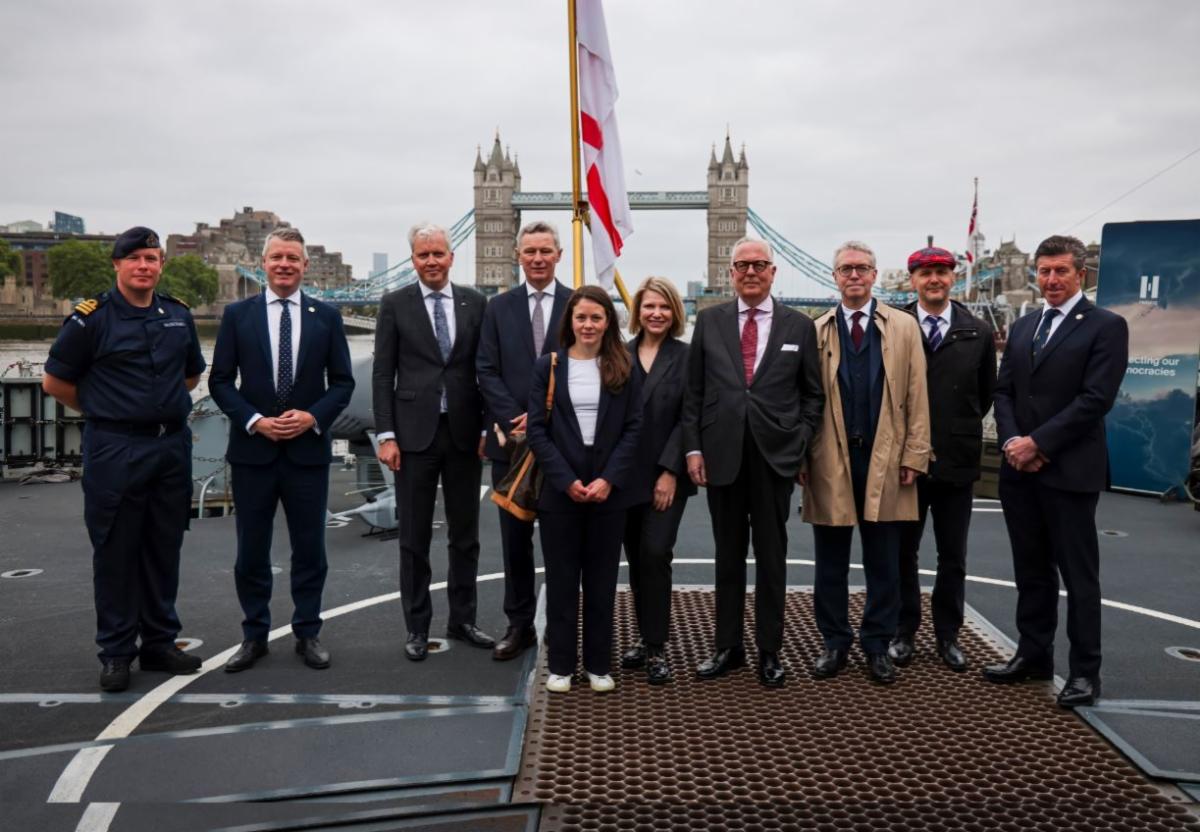
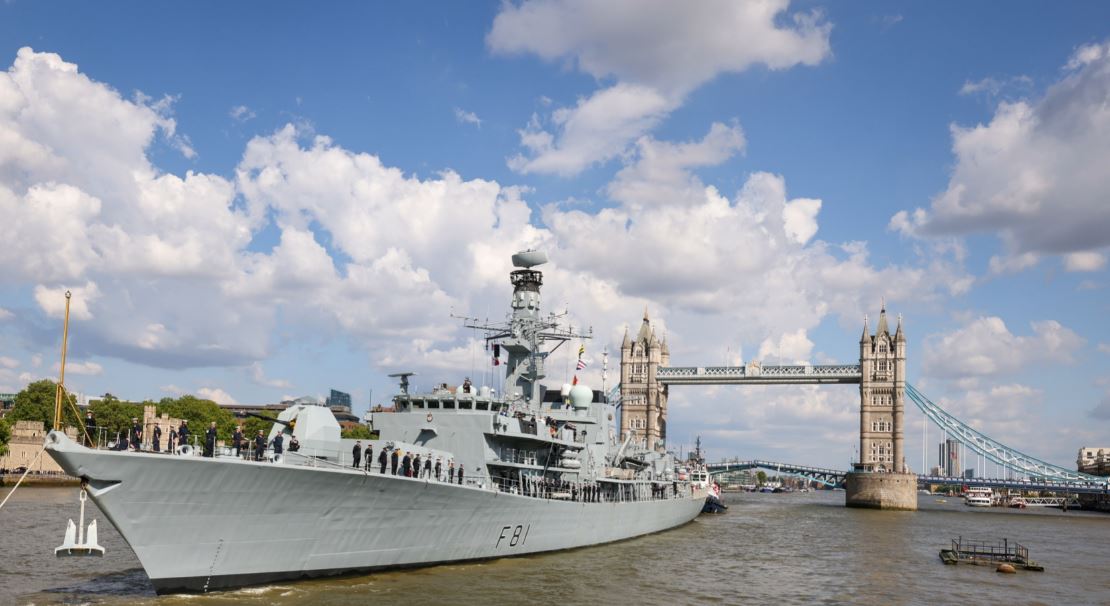
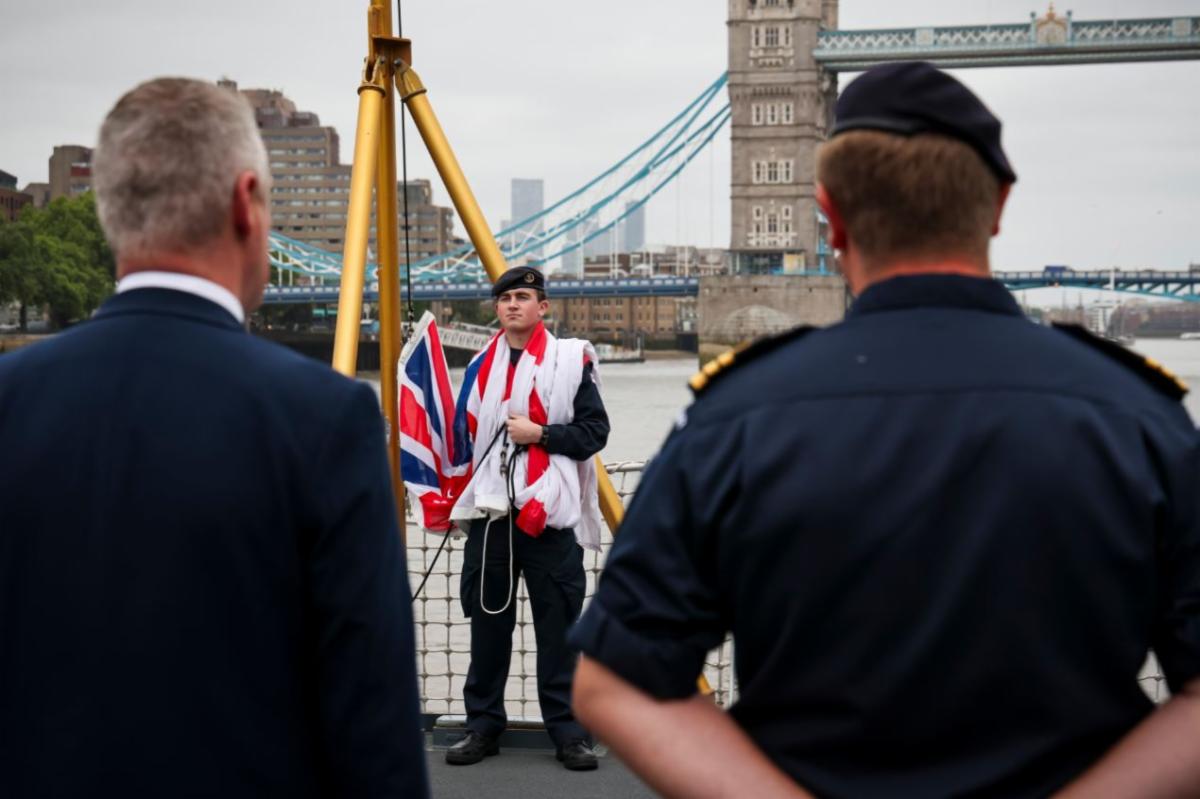
| | | JEF Ambassadors to the UK onboard HMS Sutherland by invitation of Minister Armed Forces Rt Hon Luke Pollard. | | HMS Sutherland on river Thames. | JEF Ambassadors receive a demonstration onboard HMS Sutherland. | |
Minister Armed Forces Hosts JEF Ambassadors Breakfast Onboard HMS Sutherland
Minister Armed Forces Rt Hon Luke Pollard hosted the JEF Ambassadors to the UK onboard HMS Sutherland, discussing the outcome of the Leaders Summit over breakfast. The event was attended by the UKs newly appointed 1st Sea Lord Gen Sir Gwyn Jenkins, who spoke on the importance of training resilience into the JEF nations militaries. With Minister Armed Forces Pollard discussing how societal resilience can begin at school. The Nordics and The Baltics have a long history of societal resilience, including conscription in some nations and public survival training provided by the State across others. The Baltics and Finland have a long history of occupation, colonisation and direct conflict due to their proximity to Russia. Events such as the Ambassadors Breakfast are one of the many ways of encouraging discussions at various levels to better learn from one another and further leverage the JEF framework.
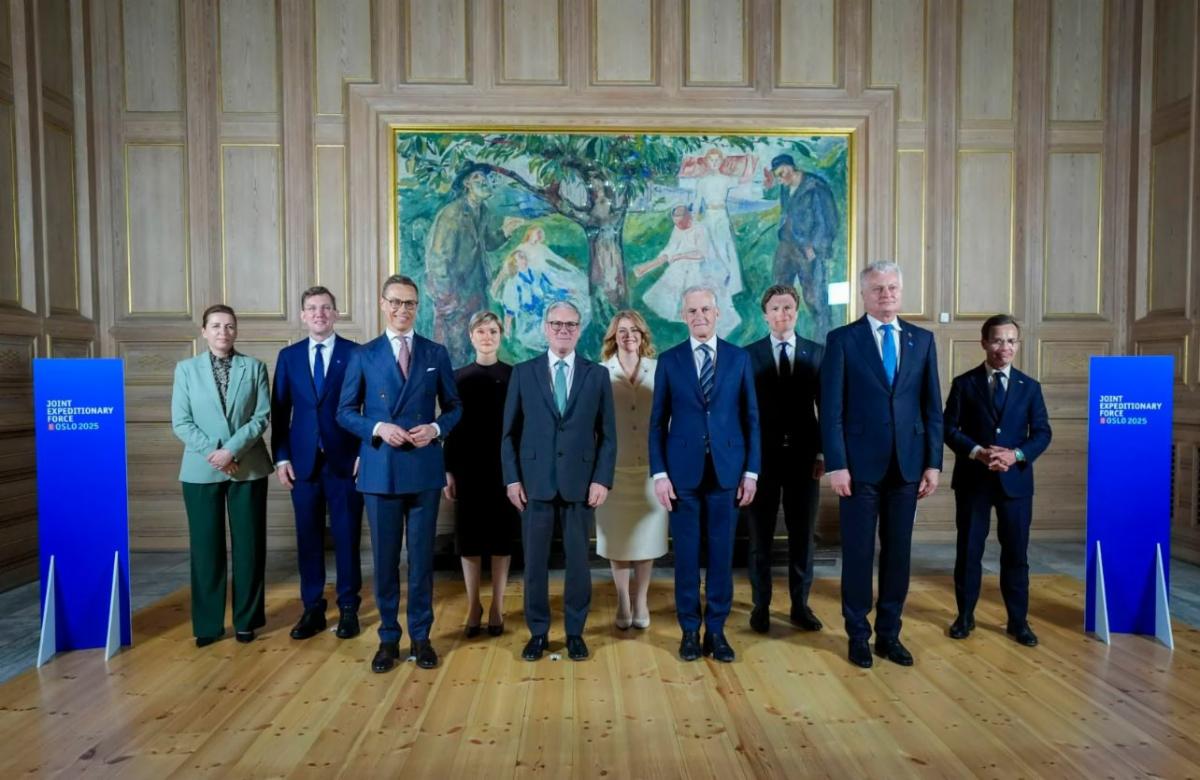
| | | JEF Leaders met in Oslo, Norway on 9 May 2025. Photo: Regjeringen.no. | | |
Gareth Gorst, Policy Adviser
Euro-Atlantic Security
Cabinet Office - National Security Secretariat.
| |
JEF Leaders’ Summit 2025, Oslo, Norway
Joint Expeditionary Force leaders convened in Oslo on 9 May. The timing of this Summit was in itself a demonstration of JEF’s agility and flexibility. Coming just five months after the last Summit in Tallinn, the Oslo meeting was an opportunity to convene Leaders to build on Tallin’s outcomes and send a clear signal that European Allies are stepping up on defence and security matters ahead of this month’s NATO Leaders’ Summit in The Hague.
The Oslo Summit proved significant in several ways. Leaders agreed to invite Ukraine to form a bespoke ‘Enhanced Partnership’ with JEF. This package of practical and political support seeks to bring Ukraine closer to the group than ever before and underscores JEF nations’ unwavering support - a message communicated directly to President Zelenskyy who addressed the meeting virtually at the outset. In terms of substance, this partnership will see JEF and Ukrainian troops participate side-by-side in relevant JEF military exercises and high level meetings, further develop training assistance for Ukrainian Armed Forces, and establish new forums for mutual learning, especially when it comes to technological innovation for the battlefield. JEF Defence Ministers will now work to operationalise this partnership and ensure its swift implementation.
An innovative approach of inviting Leaders from Greenland and the Faroe Islands to join part of the discussions via VTC allowed JEF Leaders to focus minds on the security issues facing the High North and Arctic, as well as hybrid threats in the maritime domain in the Baltic and North Sea. On these items, Leaders exchanged their experiences, channeling the takeaways from discussions to task JEF Defence Ministers to review JEF Response Options to ensure their ongoing relevance to existing and emerging threats and challenges.
Reflecting on the Oslo Summit, Leaders set out a clear strategic direction for the future of JEF through a significant number of actions for Defence Ministers to take forward. In doing so, they reaffirmed their collective support for the JEF construct and for the value that JEF offers as a flexible actor in defence and deterrence in Northern Europe to complement wider NATO objectives. JEF Leaders will next convene in Finland at a date yet to be determined. Whenever this Summit should fall, we look forward to continuing the close working with colleagues across the JEF network to make good on the many taskings out of Oslo that will serve to strengthen JEF, Ukraine, and European security more broadly.
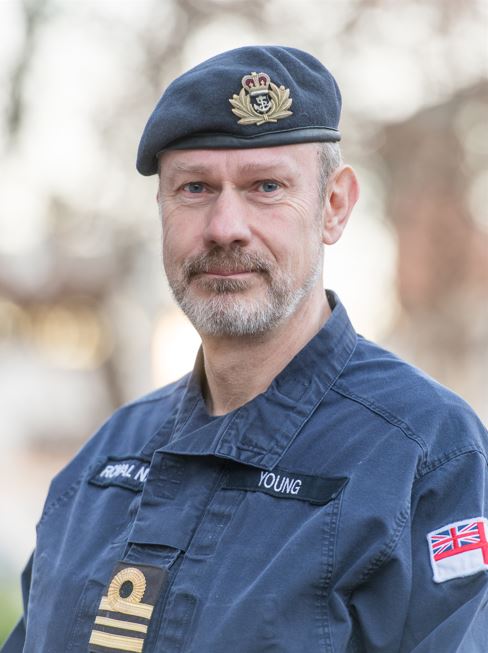
| | | UK Defence Minister John Healey at JEF Defence Mins meeting on Wednesday 2 April 2025, where all nations reaffirmed their commitment to European security and securing a just and lasting peace in Ukraine. On the Minister's right hand is Maj Gen Tom Bateman CBE Standing Joint Force Commander. | | Lt Cdr William Young, Media Officer, JEF operational headquarters. | |
Op RAZOREDGE: Strengthening Alliances and Demonstrating Cohesion
In April and June, the JEF, NATO, and JEF+ partners took part in a series of multi-domain activities under the banner of Operation RAZOREDGE, with the aim of strengthening alliances and demonstrating cohesion.
The operation incorporated a combination of air, land, and sea activities—among them, Exercise PINION STORM in Finland and Estonia, and Exercise HEDGEHOG, Estonia’s national defence exercise. These activities provided JEF nations with the opportunity to train together and rehearse a range of multi-domain JEF Response Options.
A key rehearsal occurred during Exercise BALTIC EXPRESS, which involved the escort of reinforcements on a strategic roll-on/roll-off ferry into the Baltic Sea for participation in HEDGEHOG. The JEF operational headquarters in the UK coordinated the naval contributions from JEF nations in support of this effort, along with Germany’s Commander Task Force Baltic based in Rostock.
Operation RAZOREDGE was designed to demonstrate the interoperability of JEF participant nations with NATO and other global allies, including the United States, Germany, France, and Spain. It also marked a significant milestone for the JEF in 2025 ahead of TARASSIS - a similar, multi-activity event that will further advance JEF alignment with NATO.
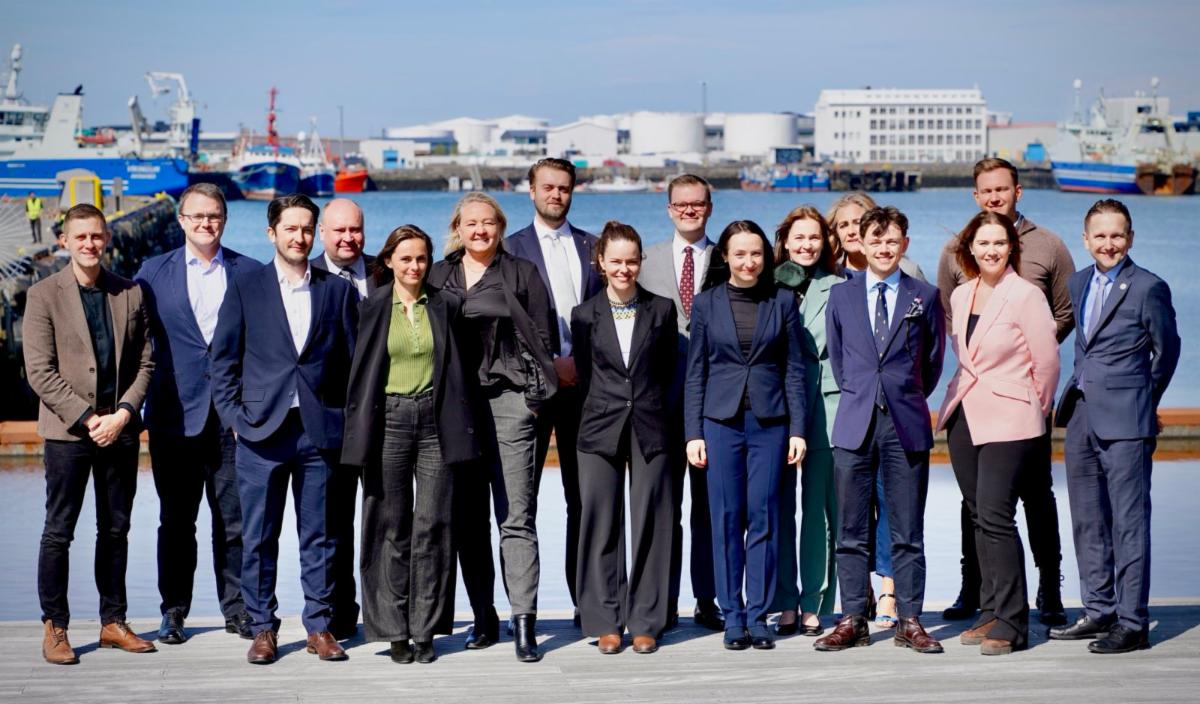
| | | The Icelandic Defence Directorate recently hosted a StratCom workshop for JEF participant nations in Reykjavik.
Photo: Jonas Haraldsson. | | Flt Lt James Langan, JEF Military Officer at the Office of Security Policy & Operations, UK MOD's EURC team. | |
How JEF+ Is Expanding Multinational Defence Collaboration
The JEF+ initiative was first introduced in 2024, emerging from the collaborative efforts of the JEF as a mediator between the United States, Norway, Sweden, the Netherlands, and Denmark. In this context, the JEF operational headquarters supported strategic messaging for the U.S.-led Global Guardian exercise. This initiative enabled the delivery of an Air Domain JEF Response Option in June 2024, marking the first time JEF actively supported Global Guardian. While not formally branded as a JEF activity, this ad hoc endeavour highlighted JEF’s ability to coordinate operational messaging for non-JEF nations within its framework. In essence, JEF+ provides a mechanism for non-JEF nations to participate in JEF activities or exercises at the operational level—without the need for formal agreements. This model extends the core JEF principle of flexibility to its Partner Nations, offering a pragmatic 'opt-in' approach for those seeking to engage in mutually beneficial collaboration.
The scope of JEF+ expanded during the deployment of the JEF operational headquarters to Iceland, where the United States and Ireland took part in the Security Forum conference co-hosted by the Icelandic Ministry for Foreign Affairs and the British Embassy. In going beyond conventional military boundaries, JEF+ sought to include external governmental agencies with specific expertise in the protection of Critical Undersea Infrastructure (CUI), contributing to the development of counter-hybrid Joint Response Operations. The practical value of JEF+ was reaffirmed through the engagement of Ukrainian observers in Joint Protector 24, using the exercise as an opportunity for a structured Lessons Learned exchange with the Ukrainian military.
A particularly important JEF+ partner is the Commander Task Force Baltic (CTF Baltic)—a multinational naval headquarters based in Rostock, established to lead NATO’s maritime operations in the Baltic Sea. Through JEF+, CTF Baltic has actively participated in regular JEF coordination meetings and has been involved in key planning discussions attended by all JEF participant nations. This cooperation exemplifies growing interoperability between JEF and CTF Baltic.
JEF+ continues to feature prominently in high-level JEF dialogues, serving as a strategic pathway to broaden the network of like-minded nations committed to strengthening European security and defence.
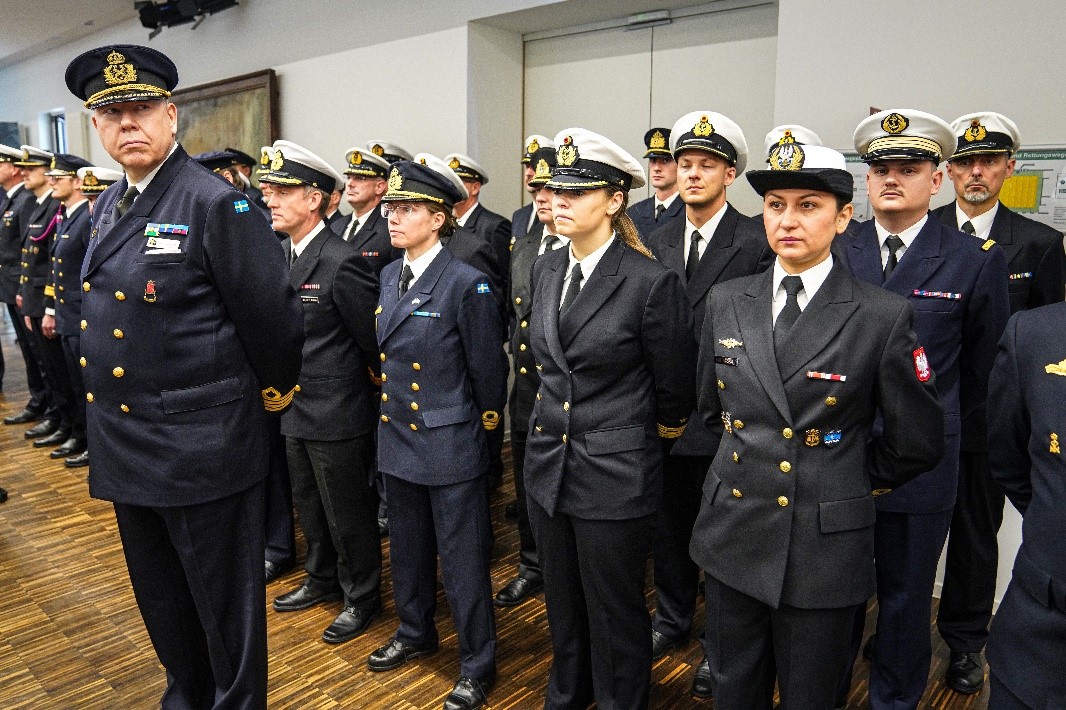
| | | The ceremony of the establishment of CTF Baltic, which is a particularly important JEF+ partner. | | | |
New tactical national headquarters CTF Baltic strengthens NATO’s maritime capabilities in the Baltic Sea
- by Lt (N) Ricardo Rosendo Patricio, CTF BALTIC PAO
On 1st October 2024, Commander Task Force Baltic (CTF Baltic) was commissioned as part of NATO’s adaption of its new command structure. For an initial period of four years, Germany provides NATO a maritime tactical national headquarters in Rostock on the Baltic Sea coast. Aligning with the alliance’s regional defence strategy, CTF Baltic plays a key role to strengthen NATO’s maritime capabilities, improve NATO’s readiness and reinforce its collective defence in the BaSR.
Therefore, Allied Maritime Command entrusts CTF Baltic with the responsibility for coordinating tactical planning and conducting NATO maritime activities in the Baltic Sea. In crisis and conflict, the staff takes tactical command of naval forces assigned by NATO and executes NATO maritime operations.
Presently, CTF Baltic is in charge of two NATO maritime Task Forces contributing to NATO’s enhanced Vigilance Activity Baltic Sentry emphasizing on monitoring Critical Underwater Infrastructure in the BaSR.
To accomplish this challenging task, close cooperation, coordination, and networking with NATO partners and commands, especially those in the BaSR, are crucial. The personnel support of CTF Baltic from all BaSR NATO nations, as well as other partners — such as France, the United Kingdom, the Netherlands, Norway, and Italy — underlines their commitment to protect the Baltic Sea. "This multinational cooperation is an excellent example of shared responsibility," says Rear Admiral (DEU N) Stephan Haisch, COM CTF Baltic.
Another vital example is the continuous cooperation with national commands as the Joint Expeditionary Force. Aligning messaging, sharing intelligence and information and coordinating maritime activities in exercises like Northern Coasts 2025 improves interoperability and operational readiness, thus strengthening Baltic’s collective defence network essential to maintaining peace and stability in the BaSR. JEF activity BALTIC EXPRESS exemplifies the practical application of excellent complex coordination between CTF BALTIC, Baltic nations and JEF. This included Ro-Ro tacking, daily coordination updates, collection and dissemination of handover reports and imagery and information exchange with the JEF JOC.
| | | Lt Col Bobby Bryan MPhil, UK MOD Mil Officer for JEF, Security Policy & Operations, EURC Team. | |
Reflections on the Evolution of JEF Response Options: Embedding Agility into Collective Defence
As I reflect on nearly two years, from June 2023, in post as a JEF Military Officer in the UK MoD — what stands out most is the transformation of the JEF into a more agile, responsive, and strategically relevant actor. Central to this evolution has been the development and operationalisation of JEF Response Options (JROs) and, latterly, the JEF+ Concept.
While I cannot claim credit for conceiving the JRO concept — its roots trace back to 2022 — it has been a privilege in some small way to help shepherd it from concept to capability. JROs emerged as a response to a growing recognition that the JEF needed to deliver value not only in the space between national and NATO responses, but also in the grey zone of hybrid threats. This required a shift in mindset: from rehearsing deterrence to delivering options quickly to political leadership decision-makers.
Upon arriving in post in June 2023, I attended the JEF Defence Ministers’ meeting in The Hague. There, the appetite for greater common situational awareness and pooled capabilities was clear. Though the term “JRO” was not yet in use at that level, the intent was unmistakable. Working closely with SJFHQ at the operational level, I focused on embedding the concept at the strategic level — culminating in its inclusion in the deliverables at the JEF Leaders’ Summit in Gotland in October 2023.
The real test of the JRO concept came with the Baltic Connector incident in late 2023. Here, the JRO concept moved from theory to practice, with the first activation announced in November and delivered in December. This was followed by the development of NORDIC WARDEN, a JRO tailored to counter CUI-related maritime threats, rehearsed in June and again during Ex JOINT PROTECTOR in November 2024, and reactivated in January 2025 in support of national and NATO activity in the Baltic Sea. These milestones not only embedded JROs into the JEF architecture but also demonstrated their utility during a period of political transition in the UK and amid questions about JEF’s relevance post-Sweden and Finland’s NATO accession.
Beyond operations, we’ve worked to ensure JROs are integrated into planning cycles and strategic communications. Drafting planning directives for potential contingencies to events has underscored their value of speed and agility, even when the decision is taken not to necessarily activate a response. Even when not selected, the ability to generate credible options quickly has itself a value to JEF Nations’ decision-makers.
This approach is also firmly aligned with the spirit of NATO’s founding principles. Article 3 of the North Atlantic Treaty underscores that “in order more effectively to achieve the objectives of this Treaty, the Parties, separately and jointly, by means of continuous and effective self-help and mutual aid, will maintain and develop their individual and collective capacity to resist armed attack.” In many ways, the JRO framework embodies this ethos — enhancing collective capacity through tailored, rapid, and cooperative action.
Looking ahead, next is ensuring JRO rehearsals are resourced and integrated into the UK, Participant Nation, and NATO’s Strategic Effects Cycle, so that JEF is stood ready to support our political leadership in being able to act collectively and swiftly in crisis if needed. Concurrently, JROs need to be continually updated to remain valuable, as national and NATO plans are updated and the threat picture changes. JEF+ will likely be instrumental in this next phase too, allowing the JEF to draw on a wider network of partners to support rehearsals, intelligence sharing, and operational readiness, while preserving the speed and cohesion of its decision-making to act — that define its core strength. The JEF’s unique selling point remains its agility, its ability to deliver tailored, stand-alone response packages at pace. To ensure this, we will continue to always improve robust intelligence and coherent concept of operations (CONOPS) sharing.
In summary, the JRO journey has been one of concept maturation, operational validation, and strategic embedding. It has been a privilege to contribute to this evolution over the past two years, ensuring the JEF remains not just relevant, but indispensable, in an increasingly contested security environment.
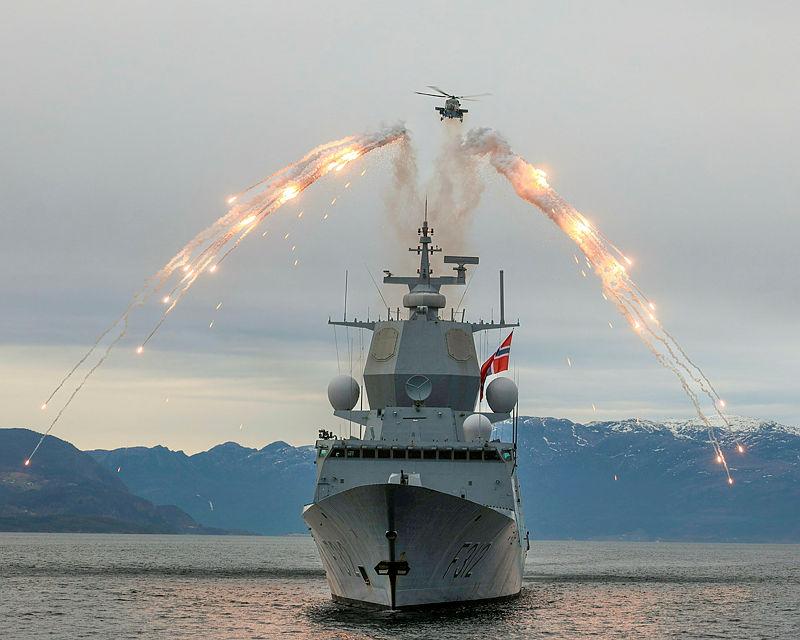
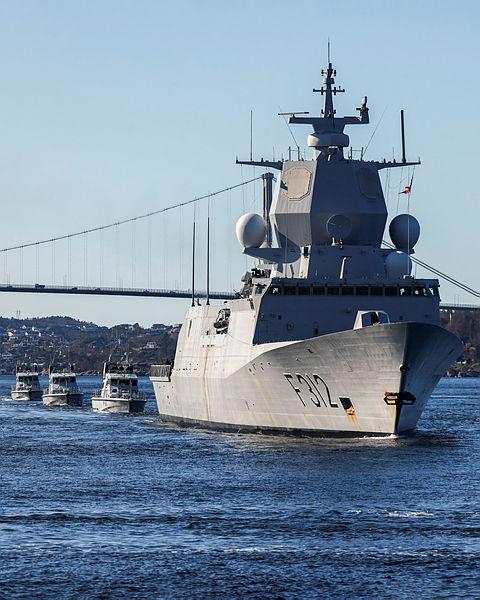
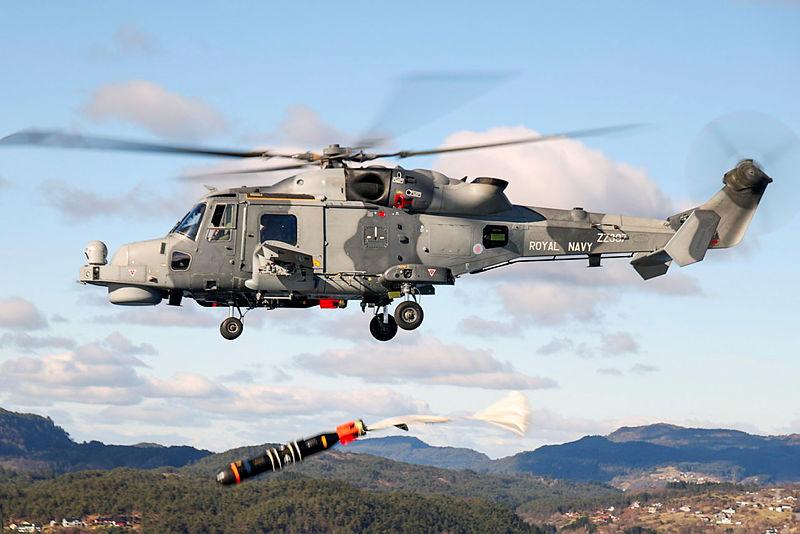
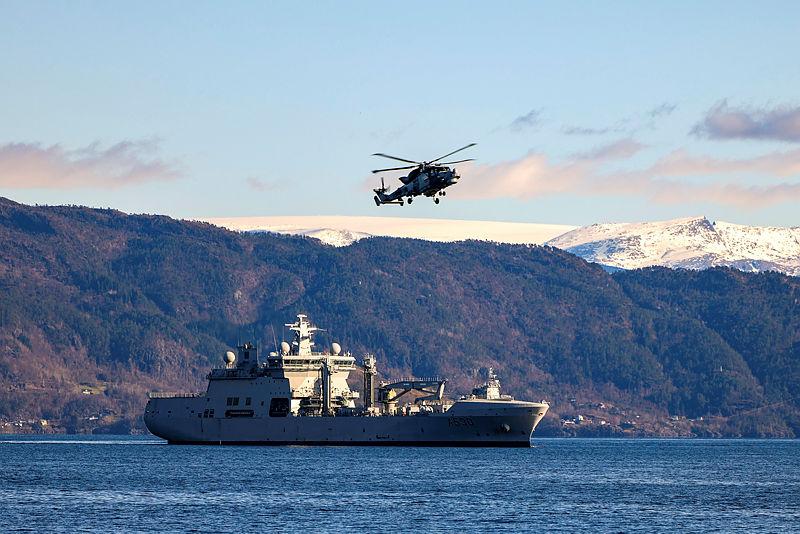
| | | 815 Naval Air Squadron Wildcat Helicopter dispense flares over HNoMs Otto during JEF sponsored Exercise Tamber Shield 2025. | | HNoMS OTTO SVERDRUP enters Bergen with Costal Force Squadron P2000s. | 815NAS drops a Training Varient Torpedo during Ex Tamber Shield. | Coastal Forces Squadron's P2000s join 815Naval Air Squadron and Royal Norwegian Navy. | HMS Express and 815 Wildcat conduct a Marine Sniper Training. | |
Exercise Tamber Shield 25 Enhances UK-Norwegian Naval Integration
In March 2025, the Royal Navy and the Royal Norwegian Navy conducted Exercise Tamber Shield 25, a Joint Expeditionary Force (JEF)-sponsored activity aimed at strengthening operational integration between the two naval forces. Held in the fjords near Bergen, Norway, this three-week exercise served as a preparatory phase for the upcoming deployment of the UK's aircraft carrier, HMS Prince of Wales.
The exercise featured coordinated training involving Royal Navy helicopters, fast attack craft, and Norwegian vessels, including the frigate HNoMS Otto Sverdrup and the support vessel HNoMS Maud. Participants engaged in scenarios such as simulated torpedo and missile attacks, with British and Norwegian fast boats maneuvering through the fjords to defend or challenge the frigate and tanker, supported by Wildcat helicopters from 815 Naval Air Squadron.
A key focus of Tamber Shield 25 was the integration of a Royal Navy Wildcat helicopter and its crew aboard the Norwegian frigate HNoMS Roald Amundsen, sister ship to the Sverdrup. This collaboration aimed to enhance interoperability ahead of the Prince of Wales's eight-month deployment to the Mediterranean, Indian Ocean, and Pacific Rim, where it will operate alongside British and NATO warships, including Norwegian vessels.
Prior to embarking on the Amundsen, Royal Navy personnel underwent rigorous training at the Norwegian Navy's safety centre, demonstrating proficiency in emergency procedures such as helicopter crash response and firefighting, using Norwegian equipment and protocols. This preparation ensured seamless integration and mutual understanding between the allied forces.
Underscoring the importance of direct collaboration between JEF nations, the Norwegian embedded liaison officer at the Joint Expeditionary Force headquarters in London visited the Tamber Shield operational area in Bergen. During the visit, they observed demonstrations of interoperability between the two navies, reinforcing the value of on-the-ground insight and coordination.
Commodore Kyrre Haugen, Norway’s Chief of the Naval Fleet, described the exercise as an exceptional arena for advanced integration training between the Royal Navy and the Royal Norwegian Navy.
Exercise Tamber Shield 25 exemplified the commitment of JEF nations to collaborative defence efforts, enhancing readiness and cohesion among allied naval forces in preparation for future joint operations.
Photos provided by UK Royal Navy.
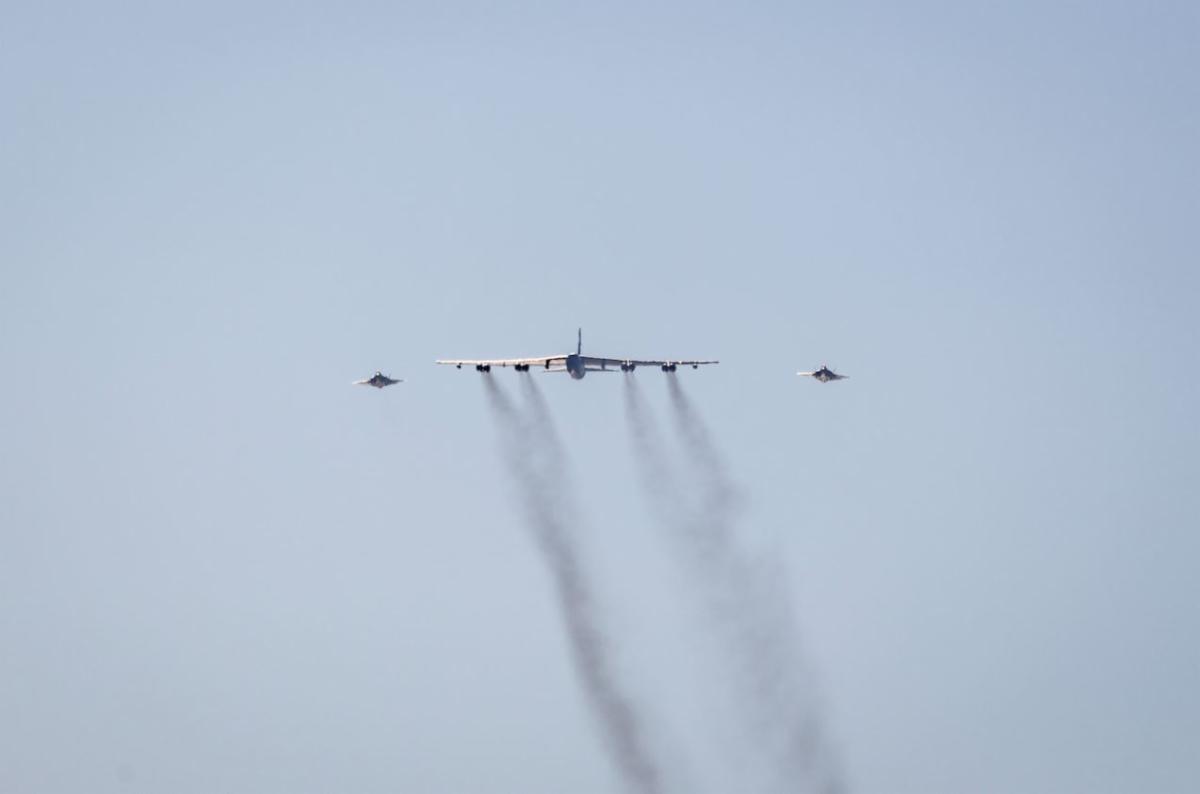
| | | US B-52 Stratofortress bomber scrambled by Allied fighter jets during Exercise Global Guardian. | | US B-52 Stratofortress bomber scrambled by Allied fighter jets during Exercise Global Guardian. | |
Global Guardian: Unites forces to defend NATO’s northern flank
In a demonstration of collaborative military power, high-readiness fighter aircraft from four Joint Expeditionary Force (JEF) nations scrambled in succession to intercept and escort a force of U.S. B-52 Stratofortress bombers.
This multinational activity, known as Exercise Global Guardian, highlights the readiness of Western allies to defend both North American and Northern European airspace along NATO’s North Atlantic flank. Global Guardian serves to test integrated air defence systems across both continents and demonstrate a seamless response to unfriendly or suspicious air activity.
On Monday 17 March, during the latest iteration of the exercise, NATO Quick Reaction Alert (QRA) fast jets from the Netherlands, Denmark, Sweden, and Norway participated. The aircraft were supported and coordinated by ground-based air defence networks, including those based in the UK and Iceland, as well as NATO’s Combined Air Operations Centre in Uedem, Germany.
The mission involved a rolling handover of two B-52s—part of the U.S. Bomber Task Force—returning from RAF Fairford in the UK to the United States. The bombers simulated a long-range aviation patrol by a hostile actor. As they exited European airspace, they were intercepted by U.S. and Canadian QRA, completing the transatlantic mission.
Global Guardian not only underscores the European contribution to North American defence but also supports the U.S. principle of Global Integrated Layered Defence (GILD). By integrating high-end capabilities such as the B-52, the exercise strengthens operational readiness and strategic coordination across domains, complementing NATO’s existing structures.
The JEF plays an important role in Global Guardian, helping to create a unified strategic narrative among participating nations. This sends a clear signal to deter malign activity while reassuring allies of our collective commitment.
Every iteration of Global Guardian offers an opportunity to train, adapt, and improve in response to real-world challenges. Since its launch in February 2024, the activity has become a regular fixture involving JEF nations, the United States, Canada, and NATO Air Command.
The exercise continues to exemplify the strength and unity of the JEF and partners as we work together to safeguard Northern European airspace and maintain secure lines of communication between Europe, the U.S., and Canada.
| | |
Hybrid CoE Course Fostered Hybrid Mindset Among JEF Defence Planners
From 24–28 March 2025, the Joint Expeditionary Force (JEF) held its second Hybrid Threats Awareness Course in Helsinki, developed and delivered by the European Centre of Excellence for Countering Hybrid Threats (Hybrid CoE). The course brought together mid- to senior-ranking civilian and military officers from JEF nations to strengthen understanding and planning capabilities in subthreshold environments.
The programme combined conceptual foundations with practical case studies, focusing on tools, actors, and responses related to hybrid threats—particularly from Russia and China. Modules covered disinformation, strategic communications, cyber, and critical infrastructure protection, supported by Hybrid CoE’s resilience and deterrence frameworks.
A highlight of the course was the scenario-based wargame Hybrid Commander: SISU, which challenged participants to apply their learning in complex planning scenarios. The course also fostered networking across JEF nations, encouraging civil-military cooperation and shared resilience-building.
Participants valued the expert-led sessions and the opportunity to exchange insights with peers. The next iteration of the course is tentatively scheduled for spring 2026.
| | |
Dr Sari Uusipaavalniemi
Senior Analyst at The European Centre of Excellence for Countering Hybrid Threats.
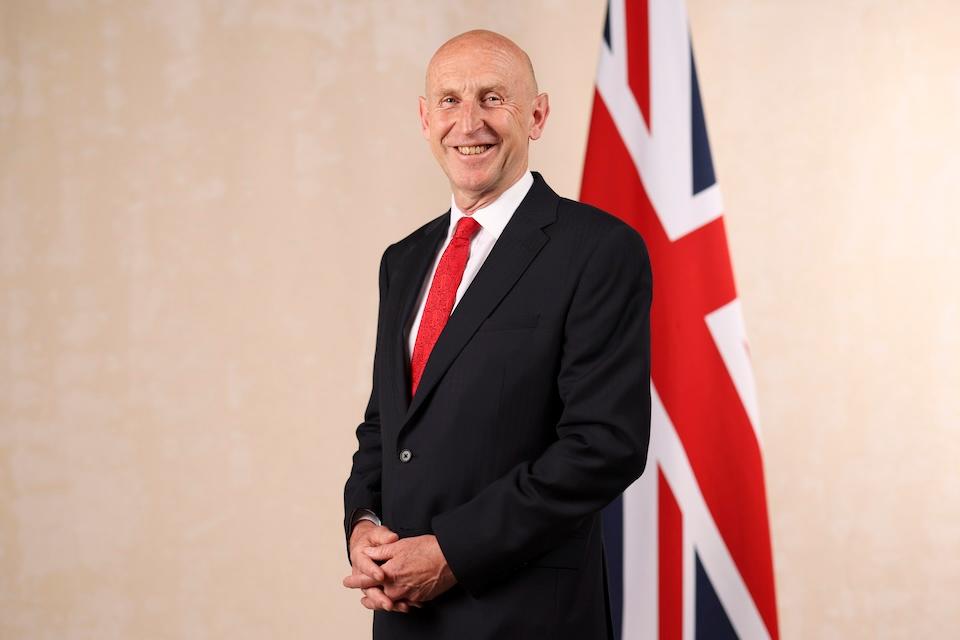
| | UK Defence Secretary John Healey MP. | |
UK Defence Secretary Announced Enhanced Measures to Protect Undersea Infrastructure
On 22 January 2025, UK Defence Secretary John Healey MP addressed the House of Commons, detailing the UK's response to recent Russian maritime activities and emphasising collaborative efforts to safeguard critical undersea infrastructure.
Healey highlighted the activation of Nordic Warden, stating, "The UK activated Nordic Warden with JEF partners after the Estlink2 cable damage." This operation focuses on tracking potential threats to undersea infrastructure, monitoring movements of Russia's shadow fleet, and issuing real-time warnings of suspicious activity to Joint Expeditionary Force participant nations and NATO.
In addition, Healey announced the UK's contribution to NATO's Baltic Sentry initiative: "I can confirm that the RAF will provide P-8 Poseidon and Rivet Joint surveillance aircraft to join the new Baltic Sentry NATO deployment to protect critical infrastructure in the Baltic Sea."
These measures underscore the UK's commitment to regional security and the protection of vital undersea assets through coordinated international efforts.
| | | | |
NATO activated BALTIC SENTRY
In January 2025, NATO activated Baltic Sentry, a multi-domain vigilance operation aimed at safeguarding critical undersea infrastructure (CUI) in the Baltic Sea. The operation was launched in response to acts of sabotage against Baltic Sea energy and data cables, and it significantly increased NATO’s maritime presence in the region. Baltic Sentry enhanced the Alliance’s understanding of the maritime environment and increased information sharing aimed at reducing and responding efficiently to incidents of sabotage and damage to critical undersea infrastructure.
Coordinated by NATO’s Allied Maritime Command (MARCOM) under the direction of Joint Forces Command Brunssum, the operation included continuous patrols and joint exercises involving warships, submarines, and aircraft. Participating forces were drawn from Standing NATO Maritime Group 1 (SNMG1), Standing NATO Mine Countermeasures Group 1 (SNMCMG1), and national maritime patrol units from Allied nations.
The mission also made use of advanced surveillance tools, including unmanned underwater vehicles and real-time sensor systems, to enhance maritime situational awareness and provide early warning of unusual activity.
Given the Baltic Sea’s strategic importance as a transit route for trade, energy, and data, Baltic Sentry underscored NATO’s commitment to collective defence and infrastructure resilience. The NATO Maritime Centre for Security of Critical Undersea Infrastructure (NMCSCUI), based at MARCOM, supported the operation by facilitating information-sharing and coordinated responses among Allies. NATO’s investment in emerging technologies, including artificial intelligence and specialised sonar, played a key role in strengthening its detection and protection capabilities throughout the operation.
Photos provided by NATO’s Allied Maritime Command.
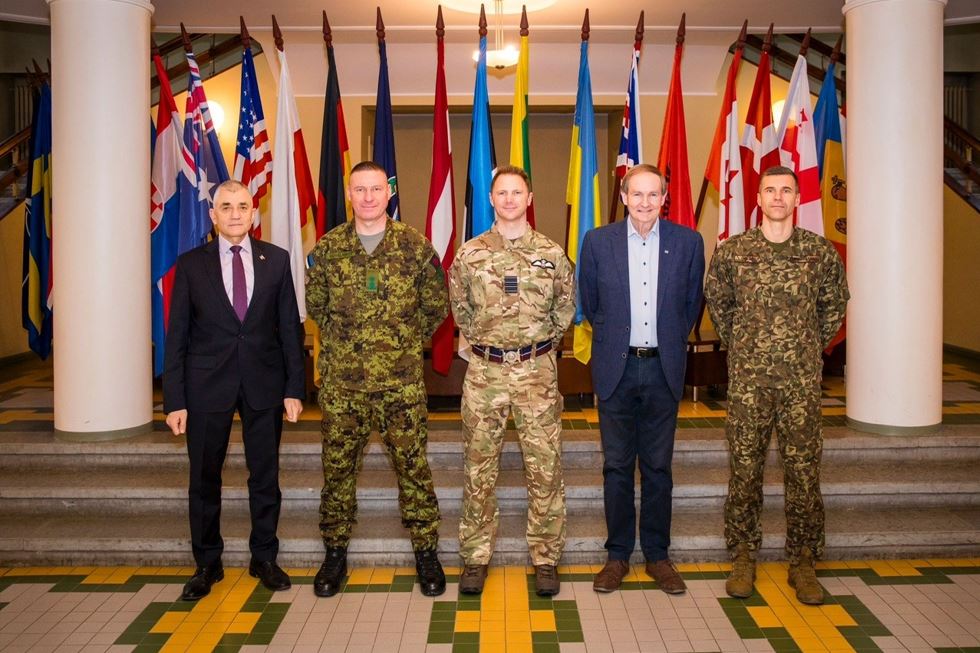
| | | Colonel (ret) Dr. hab. Zdzisław Śliwa Dean of BALTDEFCOL, Lt Col Sergei Guselnikov, Gp Capt Jonathan Eastlake and Lt Col Uldis Gutmanis. Photo taken during JEF operational headquarters visit to BALTDEFCOL in Tartu, Estonia. |
JEF delegation visited Baltic Defence College for a Strategic Roundtable
On 21 January 2025, representatives from the JEF Operational Headquarters participated in a strategic round table discussion hosted by the Baltic Defence College (BALTDEFCOL) in Tartu, Estonia. The engagement formed part of an ongoing effort to strengthen professional dialogue and foster deeper understanding between regional defence institutions and multinational operational commands.
The round table featured contributions from Group Captain Jonathan Eastlake, Assistant Chief of Staff at the JEF OHQ, alongside Lieutenant Colonel Sergei Guselnikov of Estonia and Lieutenant Colonel Uldis Gūtmanis of Latvia—both embedded staff officers and national liaison officers within the headquarters. The session was moderated by Colonel (ret) Dr. hab. Zdzisław Śliwa Dean of BALTDEFCOL.
Discussions focused on the strategic role of the JEF in promoting stability and deterrence across Northern Europe, while also examining the force’s operational principles, multinational integration, and contributions to collective defence within the NATO framework. The exchange of perspectives contributed to enhanced mutual understanding and professional development among the BALTDEFCOL community.
In addition to the roundtable, JEF OHQ representatives engaged with faculty members from the Department of Military Studies, offering further insights into practical aspects of multinational command structures and expeditionary readiness.
Such engagements are viewed as essential in sustaining collaborative defence efforts and supporting the education of future military leaders. The JEF OHQ remains committed to deepening its partnerships with regional institutions and reinforcing a shared approach to security in the Euro-Atlantic area.
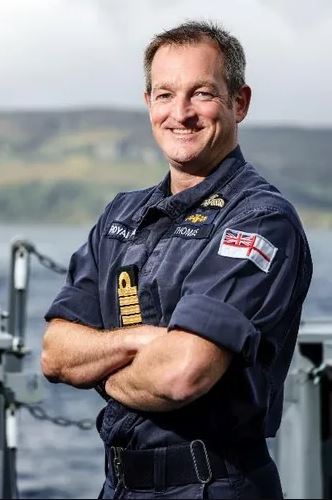
| | Capt Daniel Thomas Assistant Chief of Staff of Current Operations at the JEF Operational headquarters. | |
New Year’s Resolution: NORDIC WARDEN Activated to Coordinate Determined Defence of Critical Undersea Infrastructure (CUI)
In the middle of the Christmas holidays, the JEF operational headquarters near London swung into action, activating once again its JEF Response Option (JRO) for NORDIC WARDEN, in close collaboration with the North Atlantic Treaty Organisation’s (NATO) Baltic Critical Undersea Infrastructure (CUI) defence plans.
On Christmas Day, the Estlink2 undersea cable connecting Finland and Estonia was damaged. The suspected culprit was a tanker from Russia’s so-called “shadow fleet,” which is being used to circumvent international sanctions imposed following Russia’s invasion of Ukraine.
This incident underscored the vulnerability of underwater infrastructure that supports the economies of Joint Expeditionary Force nations—exposing them to both deliberate sabotage and accidental damage. . Beyond the initial disruption, this incident reaffirms the need for continued action by JEF nations and partners to continue work in protecting all aspects of our national security infrastructure.
State-of-the-Art Coordination
An international effort was led from the Joint Expeditionary Force’s Northwood Joint Operations Centre (JOC), where multiple sources of data are fused to construct a real-time maritime picture of the Baltic Sea.
An advanced mission system at the JOC is programmed to analyse inputs from a variety of sources, including the Automatic Identification System (AIS), which is used by vessels to broadcast their positions.
Any unusual behaviour patterns detected within designated areas of interest—amidst the day-to-day activity of hundreds of vessels—trigger alerts to JEF nations, the German Navy’s Baltic Command, and NATO, prompting investigation and action if necessary.
Captain Dan Thomas, Royal Navy, Assistant Chief of Staff for Operations (ACOS Ops) at the Standing Joint Force Headquarters (SJFHQ), stated:
“NORDIC WARDEN clearly demonstrated the flexibility and unity of the Joint Expeditionary Force in its ability to swiftly respond to Critical Undersea Infrastructure challenges within the Baltic Sea region. Operating seamlessly with NATO’s Maritime Command (MARCOM), large areas of the sea were continuously monitored, utilising computer automation alongside experienced personnel to track suspect vessels and protect CUI against deliberate acts of sabotage or negligence.”
Growing Collaboration
The Joint Expeditionary Force’s response to the most recent incident underscores the importance of international collaboration in protecting Critical Undersea Infrastructure. The operation involved more than 30 ships and numerous air assets from JEF nations, working together and complementing NATO’s planned response—Operation BALTIC SENTRY—which is focused on monitoring and defending vital energy pipelines and communication cables.
This latest incident reinforced the urgent need for robust monitoring and protection of undersea infrastructure. The activation of NORDIC WARDEN by the Joint Expeditionary Force showcased an innovative use of technology to support international cooperation—enabling a rapid and resolute response to potential threats to regional security and prosperity.
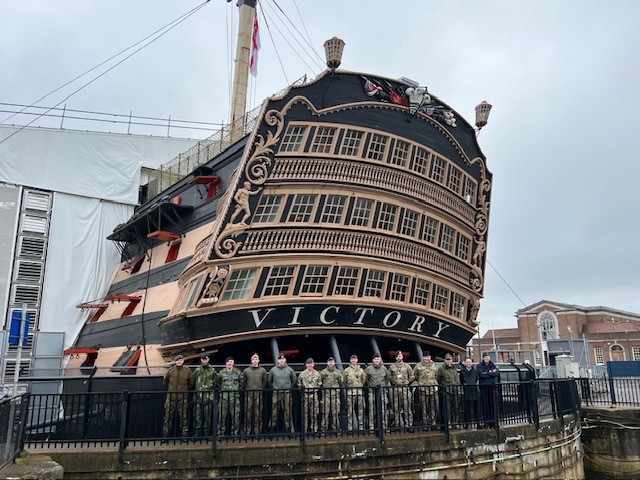
| | | The international officers supporting the JEF at the OHQ, led by ACOS JEF Gp Capt Jonathan Eastlake, visited Portsmouth Naval Base in January, which has been a part of the city for more than 800 years. During the visit the delegation visited HMS Victory, learned about its history and most notably the Battle of Trafalgar of the Napoleon Wars. | | Mr Jón Einar Sverrisson, Editor, Icelandic StratCom Advisor at JEF OHQ. | Mrs Áslaug Karen Jóhannsdóttir, Director of the Department for Communications and Public Diplomacy at the Icelandic Ministry for Foreign Affairs. | |
A Note From the Editor
We are close to the two year mark since the first publication of the JEF newsletter was made. This was an action from the JEF 2* policy/military meeting in Amsterdam in May 2023, as a means to provide an overview of current events in the JEF in one place. In the long term the newsletters will constitute as an archive of observations, events and activities that reflect the development of the defence framework.
It has been a great pleasure collaborating with colleagues from all over the JEF region and beyond, not least the Framework Nation. The newsletter has received contributions from a wide range of subject matter experts, from JEF Leaders, Diplomats, Civilians, Generals and all ranking officers, that collectively have supported this initiative and provided great value to our readers. This has been evident based on reactions from our readers and the steady increase of subscribers over the past two years.
All good things come to an end to make room for new beginnings. As I will soon be leaving my post at the JEF Operational Headquarters, I will hand over my role as the editor of this newsletter to my successor Mrs Aslaug Karen Johannsdottir, who joins the JEF OHQ after having worked for seven years at the Department for Communications and Public Diplomacy at the Icelandic Foreign Ministry.
I would like to thank all the contributors to the newsletter over the past 2 years as well as our readers, and I look forward to continue tracking this publication as a reader and subscriber from afar. I wish Áslaug all the best with continuing this publication.
Jón Einar Sverrisson
| | | Upcoming JEF events and activities | | |
Events
JEF Chiefs of Defence meeting - June 2025
Activities
ATLANTIC TRIDENT - June 2025
TARASSIS - September-October 2025
| | The Standing Joint Force Headquarters (SJFHQ) in London operates the Joint Expeditionary Force, as UK is the framework nation. | |
About the JEF
The Joint Expeditionary Force was formally launched as a NATO initiative at the September 2014 Wales Summit, under the then new “Framework Nations Concept”.
The JEF is a framework of ten like-minded Northern European nations focused on mutual support and cooperation. By collaborating, training, and operating together, JEF enhances collective capability and develops interoperability. In turn, through persistent activity and signature exercises, the JEF demonstrates its readiness to act as a collective and whilst being prepared to support NATO as the ultimate security guarantor for the region.
The JEF Participant Nations are: Denmark, Estonia, Finland, Iceland, Latvia, Lithuania, the Netherlands, Norway, Sweden and the UK which is the Framework Nation.
All ten JEF Participant Nations are also members of NATO, with Sweden as the most recent Member State.
All JEF Participant Nations have a Liaison Officer embedded into the Standing Joint Force Headquarters in Northwood, London.
| | | |
Follow JEF on Social Media
#JEFtogether
| | |
|
Copyright Disclaimer: Unless specified, photos published in this newsletter have either been provided by the JEF participant nations' Governments, are available under the terms of the Open Government License, have previously been published on JEFNations Social Media channels, and/or fall under the UK MOD © Crown copyright 2023, published on UK Defence Imagery.
|
| | | |