New Releases February 2024
What to do with your extra day this month? Read a book, obviously! We can help with that. As always, scroll down for highlights from this month's batch of newly published books.
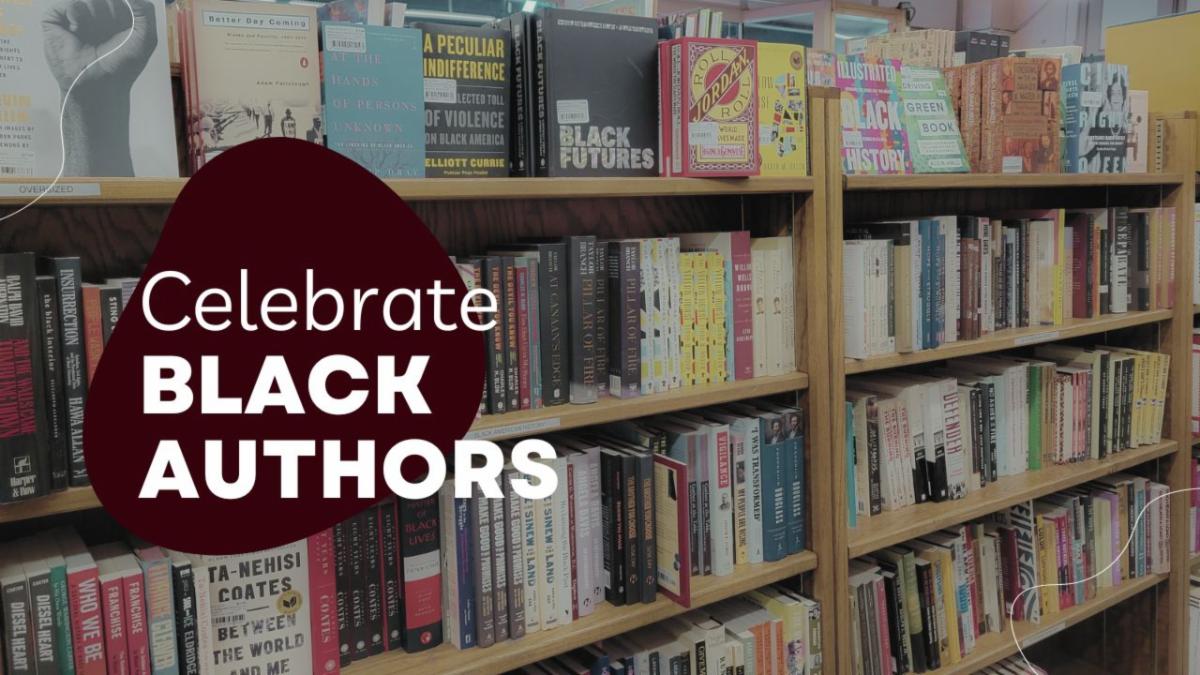
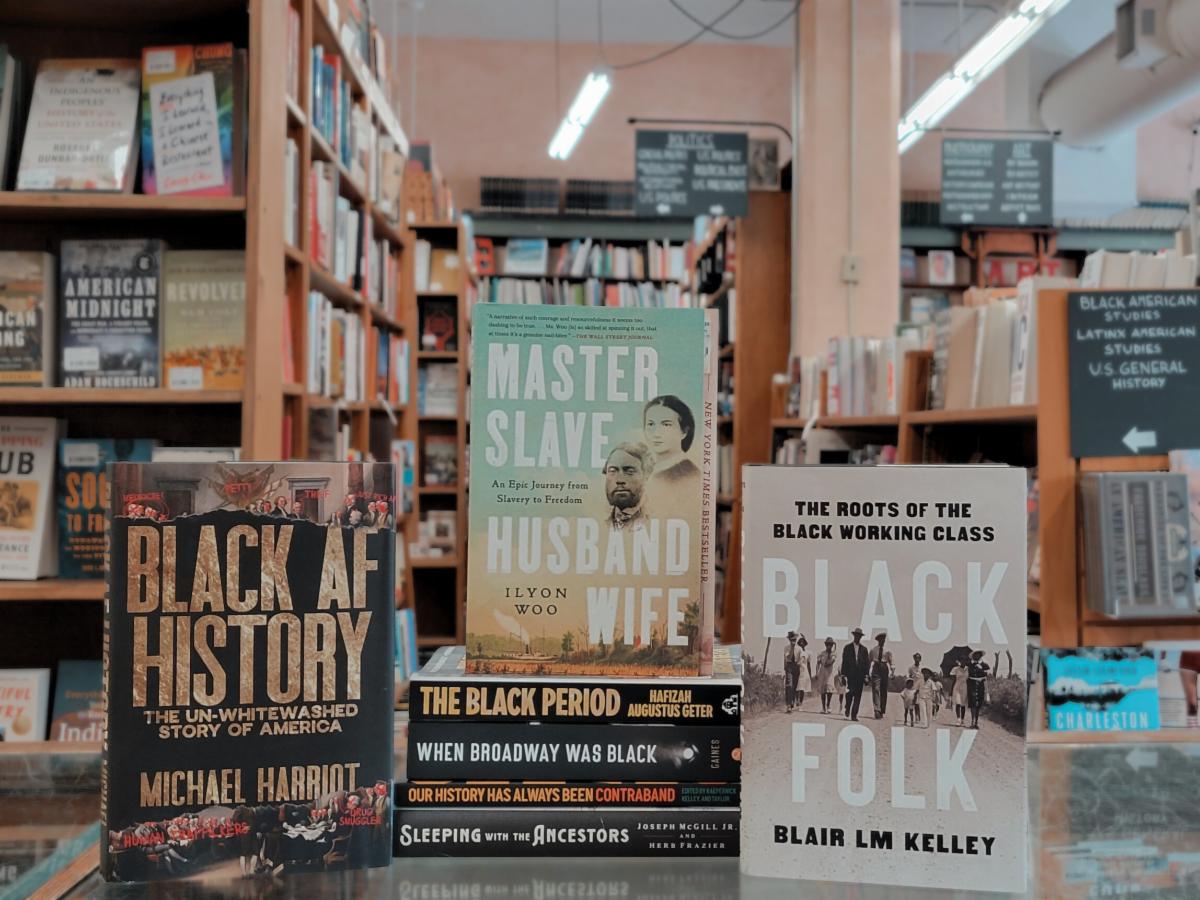
We're honoring Black History Month with a list of recommendations featuring books by Black authors and highlighting African American history, as well as a look back on some great past events on our YouTube channel.
And don't forget, Valentine's Day is just around the corner, which means our popular Blind Date with a Book promotion is back! Come pick up a surprise book wrapped in brown paper and let it take you on a literary adventure. For those want to embrace a less lovey-dovey vibe this Valentine's Day, we have a list of "bad romances," featuring star crossed lovers and red flags galore.
We hope you'll enjoy our February recommendations!
|
|
Revisit past events on our YouTube channel: |
|
Check out our Black History Month reading recommendations: |
|
Blind Date with a Book is back <3 Take a chance on literary love by browsing our in-store display OR order a mystery book online! |
|
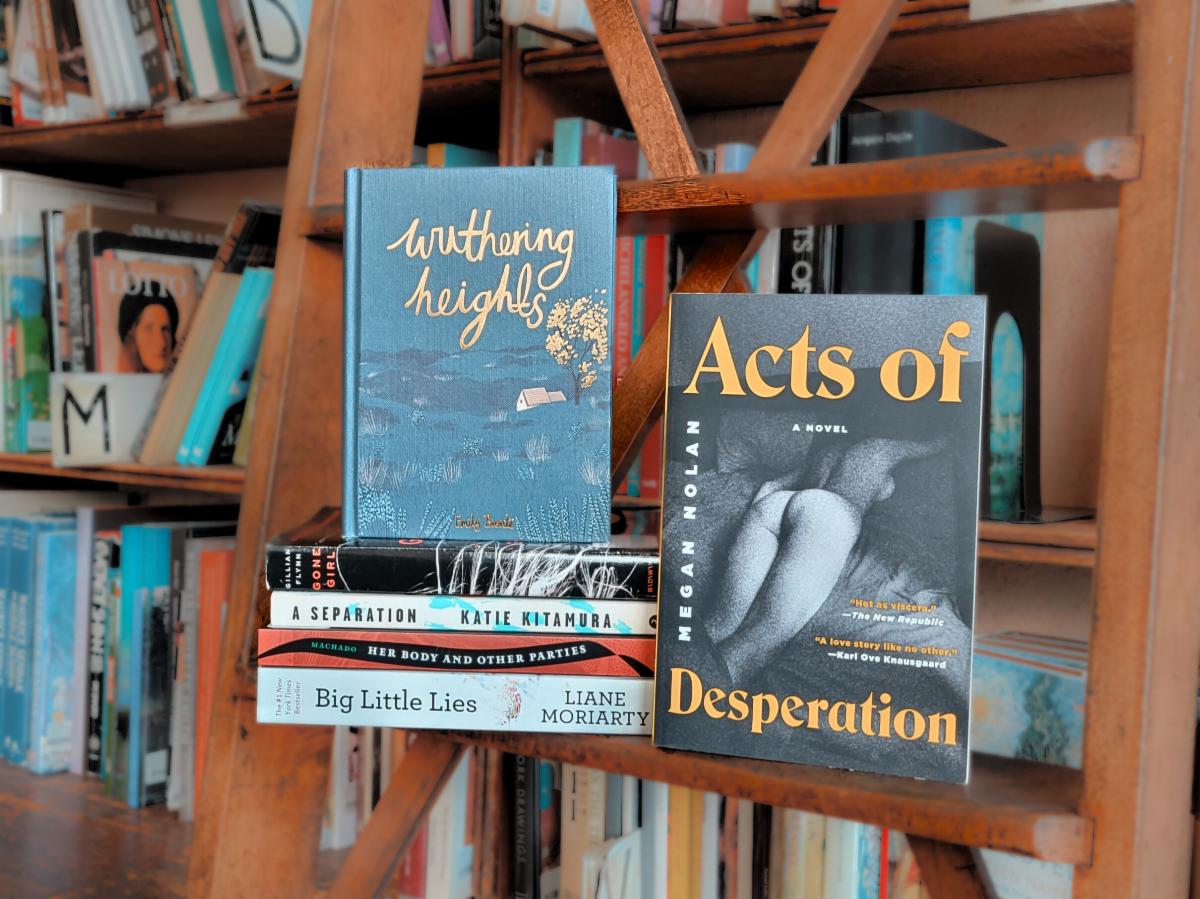
If "Happily Ever After" isn't your vibe this Valentine's Day, check out our recommendations featuring love stories that are messy, complicated, or even toxic: |
|
|
|
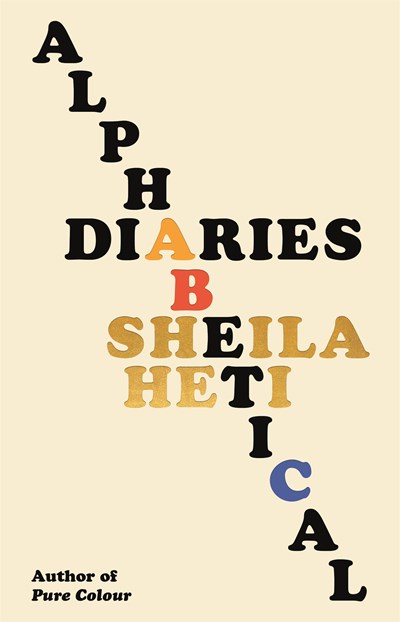
A thrilling confessional from the award-winning, beloved author of Pure Colour.
Sheila Heti kept a record of her thoughts over a ten-year period, then arranged the sentences from A to Z. Passionate and reflective, joyful and despairing, these are her alphabetical diaries.
Available Now
|
|
|
|
 |
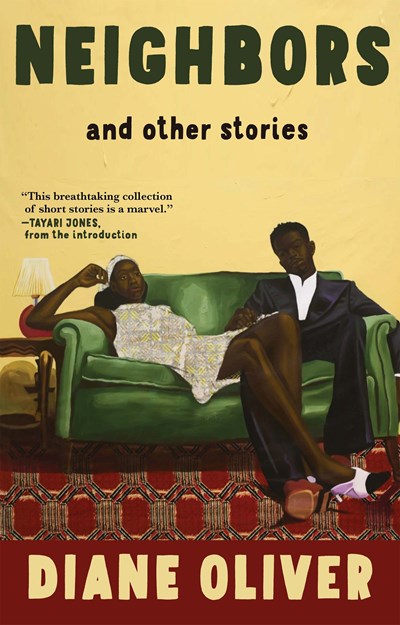
Neighbors and Other Stories |
A remarkable talent far ahead of her time, Diane Oliver died in 1966 at the age of 22, leaving behind these crisply told and often chilling tales that explore race and racism in 1950s and 60s America. In this first and only collection by a masterful storyteller finally taking her rightful place in the canon, Oliver’s insightful stories reverberate into the present day.
There’s the nightmarish “The Closet on the Top Floor” in which Winifred, the first Black student at her newly integrated college, starts to physically disappear; “Mint Juleps not Served Here” where a couple living deep in a forest with their son go to bloody lengths to protect him; “Spiders Cry without Tears,” in which a couple, Meg and Walt, are confronted by prejudices and strains of interracial and extramarital love; and the high tension titular story that follows a nervous older sister the night before her little brother is set to desegregate his school.
These are incisive and intimate portraits of African American families in everyday moments of anxiety and crisis that look at how they use agency to navigate their predicaments. As much a social and historical document as it is a taut, engrossing collection, Neighbors is an exceptional literary feat from a crucial once-lost figure of letters.
Available Now
|
|
|
|
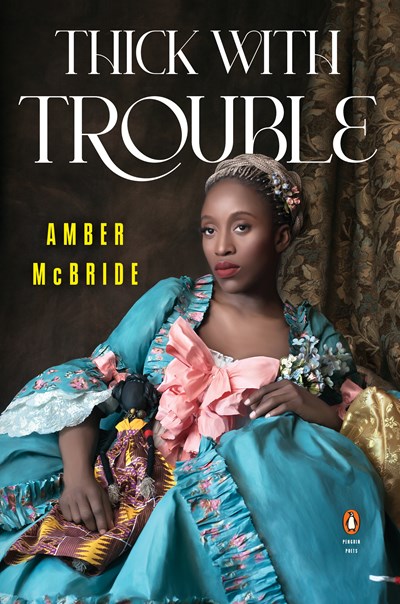
In Thick with Trouble, award-winning poet Amber McBride interrogates if being “trouble”—difficult, unruly, fearsome, defiant—is ultimately a weakness or an incomparable source of strength. Steeped in the Hoodoo spiritual tradition and organized via reimagined tarot cards, this collection becomes a chorus of unapologetic women who laugh, cry, mesmerize, and bring outsiders to their knees. Summoning the supernatural to examine death, rebirth, and life outside the male gaze, Amber McBride has crafted a haunting, spellbinding, and strikingly original collection of poems that reckon with the force and complexity of Black womanhood.
Available Now
|
|
|
|
|
In this ingenious, sweeping novel, Phillip B. Williams introduces us to an enigmatic woman named Saint, a fearsome conjuror who, in the 1830s, annihilates plantations all over Arkansas to rescue the people enslaved there. She brings those she has freed to a haven of her own creation: a town just north of St. Louis, magically concealed from outsiders, named Ours.
It is in this miraculous place that Saint’s grand experiment—a truly secluded community where her people may flourish—takes root. But although Saint does her best to protect the inhabitants of Ours, over time, her conjuring and memories begin to betray her, leaving the town vulnerable to intrusions by newcomers with powers of their own. As the cracks in Saint’s creation are exposed, some begin to wonder whether the community’s safety might be yet another form of bondage.
Set over the course of four decades and steeped in a rich tradition of American literature informed by Black surrealism, mythology, and spirituality, Ours is a stunning exploration of the possibilities and limitations of love and freedom by a writer of capacious vision and talent.
Coming February 20
|
|
|
|
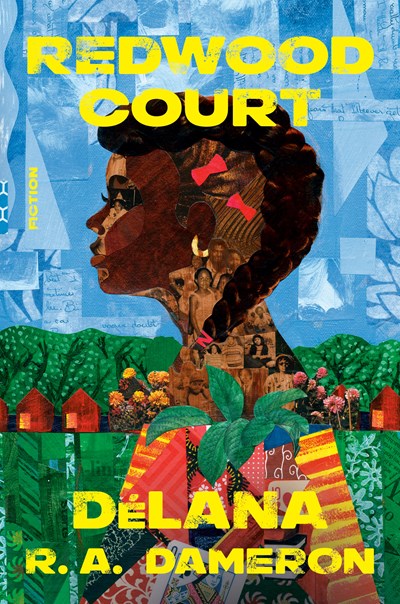
So begins award-winning poet DéLana R. A. Dameron’s debut novel, Redwood Court. The baby of the family, Mika Tabor spends much of her time in the care of loved ones, listening to their stories and witnessing their struggles. On Redwood Court, the cul-de-sac in the all Black working-class suburb of Columbia, South Carolina, where her grandparents live, Mika learns important lessons from the people who raise her: her exhausted parents, who work long hours at multiple jobs while still making sure their kids experience the adventure of family vacations; her older sister, who, in a house filled with Motown would rather listen to Alanis Morrisette, and can’t wait to taste real independence; her retired grandparents, children of Jim Crow, who realized their own vision of success when they bought their house on the Court in the 1960s, imagining it filled with future generations; and the many neighbors who hold tight to the community they’ve built, committed to fostering joy and love in an America so insistent on seeing Black people stumble and fall.
With visceral clarity and powerful prose, Dameron reveals the devastation of being made to feel invisible and the transformative power of being seen. Redwood Court is a celebration of extraordinary, ordinary people striving to achieve their own American dreams.
Available Now
|
|
|
|
|
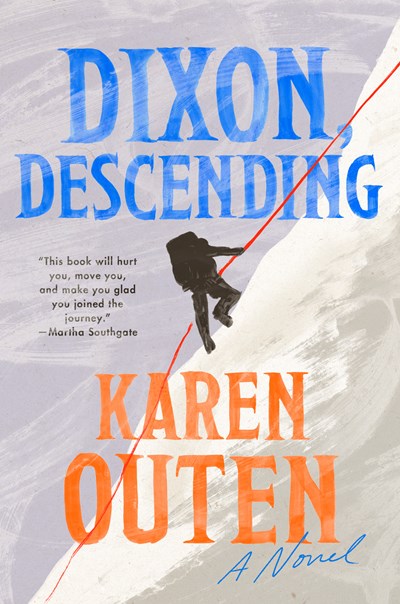
Dixon was once an Olympic-level runner. But he missed the team by two-tenths of a second, and ever since that pain decades ago, he hasn’t allowed a goal to consume him. But when his charming older brother, Nate, suggests that they attempt to be the first Black American men to summit Mount Everest, Dixon can’t refuse. The brothers are determined to prove something—to themselves and to each other.
Dixon interrupts his orderly life as a school psychologist, leaving behind disapproving friends, family, and one particularly fragile student, Marcus. Once on the mountain, they are met with extreme weather conditions, oxygen deprivation, and precarious terrain. But as much as they’ve prepared for this, Mt. Everest is always fickle. And in one devastating moment, Dixon’s world is upended.
Dixon returns home, wracked with guilt and grief. He attempts to resume his job, but things have shifted: for him, and for the students he left behind when he chose Mt. Everest. Ultimately, Dixon must confront the truth of what happened on the mountain and come to terms with who can and cannot be saved. DIXON, DESCENDING offers us a captivating, shattering portrait of the ways we’re reshaped by our decisions—and what it takes to angle ourselves, once again, toward hope.
Available Now
|
|
|
|
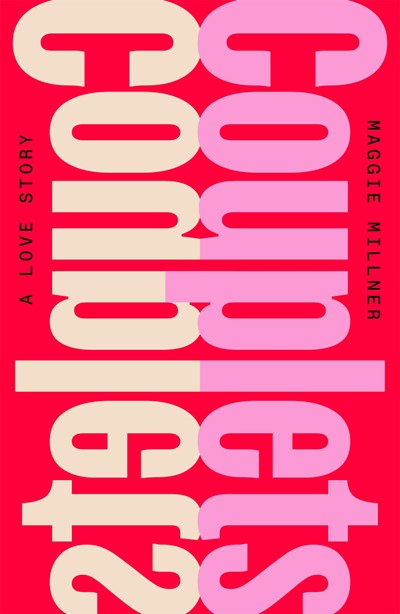
A woman lives an ordinary life in Brooklyn. She has a boyfriend. They share a cat. She also has dreams: of being seduced by a throng of older women, of kissing a friend in a dorm-room closet. But the dreams are private, not real. One night, she meets another woman at a bar, and an escape hatch swings open in the floor of her life. She falls into a consuming affair—into queerness, polyamory, kink, power and loss, humiliation and freedom.
Maggie Millner’s captivating, seductive debut is a love story in poems that explores obsession, gender, identity, and the art and act of literary transformation. Couplets chronicles the strictures, structures, and pitfalls of relationships—the mirroring, the pleasing, the small jealousies and disappointments—and how the people we love can show us who we truly are.
Available Now
|
|
|
|
|
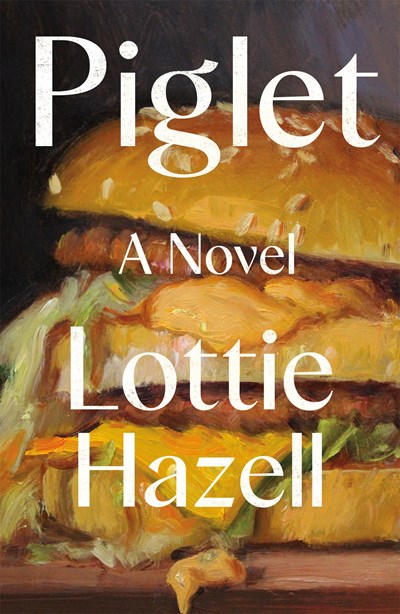
Outside of a childhood nickname she can’t shake, Piglet’s rather pleased with how her life’s turned out. An up-and-coming cookbook editor at a London publishing house, she’s got lovely, loyal friends and a handsome fiancé, Kit, whose rarefied family she actually, most of the time, likes, despite their upper-class eccentricities. One of the many, many things Kit loves about Piglet is the delicious, unfathomably elaborate meals she’s always cooking.
But when Kit confesses a horrible betrayal two weeks before they’re set to be married, Piglet finds herself suddenly…hungry. The couple decides to move forward with the wedding as planned, but as it nears and Piglet balances family expectations, pressure at work, and her quest to make the perfect cake, she finds herself increasingly unsettled, behaving in ways even she can’t explain. Torn between a life she’s always wanted and the ravenousness that comes with not getting what she knows she deserves, Piglet is, by the day of her wedding, undone, but also ready to look beyond the lies we sometimes tell ourselves to get by.
A stylish, uncommonly clever novel about the things we want and the things we think we want, Piglet is both an examination of women’s often complicated relationship with food and a celebration of the messes life sometimes makes for us.
Coming February 27
|
|
|
|
Moon of the Turning Leaves |
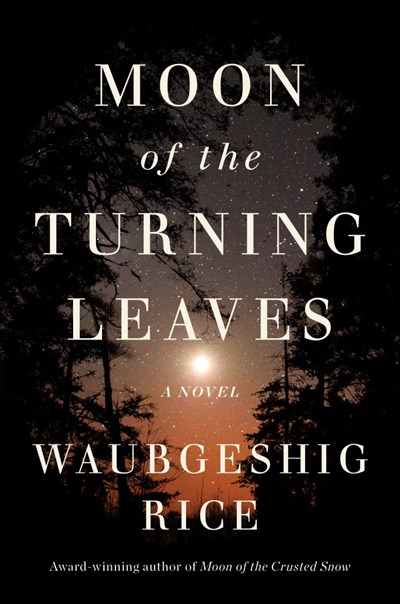
For the past twelve years, a community of Anishinaabe people have made the Northern Ontario bush their home in the wake of the infrastructural power failure that brought about governmental and societal collapse. Hunters and harvesters, they have survived and thrived the way their ancestors once did, but their natural food resources are dwindling, and the time has come to find a new home.
Evan Whitesky volunteers to lead a dangerous mission south to explore the possibility of moving back to their ancestral home, the “land where the birch trees grow by the big water” in the Great Lakes region. Accompanied by five others, including his daughter Nangohns, a great archer and hunter, Evan begins a journey that will take him through the reserve where the Anishinaabe were once settled, the devastated city of Gibson, and a land now being reclaimed by nature.
But it isn’t just the wilderness that poses a threat as they encounter other survivors. Those who, like the Anishinaabe, live in harmony with the land. And those who use violence to fulfill their needs. . .
Coming February 27
|
|
|
|
|
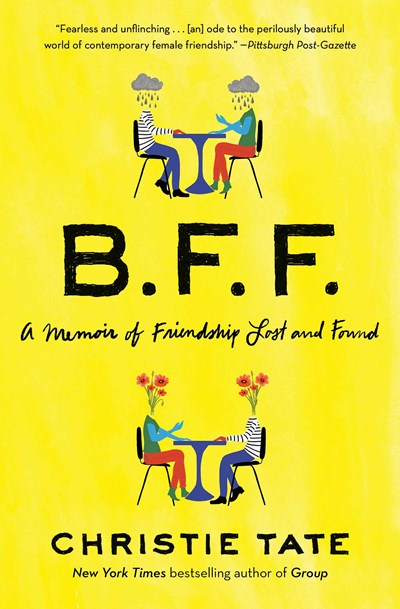
After more than a decade of dead-end dates and dysfunctional relationships, Christie Tate has reclaimed her voice and settled down. Her days of agonizing in group therapy over guys who won’t commit are over, the grueling emotional work required to attach to another person tucked neatly into the past.
Or so she thought. Weeks after giddily sharing stories of her new boyfriend at Saturday morning recovery meetings, Christie receives a gift from a friend. Meredith, twenty years older and always impeccably accessorized, gives Christie a box of holiday-themed scarves as well as a gentle suggestion: maybe now is the perfect time to examine why friendships give her trouble. “The work never ends, right?” she says with a wink.
Christie isn’t so sure, but she soon realizes that the feeling of “apartness” that has plagued her since childhood isn’t magically going away now that she’s in a healthy romantic relationship. With Meredith by her side, she embarks on a brutally honest exploration of her friendships past and present, sorting through the ways that debilitating shame and jealousy have kept the lasting bonds she craves out of reach—and how she can overcome a history of letting go too soon.
Available Now
|
|
|
|
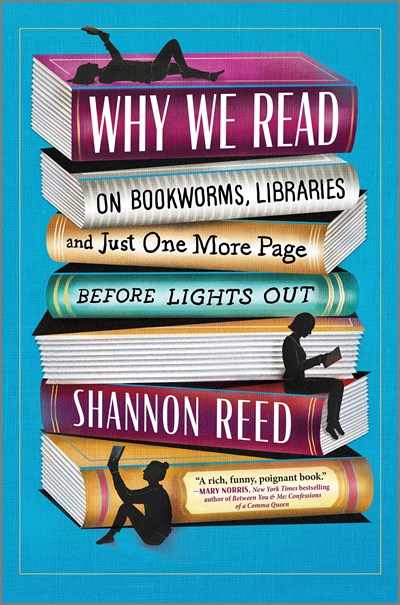
We read to escape, to learn, to find love, to feel seen. We read to encounter new worlds, to discover new recipes, to find connection across difference or simply to pass a rainy afternoon. No matter the reason, books have the power to keep us safe, to challenge us, and perhaps most importantly, to make us more fully human.
Shannon Reed, a long-time teacher, lifelong reader and The New Yorker contributor, gets it. With one simple goal in mind, she makes the case that we should read for pleasure above all else. In this whip-smart, laugh-out-loud funny collection, Reed shares surprising stories from her life as a reader and the poignant ways in which books have impacted her students. From the varied novels she cherishes (Gone Girl, Their Eyes Were Watching God) to the ones she didn’t (Tess of the D’Ubervilles), Reed takes us on a rollicking tour through the comforting world of literature, celebrating the books we love, the readers who love them and the surprising ways in which literature can transform us for the better.
Available Now
|
|
|
|
|
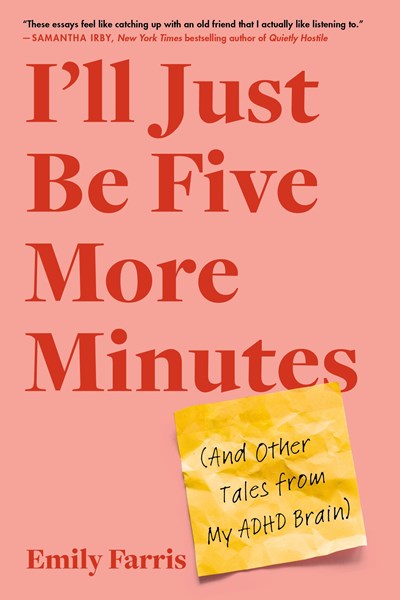
I'll Just Be Five More Minutes |
I'll Just Be Five More Minutes is a personal essay collection of laugh-out-loud-funny, tear-jerking, and at times cringey true stories of Emily's experiences as a neurodivergent woman. With the newfound knowledge of her ADHD, Emily candidly reexamines her complicated relationships (including one with a celebrity stalker), her money problems, the years she spent unknowingly self-medicating, and her hyperfixations (two words: decorative baskets).
A memoir-in-essays both entertaining and enlightening, I'll Just Be Five More Minutes is for people with ADHD, as well as those who know and love them. This is a powerful collection of deeply relatable, wide-ranging stories about a woman's right to control her own body, about overwhelm and oversharing, about drinking too much and sleeping too little, and about being misunderstood by the people closest to you. At its heart, I’ll Just Be Five More Minutes is about not quite fitting in and not really understanding why—something we’ve all felt whether we're neurodivergent or not.
Available Now
|
|
|
|
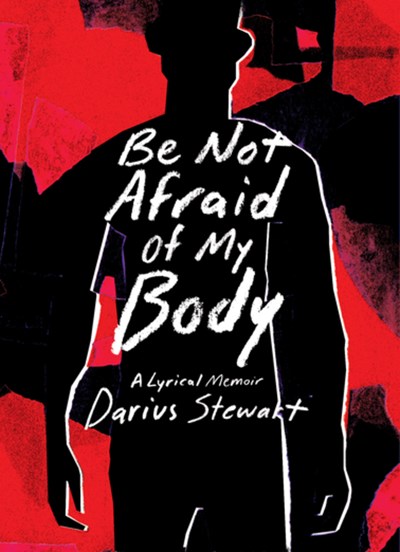
Darius Stewart spent his childhood in the Lonsdale projects of Knoxville, where he grew up navigating school, friendship, and his own family life in a context that often felt perilous. As we learn about his life in Tennessee—and eventually in Texas and Iowa, where he studies to become a poet—he details the obstacles to his most crucial desires: hiding his earliest attraction to boys in his neighborhood, predatory stalkers, doomed affairs, his struggles with alcohol addiction, and his eventual diagnosis with HIV. Through a mix of straightforward memoir, brilliantly surreal reveries, and moments of startling imagery and insight, Stewart’s explorations of love, illness, chemical dependency, desire, family, joy, shame, loneliness, and beauty coalesce into a wrenching, musical whole.
A lyrical narrative reminiscent of Saeed Jones’s How We Fight for Our Lives and Kiese Laymon’s Heavy, Be Not Afraid of My Body stands as a compelling testament to growing up Black and gay in America, and to the drive in all of us to collect the fragments of our own experience and transform them into a story that does justice to all the multitudes we contain.
Available Now
|
|
|
|
|
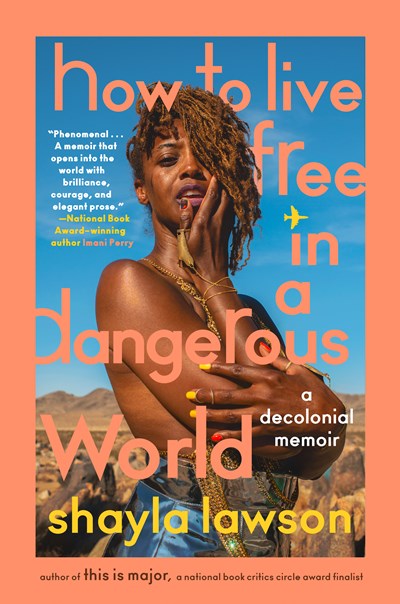
How to Live Free in a Dangerous World |
In their new book, Shayla Lawson reveals how traveling can itself be a political act, when it can be a dangerous world to be Black, femme, nonbinary, and disabled. With their signature prose, at turns muscular and luminous, Lawson explores layered meanings within love, time, and the self.
Through encounters with a gorgeous gondolier in Venice, an ex-husband in The Netherlands, and a lost love on New Year’s Eve in Mexico City, Lawson’s travels bring unexpected wisdom about life in and out of love. They learn the strength of friendships, and the dangers of beauty during a near escape in Egypt. They examine Blackness in post dictatorship Zimbabwe, then take us on a secretive tour of Black freedom movements in Portugal.
Through a deeply insightful journey, Lawson leads readers from a castle in France, to a hula hoop competition in Jamaica, to a traditional theater in Tokyo, to a Prince concert in Minnesota, and finally to find liberation on a beach in Bermuda, exploring each location—and their deepest emotions—to the fullest. In the end, they discover how trials of marriage, grief, and missed connections, can lead to self transformation and unimagined new freedoms.
Available Now
|
|
|
|
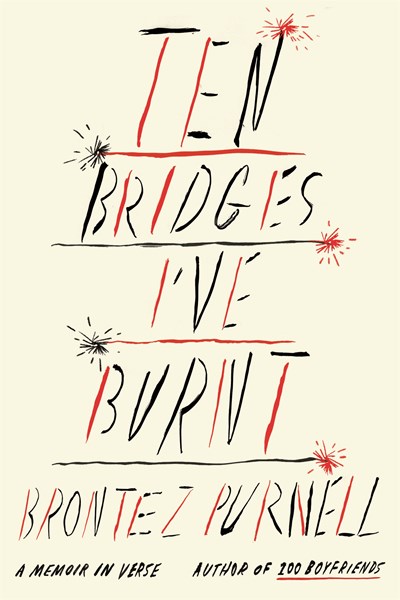
In Ten Bridges I’ve Burnt, Brontez Purnell—the bard of the underloved and overlooked—turns his gaze inward. A storyteller with a musical eye for the absurdity of his own existence, he is peerless in his ability to find the levity within the stormiest of crises. Here, in his first collection of genre-defying verse, Purnell reflects on his peripatetic life, whose ups and downs have nothing on the turmoil within. “The most high-risk homosexual behavior I engage in,” Purnell writes, “is simply existing.”
The thirty-eight autobiographical pieces pulsing in Ten Bridges I’ve Burnt find Purnell at his no-holds-barred best. He remembers a vicious brawl he participated in at a poetry conference and reckons with packaging his trauma for TV writers’ rooms; wrestles with the curses, and gifts, passed down from generations of family members; and chronicles, with breathless verve, a list of hell-raising misadventures and sexcapades. Through it all, he muses on everything from love and loneliness to capitalism and Blackness to jogging and the ethics of art, always with unpredictable clarity and movement.
With the same balance of wit and wisdom that made 100 Boyfriends a sensation, Purnell unleashes another collection of boundary-pushing writing with Ten Bridges I’ve Burnt, a book as original and thrilling as the author himself.
Available Now
|
|
|
|
|
How to Win Friends and Influence Fungi |
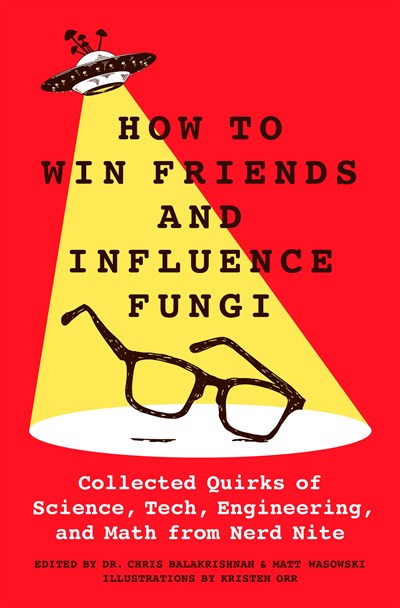
For 20 years, Nerd Nite has delivered to live audiences the most interesting, fun, and informative presentations about science, history, the arts, pop culture, you name it. There hasn’t been a rabbit hole that their army of presenters hasn’t been afraid to explore. Finally, after countless requests to bring Nerd Nite to more fans across the globe, co-founders and college pals Matt Wasowski and Chris Balakrishnan are bringing readers the quirky and accessible science content that they crave in bookform, focused on STEM and paired with detailed illustrations that make the content pop. The resulting range of topics is quirky and vast, from kinky, spring-loaded spiders to the Webb telescope’s influence on movie special effects.
Hilariously named after Dale Carnegie’s iconic book, How to Win Friends and Influence Fungi features narratives, bursts, and infographics on all things STEM from scientists around the world. Chapters are sure to make you laugh-out-loud, with titles such as “The Importance of Talking Sh*t: How Microbes From Your Poop Can Save Lives” and “Be Annoying When it's GOOD to be irritating!”.
With fascinating details, facts, and illustrations, combined with Chris and Matt’s incredible connections to organizations such as the Discovery Network, How to Win Friends and Influence Fungi is sure to reach joyful STEM enthusiasts of all ages around the world.
Coming February 20
|
|
|
|
Revolutions in American Music |
How did a European social dance craze become part of an American presidential election? Why did the recording industry become racially divided? Where did rock ’n’ roll really come from? And how do all these things continue to reverberate in today’s world?
In Revolutions in American Music, award-winning author Michael Broyles shows the surprising ways in which three key decades—the 1840s, the 1920s, and the 1950s—shaped America’s musical future. Drawing connections between new styles of music like the minstrel show, jazz, and rock ’n’ roll, and emerging technologies like the locomotive, the first music recordings, and the transistor radio, Broyles argues that these decades fundamentally remade our cultural landscape in enduring ways. At the same time, these connections revealed racial fault lines running through the business of music, in an echo of American society as a whole.
Through the music of each decade, we come to see anew the social, cultural, and political fabric of the time. Broyles combines broad historical perspective with an eye for the telling detail and presents a variety of characters to serve as focal points, including the original Jim Crow, a colorful Hungarian dancing master named Gabriel de Korponay, “Empress of the Blues” Bessie Smith, and the singer Johnnie Ray, whom Tony Bennett called “the father of rock ’n’ roll.” Their stories, and many others, animate Broyles’s masterly account of how American music became what it is today.
Coming February 20
|
|
|
|
|
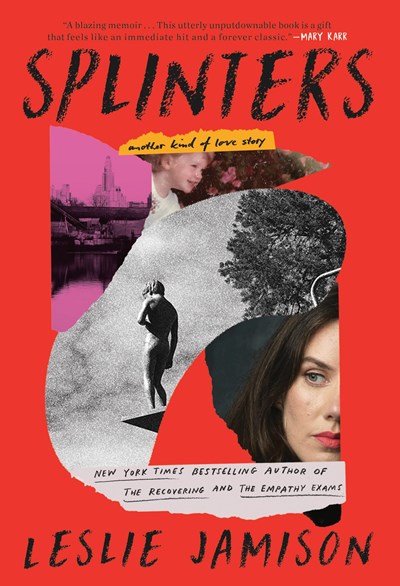
In her first memoir, Jamison turns her unrivaled powers of perception on some of the most intimate relationships of her life: her consuming love for her young daughter, a ruptured marriage once swollen with hope, and the shaping legacy of her own parents’ complicated bond. In examining what it means for a woman to be many things at once—a mother, an artist, a teacher, a lover—Jamison places the magical and the mundane side by side in surprising ways. The result is a work of nonfiction like no other, an almost impossibly deep reckoning with the muchness of life and art, and a book that grieves the departure of one love even as it celebrates the arrival of another.
How do we move forward into joy when we are haunted by loss? How do we claim hope alongside the harm we’ve caused? A memoir for which the very term tour de force seems to have been coined, Splinters plumbs these and other pressing questions with writing that is revelatory to the last page, full of linguistic daring and emotional acuity. Jamison, a master of nonfiction, evinces once again her ability to “stitch together the intellectual and the emotional with the finesse of a crackerjack surgeon” (NPR).
Coming February 20
|
|
|
|
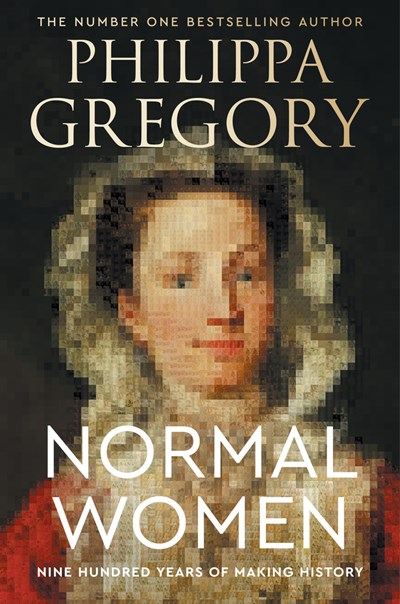
Most histories have been written by men, about men, relegating women—with the exception of a few queens—to the shadows of time. Now, bestselling author Philippa Gregory reveals the importance of ordinary women, providing a more balanced and truer chronicle that expands and adds rich detail to the story of Great Britain.
In Normal Women, Gregory draws on an enormous archive of primary and secondary sources to rewrite British history, focusing on the agency, persistence, and effectiveness of everyday women throughout periods of social and cultural transition. She sweeps from the making of the Bayeux tapestry in the eleventh century to the Black Death in 1348—after which women were briefly paid the same wages as men, the last time for seven centuries—to the 1992 ordination of women by the Church of England, when the church accepted, for the first time, that a woman could perform the miracle of the mass.
Through the stories of the female soldiers of the civil war, the guild widows who founded the prosperity of the City of London, highwaywomen and pirates, miners, ship owners, international traders, the women who ran London theaters and commissioned plays from Shakespeare, and the "female husbands" who married each other legally in church and lived as husband and wife, Gregory redefines "normal" female behavior to include heroism, rebellion, crime, treason, money-making, and sainthood. As she makes clear, normal women make history.
Coming February 27
|
|
|
|
Magers & Quinn Booksellers
3038 Hennepin Ave
Minneapolis, MN 55408
(612) 822-4611
Open Daily 10am - 10pm
Next day pickup 10am - 7pm
Used book drop off 10am - 7pm
|
|
|
|
|
|
|