|
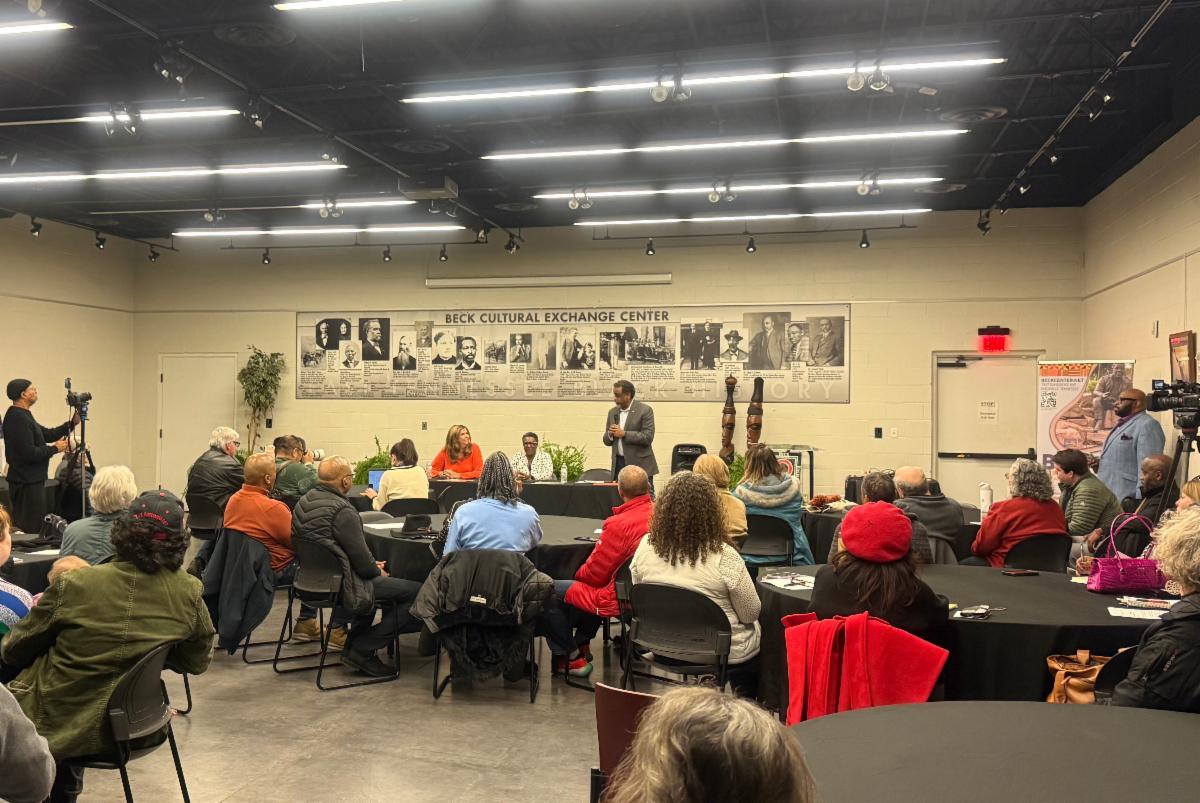
From correspondent Erik Ryberg: Knoxville City Council held a retreat on Friday to review its 2024 goals and objectives and to set its 2025 priorities. The retreat was held in a conference room at the Visit Knoxville Visitor’s Center, offering a more intimate setting for Council members to talk in a less constrained manner than they do at their regular meetings.
Still, members twice lamented that they could not be as candid as they wished because “the press” was present. As required by the state's Open Meetings Act, the retreat was open to the public.
The “2024 Recap” section of the meeting, scheduled to end at 10:15 a.m., was finally wrangled into submission well after the lunch break, leaving Council members about 30 minutes to discuss 2025 priorities. Those priorities were relatively anodyne: Update aging planning documents, inventory vacant property along certain corridors, evaluate rules regarding temporary shelters, and clarify some zoning rules.
But some Council members were able to elevate their own concerns during the meeting. Fourth District Council member Lauren Rider raised an issue of disincentives in the planning rules that keep groups like Habitat for Humanity from constructing those types of homes; Council will now add this as a priority to resolve. And At-Large Council member Amelia Parker raised concerns about temporary shelter permitting that the Council also adopted as a priority for review.
Council members complained that they have had to vote recently on expensive, sometimes controversial items when only a limited amount of information has been presented to members beforehand.
“I think this body as a whole needs to be more forceful with the administration or have more input than we seem to have. We get told stuff when they want us to know it,” At-Large Council member Debbie Helsley said. “They should tell us, for example, when they get a $25 million grant before the whole press knows.”
Fifth District Council member Charles Thomas said the information provided to the Council and, he emphasized, to constituents, is often too sparse.
“I don’t remember being surprised or getting such short notice of some of the things I am going to have to analyze and vote on” in the past, he said. “Sometimes the constituents don’t have any idea, and we are hustling enough as it is.”
|