October is an opportunity to promote children's physical, mental, and emotional well-being and support healthy, thriving families and communities.
Domestic Violence Awareness Month
October
October is a time to raise awareness, support survivors, and promote safe, healthy homes for children and families.
Indigenous Peoples' Day
October 12
A day to honor the histories, cultures, resilience, and contributions of Indigenous Peoples and communities.
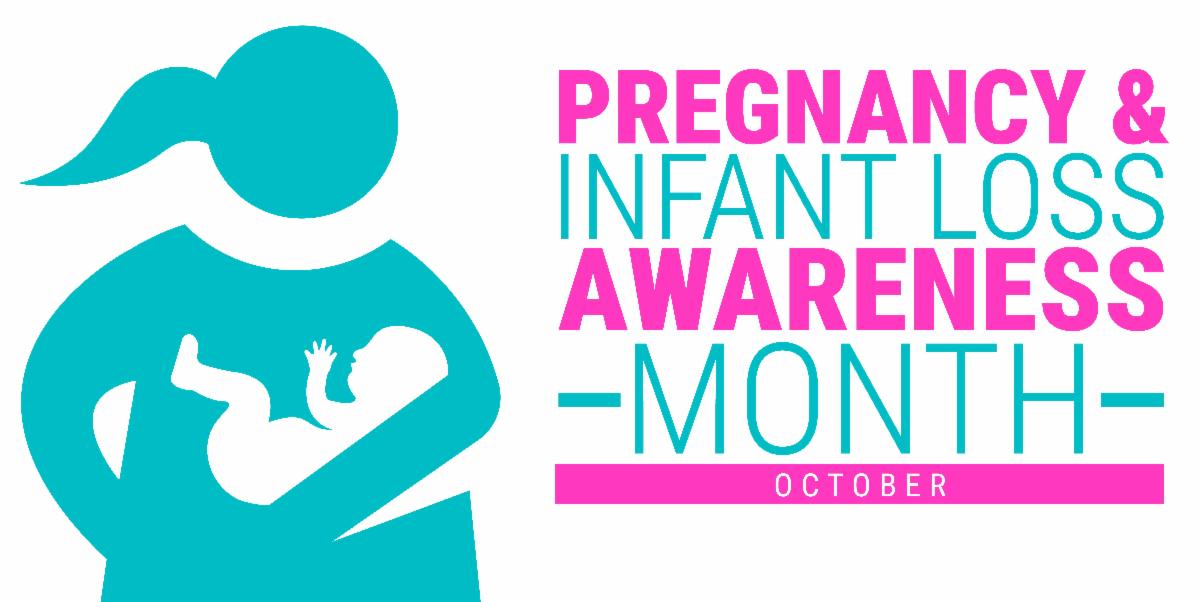
Pregnancy & Infant Loss Awareness Month
October
October is a time to remember babies gone too soon, honor grieving families, and promote compassion, understanding, and support.
UPCOMING EVENTS
October 21, 2026
1:00 PM ET | 12:00 PM CT | 11:00 AM MT | 10:00 AM PT | 9:00 AM AT
Let’s Talk Data: Office Hours
Have a question about data or your data management system? Join us for Office Hours!
This session offers an open conversation focused on your questions, concerns, and experiences.
Whether your Tribe is seeking a new case management system, experiencing challenges
with a vendor, working through a spreadsheet issue, or developing reports, we welcome
your questions. You can also bring concerns about how to organize, protect, and use
your Tribe’s data.
NTCWCIA is here to work alongside Tribal programs as they navigate these issues and concerns. Together, we can discuss challenges, explore options, and identify practical next steps. Come ready to share, ask questions, or simply listen and learn alongside your peers!
Extend this invite to your colleagues!
This Learning Community is designed for Tribal child welfare professionals working for Tribes receiving title IV-B funding. Please share this invitation with colleagues within your Tribe who would benefit from discussing data and data management systems, including caseworkers, supervisors, administrators, legal staff, data/IT support, and leadership. All are encouraged to participate!
Registration in advance is required to allow us to share the meeting invitation in a timely manner
October 26, 2026
1:00 PM ET | 12:00 PM CT | 11:00 AM MT | 10:00 AM PT | 9:00 AM AT
Highlighting Prevention Program Development in Tribal Child Welfare
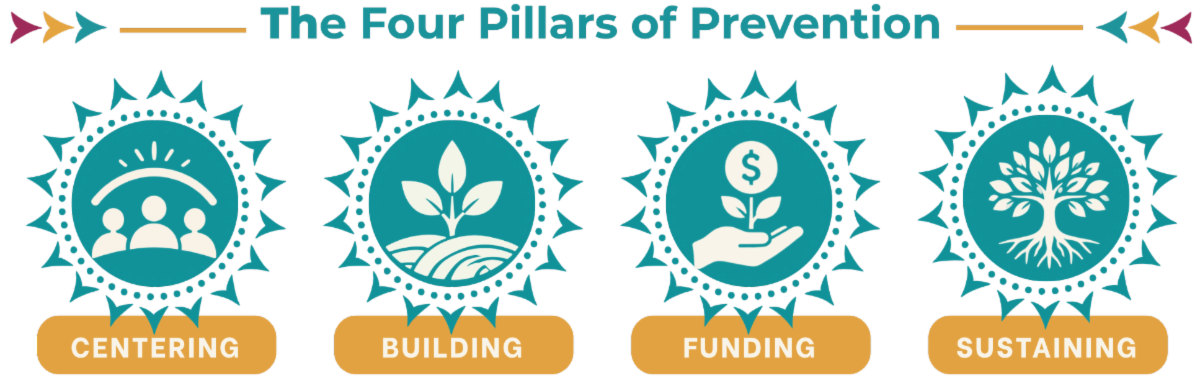
Please join us for the next Prevention Peer Learning Community (PPLC) - we are excited to announce that we will be focusing these next sessions on exploring the second pillar of our four pillars - building prevention programs! We will be highlighting how Tribal child welfare programs approach prevention, strengthen families, and support children’s connections to their families, cultures, and communities.
The next set of sessions will provide space for participants to share prevention programming, exchange practical strategies, and learn from one another’s experiences. Conversations will explore how programs engage families, respond to community priorities, and collaborate with partners to provide support early and help prevent family separation. Programs at all stages of development are welcome to contribute, including those identifying priorities, developing services, or strengthening existing efforts.
Please register for this opportunity to connect with other Tribal program prevention specialists and be a part of community that is centered around building peer supports! Registration will provide the Zoom link for access to the meeting and additional details about the upcoming meeting.
This video, the fifth in a series designed to provide researchers with the framework to engage effectively and respectfully with Indigenous communities, covers respect and honoring sovereignty.
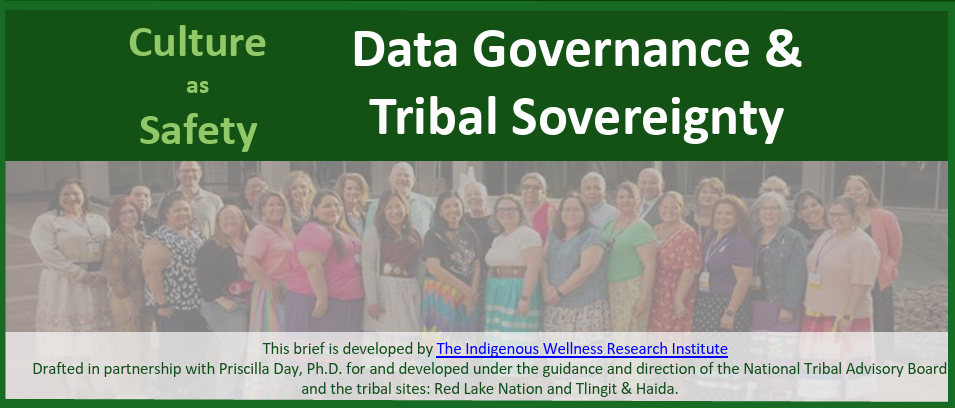
This brief introduces the importance of data governance in Tribal child welfare systems, emphasizing that Tribes have the inherent right to control and manage their own data. It defines key concepts such as Tribal sovereignty, data sovereignty, and the federal trust responsibility, while highlighting the need for meaningful Tribal consultation. The resource also outlines core values for working with Tribal communities, including respect for Indigenous knowledge, cultural responsiveness, and collaborative approaches. It offers practical guidance for building ethical, reciprocal partnerships that ensure data practices are transparent, culturally grounded, and beneficial to Tribal communities.
The Technical Assistance Manager II (TAM II) serves as the primary coordinator for all logistics, event planning, and peer participant engagement activities within the Title IV-B ICWA Technical Assistance Collaborative. This position is responsible for planning, coordinating, and executing virtual, hybrid, and in-person meetings, trainings, convenings, and technical assistance events that support Tribal, State, and Court child welfare partners.
The Technical Expert II (TE II) is a child welfare subject matter expert working collaboratively with TEs and project leadership and is responsible for ensuring the design and delivery of training and technical assistance (T/TA) and deliverables for/with JBS projects and initiatives. The TE II may provide coaching and guidance for and with staff and consultants/collaborators in supporting and implementing effective, high-quality T/TA and communicate with the JBS client(s) per established project guidelines.
Under general supervision of a more senior project manager (e.g., PM III, PM IV, PMO Lead), the Project Manager II oversees multiple projects or one larger project. The Project Manager II implement(s) JBS project management best practices in one or more JBS projects and plays a central role in connecting projects to the tools and resources they need to function smoothly.
The Technical Expert I /Tribal Liaison works collaboratively with the federal Department of Health and Human Services (HHS), Administration for Children and Families (ACF), Children’s Bureau (CB) to enhance organizational and system performance, yield improved outcomes for Tribal children, youth, and families through the delivery of high-quality technical assistance to Title IV-B and Title IV-E American Indian and Alaska Native Nations (AI/AN) by honoring Indigenous Ways of Knowing (IWOK) and collaborative work ensuring the preservation of Tribal cultures.
If you’re hiring for a Tribal Child Welfare position, you can advertise your job on our nationwide job board!