May is Mental Health Awareness Month and a reminder that supporting the well-being of young people and yourself is a year-round commitment. For educators and youth professionals, this month isn’t just a time for reflection, it’s an opportunity to deepen our understanding of the evolving emotional landscapes students navigate every day and the skills we use to support them.


This month, we’re inviting you to explore how we can better meet the needs of youth in a rapidly changing world. We believe that by integrating data-driven insights with compassionate practice, we can create environments where mental wellness is at the forefront of every interaction.


To help you lead these efforts, we’re sharing resources to better the lives of your students and yourself.


Here’s what’s happening at PEAR.

Develop the Skills to Support Your Students

undefined

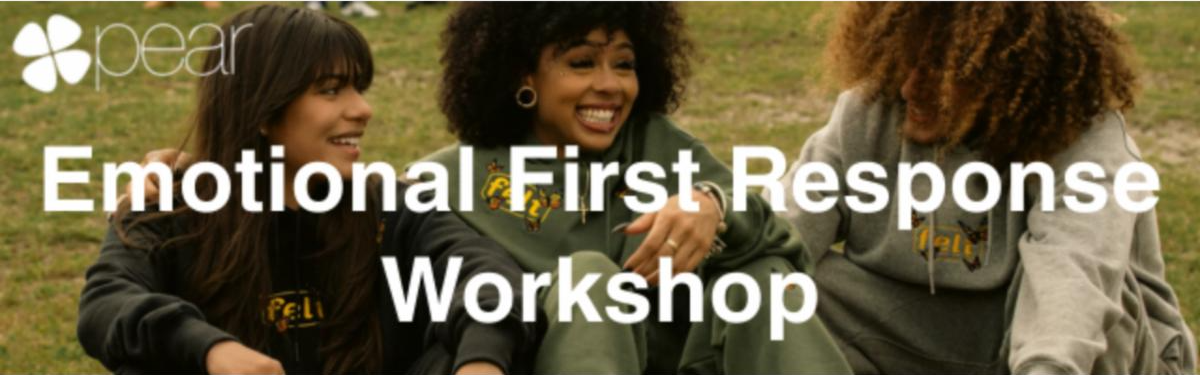
Live Training: Emotional First Response Workshop


Date: Tuesday, May 19, 2026

Time: 2:00–4:00 PM ET

Price: $200 per person

Location: Virtual on Zoom


PEAR’s Emotional First Response Workshop is designed to develop the emotional response skills for non-clinicians. It translates core ideas from cognitive behavioral therapy (CBT) and youth development into practical strategies you can use in your next class.


What you can expect to learn in this training:

  • De-escalate situations before they become crises
  • Re-engage withdrawn or disengaged students
  • Recognize early signs of stress and dysregulation
  • Apply accessible, CBT-informed strategies to support coping and self-regulation
  • Stay calm, effective, and grounded under pressure


Read About AI’s Impacts on Human Connection


ChatGPT Goes to Therapy: The New Emotional Economy

Written by Dr. Gil Noam


In his latest Psychology Today article, ChatGPT Goes to Therapy: The New Emotional Economy, PEAR’s founder, Dr. Gil Noam, explores the impact that AI has on our ability to connect as humans. From drafting a stern email to a boss to writing a heartfelt poem for a loved one, AI is creating a low-friction way to express emotions. Read the full article to discover how we can navigate this new emotional economy without losing our capacity for vulnerability and intimacy.

Deepen Your HSA Insights with Mental Health Screeners

The Holistic Student Assessment (HSA) is a data-driven tool to promote social-emotional development and resilience in young people in school and afterschool settings. If you’d like to deepen your insights to better understand your students’ mental health, add the Mental Health Screeners to your survey. 


The Mental Health Screeners include the Patient Health Questionnaire (PHQ), a questionnaire designed to measure symptoms of depression, and the Generalized Anxiety Disorder (GAD-7), a questionnaire designed to measure symptoms of anxiety. To view your students’ data, you’ll get access to the Mental Health Screeners dashboard.


Talk to your Coach or Coordinator today to add the Mental Health Screeners to your next HSA administration!

Clover Tip of the Month

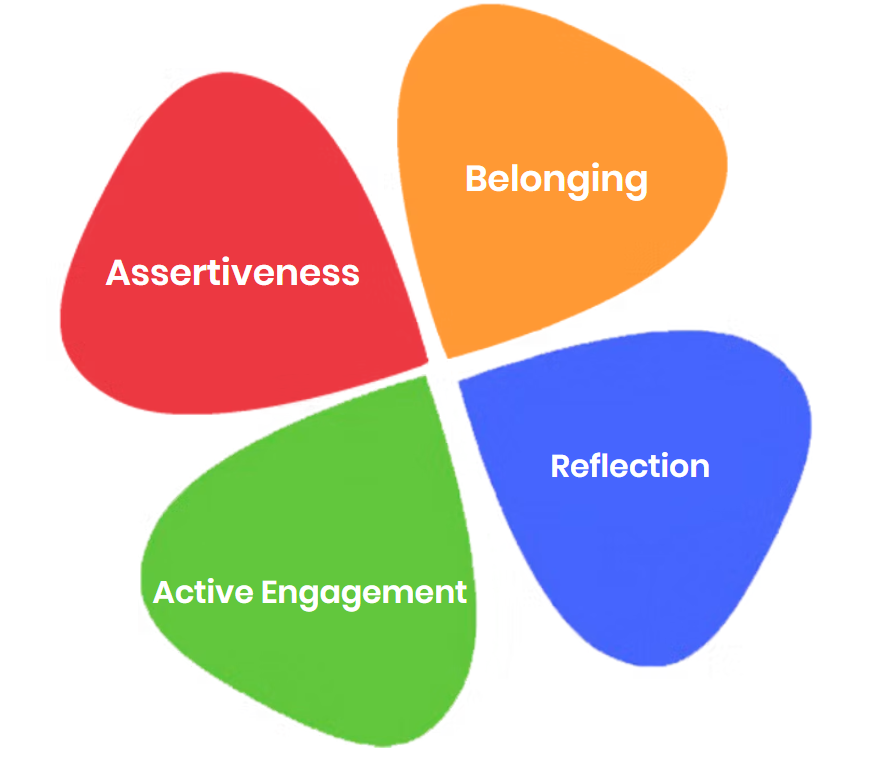
Reflection


When the world is feeling stressful or overwhelming it can be helpful to name things that are going well, things that you’re grateful for, no matter how small. While it may feel cheesy, or difficult at first, research tells us that maintaining a regular gratitude practice can have lasting positive effects on our mental health. If you find yourself starting to get anxious or overwhelmed, focus on identifying something tangible, in your life or in the world, that you appreciate.  It could be the way the sun feels on your skin, a nice thing you heard someone say, or the taste of something delicious. Naming what we’re grateful for in concrete ways can ground us in the present and set us up to be in a better headspace to address the challenges we’re facing.

Stay connected with us for resources, research, and conversations about youth development, education, and well-being.

Facebook  LinkedIn  Web