In what has turned out to be an exceptionally bleak start to the new year, we welcome as a bright spot Pope Francis's motu proprio, "Spiritus Domini." You can read our press release below, and scroll down to check out WOC's extensive coverage in the media in the past two days! While we recognize this step is small, for many around the world this development will have a significant impact on their ministries and authority locally. And we will continue to use the renewed worldwide attention to the role of women in the Church to work more passionately than ever for equality in all ordained ministries in the Church.
Our press release:
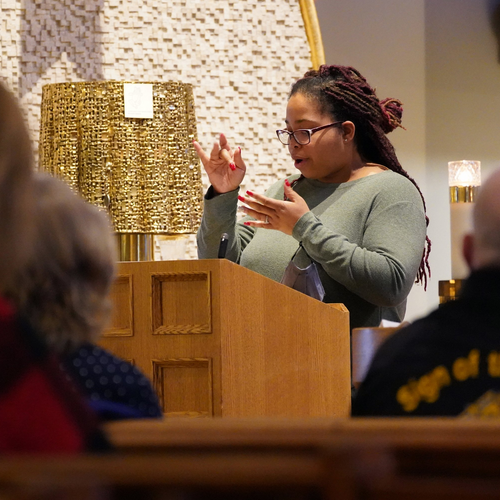
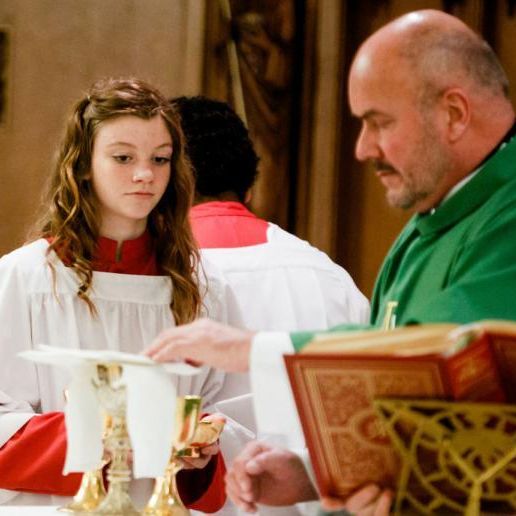
The Women’s Ordination Conference (WOC) welcomes Pope Francis’ Apostolic Letter, “Spiritus Domini,” that expands Canon Law 230, regarding the ministries of lector and acolyte, to include all laypeople. This shift brings the institutional Church in better alignment with pastoral realities around the world, and eliminates the ability of an individual bishop to apply misogynistic theology to bar women and girls from these roles.
“While this is not a radical shift, the Church recognizing widely accepted practices by Catholics around the world and taking doctrinal steps to be more inclusive, is radical,” said Kate McElwee, executive director of WOC.
“In addition, it shows that Pope Francis clearly has the authority to change church teaching in order to reflect the signs of the times and the sense of the faithful, both of which point to equality for women in the Church.”
Pope Francis said this development recognizes that some ministries in the Church are founded on the common priesthood of all the baptized. WOC prays that he follows that logic, which is sound theology, to its natural conclusion: that all genders have “put on Christ” through the sacrament of baptism and should not be barred from fulfilling an authentically discerned call to ordination.
“While we will continue to uncompromisingly advocate for the full equality of women, the strengthening of the baptismal equality of all people through this change will impact communities that use the Roman Catholic Church’s unjust treatment of women to defend oppressive practices in society.”