Facebook Join My List Logo

Welcome to the February edition!

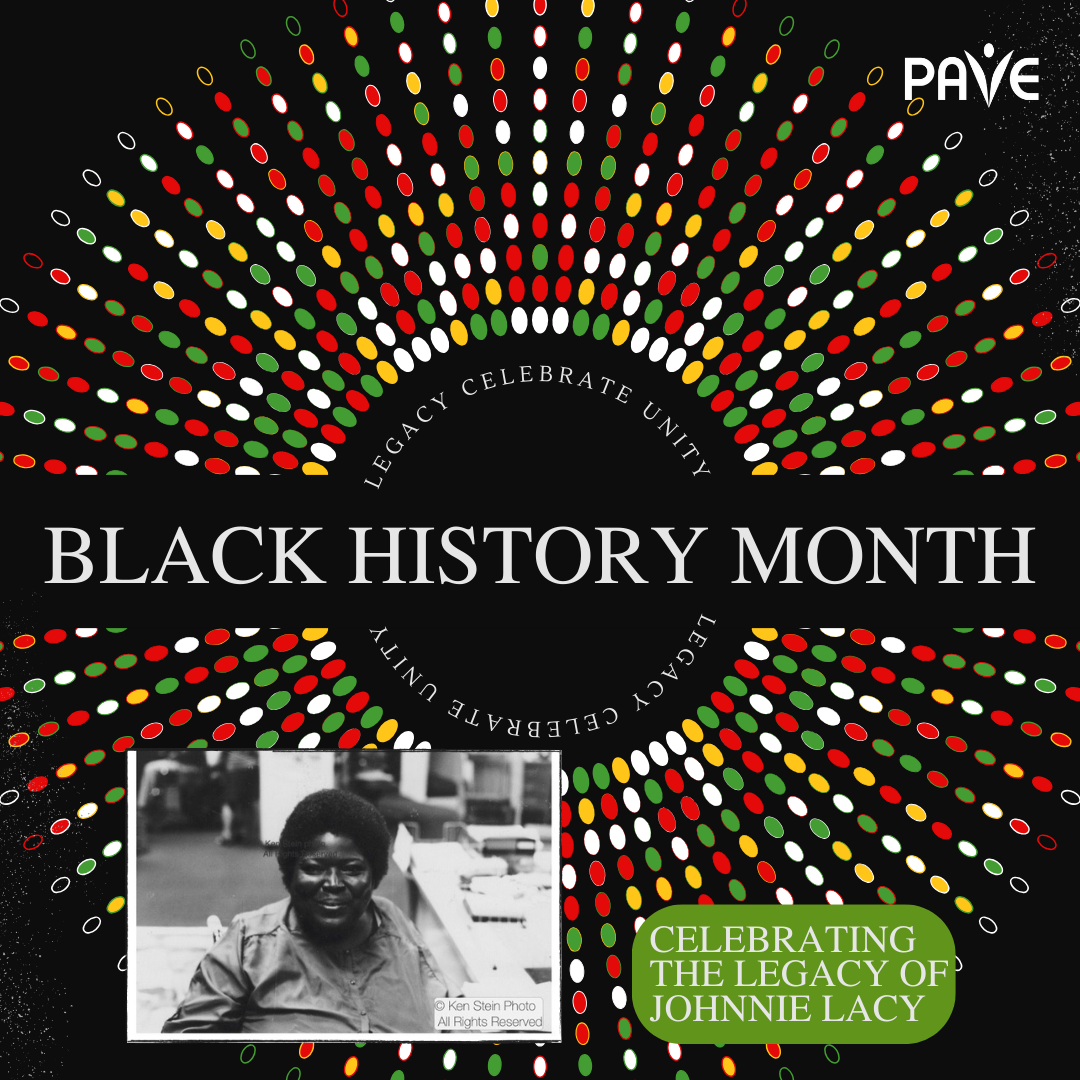
We embrace the spirit of Black History Month by celebrating the remarkable contributions of Black leaders in the disability rights movement. In collaboration with the Center for Learner Equity, we shine a spotlight on individuals who have left an indelible mark on history through their activism and advocacy.

We pay tribute to the legacy of Johnnie Lacy, a pivotal figure whose unwavering dedication to justice transformed the landscape of disability rights. Born in 1937, Lacy's journey was marked by resilience and determination.

From navigating the challenges of segregation in the South to confronting the barriers of ableism in academia, her life exemplified courage in the face of adversity.


Lacy's activism was a beacon of hope, shedding light on the intersectionality of race and disability. Through her tireless efforts, she challenged systemic injustices and paved the way for a more inclusive society. Her story serves as a testament to the power of advocacy in effecting meaningful change.


Ask for what you need! Submit a PAVE Help Request for one-to-one support, information, resources, and training. Here are some simple instructions on how to get Help from PAVE.

Visit our Website!
AdobeStock_32452994-400x267 image

What is Person Centered Planning?

Person-centered planning (PCP) is all about making decisions that focus on you as a unique individual. It’s about listening to what you want and need, and then working together to make those things happen. Click to watch what PCP means to a teacher.

Read more about Person Centered Planning
Hand reaching out to technology with the words Assistive Technology written across

Exploring Assistive Technology: Understanding, Access, and Resources for All ages and Abilities

Thinking about the future when you will no longer be available to help your child because of death or a condition where you cannot participate in their care can be emotionally difficult. On top of that, this planning process is full of important decisions with significant impacts on your child’s future.

Read more: Exploring Assistive Technology
Neural brain interface caps assisting in cognitive treatments, health tech background, blurred background to symbolize Assistive Technology

What Are Some Low Tech Tools I Can Use to Increase My Healthcare Independence?

Planning for your child’s future will involve different tasks at different stages in your child’s life. This part covers ages 13 through adulthood.

Read more: Low Tech tools for Healthcare Independence
tools-conference image
Read more about the Tools 4 Success Conference and to register
STAY CONNECTED
Facebook  Twitter  Instagram