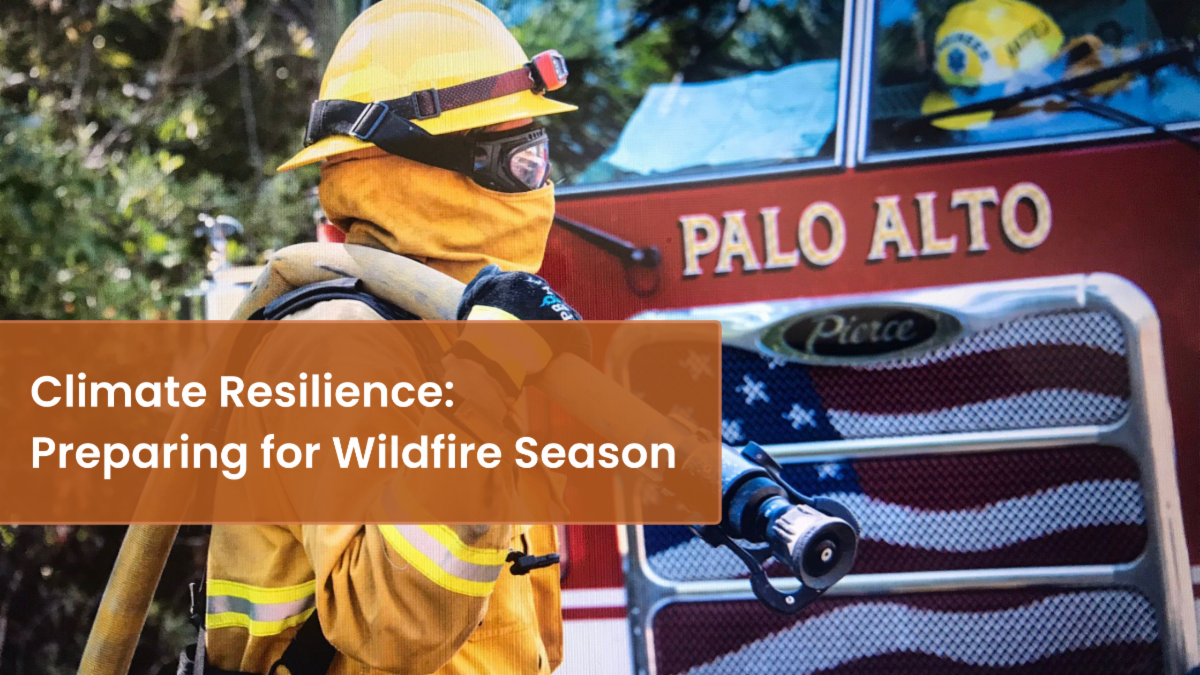
Climate Resilience: Preparing for Wildfire Season | | Building climate resilience means helping our community prepare for the impacts of changing conditions, including wildfire risk. Taking steps before an emergency, such as creating a plan, staying informed and understanding available resources, can help reduce risks and strengthen community preparedness. Explore City resources and simple steps to help prepare for wildfire season in our latest community update. | | Small Habits, Big Impact: Preparing for Fire Season | |
Proclamation Commends Youth Leadership for
Climate Action
| | |
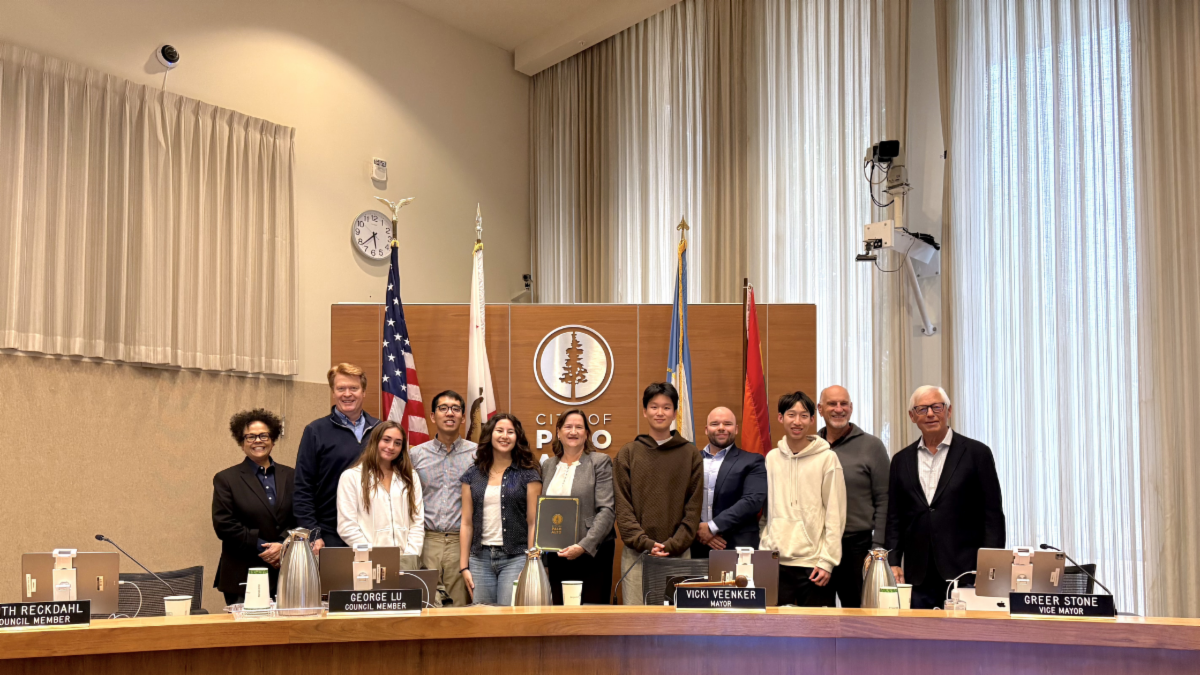
On April 20, City Council issued a proclamation recognizing the Youth Climate Advisory Board (YCAB) and Earth Day. The proclamation highlights YCAB’s leadership and encourages residents to take action to reduce greenhouse gas emissions and care for the natural environment. YCAB members have helped promote sustainability in Palo Alto through student outreach and education efforts. Their work has included presentations at local schools about transportation and home electrification, a student-focused public transportation video, and surveys focused on climate awareness among local youth.
Students attending high school in Palo Alto during the 2026-2027 school year can apply now to serve on YCAB. Applications close on June 15.
| | | |  | Switching to active modes of transportation like bicycling and walking is a key strategy for reducing greenhouse gas emissions in Palo Alto. The 2026 Bicycle and Pedestrian Transportation Plan (BPTP) will guide the City’s continuing prioritization of infrastructure improvements for bicycle and pedestrian safety. On May 7, the Pedestrian and Bicycle Advisory Committee (PABAC) officially endorsed the Final Plan and recommended it for adoption by City Council. The Final Plan reflects a multi-year community effort and received support from the Planning and Transportation Commission and positive feedback during a City Council study session. City Council is scheduled consider adoption on June 15, see Council Meeting Item 24. | | City of Palo Alto staff joined experts 20 years ago from across the San Francisco Bay Area to form the Regional Monitoring Program (RMP) Emerging Contaminants Workgroup. The group was created to share knowledge, identify chemicals that could harm the Bay ecosystems and communities, and explore ways to reduce those impacts. Regional partnerships like this help expand the City’s sustainability and climate action efforts by supporting shared knowledge, coordination and resources. Other regional efforts include working closely with neighboring cities and Santa Clara County to develop a Regional Shoreline Adaptation Plan that will help communities prepare for sea level rise and strengthen long-term resilience. Similarly, the Santa Clara County Fire Safe Council coordinates regional projects supporting wildfire preparedness and safer evacuation routes throughout the county. | | Construction Begins for Bridge Replacement Benefitting Flood Resilience | | Palo Alto leaders joined regional partners, neighboring agencies and community members on May 21 to celebrate the start of construction on the Newell Road Bridge Replacement Project. The project supports goals outlined in the Sustainability and Climate Action Plan, including preparing local infrastructure for the impacts of climate change. By increasing creek flow capacity, the bridge replacement will help reduce flood risk and improve community resilience during future storms. The new bridge also advances transportation safety and is the first step in the San Francisquito Creek Reach 2 flood protection project. | | |
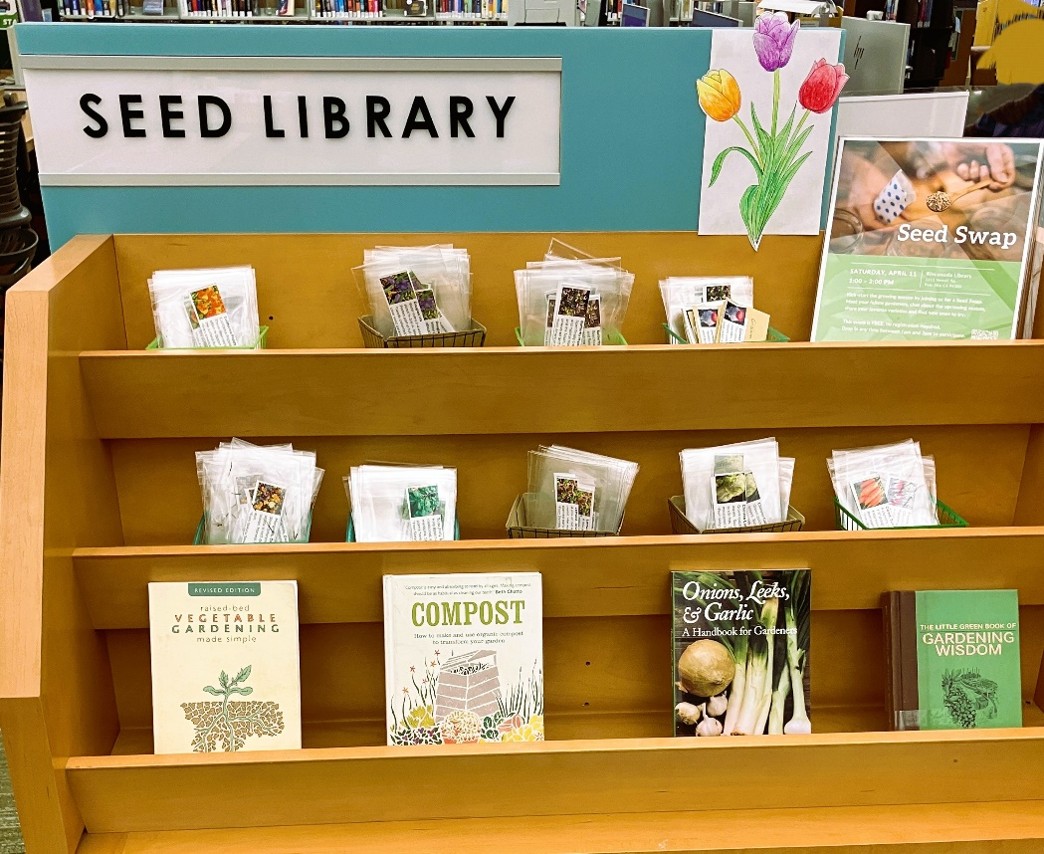
The Seed Library is a free community resource where you can borrow seeds to grow vegetables, flowers, and native wildflowers at home. Stop by Rinconada Library to explore available seeds, take what you need, or contribute seeds to the collection! | | |
Library of Things – Now Helping You
Cook Sustainably!
| The Palo Alto City Library of Things collection lets you borrow useful tools and equipment for free with your library card. Recent additions include induction cooktops to try out energy-efficient, electric cooking and stargazing kits for exploring the night sky. Visit the library to discover something new to try at home. | | The City recently expanded its home electrification efforts to offer Electrify My Home, a new program helping residents switch from gas-powered to cleaner, healthier electric alternatives. Find new rebates and hands-on support and guidance to easily walk you through major appliance upgrades such as heat pump water heater, heat pump HVAC, induction range and cooktops, and electric dryer. The City helps residents simplify the process by handling permits, incentives, and installation. Switching to electric can help improve your home’s indoor air quality, increase energy efficiency, and has lasting community benefits. Better yet, upgrading your home can also support our community’s Sustainability and Climate Action goals – to date, community-wide greenhouse gas emissions have been reduced by 50.2% from 1990 levels, putting the City more than halfway toward its goal of reducing emissions 80% and achieving carbon neutrality by 2030. |
| New Ordinances Support Environmental Protection | | This year, the City adopted two new ordinances to help protect our natural environment and support sustainability efforts throughout the community. | | Updated Outdoor Lighting Ordinance | | At the end of last year, the City Council took steps to return Palo Alto’s night sky back to its natural dark sky and updated the Lighting Ordinance. This update, which took effect on February 20, 2026, encourages using lighting only when and where it is needed, limiting brightness, and using warmer-colored lights to help reduce light pollution and support healthier night-time environments. Note that changes to existing outdoor lighting is not required to comply until February 20, 2027. In the meantime, we hope you have friendly, neighborly conversations to help spread the word about these new regulations. | | New Bird-Friendly Design Ordinance | | The new Bird-Friendly Design Ordinance, effective May 7, 2026, establishes regulations to minimize hazards and reduce the potential for bird collisions with glass while allowing for practical building design. These design strategies help to protect local wildlife. Birds can mistake reflective or transparent glass for open sky, trees, or other habitat, resulting in collisions that can cause injury or death. Bird-friendly design treatments help make glass visible to birds, reducing collision risks and supporting local and migratory bird populations. | | Food Waste Reduction Tips | | Reducing food waste helps you save money, conserve resources, and support climate action—one small habit at a time. Keep your berries fresher for longer by only washing them right before eating. Extra moisture can speed up mold growth during storage, causing food to spoil more quickly. For peaches, mangoes, and pineapples, store them at room temperature until ripe, then move them to the refrigerator to help them stay fresh longer. | | | | |