The Genome Center and Cores Newsletter | | HUMAN GENOMICS FOCUS GROUP | |
The UC Davis Human Genomics Focus Group brings together 12+ laboratories across campus and the School of Medicine for monthly research presentations and collaborative science. The group sponsors an annual dinner at the American Society of Human Genetics meeting and provides pilot funding to support trainee-led collaborative projects. Members conduct diverse research spanning human cohort studies linking genotype to phenotype (including GWAS), cellular and transcriptomic analyses of development, evolutionary modeling of genes across populations, functional genomics using model organisms, and development of computational tools for large-scale 'omic data analysis.
We meet the 1st Monday of the month at 12:10pm-1:30pm in GBSF 4202 conference room. The listserv is humgen@ucdavis.edu. You can add yourself by going to https://lists.ucdavis.edu/sympa, login, use the search box to search “humgen”, click subscribe.
| |
The Epigenomics Focus Group (Epigenomics Club) is a campus-wide forum that brings together investigators, trainees, and staff interested in chromatin biology, epigenetic regulation, and epigenomics technologies. Our goal is to foster cross-lab collaboration, highlight ongoing epigenomics research at UC Davis, and create a welcoming venue for trainees to present and discuss their work.
We meet every second Wednesday of the month at 9:30 am in GBSF 4202. Each session typically features two short research presentations, most often delivered by graduate students and postdocs (and occasionally undergraduates!, and rarely by the faculty), followed by open discussion. Coffee and refreshments are provided—both to support trainees and to encourage lively scientific conversation.
For the 2025–2026 academic year, participating host labs include:
LaSalle, Namekawa, Hwang, Nord, Zhou, Chedin, Segal, Dennis, Knoepfler, Comai, Monroe, Bhatnagar, Chen and Ji labs (with hosting rotating monthly from October through June).
In addition to the seminar series, the Epigenomics Focus Group supports collaboration through a collaborative pilot grant program ($3,000 per award) to seed new epigenomics projects across labs.
Also we support trainee tuition for bioinformatics workshops, offered on a rolling basis to lower barriers to computational training.
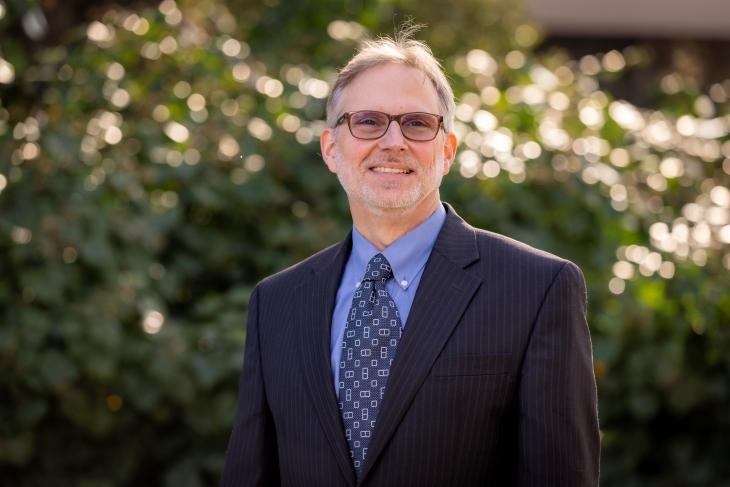
Currently the Epigenomics club is led by co-chairs Drs. Chang-il Hwang, Hong Ji, and Janine LaSalle. Feel free to reach out to any of them if you would like to participate in this exciting forum, or apply to the pilot grant programs.”
| PLANT GENOMICS FOCUS GROUP | |
The Plant Genomics Focus Group aims to bring together researchers and students from across campus that share a passion for plant genomic research, to provide a venue for in-depth discussion of ongoing research, emerging methods and approaches, and to foster communication and collaboration between labs. The group also aims to give graduate students and post-doctoral researchers an opportunity to present their research in a supportive environment.
The group meets on the second Thursday of the month, at 12:10PM, in 1022 Green Hall. The schedule is here. Coffee, tea and snacks are provided!
Once a year, there is a call for collaborative pilot awards for mentees from the participating labs. The group also votes on an external speaker to invite for a seminar presentation and meetings with members of participating labs.
The group is currently managed by Isabelle Henry (Project Scientist, Dept. Plant Biology), Luca Comai (Professor, Dept. Plant Biology), Ximena Anleu Gil (Post-doctoral Researcher, Dept. Plant Sciences) and Alicia Sillers (Graduate student, Dept. Plant Sciences).
Information about group activities circulates on a dedicated sympa list (plant-genomics@ucdavis.edu). Anyone can subscribe or email Isabelle Henry (imhenry@ucdavis.edu) to be added to the list or for any further information.
| PLANT-MICROBE INTERACTIONS FOCUS GROUP | |
The HMI focus group currently includes 11 research groups. These include GC faculty or GC-affiliated research labs (Dario Cantu, Savithramma Dinesh-Kumar, Blake Meyers/Patricia Baldrich, Richard Michelmore, and Pam Ronald) as well as other UCD faculty research labs (Gitta Coaker, Dough Cook, Tiffany Lowe-Power, Maeli Melotto, Shahid Siddique, and Loannis Stergiopoulos).
The HMI focus group aims to create a space for UC Davis faculty and their lab members to engage through informal presentations and discussions. It also promotes collaboration among faculty across UC Davis in the field of host-microbe interactions. Additionally, the group sponsors or hosts speakers through the Plant Biology Graduate Group (PBGG), the Plant Pathology seminar series, or as special seminars. Members use advanced omics techniques to explore the molecular mechanisms underlying host-pathogen interactions, with most relying on Genome Center core facilities for their research.
Our group generally meets once or twice a month on Thursdays. The remaining schedule for this year: 4.10 - 5.00 PM 1022 Green Hall
| FACE TO FACE WITH CHANCELLOR MAY | | |
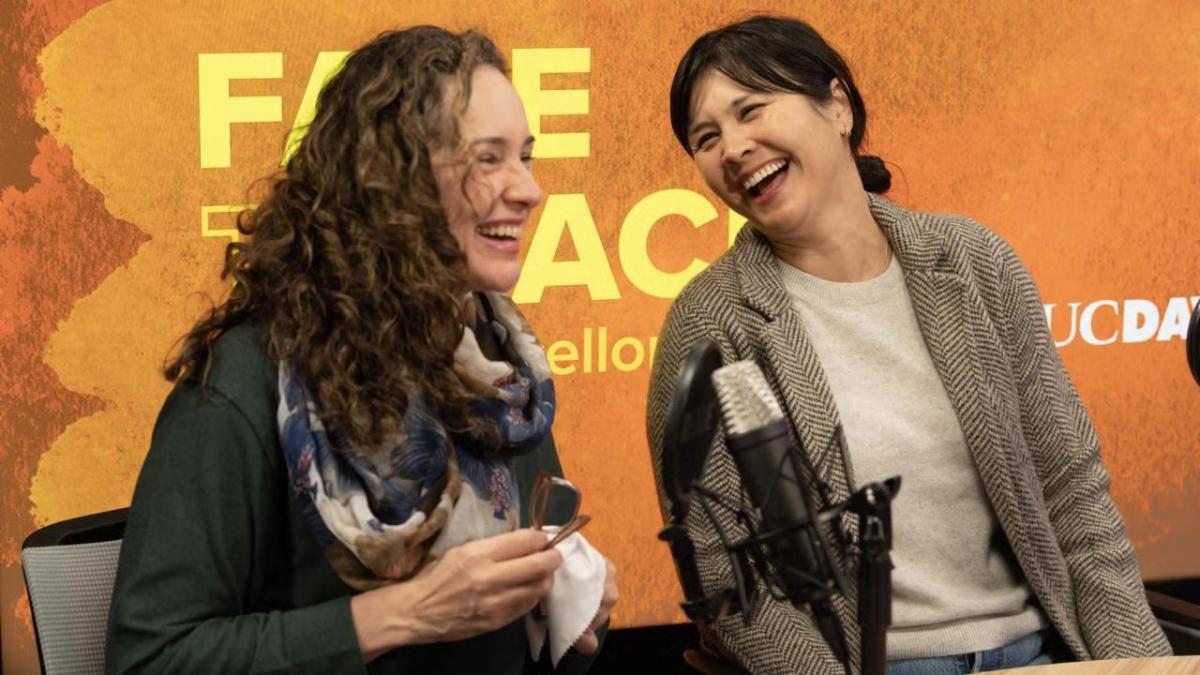
In the latest Face to Face with Chancellor May episode, Chancellor Gary S. May sits down with Megan Dennis and Siobhan Brady, two first-generation scientists whose paths were shaped by curiosity, community, and strong mentorship. They discuss how sustained federal research funding fuels scientific discovery and real-world impact, from understanding neurodevelopment using zebrafish models to building climate-resilient crops, and they share practical reflections on mentoring and the growing role of AI in research and teaching.
Click Here
| |
| | |
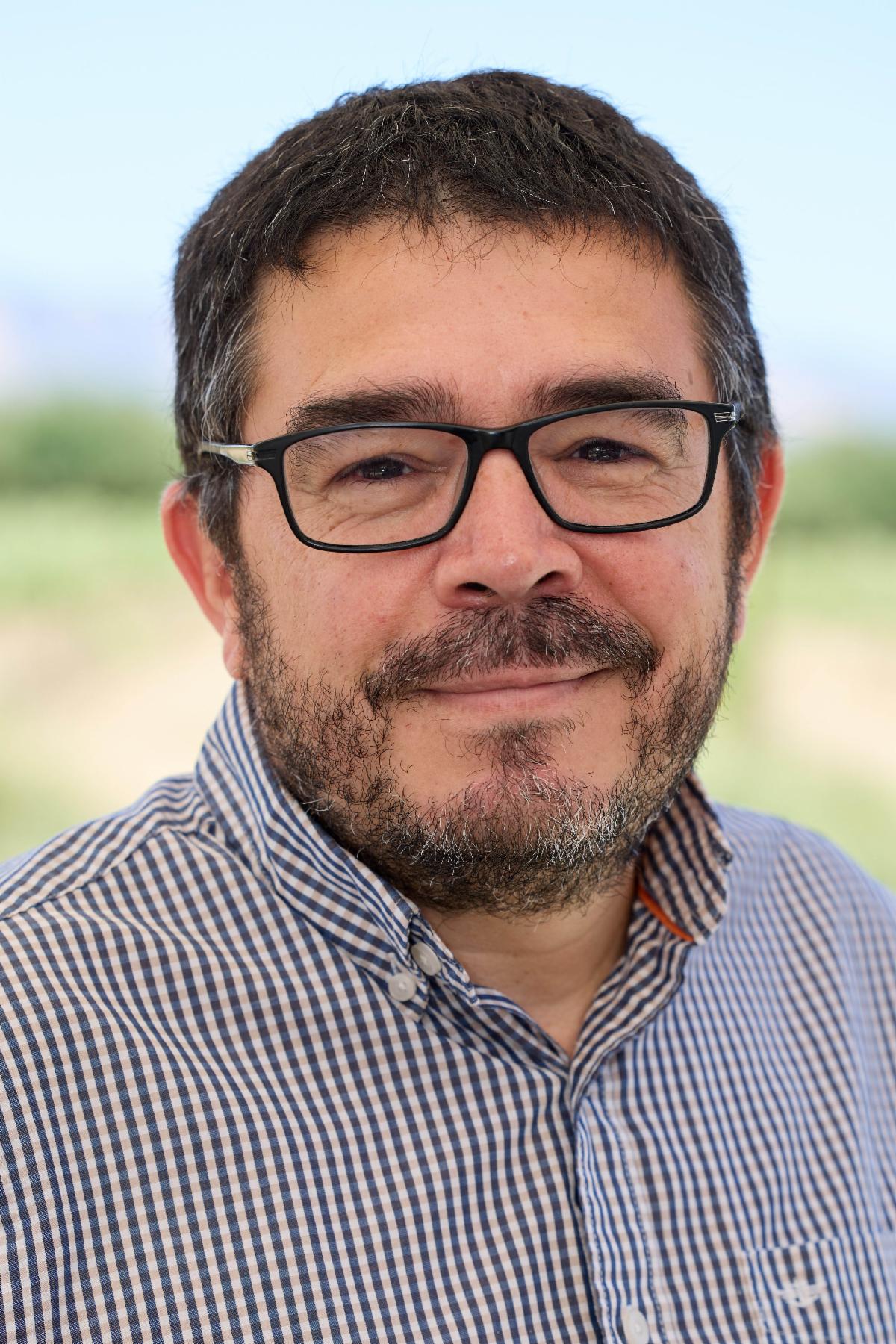
Congratulations to Luis Carvajal-Carmona on receiving the Chancellor’s Award for International Engagement. This award recognizes outstanding global engagement that advances UC Davis’s teaching, research, and service missions. Luis’s work in cancer research and training partnerships across Latin America has had a profound impact on both scientific advancement and public health.
Click Here
| | | | |
First, congratulations to GC faculty/affiliates/colleagues David Segal, Janine LaSalle and Joanna Chiu on their election as Fellows of the American Association for the Advancement of Science (AAAS). Election as an AAAS Fellow is a lifetime honor, recognizing scientifically or socially distinguished efforts to advance science and its applications. This distinction, awarded by the AAAS Council in a tradition dating back to 1874, reflects extraordinary contributions across research, education, and scientific leadership.
| |
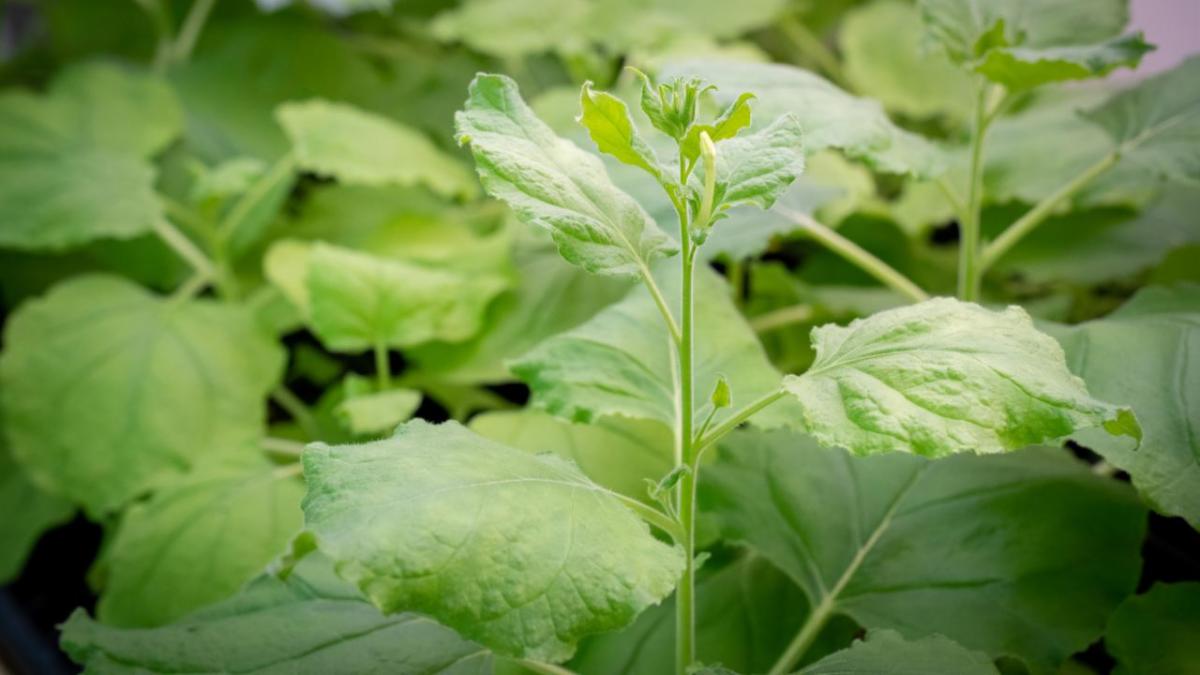
High-efficiency, transgene-free plant genome editing by viral delivery of an engineered TnpB
Here is the link to the nature paper:
Click Here
Here is the link to the press release from CBS:
Click Here
Featuring Savithramma Dinesh-Kumar, a professor and chair in the Department of Plant Biology
| | |
METABOLOMICS CORE WORKSHOPS
| | | |
Hands-on LC-MS Data Processing and Statistics 2026
This course will provide participants with a comprehensive, hands-on training experience involving the analysis of real-world untargeted metabolomics data. The course curriculum will encompass a wide range of topics including:
- LC-MS Data Processing: Gain proficiency in the processing of LC-MS data, a fundamental step in metabolomics analysis.
- Compound Identification: Learn to identify compounds within complex datasets, employing advanced techniques and software.
- Statistical Analysis: Master both multivariate and univariate statistical methods to extract meaningful insights from your data.
- Pathway Mapping: Explore pathway mapping and enrichment analysis to uncover the biological context of your findings.
- Hands-On Exercises: Participate in interactive exercises, assignments, and practical work in small groups, with expert guidance.
Upon completion of this course, participants will leave with:
- Proficiency in LC-MS data processing techniques.
- The ability to confidently identify compounds using cutting-edge cheminformatics software.
- A strong foundation in multivariate and univariate statistical analysis for data interpretation.
- The skill to perform pathway mapping and enrichment analysis, elucidating the biological significance of their findings.
- Practical experience from hands-on exercises conducted with expert guidance in small breakout groups
| | | If you have questions email: Jeannette Martins, jmartins@ucdavis.edu | | |
You’re invited to join the Metabolomics Lab for open pickleball play every Tuesday from 12:00–1:00 PM at Redwood Pickleball courts ! All skill levels are welcome—whether you're a seasoned player or trying it out for the first time.
Fore More infomation contact Luis Valdiviez lmvaldiviez@ucdavis.edu
| |
BIOINFORMATICS CORE WORKSHOPS
| | |
Introduction to R for Bioinformatics
June 8, 10, 12 - 2-5pm
Aug 31, Sep 2, 4 - 2-5pm
This three-part workshop in R is designed to help biologists with no prior data analysis experience get up to speed with the R programming language as it is widely used in many bioinformatics workflows to explore data, perform statistical analysis and generate publication quality graphics. This workshop will prepare you for our Intermediate Visualization workshop.
| |
Intermediate Visualization for Bioinformatics
Sept 8, 9, 11 - 2-5pm
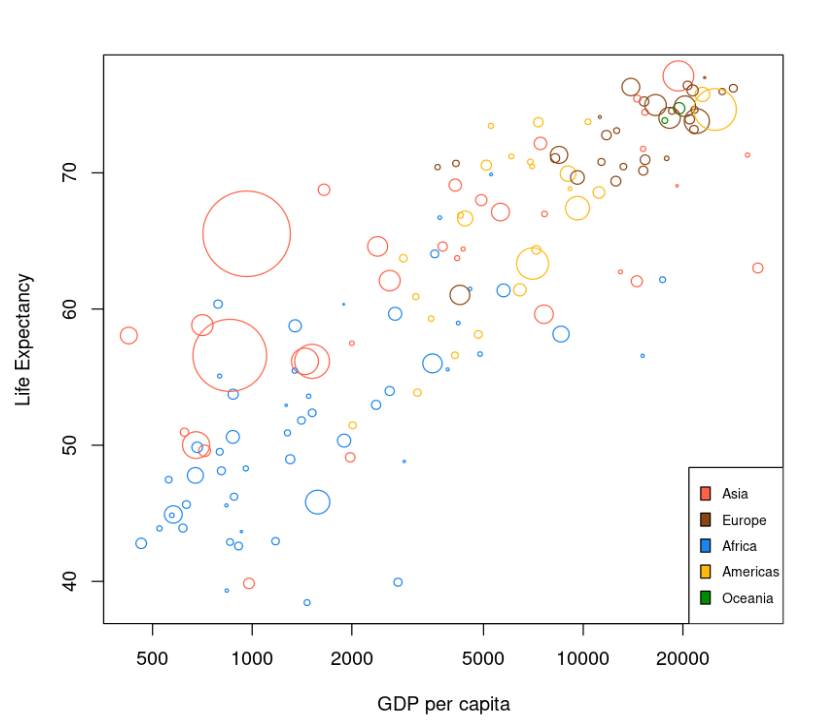
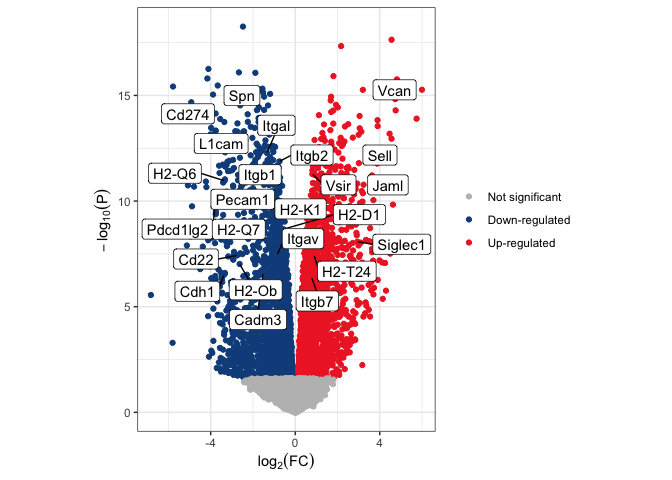
Learn the fundamentals of visualization and figure design in base R, ggplot2, and other popular graphics packages. Students will create many commonly requested bioinformatics visualizations, from scatter plots (including volcano plots, dot plots, and UMAP biplots), to box plots, heat maps, and multi-panel figures. By the end of the course, students will have not only code templates for standard plots, but also the skills with which to customize their own publication-ready figures. Familiarity with the concepts covered in our Introduction to R for Bioinformatics course is a prerequisite.
| |
Introduction to Command Line for Bioinformatics
April 6, 8, 10 - 2-5pm
July 13, 15, 17 - 2-5pm
Nov 2, 4, 6 - 2-5pm
Get off to a good start in bioinformatics with this three-part workshop in the use of the command line interface. This workshop lays the foundation for successful bioinformatics experiments by teaching the skills necessary for efficient handling of large data sets.
| | |
Introduction to Python for Bioinformatics
May 4-8, 2-5pm
Nov 30-Dec 4, 2-5pm
This five day workshop will teach the fundamentals of programming to beginning analysis of bioinformatics data using Python. We will start from the basic building blocks of programming and progress to using simple python packages for applied bioinformatics analysis.
Registration fees are $350 for current UC students, faculty, staff, $500 for other academic or non-profit participants and $650 for other participants.
| | |
- If you have questions email: training.bioinformatics@ucdavis.edu
| |
Digest This! is a lighthearted Proteomics Journal Club that blends science with good food and conversation. The group meets over pizza and pints to discuss papers, ideas, and methods in proteomics in a relaxed, social setting. They meet on Fridays once a mont, with no prep required and no pressure, just come for the science, stay for the melted cheese, fermentation products, and community. To attend and get more information, please contact Brett Phinney (bsphinney@ucdavis.edu).
| |
DNA TECH AND EXPRESSION ANALSYS CORE NEWS
| | GENOME CENTER MENTORING SEMINARS | |
Mentoring Seminar Series
The Mentoring Seminar Series at the Genome Center is a brown-bag seminar that will feature two presentations from our talented PhD students and Postdocs, with each seminar lasting 15 minutes followed by 10 minutes of Q&A. Ideally, the two presenters will be part of two different Focus Groups. At the end of each session, the speakers will receive valuable feedback from three pre-assigned volunteers from our Academic Federation or Faculty members, providing an excellent opportunity for growth and development. And to make our gatherings even more enjoyable, there will be cookies for all attendees!
| | |
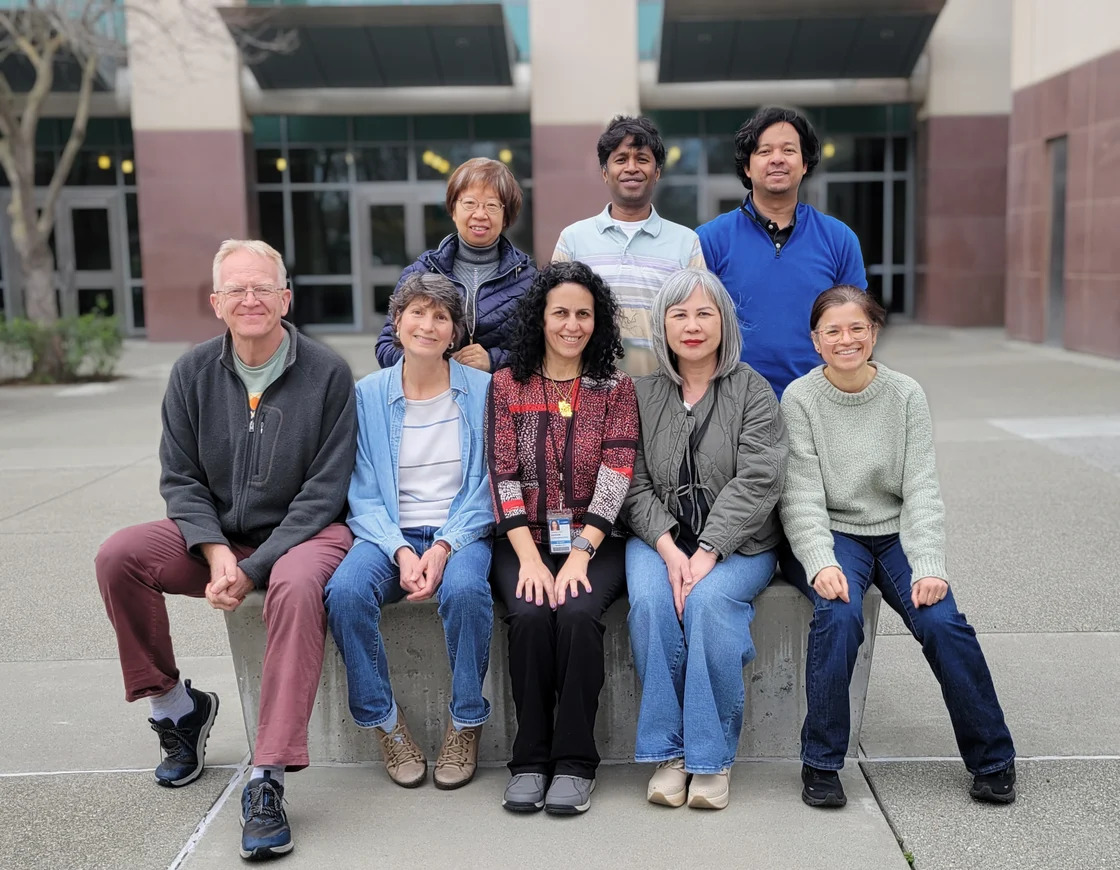
The Brady Lab is a member of P-SONIC, an international, prestigious JSPS-funded consortium focused on how signaling networks control plant cell fate and organ formation. By combining single-cell omics with mathematical modeling, P-SONIC maps the spatiotemporal architecture of signaling across diverse plant organs. As part of this consortium, scientific exchange will occur with visitors from the University of Nagoya and the Nara Institute of Science and Technology to the UC Davis Genome Center.
| |
Stay up-to-date with upcoming events and important news by subscribing to our newsletter and Calendar and visiting our website for the latest updates.
Google Calendar Here
Follow Us on Bluesky Here
Genome Center Newsletter Here
| | | | | |