The Genome Center and Cores Newsletter | | |
Genome Center Bioinformatics Core Services Transitioned to UC Davis DataLab
The UC Davis Genome Center transitioned its Bioinformatics Core services to the UC Davis DataLab. The transition was part of a broader effort to integrate and align campus data science, informatics, and research support services in a way that provided continuity for existing projects while creating a clearer path for future bioinformatics support.The Genome Center Bioinformatics Core had provided genomic data analysis expertise to the UC Davis research community for more than a decade. We were deeply grateful for the contributions of the Core staff and for the support they provided to investigators across campus.
The Genome Center and DataLab worked together to ensure continuity for existing bioinformatics projects and to provide a clear path for future support through DataLab’s broader data science and informatics services. These services included expertise in data-intensive research, AI and machine learning, statistics, visualization, reproducible workflows, and data management. Existing Bioinformatics Core projects were reviewed and transitioned in coordination with the project teams, while new requests for bioinformatics support were directed to UC Davis DataLab through its Data Analysis and Management page or by contacting datalab@ucdavis.edu.
We appreciated the patience of our research community during the transition and remained committed to supporting continuity of service for investigators who relied on bioinformatics and genomic data analysis expertise.
| |
METABOLOMICS CORE WORKSHOPS
| | | |
Hands-on LC-MS Data Processing and Statistics 2026
This course will provide participants with a comprehensive, hands-on training experience involving the analysis of real-world untargeted metabolomics data. The course curriculum will encompass a wide range of topics including:
- LC-MS Data Processing: Gain proficiency in the processing of LC-MS data, a fundamental step in metabolomics analysis.
- Compound Identification: Learn to identify compounds within complex datasets, employing advanced techniques and software.
- Statistical Analysis: Master both multivariate and univariate statistical methods to extract meaningful insights from your data.
- Pathway Mapping: Explore pathway mapping and enrichment analysis to uncover the biological context of your findings.
- Hands-On Exercises: Participate in interactive exercises, assignments, and practical work in small groups, with expert guidance.
Upon completion of this course, participants will leave with:
- Proficiency in LC-MS data processing techniques.
- The ability to confidently identify compounds using cutting-edge cheminformatics software.
- A strong foundation in multivariate and univariate statistical analysis for data interpretation.
- The skill to perform pathway mapping and enrichment analysis, elucidating the biological significance of their findings.
- Practical experience from hands-on exercises conducted with expert guidance in small breakout groups
| | | If you have questions email: Jeannette Martins, jmartins@ucdavis.edu | |
Where Breast Cancer Research is Taking Us: Exploring New Discoveries in Risk, Detection and Treatment
Please join UC Davis Comprehensive Cancer Center for a special Food for Thought program featuring three leading researchers whose work is helping shape the future of breast cancer prevention, detection and treatment.
What if we could better predict who is at risk for breast cancer? Detect cancer earlier and more accurately? Develop treatments based on the unique biology of each tumor?
During this engaging discussion, three UC Davis Health researchers will take you behind the headlines and into the science driving advances in breast cancer research. Dr. Laura Fejerman will explore how genetics and risk prediction are helping researchers better understand breast cancer risk and how this knowledge could lead to more personalized approaches to prevention and screening. Dr. Diana Miglioretti will discuss the rapidly evolving role of artificial intelligence in breast cancer screening and share insights from the groundbreaking PRISM trial, a $16 million national study examining whether AI can help radiologists interpret mammograms more accurately. Dr. Sanchita Bhatnagar will take us into the laboratory to explore the molecular and epigenetic mechanisms underlying breast cancer and how discoveries about cancer biology may reveal new opportunities for treatment.
Together, they will offer a glimpse into where breast cancer research is headed—and how discoveries being made today could ultimately translate into better care for patients tomorrow.
Thursday, October 1, 2026 | 12:00 PM - 1:00 PM
The event will conclude with an interactive Q&A session. Questions for our presenter may be submitted in advance when you register.
Closed captioning will be available.
Register Now
| | |
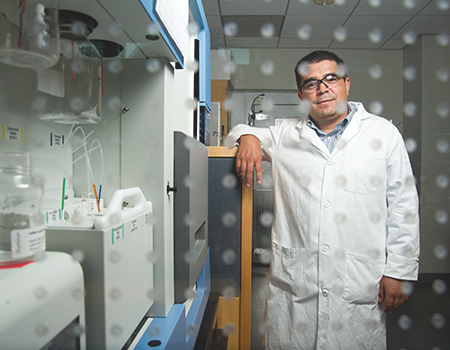
Carvajal Lab Receives $1.7 Million Grant to Advance Equitable Precision Medicine
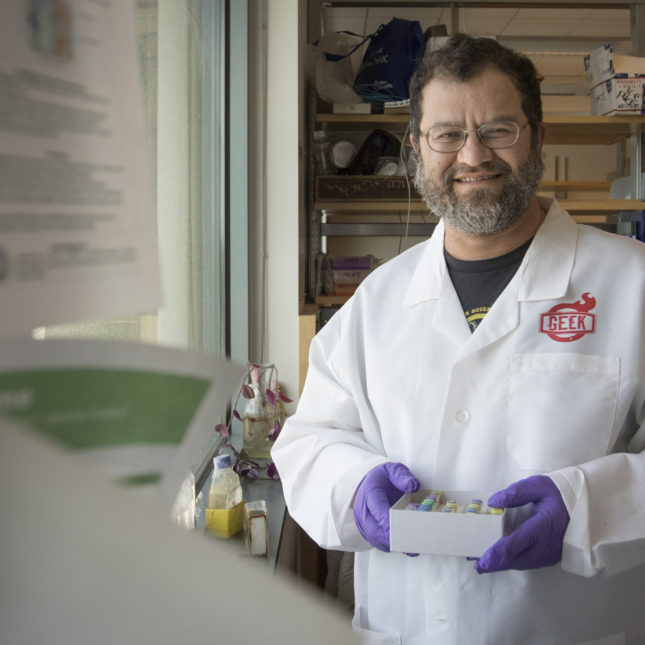
The Carvajal Lab’s Community team has received a $1.7 million award from the California Initiative to Advance Precision Medicine (CIAPM) to support a new project, “Advancing Equitable Precision Medicine in Federally Qualified Health Centers: A Community-Engaged Approach to Hereditary Genomic Conditions.”
Led by Luis Carvajal-Carmona in partnership with Ampla Health, the project will focus on identifying hereditary cancer and cardiovascular conditions earlier in rural and underserved communities. By bringing genomic screening into Federally Qualified Health Centers, the team hopes to expand access to precision medicine and help patients identify inherited health risks before disease develops.
“This study will help pioneer approaches for implementing genomics-based prevention of cancer and heart disease in underserved populations,” said Carvajal-Carmona. The team hopes the project will help establish a model for statewide population genomics programs and demonstrate how genomic medicine can be delivered equitably and at scale.
Congratulations to the Carvajal Lab team on this exciting achievement!
| | |
| |
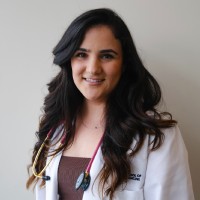
UC DAVIS CANCER CENTER EXCELLANCE AWARD
Alexa Morales, Medical Student
School of Medicine
Mentor: Dr. Luis Carvajal-Carmona
| | | | GENOME CENTER MENTORING SEMINARS | |
Mentoring Seminar Series
The Mentoring Seminar Series at the Genome Center is a brown-bag seminar that will feature two presentations from our talented PhD students and Postdocs, with each seminar lasting 15 minutes followed by 10 minutes of Q&A. Ideally, the two presenters will be part of two different Focus Groups. At the end of each session, the speakers will receive valuable feedback from three pre-assigned volunteers from our Academic Federation or Faculty members, providing an excellent opportunity for growth and development. And to make our gatherings even more enjoyable, there will be cookies for all attendees!
| | |
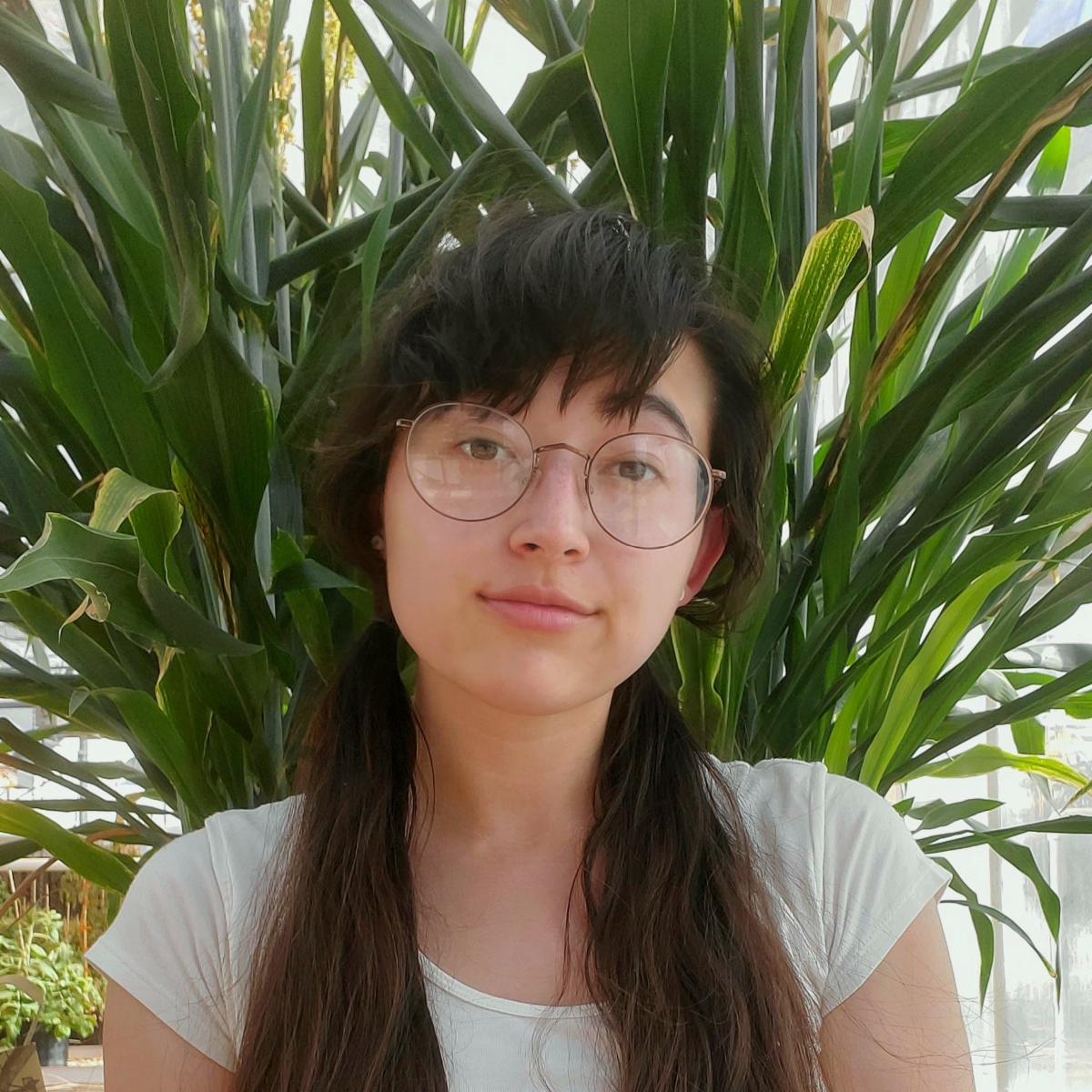
We are proud to celebrate our Plant Biology PhD student Tamera Taylor on her first-author paper. The research topic was “How Soil Conditions and Microbes Shape Striga Infestation in Ethiopian Sorghum.” This was a major international collaboration involving 22 researchers from the Netherlands, USA, Spain, and Ethiopia. The team analyzed 48 field soils across more than 1,000 km and 14 agro-ecological zones. These results are important as it shows that there are environmentally friendly microbes that can be put to use to provide cheap and safe solutions to reduce the devastating problem striga poses to African farmers.
| | |
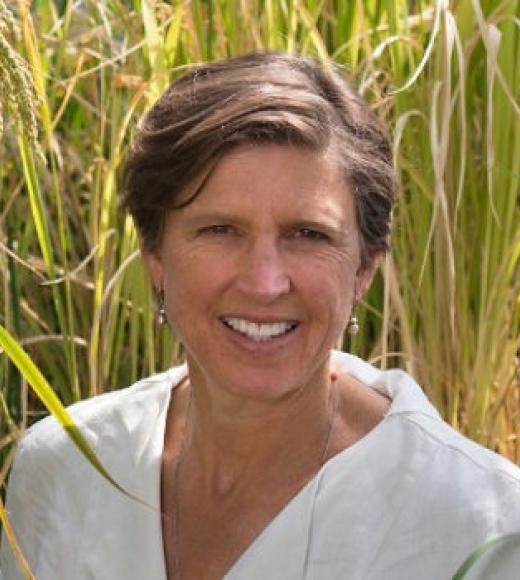
Professor Pamela Ronald Receives Two Distinguished Recognitions
Professor Pamela C. Ronald of the University of California, Davis, has been recognized with two awards highlighting both her scientific contributions and her commitment to research integrity.
Ronald received the U21 Award for Climate Action for her globally recognized work in plant genetics and sustainable agriculture. Her co-development of Sub1 flood-tolerant rice has helped strengthen climate resilience for millions of farmers across Asia, addressing the growing challenges of food security and climate change.
She was also honored with a Special Commendation in the context of the Ctrl-Z Award for her proactive approach to correcting errors in her research. After discovering that two influential papers contained fundamental errors caused by a bacterial strain labeling mistake, Ronald promptly notified the journals and publicly disclosed the issue before the formal retractions were finalized. Her transparency and commitment to self-correction were recognized by the award judges as an exemplary model of research integrity.
Together, these recognitions celebrate Ronald’s impact not only as a leading scientist advancing climate-resilient agriculture, but also as a researcher committed to transparency, accountability, and the integrity of science.
"On behalf of the talented, creative people in my lab, I am honored to accept this award. It is a privilege to be part of a global community of researchers working on one of the greatest challenges of our time. Thank you for this generous recognition.” – Professor Pamela Ronald
| |
New Publications & Updates from Jonathan Eisen
Jonathan Eisen and his collaborators have been busy this year with several exciting research and community efforts.
A new paper, in collaboration with the labs of Jay Stachowicz and Maggie Sogin, explores microbial communities and their roles in marine ecosystems. This work highlights the power of interdisciplinary collaboration to better understand the diversity and function of microorganisms. Read the paper
Jonathan also contributed to a meeting report on Microbial Dark Matter, discussing the challenges and opportunities in studying the vast number of microorganisms that remain poorly characterized or unexplored. Read the meeting report
In addition to his research, Jonathan was selected to join the JGI User Executive Committee, helping provide scientific guidance and community input to the Joint Genome Institute's user program. Read the JGI announcement
Congratulations to Jonathan and his collaborators on these publications and contributions to the scientific community!
|
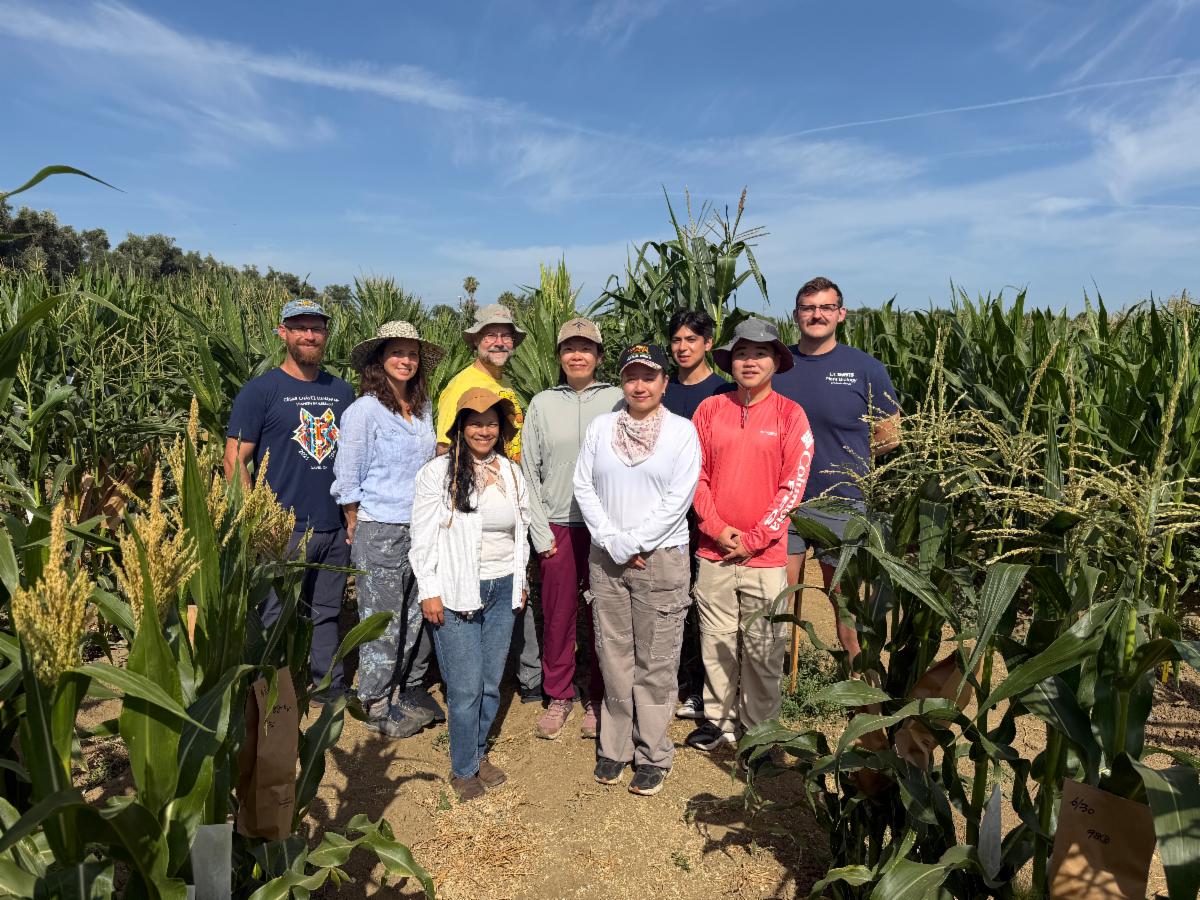
Maize Sub-Group Has a Great Field Season
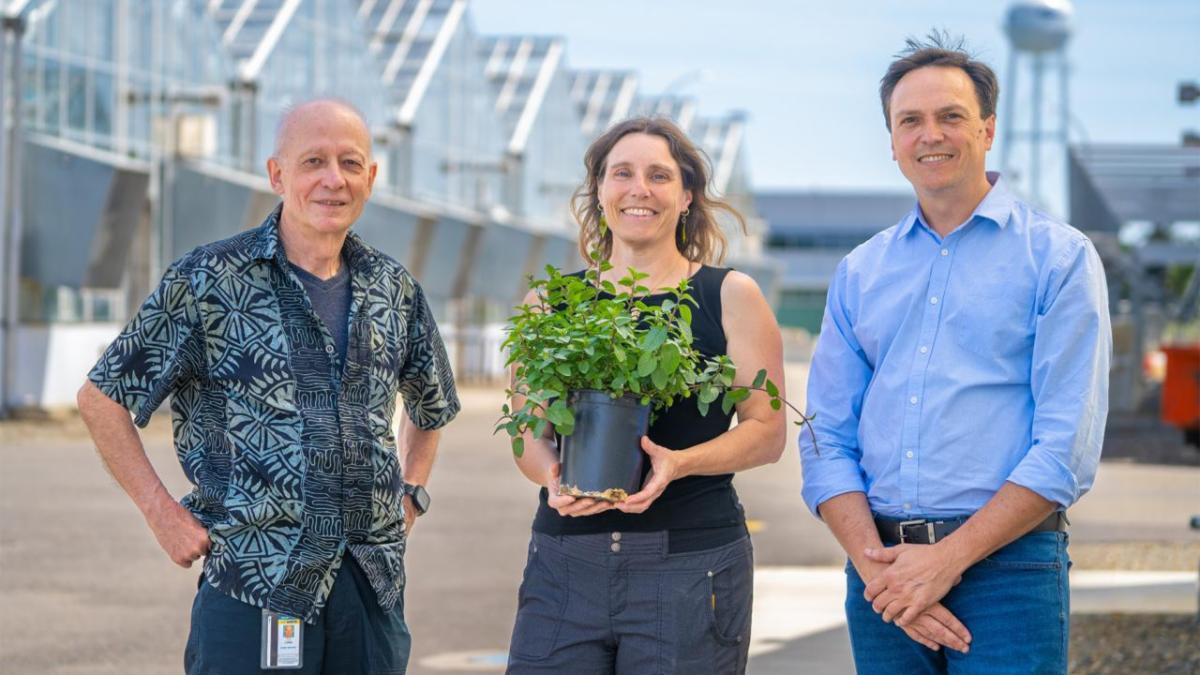
The maize sub-group of the lab had a great field season! The team spent the summer working in the field and advancing research on maize, with plenty of hard work—and hopefully some good memories—along the way.
Photo by Trina Kleist, Plant Sciences
| | | |
New Insights Into South African Ancestry
Brenna Henn is a co-author of a new study published in Science Advances exploring the complex genetic history of South African populations. The researchers analyzed more than 600 samples and found substantial Khoe-San ancestry in several communities, along with genetic evidence tracing East Asian ancestry to Indonesia.
The study offers new insights into the region’s Indigenous ancestry, migration and colonial history, demonstrating how genomics can help uncover stories that have been overlooked or obscured in the historical record.
Read the UC Davis story here
| | | |
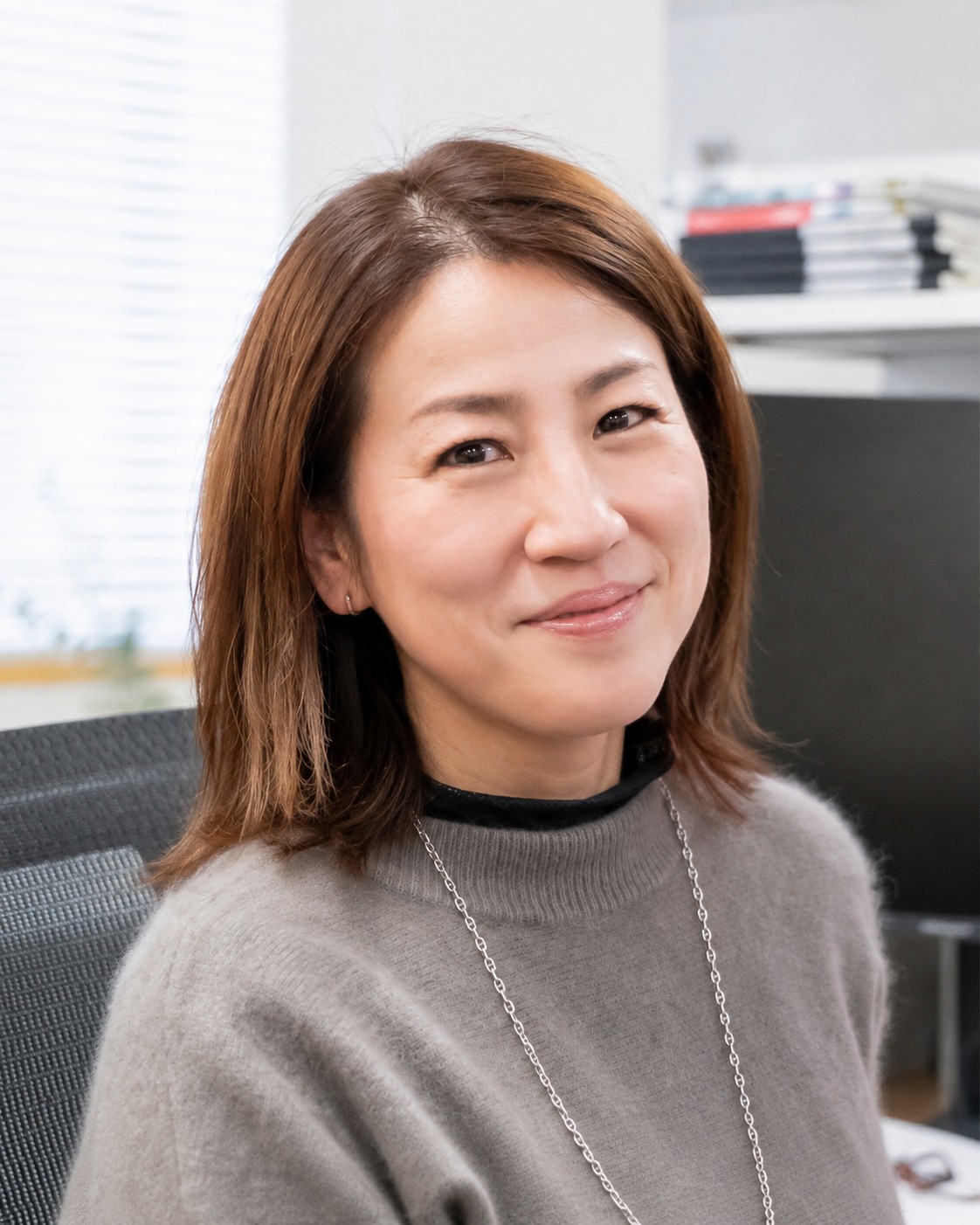
Naoko Fujita is visiting the Comai lab from the University of Tokyo for nine months. She is a Project Assistant Professor at the University of Tokyo and a Research Affiliate at the National Museum of Nature and Science in Tsukuba, Japan. Her research interests include plant–fungus interactions and fungal manipulation of sex in Silene plants, as well as the development of virus-like particles (VLPs) using plant cell cultures.
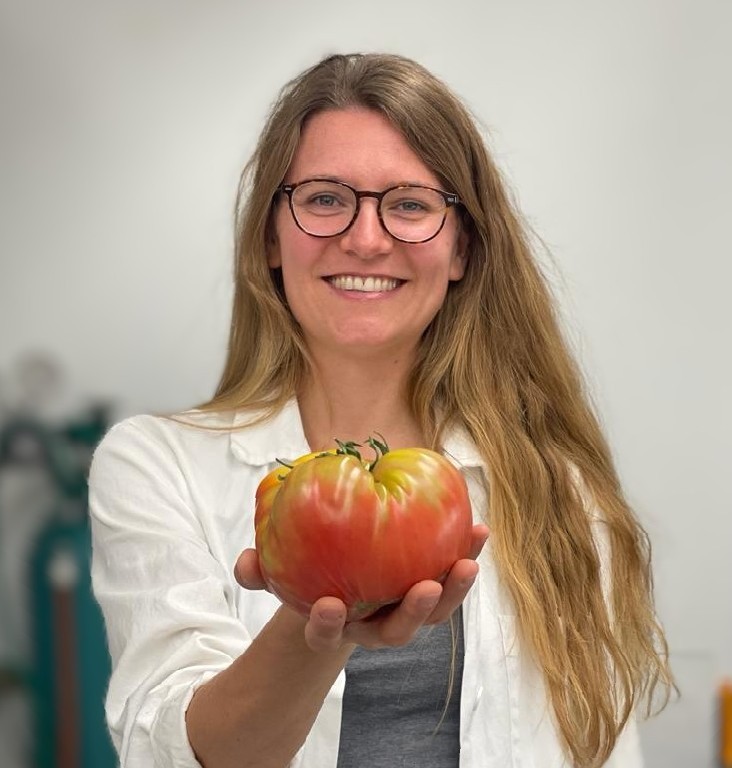
| |  | Anna Hermanns recently joined the Comai lab as a postdoctoral researcher. Anna is originally from Aachen (Germany) and she recently obtained her Ph.D. from Cornell University, working on population transcriptomics of fruit development in domesticated tomato and wild relatives. | | |
| |
Justin Siegel Receives Inaugural UC Regents Innovation Award
Congratulations to Justin Siegel, UC Davis Genome Center associate director, on receiving the Distinguished Lifetime Achievement Award as part of the inaugural UC Regents Innovation Awards!
Siegel was recognized for his outstanding contributions to research, innovation and entrepreneurship. His work focuses on designing and discovering enzymes with applications ranging from therapeutics and sustainable chemical production to food and fuel. He is also a co-inventor on more than 100 global patents and has helped launch more than 10 companies and organizations.
This new UC-wide award celebrates researchers whose work is translating university discoveries into technologies, companies and solutions with broad societal impact. Congratulations, Justin, on this well-deserved recognition!
Read the UC Davis story here
| | | |
Stay up-to-date with upcoming events and important news by subscribing to our newsletter and Calendar and visiting our website for the latest updates.
Google Calendar Here
Follow Us on Bluesky Here
Genome Center Newsletter Here
| | | | | |