|
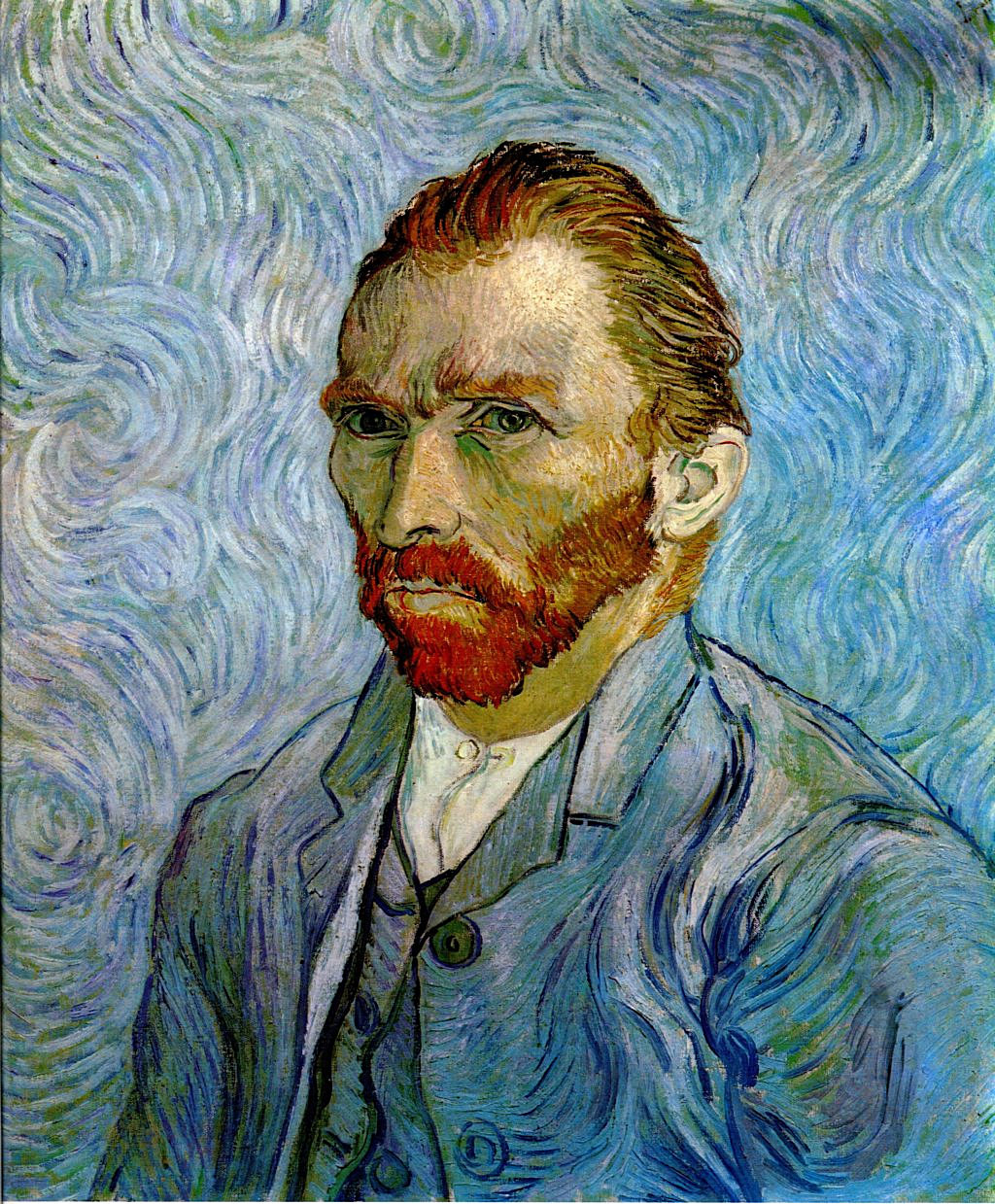
Van Gogh only sold one painting in his life, and that was to his brother. Being poor and unappreciated was rough on Van Gogh. At his funeral, everyone was offered one of his paintings for free. Some people passed, thinking the paintings were worthless. Vincent Van Gogh was a deeply troubled man who died poor and obscure. While I adore his paintings, I adore the painter perhaps even more.
Van Gogh painted the world as no one else saw it. He was not acclaimed or even accepted in the salons and galleries of his day. He had few, if any true friends. But he kept painting. He was true to himself, his visions, his dreams. And while he died poor in pocket, he died wealthy in soul. It sounds easy to say, but if I had to choose between being poor in pocket and wealthy in soul ~ you can keep the money.
Many people try to be someone they’re not in order to fit in. They tweak their attitude and posture. They compete for a dramatic opening line to attract attention on their Substack. They tease with a few lines of verse or brushstrokes and then comes the “paid subscribers only” wall. They hide and you seek. When their paid subscriber numbers are flat or shrinking, their opening lines become even more gaspy and desperate. Much of Substack, it sadly seems to me, is becoming burlesque.
If artists have had any measurable success, they try to duplicate what they have done in the past in hope of replicating it in the future. In so doing, they become a caricature of themselves. They focus on “their brand.” They often start as a talented and creative person with a gift and end up branding themselves the way a cowboy brands a steer on a ranch. And then, quite often, they become weak, boring, and diluted like too much water steeped with too little cowboy coffee.
I speak from experience. I started out as a young writer writing well and feverishly, but I never showed my writing to anyone for fear of exposure and rejection. I could be open with myself as long as I kept myself a secret. My writing was my companion, comforter, teacher and friend. I wasn’t always certain if it was I who was doing the writing or if something was being written through me.
Almost by fluke, I was invited to speak at an event. I asked if I could read something I had written because I was a better writer than speaker (even though I was a trained speaker). They accepted. Someone in the small group spoke to me afterward and encouraged me to submit my writing to a publisher. It was a shock to me, that what was essentially a journal became my first published book. I kissed the cover of the first copy I received and baptized it with my tears.
Looking back, my first published book, and there are ten now, was artistically my best. I would like to believe that I have progressed further with each book but, artistically, that is not true. Why?
My success had convinced my publisher, and my publisher in turn had convinced me, to write another book similar to the first one. Their advice: Expand on a good thing. Outdo yourself. You’re on a roll. Capitalize on the fickle press and optimize my first book tour. Dazzle the interviewers. Provide quotable quips that are camera-ready and let reviewers and reporters know that they are welcome to your words and to add their own byline on them.
I studied hard. I got my book down to five “talking points” that I could whip out like a pistol or a life preserver. Pull back the velvet curtain and there I was with a floodlight above my head, ready for action. I honed my craft, refined my skills, prepared a list of likely questions, and memorizing my responses.
It worked. My two-week book tour was a success. When I got back home to New York, another publisher called to ask me if I could write a book. They provided the title. I wrote the book. When it was published, I went on a five-week book tour ~ up from the two week tour with my first book. This was heady stuff for a man in his early thirties. Without seeing it coming, Dwight Lee Wolter was trying to become ever more Dwight Lee Wolter-ish.
A few years later, I got back to basics. All my life, I wrote to survive, then I wrote to thrive financially and in the public eye. Originally, I wrote to escape pain, then I wrote to optimize gain. Then I realized that the chances of you getting rich and famous off of art are very slim to begin with, so you might as well start with saying what you have to say in the way you have to say it, dancing what you need to dance, singing what you long to sing, and painting what you have to paint. Don’t chase success. By the time you find it, they will have moved it.
Just imagine Van Gogh painting only what he thought other people wanted to see. Would anyone even be talking about him now? Staying true to yourself is its own reward, no matter how people and institutions respond.
Even when writing a jingle for a commercial, bring yourself to it, instead of pressing your soul into a mold of mediocrity by trying to be something. Most actors (except improv) memorize their lines. But even then, some actors become famous even though they are speaking the same lines as all other actors who memorized the same script. But they bring themselves to it. As case in point, visit Sir Laurence Olivier in the 1948 film, Hamlet, that he both directed and starred in.
Now imagine you, as an artist, carrying an easel into a field to interact with the world as only you can see it. How rewarding that would be! Success is fleeting and incidental. Authenticity and integrity are not. Be yourself, the alternatives are not very attractive or productive. Vincent Van Gogh only sold one painting. You may have only one Substack subscriber. Your creativity may be your only reward. You may or may never pin the tail on the donkey. The wizard with the levers, bells, and whistles may not know what they are doing. But don’t abandon yourself. You already have what you need. Keep on keeping on.
Peace,
Pastor Dwight
|