Discover the biodiversity all around you


Welcome


Thanks for joining us in making Maryland Biodiversity Project the success it is today. The project celebrates 14 years in June, and we're happy to report that the team is doing more than ever. With your help, the MBP website and database become more valuable each day and are put to use for conservation, science, and education. 


We're excited to announce our new monthly newsletter, which will share the latest MBP news and highlight upcoming events, people, and natural history information. And we have big news to share. We have great news to share- please join us in welcoming two new team members: Sandy Brown and Paleena Amy. Sandy is our new Community Engagement Lead and Paleena is our new Social Media Lead. We're so excited about how their voices, their ideas, and their energy will help us grow and expand our reach.


Bill


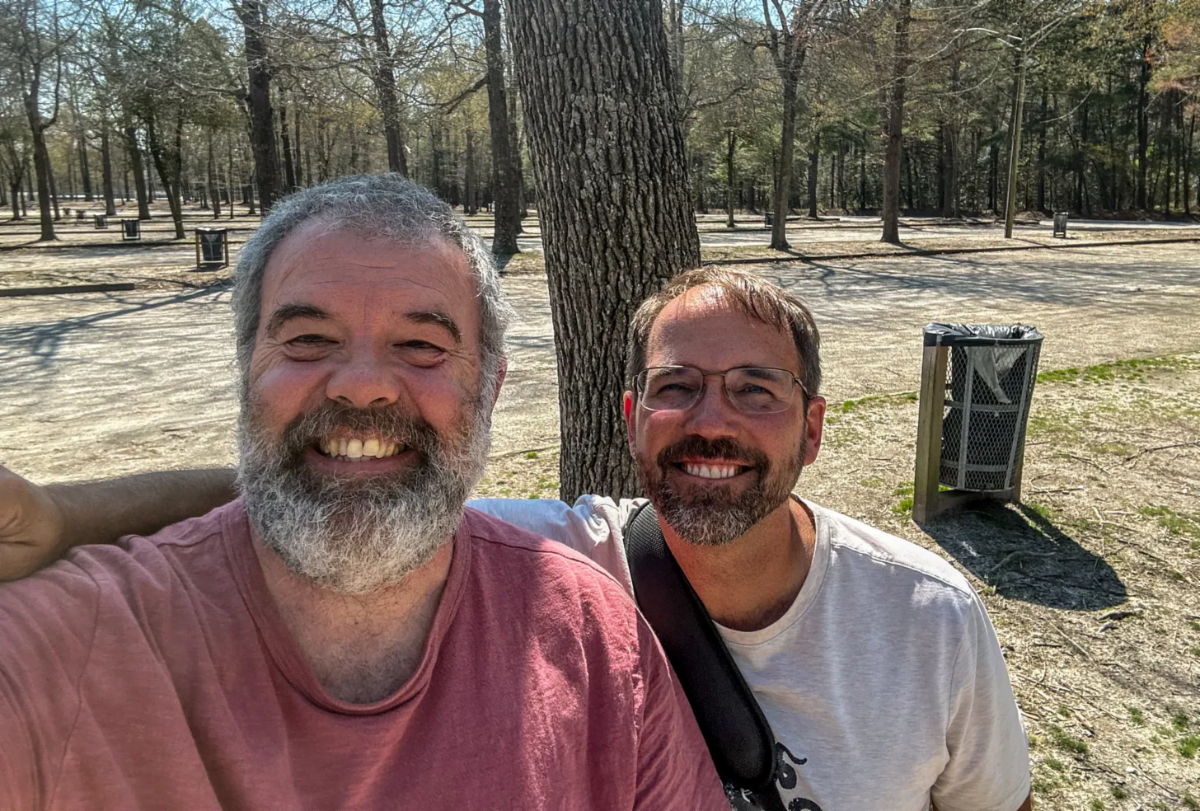
Co-founders Jim Brighton (left) and Bill Hubick (right) getting some field time in Maryland together. Read more here: https://jimbrighton.substack.com/p/trilliums-along-the-pocomoke)

MEET THE TEAM

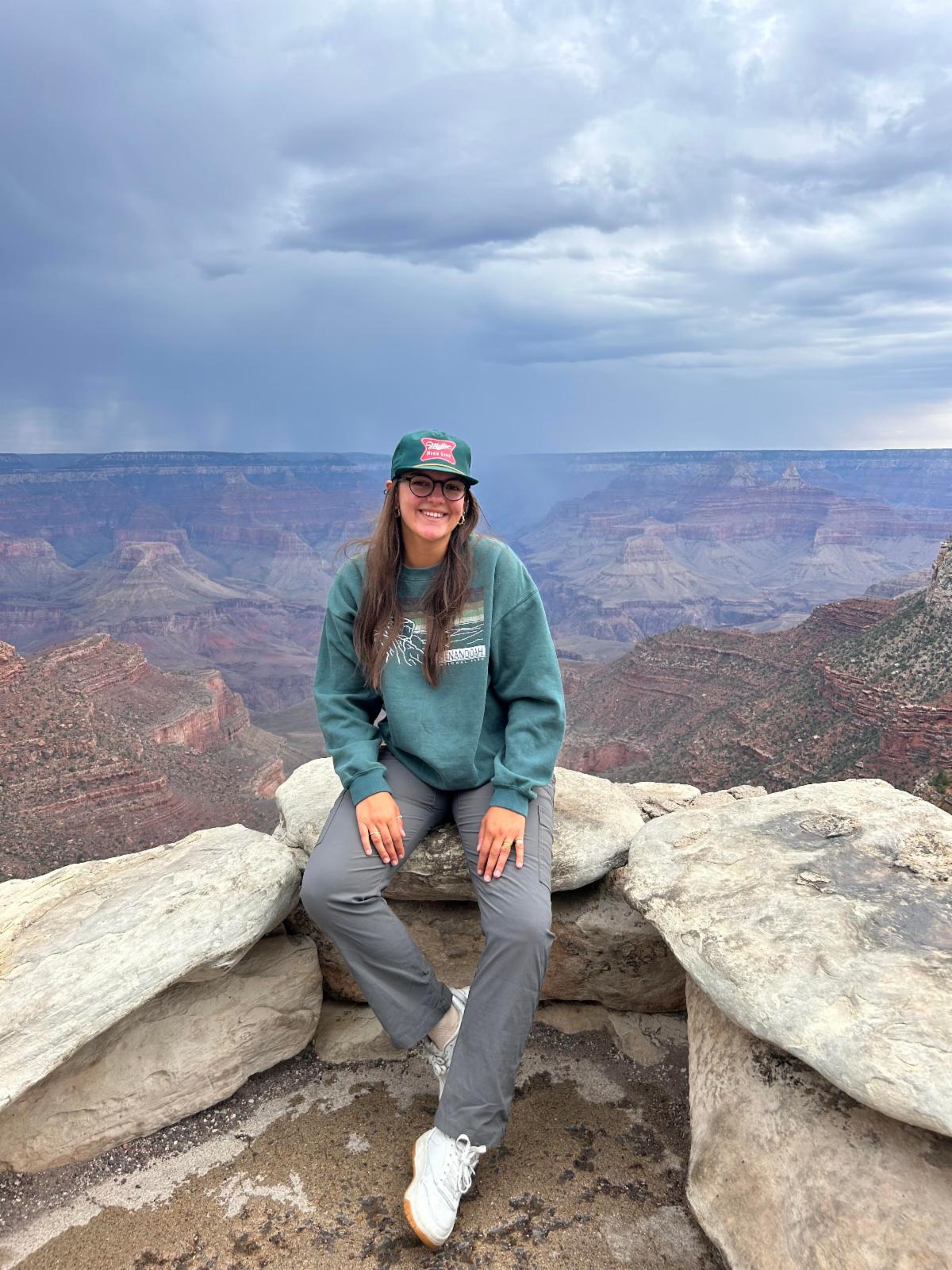
Please meet Paleena Amy, who is helping MBP expand our social media presence by adding a vibrant new voice, trying some new things, new platforms, and some new media types. Paleena is a faculty research assistant at UMCES Horn Point Laboratory and is a graduate of Washington College. Welcome, Paleena! We're going to have a lot of fun and I know you're going to help us connect with a lot of people! Contact Paleena at paleena@marylandbiodiversity.org

Sandy is a well-known advocate for small organizations with environmental missions. She has served as the executive director of Shore Legal Access (formerly Mid-Shore Pro Bono) and is very engaged in the non-profit community on the Eastern Shore. She is an active Master Gardener, passionate about conservation and environmental stewardship, and no stranger to MBP.

Contact Sandy at sandy@marylandbiodiversity.org


MBP EVENTS

MBP hosts field trips throughout the year. From quad-busting trips to bird counts to nocturnal insect surveys, our network of volunteers are on the move.

You can now sign up to learn more about field trips and events by signing up at the mailing list below.


JUNE BIOBLITZ INFORMATION

Cosca Regional Park BioBlitz


When and where:

  • Clearwater Nature Center
    11401 Thrift Rd, Clinton, MD 20735
  • June 20, 2026 from 10 am – 4:30 pm


Come join the fun and learn about biodiversity! Participants can join specialists in the field and help document the many species that occur in Cosca Regional Park.


bioblitz banner


NOTABLE SPECIES

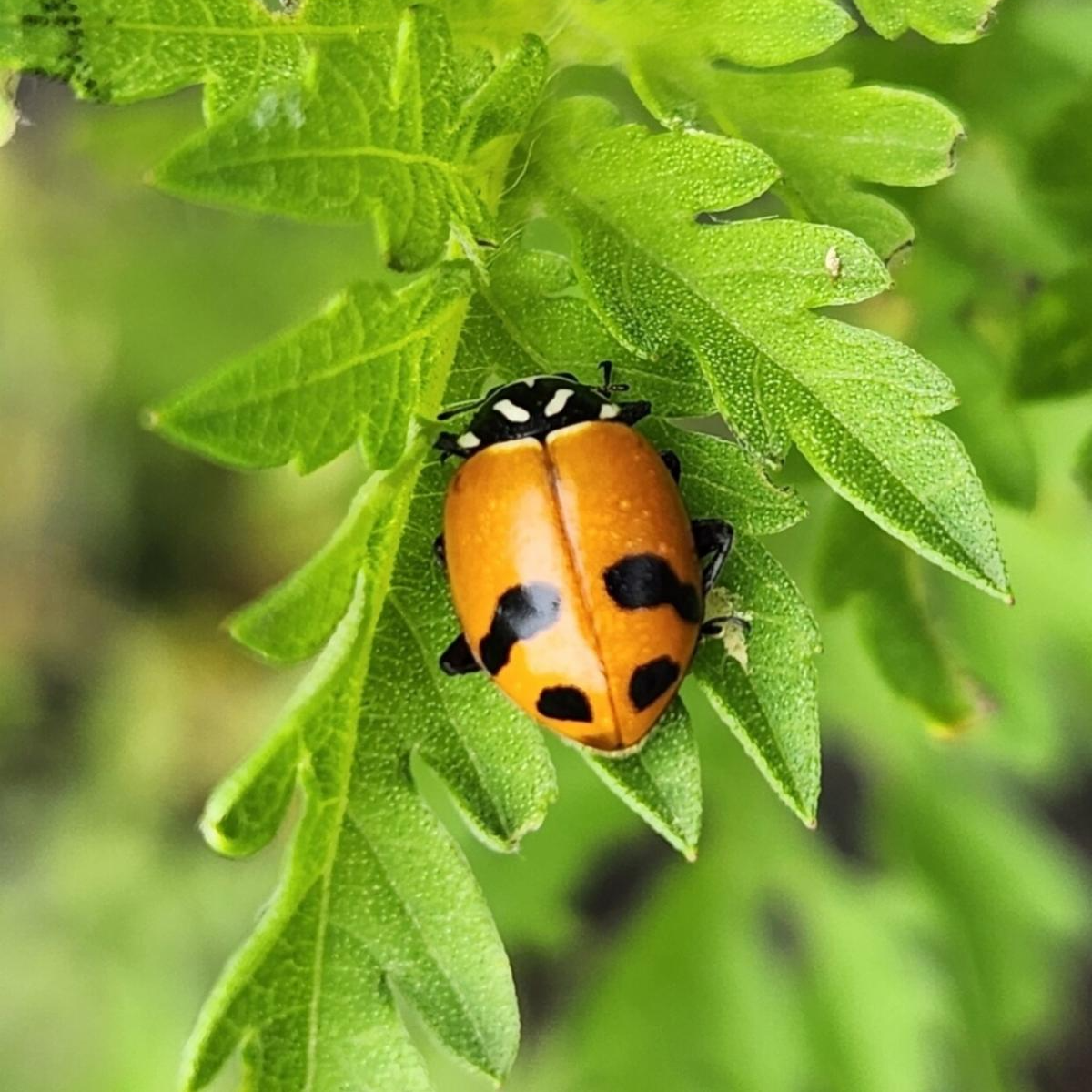
Sandy's first MBP contribution!

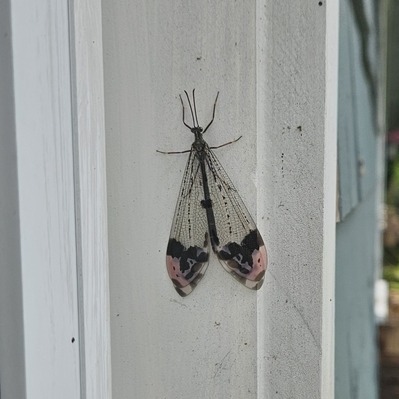
Have you seen this bug? Glenurus gratus is one that's not spotted too often, and this one was recorded on iNaturalist Aug 1st, 2025. It was the first MBP record for Talbot County!


MBP species page


Media by Sandy Brown via iNaturalist.


CONSERVATION CORNER


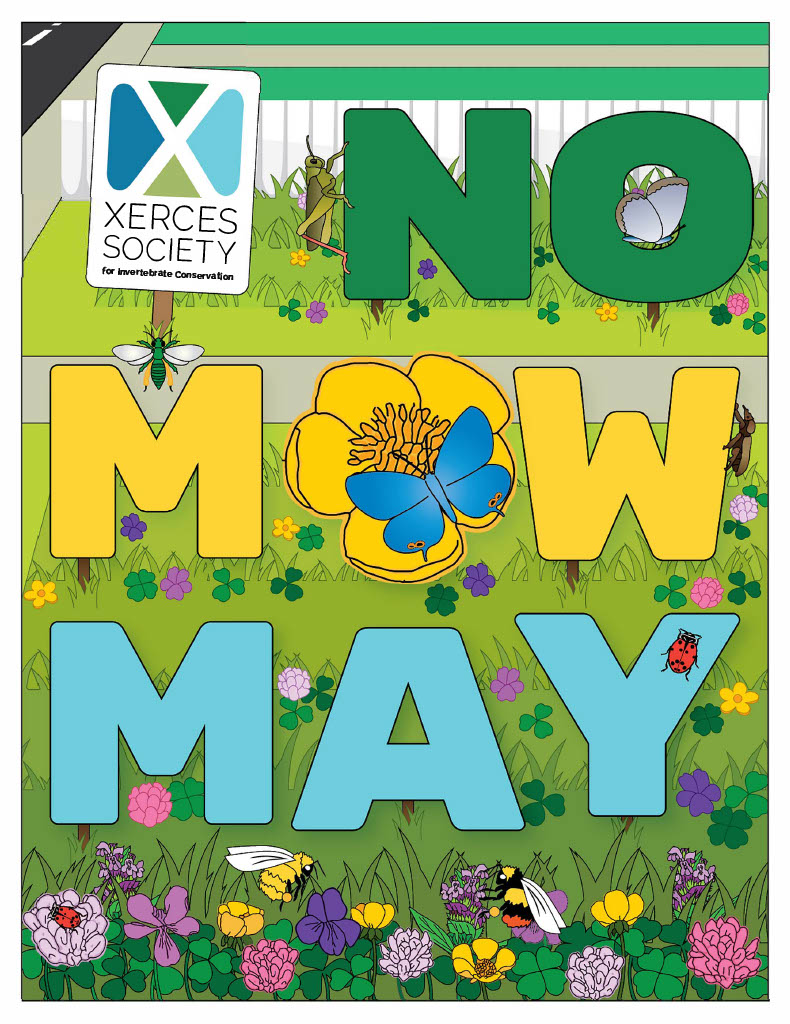
NO MOW MAY?


According to Bee City USA, Xerces Society for Invertebrate Conservation, "“No Mow May” is a quick and catchy name for a movement that aims far beyond not mowing the yard for a month. It’s more than long grass and dandelion blooms. It’s a gateway to understanding how we share our lawns with many small creatures.

Why mow less in the spring?

The start of the growing season is a critical time for hungry, newly emerged native bees. Flowers may be hard to find. By allowing it to grow longer, and letting flowers bloom, your lawn can provide nectar and pollen to help your bee neighbors thrive.

Mowing less creates habitat and can increase the abundance and diversity of wildlife including bees and other pollinators. One way to reduce mowing is by participating in No Mow April, No Mow May, or Low Mow Spring.

You don’t need to go a full month without mowing. Mowing every two or three weeks can increase flower blooms and provide food for hungry bees." For more information visit the Xerces Society.


Home

Checklist

Blog

FAQ

Contact


Maryland Biodiversity Project | PO Box 1316 | Easton, MD 21601

What is Maryland Biodiversity Project?

Maryland Biodiversity Project (MBP) is a 501(c)(3) nonprofit dedicated to cataloging the living things of Maryland. Together, our community maintains a living atlas of the state’s flora and fauna and makes this carefully curated biodiversity archive available for science, conservation, and education. The MBP community has documented more than 22,000 species, including more than 14,500 species with photographs, featuring contributions from over 33,500 naturalists and photographers.


Facebook  Instagram  LinkedIn