Trouble seeing this email? View as Webpage

"You Can't Really Know Where You Are Going Until You Know Where You Have Been"

- Maya Angelou

New Aiken racecourse hosts fall meet Saturday

Trainer reports gauge the Richland Road venue among tops on the circuit; committee reports place pre-race ticket sales outpacing even their wildest speculations

By Betsy Burke Parker

There’s a saying about how you can’t know where you’re headed until you know where you started.


It makes sense to management of the Aiken Fall Steeplechase.


Where they started was in cramped quarters tucked into a 64-acre field at the Aiken Horse Park. Spectators had to be bussed in since there was limited parking, and racecourse maintenance was constricted when horse shows and other equestrian events at the multi-discipline facility took precedent.


Where they’re going, according to insiders, is on the fast-track to becoming one of the premier stops on the National Steeplechase Association calendar spring and fall, a calendar placeholder for horsemen and racing fans alike.  


The Oct. 29 Aiken Fall Steeplechase marks the first time Aiken has held their traditional autumn meet - anywhere - since 2019.


“It’s a relief,” says Aiken Steeplechase Association president Frank Mullins when asked how it feels to be back in business. “We’re busy as hell this week, but I know it’ll all be worth it. Our ticket sales are great, the entries are great, the course is great,” the full-track irrigation system running regularly to supplement what’s been already a great growing season for turf grass ASA management planted two years ago when the new course began to take shape.


“When we got to the critical point of wanting to take (our meets) to the next level, we knew we needed to expand,” Mullins explains. “We had a track record of two strong events.

“We built a better mouse trap. We’ll have even better events.”


Mullins says the ASA intends to “elevate our meet(s) to … the best on the circuit.


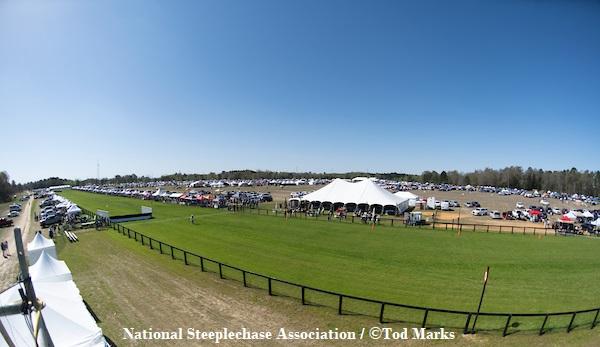
“It starts with the racetrack, and I think we’ve got it.” (Tod Marks photo, above)

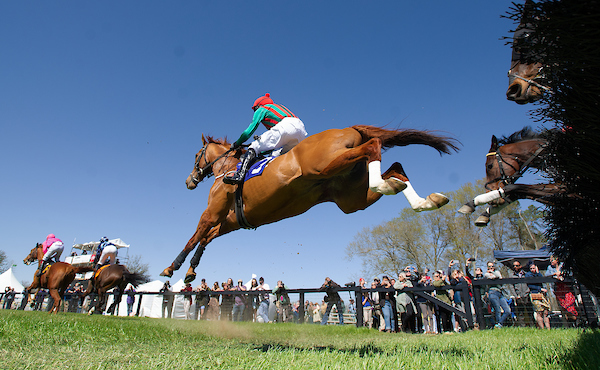
Aiken kicked off the 2022 NSA season on Saturday, March 26, with a five-race card. Criticize (Graham Watters) won the third.

Tod Marks)

Making the move

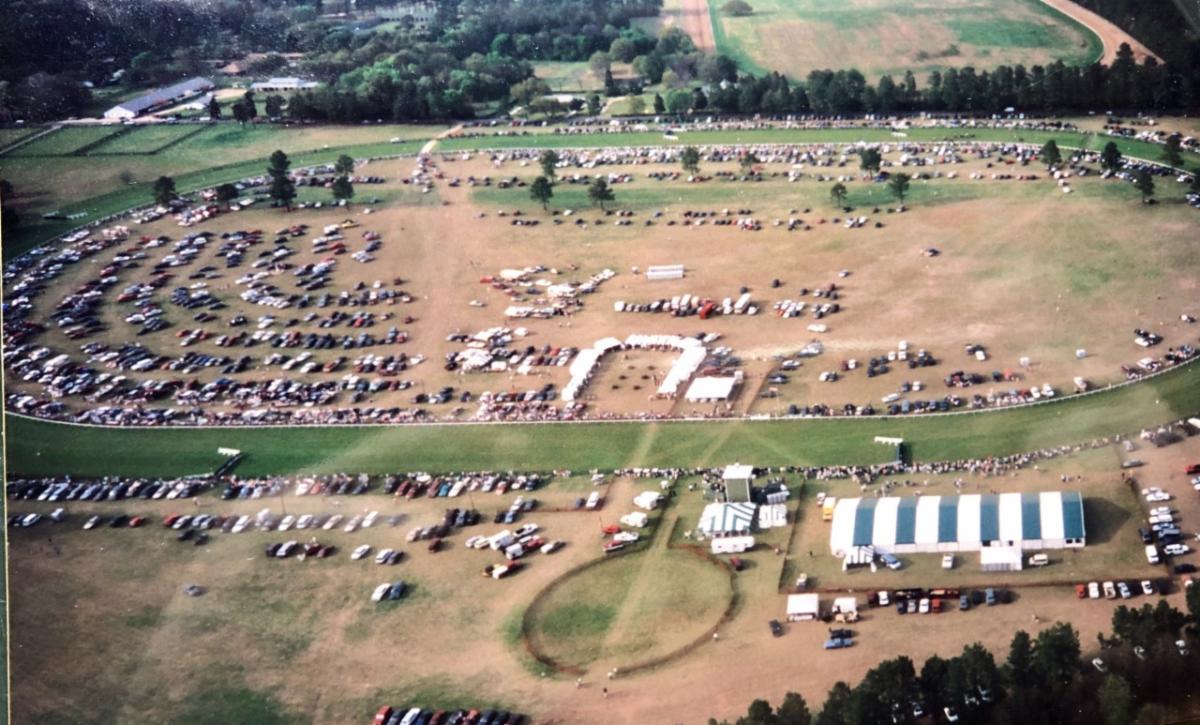
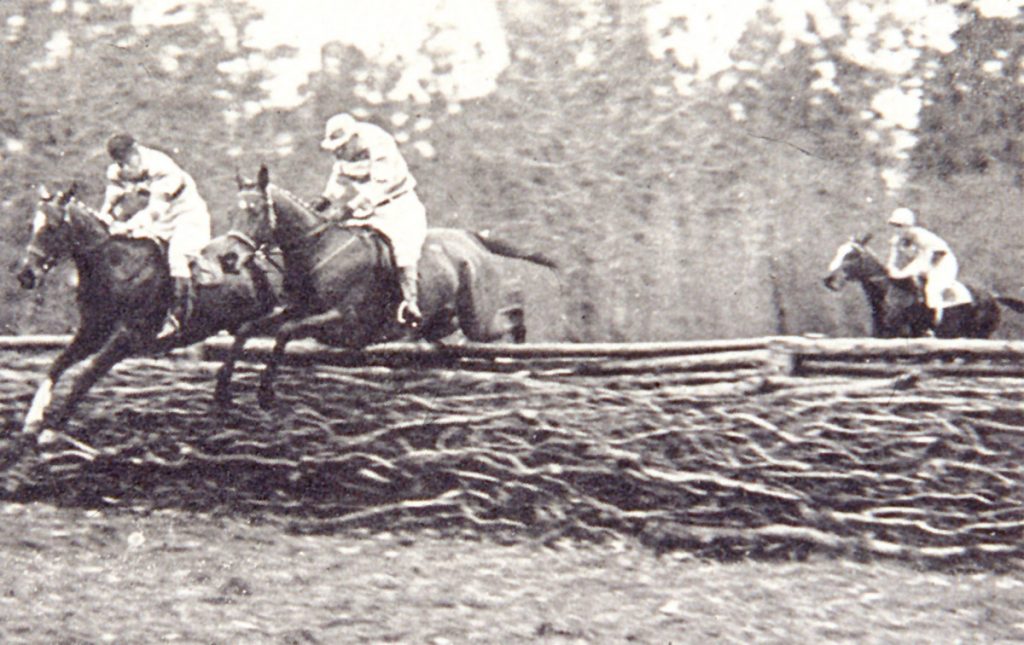
ASA was formed in 1930, with the first races held in the Hitchcock Woods when courses took more of a country-tour form instead of formal oval tracks. When the Aiken race meet was renewed in the mid-1960s after years off due to World War II and reorganization, it moved to a field by the training track near downtown. (photo, right, courtesy of Aiken Steeplechase)


It worked there, Mullins says, until it didn’t.

“Basically, we outgrew the site,” he says. “The (Aiken Horse Park) started having more and more shows for other disciplines, and got less and less ability to look after the racing surface.”


Mullins was named ASA president this summer, succeeding Paul Sauerborn as head of the non-profit group that runs the Aiken spring and fall meets. “There’s a great legacy Paul left for me. I inherited a well-oiled machine with a fantastic board.”


Mullins served on the ASA board of directors four years before taking over as president.


Sauerborn (Tod Marks photo, below) was as the helm when ASA identified and purchased the land for the new venue on Richland Avenue a mile from downtown and developed the one-mile racecourse.

The cost of the initial phase of the build-out, including the $2.112 million purchase price of the 140-acre property, was about $4.2 million, Sauerborn told the Aiken Standard.

History deep-dive, part 1


Aiken native Lucy Knowles has had a hand in conserving everything Aiken from the Aiken Land Conservancy to the Hitchcock Woods Foundation. Knowles says that, in the beginning of the Aiken jump races, the crowds were small, mostly horse people and their friends. There was a cherry picker, a very old truck for the press to watch the races. No one was checking for press passes and anyone could get on it.


“The whole bed of the truck would ascend creakily. It was scary but the view was great.


“One year it was decided that there should be a mule race. Politicians and others were asked to volunteer. A truck load of mules were brought in and everyone was supposed to ride bareback.”


Several people were thrown or fell off, with a mule named White Lightning winning the race.

The City of Aiken provided $1 million to help fund the project.


The March 26 Aiken Spring Races were the first held at the Richland course. Saturday marks the first time a fall meet has been held in Aiken since 2019.


The spring races “went extremely well,” Mullins told the Post and Courier last week. “It was one of our best ever. All in all, there were very few problems, and it was better than we expected financially.


“I think we’ll have the largest crowd we’ve ever had at a fall meet, and there’s plenty of room for both races to grow at the new course."

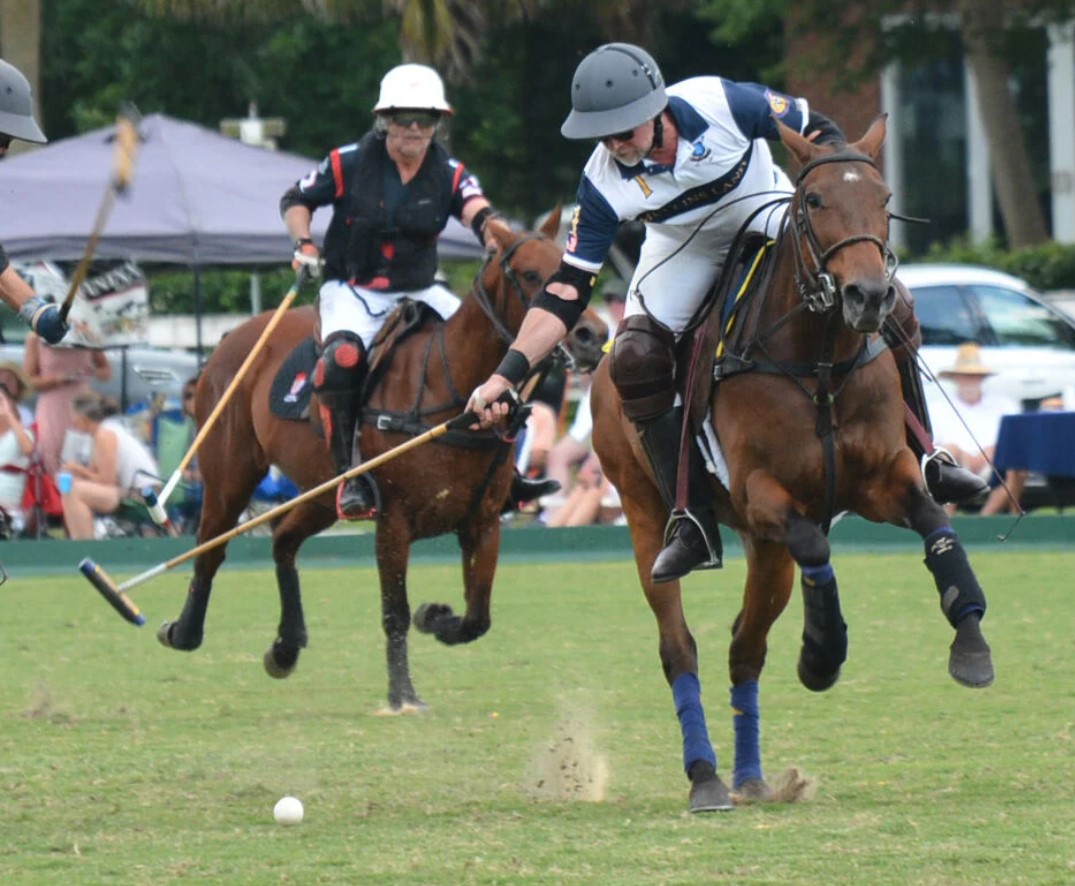
Frank Mullins (right) on the field with his Mullins Land polo team in 2021.

©Bill Bengtson / Aiken Standard

Mullins, 60, is a member of the Aiken Polo Club’s board and an active player. He’s a commercial real estate developer, building shopping centers, apartment complexes and business parks.


He thinks that experience in real estate was a significant factor in election as ASA president. “I think big,” he says. “I find deals, raise the money, organize everything and build the projects.


“It’s a neat fit.”

With the infrastructure in place in time for the spring races, Mullins says the first meet taught management what still needed attention. Turf development was chief among their goals, he says, and the full-course irrigation system provides the boost they need when rain doesn’t keep the grass growing. 


Just as much, though, Mullins says it took a wider view to advance their goal of growing the sport. The spring and fall races had been running successfully for years at the old course, but the trick was to transplant the events to the new one while at the same time losing nothing and gaining everything.


Mullins says Jessica Miller, ASA event manager, did a great job “cutting and pasting the wonderful events we used to have at the old racecourse onto this new site.”


Miller says they’ve elevated the Aiken experience for horsemen and patrons as well. “We have generations of patrons, multiple generations that pass the tradition down their families,” says Miller. “Our spring event has been a lottery situation for tailgate spaces for years, but the new track allows for much more (room for parking). The fall meet is growing exponentially. It’s catching up quickly to the spring.


“I hope horsemen see the thought and work that’s gone into” course design and meet development, Mullins adds, noting that he believes the strong entries prove his point.

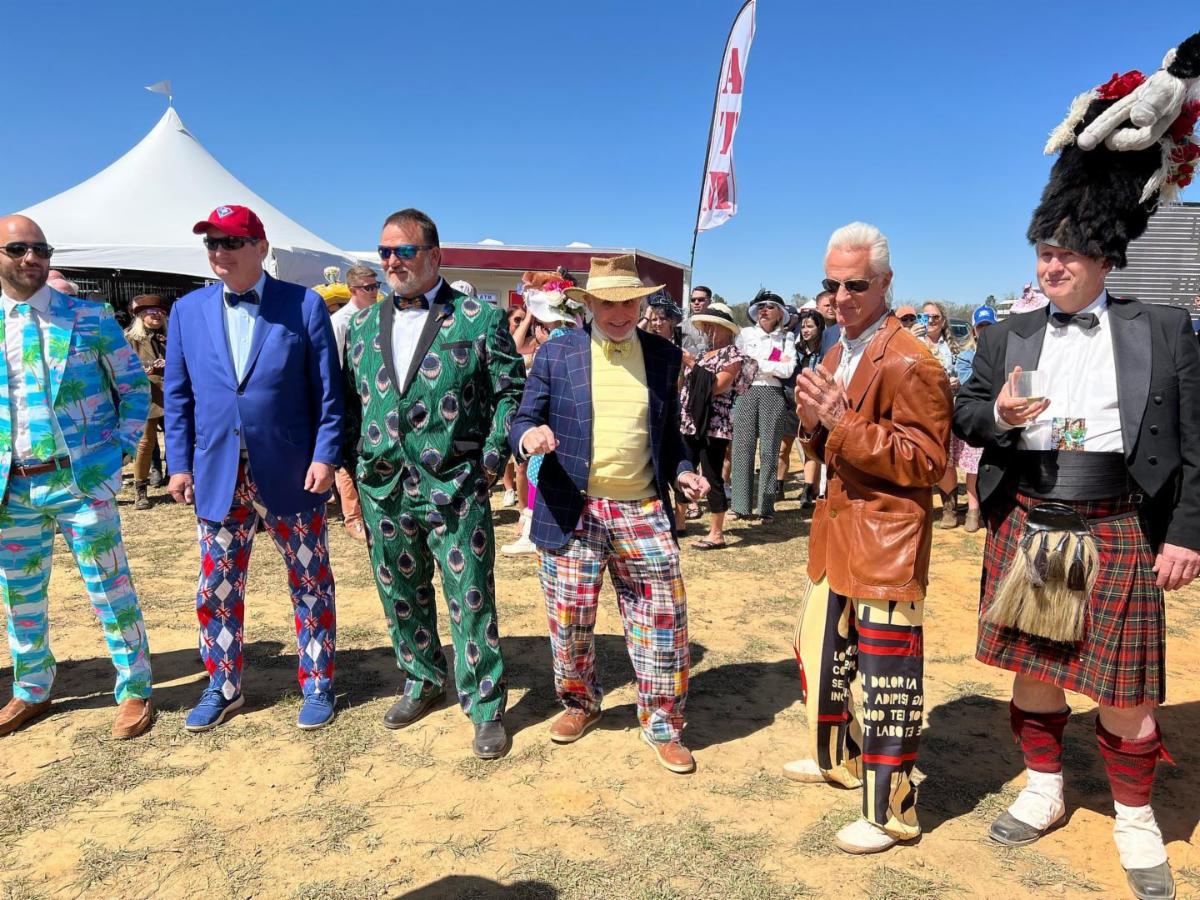
Aiken's Spring patrons had plenty of special event entertainment, including a Best Dressed competition.

(from the Aiken Steeplechase Facebook page)

All the extras


In addition to the five-race program, Aiken Fall has a range of activities:


➡️ Spectator gates open at 9 a.m.

➡️ First post is 1 p.m.

➡️ The Village of Shops, the Budweiser Libation Station and the Paddock Playground will open at 11 a.m. in the infield.

➡️ There are pony rides and dogs from the Aiken County Animal Shelter to adopt at the Paddock Playground.

➡️ There’s live music and a car show on the infield.

➡️ There’s trick-or-treating in railside parking space areas 11 a.m. to 2 p.m.

➡️ There are stick horse races at 11:45 a.m.

➡️ There are hat and costume contests open to children and adults at 1:30 p.m.

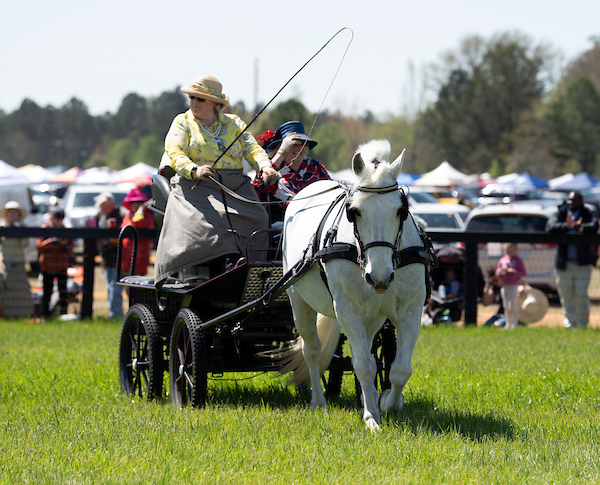
➡️ There’s a carriage parade at 1:50 p.m.

The Aiken Spring Steeplechase carriage parade (©Tod Marks)

➡️ There’s an oyster roast fundraiser for ASA Nov. 18.

➡️ There’s a dog walk for charity Nov. 27.

➡️ There’s already a date selected for the Aiken Spring Races – March 25, 2023.

Horsemen’s opinion

Owner and race manager for his family’s Three Diamonds Racing, Jordan Wycoff has entries in every one of the five races on the card. Mullins’ son-in-law, Wycoff shares Mullins’ vision of trying to rekindle Aiken’s sporting legacy.


The Wycoffs started in steeplechase just this year, in an attempt to tap into jump racing’s good purse money and to take advantage of state-bred programs that pay out in steeplechase starts as well as flat starts. Too, Wycoff explains, they see multiple benefits for dual-purpose horses – horses that run on the flat track, dip into jump racing for a short season, even a single start, then return to the flat.


The cross-training and freshening aspects are real, Wycoff maintains.

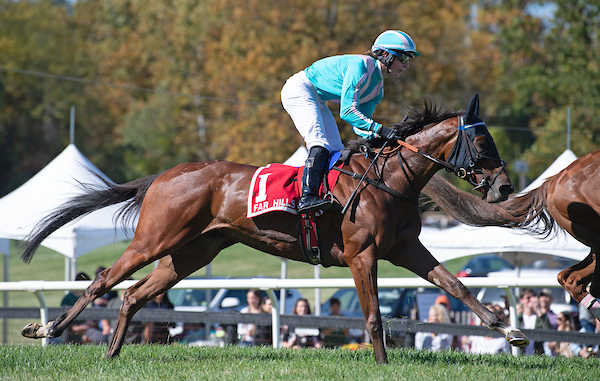
Wycoff's SOLIB, a New York-bred, raced at Far Hills a few weeks ago in the three year old hurdle stake, then wheeled back on the turf at Aqueduct a week later.

©Tod Marks

“Horses can only make left-hand turns on the dirt so many times,” Wycoff says. “I started talking to (a steeplechase trainer at Saratoga) about dual-purpose horses. I was seeing the value of ‘getting your conditions back’ when a horse starts a career over fences.


“Plus, you know it always freshens the horses by a few months at a training center, galloping in the fields, using hill work for strength training and balance," plus the renewed interest learning to jump. 


“We’re experimenting in how longer, slower gallops up inclines benefits the horse but you can’t take too much speed out of them. If you don’t have tactical speed, you won’t win races.


“It’s about a horse learning to use their body correctly,” something Wycoff says is honed by jumping and training on hills. “We absolutely believe this will serve to keep them sounder and happier.


“And put them ahead when you’re looking at a (post-racing) career” like eventing or hunting or showing.

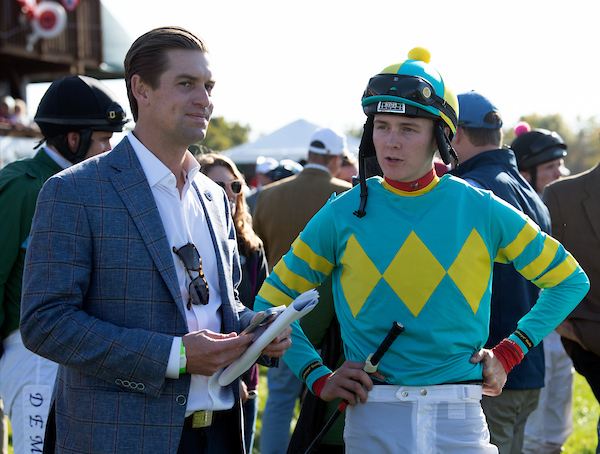
Jordan Wycoff with jockey Parker Hendriks in the paddock at Far Hills, before Cross Border's third place finish in the John Forbes turf stakes. ©Tod Marks

Three Diamonds has a millionaire graded stakes winner entered for his hurdle debut in Saturday’s card closer. “We knew Cross Border wasn’t the type who’d be happy turned out in a field” when he eventually retires from running on the flat, Wycoff says, so a dual-purpose season or two was a natural fit. Wycoff says the New York-bred son of English Channel has flourished in steeplechase training and jumps really well. “He really likes it. You never know ‘til they jump in an actual race in the afternoon, but he’s schooling well.”


Cross Border is one of eight Aiken entries owned whole or in partnership by Wycoff and Three Diamonds. Wycoff is looking forward to Saturday.


“The course looks great, and our trainer says she thinks the turf is possibly the best on the circuit.”

History deep-dive, part 2


The Aiken Steeplechase Association was founded in 1930 by several influential horseman including Thomas Hitchcock, Temple Gwathmey and Harry Worchester Smith.


Early races were run in the Hitchcock Woods over the permanent “Aiken fences” used today as hunt jumps by the Aiken Hounds drag-pack.

Photo courtesy of the Aiken Steeplechase

World War II put the Aiken races on hold in 1941, and suburban development around the western South Carolina town extended the hiatus until Ford Conger and friends Charlie Bird III, G.H. Bostwick, Paul Mellon, Mack Miller and Willard Thompson breathed life back into it in 1967. The spring races returned first, fall races added in 1993, at what has been known, in turns, as Clark Field, Conger Field and Bruce’s Field. (Read more about Ford Conger and the history of the Aiken Steeplechase HERE, in a 2020 Legends of Steeplechase article)


The races moved to a new venue on Richland Road in March, 2022.


ASA is a non-profit. Race beneficiaries have included local charities from Helping Hands to the local ASPCA, from the Hitchcock Woods Foundation to the NSA Injured Jockeys Fund.

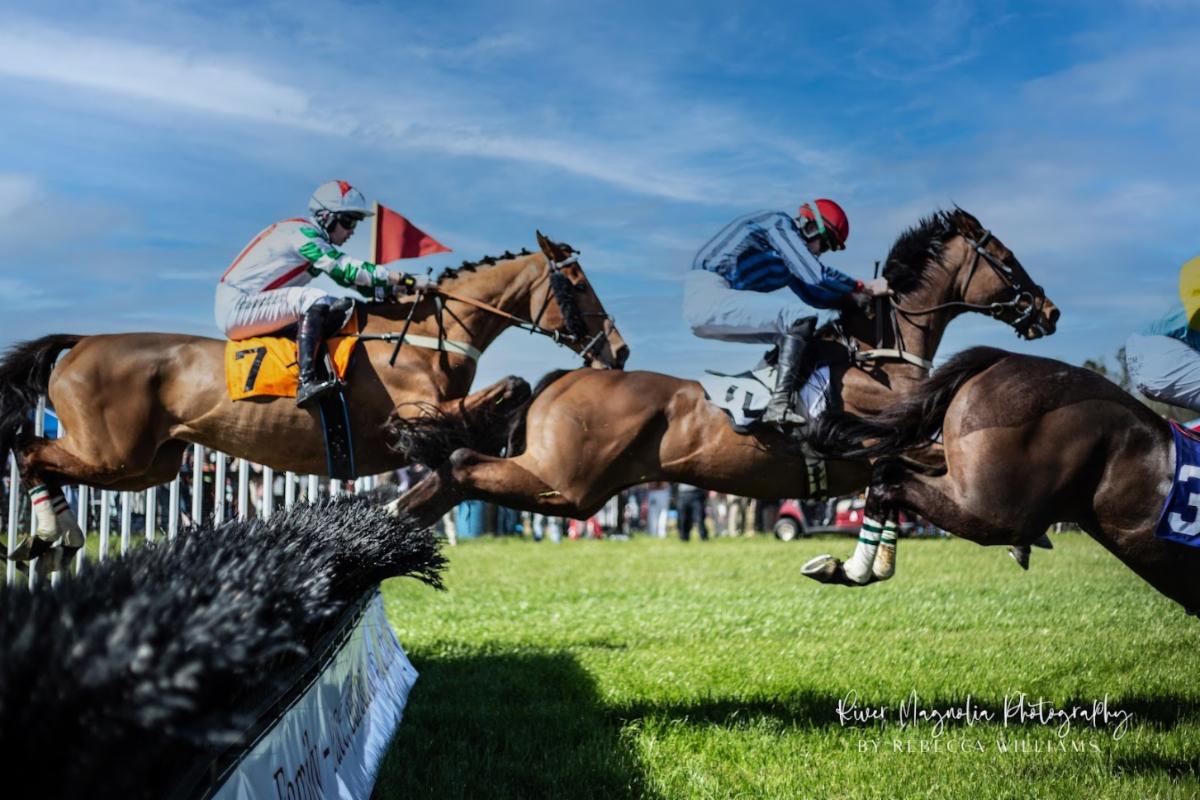
The Aiken Steeplechase 2022 Featured Photograph: River Magnolia Photography LLC by Rebecca Williams (photo from the Aiken Steeplechase Facebook page)

Do you have news to share? Tell us about it!
Temple Gwathmey Steeplechase Foundation | Email Address | Website
Facebook  Twitter  Instagram