Newsline

Newsletter

Service, Support & Advocacy

April

2025

Our Executive Committee
Our Calendar of Events
Contact Our N-SSBA Staff
 

Bob Vecchio


Do you have Billtrack50 yet?


A powerful tool to track State and Federal legislation, and it's free.


Just email us a request at info@nssba.org to get your link to enroll today!

N-SSBA wants to thank our Strategic Partner Sponsor

Executive Director's Message


As I write this we still do not have an approved state budget, which is now more than thirty days past due. The process has been criticized by both sides of the aisle as well as other outside groups.


In today's budget development times with a tax cap, it is critically important that our state legislature gets back to delivering on time budgets. Hard decisions are made by our school boards about whether or not to pierce the cap, or what reductions need to be made and they need to have every piece of information. It is crucially important for school districts to know the revenue that can be expected from NYS, even more so than in the past.


School districts have specific deadlines that must be met per state mandates, and the state should follow suit. We must report to the comptroller our projected levies, we must adopt and advertise our budgets by specific dates and in fairness to our governance teams, and most importantly our taxpayers we must have the revenue question answered by April 1st.


We will be calling on our state officials to adopt what I'm calling the "Approve State Aid First" Act (ASAF), so that at a minimum NYS must agree on that portion of the budget by April 1st. The Governor releases her budget in January. It is reasonable and fair to expect that this part of the budget gets the priority attention it deserves, so that schools don't have to wait for answers because other budgetary/policy items unrelated to education are still being negotiated.


In addition, the zero emission bus mandate timelines must be addressed this legislative session. The timelines are becoming increasingly unattainable, and districts are already seeing increased costs for these mandates in the new contracts they are seeing from their bus providers.


There are also other bills that have shown up in some committees that we are keeping a close eye on that could be problematic for school districts.


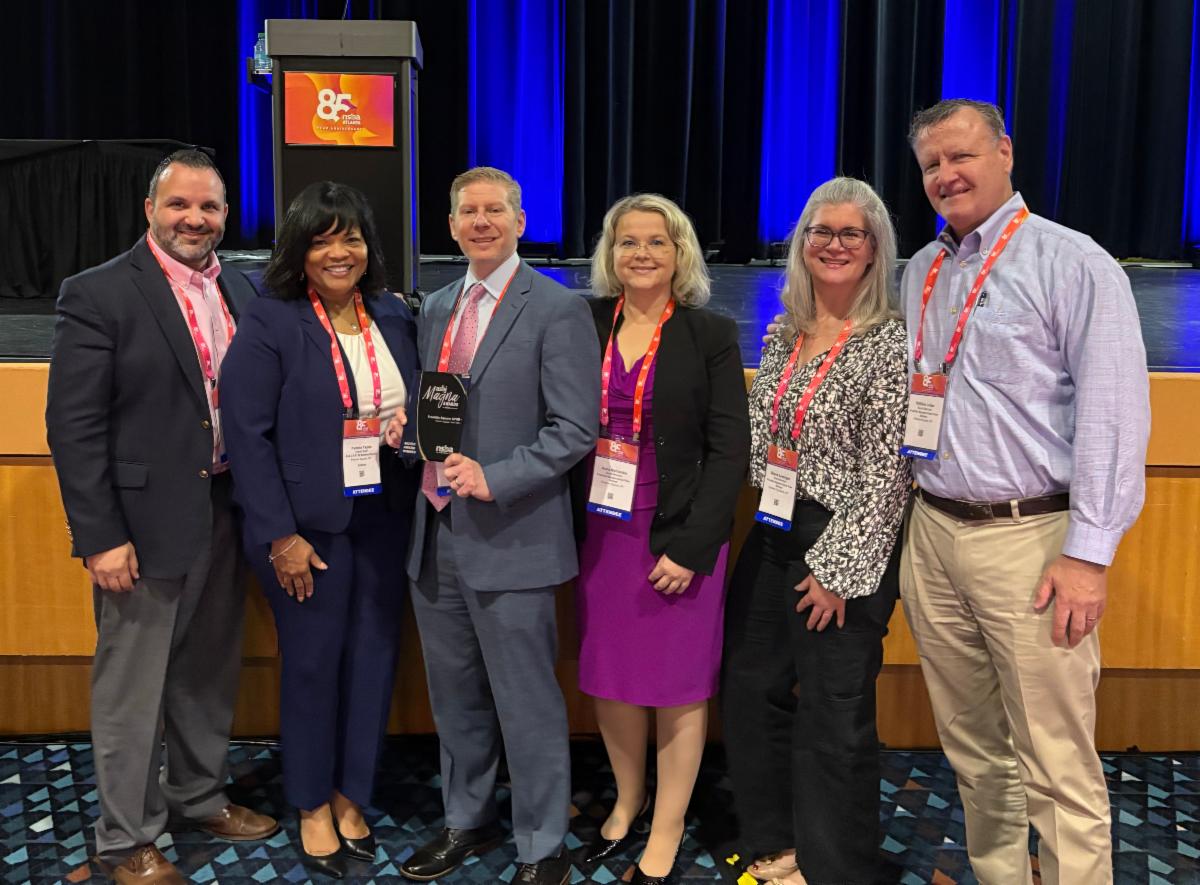
At NSBA's Annual Conference Long Island was well represented with several districts giving presentations. Congratulations to Franklin Square and Roosevelt for winning NSBA's Magna Awards.


As we look towards our budget votes and trustee elections, we wish you all much success. We know there are many veteran board members who are not seeking re-election, so we thank them for their service, and we look forward to welcoming the newly elected members of governance teams.


Check Out N-SSBA's webinar on Cybersecurity Insurance

click here for the webinar


N-SSBA Out & About


Below is a listing of meetings and events that N-SSBA attended and participated in:


4/1 – Virtual meeting with RCM Healthcare and Western Suffolk BOCES

4/1 – Recorded a radio show with Commack SD

4/5-4/6 – Attended the NSBA 85th Annual Conference, Atlanta, Georgia

4/8 – Attended the virtual monthly meeting of REFIT

4/9 – Attended the monthly meeting of LIEC @ WS BOCES

4/9 – Attended South Huntington Board meeting for the NYSSBA Champions of Change presentation

4/10 – Attended the annual William Floyd Career Café program @ Wm. Floyd High School

4/11 – Attended a networking event sponsored by Jovia Financial at UBS Arena

4/22 – Hosted the cybersecurity webinar for

N-SSBA membership

4/23 – Attended the NYSSBA webinar on Student Board Members

4/24 – Attended the N-SSBA Executive Committee meeting @ WS BOCES

4/28- Recorded a radio show with Sewanhaka School District

4/30 - Attended the annual Nassau BOCES Educational Foundation's Awards Dinner @ Crest Hollow Country Club

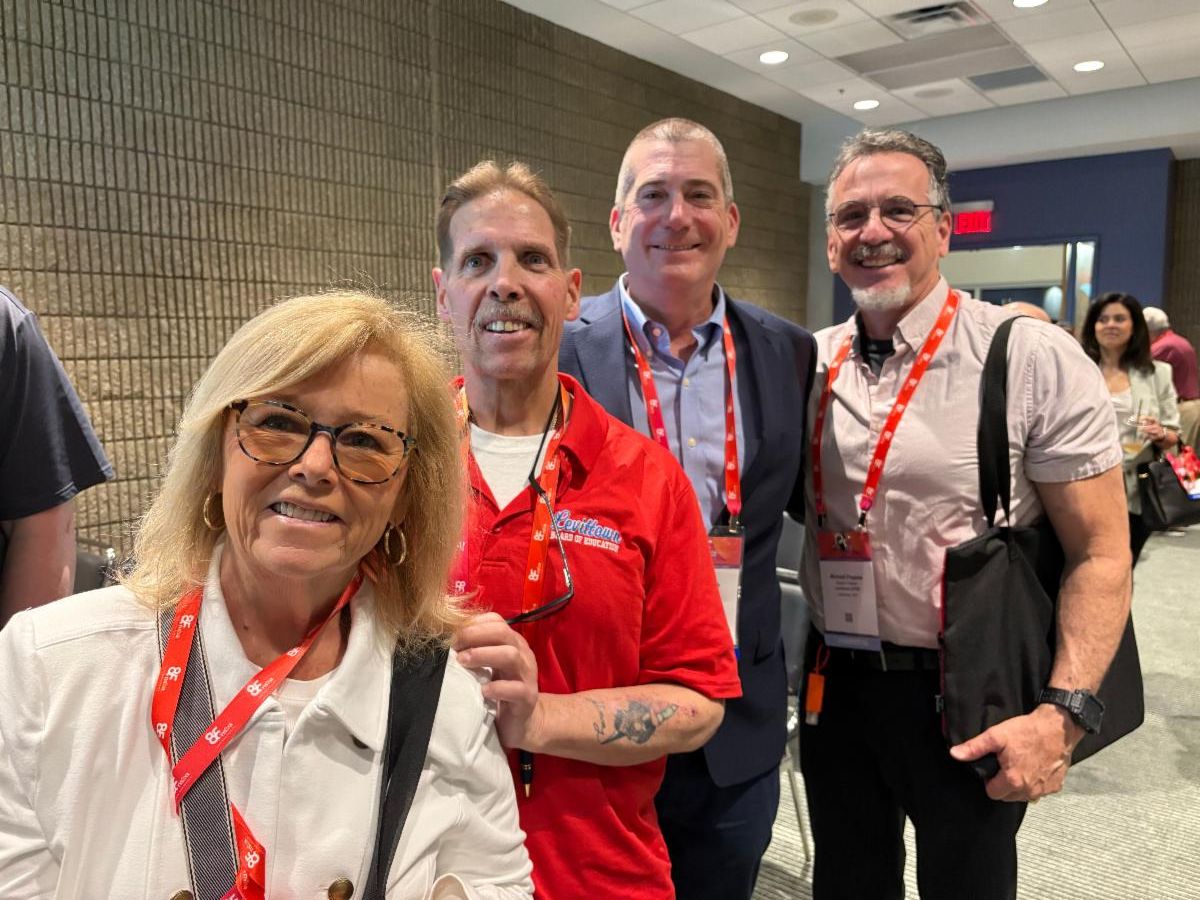
LI Boards @ NSBA Conference in Atlanta


Spotlight On

Long Island Schools

April

Radio Shows

Click on the links below to hear the shows that aired this month.

Want to have your district on the radio?

email us at

info@nssba.org

to schedule a date

North Babylon
Great Neck- Teen Speakers
Malverne

Copiague

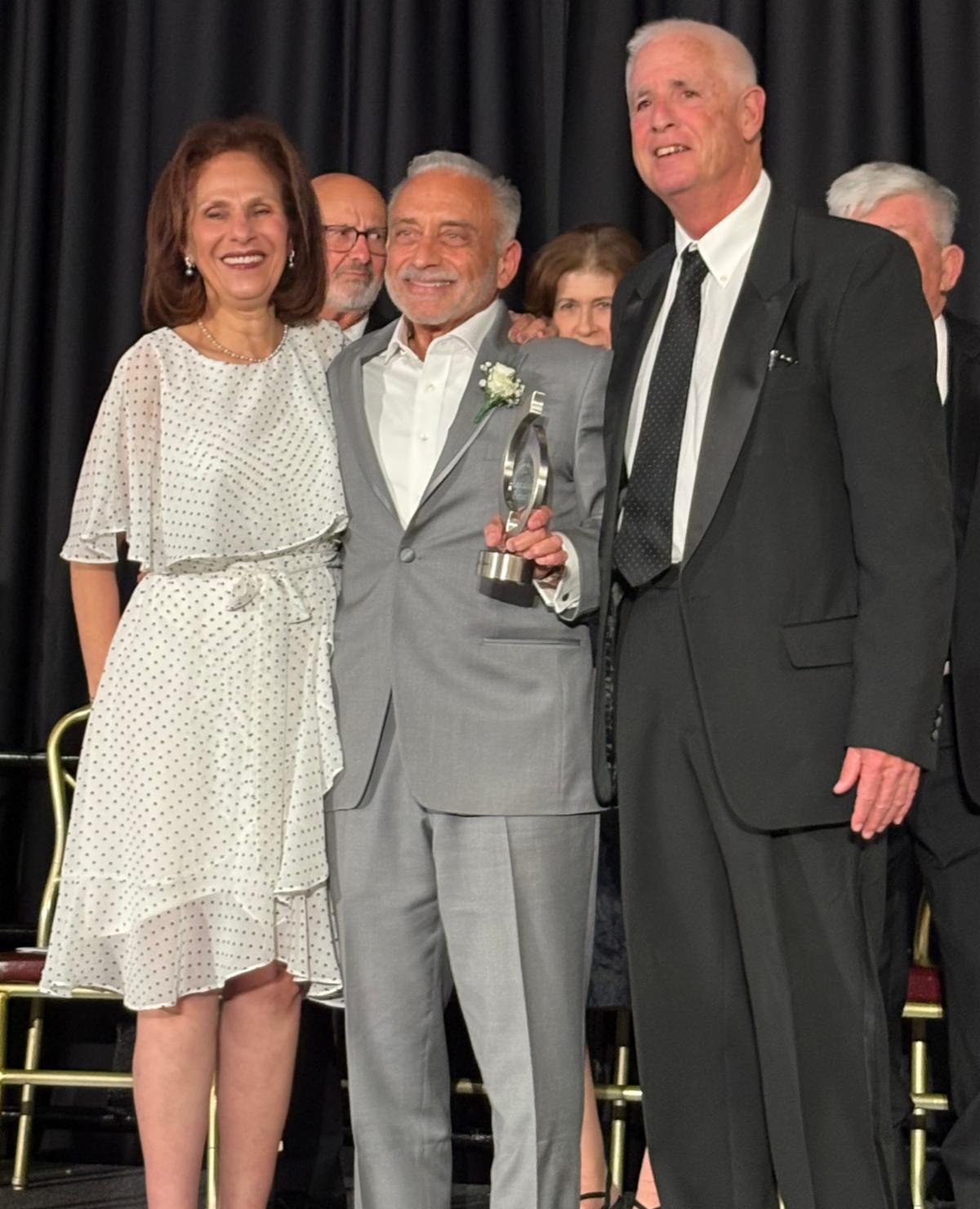
Congratulations to

Charmise Desire &

Larry Zaino on receiving

the Nassau BOCES

Education Partner

Award

Navigating the Storm Front: A Look Back at Four Decades of Recession Recovery Policies and Their Effect on Long Island School District Funding

by

Dr. John Galligan, Miller Place UFSD BOE Trustee

&

Joseph Dragone, Retried Assistant Superintendent for Business and Operation


Abridged version originally published as a feature article in the Winter 2025 edition of the New York ASBO Reporter.


Historically, Long Island school districts have grappled with complex financial challenges tied to fluctuating economic conditions, fiscal constraints, and rising costs from state and federal mandates. The region's property-rich but income-poor dynamic leaves some communities with inflated tax liabilities, limiting access to adequate state aid. These challenges underscore the complex interplay between state and federal policy interventions, economic downturns, and the use of local taxes, which contribute to the region's notoriously high property taxes and overall cost of living. High property taxes challenge Long Island homeowners, particularly those on fixed incomes. The region's elevated property tax rates disproportionately burden individuals whose property values have increased without a corresponding rise in income. Currently, on average, 62% of the revenue sourced from Long Island School districts comes from property taxes, compared to 29% from state aid.


State and Federal Policy Impacts:


Long Island school districts face unique fiscal challenges due to their dependence on local revenue, restrictive tax caps, and reduced state aid. These issues are compounded during economic downturns, as evidenced by the Gulf War Recession and the Great Recession, which prompted significant budget cuts and long-lasting impacts on educational funding statewide.

For example, the 1990-1991 recession led to a $190 million state aid reduction, disproportionately affecting underfunded districts. Similarly, the 2008 Great Recession introduced the Gap Elimination Adjustment (GEA), which was introduced during the same timeframe as the 2011 New York State Property Tax Cap. This resulted in the slashing of billions from state aid between 2010 and 2015 without giving districts the option to offset these reductions by seeking additional local revenue.  


A 2015 case study of twelve districts in the town of Islip, in Suffolk County, during the GEA and the 2011 Tax Cap implementation revealed a reliance on reserves, curbed instructional spending, and limited per-pupil expenditure growth to manage fiscal stress.  It also showcased that rising healthcare and pension contributions further strained budgets. Since then, additional federal policies, such as the 2017 Tax Cuts and Jobs Act (TCJA), exacerbated the reliance on local revenue, as the $10,000 SALT deduction cap heightened resistance to proposing local tax increases to sustain critical funding needs.

Conclusion:


Long Island's schools require a balanced funding framework that accounts for rising educational costs and evolving standards. Collaboration among stakeholders is essential to drive legislative reform, ensuring sustainable and equitable funding that guarantees all students access to quality education. The current New York State Education Foundation Aid Formula was initially enacted in 2007 to address state-wide funding disparities. However, since its enactment, education standards have evolved, and the needs of the student population have changed significantly, requiring that school districts provide more services.


The authors recommend revising New York's funding model to address funding inequities and lessen dependence on local property wealth. Explore shifting toward funding systems that prioritize equity and adaptability to meet the evolving needs of students and communities.  Review the state aid formula to reflect better income and community needs rather than property wealth. Explore the use of progressive property tax rates or income-based assessments. Consider exceptions in the Tax Cap for mandated expenses like pensions and healthcare to provide budget relief.


The authors recommend the use of comparative models from states such as New Jersey and Massachusetts, which account for specific cost drivers in tax cap calculations. Successful strategies from other states, such as New Jersey's tax cap adjustments and Massachusetts' Proposition 2½, offer a roadmap for New York to introduce exceptions for mandated costs like pensions and healthcare. Such adjustments could provide districts with fiscal relief while maintaining taxpayer protections.


ABOUT THE AUTHORS

Dr. John Galligan is a Board of Education Trustee for the Miller Place Union Free School District and a longtime educator in the Sachem Central School District, serving as an administrator, teacher, and coach over the past 24 years. He holds a doctorate from St. John’s University, advanced degrees from Dowling College, and a BA from Wagner College. In 2017, he co-authored a study on education funding published by SCOPE Education Services.


Joseph Dragone has spent 54 years in public education on Long Island, most recently as Assistant Superintendent for Business and Operations in Roslyn. A former adjunct professor at Hofstra University, he has held leadership roles in NYSASPA and NYSASBO, and remains active in his community through library board service and founding several educational foundations.

This Month's ICYMI

East Islip High School tech students explore career opportunities

at MacArthur Airport


Students from East Islip High School’s Technology Education and Career Exploration classes embarked on a field trip to Long Island MacArthur Airport on April 4.


The initiative serves as a vital opportunity for students to gain firsthand insight into the myriad of professions within the aviation industry. Throughout the visit, participants learned about various career options, including roles such as airline pilots and crew, Transportation Security Administration personnel, airport operations and management, law enforcement, and fire and emergency services.


The hands-on experience at the airport allowed them to see the practical applications of their studies, bridging the gap between education and real-world careers. “This unique partnership serves as a testament to the commitment of local organizations to invest in the future of our young people,” East Islip School Business Partnership coordinator Bridget Lopiccolo said.


“After participating in the field trip to the airport, I’ve realized how exciting and rewarding a career in aviation can be,” junior Chris Hernandez said. “It inspired me to consider becoming a fireman, where I can combine my passion for helping others with the thrill of working in a dynamic environment.”


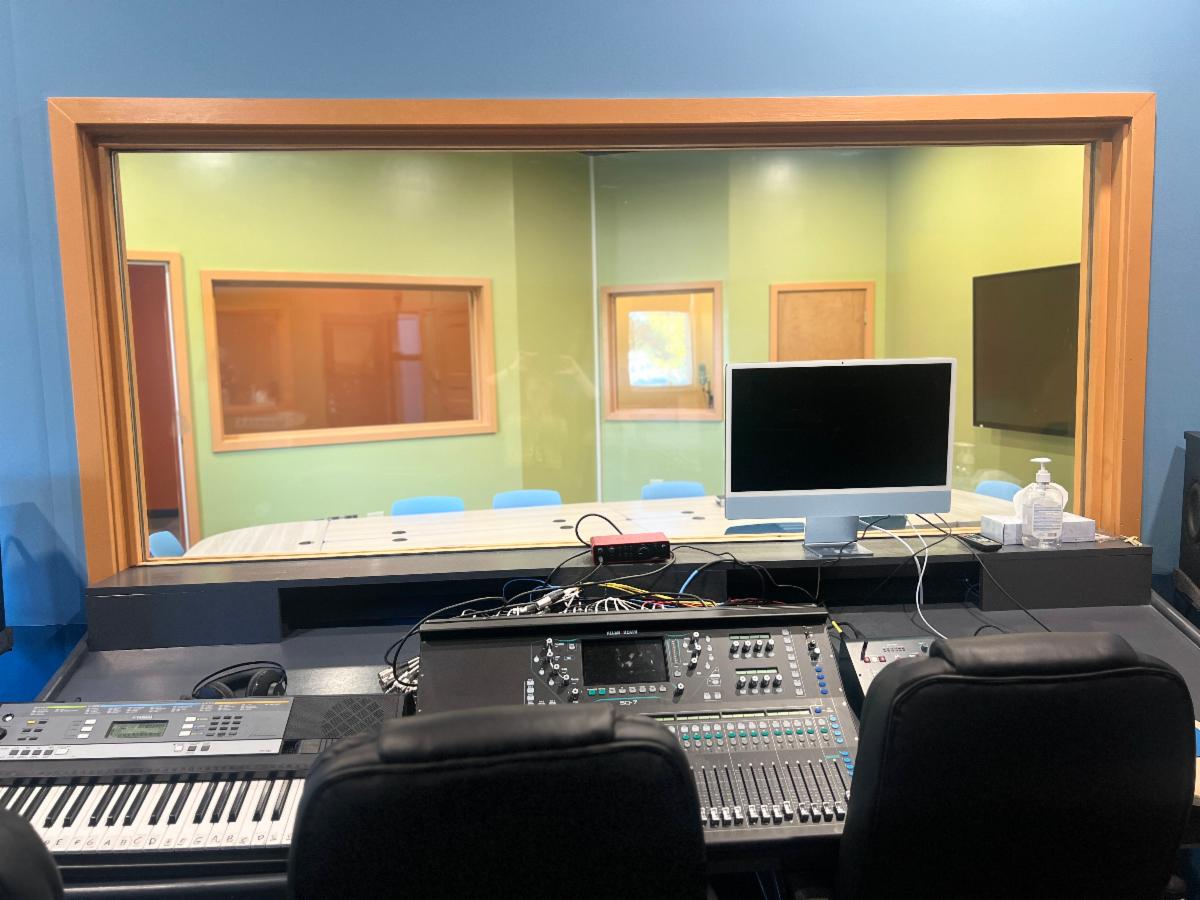
 Baldwin UFSD Unveils State-of-the-Art Sound Studio, "One Flight Up"


In a remarkable stride toward enhancing educational experiences, Baldwin Union Free School District (UFSD) has launched another innovative resource. "One Flight Up," a cutting-edge sound studio at Baldwin High School@Shubert, offers a unique opportunity for students to engage in real-world learning relevant to careers in music recording, sound engineering, podcasting, and more.


By mirroring professional studios, "One Flight Up" enables students to participate in hands-on educational experiences without needing to leave the district.


"One Flight Up" emulates the professional studios used in the industry, affording students a genuine feel of working environments they may encounter in their future professions. The sound studio is equipped with a control room, a music room, a vocal booth, and advanced podcasting technology, making Baldwin UFSD one of the few districts to offer such an authentic onsite educational experience.


To help with the curriculum, the district has partnered with MusicBreeds to help design the courses associated with the new space, while Olivia Lattore from the organization helps teach the classes along with Baldwin teacher, Michael Autero.

Cold Spring Harbor High School student Ryan Smith earns prestigious Congressional Award Gold Medal


Cold Spring Harbor High School proudly congratulates senior Ryan Smith on earning the Congressional Award Gold Medal, the highest honor bestowed upon civilian youth by the United States Congress. This esteemed recognition celebrates Ryan’s exceptional commitment to community service, personal development and civic engagement. In addition, Ryan received special distinction as a STEM Star, highlighting his outstanding contributions in science, technology, engineering and mathematics.


Gold Medal recipients must complete a rigorous set of requirements, including a minimum of 400 hours of voluntary public service, 200 hours of personal development, 200 hours of physical fitness and a five-day, four-night expedition or exploration to foster cultural awareness and growth.

Ryan dedicated over three years to meeting these requirements.


His accomplishments include work at Northwell Health’s 3D Design and Innovation Lab. To further his knowledge, Ryan pursued advanced studies in computer science, artificial intelligence, and mathematics through summer coursework.

As part of his recognition, Ryan has been invited to attend the 2025 Congressional Award Gold Medal Summit in Washington, D.C., from June 11–13. During the summit, he will engage with Members of Congress.


N-SSBA in the News

SCOPE Newsletter

Newsday 4/17/25

Click here to follow us on Facebook