|
A home owner who is planning to have an inspection, might ask their new AI friend, if thernal imaging would be useful. The AI might say something like this...(Gemini)
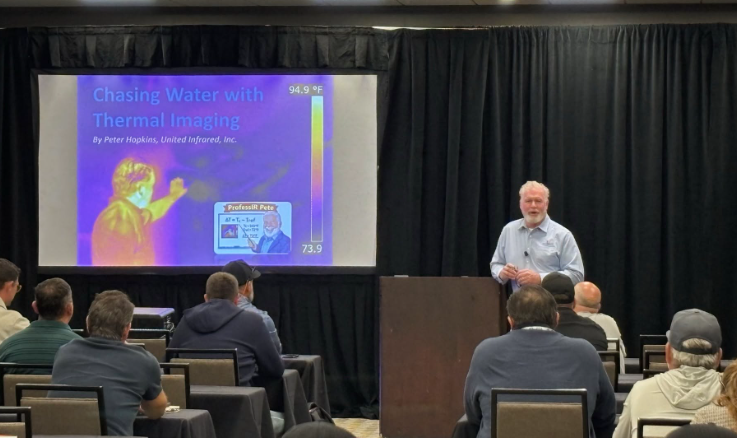
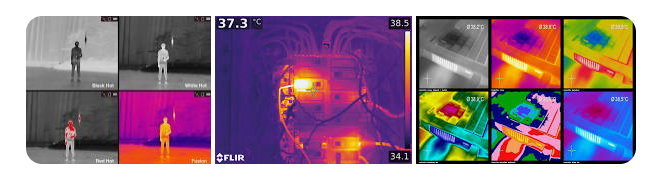
Yes, Thermal Imaging is highly important and rapidly becoming a critical standard in modern home inspections. While a standard inspection relies strictly on visual clues, a thermal imaging camera (also called an infrared or IR camera) reads temperature differences across surfaces to reveal hidden, costly defects that are completely invisible to the naked eye.
The technology acts as a non-invasive, preventive screening tool to spot serious issues before they turn into full-blown emergencies.
What Thermal Imaging Reveals
Thermal imaging highlights anomalies—areas that are unexpectedly hot or cold—which point to specific, hidden structural or system failures:
-
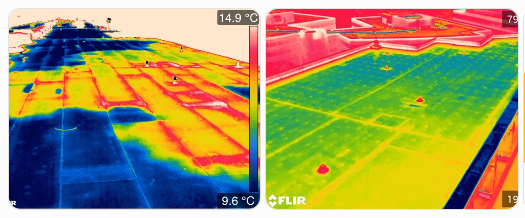
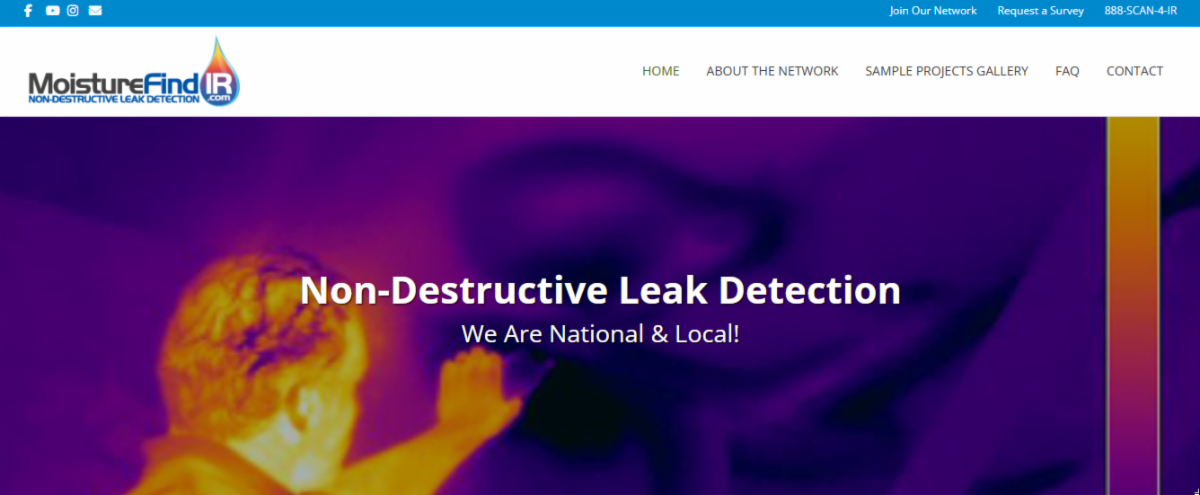
Hidden Moisture & Leaks: Water cools down differently than drywall or wood due to evaporative cooling. IR cameras can pinpoint slow plumbing leaks behind showers, roof leaks in the attic, or foundation moisture before a visible stain ever forms.
-
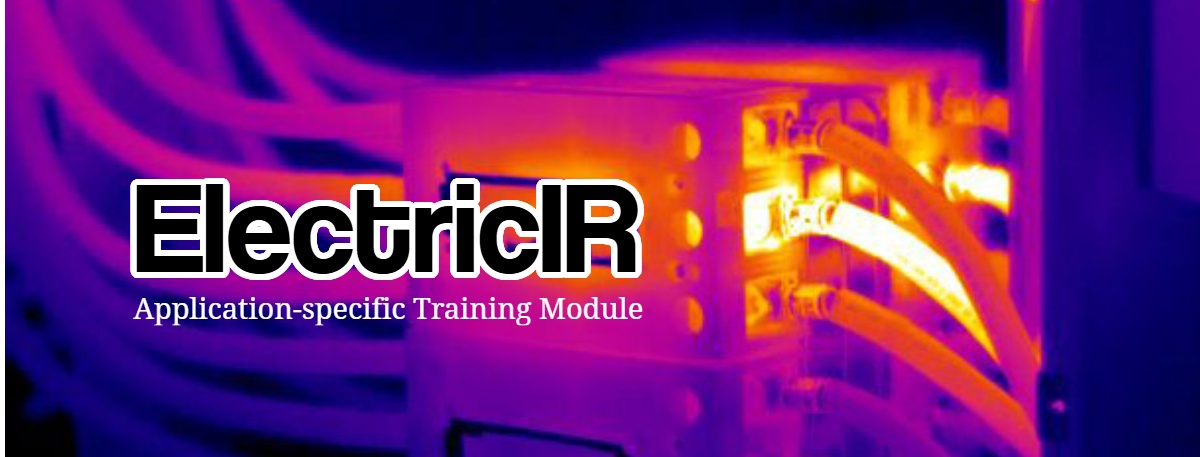
Electrical Hazards: Overloaded circuits, faulty breakers, or loose connections generate distinct friction heat. A thermal scan instantly exposes these "hot spots," mitigating hidden electrical fire risks.
-
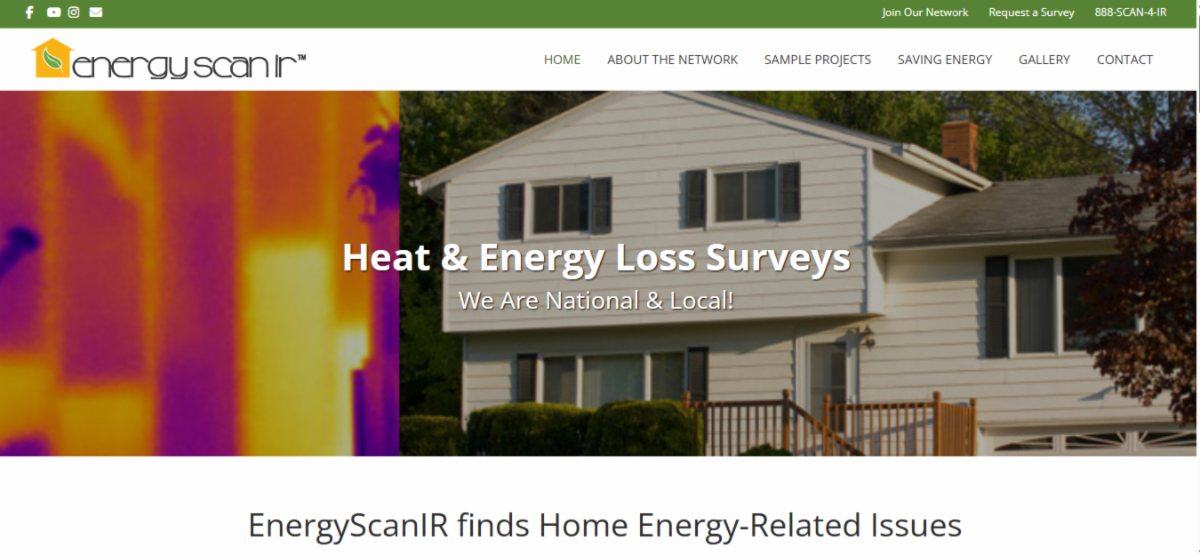
Energy Loss & Insulation Gaps: It identifies missing insulation inside finished walls, poorly sealed ductwork, and severe air leaks around windows or doors that drive up utility bills.
-
Pest Infestations: Massive active colonies of wood-destroying insects (like termites) or hidden rodent nests generate collective body heat or moisture signatures that register on the camera.
Limitations to Keep in Mind
While incredibly valuable, thermal imaging is not a magic fix-all and comes with specific parameters:
-
It is not X-ray vision: It does not allow an inspector to look through a wall; it only reads surface temperature differentials.
-
It requires a temperature differential: The technology works best when there is a clear difference between indoor and outdoor temperatures (usually at least 15–20°F), which requires running the HVAC system or inspecting during certain times of day.
-
It requires secondary verification: An anomaly is just a clue. A skilled inspector must always use secondary tools—like a physical moisture meter—to confirm the camera's findings.
Should You Request It?
-
Yes. Many top-tier inspectors now include a basic thermal scan as part of their standard tool bag, while others offer it as an add-on service ranging from $100 to $300. Given that a hidden leak or missing wall insulation can cost thousands of dollars to remediate after closing, the upfront cost of a thermal scan provides immense diagnostic certainty and leverage during home negotiations.
|