If you cannot see the images/information below, Click Here | | You are receiving this e-mail from Apex Payroll because we thought you would enjoy reading our payroll and HR-related information. If you want to opt-out of future e-mails, click on the unsubscribe link at the bottom of this e-mail. | | Apex Should Be Processing Your Payroll | |
Apex Will Shred Your Payroll Hassles
-
Payroll Program Services designed precisely for your business.
-
FREE Setup - Start on your schedule (see our latest offers)
- 2-Year Pricing Guarantee
-
Taxes Are Not Your Problem. They Are Ours - Stay in compliance and avoid penalties.
-
We Answer the Phone! - No frustrating automated robotic multi-level time-wasting answering systems. An actual person answers your call during business hours.
-
7-Day Customer Support - If you work 7 days, so do we.
| | |
We Make Switching To A New Payroll Service Fast & Easy!
Start Payroll
For FREE!
| |  | |
See If Apex Would Be A
Good Fit For Your Company!
Call: (631) 881-0801
Or click below for a free,
no-obligation payroll quote.
| | Today's Industry Insider Tip | | |
10 Helpful Tips On How To Write
A Written Warning Notice To An Employee
(For HR Pros, Hiring Managers, And Owners)
-
Word Count: 369
-
Time To Read: 1.5 Minutes
| | |
While verbal warnings are often the first step in addressing employee misconduct or performance concerns, there are situations where a more formal response is necessary. A written warning serves as an official record of the issue, clearly communicates expectations for improvement, and outlines the potential consequences of continued violations. When drafted properly, written warnings not only help employees understand the seriousness of the situation but also provide employers with important documentation to support consistent and legally defensible disciplinary practices.
10 Guidelines For Drafting A Written Warning.
-
#1: Document Verbal Warnings First – Track all prior verbal warnings and disciplinary actions so you can reference them later. While time-consuming, documentation can be crucial in the event of a wrongful termination claim.
-
#2: Determine Tone – Clarify your purpose before writing. Are you seeking improvement, or preparing for termination? Understanding your intent will guide the memo's tone.
-
#3: Consult With Managers – Discuss the issue with management for perspective and alignment. While HR or leadership may draft the memo, it should be delivered by the employee’s direct supervisor.
-
#4: Follow Formalities – Because written warnings may carry legal weight, include the subject, date, time, names, and titles of all parties involved, and anyone receiving a copy.
-
#5: State Company Policy – Cite the specific policy violated from the employee handbook or briefly summarize the relevant rule if no handbook exists.
-
#6: Describe What Happened – Clearly outline the incident, including dates, times, facts, and involved parties. Stick to objective details and avoid personal opinions.
-
#7: State Expectations – Clearly explain what behavior is expected going forward if improvement is the goal.
-
#8: Outline Consequences – Specify the consequences of continued misconduct to minimize confusion if further action is required.
-
#9: Obtain Signatures – Collect signatures from the issuer, employee, and any witnesses. If the employee refuses to sign, document the refusal in writing.
-
#10: Deliver In Person – Written warnings should be delivered privately and discussed face-to-face, not left on a desk or sent by email.
Executive Summary: A written warning underscores the seriousness of misconduct while providing legal protection if the issue escalates.
- Document incidents thoroughly and obtain proper signatures.
- Be intentional about tone and purpose.
- The goal is to help the employee correct behavior and get back on track.
| | Quick Tips For You (Please Share) | | |
4 Tips For Requesting
Time Off Professionally
34 Second Read Time
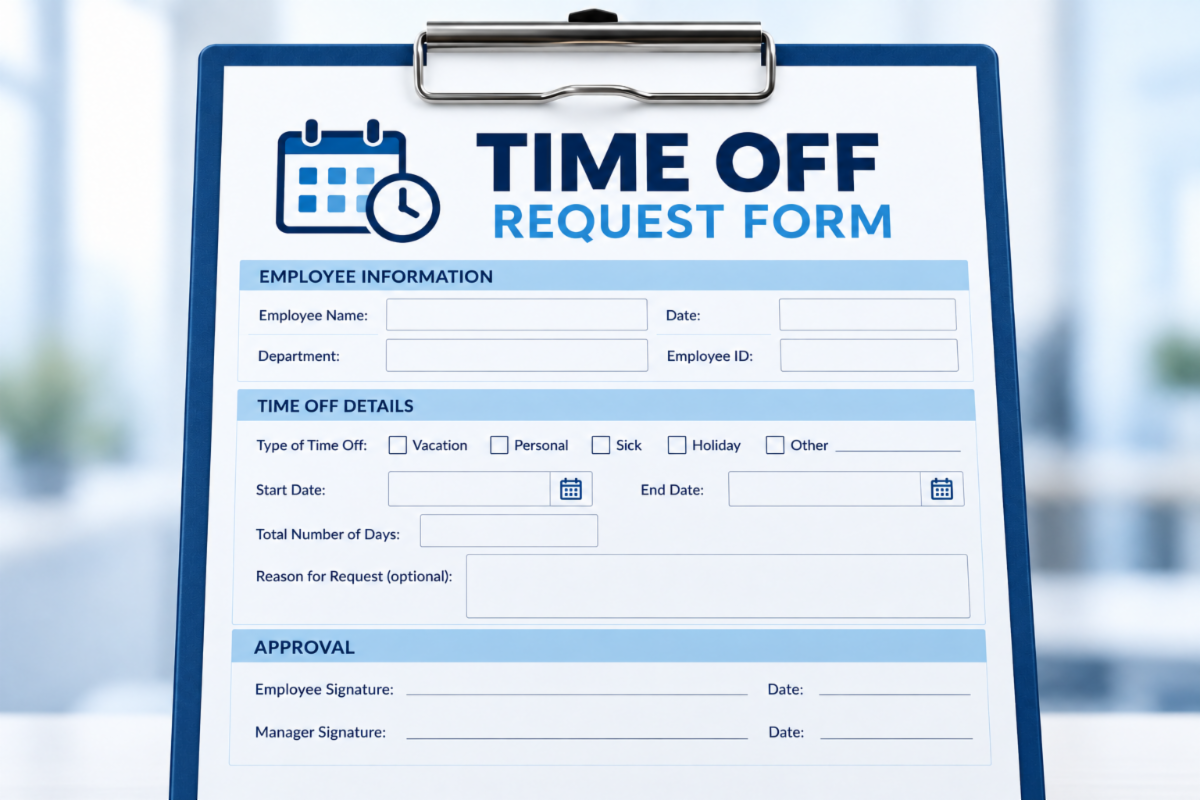
Taking time off is an important part of maintaining productivity, reducing stress, and supporting long-term well-being. Planning vacations or personal leave in advance gives employees something to look forward to while helping employers prepare for upcoming absences. A thoughtful approach can also improve the chances of a smooth approval process.
4 Best Practices For Requesting Leave.
-
Plan Ahead - Submit your request as early as possible to give your manager time to review schedules and staffing needs.
-
Communicate Clearly - Share your requested dates with confidence and explain your plans professionally.
-
Prepare For Coverage - Outline how your responsibilities will be managed during your absence to minimize disruptions.
-
Respect Business Needs - Be flexible if adjustments are needed during especially busy periods.
Well-planned time off benefits both employees and employers by supporting productivity, teamwork, and a healthier workplace.
| | | |
5 Tips For Overcoming
Common Buyer Objections
34 Second Read Time
Turning a potential customer’s “no” into a “yes” often begins with understanding what is driving the objection. Listening carefully and responding thoughtfully can build trust, address concerns, and keep the conversation moving forward. These 5 tips can help:
-
Listen Carefully - Give the buyer time to fully explain their concerns before responding.
-
Show Empathy - Acknowledge their concerns and demonstrate a willingness to find a solution.
-
Provide Proof - Use relevant data, testimonials, references, or success stories to strengthen credibility.
-
Demonstrate Value - Explain how your product or service can solve a problem, save time, reduce costs, or improve results.
-
Thank Them - Show appreciation for their feedback and use the objection as an opportunity to continue the conversation.
Handling objections effectively can build confidence, strengthen the customer relationship, and move a potential buyer closer to a decision.
| | |
3 Ways To Strengthen
Your Hiring Approach
37 Second Read Time
Knowing when to hire is an important business decision. Waiting too long can strain your team, reduce productivity, and limit growth. Hiring at the right time can provide the support your business needs to operate efficiently and pursue new opportunities.
3 Hiring Tips To Guide Your Decisions.
-
Recognize When Help Is Needed - If daily tasks are taking time away from customers, sales, or key priorities, it may be time to add staff.
-
Hire For Long-Term Potential - Look for dependable, motivated candidates who are willing to learn, take on responsibility, and grow with the business.
-
Offer Competitive Compensation - Fair pay and a positive work environment can help attract qualified candidates and improve performance and retention.
Hiring Advice: Skills can be taught, but reliability, work ethic, a positive attitude, and a willingness to learn are also important qualities to consider. These traits can help an employee adapt, grow, and become a valuable part of the team.
| | | |
4 Strategies For Defining Comparable Work
32 Second Read Time
Deciding what constitutes comparable work between job roles can be challenging. Employers should look beyond job titles and consider the skills, responsibilities, experience, and requirements associated with each position. The following 4 strategies can help simplify the process.
-
Review Current Policies - Evaluate how positions are currently defined and whether job descriptions accurately reflect employees’ responsibilities.
-
Establish Pay Levels - Create clear, competency-based job levels and pay ranges to promote consistency and identify potential pay disparities.
-
Consider Other Factors - Review working conditions, schedules, responsibilities, workplace flexibility, and other factors that may differentiate one role from another.
-
Use Technology - HR and compensation software can help organize employee skills, duties, experience, and job requirements for more consistent comparisons.
A structured approach can help businesses make more informed and consistent compensation decisions.
| | |
Apex Payroll
445 Broad Hollow Road, Suite 25 | Melville, NY 11747
Office: (631) 881-0801 | www.ApexPayroll.Pro
| | Any information in this publication is solely meant to provide general information for the reader and is not intended to constitute HR, financial, insurance, or legal advice. Please seek legal assistance, or guidance from your state and/or federal resources, to make certain that your legal interpretation and/or decisions are legally correct for your location. | | Copyright © SellMorePayroll.com All rights reserved. | | | | |