|
1. Limited Sun Exposure, Sun Avoidance, and Sunscreen Use
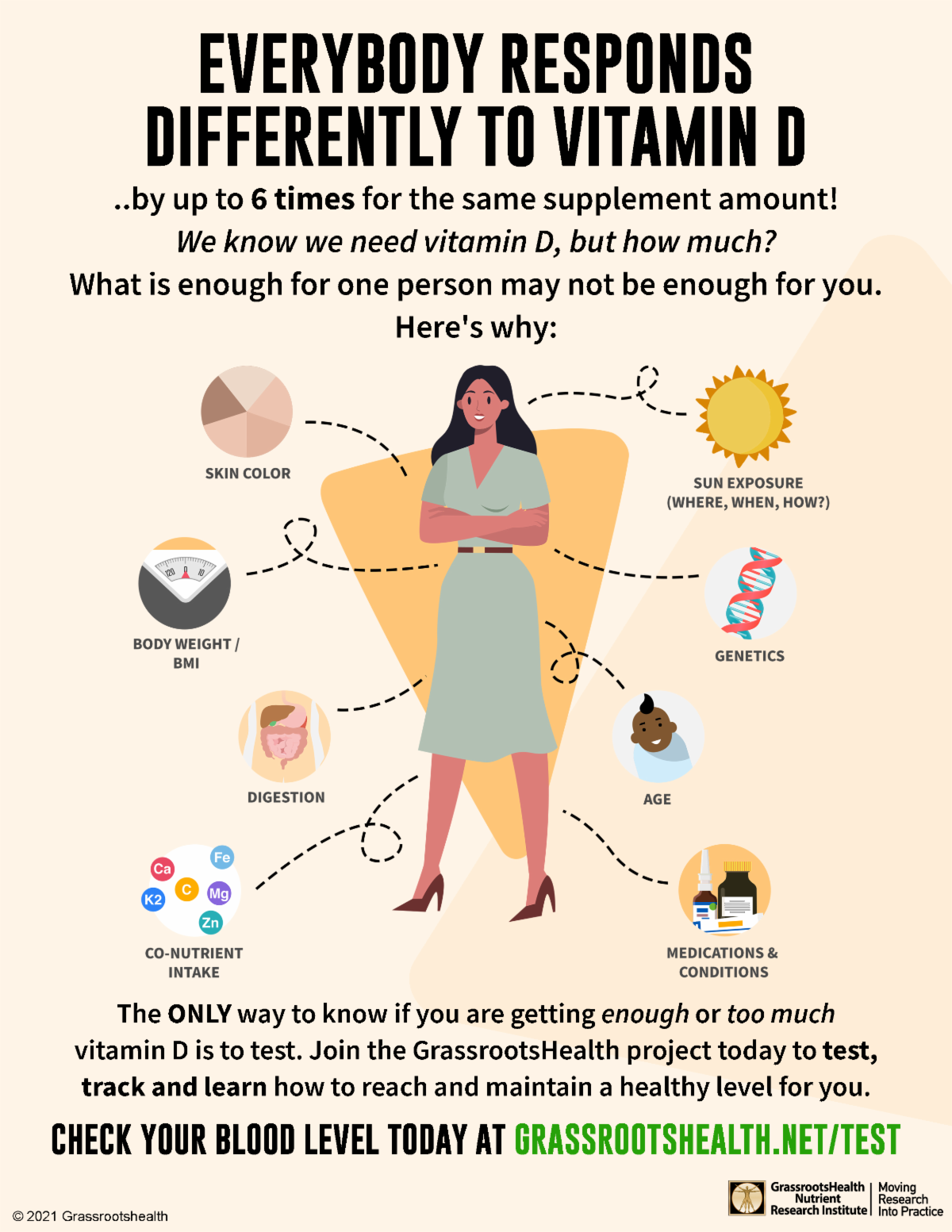
Vitamin D is produced in the skin when exposed to UVB radiation from sunlight, and for those who do not supplement, sunlight becomes a key determinant of their vitamin D status. Individuals at higher risk include:
- Those who spend most of their time indoors
- People who live in northern latitudes
- Individuals experiencing winter months with minimal UVB availability
- Those who consistently avoid sun exposure or cover most of their skin
- Individuals who regularly use sunscreen during all sun exposure
Even in sunny regions, modern indoor lifestyles, sun avoidance, and protective behaviors can significantly limit vitamin D production.
2. Darker Skin Pigmentation
Melanin reduces the skin’s ability to produce vitamin D from sunlight. As a result:
- Individuals with darker skin require more sun exposure to produce the same amount of vitamin D
- Risk of deficiency is significantly higher, particularly in regions with limited sunlight
3. Aging
As we age, the skin becomes less efficient at producing vitamin D. Older adults may also:
- Spend less time outdoors
- Have reduced dietary intake
- Have an increased incidence of chronic disease
- Be on medications affecting vitamin D (see below)
- Experience decreased liver or kidney function, which affects vitamin D activation
4. Overweight and Obesity
Body fat can sequester vitamin D, reducing its availability in circulation. Research has shown that:
- Individuals with higher body weight often require 2–3 times more vitamin D to achieve the same blood levels
- Obesity is consistently associated with lower 25(OH)D levels
5. Inadequate Supplementation or Intake
Many individuals rely on standard recommendations that may be too low to achieve optimal levels. Most also fail to retest vitamin D levels after adjusting intake to ensure that intake is the correct dose for them. Without sufficient intake and monitoring of serum levels:
- Vitamin D stores decline, especially during winter
- Blood levels may fall into deficient or insufficient ranges
6. Genetics and Individual Variability
|