FANA-FI-GAIA

Lammas, August 1, 2025

16th Quarterly from the Ziraat Council

Note from the Council

Hamid Kirchhof


Greetings Friends near and far,


It is the peak of summer and height of the growing season here in the Pacific Northwest of the US, traditional lands of the Coast Salish people. Berries swell and ripen, leaves flutter in the breeze, butterflies float lazily through the afternoon heat. I give thanks for harvest time in the Northern Hemisphere. If the summer season represented a phase of human life, could it be late childhood and adolescence turning toward early adulthood?


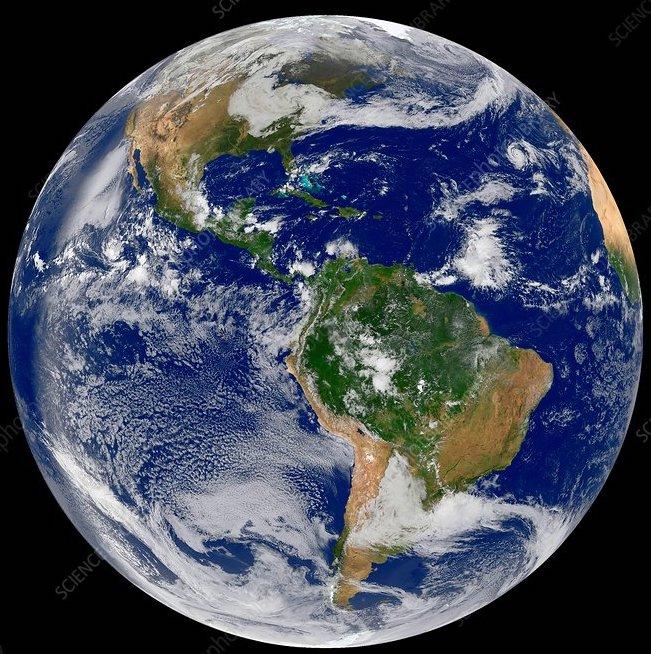
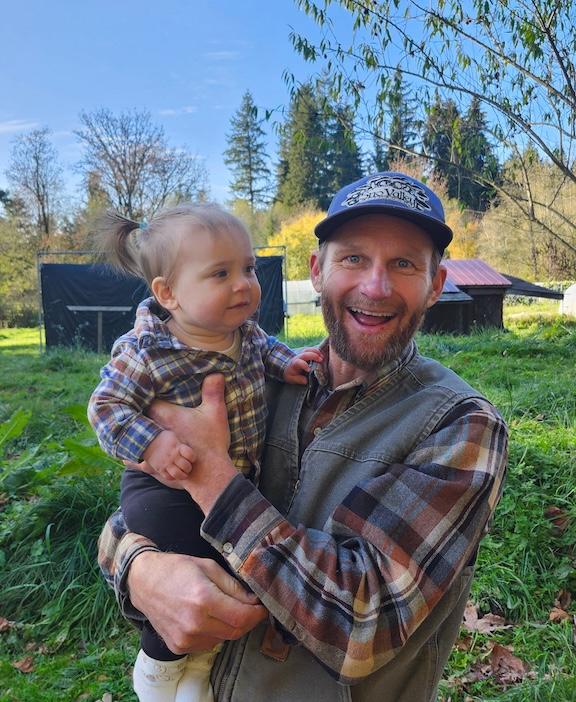
In this newsletter, I invite us to turn our collective attention and care towards the young people of the earth. Not as a remote idea, but children as the living breathing Earth, as the face of God. Not only young human people, but also the next generations of all our relations in the family of life.


“Every child you encounter is a divine appointment.” 

-     Wess Stafford, president emeritus of Compassion International


“The child is the beauty of God present in the world, that greatest gift to a family.” 

-     Mother Teresa, Roman Catholic nun and founder of the Missionaries of Charity


This week, on the final day of a nature-based youth summer camp I led, I asked the 8 – 13-year-old participants, “What is your hope for the people of the world to remember?” One said: “I hope people treat animals and plants with more kindness.” Another said “I hope people treat other people with more respect.” Yet another said, “There are so many wars in the world, I hope people stop hurting each other and there is peace.”


What do the children in your life request? 

Indeed, what do the children of the Earth ask of us all?


To answer questions like these with care and devotion requires slowing down and listening, putting down distractions and devices, being attentive and present, halting the soliloquy of an arrogant adult mind, being curious and uncertain and open.


In short, the inquiry can be a spiritual practice. 

To do something about what we hear through that inquiry can be a Ziraat practice.


What do the wisdom traditions call us to remember about our responsibility to the youth in our lives?


“Truly I tell you, unless you change and become like little children, you will never enter the kingdom of heaven. Whoever humbles himself like this little child is the greatest in the kingdom of heaven" (Matthew 18:3-4, Berean Standard Bible) 


What do you think Jesus meant by “become like little children?”


Hazrat Inayat Khan, grandfather of our Ruhaniat order said, “In giving education to children the first consideration should be that the seeds of beauty are sown in their hearts. When the plant grows it must be tenderly reared. The thriving of the plant is to the credit of the gardener…” I would add, thriving children are a central effect of a thriving community and culture which are like the soil and the garden. 


Whether you are a parent, guardian, uncle, aunt, mentor, teacher, neighbor, friend, community member: we are all responsible for what the young people experience.


“It is vital that when educating our children’s brains we do not neglect to educate their hearts by nurturing their compassionate nature.”

-     14th Dalai Lama


“It is easier to build strong children than to repair broken men."

-      Frederick Douglass, abolitionist and statesman


All facets of our daily life have ripples. Those ripples touch all of life. The people most keenly feeling the impact of societal and environmental waves we create are the young, innocent, and vulnerable among us.


“The ultimate gift we can give the world is to grow our tiny humans into adult humans who are independent thinkers, compassionate doers, conscious questioners, radical innovators, and passionate peacemakers. Our world doesn’t need more adults who blindly serve the powerful because they’ve been trained to obey authority without question. Our world needs more adults who question and challenge and hold the powerful accountable.”

-     L.R. Knost


In this season, may we re-dedicate ourselves towards daily practices that recognize our lives as relevant strands in the fabric of a collective, generational life. 


Please take some time for this. 


The quotations, links, teachers, stories, and songs that I’ve included in this seasonal newsletter offer gems of remembrance for the wellbeing of Earth’s children, but the youth we encounter offer us something even more local, specific, and direct.


Take it in, contemplate, and act with kindness.


“Children are the living messages we send to a time we will not see.”

-     John F. Kennedy, 35th president of the United States

Excerpt from Ziraat Reader

Excerpt from Spiritual Ecology


by Murshida Vera Corda

From Ziraat reader Part 2 (pg 97)


“We are now on the brink! ‘How the human species will treat life on earth so as to shape the greatest of legacies, good or bad, for all time to come, will be settled during the next hundred years,’ Harvard scientist Edward O. Wilson warn[ed] us [35 years ago]. Spiritual stewardship accepts that all forms of life have the moral right to exist side by side in the divine balance of nature…


“Taking time to introduce children to the wonder of the unity of all life on planet earth may be the catalyst that can [help] this new generation turn around our headlong race to the brink… We cannot afford to destroy the precious legacy that we have…”


“Instinctively, children know this, but [societal] exemplars pattern fears in them which in turn make them destroyers through ignorance. If we take time to introduce the children to the unity of all life on planet Earth, we may be, just may be, making them the generation to turn around the race. The awakened steward of planet Earth will then understand the wisdom teaching that because we are one with the entire universe, we cannot destroy any part of the whole without destroying ourselves in the process.”

Ziraati Changemakers

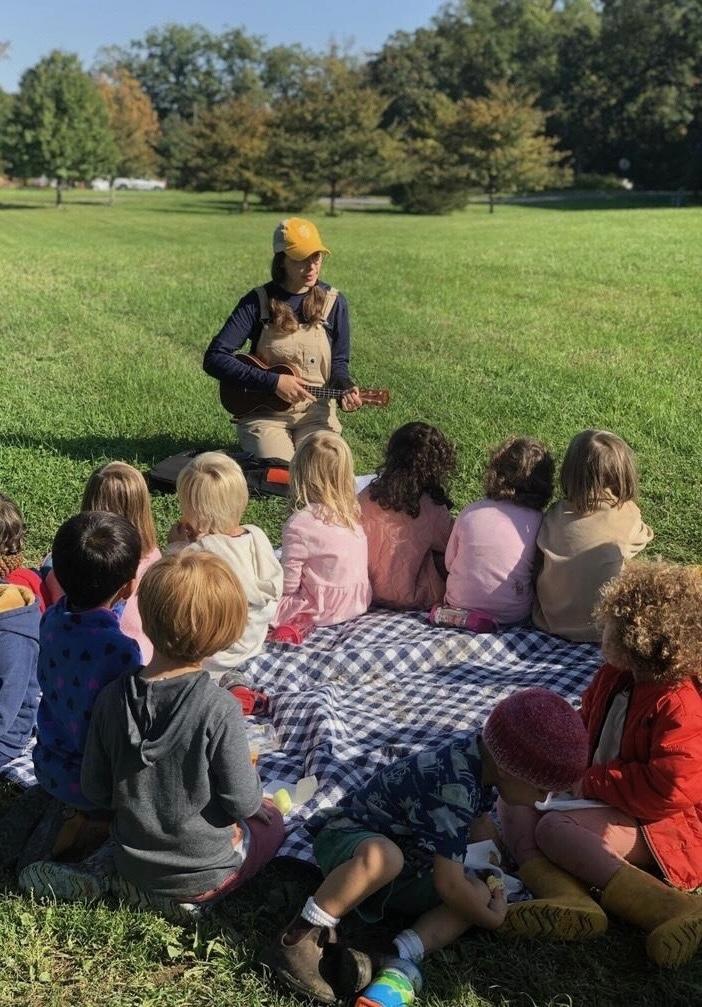
Nina Amira Matthews grew up immersed in the Dances of Universal Peace and attending Sufi camps every year of her childhood. Recently, as a young adult, she focused her graduate studies on how music can promote nature connection for young children. In her work and research, she has found that collective music making is a powerful tool for promoting multi-species empathy, and sets young children up to become environmental stewards. Our conversation (listen to the interview here) contains story, insight, hope, and music. Or, please check out her children’s nature connection songs and her channel.

“Wagner said, ' Who knows the sound knows all things.' If music could be the foundation of the training of children, every life would be built on a good foundation. Life is rhythm and tone; and so is music. When children learn music, they learn the divine language; whatever be their work later in life if children have intuition it will express in some way what has been the foundation of their character.”

-     Hazrat Inayat Khan


Keeping Up

Here’s a hopeful reminder…

One of my favorite song writers, Snatam Kaur writes songs filled with love. This song has been set to a wonderful slideshow.


The Sun Shines on Everyone by Snatam Kaur

A less hopeful, but necessary reminder… 

From my favorite podcast, What Now with Trevor Noah, Author Jonathan Haidt talks about his research on societal trends in youth mental illness and how to protect them from the dangers of the digital age while encouraging their health and wellbeing through connection to other children, outdoors play, and age-appropriate risks.


The Anxious Generation, an Interview with Author Jonathan Haidt


“Children more than ever, need opportunities to be in their bodies in the world – jumping rope, bicycling, stream hopping and fort building. It’s this engagement between limbs of the body and bones of the earth where true balance and centeredness emerge.”

-     David Sobel

Practice

This is really simple. 

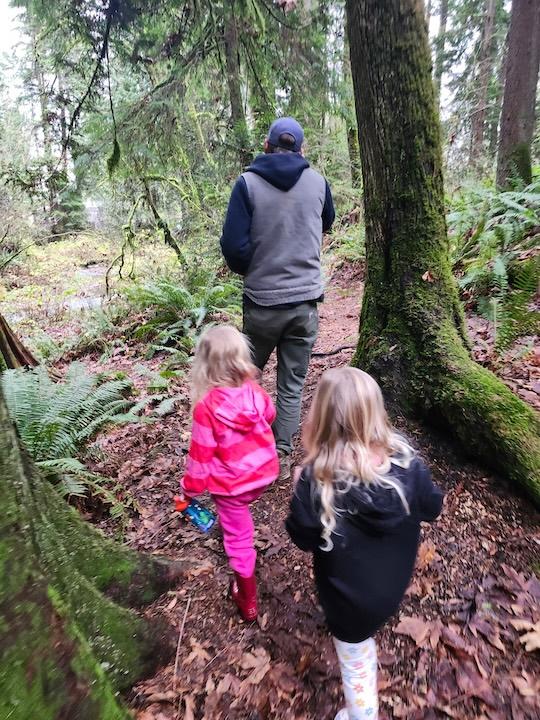
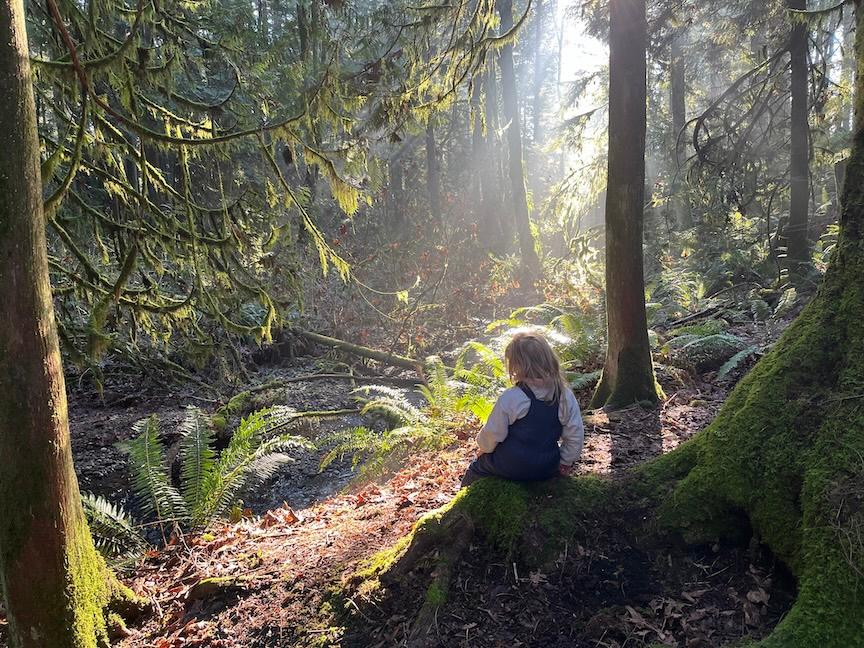
Once a week, go outside with a young person. 

For at least 20 minutes or up to an hour.


This young person could be a baby, toddler, child, teen or even a young adult who needs a little extra guidance.


You could be a parent, grandparent, auntie, uncle, mentor, teacher, friend, or extended family member to this person. Or even go with youth you don’t know as long as you have their guardian’s consent.


Be outdoors, anywhere, safely. 

If you’re privileged to be in a wild, natural, beautiful place, great!

But anywhere outdoors will be fine. 


Be present. Be grounded in your 6 senses: sight, sound, smell, taste, touch and intuition. 

Listen to the land, to the youth, and to your heart. 

Slow down.

Go with the pace of nature and the child. 


Be silent when it is time for silence.

Do what feels natural, say what feels right. 


That’s it! 


Try this once a week for at least 4 weeks in a row, then tell a story to someone about how it went. Then keep it going for this whole season! If you live with children or are around youth a lot, try to accompany them outside more frequently like at least once a day. Treating this as a practice and bringing presence and heartfulness to the experience will change the results!


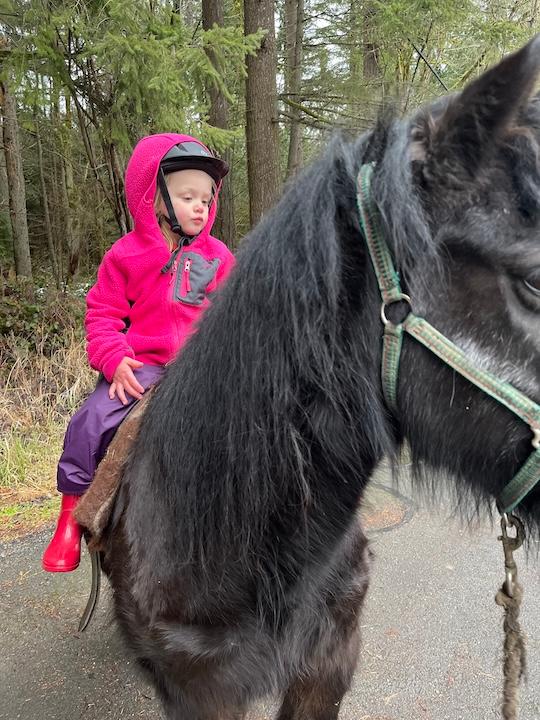
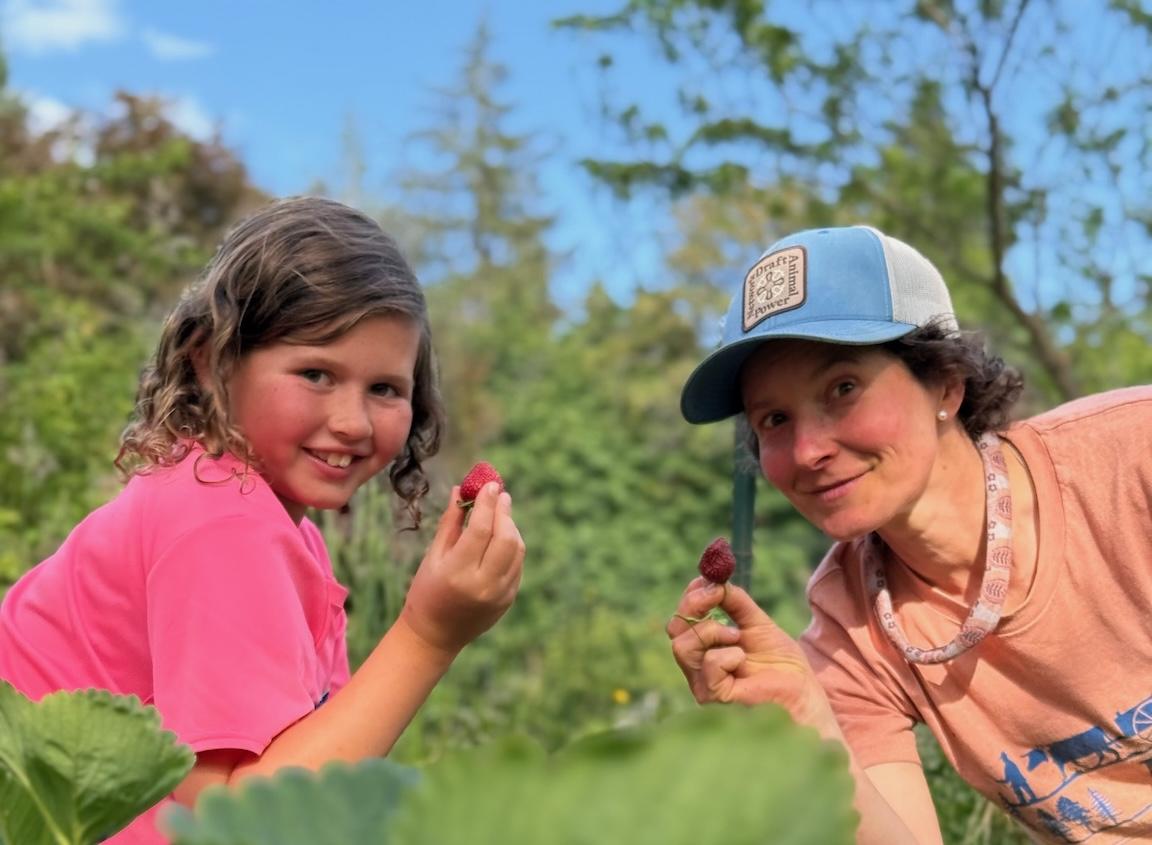
Suggestions for outdoor activities: take a walk, sit on a bench, explore the back yard, park or nearby landscape, go on a boat, go fishing, go to the beach, build a sandcastle, wade in the water, pick some berries, plant a seed in the garden, harvest food, sing some songs, go birdwatching, go bird-listening, track animals in the sand or mud or snow, collect flowers or leaves, make nature art, climb a tree or a rock, touch a frog or toad, follow a butterfly, make a fort, play a game, tell a story, sit quietly together and listen…


“The child in nature is an endangered species, and the health of children and the health of the Earth are inseparable.”

-     Richard Louv, Last Child in the Woods, Saving Our Children from Nature-Deficit Disorder

“Children grow up hearing how broken the environment is, how broken beyond repair. Plant strawberries together, make wild medicines, paint the sunrise. Show them proof that for every act of destruction, they can sow a seed, however small, of beauty.” 

-     Nicolette Sowder