|
In This Issue:
- Market Update: U.S. Rice Industry Undergoing a Reset, Quality 2026 Harvest Imperative
- Washington, D.C. Update
-
International News: USRPA Joins Taste of America Celebration to Showcase U.S. Rice in California-style Sushi Rolls / Master Chef-Style Event in El Salvador Highlights the Versatility of U.S. Rice
- RMTC Opening Keynote Speaker: Colby Branch - USDA Bogota
-
RMTC Speaker: Tiago Sarmento Barata
- RMTC Sponsor Highlight: Nutrien Ag Solutions
- Photo from Rice Country
| |
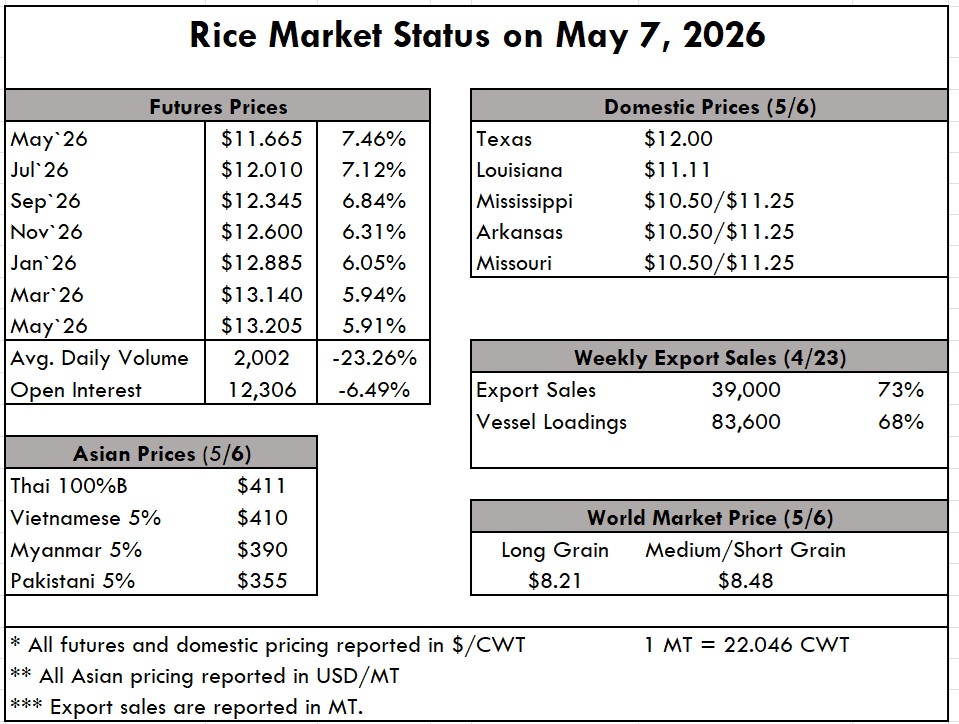
| U.S. Rice Industry Undergoing a Reset, Quality 2026 Harvest Imperative | | |
Crop quality will be key this year. With 30% fewer long-grain acres, the market needs the highest-quality ground planting, the highest-quality seeds in the most homogeneous (fewest varieties) product mix possible. We cited a study last week that highlights the importance of reducing the number of varieties planted to improve quality for customers. As we look at rice conditions this week from the USDA’s crop progress report, 8% of the crop is in Excellent condition, 66% in Good, 24% in Fair, and 2% in Poor. This is still too early to make any calls on, and tracks for average condition in the early May reporting. Regarding Planting and Emergence, Louisiana, Mississippi, and Texas are all but complete, with 95%, 94%, and 93% being planted as of May 3. Arkansas is at 88%, Missouri at 64%, and CA at 30%.
On the ground, the disappearance of old crop rice is structurally inhibited because of the logistical clog in the Straight of Hormuz. The Iraqi vessel on the water still has not been discharged, leaving the product destined to fill the second vessel still in the bins. If not for the severe reduction of acreage hovering at 25% if not more for the new crop, there would be significant concern over where to store the grain.
At its heart, the U.S. long grain industry is undergoing a structural reset. Long Grain
acres are projected to be 1.65 million, a 40-year low, and 1.17 million acres below the 2010 peak. From last year to this year, it's expected that Arkansas will lose 24% of its acres, down to 900,000. Mississippi will lose 50%, down to 80,000 acres, while Missouri will lose 19%, down to 170,000 acres. Texas is expected to lose 10%, down to 120,000 acres, and Louisiana is expected to lose 12%, down to 370,000 acres. Milling quality remains an issue as prices of U.S. long grain now systemically hover around 150% above the price out of Asia. Where Arkansas has historically had a milling standard of 55/70, the 2024 crop average was 48/69, and the 2025 crop average was 52/69. As a result, market share in Mexico and Latin America has been leaking to other origins in South America like Brazil, Paraguay, and Uruguay. These struggles have resulted in the increased plantings of fragrant varieties to compete with Thai Jasmine imports, and this modification could have a long-term structural impact on the long-grain industry.
Very little has changed in the Mercosur region since last week, and the same goes for Asia. Prices in Thailand continue to hover at $400pmt, Vietnam at $405pmt, and India at $350pmt. US Long Grain bound for Iraq is quoted at $550pmt, while U.S. paddy is quoted at $280pmt. Paddy from Uruguay is $310, Brazil at $300, with Paraguay and Argentina both at $290. Today, CONMASUR, whose members include the principal rice companies of Mercosur, is meeting in Santiago, Chile, where each country will present its updated supply/demand numbers. This should shed some light on the short and medium-term outlook. Now make your plans to attend the www.ricemtconvention.com in Cartagena, Colombia, May 26-28, and meet up with all the Americas’ rice market!
The weekly USDA Export Sales report shows net sales of 4,600 MT this week, a
marketing-year low, down 88% from the previous week and 89% from the prior 4-week average. Exports of 56,100 MT were down 33% from the previous week and 18% from the prior 4-week average. The destinations were primarily to Colombia (18,900 MT), Japan (13,300 MT), South Korea (7,900 MT), Guatemala (5,600 MT), and Mexico (4,000 MT).
| | |
Senate Ag Committee to hold hearing on fertilizer supply and affordability: Next Tuesday, May 12, the Senate Committee on Agriculture, Nutrition, and Forestry intends to hold a hearing entitled, “Perspectives on the Fertilizer Industry: Ensuring a Stable and Affordable Supply for American Producers.” Industry stakeholders being called to testify include Andy Green, Principal and Senior Advisor, Center Market Strategies; Trent Kubic, Vice President, South Dakota Corn Growers; Eddie Melton, President, Kentucky Farm Bureau Federation; Corey Rosenbusch, President and CEO, The Fertilizer Institute; Joshua Westling, CEO, J. Westling & Co., LLC. You can stream and find more information about the hearing and the witness list here.
USDA announces reorganization of the Food and Nutrition Administration, previously FNS: On Thursday, April 30, the U.S. Department of Agriculture’s (USDA) Food, Nutrition, and Consumer Services Mission Area announced a reorganization of the Food and Nutrition Service (FNS), including renaming it the Food and Nutrition Administration (FNA). The reorganization will relocate program leadership and staff from the National Capitol Region (NCR) to five regional hubs and program compliance locations across the U.S., affecting more than 2,000 employees. The FNA Administrator will remain in the NCR, but the Supplemental Nutrition Assistance Program (SNAP) will move to Indianapolis, IN; the Child Nutrition Programs will move to Dallas, TX; the Supplemental Nutrition and Safety Programs will move to Kansas City, MO; research programs will move to Raleigh, NC; and Emergency Management and Continuity of Operations will be located in Denver, CO. Lastly, retailer operations and compliance will be in Atlanta, GA; Los Angeles, CA; Dallas, TX; and New York, NY. USDA will cover moving expenses for employees relocating to the new offices, but the $50 million request to fund the reorganization in the fiscal year 2027 budget was not included in the House proposal. See the official press release regarding the reorganization here.
Pesticide regulatory policy heating up in Washington: Over the last few months, pesticide regulation has been a hot topic of conversation, given the recent outcome of the House-passed farm bill and the highly anticipated U.S. Supreme Court case ruling on Monsanto Company v. Durnell.
In March, the House Agriculture Committee marked up and favorably reported H.R.7567 – the Farm, Food, and National Security Act of 2026, which initially included and approved language to mandate nationwide uniformity in pesticide labeling and prohibit states or other authorities from penalizing entities for failing to label pesticides in a manner different from the label approved by the Federal Insecticide, Fungicide, and Rodenticide Act (FIFRA). During House floor consideration of the farm bill last week, Rep. Anna Paulina Luna (R-FL) introduced an amendment to remove the measure’s proposed provisions on pesticide-labeling uniformity, state authority, and protections for the lawful use of federally authorized pesticides. The amendment passed with a vote of 280-142, which garnered considerable support from both sides of the aisle.
With the farm bill’s pesticide preemption language out, all eyes are now on the forthcoming Supreme Court decision, which could decide the future of glyphosate-based weedkillers. With the Court having heard oral arguments on April 27, 2026, a final ruling is expected to be released before the Court’s summer recess in June.
The central issue is preemption. The decision may determine whether companies must warn consumers about cancer risks on product labels when the EPA has found that such risks are false. If the Court rules in favor of Monsanto, it will likely solidify the availability of glyphosate products without new, conflicting state warning labels. If the Court rules against Monsanto, manufacturers may face a patchwork of state labeling laws.
The EPA has repeatedly reviewed glyphosate and determined it is not likely to cause cancer in humans. Consequently, the EPA prohibits companies from adding cancer warning labels to products like Roundup. Juries in states like Missouri and California have awarded millions of dollars to plaintiffs who claim Roundup causes cancer, resulting from Monsanto’s failure to warn them of the risk. Monsanto argues that it cannot follow both rules at once. It cannot comply with state laws requiring a cancer warning while simultaneously complying with federal laws forbidding that same warning.
| | USRPA Joins Taste of America Celebration to Showcase U.S. Rice in California-style Sushi Rolls | |
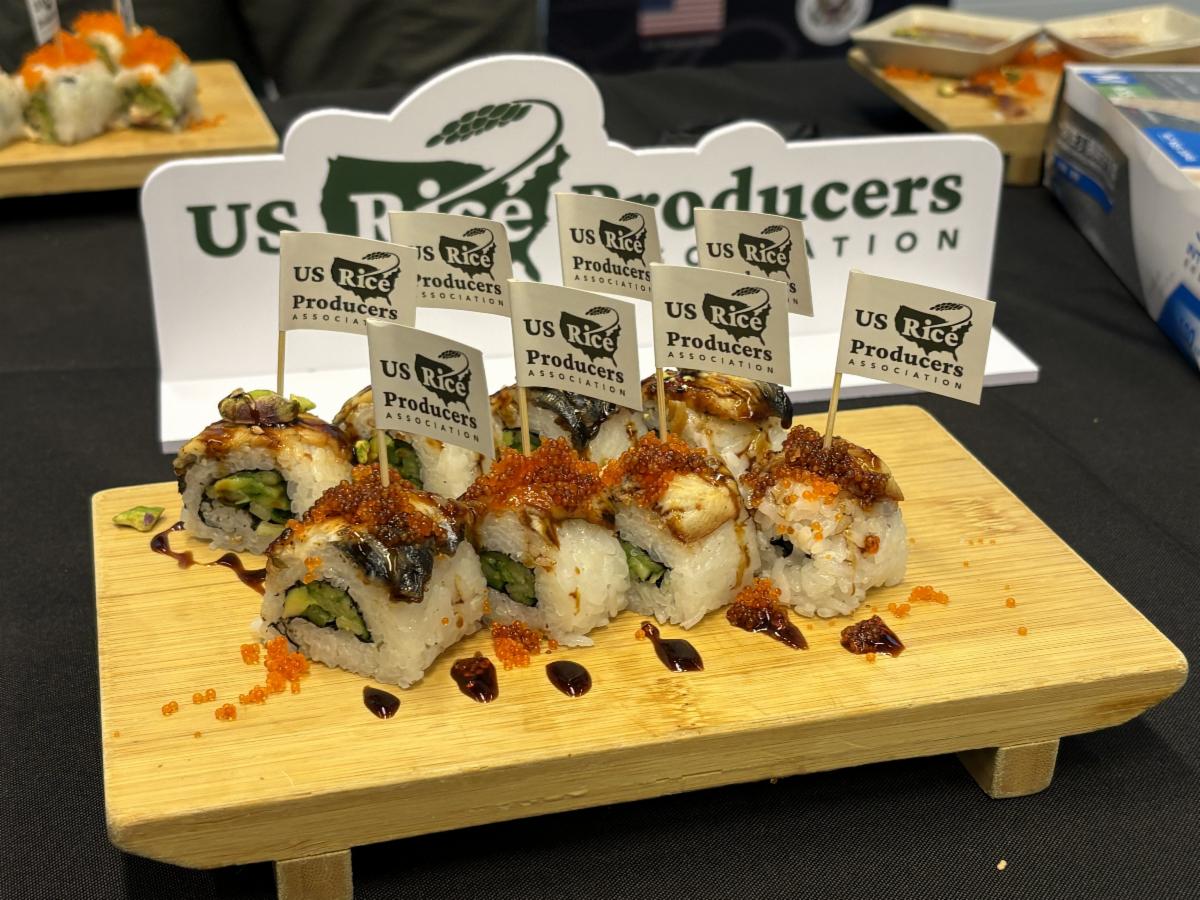
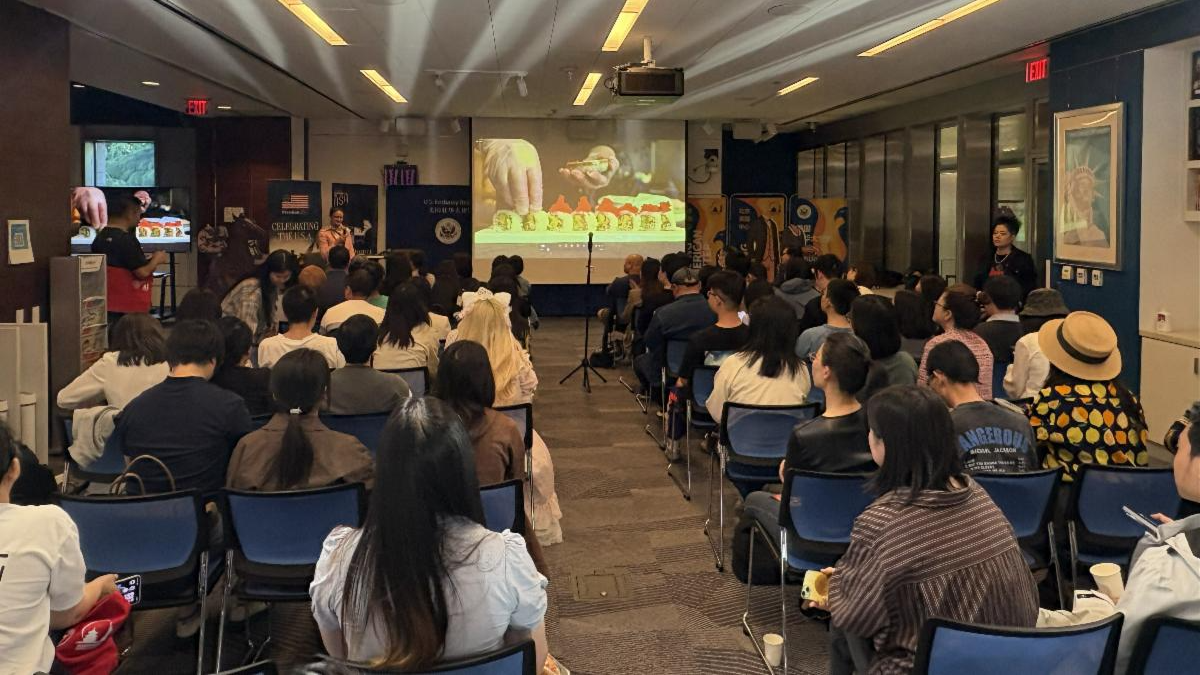
| U.S. rice was prominently featured as the star ingredient in this sushi roll. | | As the U.S. Mission in China celebrates the 250th anniversary of the founding of the United States, USRPA is proud to participate in the Taste of America series celebrating the evolution and global influence of American cuisine. The campaign showcases American chefs in China, highlighting their culinary background, inspirations, and the signature dishes they have introduced to Chinese consumers. One of the series featured California-style sushi rolls made with U.S. medium grain rice, presented by a pioneering American restaurateur whose vision transformed American-Japanese dining in China. | Taste of America Event in Beijing Showcases California-style sushi rolls featuring U.S. Rice. | | Master Chef-Style Event in El Salvador Highlights the Versatility of U.S. Rice | |
|
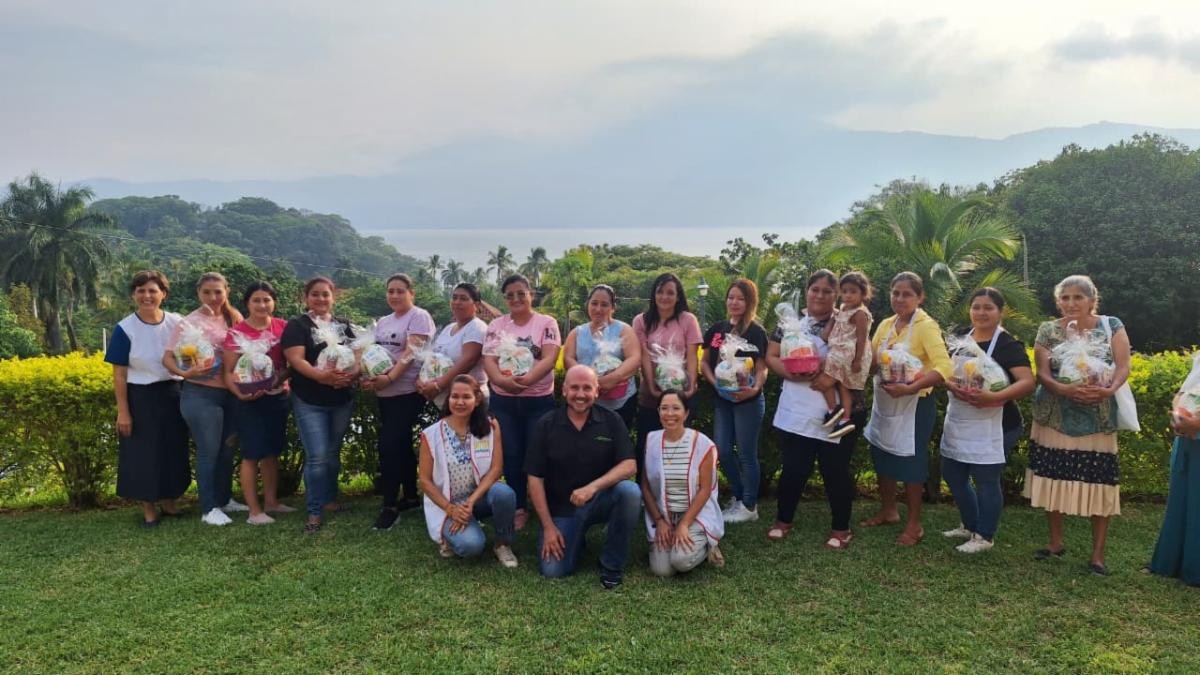
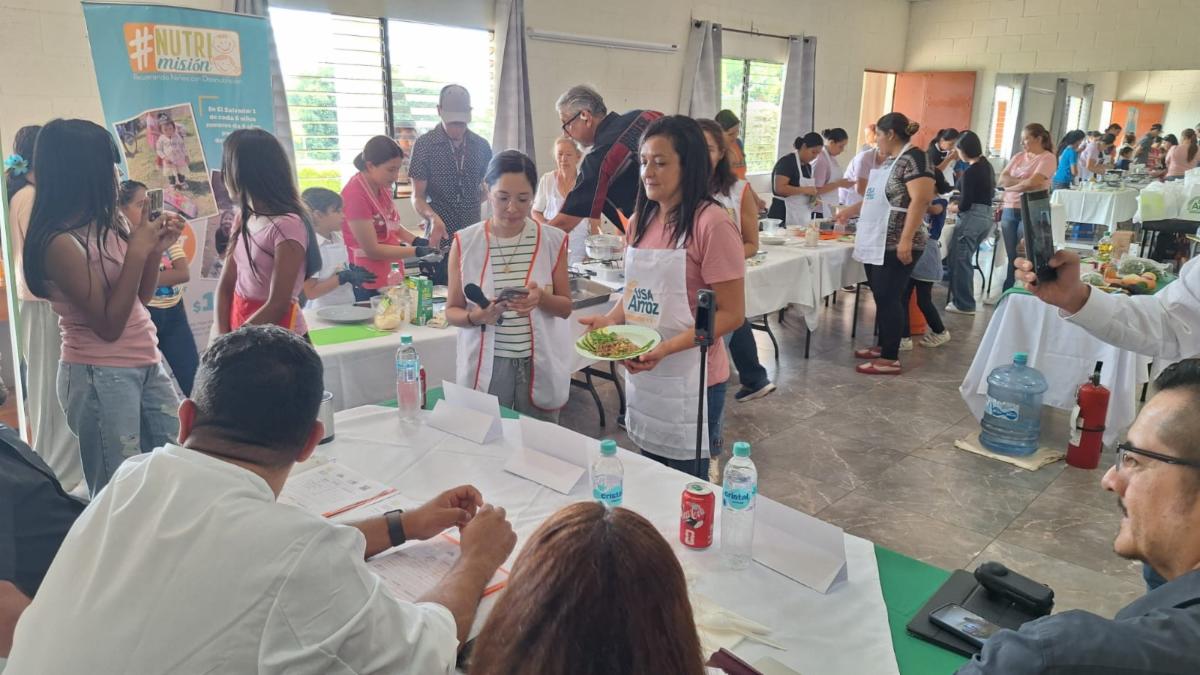
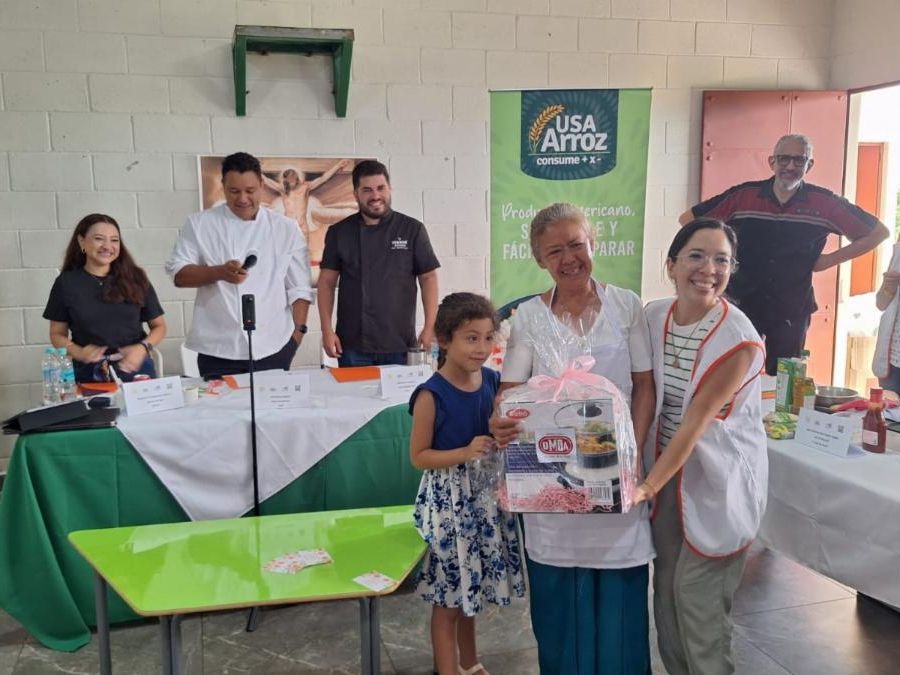
As part of the Mother’s Day celebration, on Thursday, May 7, a Master Chef-style cooking competition was held featuring 10 mothers and their children, who showcased their talent and creativity by preparing original recipes using U.S. long grain rice and ingredients commonly found in their communities.
The event included participation from Arrocera Omoa S.A. de C.V. and CEMERSA, who featured their U.S. long grain white rice brands and donated food baskets, kitchen utensils, and prizes for the competition winners.
| |
The judging panel included Salvadoran Chef Mauricio García, Colombian Chef Gustavo Ramos, and Rodolfo Semsch and Doris Semsch, creators of the food blog “Libritas de Más.” Participants were evaluated on creativity, flavor, use of U.S. long grain rice and local ingredients, presentation, and teamwork. All participants received a basket filled with rice and other products as a token of appreciation for taking part in the competition, highlighting the importance of U.S. rice and complementary ingredients in everyday family meals. In addition, the first, second, and third place winners were awarded special prizes in recognition of their outstanding culinary creations.
“The promotion of long-grain rice consumption is extremely important in countries like El Salvador, where rice is a staple food and part of everyday family meals. Events like these help inspire new recipes, strengthen community engagement, and highlight the versatility and quality of U.S. rice,” said Iris Figueroa, COO of USRPA and Director of Promotions for the Western Hemisphere.
The event took place at Lake Coatepeque as part of a community outreach program promoting the consumption of U.S. long grain rice among surrounding communities.
| | |
RMTC Opening Keynote Speaker: Colby Branch
| |
Colby serves as the U.S. Department of Agriculture (USDA) Foreign Agricultural Service’s Agricultural Attaché for Colombia and Venezuela, based at the U.S. Embassy in Bogotá. In this role, he promotes U.S. agricultural exports and advances American farming and trade interests overseas, while supporting food security and strengthening bilateral cooperation. Prior to joining USDA’s Foreign Service, Colby served as Director of Agricultural Affairs at the Office of the U.S. Trade Representative and held several positions within USDA’s Foreign Agricultural Service in Washington, D.C. He is also a former Peace Corps volunteer, where he focused on agriculture and food security initiatives in Nicaragua and Guatemala. Colby holds a bachelor’s degree from SUNY Albany and a master’s degree from the University of San Diego. He and his wife, both New York natives, have two children. | RMTC Speaker: Tiago Sarmento Barata | |
| |
Tiago Sarmento Barata is an Agricultural Engineer graduated from the Federal University of Rio Grande do Sul, where he also earned a Master’s degree in Agribusiness with research focused on rice consumer behavior in Brazil. He began his career as a Sector Analyst for the Brazilian Rice Project at Natural Soluções Setoriais (São Paulo) in 2004–2005. He participated in research projects at the Center for Advanced Studies on Applied Economics, in partnership with Embrapa Rice and Beans and CIRAD. In 2005, he served as Executive Assistant at the Rio Grandense Rice Institute.
Between 2006 and 2007, he worked as an Agribusiness Analyst at Safras & Mercado, specializing in rice and cotton, while also serving as Special Advisor at IRGA and Coordinator of the Integrated Program to Promote Rice and Rice Products Consumption. He later held the position of Commercial Director at IRGA from 2015 to 2018.
Tiago has delivered numerous lectures and training programs on rice production in Brazil and internationally, including in South Africa, Argentina, Chile, Colombia, Costa Rica, the United States, Mexico, Nigeria, Panama, Paraguay, Peru, Portugal, the Dominican Republic, and Uruguay.
He is a member of the Deliberative Council of IRGA and the Steering Committee of the Brazilian Rice Project (Abiarroz/Apex). Currently, he works as an Agribusiness Consultant and Analyst at Agrotendências Consultoria em Agronegócios and serves as Executive Director of the Sindicato da Indústria do Arroz do Estado do Rio Grande do Sul.
Tiago will present an analysis of the panorama of the rice market in Mercosur, addressing competitiveness and regional trends.
| | RMTC Sponsor: Nutrien Ag Solutions | |
| |
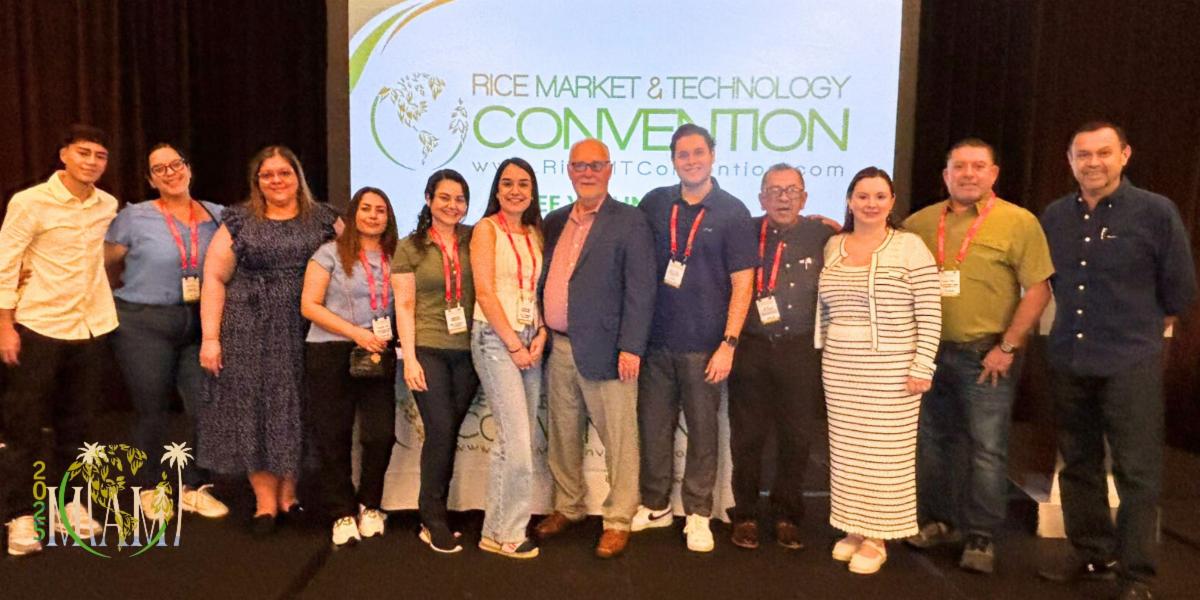
Great memories with the Guatemalan group from Jutiapa at RMTC 2025 — we look forward to creating even more unforgettable moments at RMTC 2026 in Cartagena! 🌾✨
Send us your rice country photos by email, or via Facebook or Instagram!
| |
| |
FAO Rice Price
Update
| |  |
Food & Agriculture
Regulatory & Policy Roundup
| | | | | | Inter-Rice World Rice Market Report | | | |
May 26 - 28, 2026
Rice Market & Technology Convention
Cartagena, Colombia
More Information
| |
| |
June 6, 2026
LSU AgCenter South Farm Rice Field Day
Crowley, LA
More Information
| | |
June 24, 2026
2026 H. Rouse Caffey Rice Research Station Field Day
Rayne, LA
More Information
| | |
June 30, 2026
Texas A&M AgriLife Research & Extension 52nd Eagle Lake Field Day
Eagle Lake, TX
More details to come
| |
July 9, 2026
Texas A&M AgriLife Research & Extension 78th Beaumont Field Day
Beaumont, TX
More details to come
| |
August 18, 2026
Missouri Rice Research & Merchandising Council Field Day
Glennonville, MO
More details to come
| | |
USRPA does not discriminate in its programs on the basis of race, color, national origin, gender identity, sexual orientation, religion, age, disability, political beliefs, or marital/family status. Persons who require alternative means for communication of information (such as Braille, large print, sign language interpreter or translation) should contact USRPA at 713-974-7423. |
| | | |