IDEAS, NEWS AND RESOURCES
|
December 2019
The Taos Institute's mission is to bring together scholars and practitioners concerned with the social processes essential for the construction of reason, knowledge, and human value, and their application in relational, collaborative and appreciative practices around the world.
|
|
The Many Ways to Get Involved!
|
|
Brief Encounter with The Taos Institute
|
|
"
Understanding just how vast the human potential for daily and hourly change is, isn’t a threat to us. It is our generative state of being and becoming. We can see such an endless universe in our partners. There is so much possibility, excitement, reward and hope. It is here that the richness of life resides."
|
|
The Conversation, Walking Together
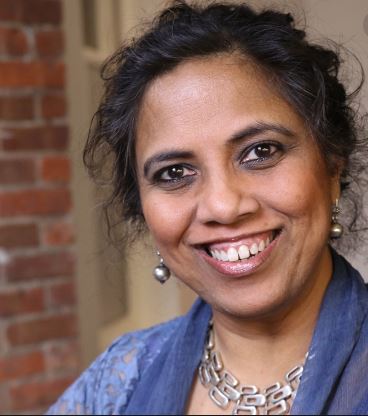
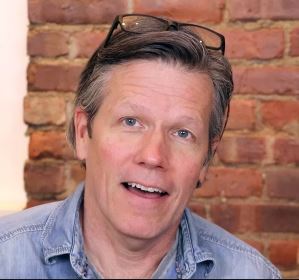
By Saliha Bava and Mark Greene
In just ten minutes of back and forth conversation, while putting away the groceries, we human beings have the power to become someone new. And, we feel a renewed connection with each other. Understanding how to be in connection to self, other, culture, and our environment is relational intelligence. One of the core ideas of relational intelligence is that we define a relationship as a space instead of a thing; a dynamic space in which who we are, is forever emerging.
If we enter a relationship thinking we already know what an entire relationship needs to be, it’s a recipe for atrophy and stasis. What if, instead, couples fully expected to get married again every few years, meet this new person, state their vows anew, because that’s how quickly we are changing and growing.
For better or for worse, we are constantly co-creating, in our relationships, who we are becoming. This holds true for children and parents, brothers and sisters, spouses, friends, co-workers and so on. We are becoming who we will become next, minute by minute, in the back and forth of relating. Even relationships, long gone, continue to form who we are. A grandparent no longer living continues to inform who we are becoming as we change, and then reconsider what we experienced with them from a new perspective.
Acknowledging and supporting a constant process of growth and change in others, even when it threatens to shift our own constructions of life, is what unconditional love looks like. It’s what emergence requires of us all.
Which brings us back to the stories we put in place and the clock ticking. When we seek a false sense of safety or predictability by trying to keep our partners physically, sexually, emotionally, professionally, socially frozen in our story, it creates ever increasing tension between our need for predictability and the actual “truth” of our evolving humanity.
Our partner will change, evolve, while we remain fixated on our story for them; a story that becomes more and more restrictive as they continue to grow and change. When we cling to our limiting stories about others, whether we fear change, or relating, or our own insecurities, the growing tension between our need to keep things constant, and our partner’s becoming who they are becoming, eventually will break the lingering connection.
We look up one day, and the story we are fixated on, the story of who and where our partner, friend or child was before, is over. They have moved on, walked away over the hill and are gone from sight. What could have been a rich conversation about discovery and change, walking together, didn’t happen.
Understanding just how vast the human potential for daily and hourly change is, isn’t a threat to us. It is our generative state of being and becoming. We can see such an endless universe in our partners. There is so much possibility, excitement, reward and hope. It is here that the richness of life resides.
|
|
Professional Development Opportunities
|
|
Upcoming Events
April 20 - June 8, 2020
A 6-week online course with Celiane Camargo-Borges
|
|
April 20 - June 8, 2020
A 6-Week Online Course
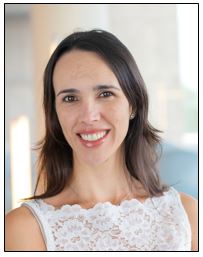
with Celiane Camargo-Borges, Ph.D.
This course features videos and writings of Ken Gergen, Mary Gergen, Sheila McNamee, Harlene Anderson, Barnett Pearce, John Shotter, Saliha Bava and more.
This 6-week online course introduces common premises and orienting ideas central to dialogues on social construction. The ways in which constructionist ideas differ from traditional, realist understandings of the world are explored. The course is facilitated by Taos Institute Board Member, Celiane Camargo Borges, Ph.D.
The course consists of:
Weekly live calls, assignments, readings, videos, activities, learning partner conversations, online commenting, and writing. There will be "live" conference calls on Mondays from 11:00 AM - 12:30 PM New York time/Eastern US time.
|
Applications due February 1
Do you want to expand your professional potential, explore a vision, follow your curiosity, bring about an innovation for a more promising future? Would you like a mentor, coach and conversation partners who will support, inspire, and challenge you to reach your goals? Would you like to work from the comfort of your own office, home or work environment and be part of a global community of learners?
At the Taos Institute, we support and mentor creative practitioners to form the future through relationship, collaboration, and ethical action. The International Diploma in Social Construction and Professional Practices exposes you to expertise from multiple disciplines, all focused on collaborative and relational approaches to generating meaning, values, and practices of significance. Your advisor, mentor or coach works with you to design a learning plan that addresses your goals, with feedback and learning tailored to your situation and project. You will receive support and inspiration from a broad network of conversation partners.
- There are no grades.
- You create your own deadlines.
- You design your own learning goals.
- You work virtually with scholars/practitioners around the world.
- You join a cohort of learners that support each other.
- You participate in a learning relationship with an advisor, mentor, coach.
Apply by February 1!
Spring semester begins March 1, 2020.
|
|
|
|
Featured Video
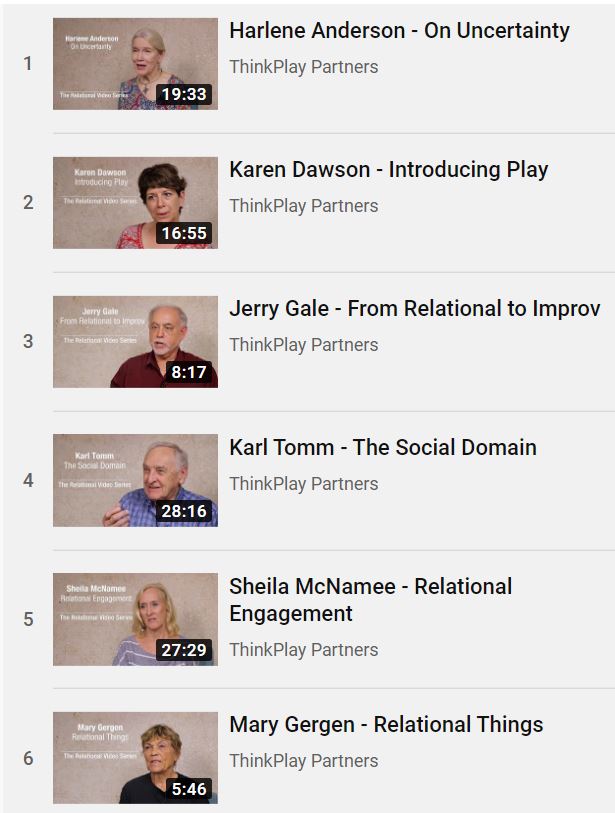
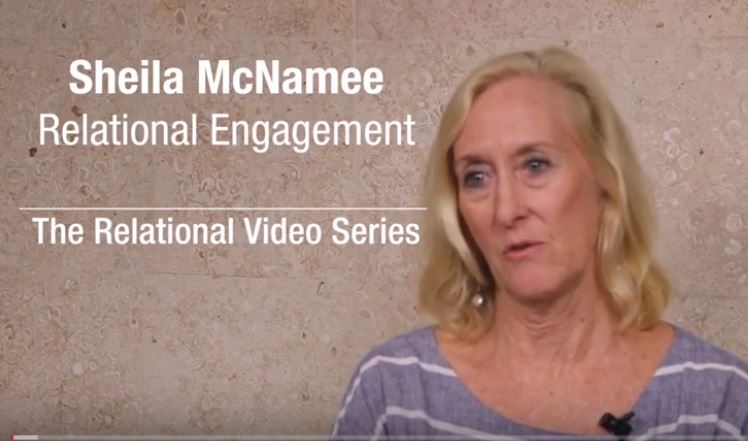
In this video, Sheila McNamee discusses how the relational stance of social construction is often heard by people as proposing an alternative Truth to the modernist orientation. She explains that constructionism is not proposed as a truth but as a different way of being — a different orientation to the world — one that eschews the modernist discourse of Truth and objectivity and proposes that this relational stance invites us to challenge the very institutions and dominant discourses within which we operate.
|
|
Featured Book
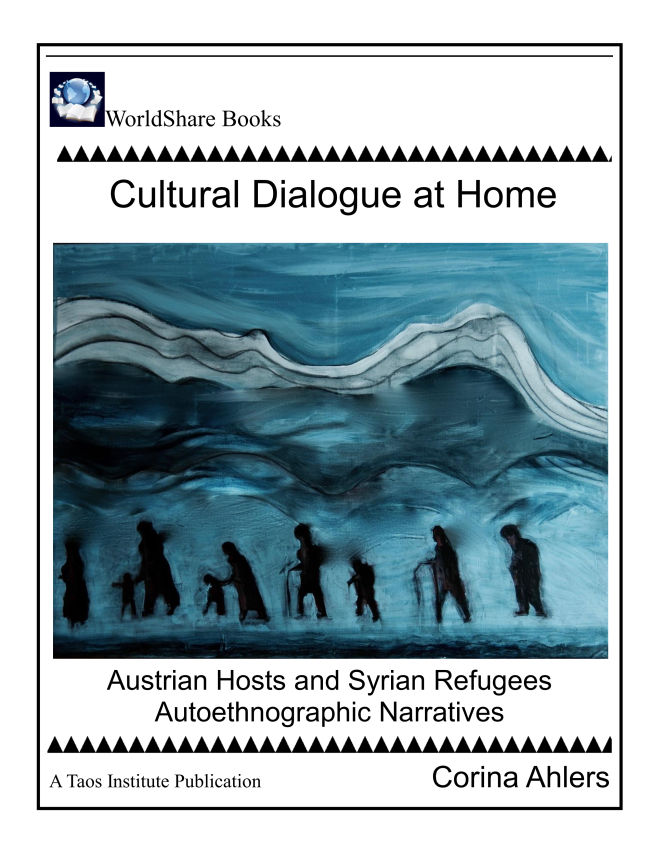
Cultural Dialogue at Home
Austrian Hosts and Syrian Refugees:
An Autoethnographic Narrative
By Corina Ahlers
This free WorldShare book is filled with tender, funny and frustrating scenes, as Viennese and Syrian cultures meet and mingle, and sometimes clash. Much can be learned about multicultural relations by reading this book. In 2015 a great influx of Syrian refugees flooded Europe. Vienna was one of the cities that had a large group of people with no place to be. Many citizens who were sympathetic to these people became involved in charitable projects, including providing food, money, and other forms of care. Few went so far as to open up their homes so that refugees could live with them. This book describes the experience of Corina Ahlers, a family therapist and teacher, who opened up the apartment on the ground floor of her home, in a lovely suburb of Vienna to several refugees.
|
|
More Ways to Get Involved
|
|
Join in with the Relational Research Network's new project:
The RRN Support Learning Community
|
The Relational Research Network hosted conversations from July through November, with researchers who engaged with us to critically think about how inquiry and research processes connect and inspire us when we look at them through the lens of a relational practice. The questions we explored included:
- How can a research project have a relational focus or become a relational practice?
- How can we do relational research and have meaningful conversations about our work?
- Hear about a research project and be in conversation with others in the learning community, engaging through questions, challenges, or issues related to your research project.
- Having the opportunity to be in conversation with other researchers to network, co-learn and create opportunities for collaboration.
Visit the RRN Support Learning Community and join the mailing list to keep updated on new opportunities - on
our website
.
|
|
 |
International Journal of Collaborative-Dialogic Practices
This free journal brings together members of a growing international community of practitioners, scholars, educators, researchers, and consultants interested in postmodern collaborative practices. Issue 8 is now available.
.
|
|
|
|
WorldShare Books
FREE downloadable books in 12 different languages.
With over 30 books in English and many more from around the world, you will enjoy reading about education, spirituality, organizational life, community building, group dynamics, leadership and more.
Order your free book today!
|
|
|
|
|
Positive Aging Newsletter
FREE
newsletter
in 9 languages sent right to your email.
By focusing on the positive aspects of aging, and the availability of resources, skills, and resiliencies, research not only brings useful insights into the realm of practice but creates hope and empowers action among older people. By moving beyond practices of repair and prevention, to emphasize growth-enhancing activities, practitioners also contribute more effectively to the societal reconstruction of aging.
|
|
|
|
Manuscripts for Downloading
Access hundreds of articles and papers on topics such as:
- Appreciative Inquiry
- Collaborative Practices
- Dialogue
- Appreciative Cultures
- Creativity and Improve
- Narrative Practices
- Relational Learning
- Relational Research
- Qualitative Research
- and so much more!
|
|
|
|
|
Donate to the Taos Institute
Given the current global context into which we are moving, the work in which we are engaged is more important than ever. We invite you support the work of institute.
Read more
|
|
|
|
John Shotter Memorial Fund
John Shotter's death on December 8, 2016, was a profound loss for the scholarly world, for the Taos Institute, and for many of us personally.
Read more
|
|
|
|
|
Jane Magruder Watkins Memorial Fund
We remember Jane as an avid educator. This fund will support students who apply for a need-based scholarship to attend the various Taos programs.
Read more
|
|
|
|
Peggy Penn WorldShare Fund
Supports the publication of new WorldShare Books on topics related to the work and interests of Peggy Penn, Ph.D.
Read more
|
|
|
|
|
|
|
|
|