IDEAS, NEWS AND RESOURCES
|
November 2019
The Taos Institute's mission is to bring together scholars and practitioners concerned with the social processes essential for the construction of reason, knowledge, and human value, and their application in relational, collaborative and appreciative practices around the world.
|
|
The Many Ways to Get Involved!
|
|
Brief Encounter with The Taos Institute
|
|
"
We were really excited by how the big ideas of social constructionist thinking can be helpful to a small local group intent on doing good work in their community.
"
|
|
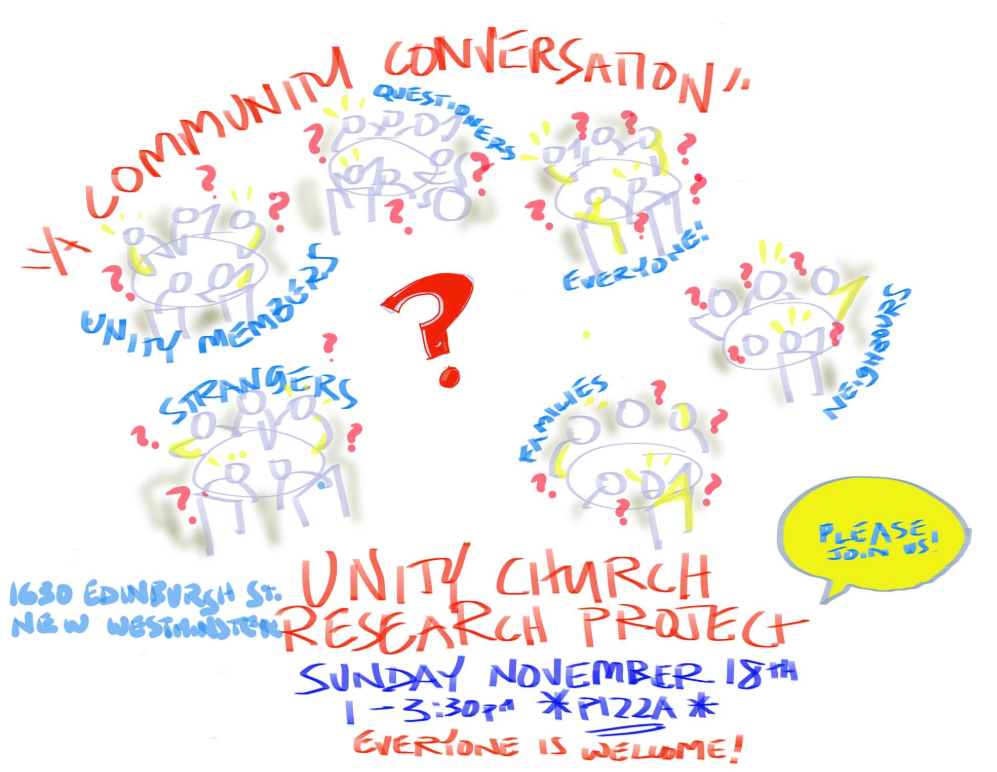
The Unity of New Westminster Church: Social Constructionist Research
for a “Future Forming” Congregation
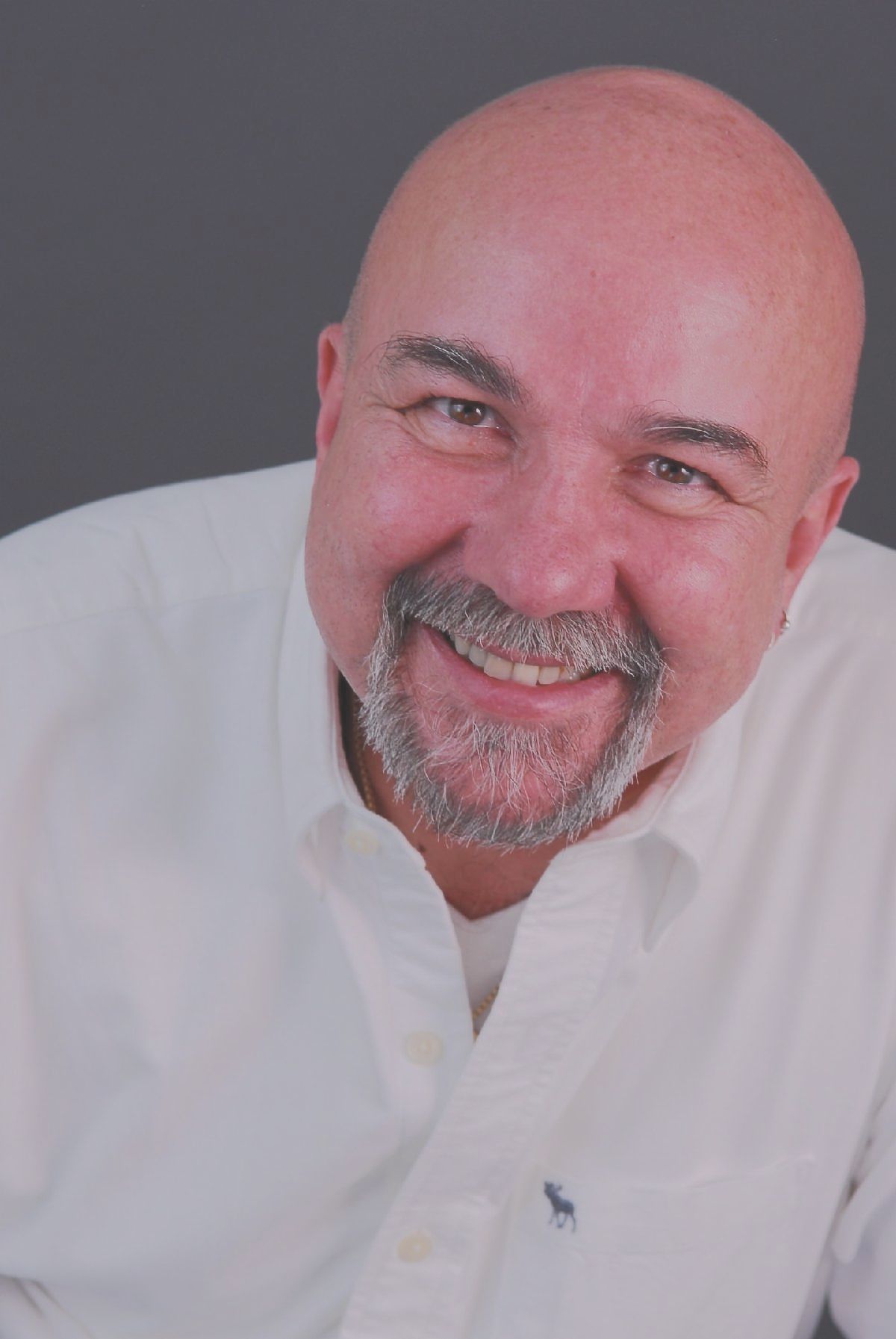
By Aaron Johannes, PhD, Taos Associate
I started attending Unity of New Westminster church to support my son, and soon noticed that they were in a state of transition. I thought the research methods I had been using in other projects might help them find some clarity and when I approached them about this, the church board was excited about the idea of community based research that we could do collaboratively, and would be of use to them. As they began to learn more about social constructionism, they could see how those principles aligned with Unity theories, and that “research” might not be just the province of arcane specialists but can be tangible, useful, participatory and fun.
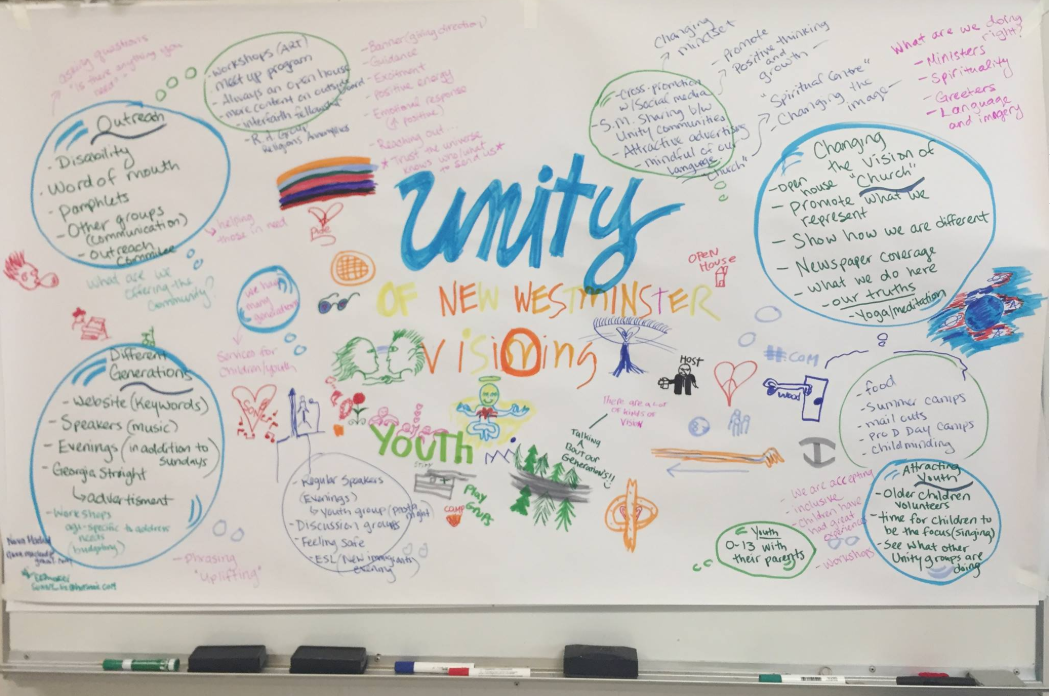
My research has focused on people with intellectual disabilities, and my co-facilitating colleagues Liz and Barb have both had various labels, so I wasn’t sure how they would be accepted by the congregation, which at that time included no one like them. However, very quickly, they were appreciated for their strengths and insights and this even added to the idea of an appreciative approach for our investigation. For example, as board members wrestled with bylaws, they wished Barb was there, “because she’s so good at helping to turn things into plain language for us.” They even asked her to consider becoming a board member. They loved our arts based approaches, graphically recording the group’s conversations so we can make ideas and plans tangible. This created conditions for change right away and they started using Liz’s drawings (graphic recordings) on their Facebook site.
As we debriefed our early findings, Barb and Liz said, “You all need a plan!” and explained a planning process we’ve used to help others groups dream, think and plan together. Barb used a quote by Ken Gergen that has become a favorite with the folks I’ve been working with, so often frustrated by bureaucracy and histories of inaction: “We need to be ‘future forming.’” The church loved it and used the quote in their overview of the year’s work.
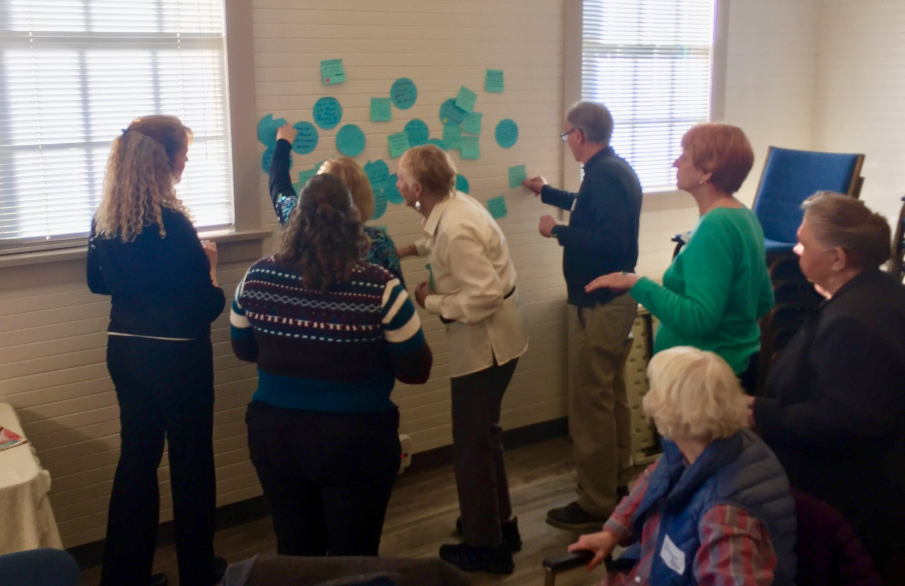
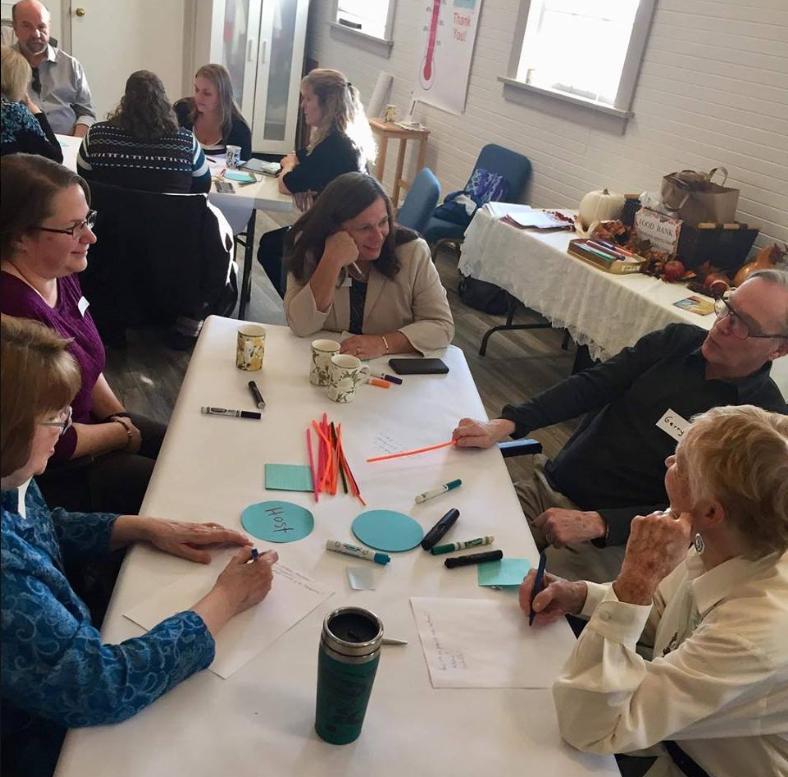
“Research,” said Zora Neale Hurston, “is formalized curiosity.” For me, this is always about human connections. Who is in one’s tribe? Who else might be welcomed? Our social constructionist methods involved everyone over an eight month period, with opportunities to welcome friends, family and strangers into a conversation which led to more clarity on who they welcome and how. A few turning points were "Do we even need to call it a church?” (The minister asked!) and Liz's drawing of the board members as characters from The Wizard of Oz. This critical planning session led to a clearer vision and also to a concrete plan for many areas of church structure, from the actual foundations to the volunteer infrastructure that was truly future forming.
We were really excited by how the big ideas of social constructionist thinking can be helpful to a small local group intent on doing good work in their community. Feedback from the congregation (which has grown in numbers, diversity and strengths) and other academics who have looked at our process has been really positive! Other congregations have inquired about using our process in their areas and we hope to do more of this work. See more of what we've been doing at
www.imagineacircle.com
.
|
|
Professional Development Opportunities
|
|
Upcoming Events
April 20 - June 8, 2020
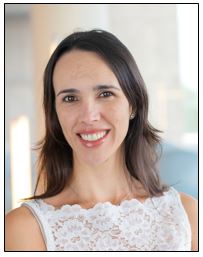
A 6-week online course with Celiane Camargo-Borges
|
|
April 20 - June 8, 2020
A 6-Week Online Course
with Celiane Camargo-Borges, Ph.D.
This course features videos and writings of Ken Gergen, Mary Gergen, Sheila McNamee, Harlene Anderson, Barnett Pearce, John Shotter, Saliha Bava and more.
This 6-week online course introduces common premises and orienting ideas central to dialogues on social construction. The ways in which constructionist ideas differ from traditional, realist understandings of the world are explored. The course is facilitated by Taos Institute Board Member, Celiane Camargo Borges, Ph.D.
The course consists of:
Weekly live calls, assignments, readings, videos, activities, learning partner conversations, online commenting, and writing. There will be "live" conference calls on Mondays from 11:00 AM - 12:30 PM New York time/Eastern US time.
|
Do you want to expand your professional potential, explore a vision, follow your curiosity, bring about an innovation for a more promising future? Would you like a mentor, coach and conversation partners who will support, inspire, and challenge you to reach your goals? Would you like to work from the comfort of your own office, home or work environment and be part of a global community of learners?
At the Taos Institute, we support and mentor creative practitioners to form the future through relationship, collaboration, and ethical action. The International Diploma in Social Construction and Professional Practices exposes you to expertise from multiple disciplines, all focused on collaborative and relational approaches to generating meaning, values, and practices of significance. Your advisor, mentor or coach works with you to design a learning plan that addresses your goals, with feedback and learning tailored to your situation and project. You will receive support and inspiration from a broad network of conversation partners.
- There are no grades.
- You create your own deadlines.
- You design your own learning goals.
- You work virtually with scholars/practitioners around the world.
- You join a cohort of learners that support each other.
- You participate in a learning relationship with an advisor, mentor, coach.
Apply by February 1!
Spring semester begins March 1, 2020.
|
|
Featured Video
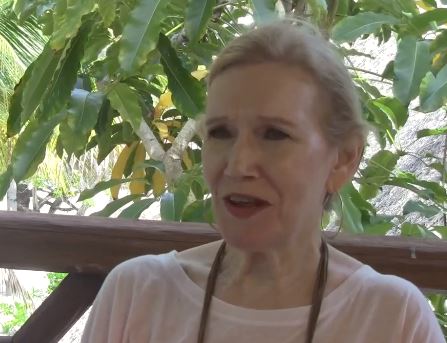
Harlene Anderson is interviewed by Saliha Bava at the International Summer Institute in 2012.
|
|
Featured Book
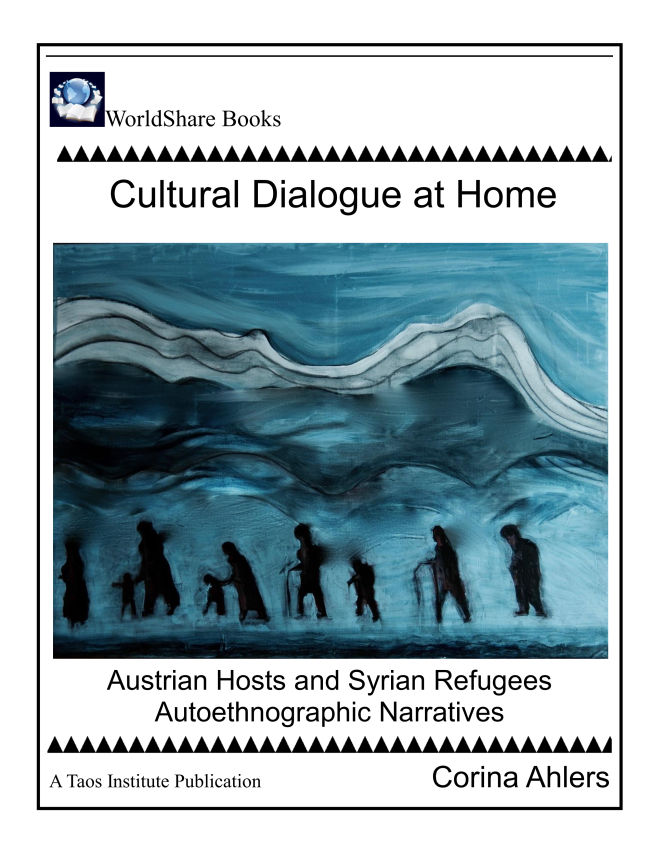
Cultural Dialogue at Home
Austrian Hosts and Syrian Refugees:
An Autoethnographic Narrative
By Corina Ahlers
This free WorldShare book is filled with tender, funny and frustrating scenes, as Viennese and Syrian cultures meet and mingle, and sometimes clash. Much can be learned about multicultural relations by reading this book. In 2015 a great influx of Syrian refugees flooded Europe. Vienna was one of the cities that had a large group of people with no place to be. Many citizens who were sympathetic to these people became involved in charitable projects, including providing food, money, and other forms of care. Few went so far as to open up their homes so that refugees could live with them. This book describes the experience of Corina Ahlers, a family therapist and teacher, who opened up the apartment on the ground floor of her home, in a lovely suburb of Vienna to several refugees.
|
|
More Ways to Get Involved
|
|
Join in with the Relational Research Network's new project:
The RRN Support Learning Community
|
The Relational Research Network is hosting conversations beginning in July, with researchers who want to to critically think about how inquiry and research processes connect and inspire us when we look at them through the lens of a relational practice. The questions we will explore:
- How can a research project have a relational focus or become a relational practice?
- How can we do relational research and have meaningful conversations about our work?
- Hear about a research project and be in conversation with others in the learning community, engaging through questions, challenges, or issues related to your research project.
- Having the opportunity to be in conversation with other researchers to network, co-learn and create opportunities for collaboration.
See the full schedule for these conversations - The RRN Support Learning Community - on
our website
.
You will need to register in order to participate or "sit in" and listen to these learning conversations.
**********************************************************************************************************************
Thursday, November 21, 2019
11:00 AM - 12:00 Noon New York time
Living Stories: An arts-based, relational research framework directed to transformative change in healthcare
Hosts: Kristin Bodiford and Paloma Torres
Researchers: Pamela Brett-MacLean, Minn Yoon, Patrick von Haugh
This conversation will be held in English.
|
|
 |
International Journal of Collaborative-Dialogic Practices
This free journal brings together members of a growing international community of practitioners, scholars, educators, researchers, and consultants interested in postmodern collaborative practices. Issue 8 is now available.
.
|
|
|
|
WorldShare Books
FREE downloadable books in 12 different languages.
With over 30 books in English and many more from around the world, you will enjoy reading about education, spirituality, organizational life, community building, group dynamics, leadership and more.
Order your free book today!
|
|
|
|
|
Positive Aging Newsletter
FREE
newsletter
in 9 languages sent right to your email.
By focusing on the positive aspects of aging, and the availability of resources, skills, and resiliencies, research not only brings useful insights into the realm of practice but creates hope and empowers action among older people. By moving beyond practices of repair and prevention, to emphasize growth-enhancing activities, practitioners also contribute more effectively to the societal reconstruction of aging.
|
|
|
|
Manuscripts for Downloading
Access hundreds of articles and papers on topics such as:
- Appreciative Inquiry
- Collaborative Practices
- Dialogue
- Appreciative Cultures
- Creativity and Improve
- Narrative Practices
- Relational Learning
- Relational Research
- Qualitative Research
- and so much more!
|
|
|
|
|
Donate to the Taos Institute
Given the current global context into which we are moving, the work in which we are engaged is more important than ever. We invite you support the work of institute.
Read more
|
|
|
|
John Shotter Memorial Fund
John Shotter's death on December 8, 2016, was a profound loss for the scholarly world, for the Taos Institute, and for many of us personally.
Read more
|
|
|
|
|
Jane Magruder Watkins Memorial Fund
We remember Jane as an avid educator. This fund will support students who apply for a need-based scholarship to attend the various Taos programs.
Read more
|
|
|
|
Peggy Penn WorldShare Fund
Supports the publication of new WorldShare Books on topics related to the work and interests of Peggy Penn, Ph.D.
Read more
|
|
|
|
|
|
|
|
|