AKG Newsworthy NOLA
2021 #16
Saturday, November 13, 2021
|
|
My dear collectors and friends,
It is with the greatest pride and honor that I present this extraordinary body of work created between 2019 and 2020 by Raymond Douillet Chevoleau.
I planned on saving this new work for an exhibit upon completion of his catalogue raisonne’, but the global pandemic changed that. I will publish his catalogue by 2023, but in the meantime below is a preview of the biography,
The Art of Thinking,
written by longtime fine art consultant and scholar,
Malcolm Genet.
Below are a few short excerpts from his manuscript, in no particular order and shortened for the purpose of this introduction. It will however give you a taste of the wonderful read the future holds for you.
You are among the few chosen ones who have had the good fortune to discover Raymond Douillet in this lifetime.
…with abundant appreciation and love,
Angela King
|
|
RAYMOND DOUILLET
THE ART OF THINKING
November 13, 2021
|
|
Raymond Douillet in Paris, August 2021 |
|
Raymond had the good fortune to be born in the north of France to loving, resourceful parents. On the surface, his childhood was much like any of the time and place, but his childhood can be looked at in the light of the artist he became. He was a singularly observant, sensitive, and independent child, which gave his typical childhood experiences a distinct cast to his development, helping to shape his attitudes, his memory, and his thoughts. Years later, as an artist, he became socially independent, almost solitary; keen in his observations of society and folkways; spiritually philosophical about the nature and destiny of life; not without humor, but completely serious about the endeavor of painting. What he experienced as a child would help shape aspects of the artist he would become. |
|
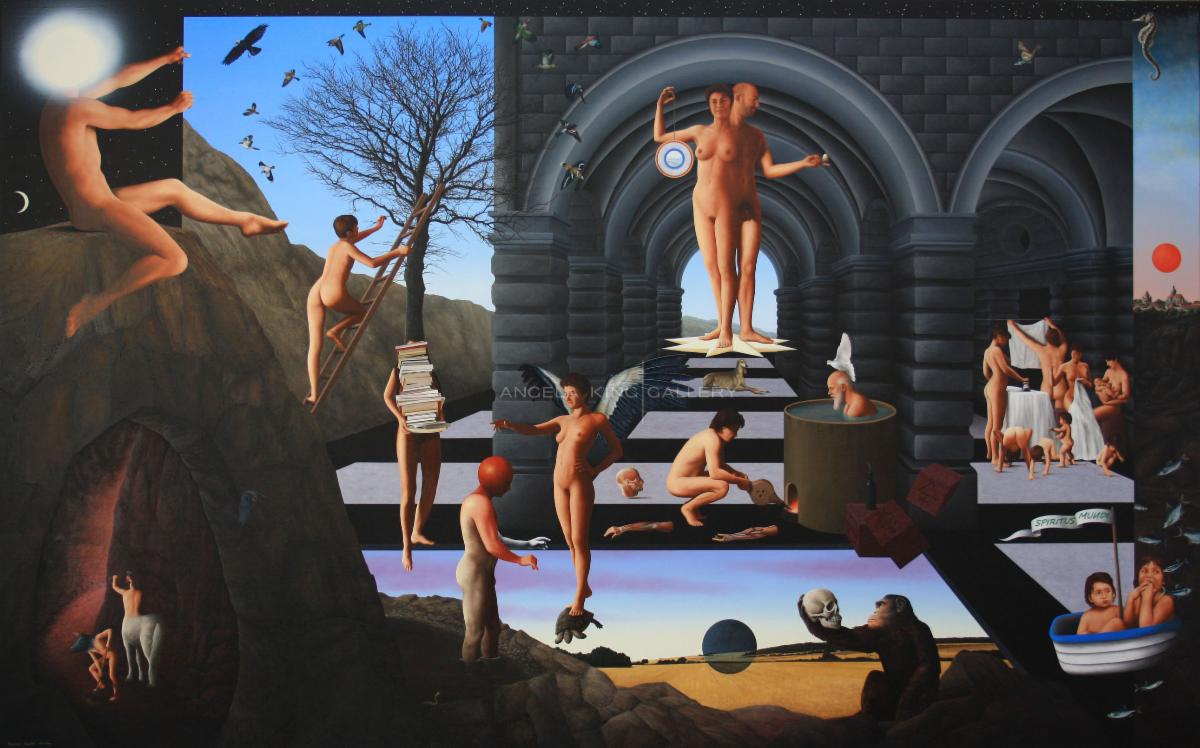
Under the Sun "Sous le Soleil" - 79"x49"x5", oil/canvas |
|
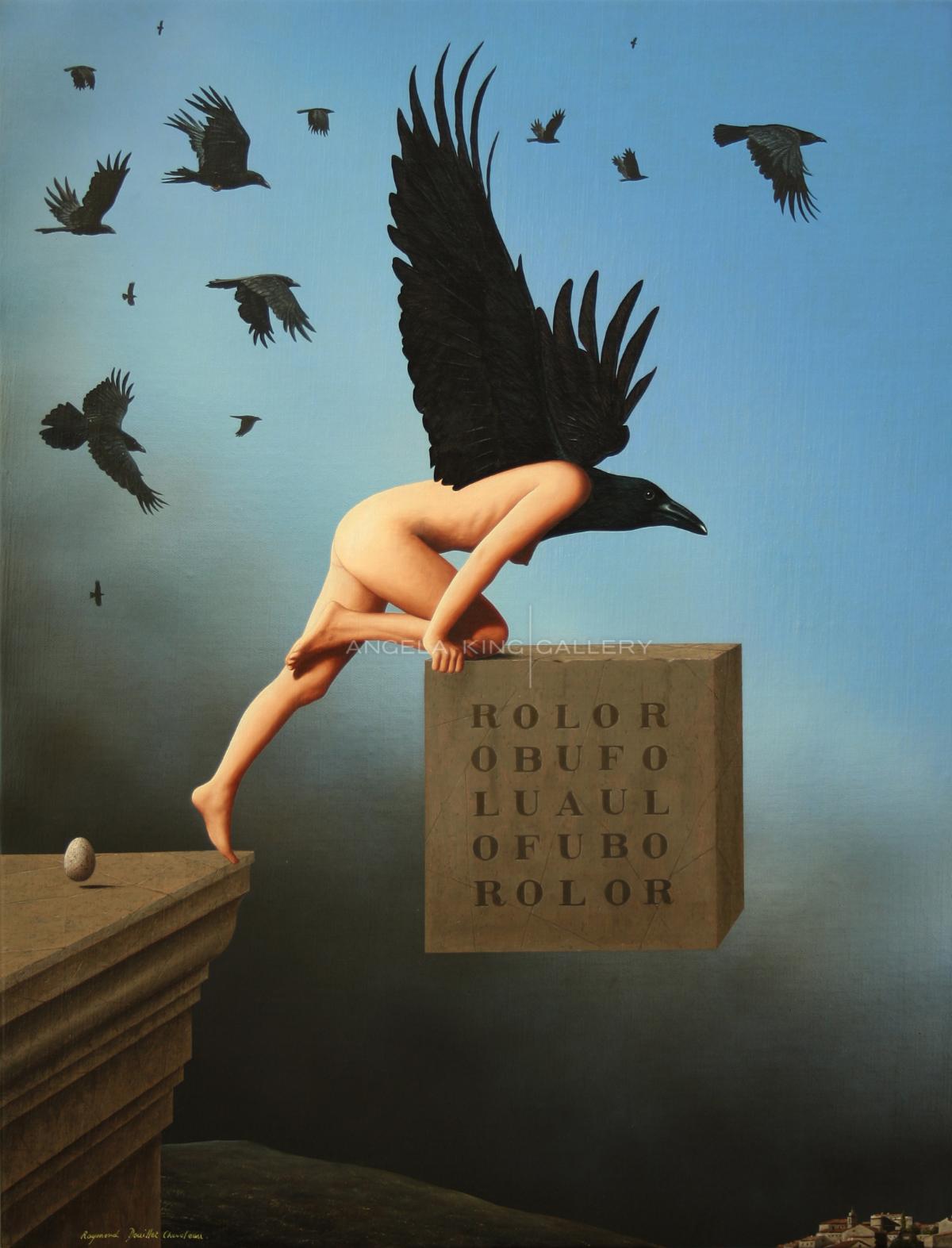
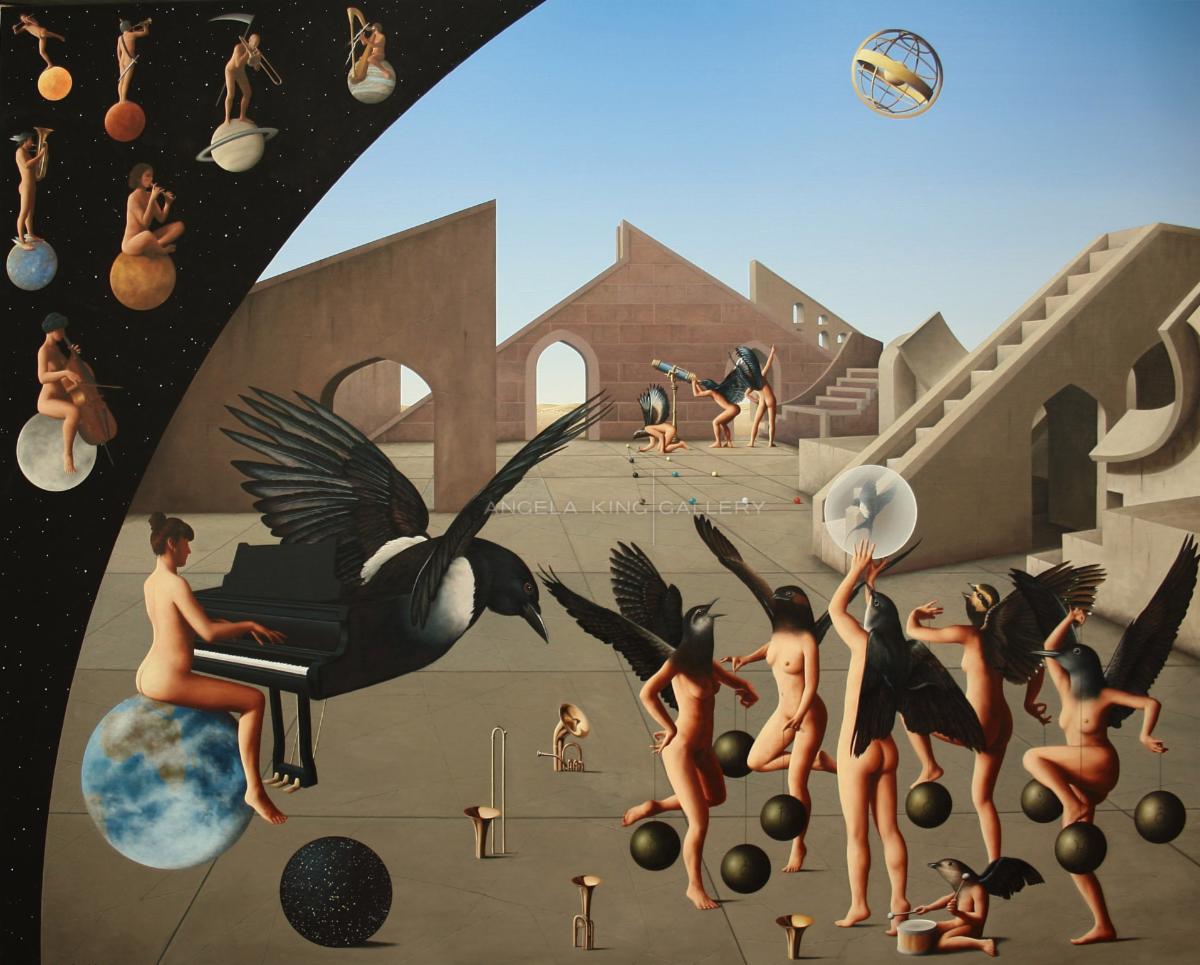
The Crow of Ambramelin
"La Musique des Sphères" "25.5"x19.5", oil/canvas
|
|
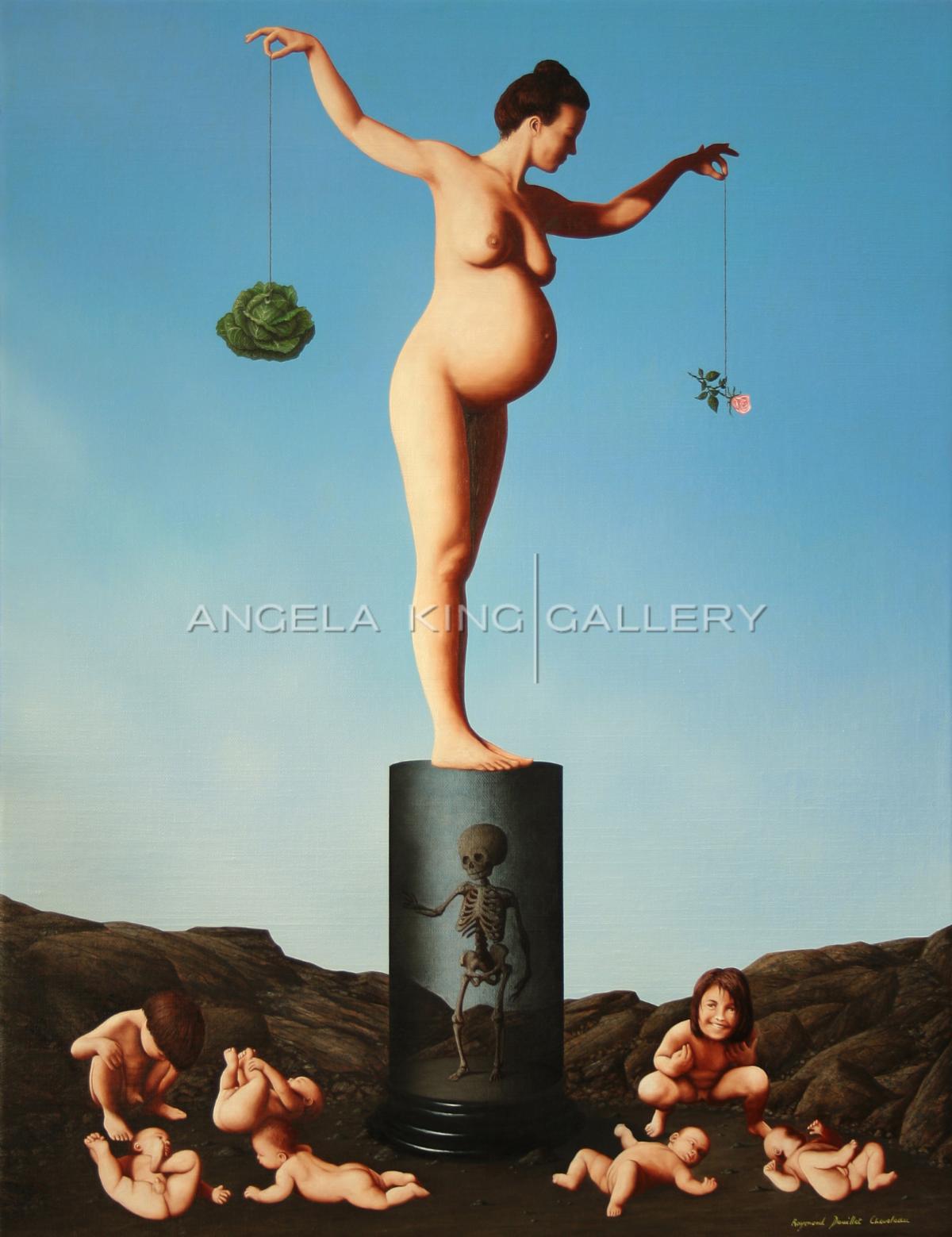
The Rose or the Cabbage
"La Rose Ou le Chou" 36"x30", oil/canvas
|
|
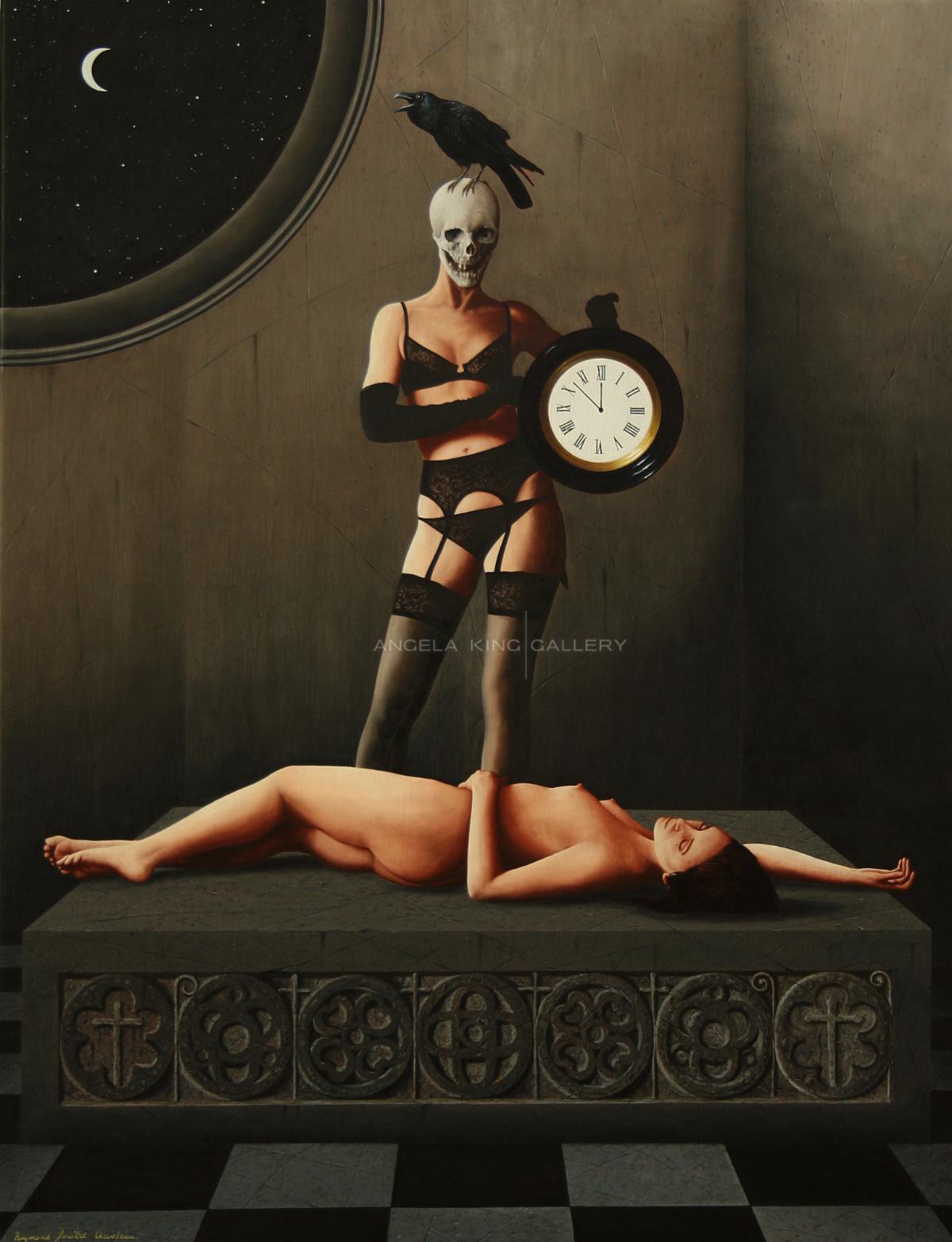
The Last Hour
"La Dernière Heure", 37"x30", oil/canvas
|
|
Death is also for Douillet a real and everyday character who, dressed in working clothes, accompanies us all as a faithful friend. But just to be so normal his presence on the first strikes us by giving us an overwhelming terror. Only later, having entered Douillet's macabre machinery, do we realize how, with this faithful companion, we can also laugh and ironize about the world around us, to the point of better enduring its many insults. Douillet's art ends up being invigorating and his sinister humor, comforting. |
|
The Last Hour "La Dernière Heure", 37"x30", oil/canvas |
|
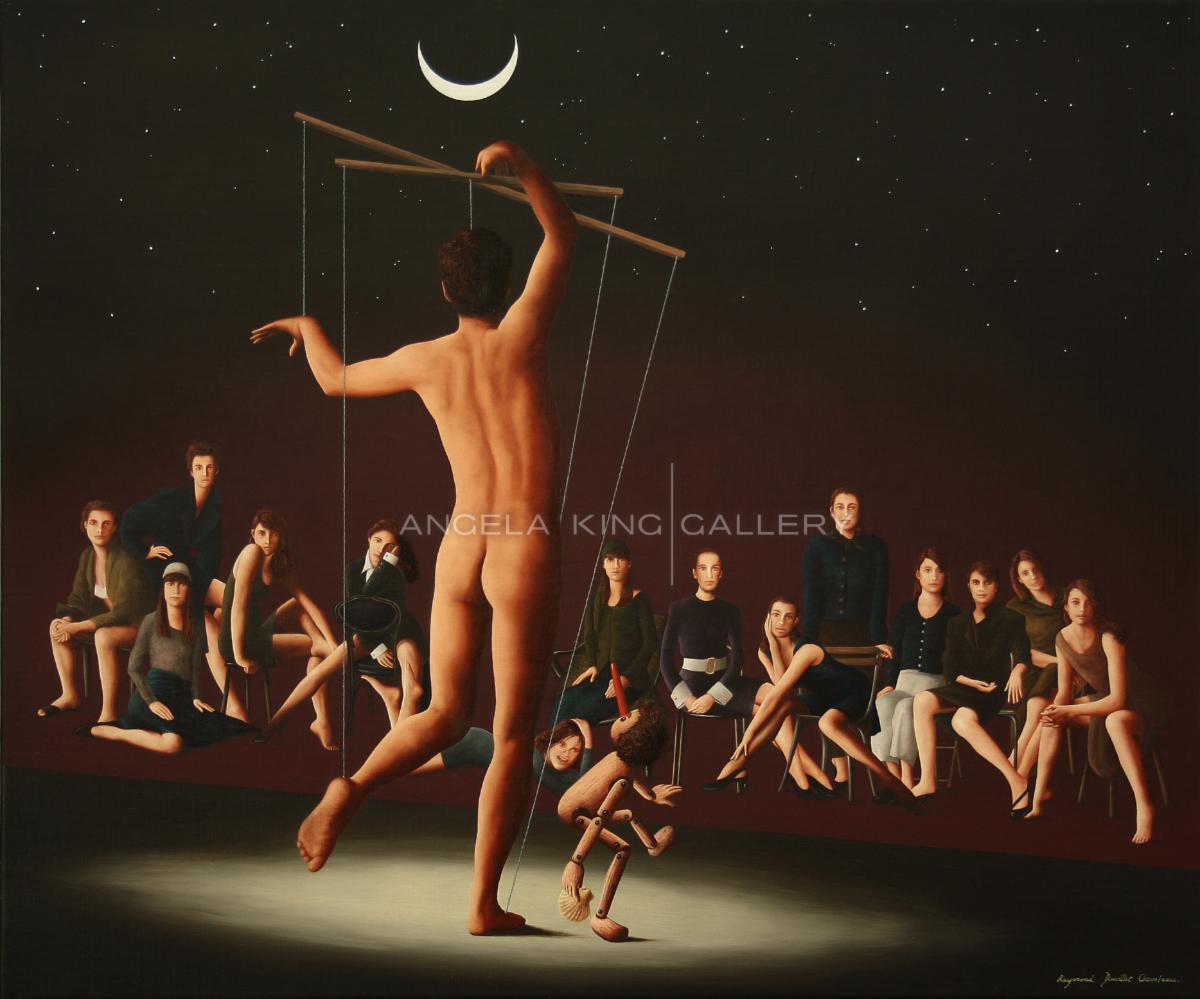
The Puppet and the Honest Husband or the Burying of the Maiden Life "Le Marionnette et le Mari Honnête ou L'Enterrement de vie de Jeune Fille, 28"x26", oil/canvas. |
|
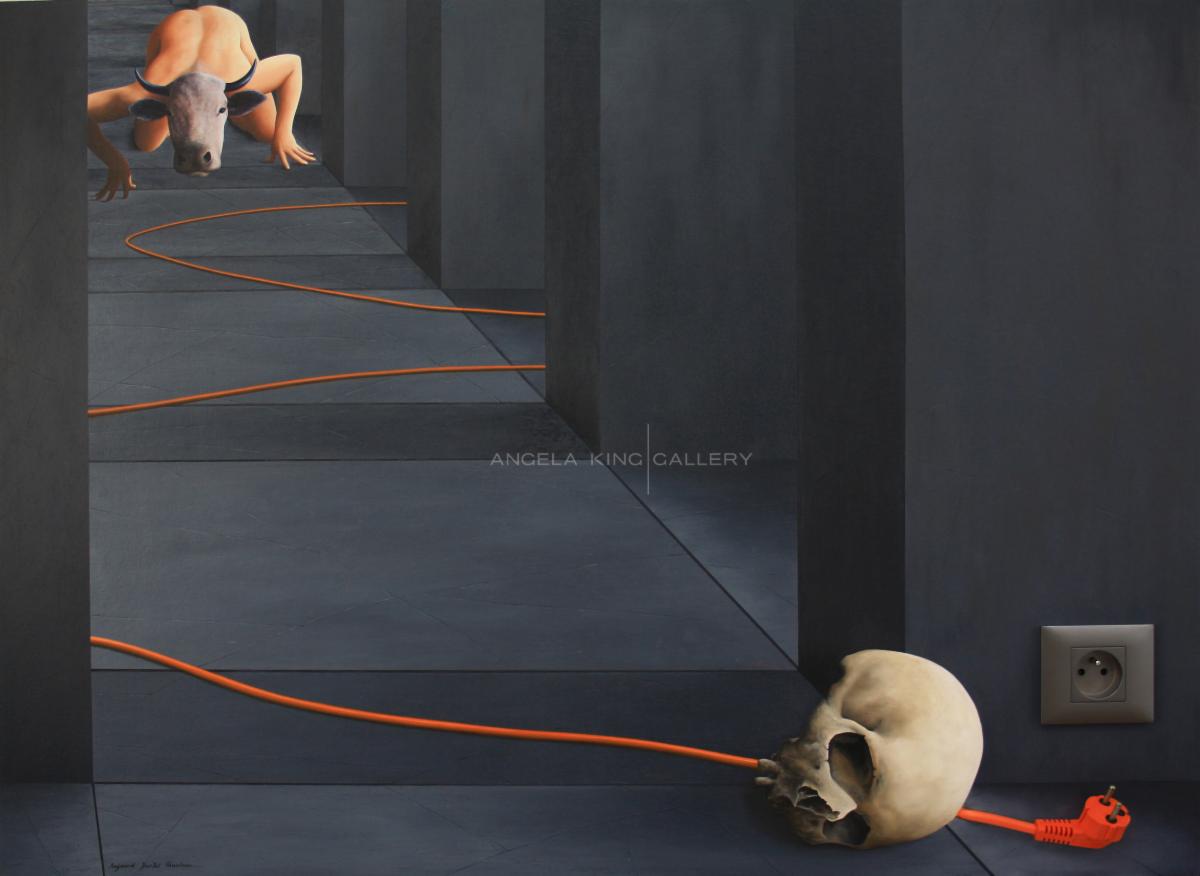
The Daughter of Ariadne "Le Fil D'Ariadne", 39.5"x41.5", oil/canvas |
|
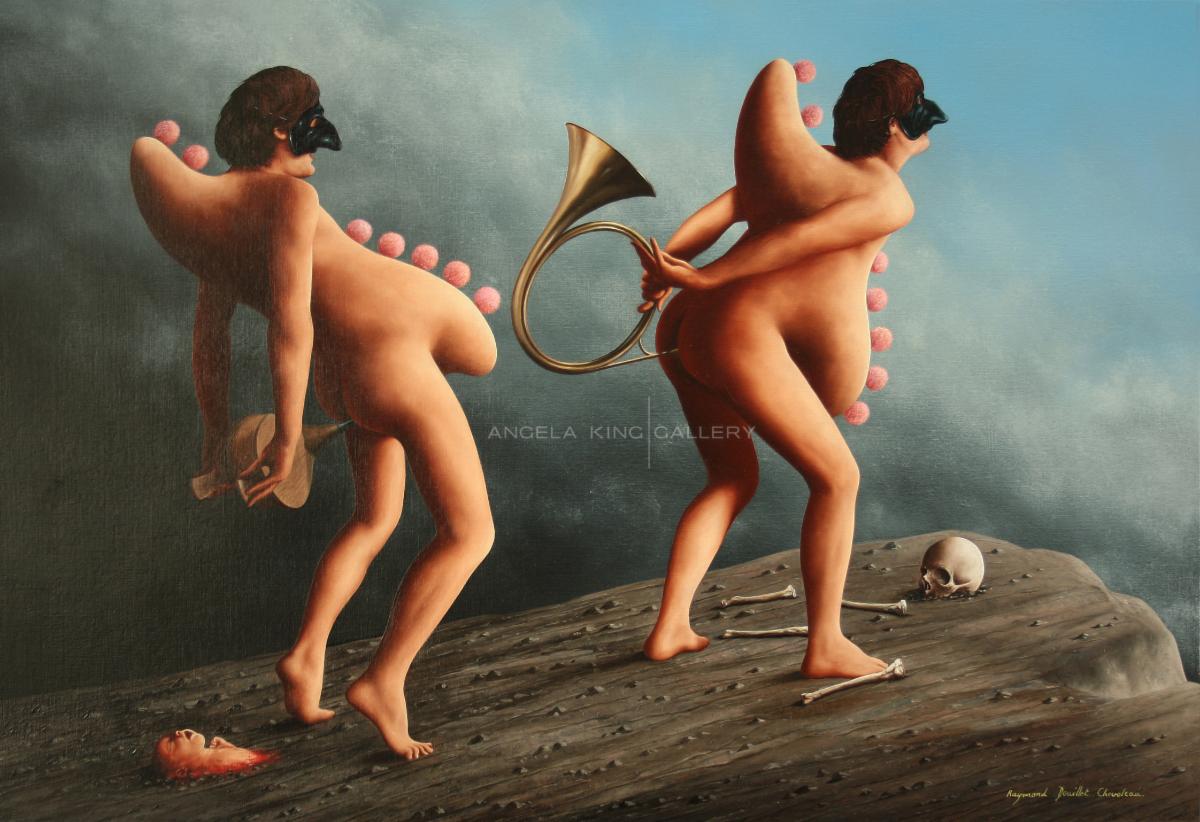
First Inspiration "Last Expiration of Polichinelle Première Inspiration, Dernière of Polichinelle",
21.5"x28", oil/canvas
|
|
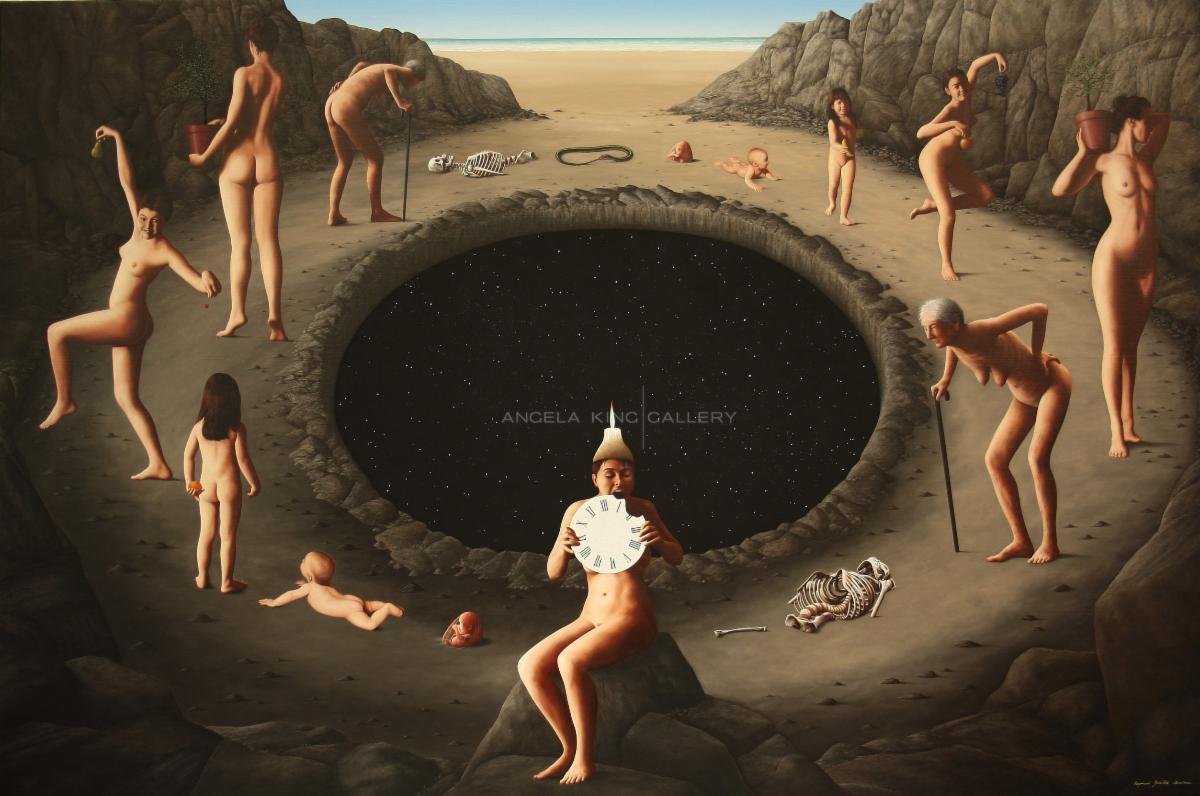
Douillet has given us no manifesto to help us categorize his work. He has joined no associations with like-minded artists in a common cause, and claimed no terminology to describe what he does as an artist. His one defining statement is that he was looking for himself in his work, and eventually found himself in his work. The salient fact is that Douillet’s life is his painting. In his view, his personal life is neither important nor interesting. Douillet’s firm position is that his paintings are as much of his life as the public needs to see. The paintings reveal the artist, of course. But they also reveal the person, if only indirectly. To paraphrase Walt Whitman in Leaves of Grass: who touches a Douillet painting touches a man. Douillet’s work reveals the core of his life, a life of observing, reading, thinking, and imagining, expressed in an obsession with painting: mindful, exquisitely crafted painting. Douillet’s art engages us in a conversation that challenges us to use our minds as well as our eyes, and rewards us with the pleasures of wonderment and understanding.
It is an art of thinking.
|
|
The Music of the Spheres "La Musique des Sphères", 54"x67" |
|
Douillet is not an artist who practices his craft for the moment. What keeps him standing at the easel, brush in hand, is his conviction that he still has work to do. His art is continually exploratory: it searches, it reveals, and it proposes through imagery from nature, esoterica, and philosophy. The techniques he developed reflect his desire to search and his awareness that the work that he is doing matters. Douillet’s painting gives viewers a timeless pictorial account of human striving for awareness and meaning. It is worthwhile to acknowledge that his use of centuries-old methods contribute to the quality and longevity of the physical painting, while allowing him to connect with his conscious and unconscious sources of inspiration. In past centuries, the traditional painting methods brought satisfaction and pride to collectors of royal rank, to prelates, and to wealthy merchants alike. Today, those techniques are rarely used by other artists, but Douillet has used, mastered, and improved them. Scores of modern collectors have been rewarded as a result. |
|
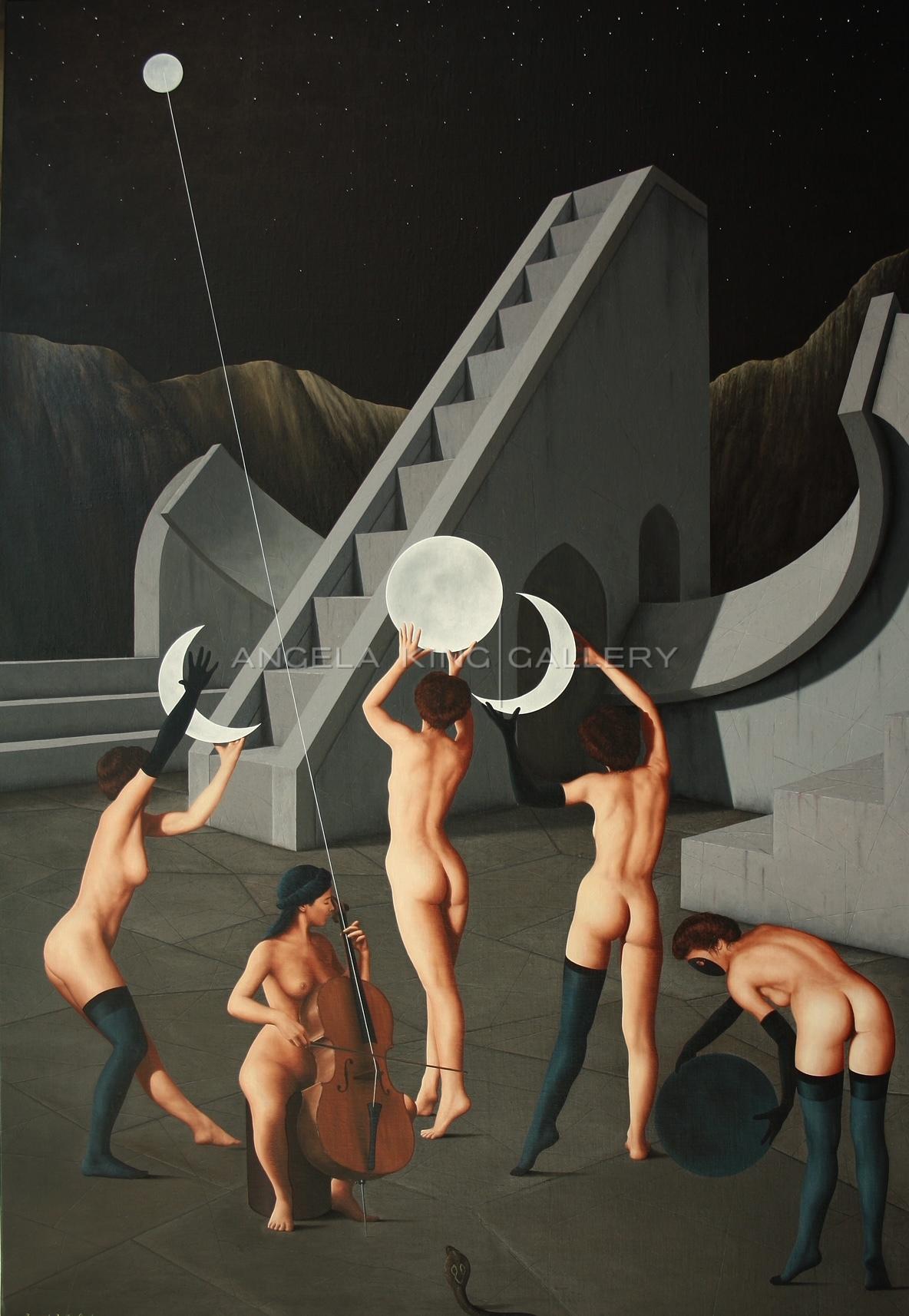
Nocturne "Nocturne (huile sur toile) ", 54"x37", oil/canvas |
|
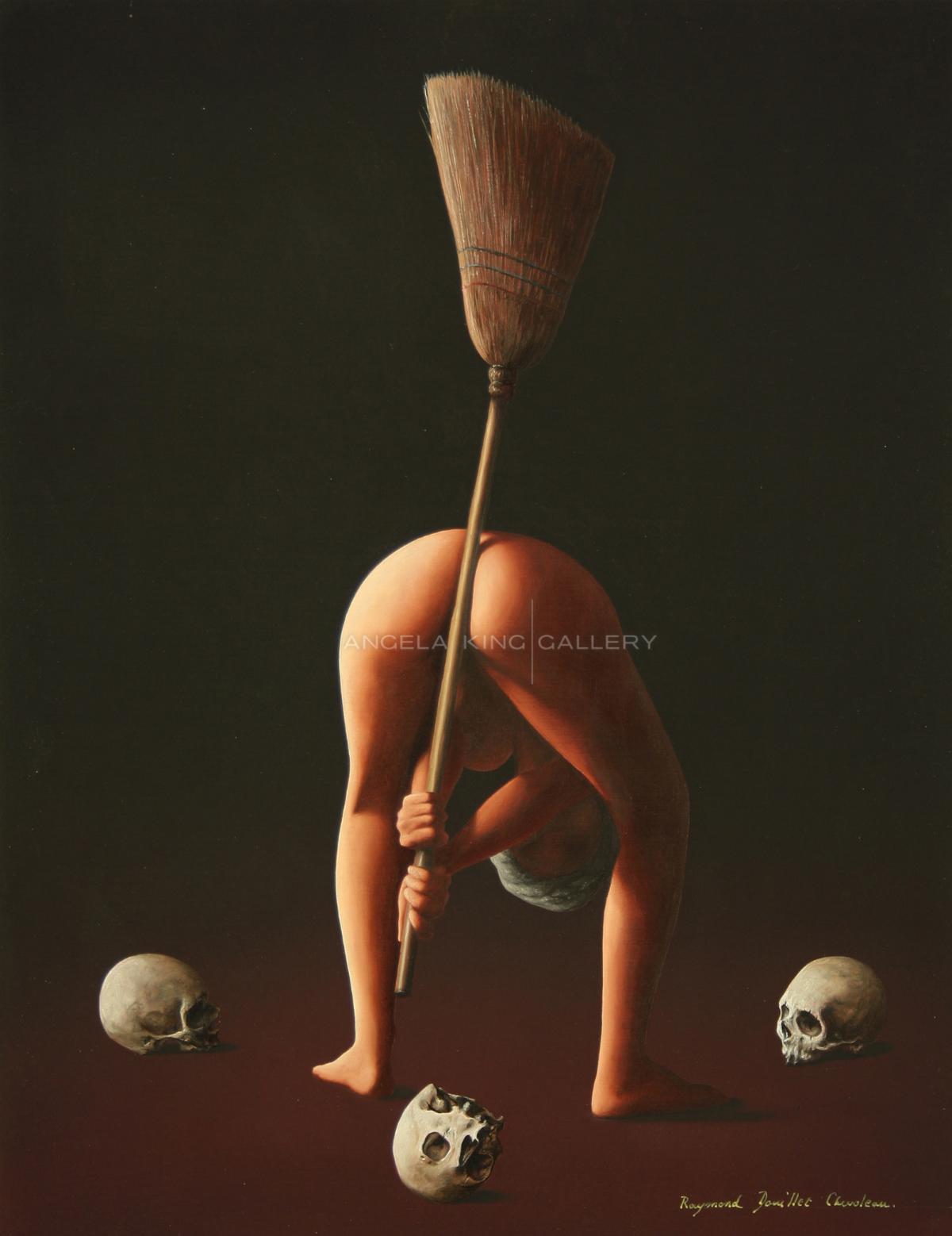
The Witch "La Sorcière",
22"x18", oil/canvas
|
|
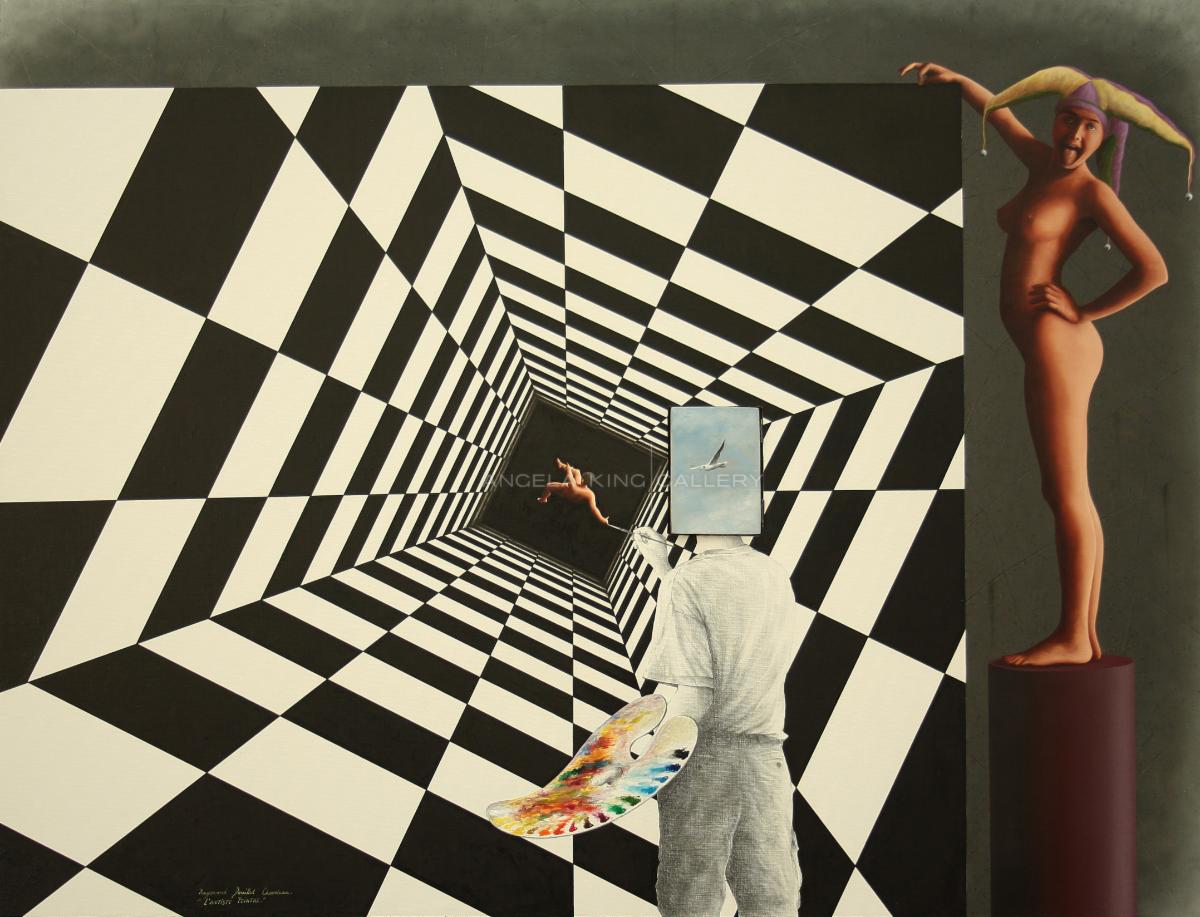
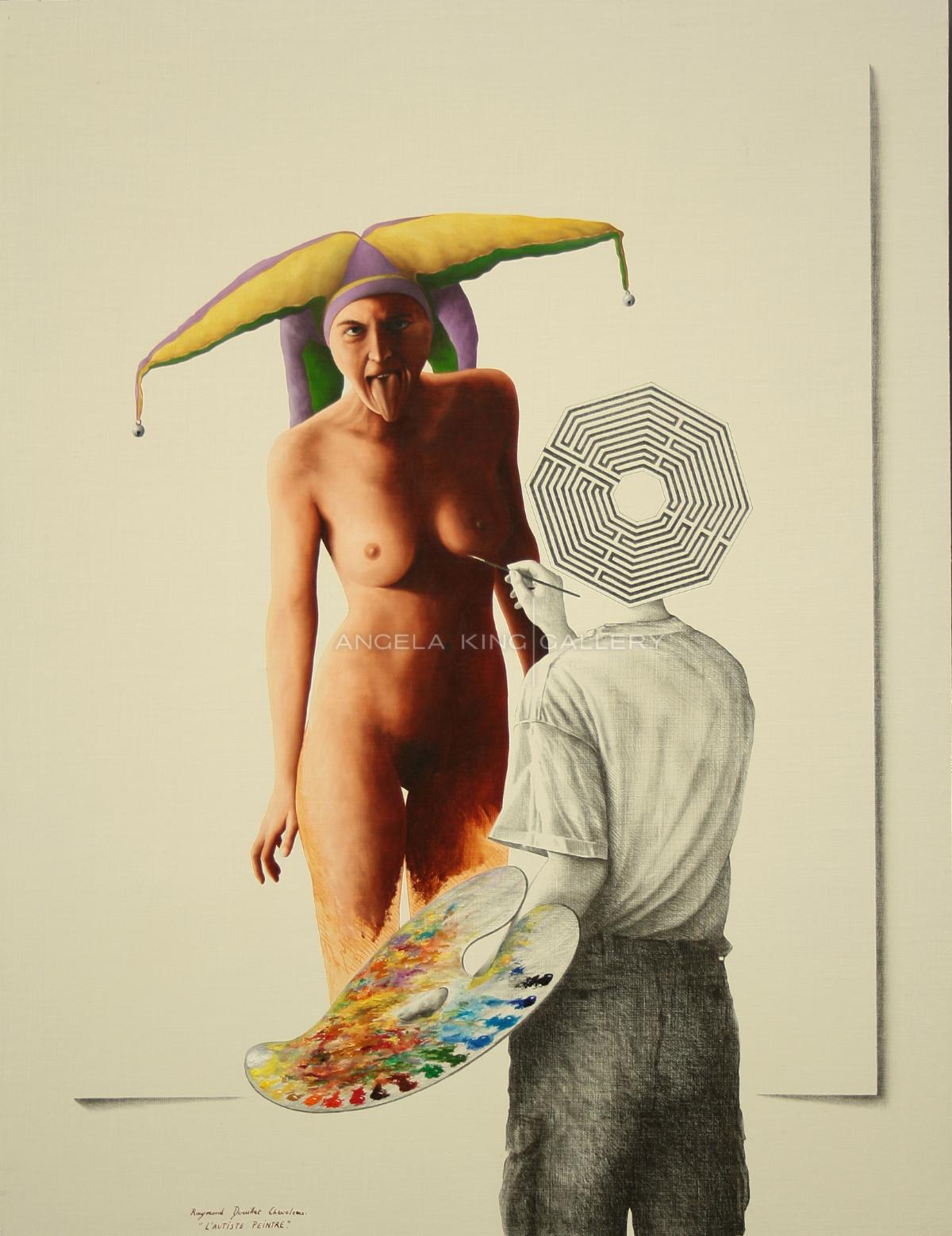
L'Autiste Peintre 1, 28"x36", oil/canvas |
|
L'Autiste Peintre, 28"x22", oil/canvas |
|
Some of Douillet’s paintings have three-dimensional elements: textures; hinged doors that open and latch closed; embedded objects such as time pieces and peephole viewers; attached items such as glass eyes, dice, and rocks; he has done a painting on a “found” toilet seat, L’Odeur de Sainteté (The smell of holiness). The preponderance of Douillet’s imagery, however, is painted; and not hyper-realistically, a kind of pretend sculpting, but painted to be perceived and understood as painting.
|
|
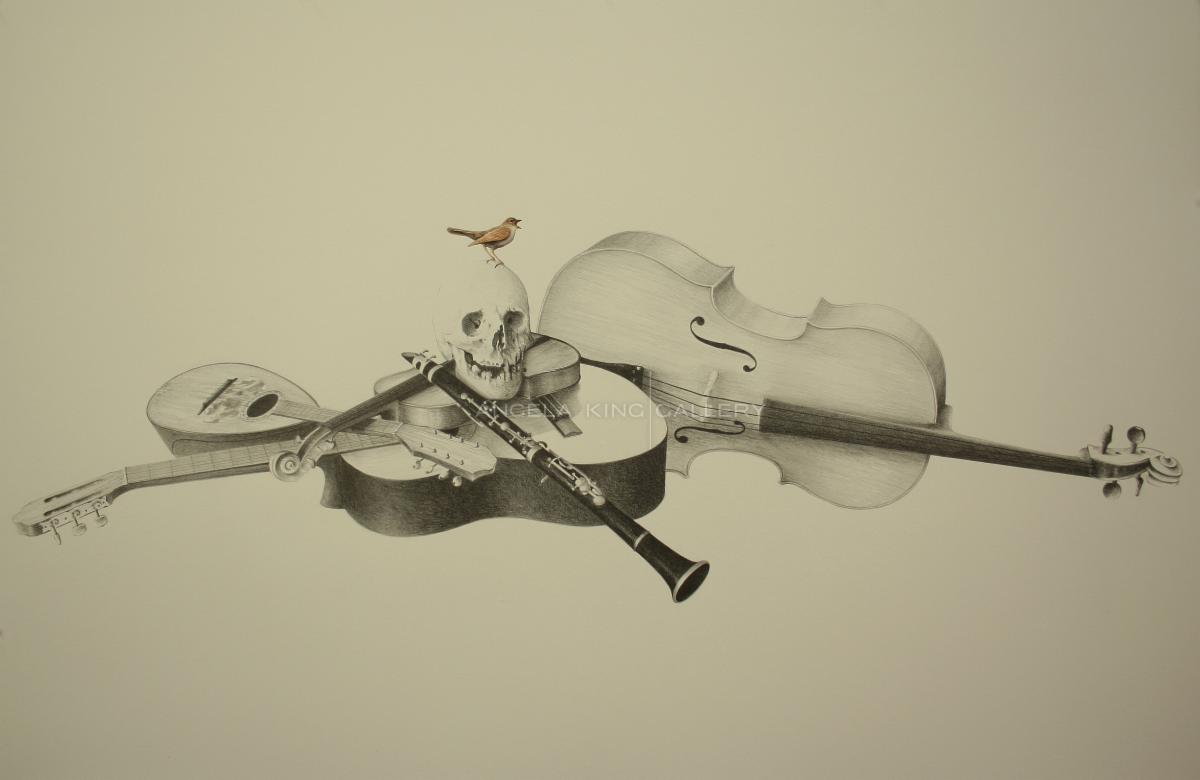
The Soul of the Musician "L'Ame du Musicien", 27.5"x41.7", pencil/oil:paper |
|
Excerpted from a review in Marseille’s daily newspaper, Le Provençal, on December 16, 1975.
“Douillet expresses his feelings without attenuating or moderating them. He can be erotic to pornography, mocking to irony, violent to ferocity. He strips the husk from our society without the slightest restraint. One may love or hate, but one cannot but recognize in this young painter very great quality; a sense of composition and balance, a constant attention to well-finished detail, which make him an artist of talent.”
|
|
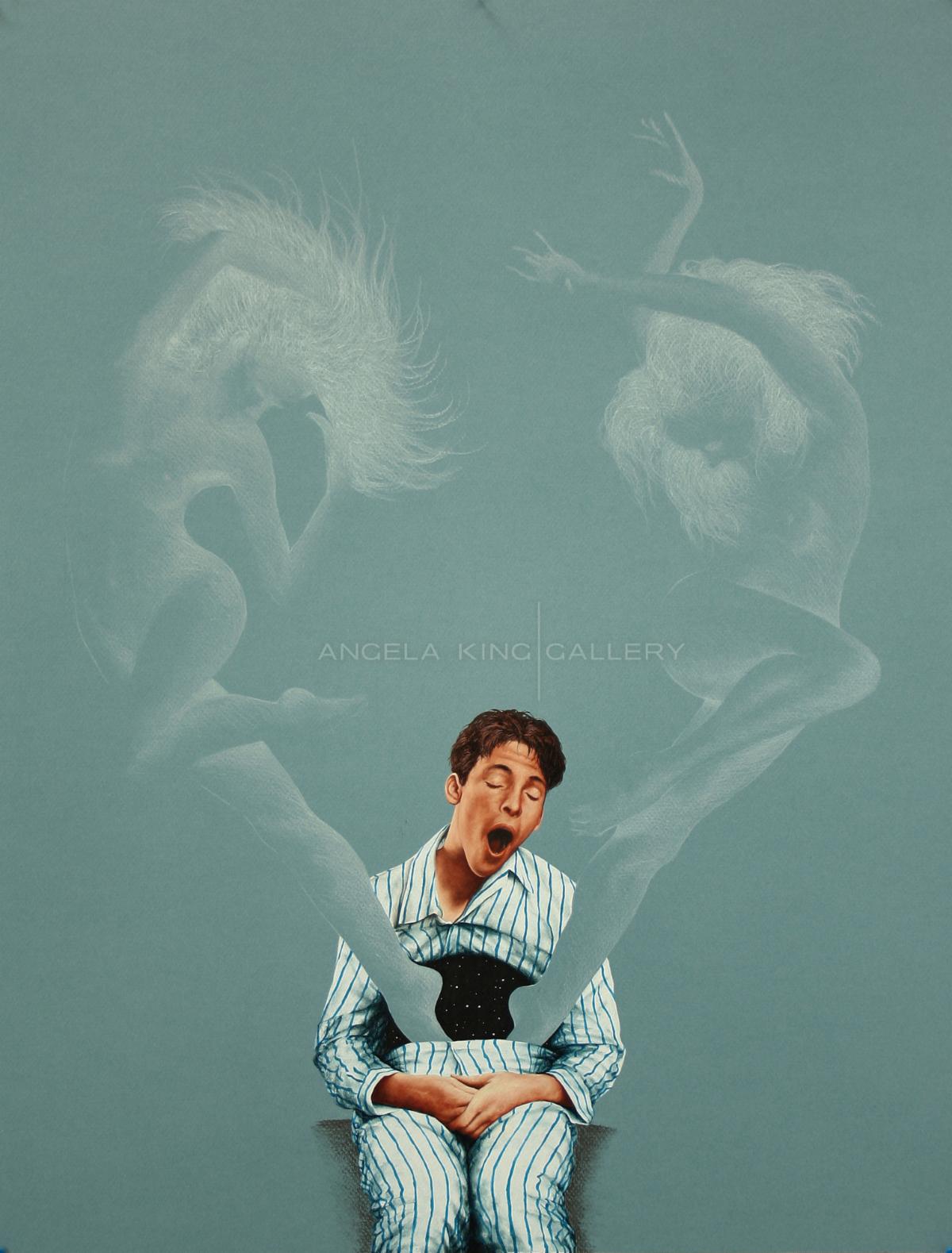
The Succubus "Les Succubes", 25.5"x19.7", pencil/oil: blue board |
|
He (Douillet) does not think much of a painter’s ability to talk about his paintings. He has always been happy to let others do the talking for him; he likes to quote Dali’s injunction, “Painter, paint.”
Two of Douillet’s favorite quotes are from Marcel Duchamp: “the artist who makes a work does not know what he is doing” and “it is the viewer who makes the painting”.
|
|
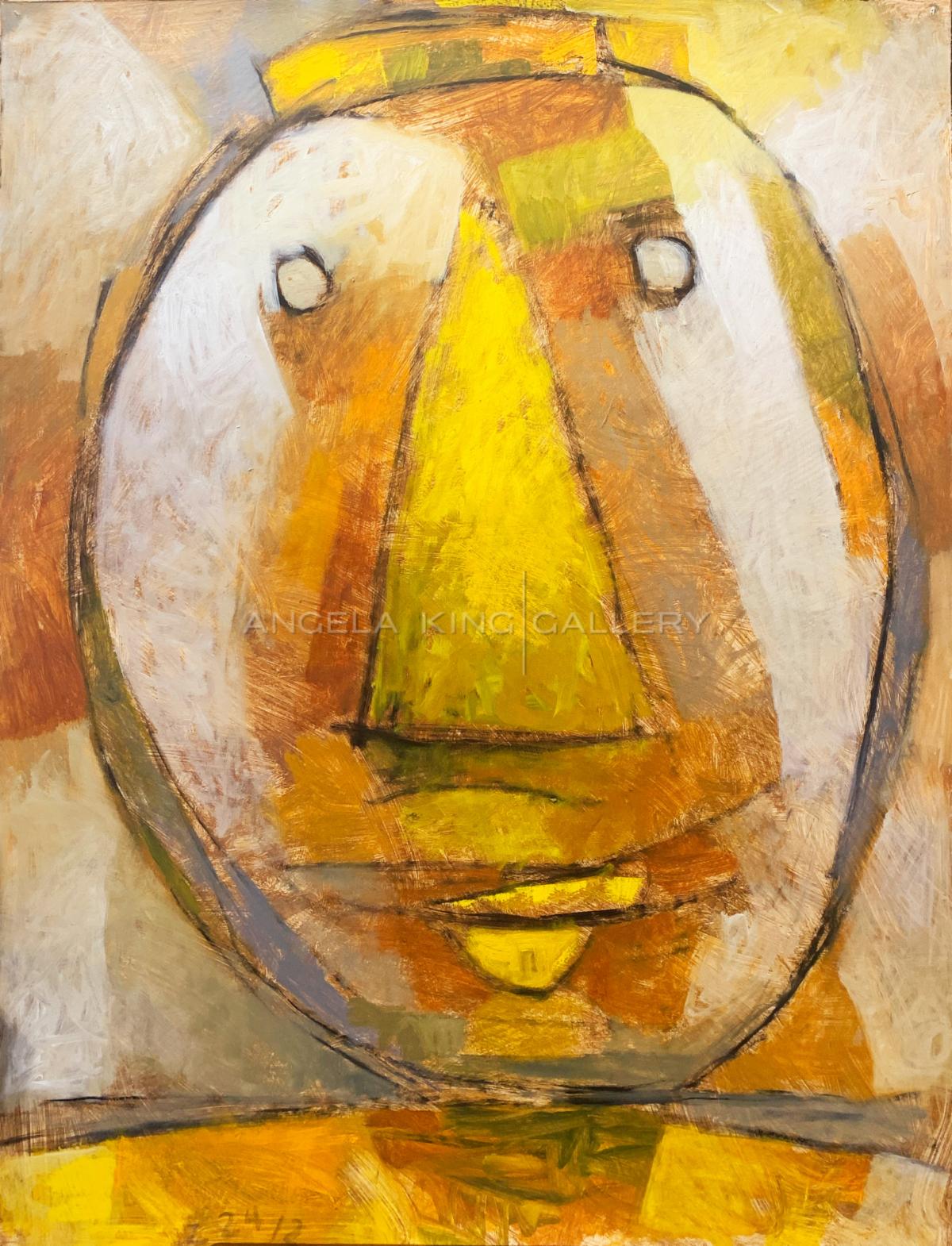
Thysell
Mino, 2.24.12, 35"x27", oil/paper
|
|
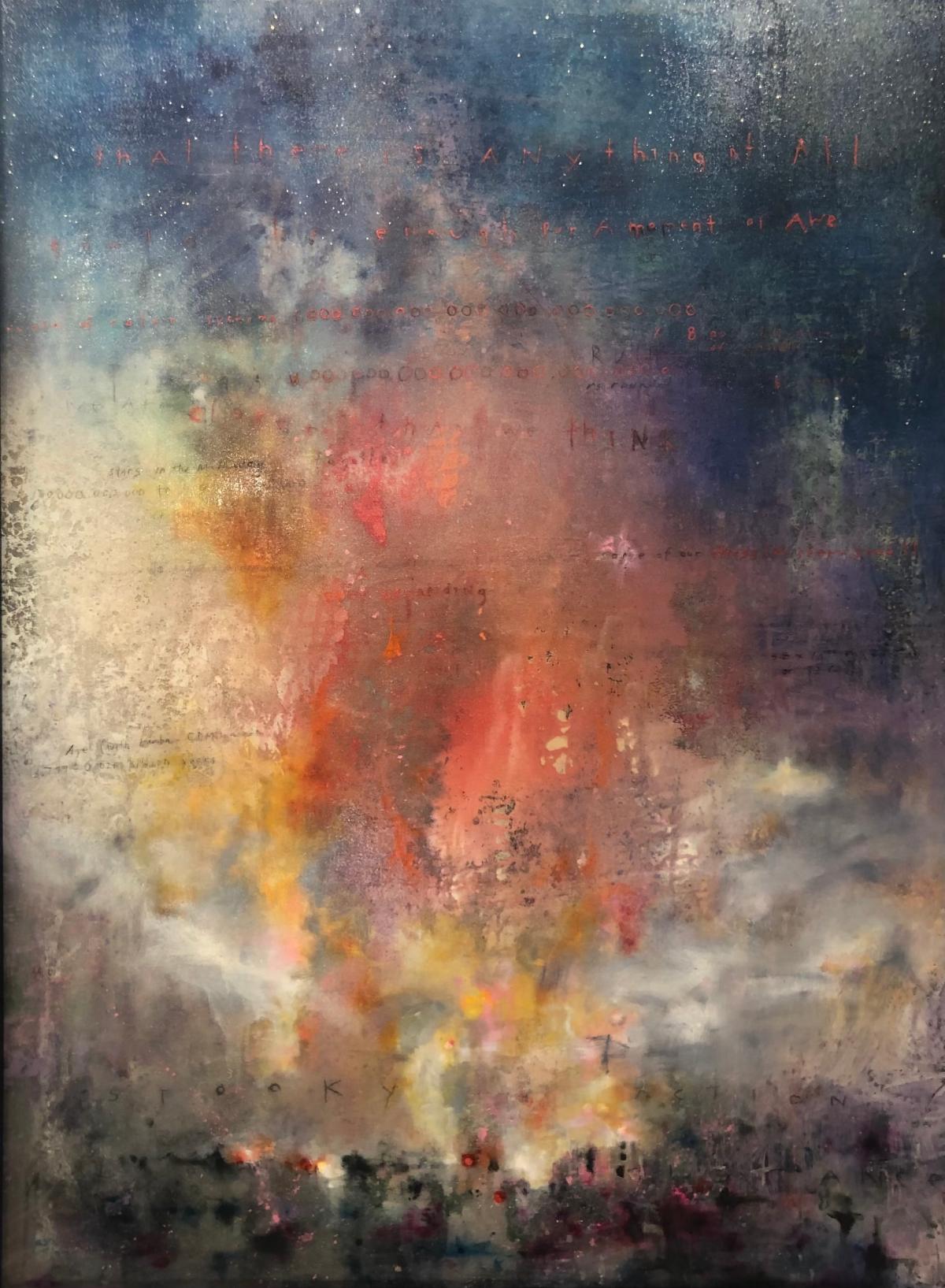
Savoie
That There is Anything at All, 62"x46", m/m fiberglass
|
|
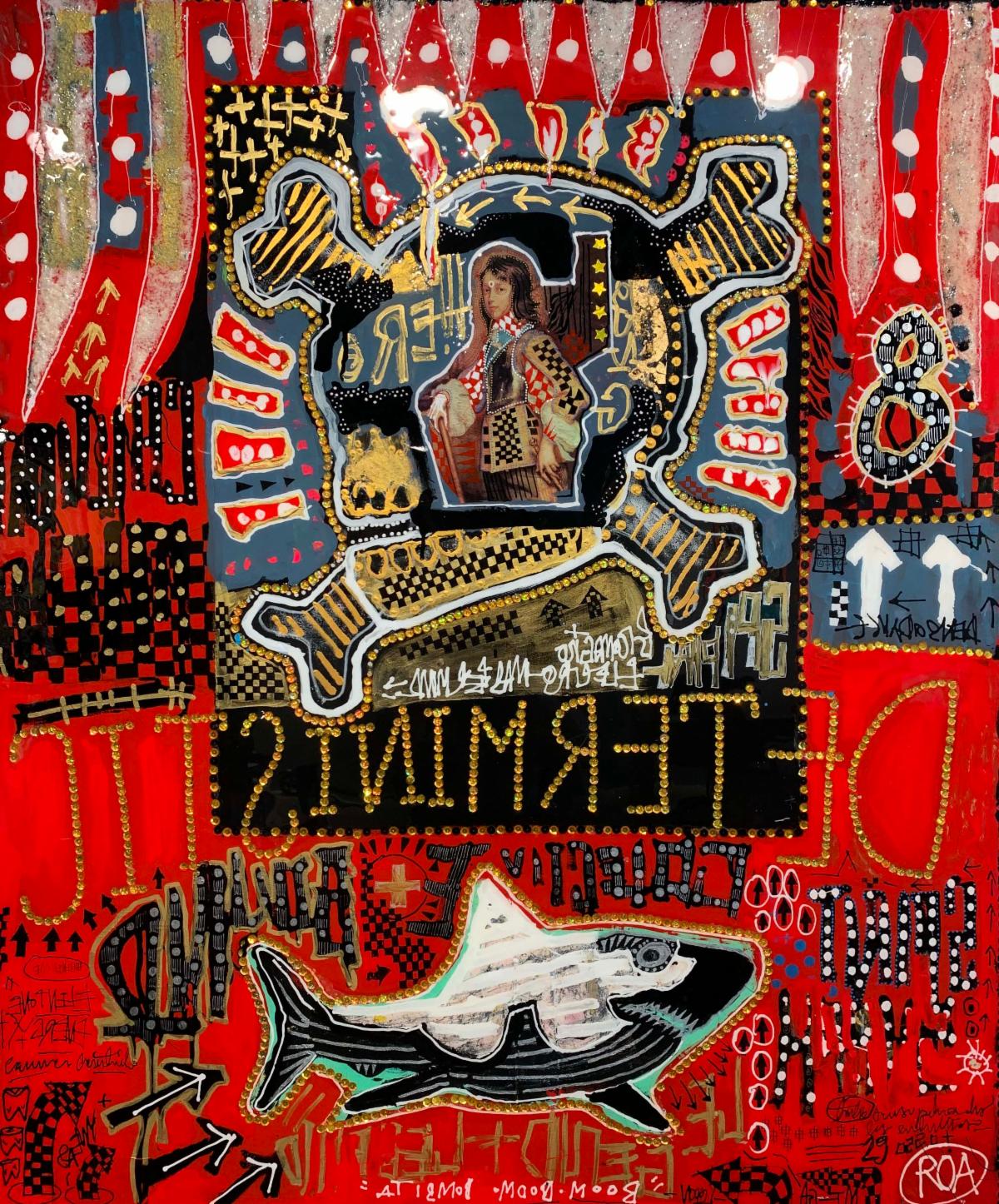
Roa
Deterministic, 47"x39"x3", m/m wood
|
|
|
|
Gallery Director
Gallery number: 504-524-8211
|
|
|
|
|
|
|
|