Dear Neighbors,


This week, Alaskans began receiving the 2022 Permanent Fund Dividend. The exact value of this year’s PFD check is $3,284. The official PFD amount is $2,622. The other $662 is an energy relief payment.


While the State of Alaska benefits from high oil prices through taxes and royalties, the people of Alaska suffer when energy prices go up. Some opponents have labeled the energy relief payment as a handout and advocated for the money to instead go to a government program or some nameless project. I disagree. Sharing some of our windfall from high oil prices directly with the people as we are preparing for an Alaskan winter is the right thing to do. 


Normally, PFDs go out in early October but this year direct deposit payments were made on Tuesday. Those receiving paper checks will begin receiving payments starting the week of October 3rd. The reason PFD checks are going out early is to get cash in the hands of the people of Alaska as soon as possible because of the high cost of food, energy, and other necessities.


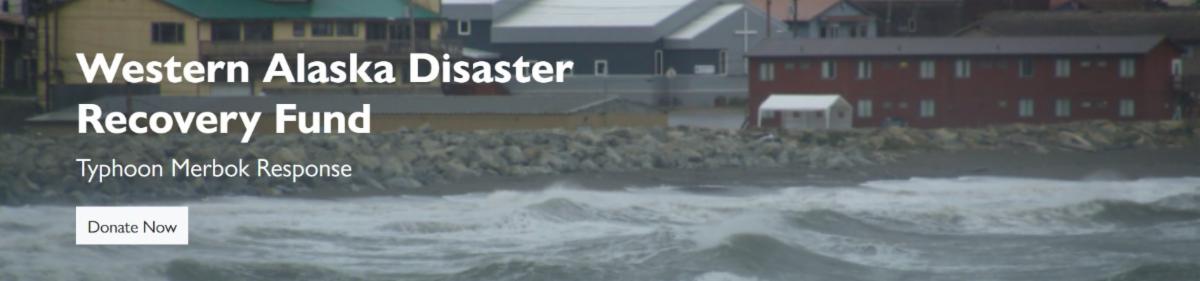
The early PFD payment comes just in time for many of our fellow Alaskans working to recover from the huge fall storm that hit western Alaska over the weekend. There are widespread reports of damage and a state disaster declaration has been issued.


Please consider a donation to help those affected by the storm. On Saturday, the Alaska Community Foundation set up the Western Alaska Disaster Recovery Fund, and the World Central Kitchen founded by Chef Jose Andres is delivering supplies to impacted communities. Additionally, the Red Cross has teams on the ground offering assistance in affected communities in western Alaska.  


I’m here for you. I welcome your input and ideas. Call my office at (907) 465-2095 or send an email to Rep.Chris.Tuck@akleg.gov.


Warm regards,

Click here to donate to the Western Alaska Recovery Fund

Wear a Helmet to Prevent Brain Injuries

I’m a strong advocate for wearing a helmet when biking, snowmachining, or riding an ATV. The reason is simple. Helmets prevent brain injuries. 


The Brain Injury Association of America reports that nearly 75% of the 2.8 million traumatic brain injuries that occur each year in the U.S. are concussions. 


For several years, I’ve been working with safety advocates across the state to pass yearly designations proclaiming March as Brain Injury Awareness Month in Alaska. I also proudly sponsored legislation to make the designation permanent and I’m confident that legislation will be taken up by one of my colleagues in the Alaska State Legislature next year since I’m not running for election this year. 


As summer turns into fall, and with winter right around the corner, it’s my hope that you remember your helmet when biking, snowmachining, or riding an ATV. Without a helmet, you are at a much higher risk of a traumatic brain injury if you fall or there's an accident. 


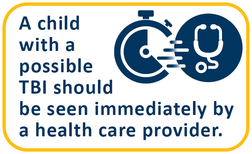
Recently, the Alaska Injury Prevention Program launched a new campaign to prevent brain injuries. The “Defend Your Brain” campaign is designed to both prevent brain injuries and help people recognize them as early as possible. That last part is vitally important because the research clearly shows that the sooner a brain injury is diagnosed and treated the better the outcome. Below you will find a wealth of information about the need to wear a helmet and the symptoms of a traumatic brain injury. 


When you hit the trails this winter on your snowmachine or when you take the ATV out for a ride along the beach, please be careful and remember to wear your helmet. 


Wear a proper-fitting helmet for all riding activities, including when riding:


  • Bicycles, scooters, or skateboards
  • ATVs
  • Snowmachines
  • Horses


Wear a helmet when playing sports like:


  • Ice hockey
  • Football
  • Snowboarding
  • Downhill skiing
  • Ice skating
  • Sledding
Download the Traumatic Brain Injury Fact Sheet

“As a practicing emergency physician, I see many people come to the emergency room with signs and symptoms of traumatic brain injuries, like persistent headaches, nausea, struggling in school, or acting like someone else. Our brain controls everything, like our emotions and ability to think. But once it’s hurt, we don’t have good ways to fix it. The brain takes a long time to heal, which is why recognizing signs and symptoms and following up with a health care provider is important.” - Dr. Anne Zink, Chief Medical Officer for the State of Alaska

Navigate the Medicare Maze

Alaska's Medicare Information Office holds regularly scheduled webinars to help Alaskans with their Medicare coverage.


The next webinar will be held on September 28.


  • Date: Wednesday, September 28
  • Time: 5:30 p.m. - 7:00 p.m.


For more information, contact the Medicare Information Office at 1-800-478-6065 or (907) 269-3680.


Email: hss.medicare@alaska.gov

Click Here to Register for the Webinar

Rep. Chris Tuck - A Career in Photos - Vol. 4

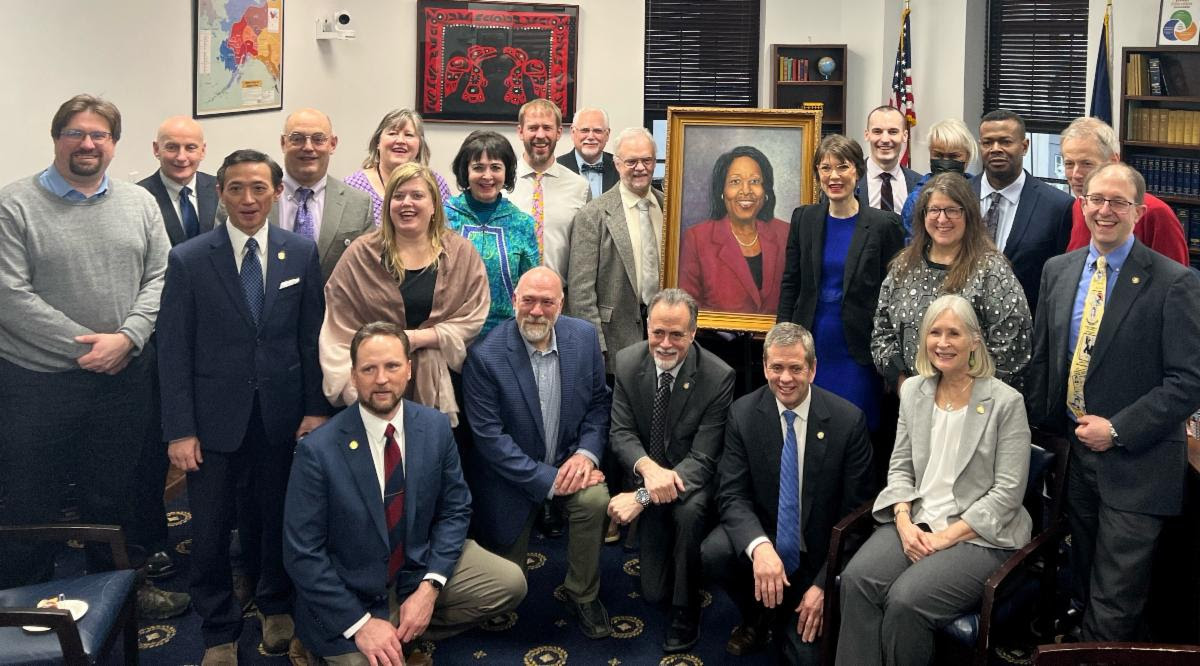
Lawmakers pose for a group photo during a ceremony unveiling a portrait of the late Sen. Bettye Davis on April 8, 2022. 

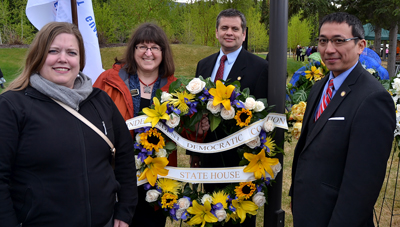
Reps. Tarr, Drummond, Tuck, and Kawasaki at the 2015 Memorial Day ceremony at Joint Base Elmendorf-Richardson. 

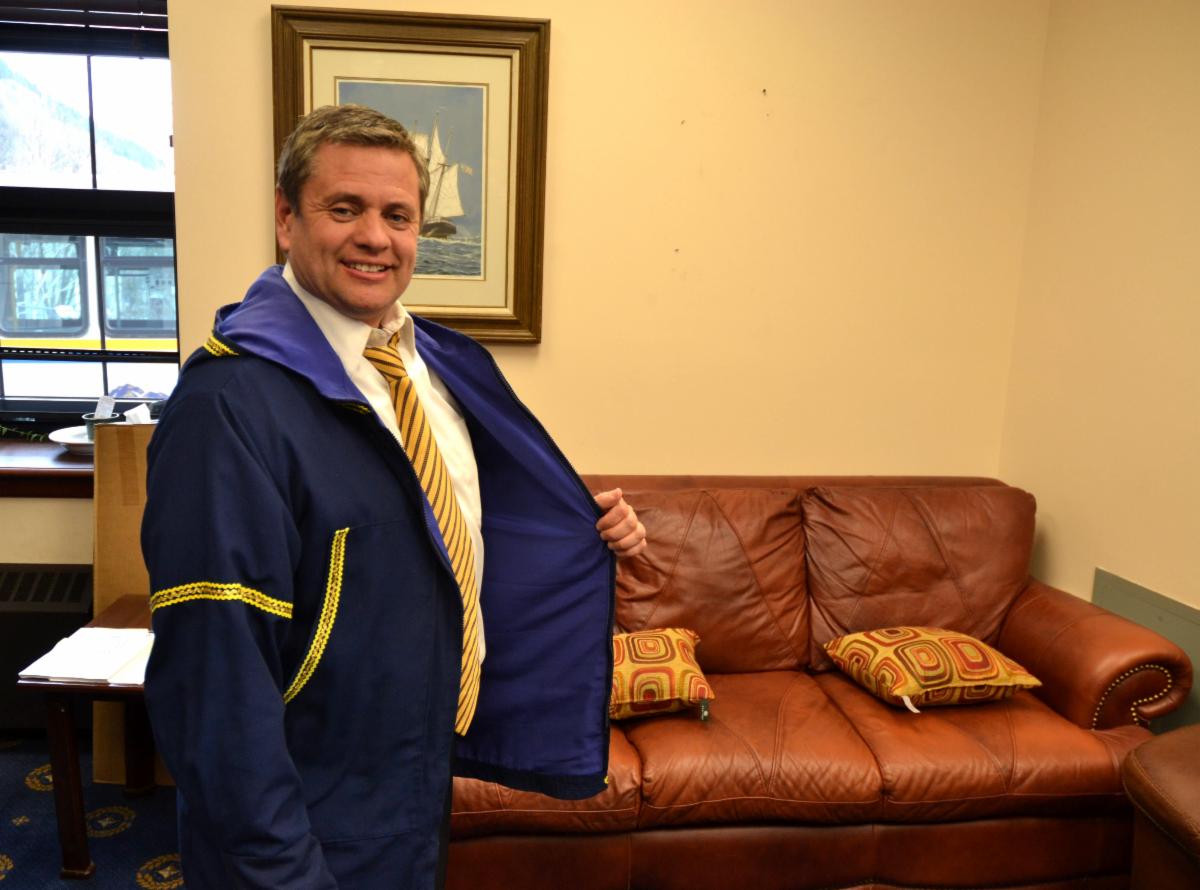
Rep. Tuck showing off his custom-made kuspuk featuring the colors of the Alaska flag.

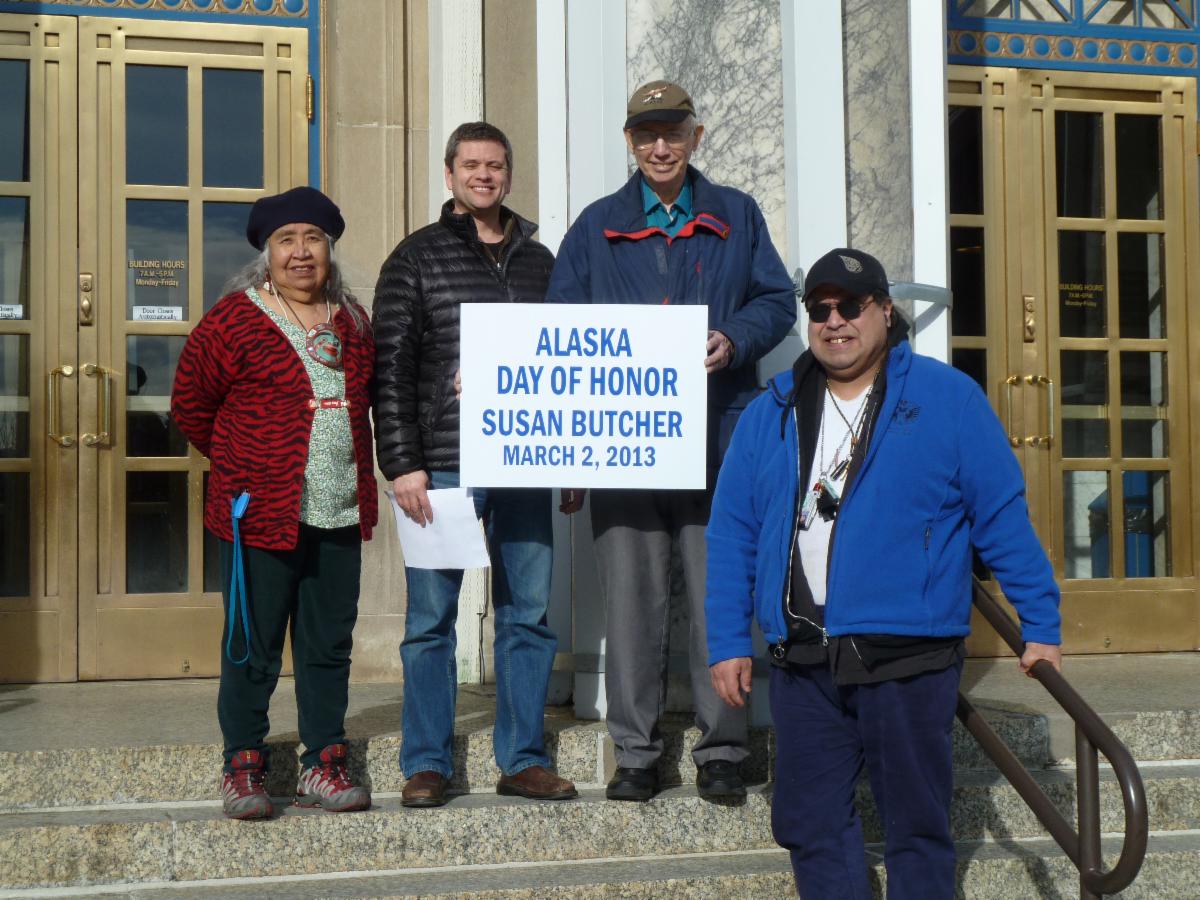
Rep. Tuck photographed on the Capitol steps during the 2013 Alaska Day of Honor for Iditarod champion Susan Butcher. 

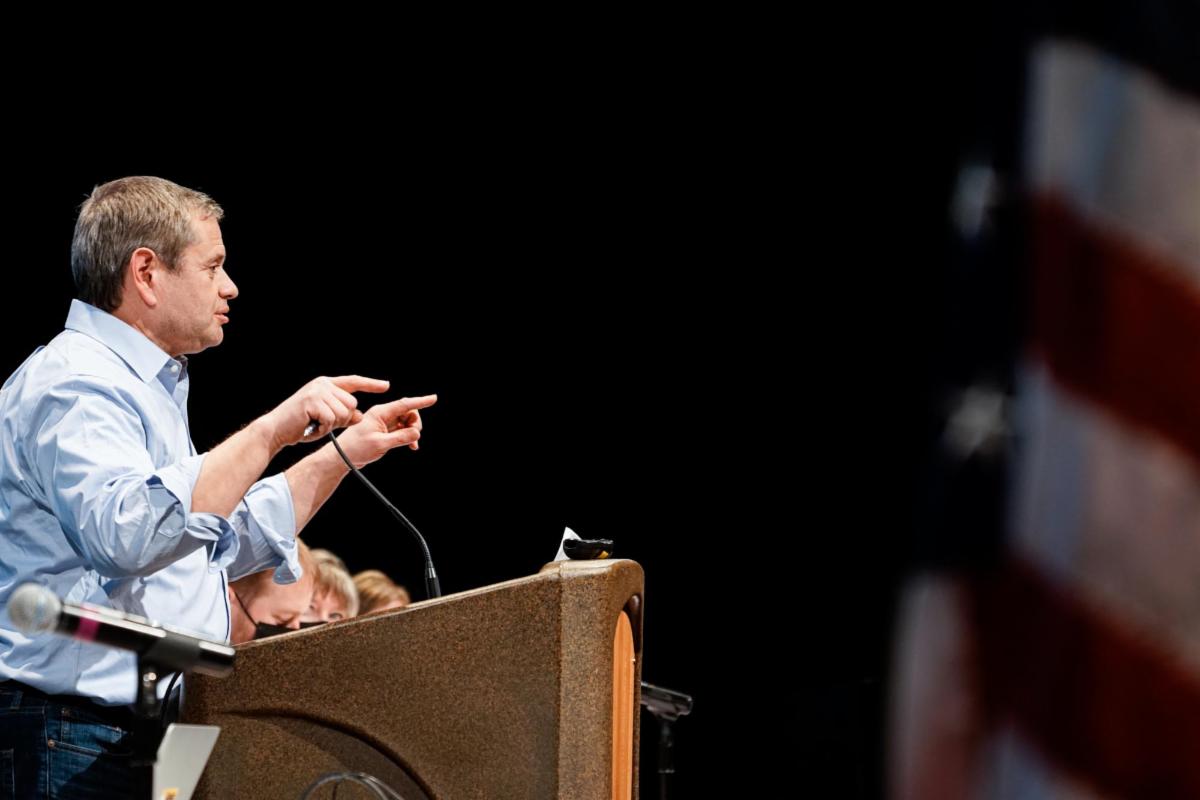
Rep. Tuck speaking with labor leaders gathered at Centennial Hall in Juneau on February 1, 2022. 

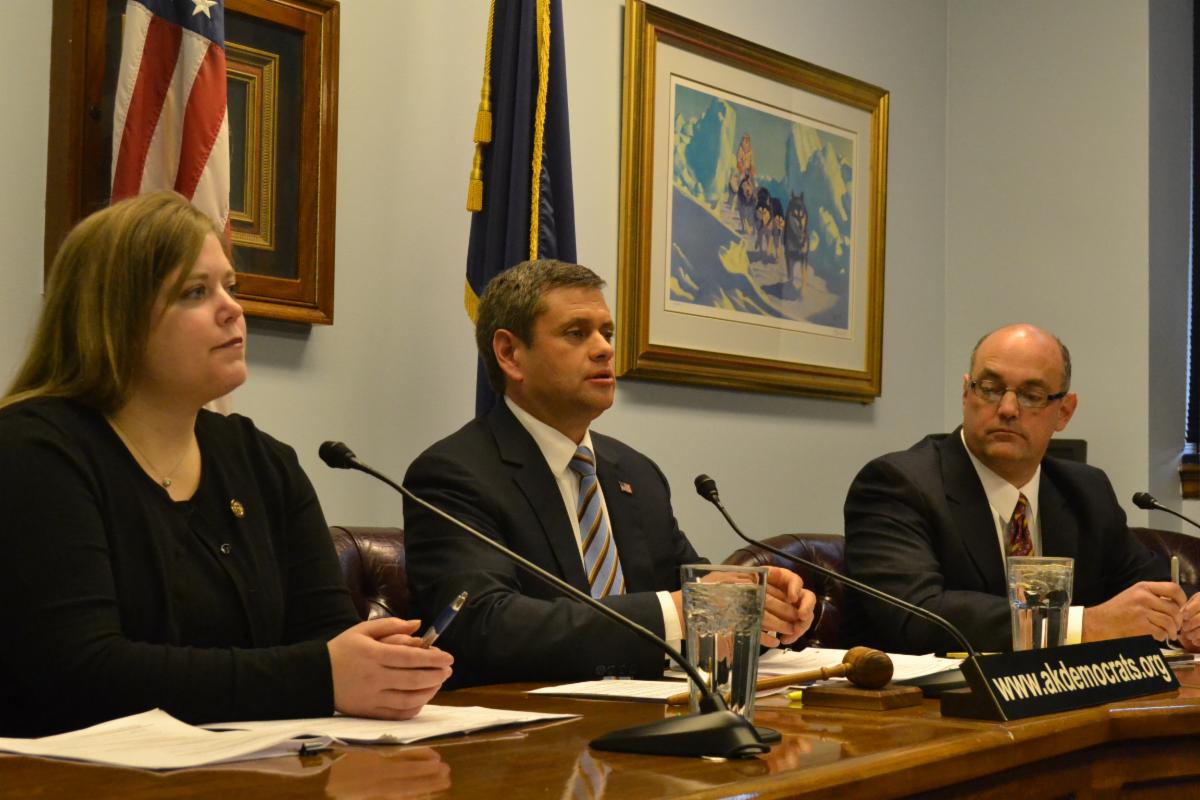
Rep. Tuck is joined by Rep. Geran Tarr (D-Anchorage) and Rep. Andy Josephson (D-Anchorage) for a press availability on February 11, 2014. 

LinkedIn Share This Email
Facebook  Twitter