|
COSTA VIVIENTE NEWSLETTER
| | | | | |
Updates from the Gulf South:
Starting a New Era Together
| |
Welcome to the 2024 edition of our Costa Viviente Newsletter—where we’re excited to share highlights from our work and let you know how your support has shaped our journey.
The world has changed in so many ways, and through it all, your commitment to our mission has remained a source of strength—here’s what we’ve been up to.
| | | |
Another Gulf is Possible Collaborative 2024 | | | |
|
|
Repeated disasters in the region have had a lasting impact on each of our communities and each of us
We stand committed to our mission and our regional collaborative work building up the skills and talents of ourselves and our communities.
| | | |
|
|
Healing and building relationships within our movement are essential for true transformation. With art and media, we inspire each other and catalyze change that uplifts us all.
Together, we will revitalize practices to create a just society, breaking down barriers and paving the way to a brighter future.
| | |
|
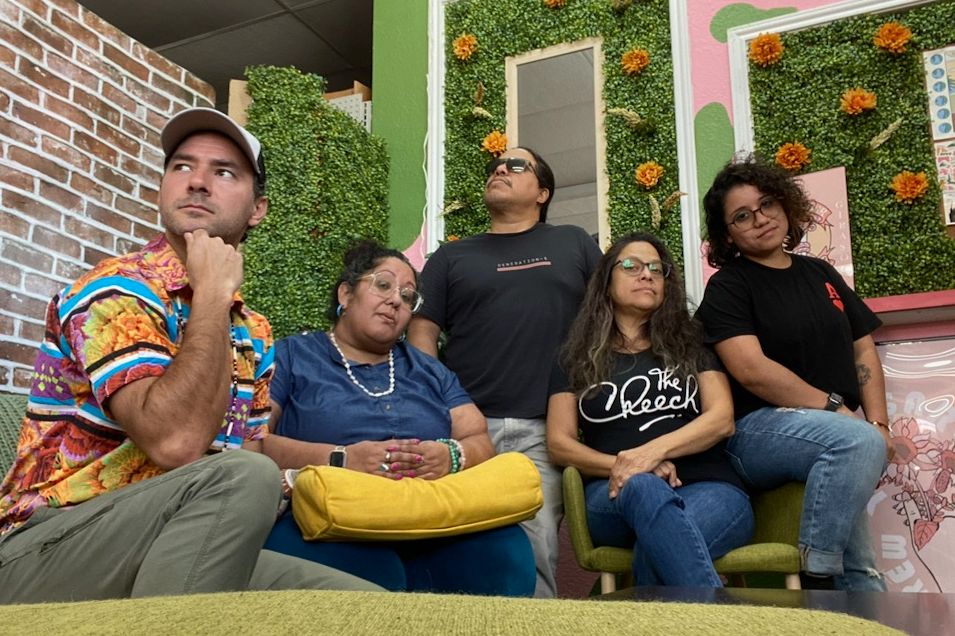
AGIP Collaborative Members
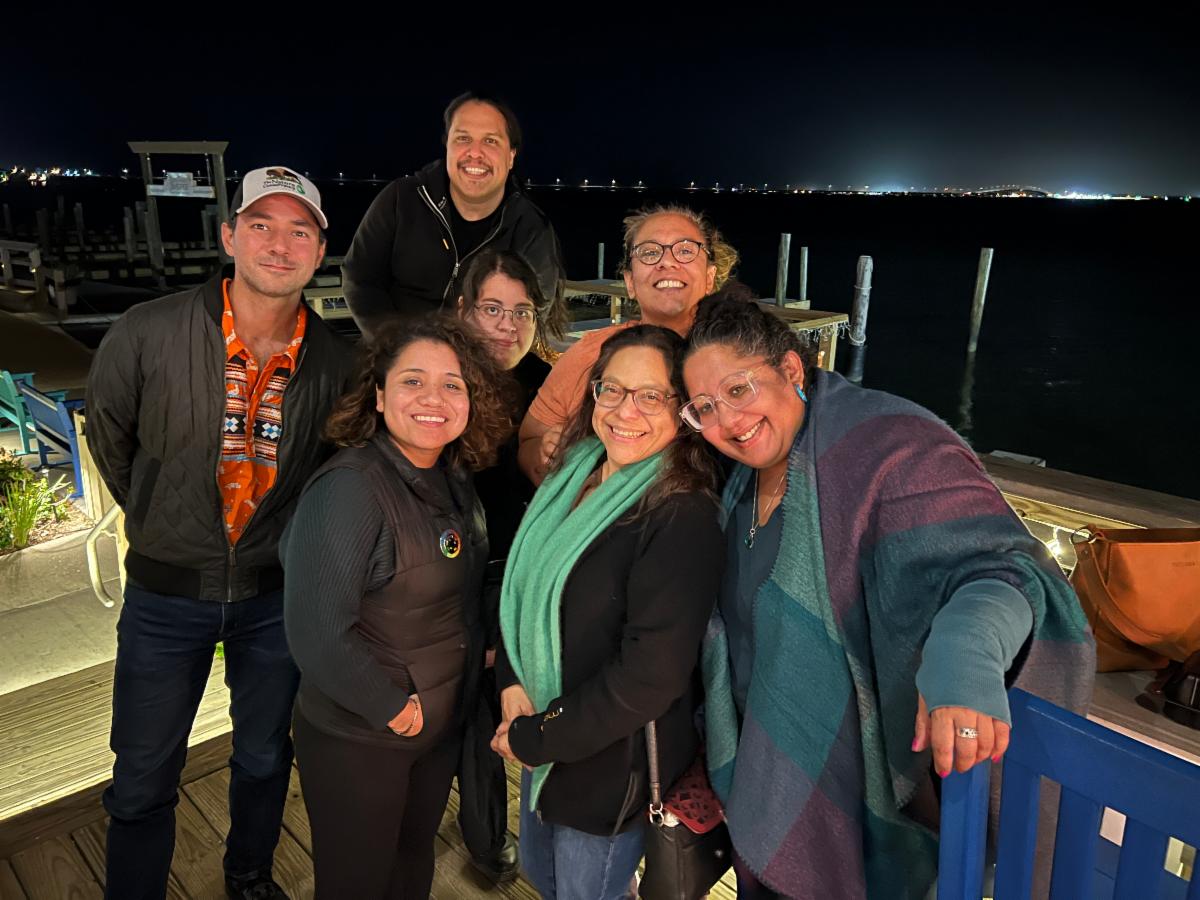
Yudith Azareth, Jayeesha Dutta, Bekah Hinojosa, Liana Lopez, Bryan Parras, Patti Rubio, Ramsey Sprague, and Anne White Hat
| | | | | |
COSTA VIVIENTE
Our title for this newsletter comes from the concept of Living Shorelines.We hope to embody the concept of living shorelines in our work and in our relationship with the environment. This eco-friendly solution not only protects shorelines but also nurtures diverse ecosystems, finding a harmonious balance between environmental conservation and shoreline resilience.
| | | | |
| |
|
2024 has been the hardest year of my life, a microcosm mirroring trauma all around the world. For one thing, we lost Teala, my cat of 19+ years and Bubbles, my brother’s dog of 16+ years just in the last month - and our fur fam is forever fam.
Moreover, my mother had a major stroke and severe brain bleed the night of April 30/morning of May 1. While she physically survived and despite battling Parkinson’s since 2007, her mind was taken from us in a way in which nothing will ever be the same. As one of millions of families, her health insurance provider (aetna, for the record) - despite being a Medicare plan - has denied home health services including the physical, occupational and speech therapy she desperately needs. Not to mention, suddenly thrusting me into a full time caregiver role.
I am grateful the Windcall Institute, the 35 year old healing justice organization where I have been serving as Program Director since 2022, extended its caretaking leave policy beyond parental leave. I was able to take 3 months paid leave to adjust to the new reality this summer. However, since returning to work in September, I rarely find time to catch my breath. My next advocacy and activism efforts are poised to be towards the healthcare industry, recognizing that they get away with murder (literally) because nobody ever holds them accountable. (Sounds familiar? Hello, oil & gas industry, right?)
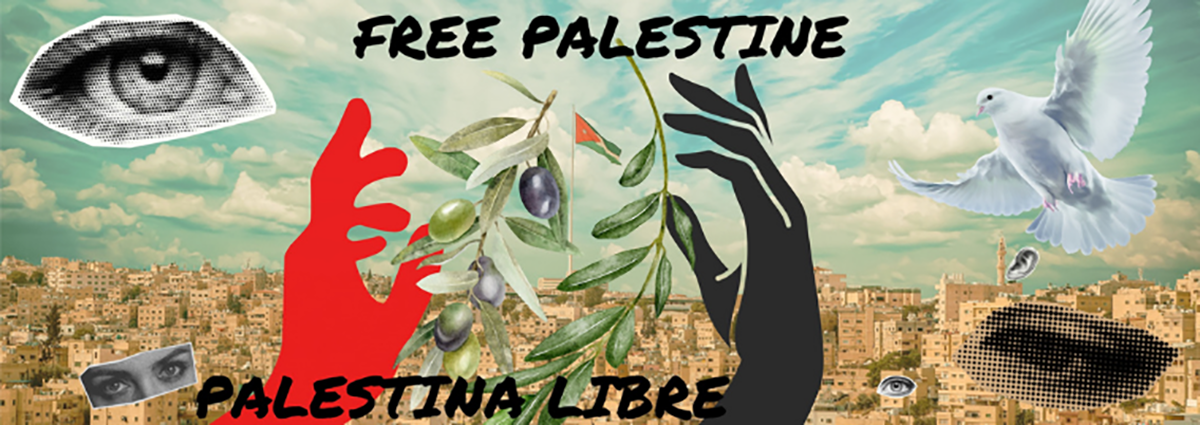
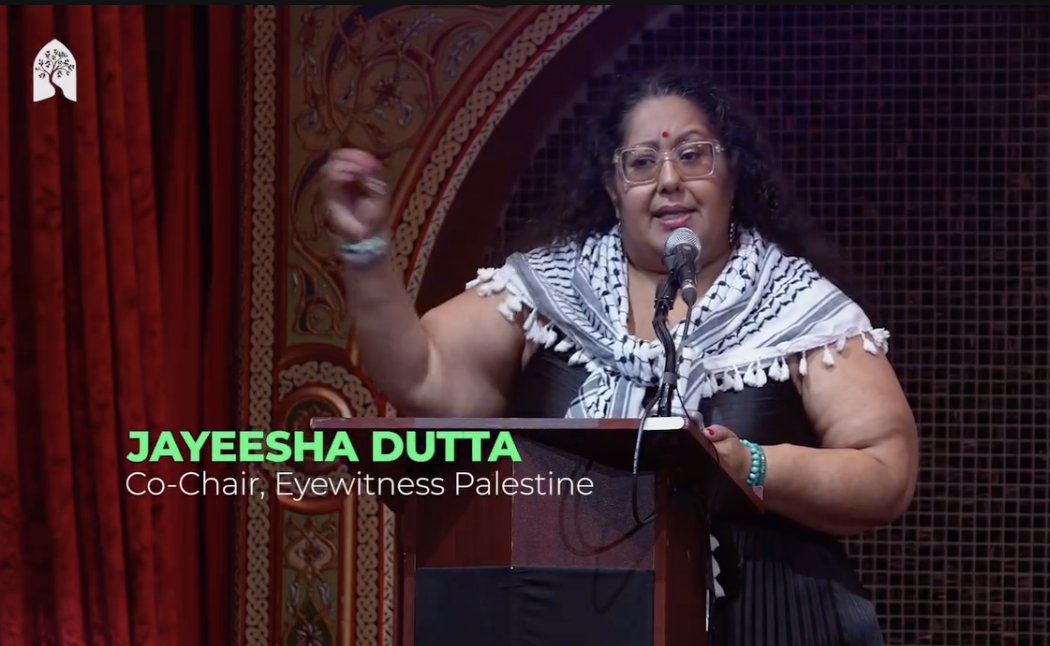
I’ve also served as co-chair of Eyewitness Palestine’s (EP) Board of Directors since February 2023. I’m extraordinarily proud of the tremendous virtual delegation and series of webinars EP produces educating the public to get beyond the headlines and stereotypes to really understand the true realities of life in Palestine. EP also sent a medical delegation to Gaza this spring. I will never forget the voice notes from Nancy (EP’s amazing Executive Director) with the piercing whistle of rockets in the background.
As I write this, EP’s “Black In The Holy Land” delegation in the West Bank is wrapping - the first since the most recent war started. In fact, on October 6, 2023, Another Gulf Is Possible Collaborative members and allies had just completed our first orientation for a delegation we were planning. Unfortunately, instead of going last December, it was put on hold indefinitely. One of my biggest wishes in 2025 is to see this mutual aid / cultural organizing delegation finally come to fruition.
My personal understanding of justice changed forever on EP’s “Community Arts as Resistance” delegation to Palestine in 2019. I’ve dreamed of this act of solidarity for our Collaborative ever since, as I deeply believe the liberation of Palestine is entwined with us all. From the river to the sea, Palestine WILL be free - and it our obligation to show up however we can to make it so. Free, Free Palestine.
| | | | |
South Texas Environmental Justice Network
by Bekah Hinojosa
| |
|
The South Texas Environmental Justice Network (STEJN) was established at the beginning of 2020 including various organizations, campaigns, individuals, and the Carrizo Comecrudo Tribe of Texas. The STEJN was co-founded by two AGIP members including myself and Patricia Rubio. Together, along with other co-founders Christopher Basaldú and Josette Angelique Hinojosa, STEJN has been a force to reckon with in South Texas, taking on some of the biggest polluters and winning campaigns.
STEJN mission is to put an end to the environmental, social, and economic injustices in deep South Texas. The network plans to achieve this by building an active community of Rio Grande Valley advocates and encouraging historically marginalized voices to speak up and be heard. The do this with grassroots organizing, education, workshops, participatory campaigns and direct support for those impacted by disaster.
STEJN has already had several wins this past year and continues with its advocacy into the new year.
South Texas
Just Recovery Workshop
Climate Change has spurred disaster season to be year-round, not just hurricane season. STEJN found a need for their Just-Recovery Kits through their community organizing efforts in the county’s Colonias and through disaster relief workshops aimed at Colonia families.
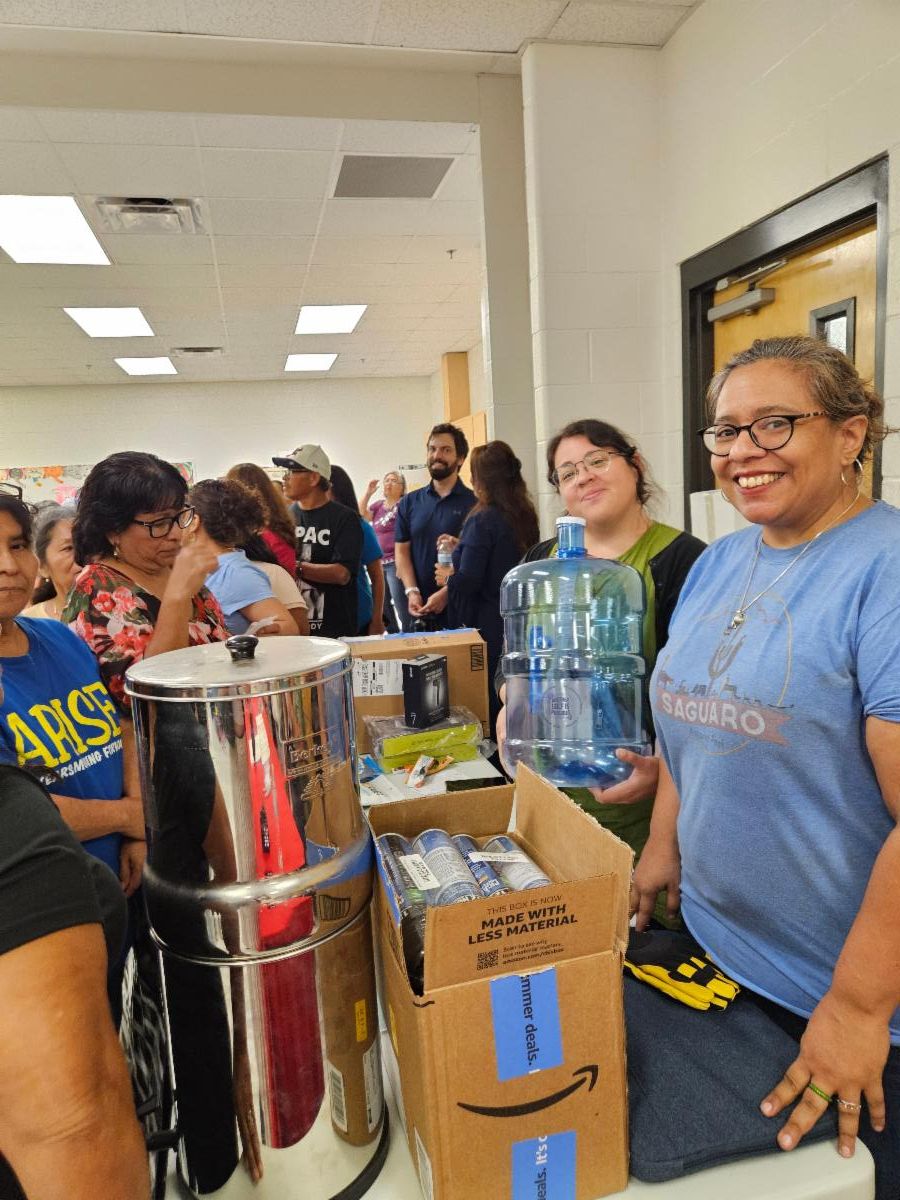
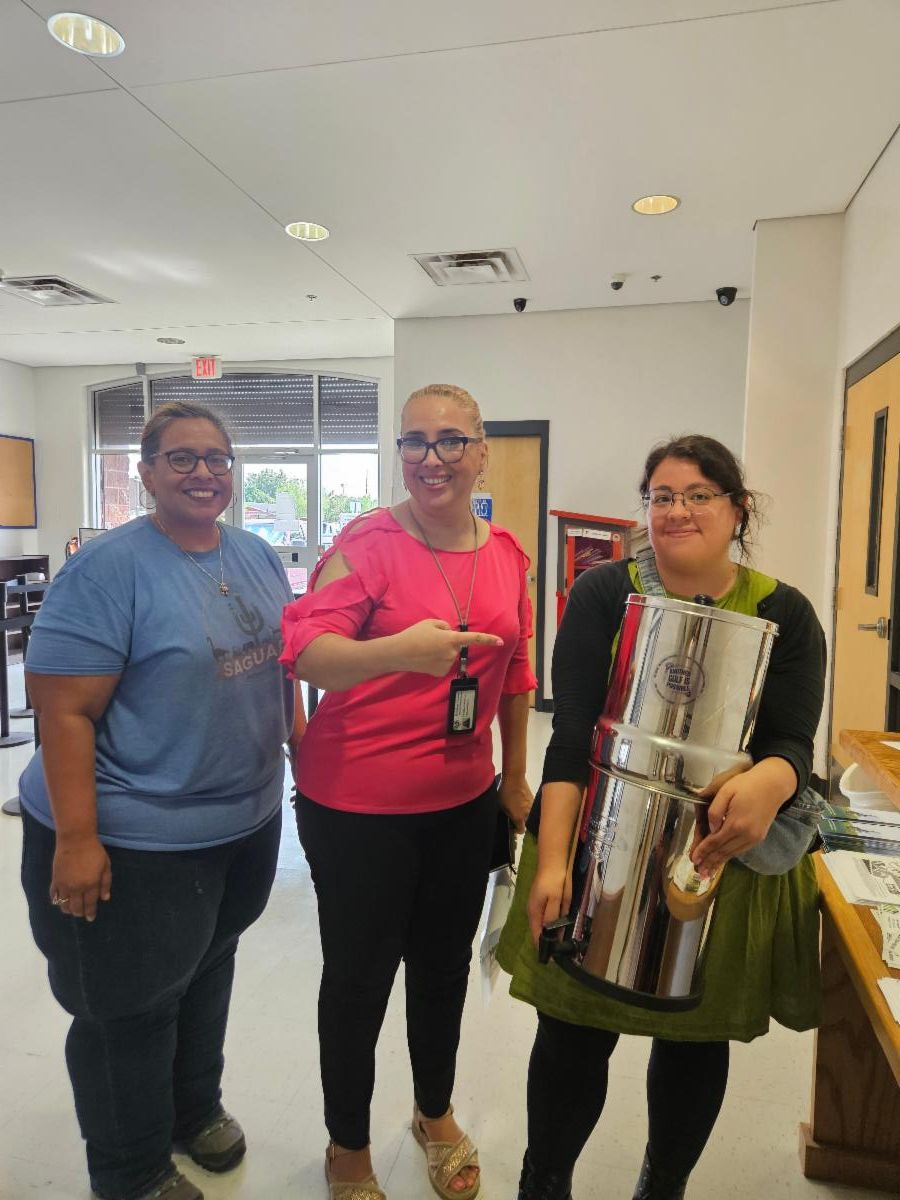
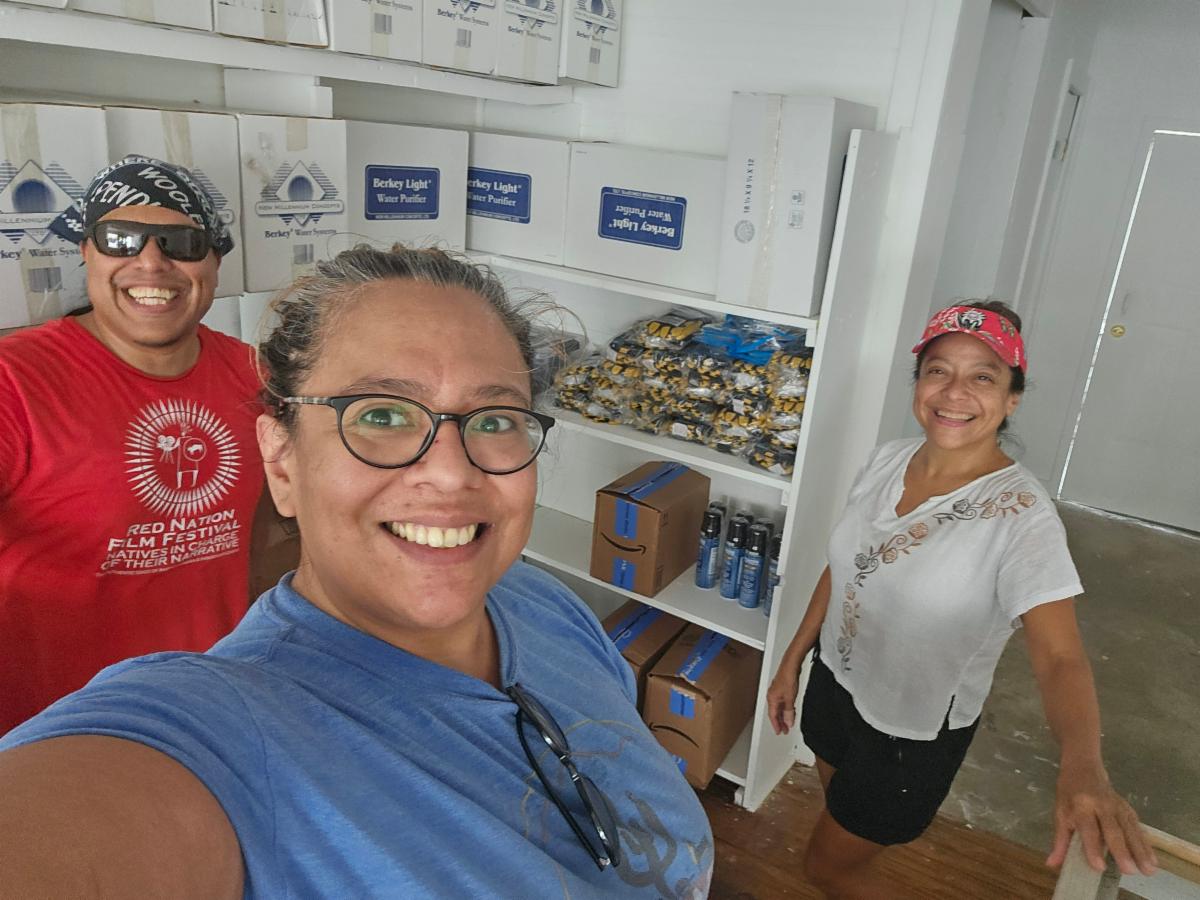
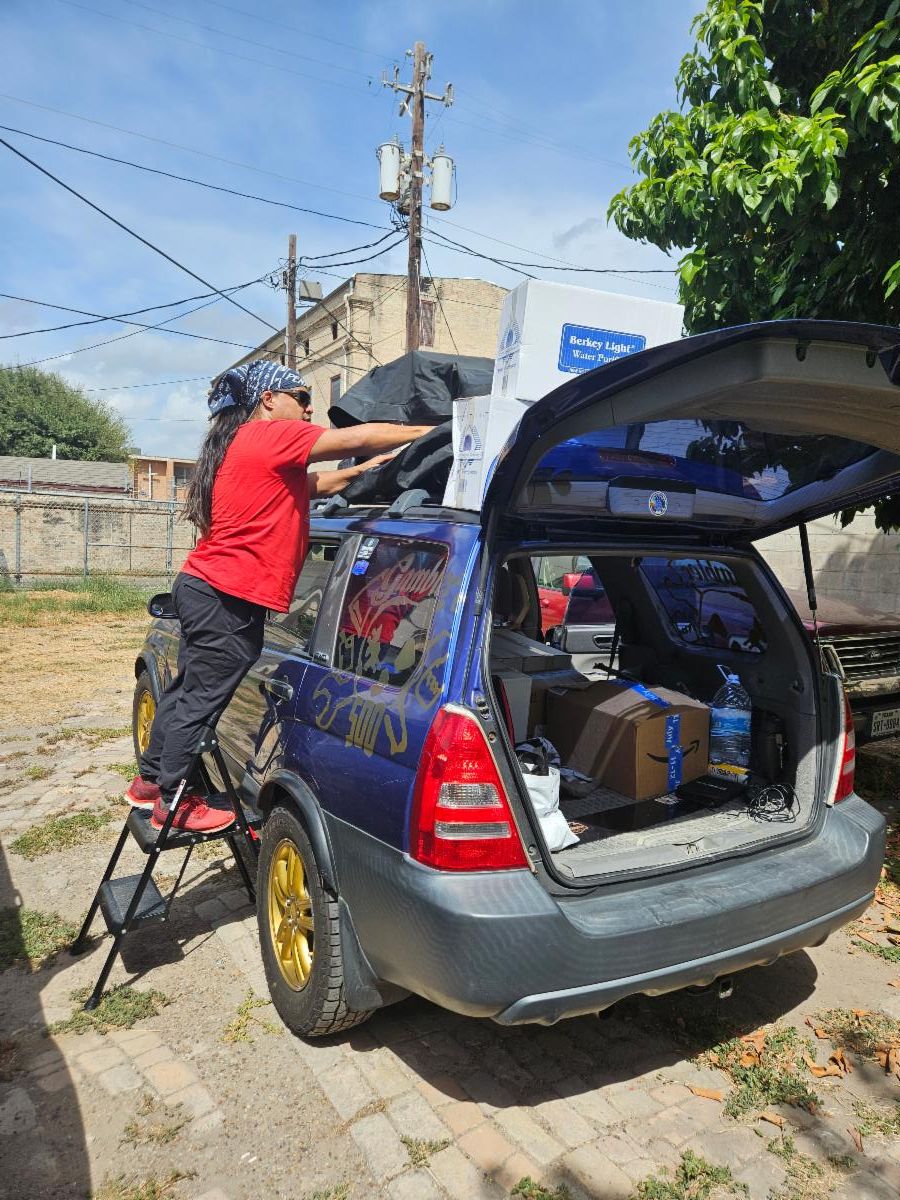
The Just Recovery Kits are the centerpiece of STEJN’s rapid response/mutual aid work. The kits serve as a “hub” for community members to help each other in their time of need. In partnership with Another Gulf Is Possible Collaborative, the South Texas EJ Network members have distributed close to two hundred kits in Hidalgo and Cameron counties since 2021.
(1) To address the lack of support from county officials, provide clean water (when RGV has none), provide energy source (when RGV’s is unreliable) and the state’s energy grid fails.
(2) To build a network of community members that can help their family, neighbors, and immediate community. It’s also to create a community of support.
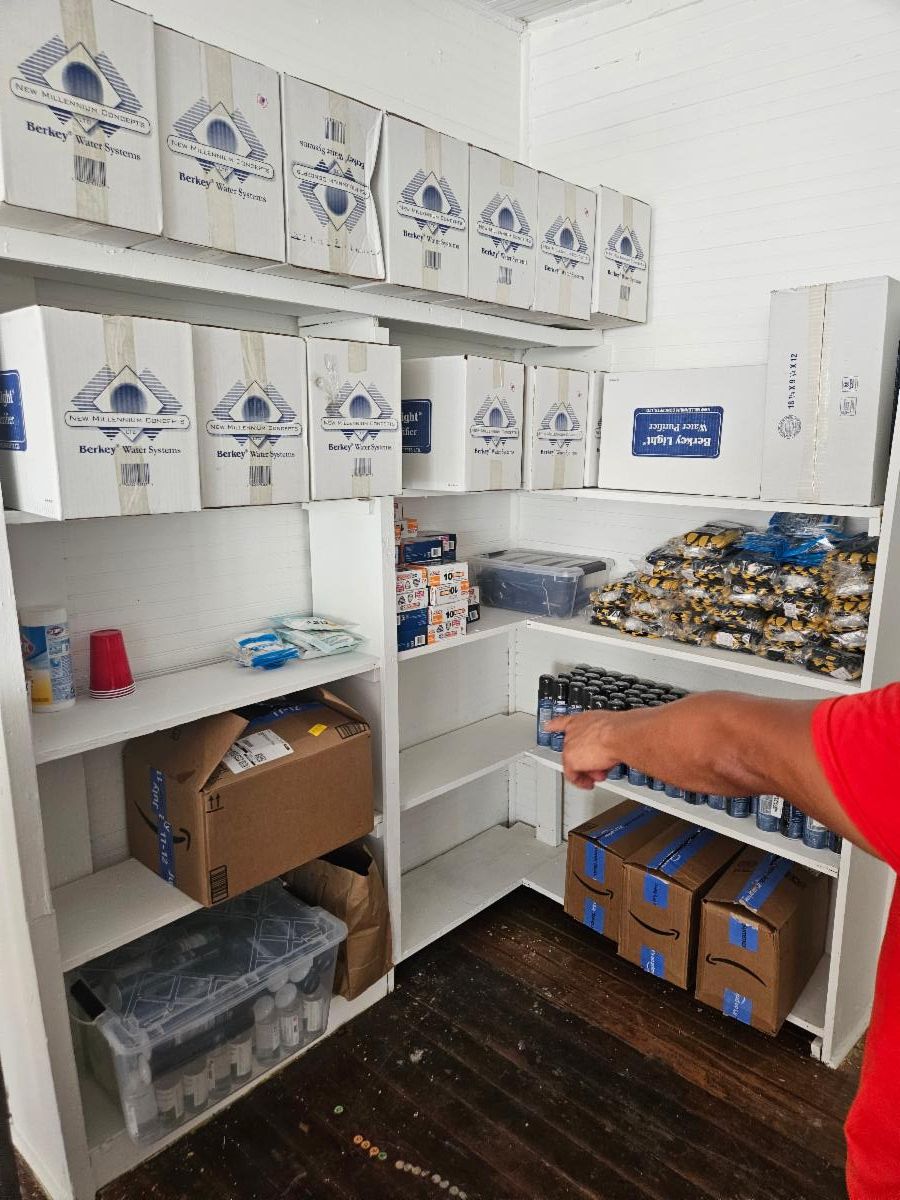
Water filtration systems, 5-gallon water jugs, gloves, PPE, solar charging packs for phones and computers (power banks), non-toxic insect repellent, carbon monoxide alarms (for gas generators), disaster prep information in English & Spanish, and contact information for maintenance.
| |
| | | |
Reppin' Another Gulf in 2024
by Liana Lopez
| |
|
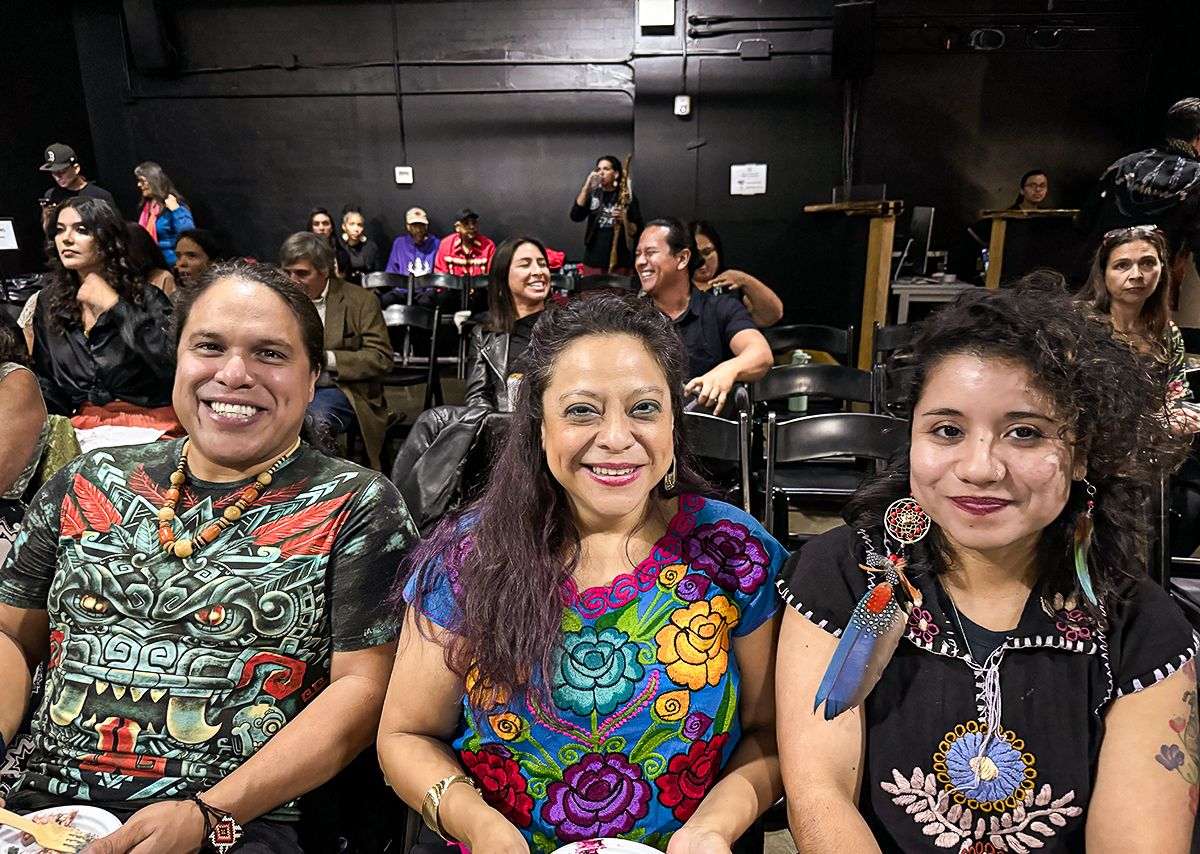
2024 Another Gulf is Possible work focused on trading knowledge with ally communities, strengthening network relationships and building a collaborative infrastructure that fosters the capacity to share the wisdom and skills we’ve learned with many more grassroots communities.
Being a member of this collaborative took many of us all over the world in 2024. These photos are just a brief look back at where I was reppin’ AGIP.
| |
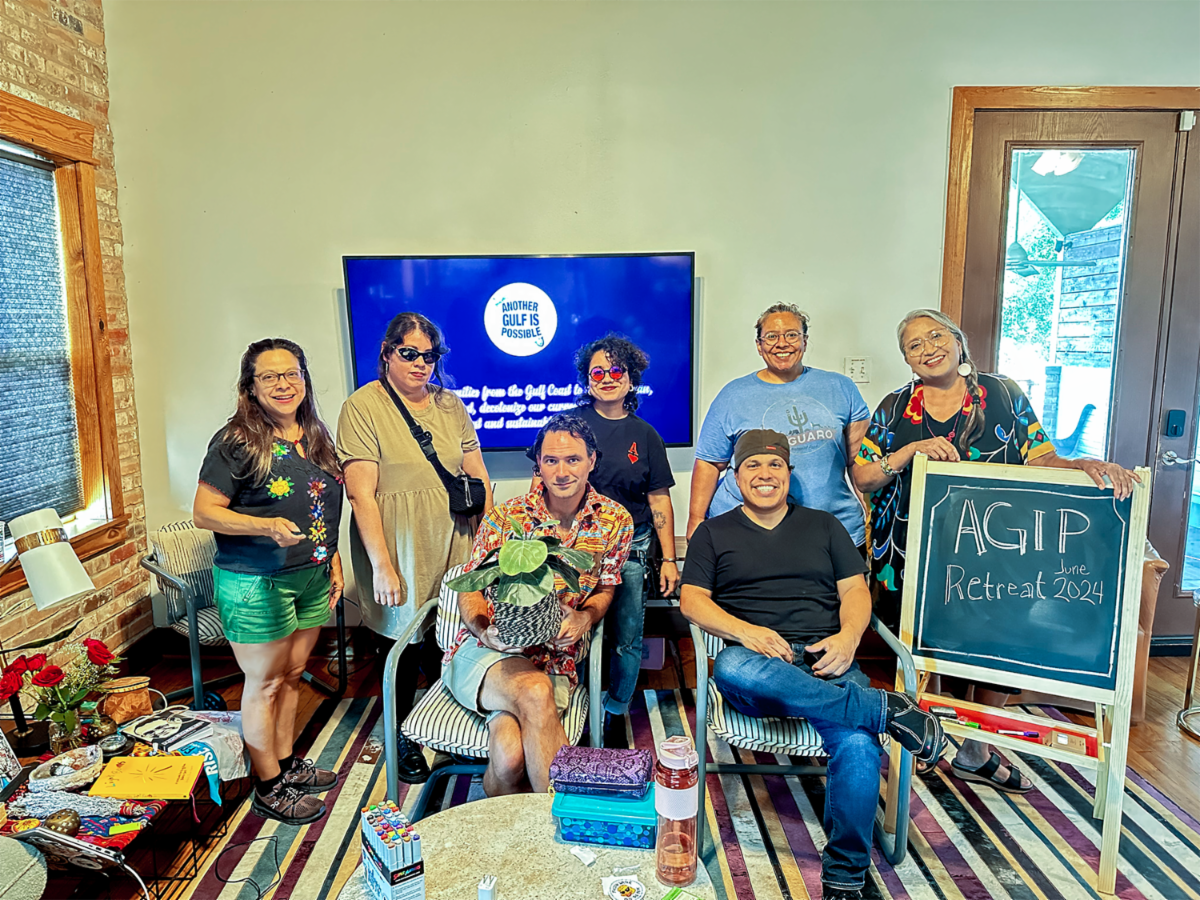
January retreat in the RGV | |
Being a member of this collaborative is such a gift and I’m looking forward to the challenges that we’ll be undertaking next. | | |
|
|
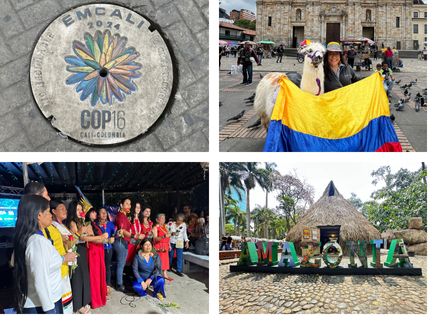
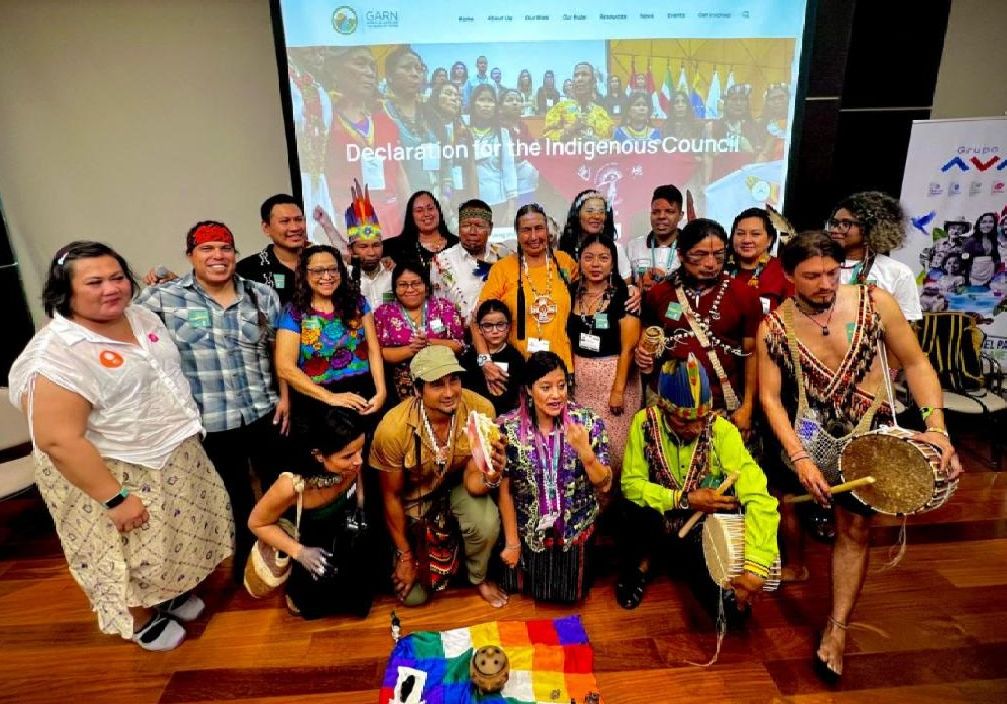
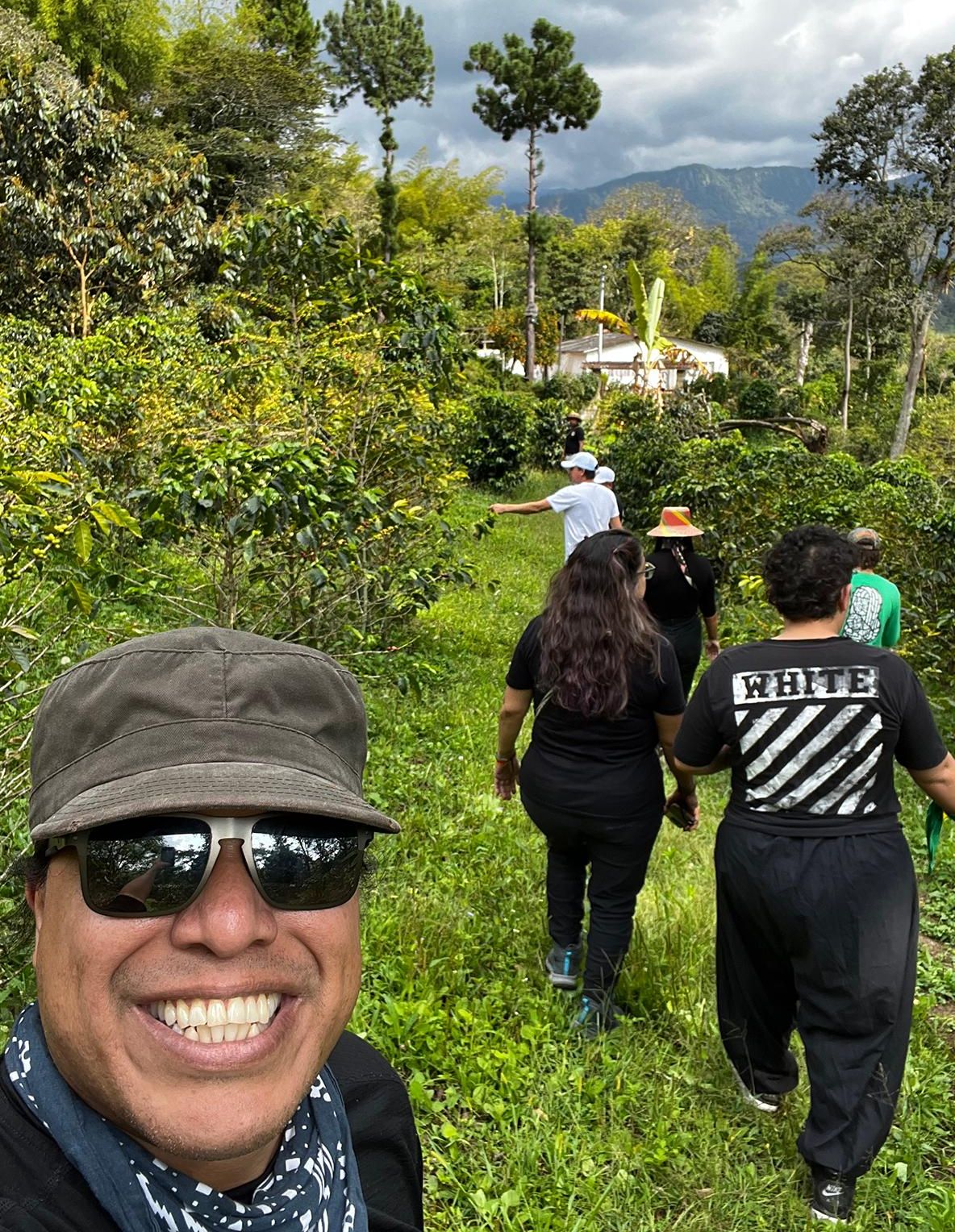
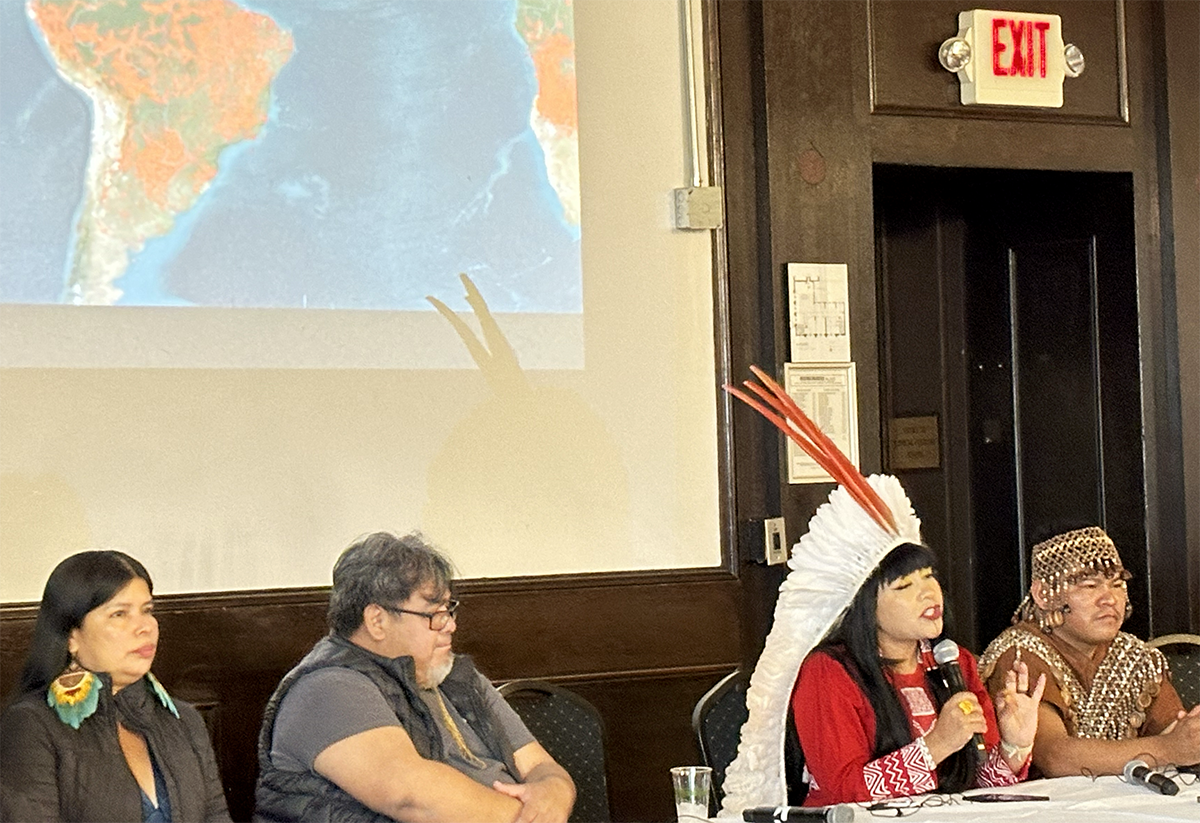
COP 16 Biodiversity Conference
Cali, Columbia
| |
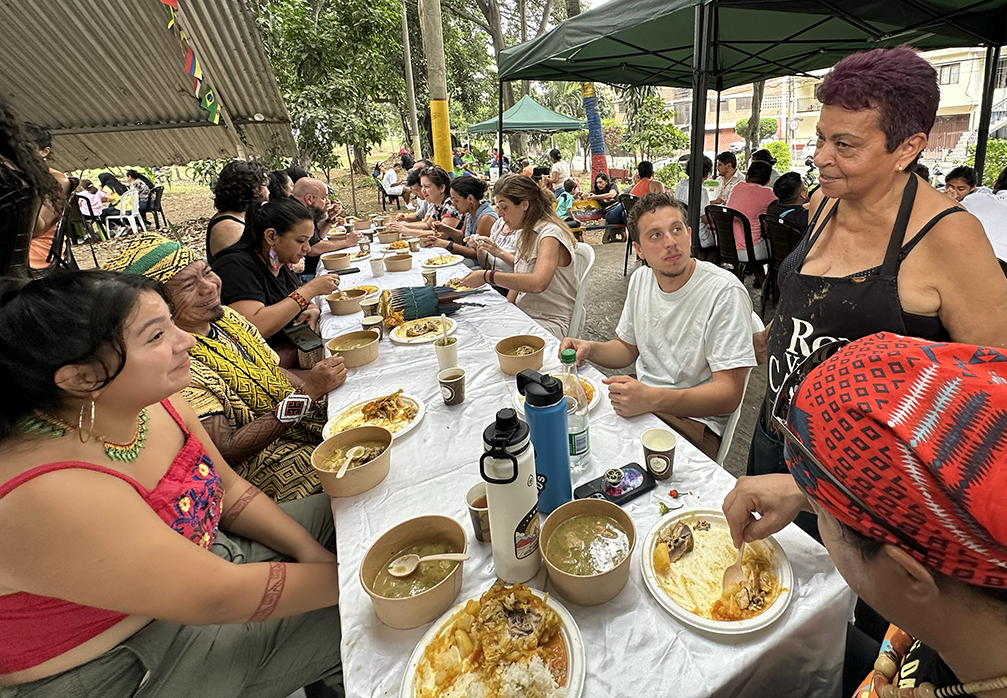
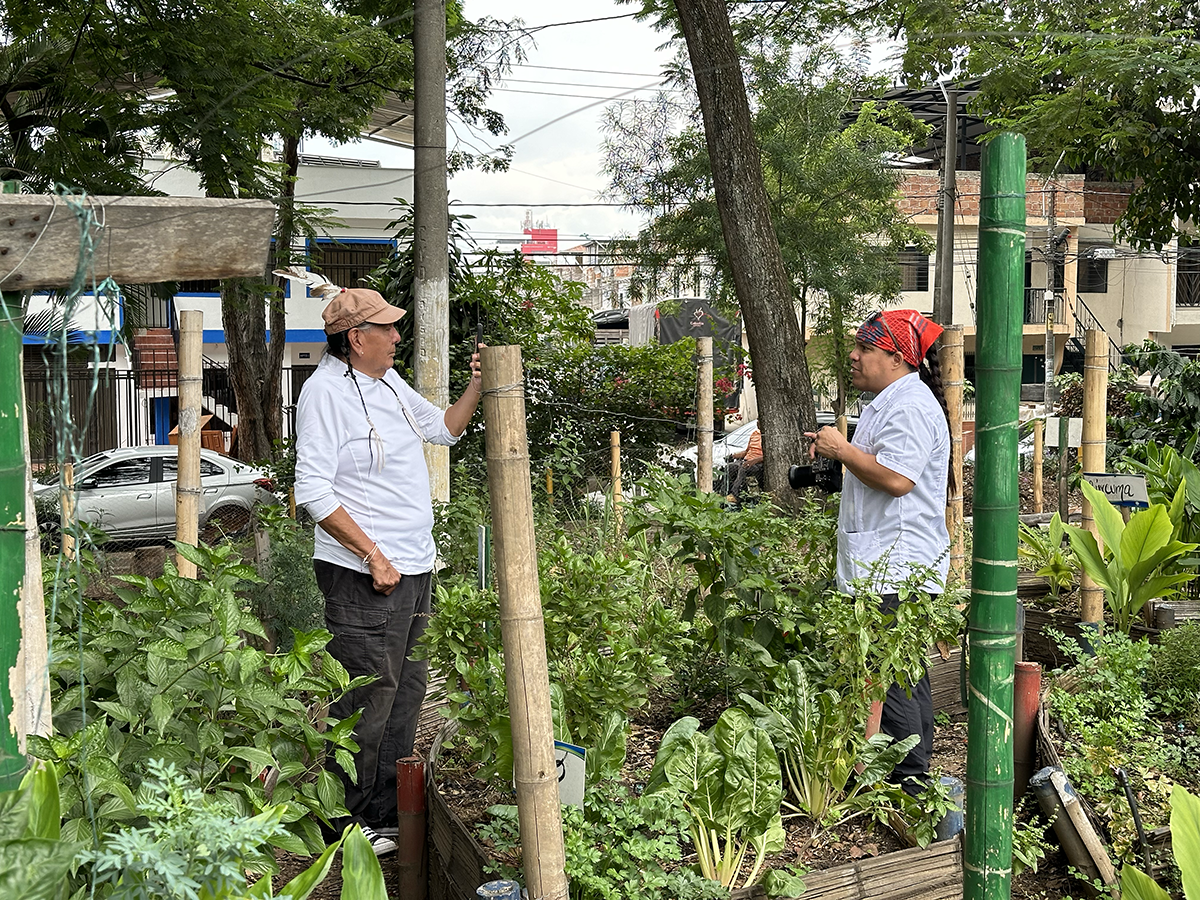
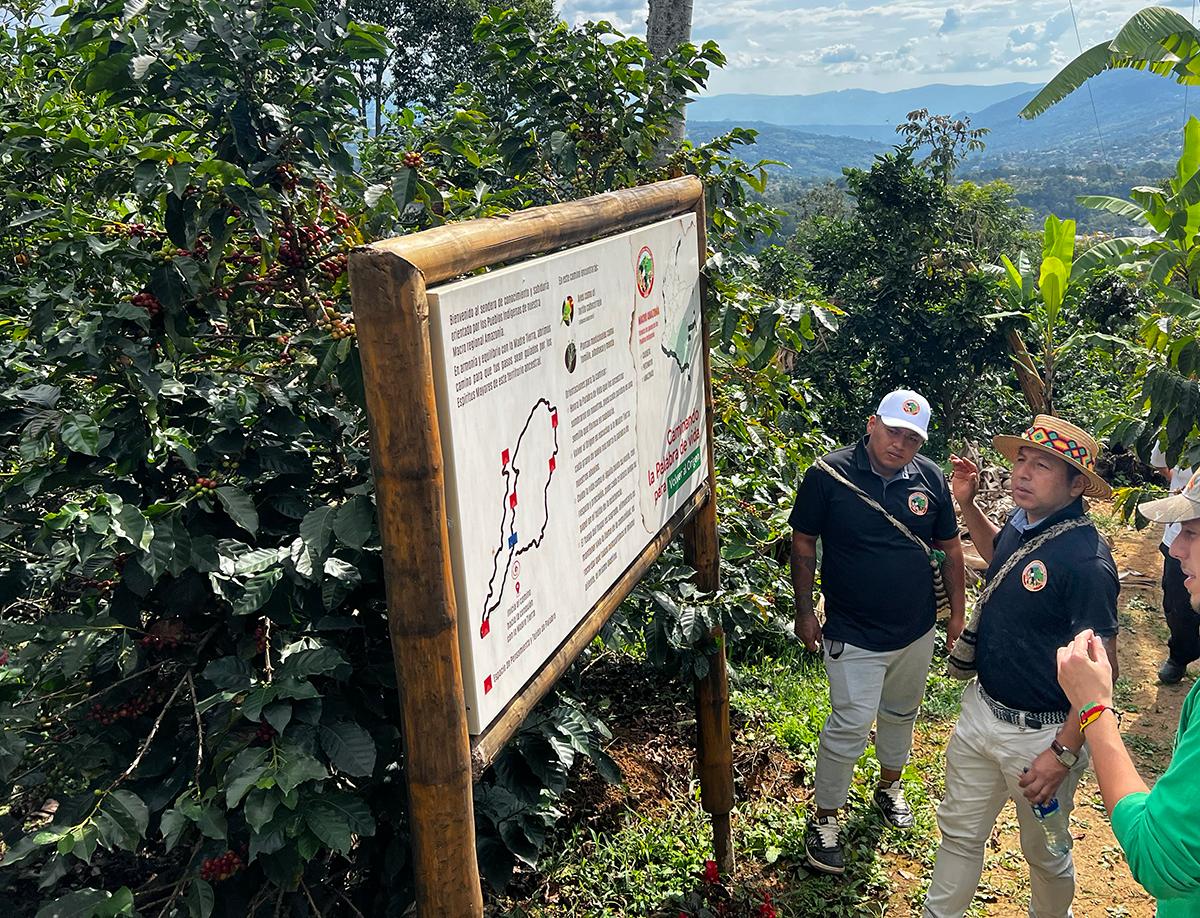
Indigenous Environmental Network (IEN) is treated to lunch during a visit to the Sendero Ecologico del rio cali Comunitaria | |
Global Alliance for the Rights of Nature (GARN) COP 16 panel | | |
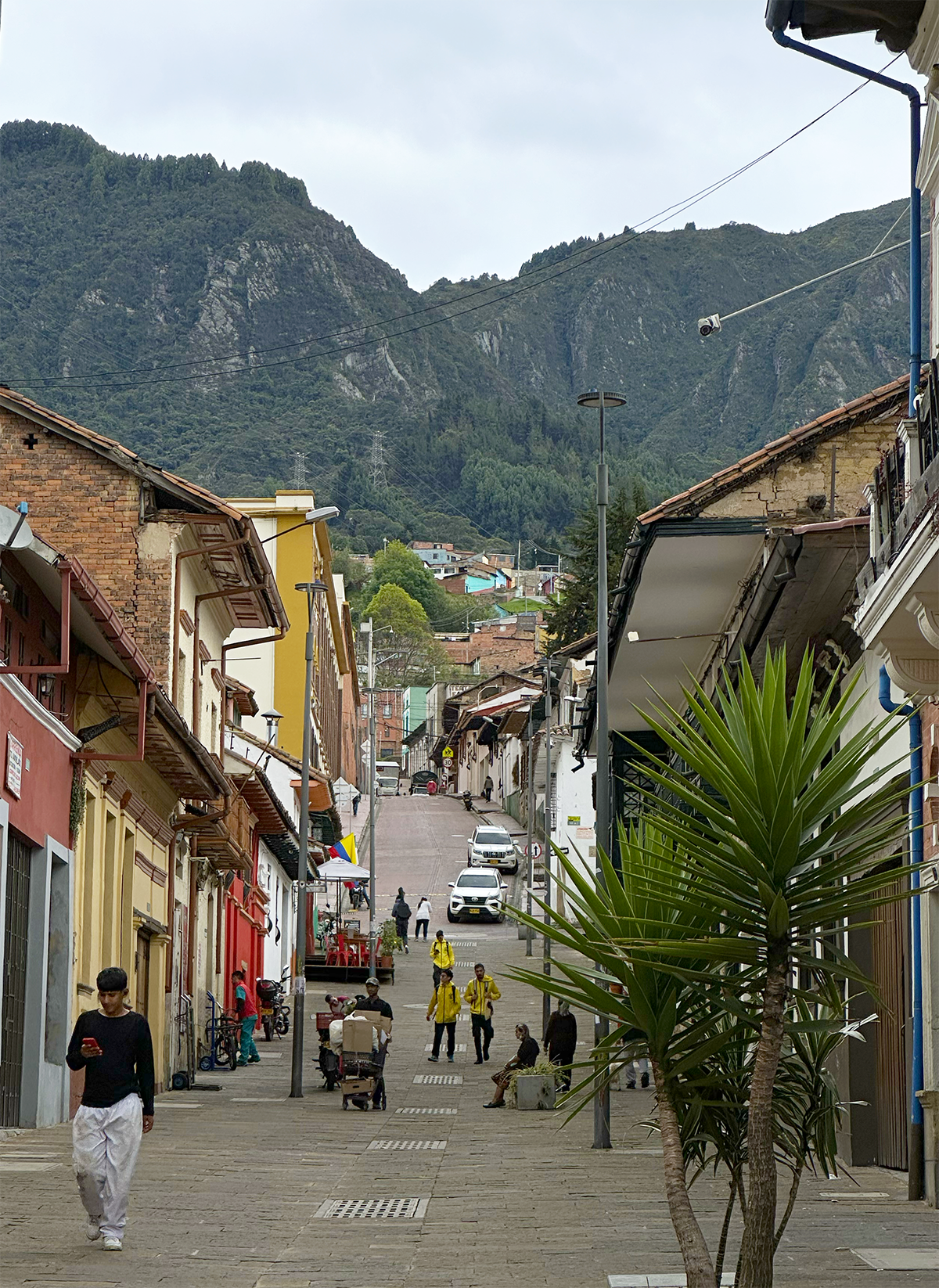
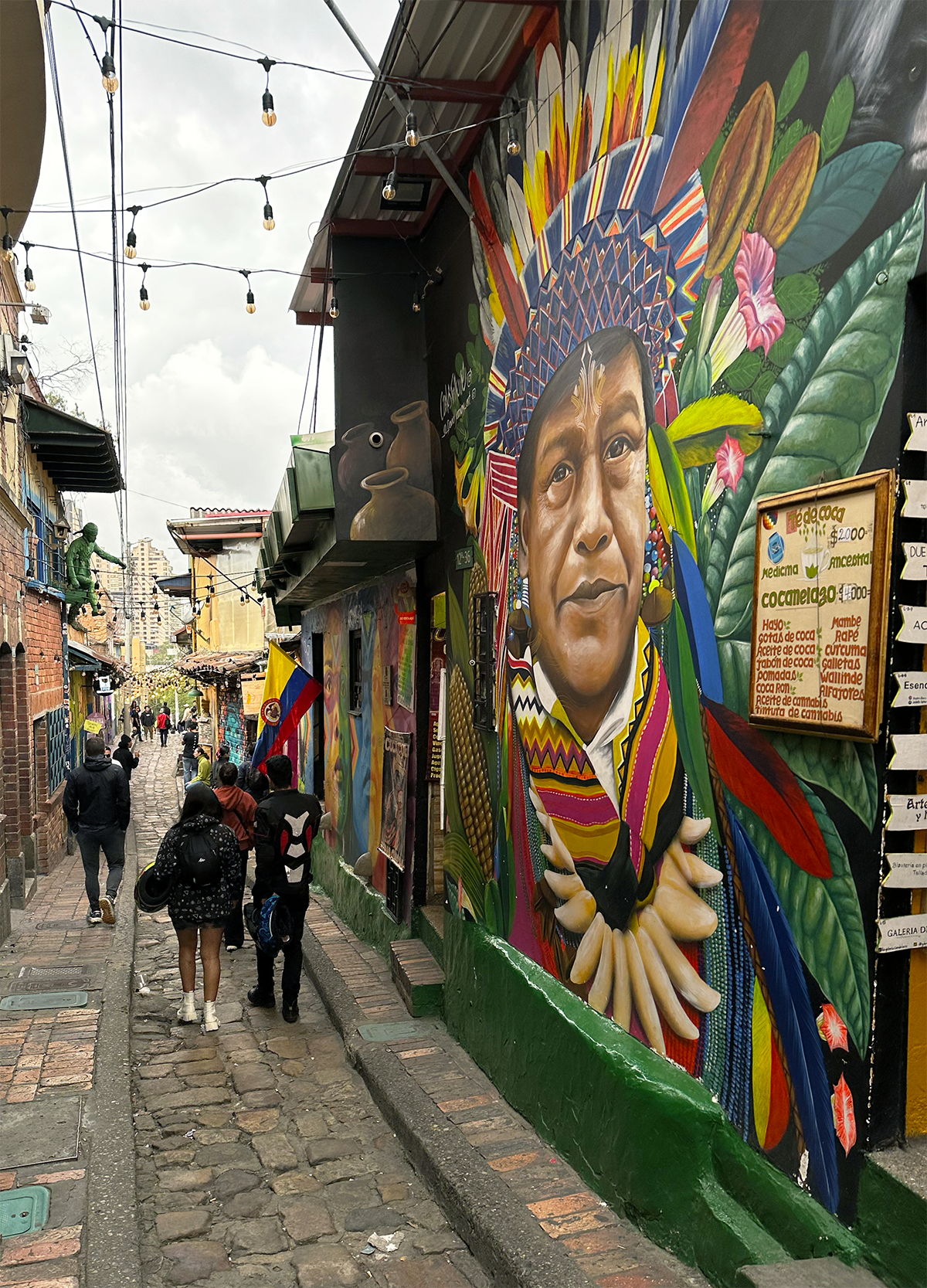
National Indigenous Organization of Colombia (ONIC) visit
Bogotá, Colombia
| |
| |
|
|
Climate Week 2024
New York City, NY
| | |
Between Houston and the RGV trying to make it home safe during a freeze | |
|
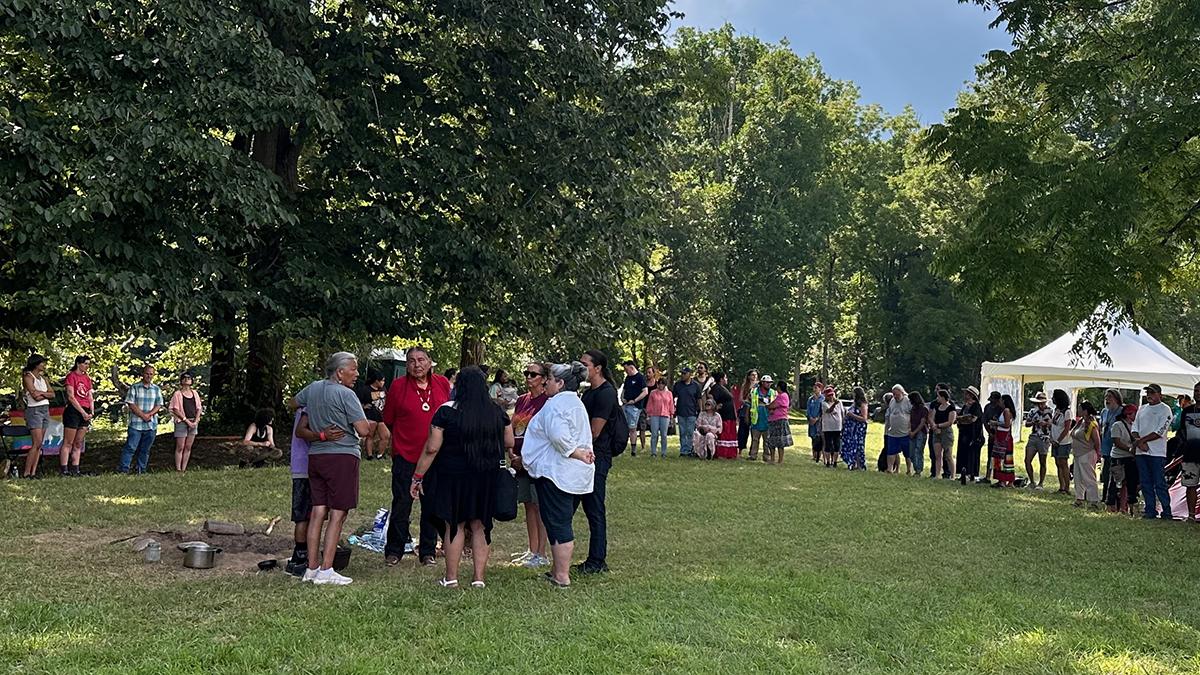
IEN Protecting Mother Earth Conference
Cherokee, NC
| |
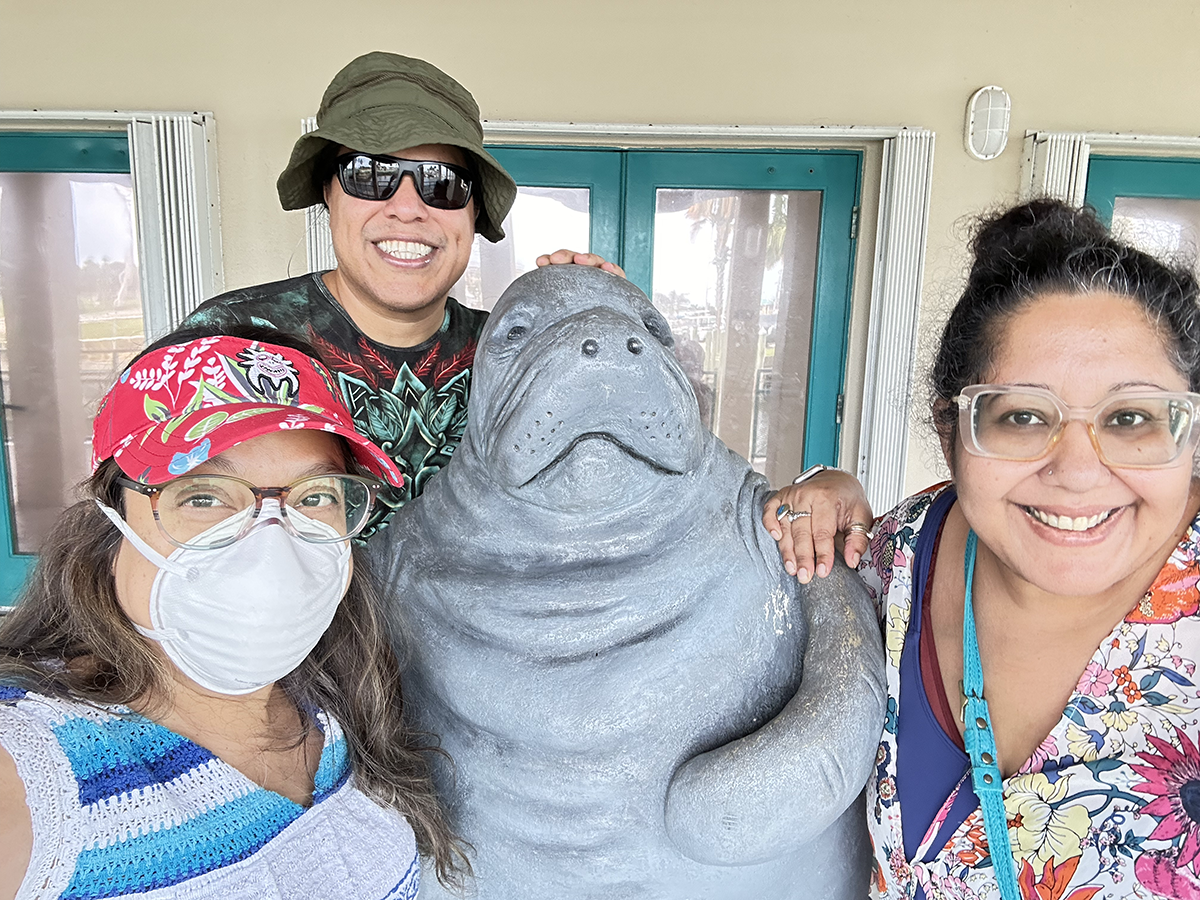
Solidarity work in Port St. Lucie, FL | | | | |
Crafting Powerful Messages from Trash to Change
by Yudith Nieto
| |
|
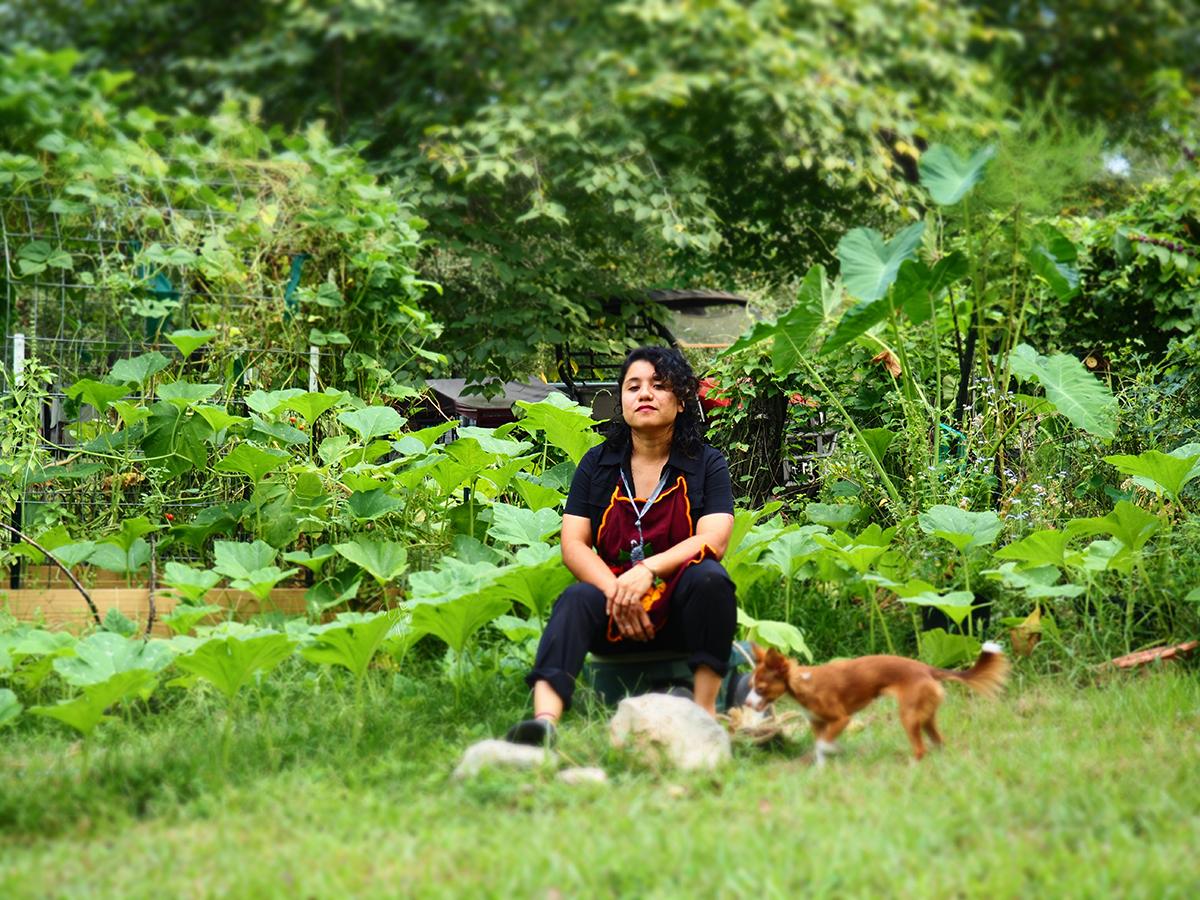
This year was the year to push the limits of creative transformation. I was able to host La Casa Frijol’s first artist in residence, Liz Lob, jewelry designer, a friend and creative partner who came to spend time and find refuge on a wild piece of land where a bounty of native prairie grasses grow.
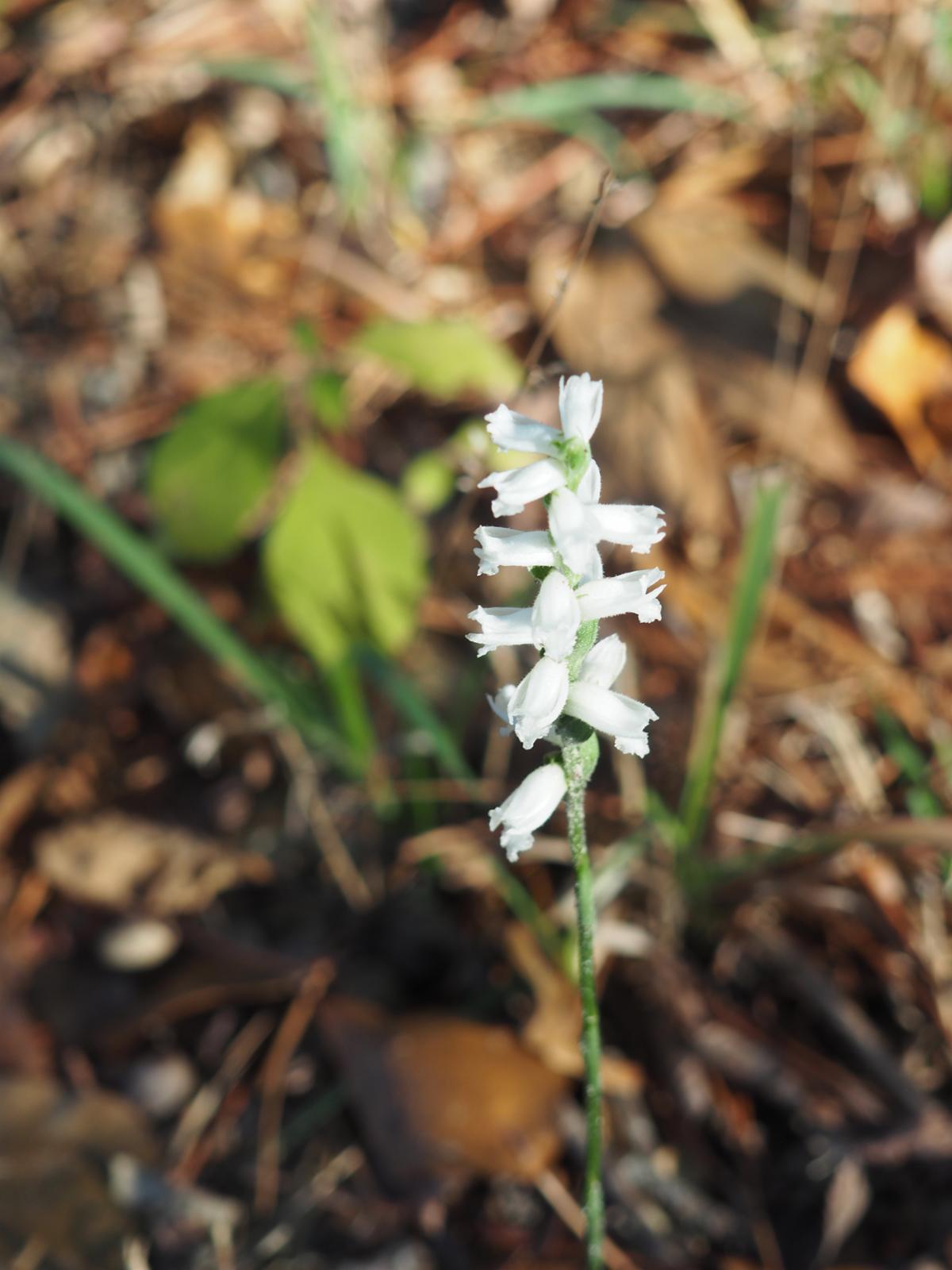
A place that has in some ways called me to be still and listen to what the wildlife is saying. Species of birds, pollinators, and even a rare endangered Texas native type of orchid by the name of Ladies’ Tresses that live in fungi-rich soils invited me to steward this home.
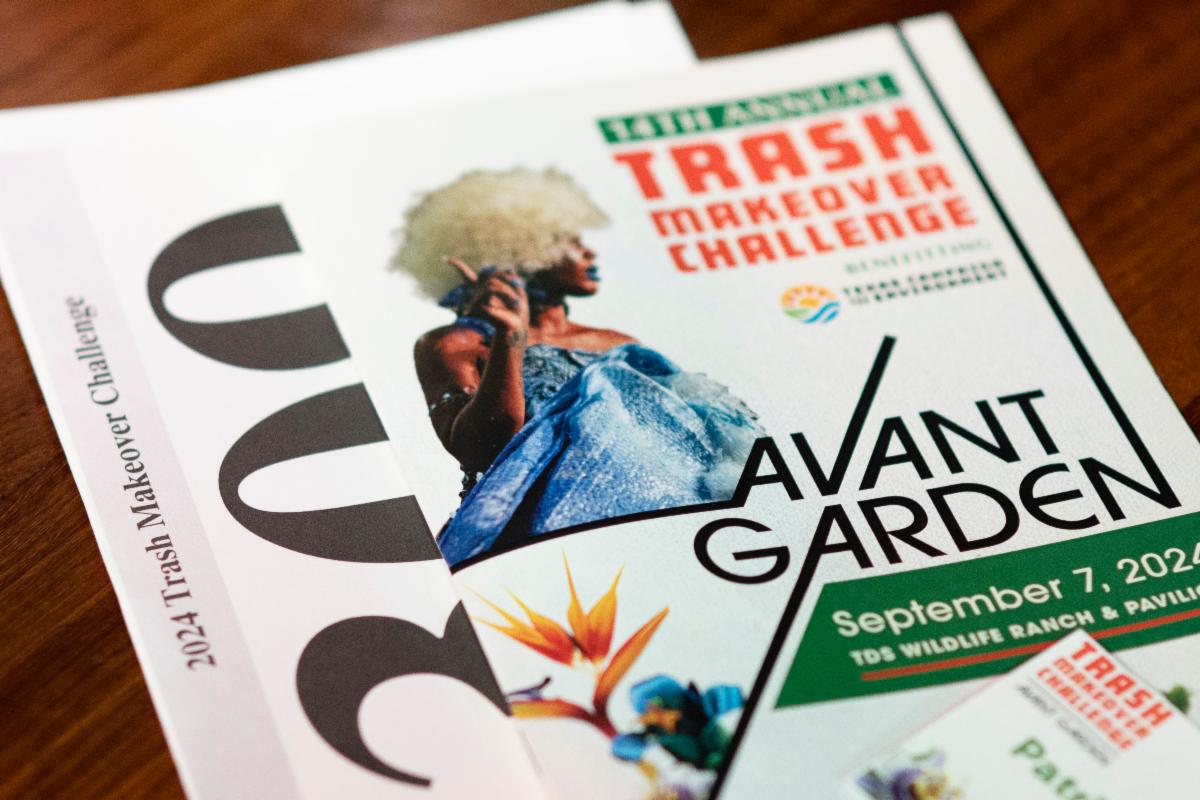
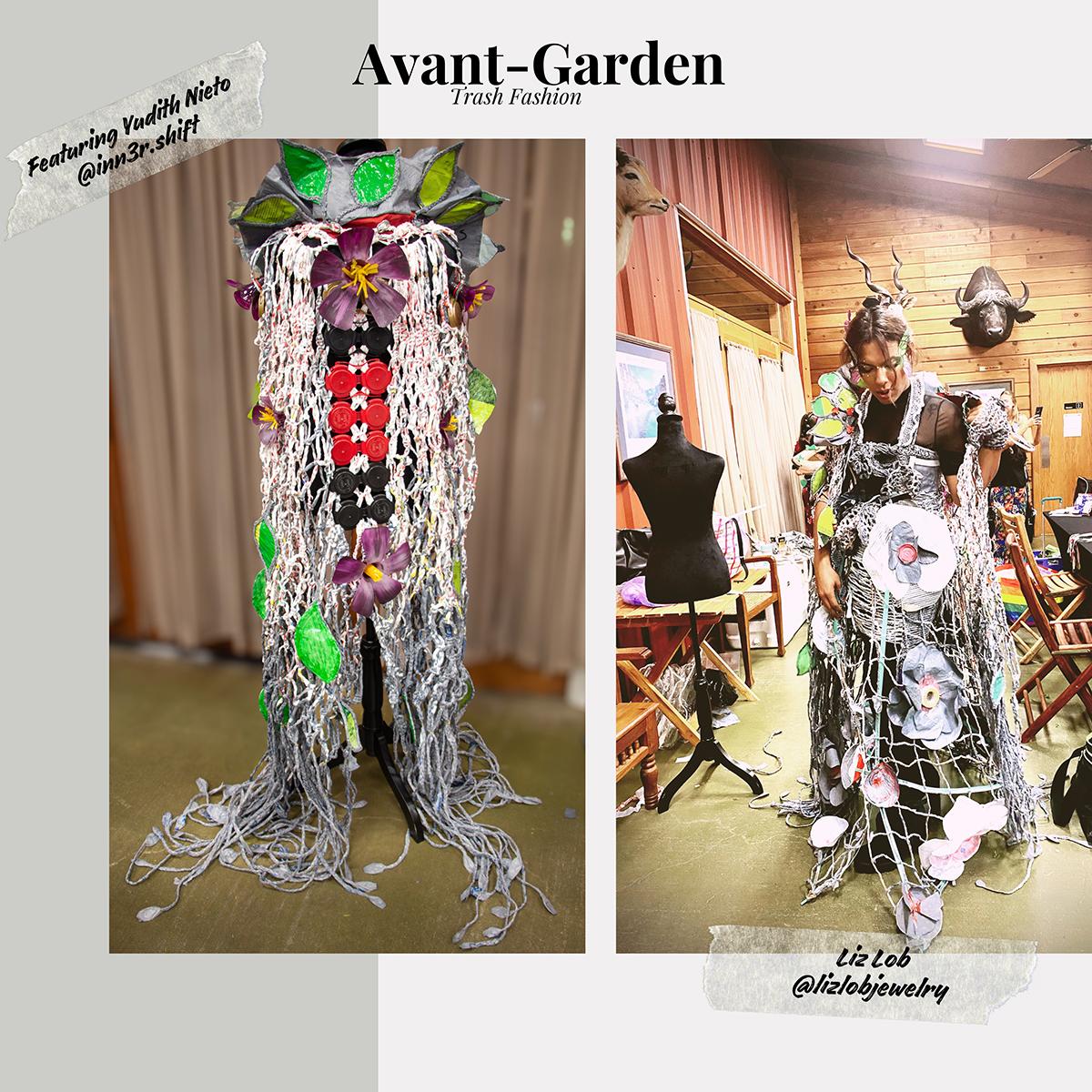
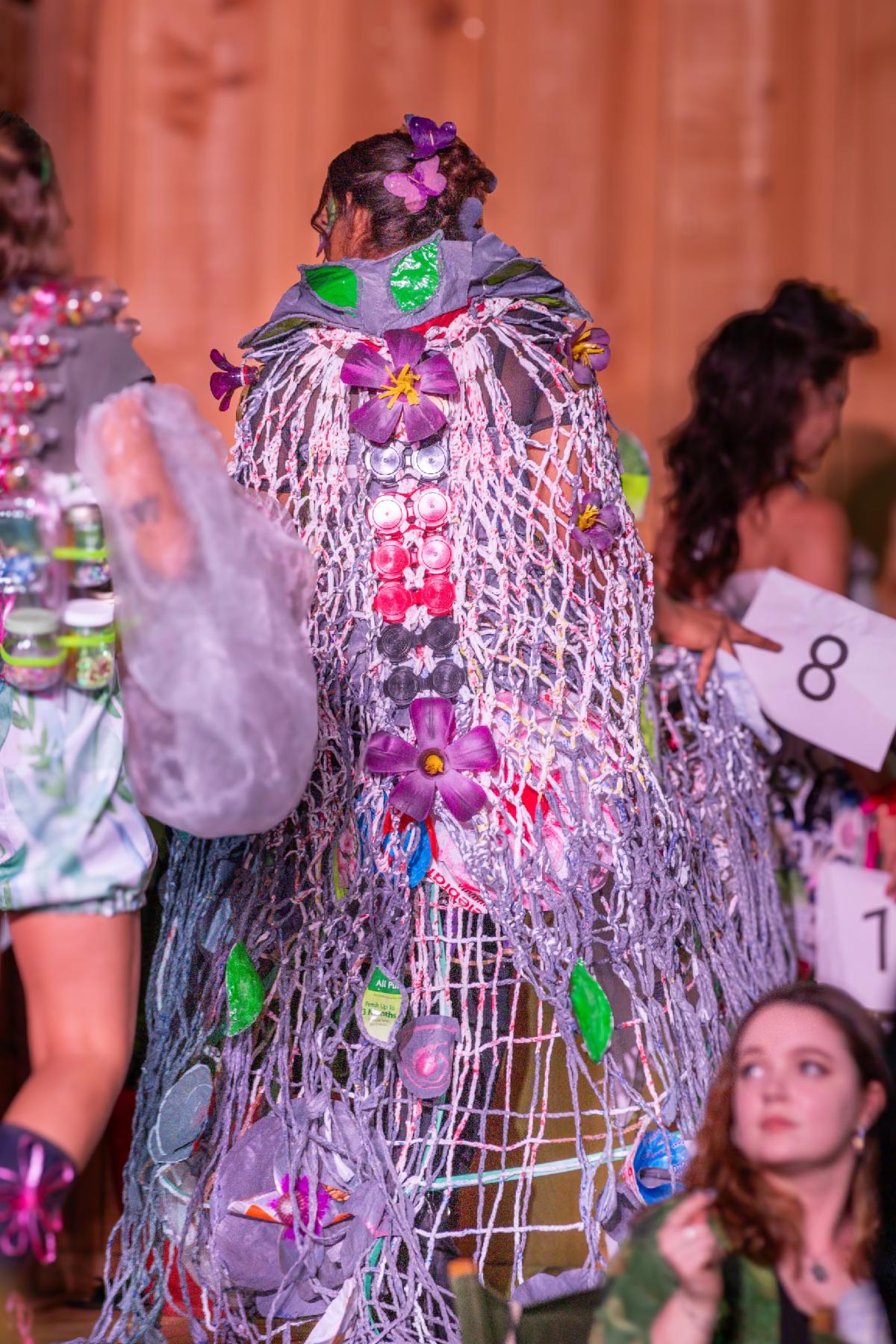
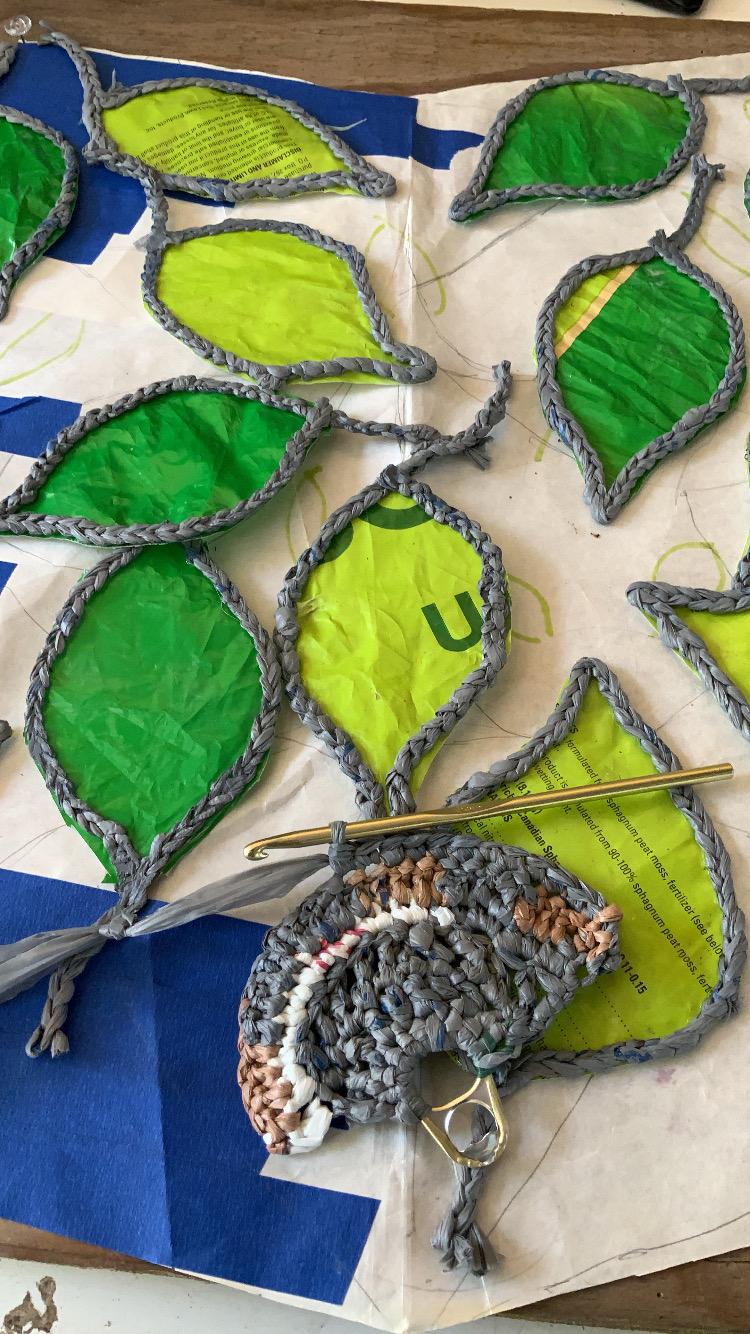
Inspired by native beauty of the blooms we’ve had these seasons, this year Liz and I participated in the Avant-Garden Trash Fashion for the #TrashmakeoverChallenge2024 with Texas Campaign for the Environment.
An immersive collaboration and labor of love for the craft of fashion, design, and innovation rooted in environmental stewardship. A challenge to rethink our trash and dive deep into conscious consumerism or at the very least think about what we purchase because of the waste we produce.
An endeavor that took months in the making, not just to collect packaging and things considered to be waste, but also a process of brainstorming how we would transform trash into something wearable and innovative.
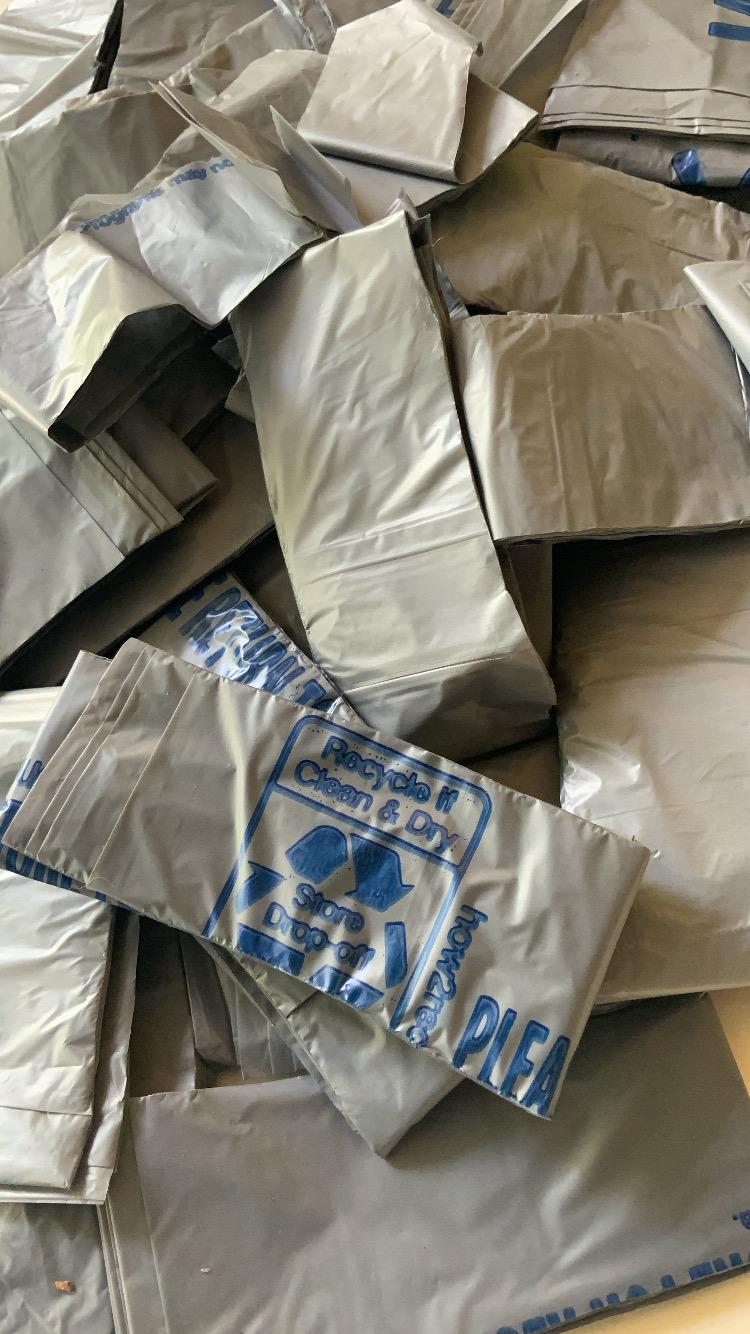
Some of the materials included; 1,000+ plastic grocery bags ♻ 26 Plastic bottles, 80+ aluminum can rings pulls, 8 garden soil bags, 14 plastic beer holders, miscellaneous construction materials, and cable wrapping. It was amazing what a year of collecting packaging could inspire when it came to designing our garments and keep plastic out of our landfills or oceans through our creative ingenuity.
Influenced by the nature that surrounds us at La Casa Frijol we were able to challenge ourselves to work with trash as our medium to create beautiful garments that told the story of resiliency, fragility, and symbiosis with our immediate environments. Not only did we turn waste into beautiful wearable pieces of art we also learned valuable lessons in the need to create spaces for mutual support, harmony, and the interconnectedness of all living things.
We hope 2025 brings more opportunities to promote art as activism, creative collaborations, and cultivating seeds of radical imaginations.
| |
| | | |
2024 Cambios Climáticos
by Bryan Parras
| |
|
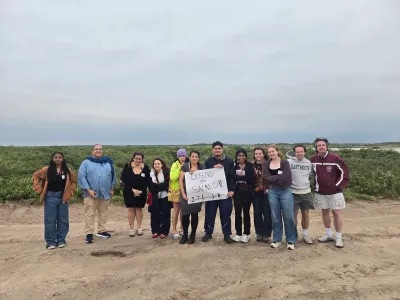
We started 2024 with a trip to South Texas where Another Gulf Is Possible Members Bekah Hinojosa and Patricia Rubio were opening an office for the newly created South Texas Environmental Justice Network.
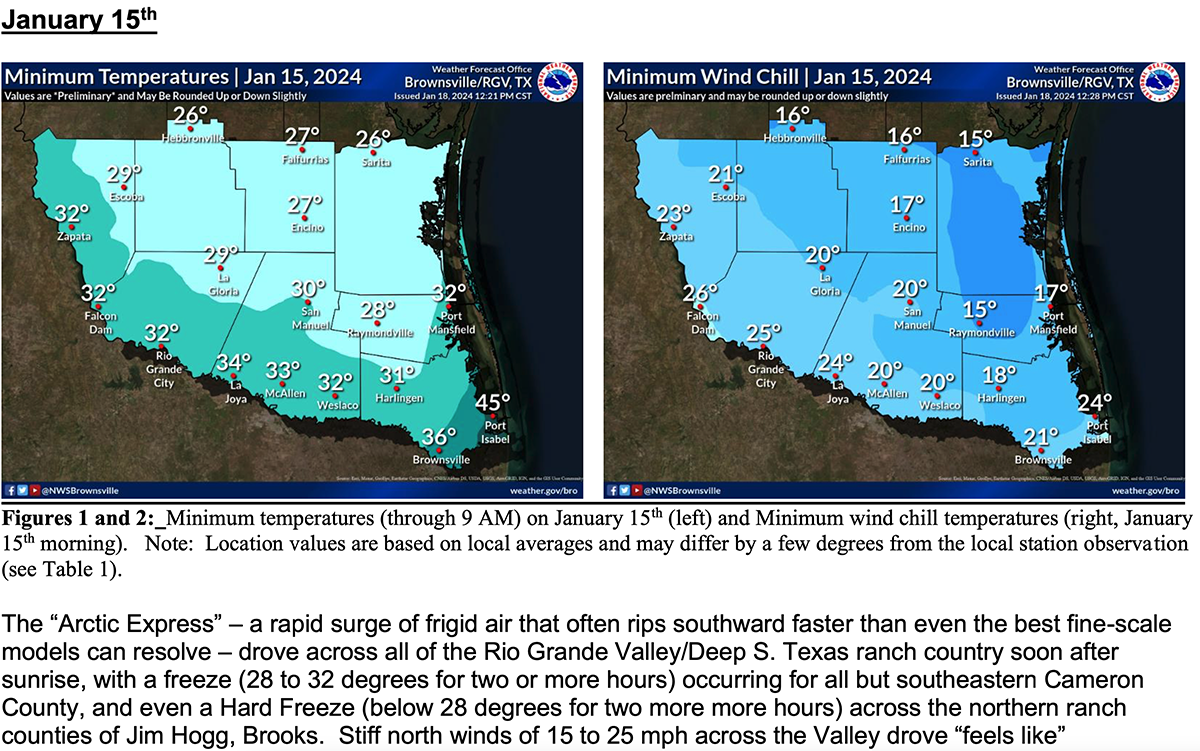
As we concluded our annual retreat, we were confronted with another “Arctic Express” reminding us of the deadly Winter Storm Uri that took the majority of Texas power offline in 2021. It wouldn’t be anything close to that but this was still uncommon weather for the area, disrupted our plans and caused us to make some adjustments to our plans.
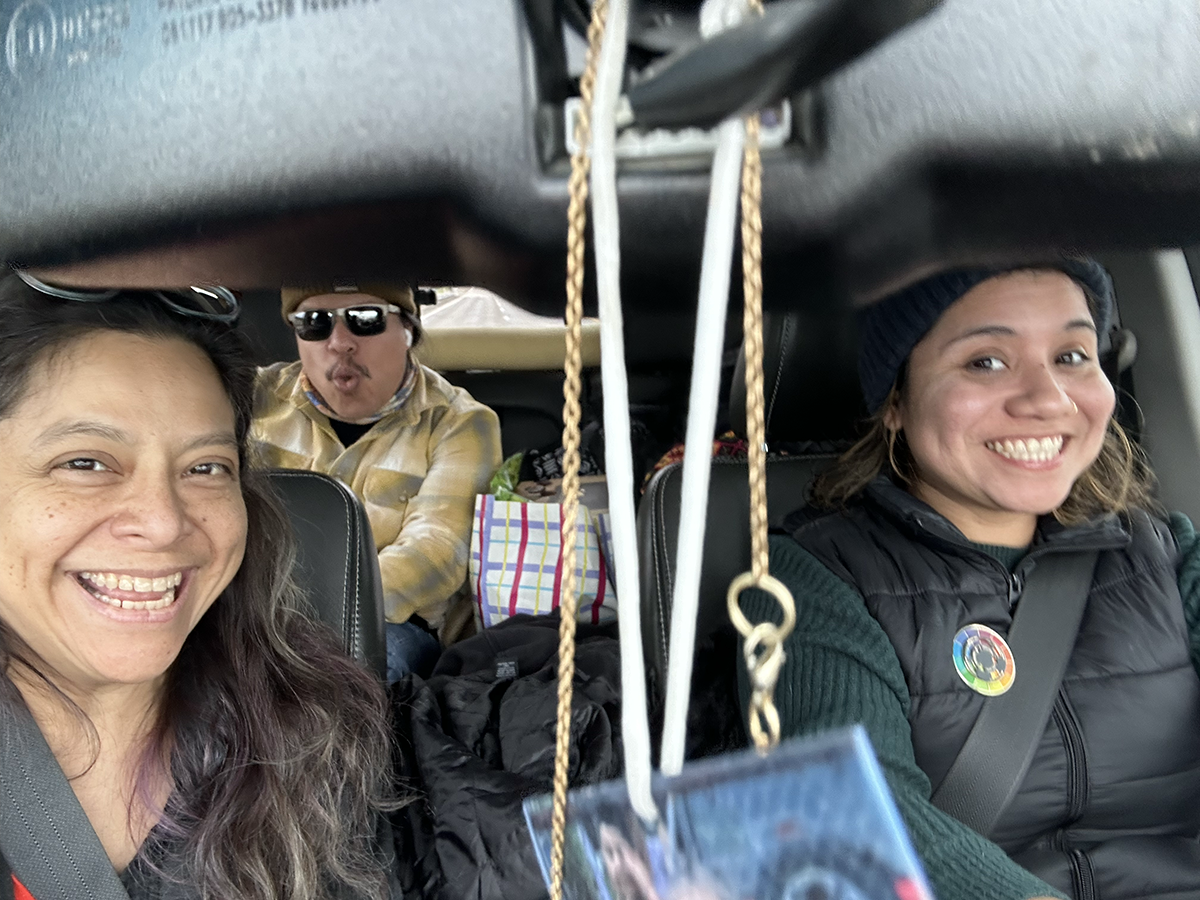
Flights were delayed, rerouted and canceled so Liana and I decided to catch a ride back home with Yudith and we raced home to beat the hard freeze that was bound for most of Texas.
Early January reminded us that things were not going to let up. As we reflected on our own collective healing, we were forced to remember our own personal vulnerabilities. This would not be the last storm of the year in the Gulf Coast and we were well reminded that this was how things were just going to be from now on.
| |
|
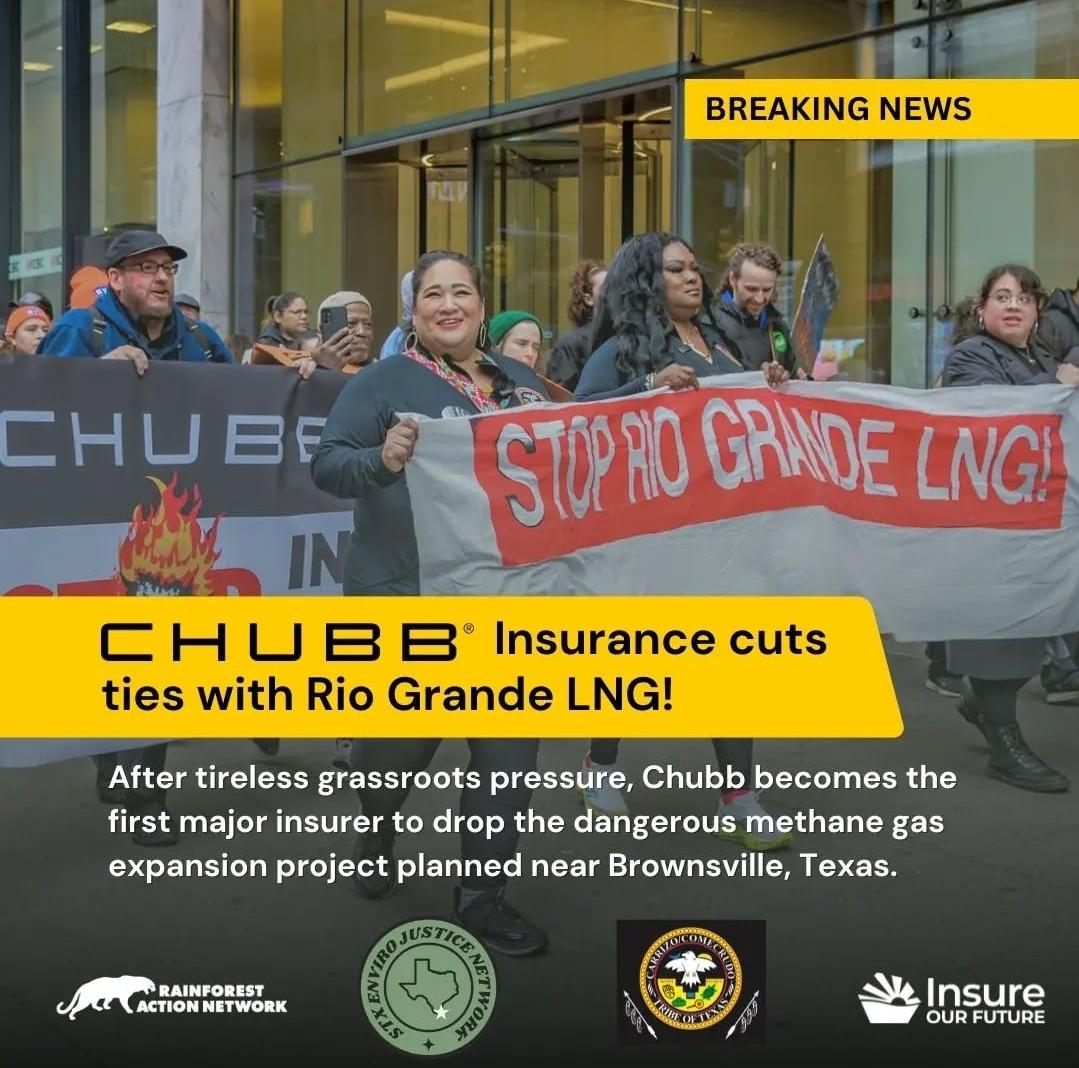
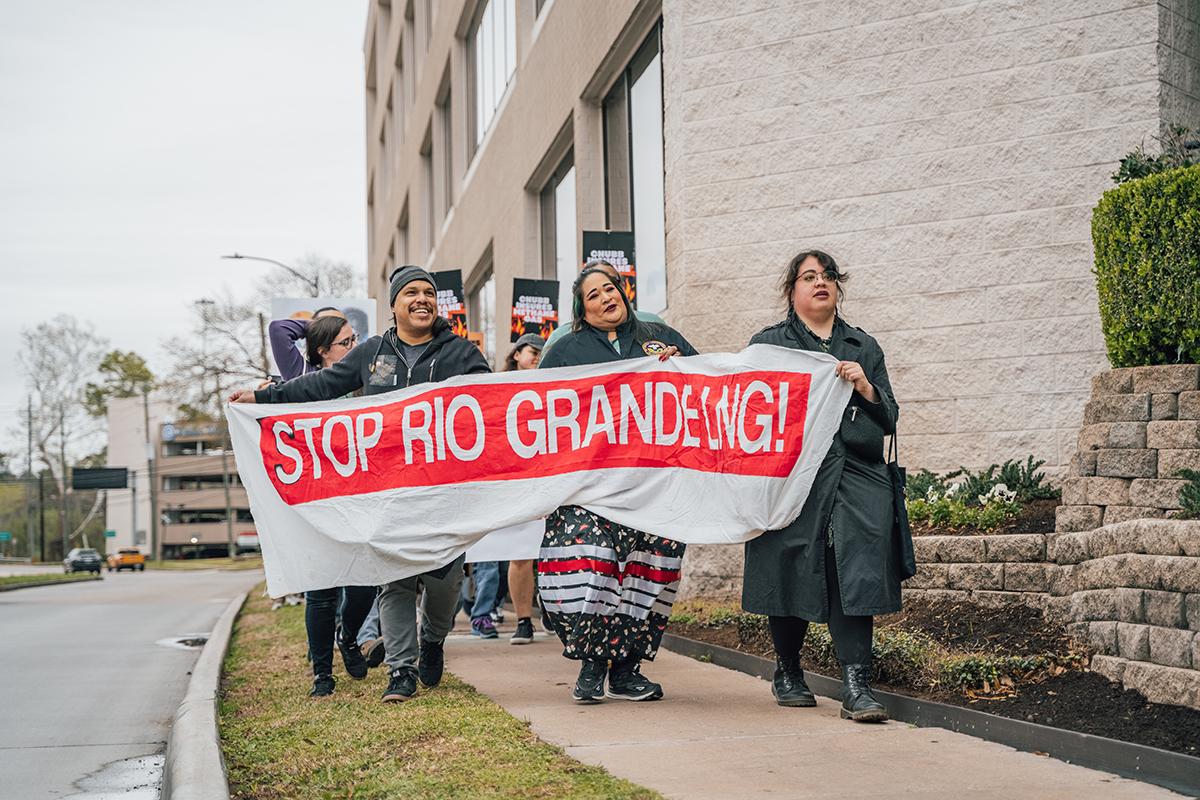
Advocates from across the Gulf and South Texas come to Houston to stop fossil fuel expansion and hold insurers accountable for their active role in the climate crisis.
In solidarity with nearly 70 actions across 27 countries, Another Gulf is Possible members, Carrizo Comecrudo Tribe of Texas and the newly formed South Texas Environmental Justice Network joined forces and marched to CHUB and AIG office demanding that insurers stop insuring fossil fuels, support a just transition and respect human rights.
| |
|
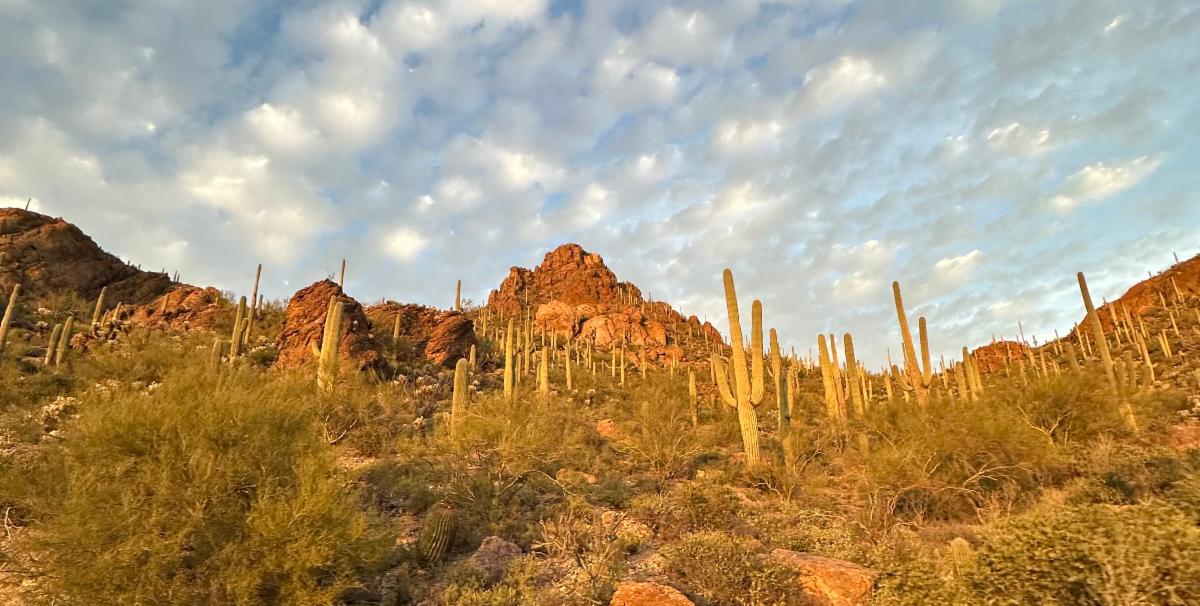
After 25 years of working on environmental and climate justice, I took on a new role in the world of Indigenous & Human Rights. I was hired to help lead a campaign for the Protect Indigenous Rights in Protected Areas Initiative at the University of Arizona’s James E. Rogers College of Law Indigenous Peoples Law & Policy Program (IPLP).
I started by travelling to Tucson, Arizona where students at the Indigenous Peoples Law & Policy Program were hosting a Symposium on Conservation, Racism and Indigenous Peoples Human Rights at the University of Arizona. There is a long history of Indigenous dispossession that coincides with the origins of conservation in this country. I should know, I worked with the environmental organization that started it all. This violent, racist model, now known as Fortress Conservation has been exported to countries all over the world leading to Human Rights and Indigenous Rights abuses that this program had been researching for the last 10 years.
This year, 2024, marked the 60th Anniversary of the Wilderness Act, a conservation strategy that ethnically cleansed the land of its Indigenous stewards. I was shocked to find out that this model is still being used to further encroach, displace and evict Indigenous People from their ancestral homelands today. One such instance is currently taking place in Florida on Miccosukee and Seminole Territory.
I’ve been helping support efforts to preserve Miccosukee and Seminole Tribal rights for the communities who call Big Cypress National Preserve their home. For more information on this topic check out this article by Edward Randall Ornstein, an IPLP graduate. I have also been working with other Indigenous communities in Africa, India and South America, the Global South! From the Gulf South to the Global South our fight is often the same fight.
| |
|
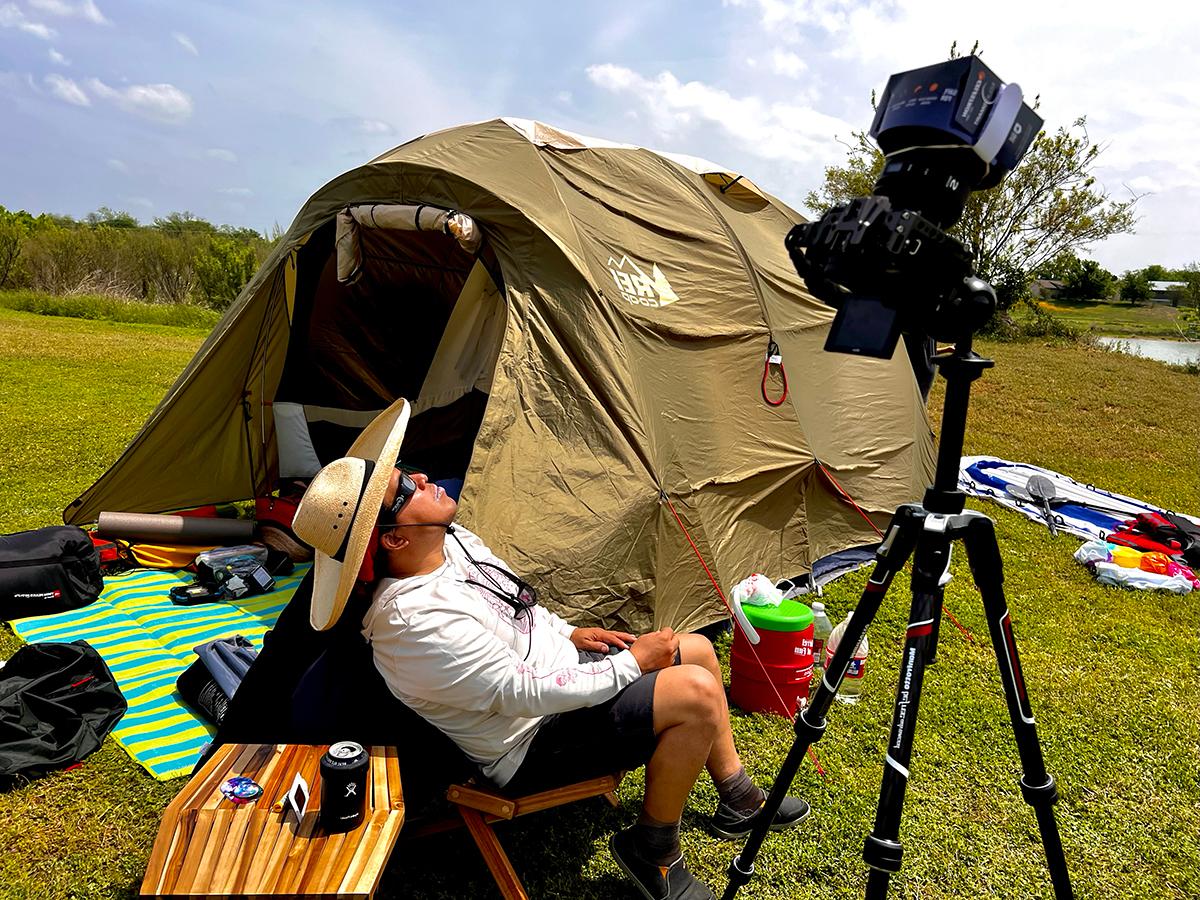
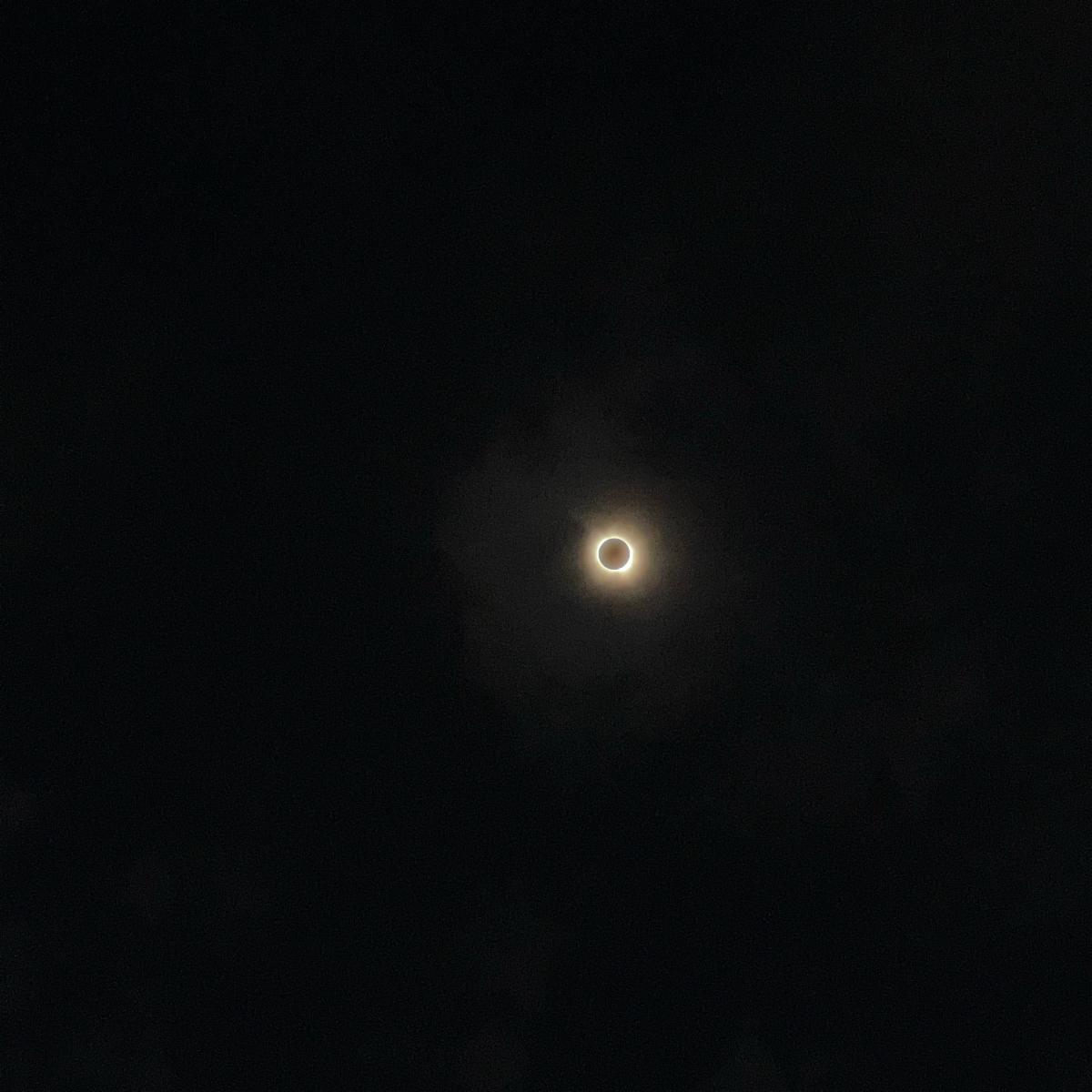
Time for reflection and awe at the beauty of the cosmos and the insignificance of man. Liana, her sister and I drove out to Llano, TX with some friends to witness the Solar Eclipse in its entirety. We camped out along the Llano River bank and prayed that the cloud cover wouldn’t prevent us from taking a glimpse of the eclipse with our bare eyes.
I made note that the last time a Solar Eclipse passed over the United States was on August 21, 2017, dubbed the “Great American Eclipse” because it could be seen from coast to coast in its entirety, at least in 14 states. It was only a partial eclipse in Texas and I remember taking time to step outside and take a peek with my solar eclipse glasses as I prepared for Hurricane Harvey to make landfall. The 45th POTUS was starting his first term and I was worried how his policies would impact us in Houston and across the Gulf Coast.
On August 25, Hurricane Harvey made landfall along the Texas Coast as a Category 4 Hurricane forever shaping my life's work and bringing it into focus. In 2017, I started working with the Sierra Club and was just settling into my office in August. The devastating impacts from Hurricane Harvey would help serve as a catalyst for the Just Recovery Framework developed by AGIP members from our collective experience of living through disaster.
I didn’t know it at the time but I would be leaving the Sierra Club and starting a new job by the end of 2024. The work that came out of the previous six years had travelled the world and back again, influencing local, state and federal policy across the United States. As 2025 approaches and the 45 POTUS returns to office As I reflect on this, I am reminded that even in the completeness of a total solar eclipse, you cannot blot out the light entirely because of the Corona. I’ll be looking to the corona for inspiration in 2025.
| | | | |
Rio Bravo Office Opens for Business
by Patricia Rubio
| |
|
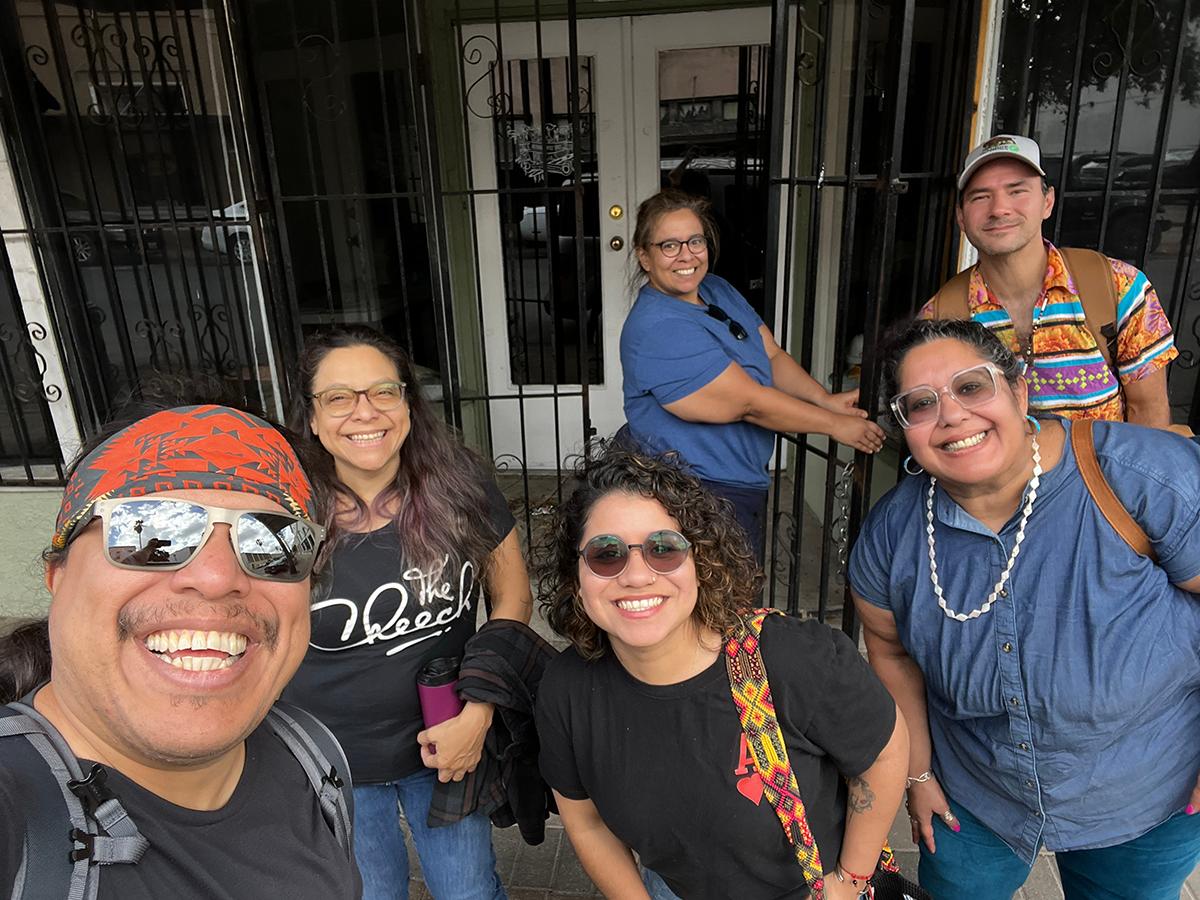
Rio Bravo Office Space was established on a hot 2023 summer day in the city of Brownsville Texas. There was an idea to create a safe place for collaborative groups, grassroots organizations and community gatherings.
The office space was uncovered by Another Gulf is Possible members of the RGV with a vision. Since the Rio Bravo office opened, we have used the space for phone banking, community outreach events, teach-ins, meetings, interviews with reporters, organizing and campaign efforts in 2024. The office has also served as storage for hurricane relief supplies.
It has now grown into a space for South Texas Environmental Justice Network, a network of Rio Grande Valley residents. The Carrizo Comecrudo Tribe of Texas has also used this space for meetings, information and education gatherings.
The office space has also served as a Just Recovery Hub for Just Recovery Kits and hurricane relief supplies delivered by AGIP members in Houston using the Just Recovery Transporter. We have also had poster painting gatherings for various actions protesting against Space X, several LNG terminals and pipelines. The Rio Bravo Office has grown into a center for creativity, community and resistance, a true Movement Space.
RGV Flora & Fauna Facts
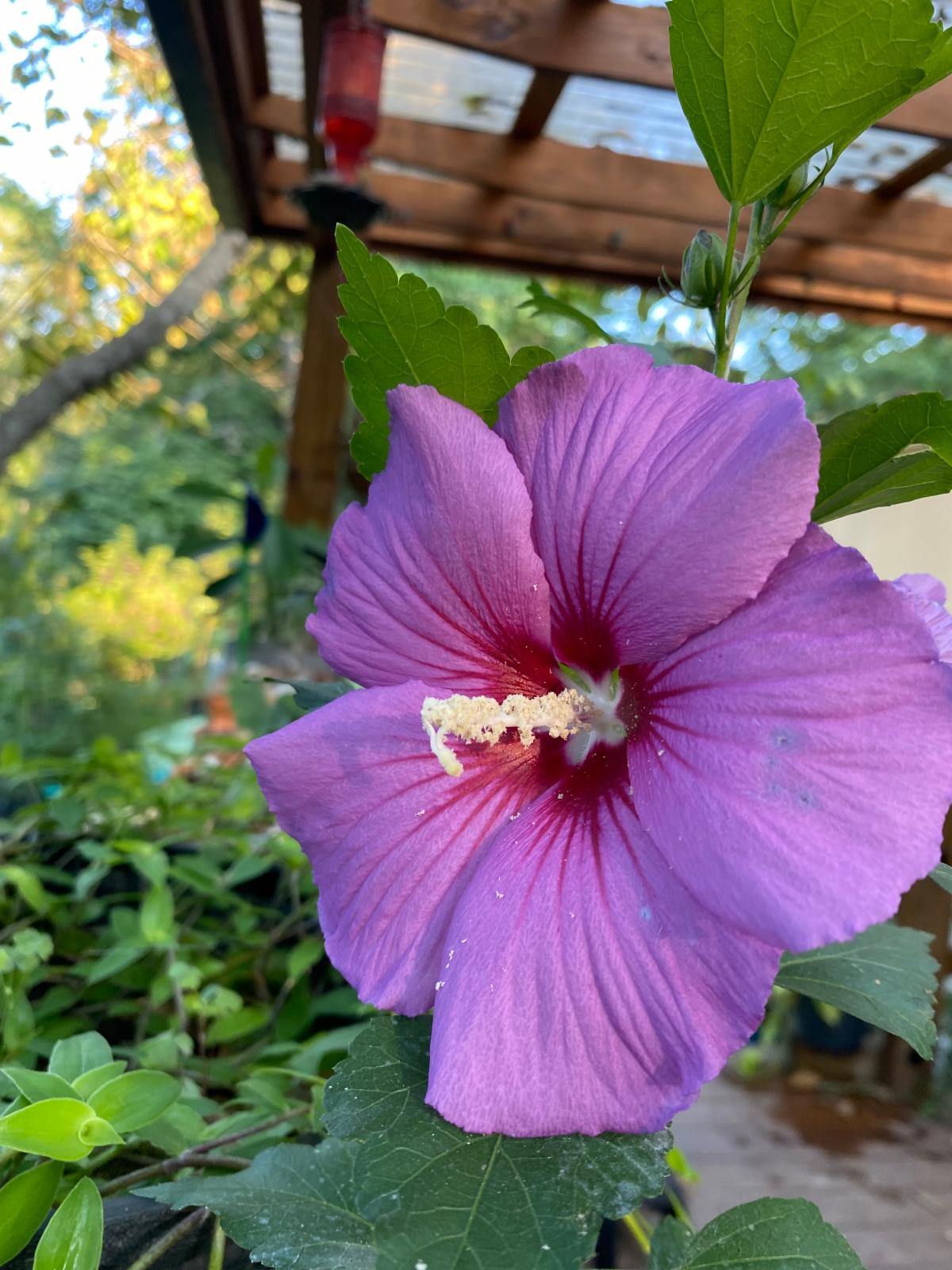
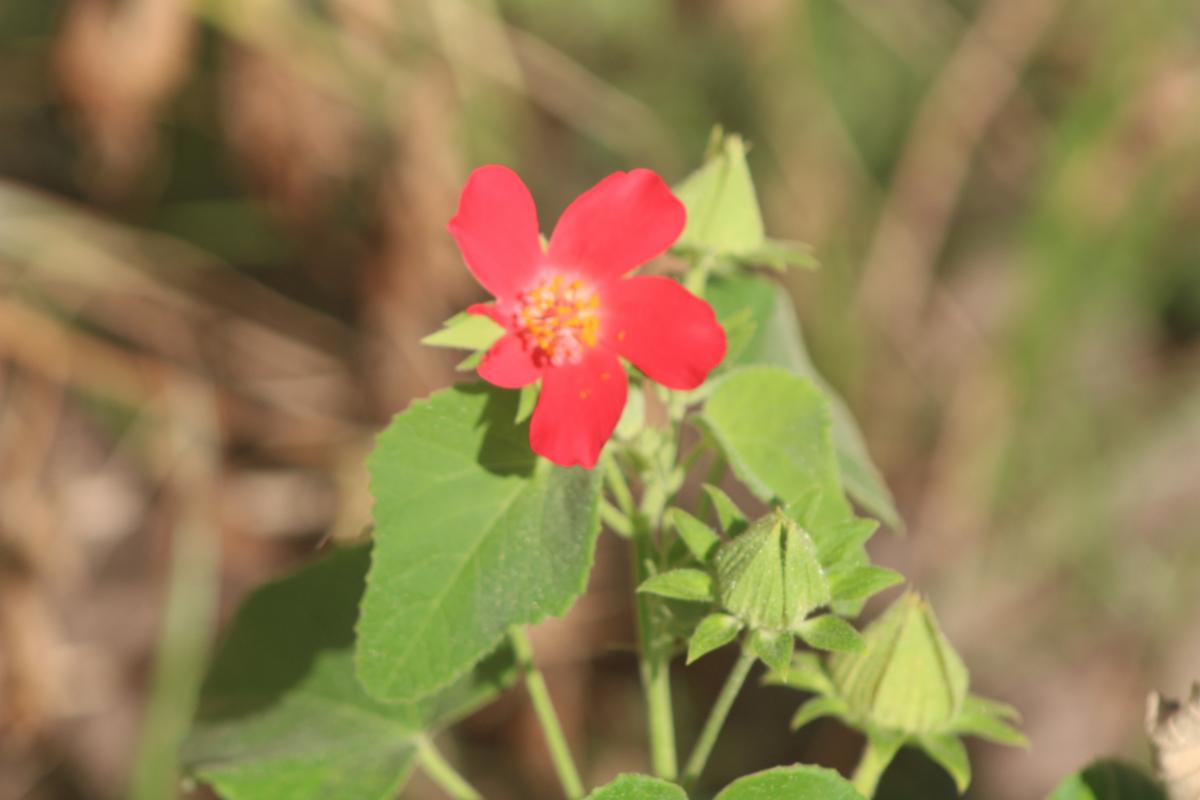
One of the projects I have been most passionate about is starting the AGIP South Texas Seed Bank. So far, I have collected Rio Grande Valley Native plants like Betony Mistflower, Fire Wheel, Heart Shape Leaf Hibiscus and more.
This seed bank was created to help micro green spaces in RGV gardens. Our garden is located in Harlingen, Texas at a collaborative member's parent’s home and maintained by Patricia Rubio. We have handed out seeds at community events and will make seed packets to leave at the Rio Bravo Office Space in Brownsville, Texas in 2025.
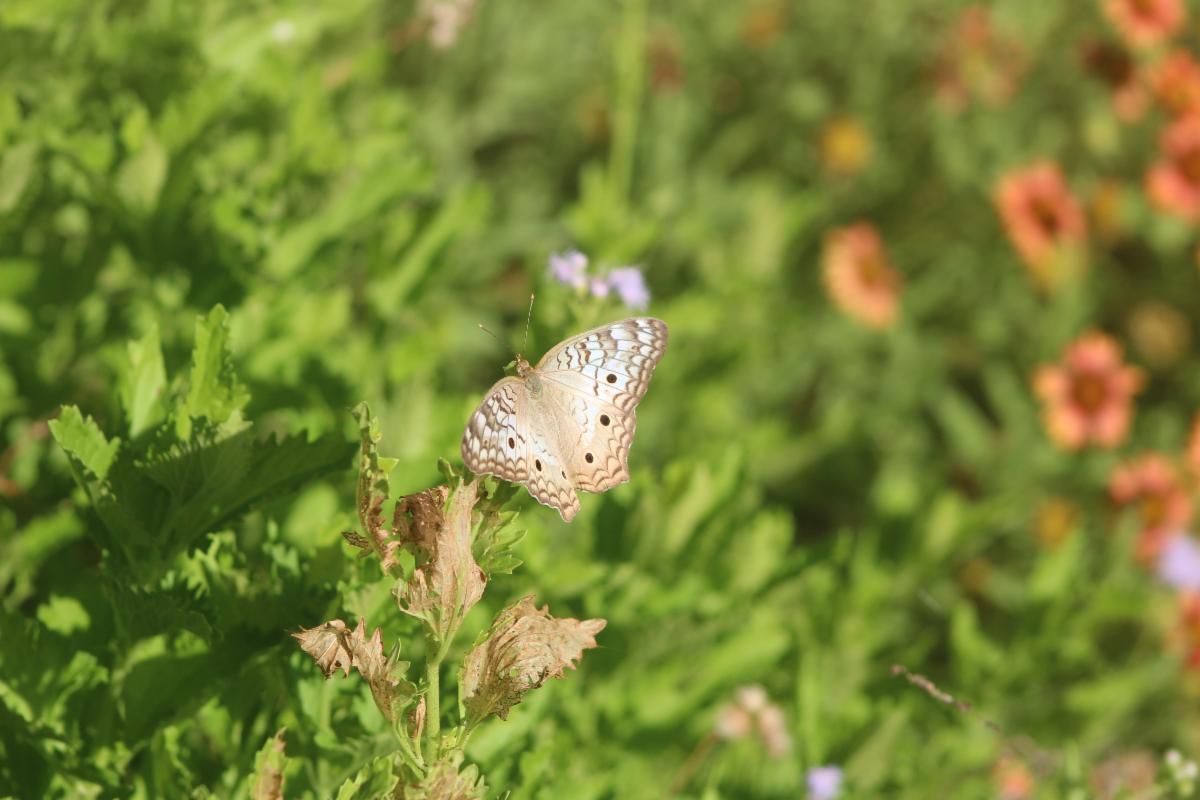
- The Lower Rio Grande Valley of South Texas is rich with butterfly species that may not be found elsewhere in the country like the Mexican Blue wing and two Barred flasher.
- The Rio Grande Valley is home to over 30 species of specialty birds, including the Green Jay, Altamira Oriole, Ringed Kingfisher and many others. The sub-tropical climate provides warm year-round temperatures, which occasionally attract Mexican rarities.
| |
| | | |
A Midwinter Solstice Reflection
by Ramsey Sprague
| |
Another Gulf Is Possible (AGIP) is publishing this newsletter in the last quarter of the Gregorian calendar year, and this time also marks the end of my first four years as an AGIP collaborative member. Reflecting on the last four years offers many take-aways. Who have we been? What haven’t we been?
Not all who were involved when I joined are still involved. Not all are still in relationship with AGIP’s efforts to serve. Uncertainty is sometimes too much to bear, and these are, if anything, uncertain times.
Taking a snapshot within these cycles of seasons in which we find meaning and belonging can reveal the social movement and lack thereof, which have both nurtured, challenged, and otherwise forged us in the crucibles of time we individually experience.
For me, it’s been 25 years since the phrases “climate change” and “environmental justice” gained meaning.
It’s been almost 20 years since I paid my first visit as an adult to Dulac and helped a seemingly endless number of cousins with immediate needs following Hurricanes Katrina and Rita.
It’s been 16 years since I witnessed how the consequences of US presidential elections reach far and wide when, just months after seeing surprising celebrations for the election of America’s first Black president, I watched a coup fail in Guatemala as a successful one was playing out just a few hours away in Honduras.
It’s been 15 years since I rode my bicycle across the Gulf South into Mobile, Alabama and stumbled into my present-day relationships with both the historic Africatown community and the Kvnfvske Maskoke ceremonial community and in doing so learned a truer spectrum of what “indigenous identified Gulf Coast communities” could mean to me.
It’s been 12 years since I joined the Tar Sands Blockade in protest against the construction of the Keystone XL pipeline across Texas and Oklahoma and watched the work I helped produce go viral.
It’s been 11 years since I moved several states over to be more physically present in the efforts to support the Africatown community as well as what eventually became the Ekvn Yefolecv Maskoke ecovillage.
In moving my life to Alabama, I thought my being born in Louisiana and raised in Texas afforded me a good grasp of what life in a Republican-dominated state entailed, but Alabama broke me of those illusions. I was often asked if I liked it and what it’s like, and, for all its deep and disturbing realities, it has its charms. In offering that response, I mostly reflected on Alabama’s natural beauty, but as is the case across the South, parts of its charms lie in its networks of solidarity whose compassionate acts of faith demand, “Nothing is inevitable; Everything is possible”. That includes Another Gulf.
Celestial clocks tick with or without us. No matter where we find ourselves here on the Gulf, it gets as dark as it ever has been only to become as brightly lit as it ever will be once again.
Each and every of the many crises to which we are exposed presents choice. Each choice committed makes many meanings.
Nurturing our creative forces to look at our many choices and their many meanings and attempt to make coherence of them is an act of radical optimism. In deeply uncertain times, what is more wise than to rely on what is certain for guidance and shelter without judgment?
In expectancy for brilliance to resume its eventual role as a counterweight to the engulfing darkness of midwinter, consider this reflection an invitation to grieve, if necessary, but not to despair. Dare to consider what is still possible to demand with your compassionate acts of faith.
| | | | |
Indigenous Herbalism Down The Bayou
by Anne White Hat, Sicangu Lakota Herbalist
| |
|
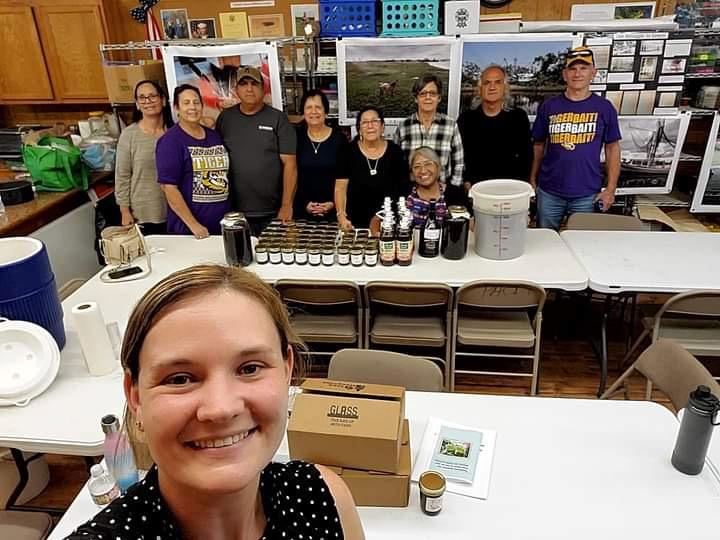
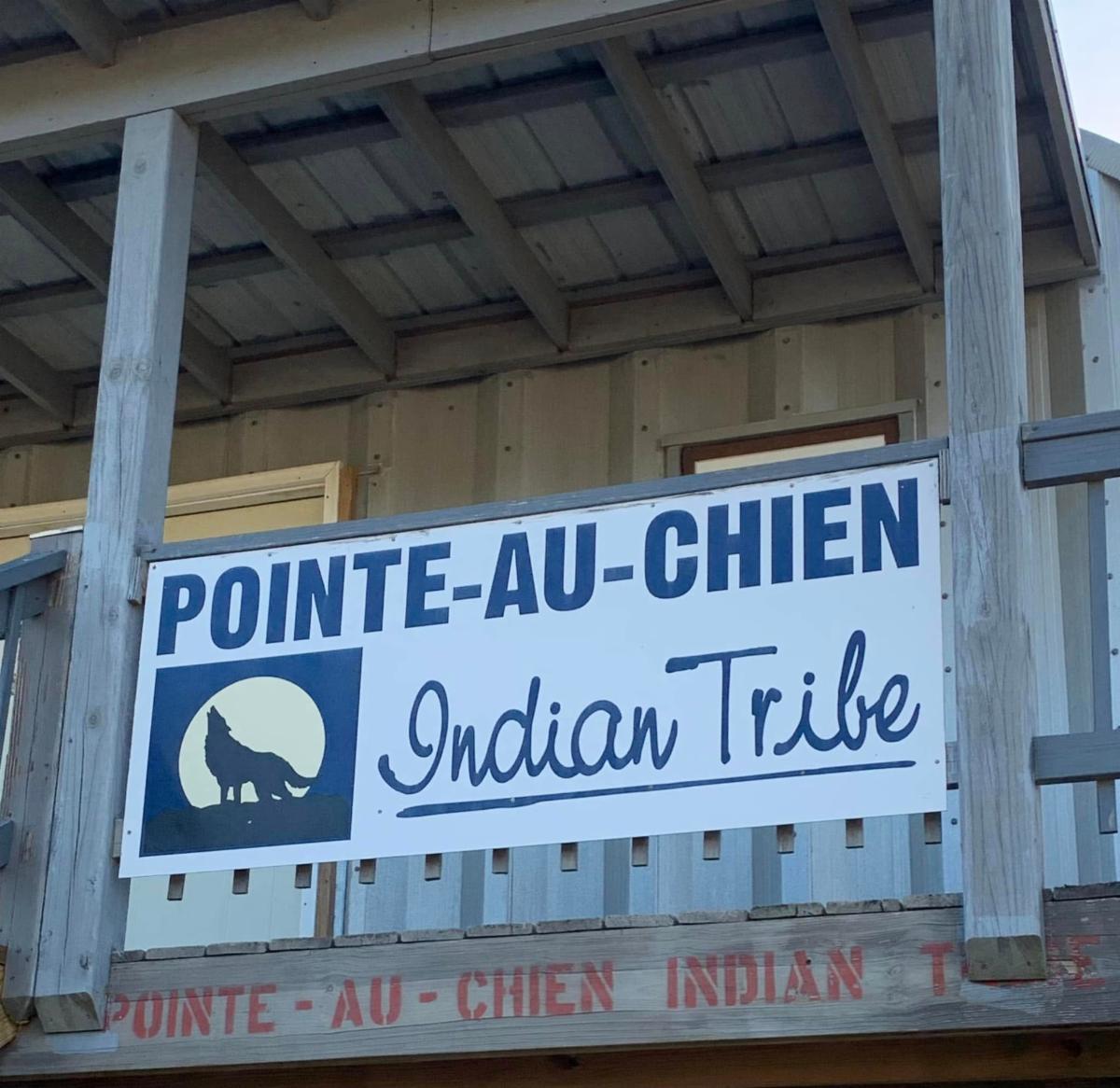
Pointe-au-Chien, Louisiana - The Pointe-au-Chien Tribal Center was a hub of herbal medicine making and wellness in Fall 2023 and Summer 2024 when I was invited by tribal members to share herbal education and medicine making skills. I had a great time making herbal medicine with the fine folks at the Pointe-au-Chien way down the bayou.
The Pointe-Au-Chien Indian Tribal Community (PACIT) is located along the Gulf Coast on the lands of their Chitimacha ancestors and is one of the oldest continuously inhabited areas in Louisiana. Their small community speaks a dialect of Indian French that is uniquely theirs and recently opened their own language immersion school. In 1993, they became incorporated in the state of Louisiana. While they filed for federal recognition with the US Bureau of Indian Affairs in 1996, they're still waiting for that confirmation.
They are among the first responders to climate change and among the first climate refugees due to salt water intrusion and rapid land loss. They live off the water and are skilled fishermen who hunt alligators, catch shrimp, oysters and crabs, However their ability to live off the land is deeply impacted by saltwater intrusion, reduction of barrier islands and the lack of fresh water to replenish the soil. This has caused many of their plant medicines to become at-risk of being lost, and indeed some have already been lost.
Their rich culture also includes healers called Treateurs, recognized healers who worked with the Plant Nation to provide healing from sickness with the use of traditional plants and prayers.
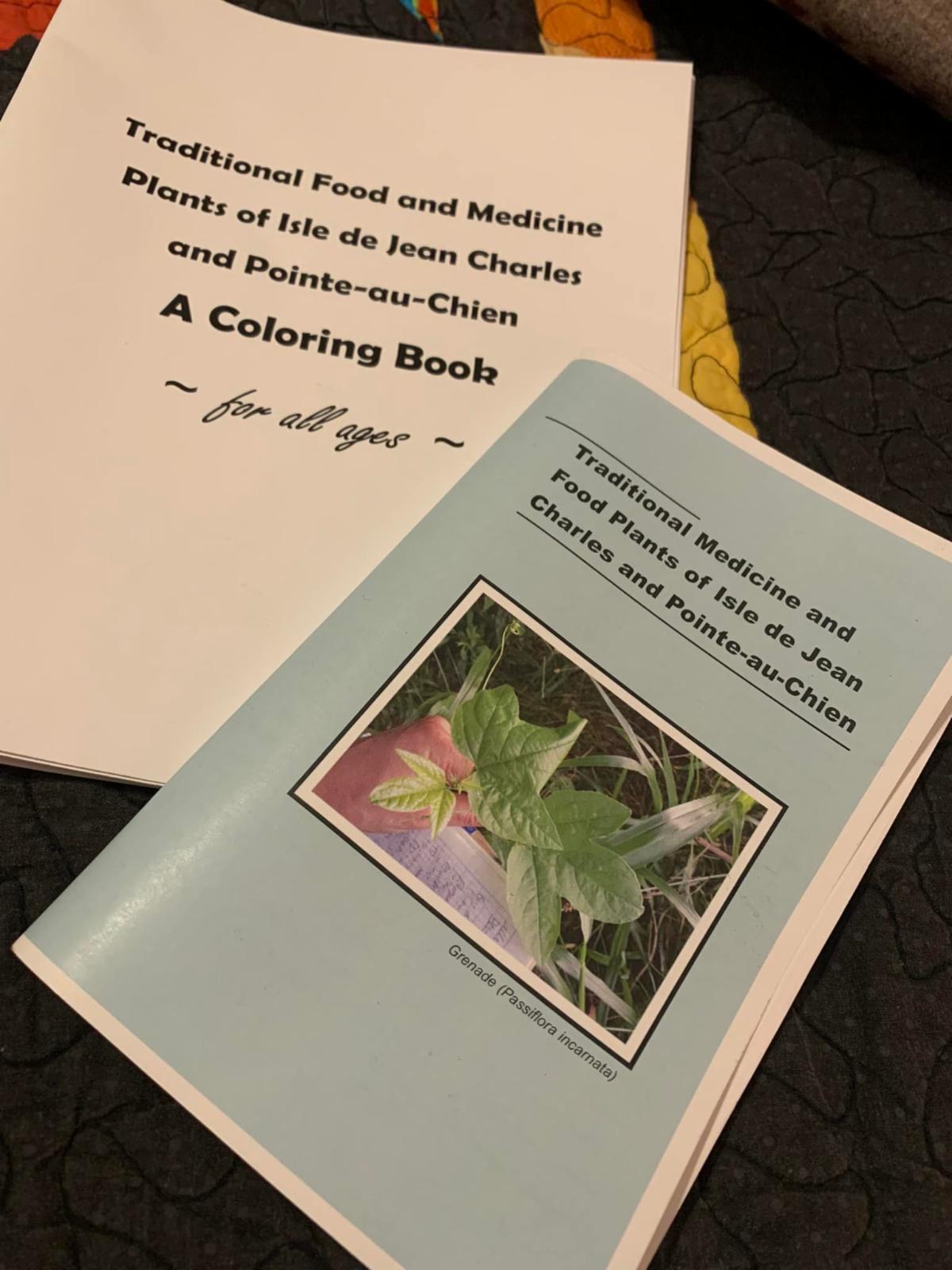
I worked alongside Theresa Dardar to lead the two herb workshops and medicine making skill shares. We enjoyed rich discussions around local plants, referencing their recently published book, “Traditional Medicine and Food Plants of the Isle de Jean Charles and Pointe-au-Chien” as we shared the fresh peach, pêche, leaves.
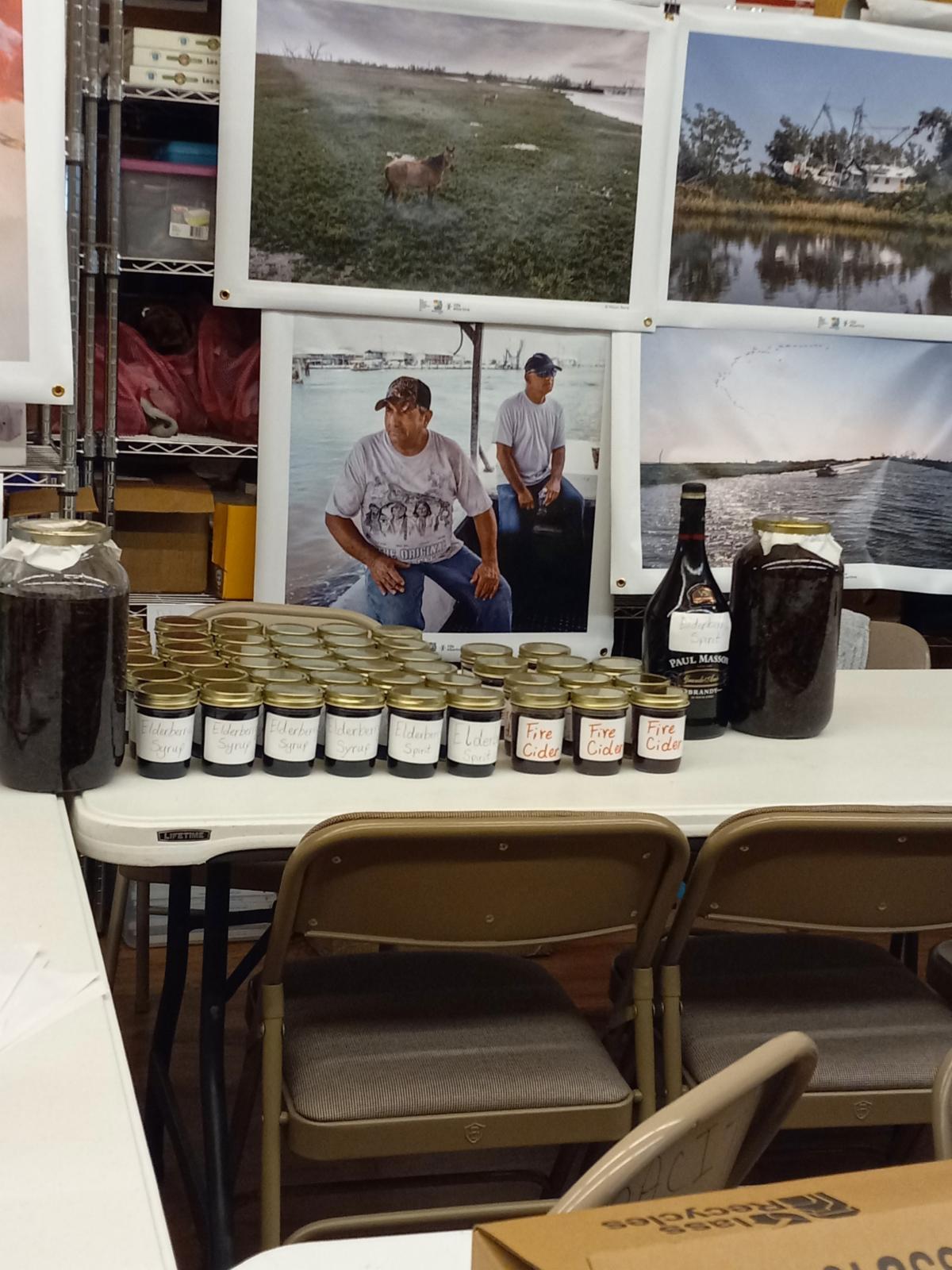
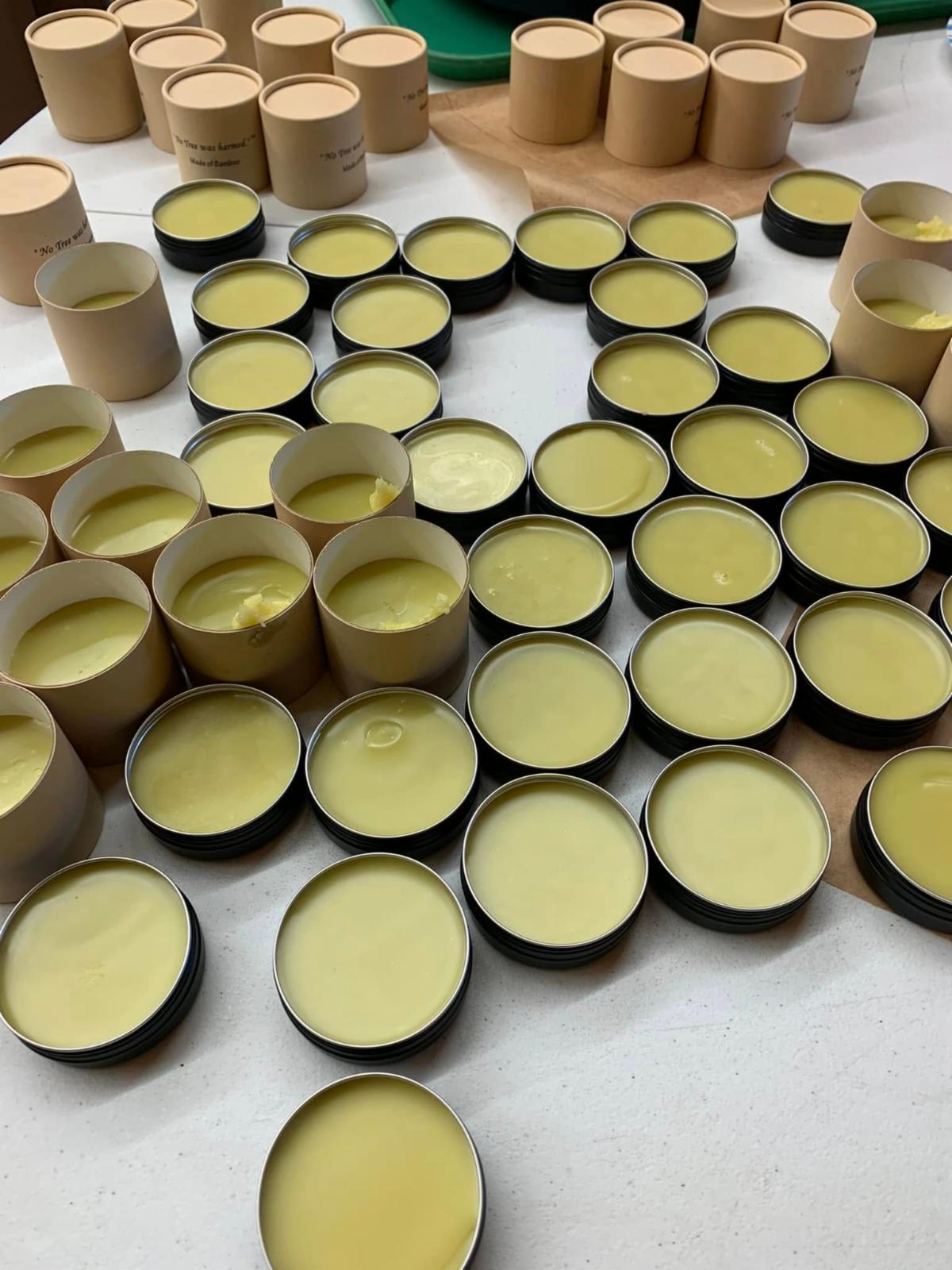
The hands-on experiential herb workshops focused on brewing elderberry syrup, fire cider, herbal oils and salves including a batch of all natural insect/mosquito repellent and a lovely calendula and plantain oil. The class also made a nice yarrow powder with enough of each medicine to share with their tribal community
They recently began a green house project to begin growing medicinal plants in an effort to re-establish those that have already been lost or are at-risk. Theresa Dardar shared, “The workshops were enjoyed by all who attended. We learned while having fun. Everyone was willing to get involved in preparing ingredients or anything else that needed to be done. Anne is so generous with her time and her knowledge. We truly appreciate her coming to our community to do these workshops! A huge Thank You!”
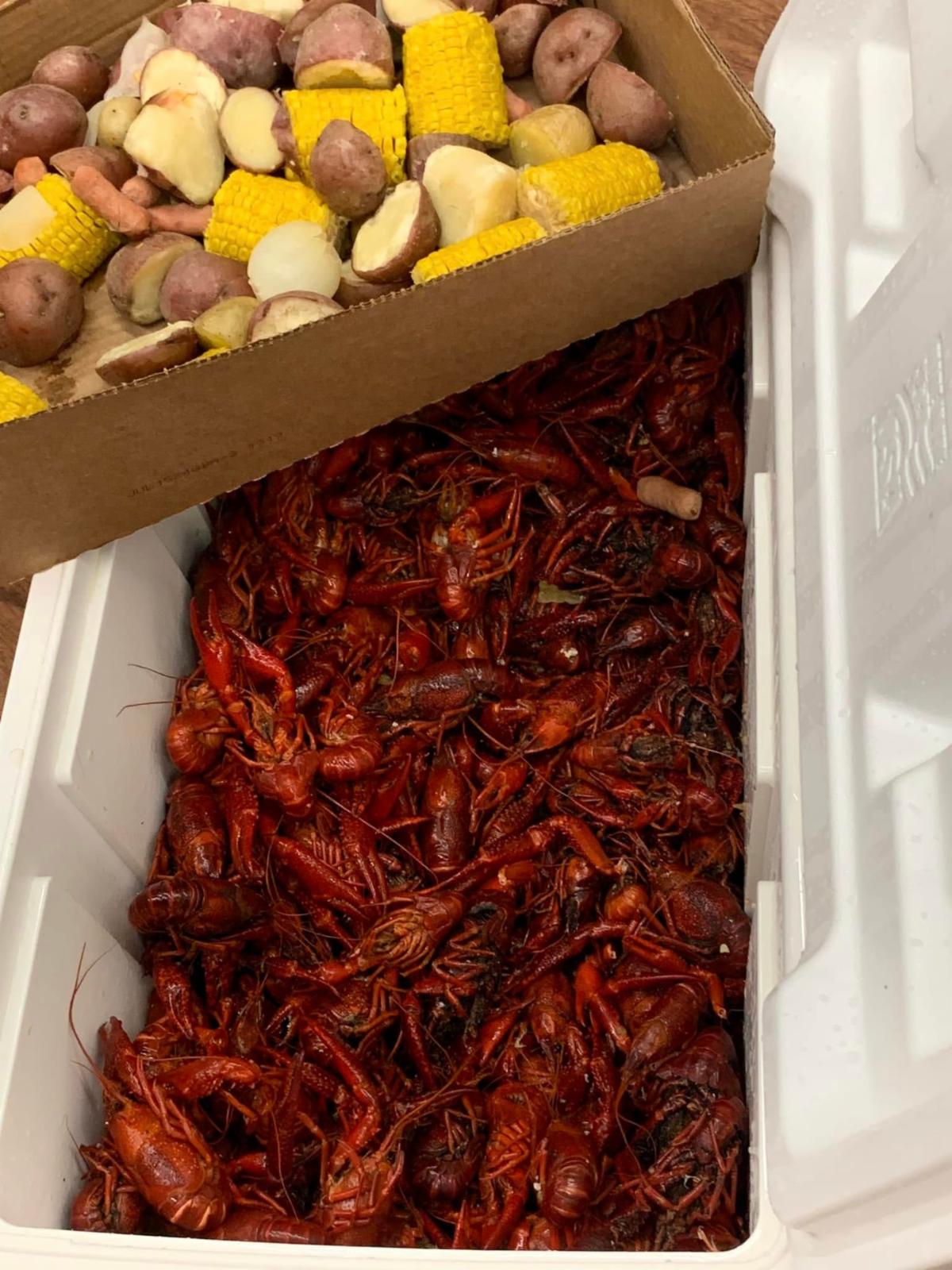
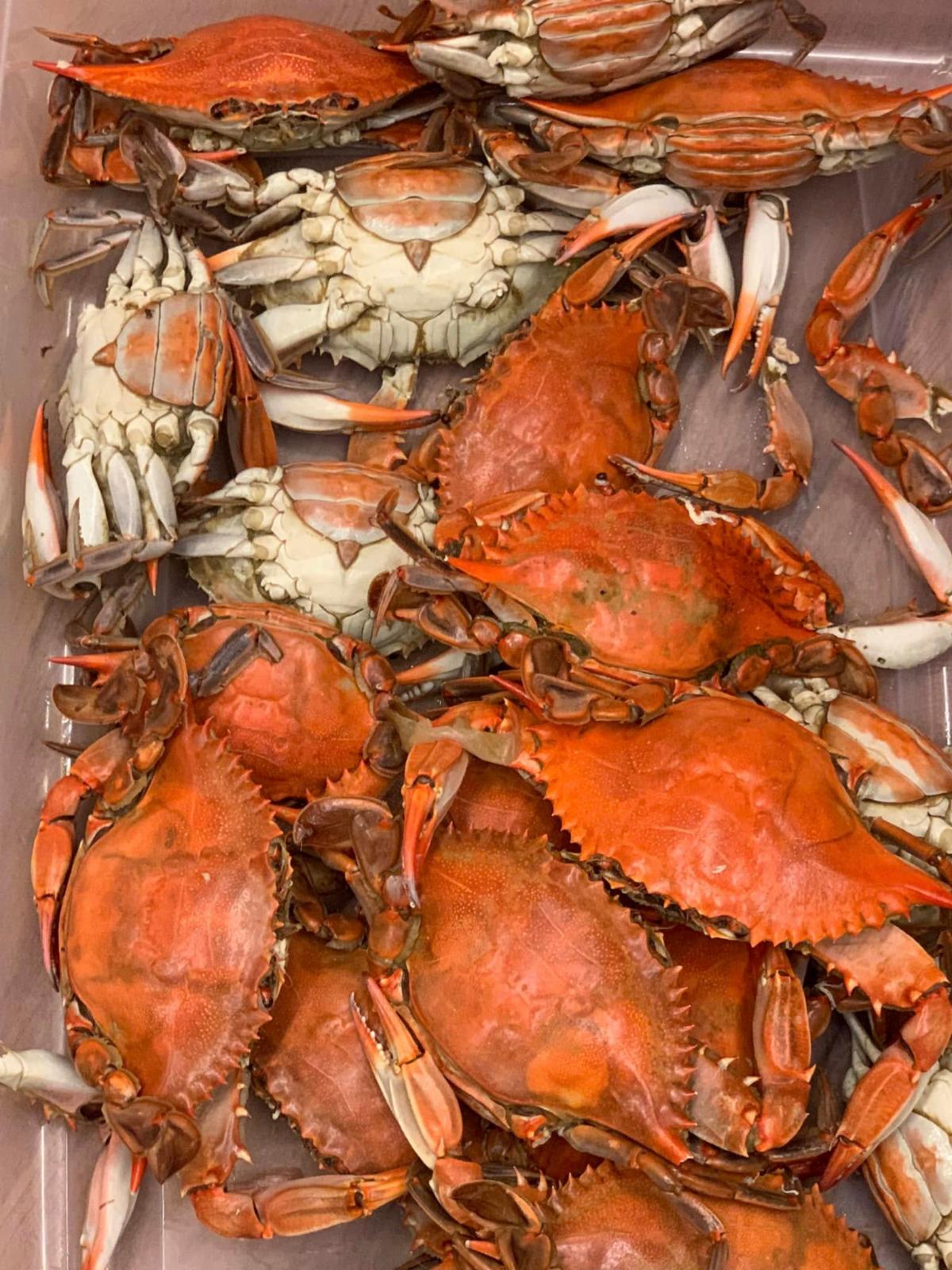
To end the workshop summer workshop, they had prepared a crawfish boil and a crab boil! All love, all herbs and food, and all good medicine.
| |
| | | |
| |