|
Turning Cooperation into Growth, Annual Financial Reports, Ranking Reserves, and Catalyzing Growth |
Recap of PICA's 2025 Fall Forum:
Turning Cooperation into Growth
| |
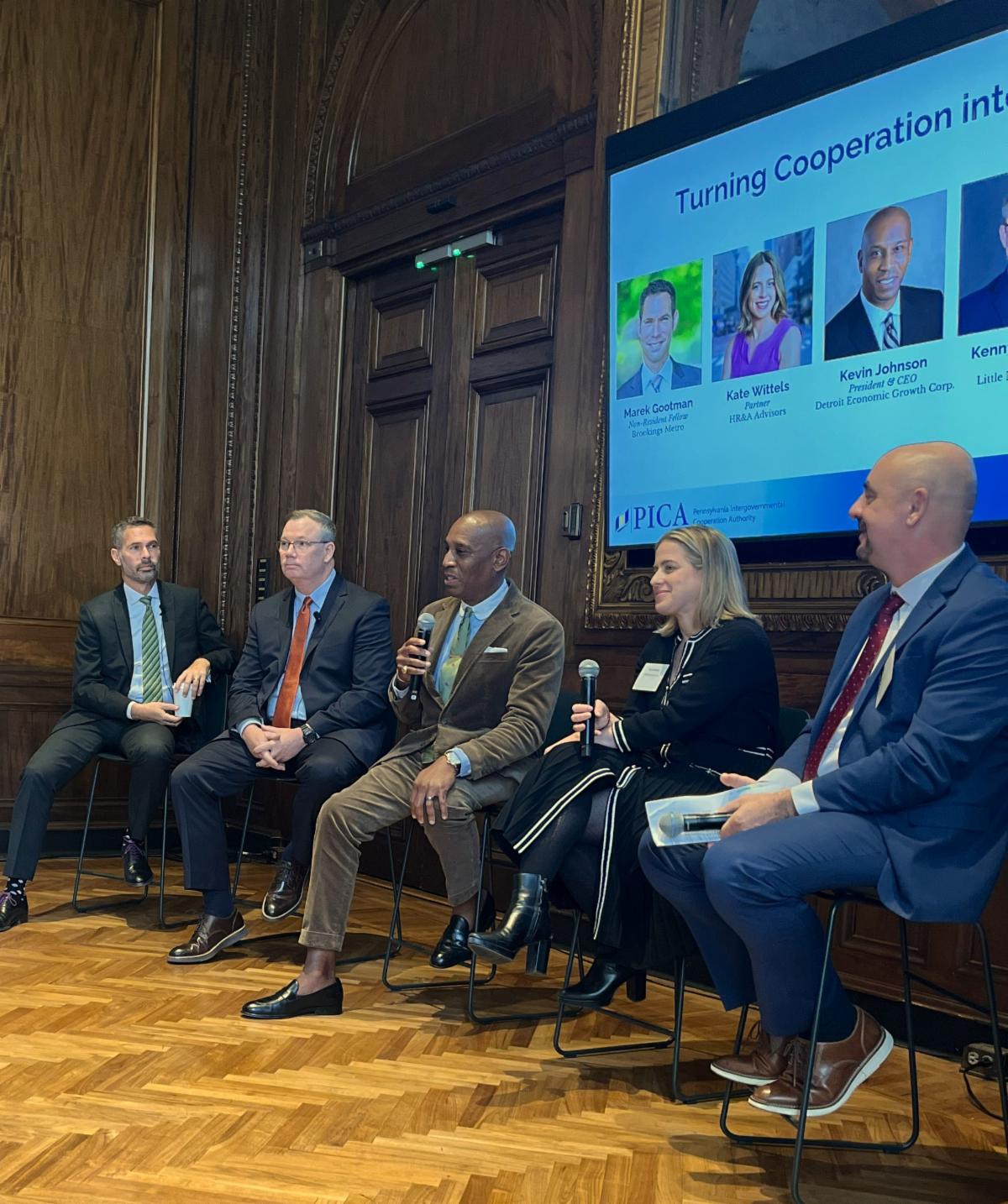
PICA’s 2025 Fall Forum -- Turning Cooperation into Growth -- brought together public, private, and nonprofit leaders to explore how collaboration across city and county lines can drive inclusive and sustainable economic growth. Framed by opening remarks from PICA's Board Chair Kevin Vaughan, the event emphasized the region’s remarkable economic potential alongside persistent challenges of poverty and limited economic mobility. Attendees heard from Marek Gootman of Brookings Metro, whose recent research on the Southeastern Pennsylvania market set the stage for a discussion about how Greater Philadelphia can better align regional assets, investment strategies, and institutions to work together grow together.
A national panel featuring leaders from Atlanta, Detroit, Columbus, and New York City shared lessons on defining, planning, and doing economic development in ways that build trust and deliver long-term results. Panelists underscored that cooperation is not just an aspiration but a discipline rooted in private-sector leadership, flexible and patient funding, and persistent relationship-building. Their insights illuminated how regions that treat growth as a shared enterprise can create broader opportunity, stronger neighborhoods, and more resilient public finances.
Lessons Learned:
- Growth follows cooperation. Regions that plan and invest together win together.
- Private leadership and flexible capital are essential to sustain long-term economic strategies.
- Aligning education, workforce, and business development efforts can multiply impact across the region.
|
| City of Philadelphia's FY25 Annual Financial Report | | |
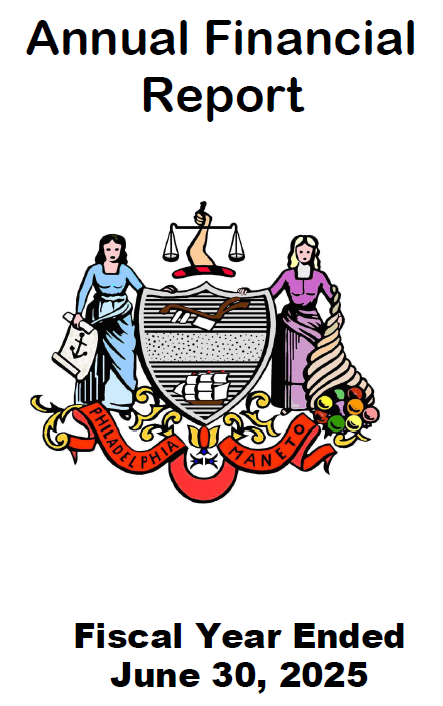
The books have closed on The City of Philadelphia’s FY25 budget, and there are several significant differences from the estimates in the PICA-approved FY26-30 from July:
- The City had an operating surplus, rather than the expected deficit.
- Revenues were up by $78.9 million (1.2 percent). Business and Realty Transfer Taxes were up big, offsetting lower-than-expected state and federal funds and Wage Tax collections.
- Spending was a bit lower than estimated, by $251.0 million (-3.8 percent). Much of the underspend was for personnel costs ($109.7 million), with ongoing vacancies driving salary and benefit costs below expectations. Additionally, the City didn’t need to tap into $95.0 million set aside for a loss of federal funds.
- These combined factors mean Philadelphia ended FY25 with a $1.19 billion fund balance, 29.9 percent above the most recent estimate and allowing the City to exceed the GFOA-recommended level for reserves.
Next month's newsletter will include a more in-depth summary of the City's FY25 Annual Financial Report.
| |
Ranking Reserves:
Benchmarking Philadelphia's Financial Cushion
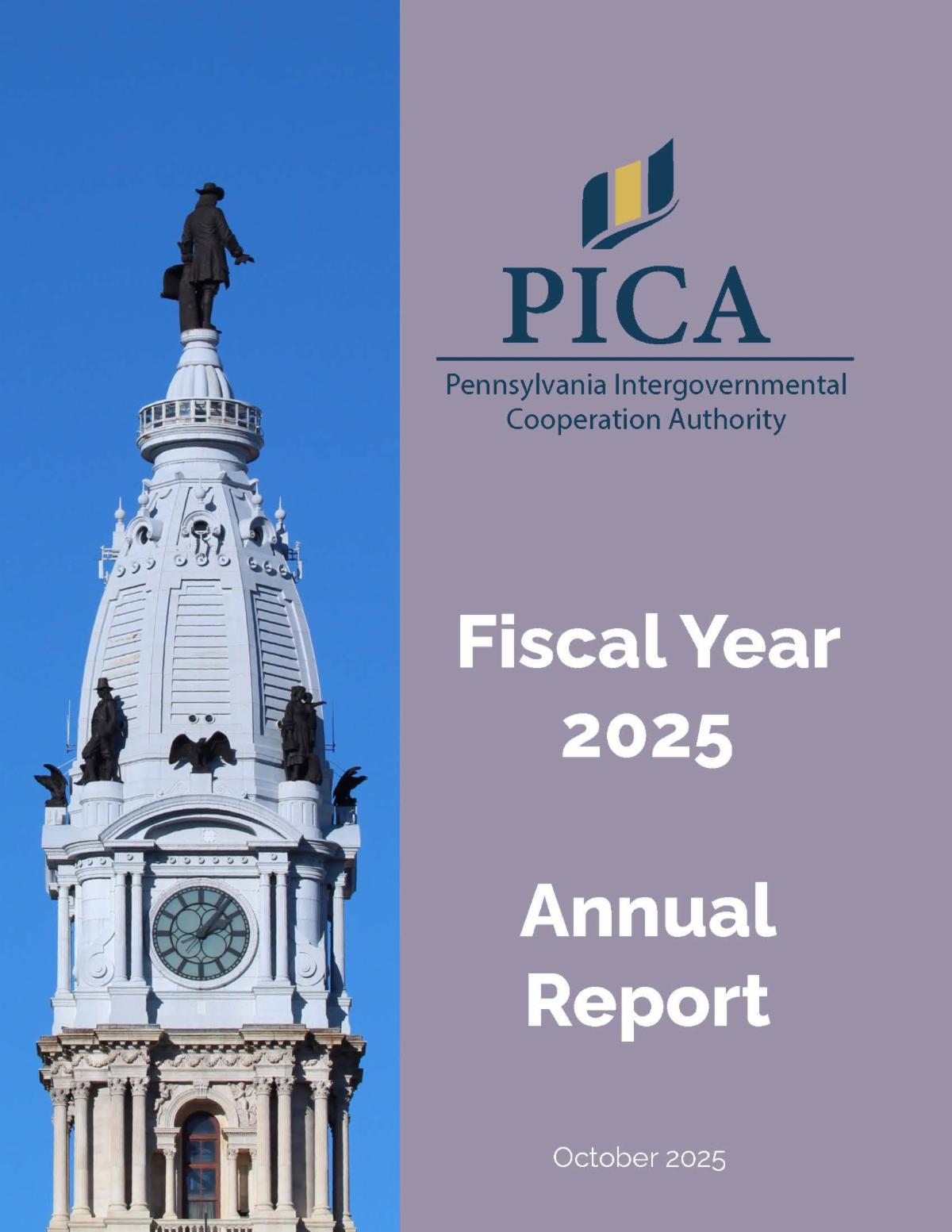
| | Philadelphia’s reserves improved significantly between FY20 and FY24, reaching 18 percent of General Fund revenues, the highest level in City history, but still below the median among ten peer cities. Despite this progress, projections in the FY26 to FY30 Five-Year Plan show reserves steadily declining, which may limit the City’s ability to respond to future fiscal challenges. The report recommends that Philadelphia adopt a long-term strategy to build its reserves, including tools like fiscal stress testing and consistent policies modeled after its successful pension reform efforts. | | Graphic created with ChatGPT's DALL-E and edited by Octavia Geiger | | Catalyzing Growth: Tracking Philadelphia's General Fund Investments in Economic Development | | Philadelphia has more than doubled its General Fund spending on economic development over the past decade, but lacks a system-wide strategy to evaluate the return on those investments. This publication analyzes how the City reports economic development spending, compares Philadelphia to peer cities, and recommends clearer goals, outcome-based measures, and regular reporting to guide future investments. By linking spending to results, the City can ensure public dollars are driving inclusive growth and strengthening the tax base. | | Graphic created with ChatGPT's DALL-E and edited by Rob Call | | PICA's FY25 Annual Report | | In FY25, PICA fulfilled its oversight responsibilities by approving the City’s Five-Year Financial Plan and analyzing quarterly trends in revenues, expenditures, and fund balances. PICA expanded its research agenda to include capital transparency, bond spending, and grants administration, producing accessible reports and fact sheets to inform the public. PICA also modernized its operations by upgrading its website, launching new data visualizations, and deepening engagement through events and partnerships. | | The City of Chicago is in a tough spot fiscally, with a $1.1 billion deficit forecast for its main operating fund in FY26. In response, Mayor Brandon Johnson launched the Chicago Financial Future Task Force to identify actionable options for restoring the City of Chicago's fiscal health. At the end of August, the Task Force released its Interim Report highlighting Options for Chicago's Financial Future. | | Next PICA Board Meeting is November 18, 2025 | The next PICA Board Meeting will be held on November 18, 2025 at 12:15PM in our office at 1500 Walnut Street, Suite 1600, Philadelphia, PA 19102 and online via Zoom. Registration is available below. | | PICA Tax revenue to Philadelphia in FY26 YTD | | | | |