2025 Legislative Update: Week 8

April 25, 2025

Updates from the eighth week of the Legislative Session include:


  • House/Senate budget process quiet, timely end to session unlikely
  • Local Government Land Development preemption, SB 1080, voted down in full Senate, but is reconsidered the next day
  • Senate Parks Bill, SB 80, survives a weakening amendment, moves to full Senate on April 29


With just one week left until the scheduled May 2 end of the 2025 Legislative Session, late-in-the-week announcements revealed there were no budget deals yet, and the issues SCCF has been tracking continue to transform.

House/Senate Budget Process


Typically by this time in the 60-day legislative session, budget conferees from both the House and the Senate would have been assigned, and they would have met to reconcile the differences between their respective budgets. A Senate Tax package has been presented to the House, but a $3 billion difference remains between the proposed budgets, including high-profile spending plans for state employee pay increases, additional tax cuts, and Everglades funding is in the balance.


Late Thursday, Senate President Ben Albritton announced that budget negotiations were temporarily stalled mostly around the issue of tax cuts. He said he was committed to passing historic and unprecedented tax relief, but not at the expense of long-term financial stability.


If the 2025 session is to adjourn by the scheduled May 2 deadline, the budget would have to be finished by Tuesday (April 29) to meet the statutorily mandated 72-hour budget review period required before the final budget vote. If that deadline passes without an approved budget, the session could be extended, or session could adjourn without a budget — requiring a special session to finalize it before the beginning of Florida's next fiscal year, which starts July 1. 

State Land Management (Parks Protection Bill)


SB 80 by Sen. Gayle Harrell passed by a vote of 18-0 in its third and last committee stop in the Senate Fiscal Policy. SB 80 survived an amendment by the Fiscal Policy Committee Chair, Sen. Joe Gruters, to weaken the bill by adding language that would support “using disturbed uplands” within state parks to the maximum extent practicable as long as the natural resource was protected from “substantial harm”. Committee members recognized that such ambiguous language could be open for interpretation on building sporting facilities, and they rejected the amendment. 


While SB 80 contains many elements important to protecting our state parks from the egregious golf course and large-scale lodge proposals from last summer, the bill still contains concerning language that only requires projects to “avoid substantial harm” and “protect the resource to the maximum extent practicable.” This soft language does not provide the necessary language to completely close the loophole to potential development in our state parks.


Most state park advocates, including SCCF, prefer the House version of the bill, HB 209. HB 209 passed the full House unanimously (115-0) and has been received by the Senate for consideration. SB 80 is scheduled on the Special Order Calendar to be heard by the full Senate on Tuesday, April 29.

Local Government Land Regulation


SB 1080 by Sen. Stan McClain failed to pass in the full Senate this week, with a vote of 18-19. Throughout the Senate committee process, Sen. McClain worked to soften the sharp edges of this local government preemption bill, but even that was not enough to convince the full Senate to support this legislation.


One of the worst elements of this bill would bypass the local government comprehensive plan and zoning process for rural enclave properties and obligate local governments to approve development on rural lands surrounded by residential development on only two sides — allowing the inevitable domino effect of awarding a land use change on any contiguous rural land previously approved for development by this bill.


Opponents of this bill didn’t even have time enough for a sigh of relief when Senator Pizzo, on the prevailing side of the vote, made a motion on Thursday to reconsider, allowing the bill to be discussed and voted on again. Sen. Pizzo mentioned the affordable housing crisis during the initial debate of this bill. This maneuver points to potential amendments that may be introduced when the bill comes back again but for now, President Albritton postponed the bill from immediate consideration. SCCF and growth management advocates across the state OPPOSE this bill.


The comparable House bill, HB 579, has passed all of its committees and its first reading on the House floor. 

REVIEW: Proposed Everglades Funding

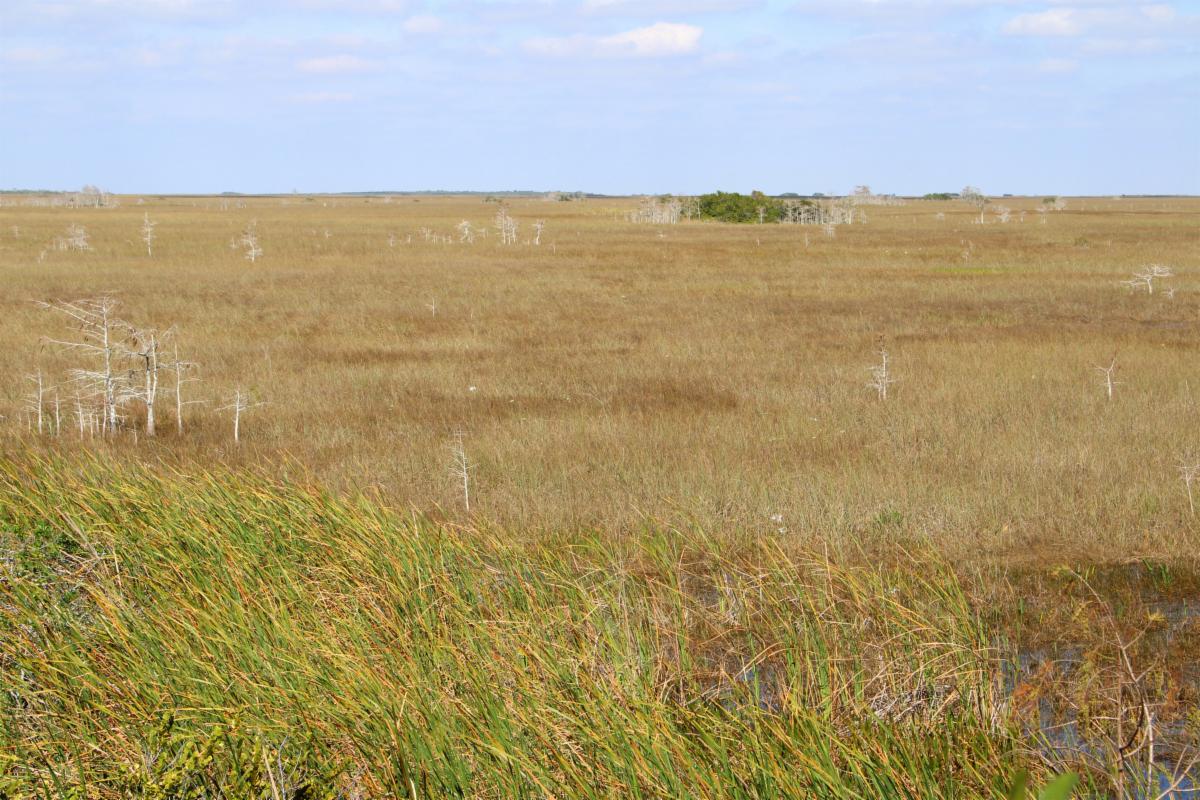
As the end of Florida’s 2025 Legislative Session draws near, there are still major discrepancies between the House and Senate budgets — including for Everglades restoration.


To fully fund Everglades restoration, Gov. DeSantis requested $805 million.The Senate budget contains only $629 million, but that figure dwarfs the House’s allocation of $229 million. 


There seems to be some confusion up in Tallahassee about funding mechanisms for projects with federal partners, with many stating that funding for the Everglades that was allocated last year has yet to be spent. Due to the nature of how Comprehensive Everglades Restoration Projects work, and the mismatch in the state and federal fiscal year, that money has already effectively been spent — it just hasn’t moved out of the bank accounts yet. 


In order to keep the projects on track, we need to ensure that funding will continue throughout FY ’25-’26.  


America’s Everglades provide clean drinking water, habitat connectivity, storm buffering, climate mitigation, carbon sequestration, biodiversity hotspots, and many other ecosystem services that are irreplaceable to the environment and economies of our state. These projects need to keep the momentum that they have built.


Please call your local House representative and explain to them why Everglades funding is so important to you, your family, your business, and your way of life.


READ MORE
SIGN UP FOR ACTION ALERTS
SCCF LEGISLATIVE TRACKER

SCCF is a nonprofit 501(c)(3) founded

in 1967 on Sanibel Island, Florida

Stay Connected!
Facebook  Instagram  Youtube