| |
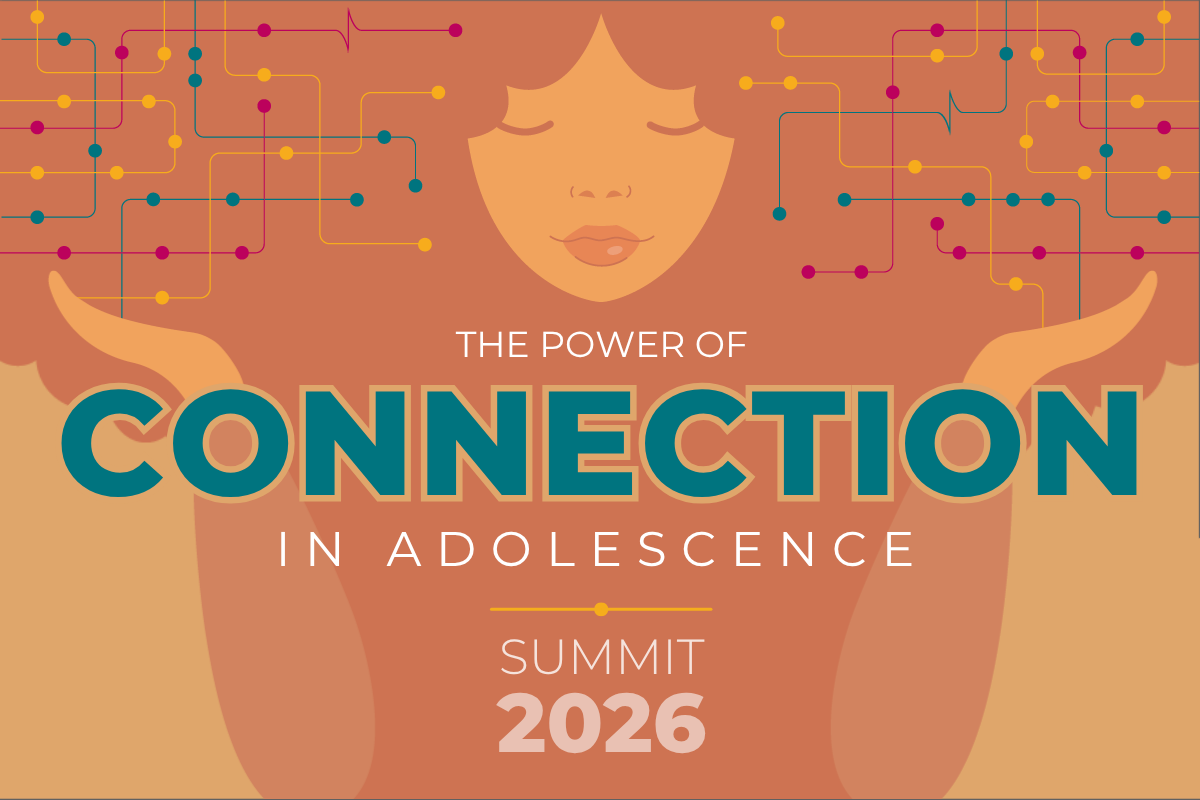
2026 UC|CSU Collaborative Summit
The Power of Connection in Adolescence:
Reimagining Schools and Communities for Connected Learning
Saturday, November 7, 2026
9 AM to Noon PT
| |
How can schools and communities help adolescents with individual learning differences build the social and relational skills they need to learn, belong, and grow?
Join us for the 2026 UC|CSU Collaborative Summit! You can choose between two focused tracks exploring inclusive learning environments and digital equity for diverse learners, each pairing developmental scientists with practitioners to bridge research and real-world practice.
Save the date for Saturday, November 7, 9 AM to Noon PT, and register now to connect with educators, researchers, and leaders shaping brighter futures for all adolescent learners!
| Webinar: Strengthening School Responses and Supports for Students Experiencing Bullying | The UC|CSU Collaborative, in partnership with the California Department of Education, is hosting a webinar on October 1 designed to help local educational agencies strengthen their approaches to preventing and addressing bullying, fostering an inclusive school culture, identifying students who may be experiencing bullying, and providing effective supports and responses. | Featured Resource: Standing Together Toolkit | | | |
We developed the Standing Together Toolkits in partnership with the California Department of Education to translate SB 939 from policy into practice, providing you with:
- Clear, research-aligned definitions of bullying and neurodiversity
- The warning signs adults often miss, and how to spot them
- Why bullying harms differently developing brains
- Strategies that help prevent harm
- Scripts, templates, and tools
Access our free suite of videos and downloadable resources for elementary and secondary aged students. Materials are available in English and Spanish, helping support our neurodivergent students by cultivating inclusive learning environments, disrupting ableism, and empowering students to advocate for themselves and others.
| | CSU Campus Liaisons, Led by Kate Esposito, Our Faculty Director at CSU Dominguez Hills | | Featured Team Member: Jennie Grammer, President of International Mind, Brain and Education Society (IMBES) |
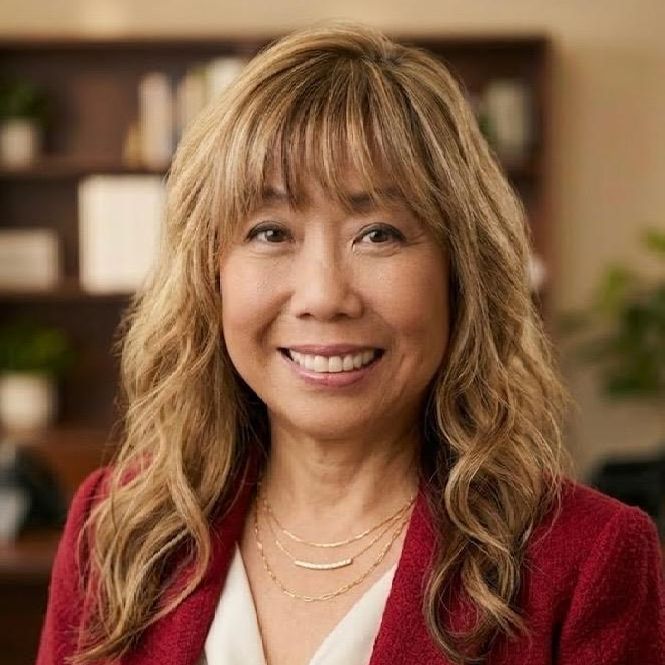
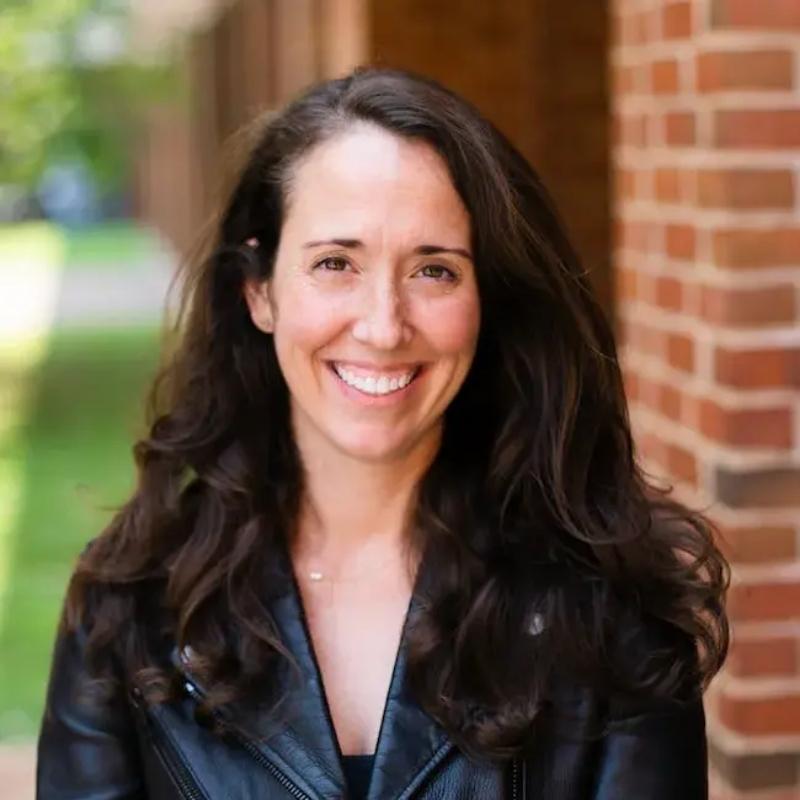
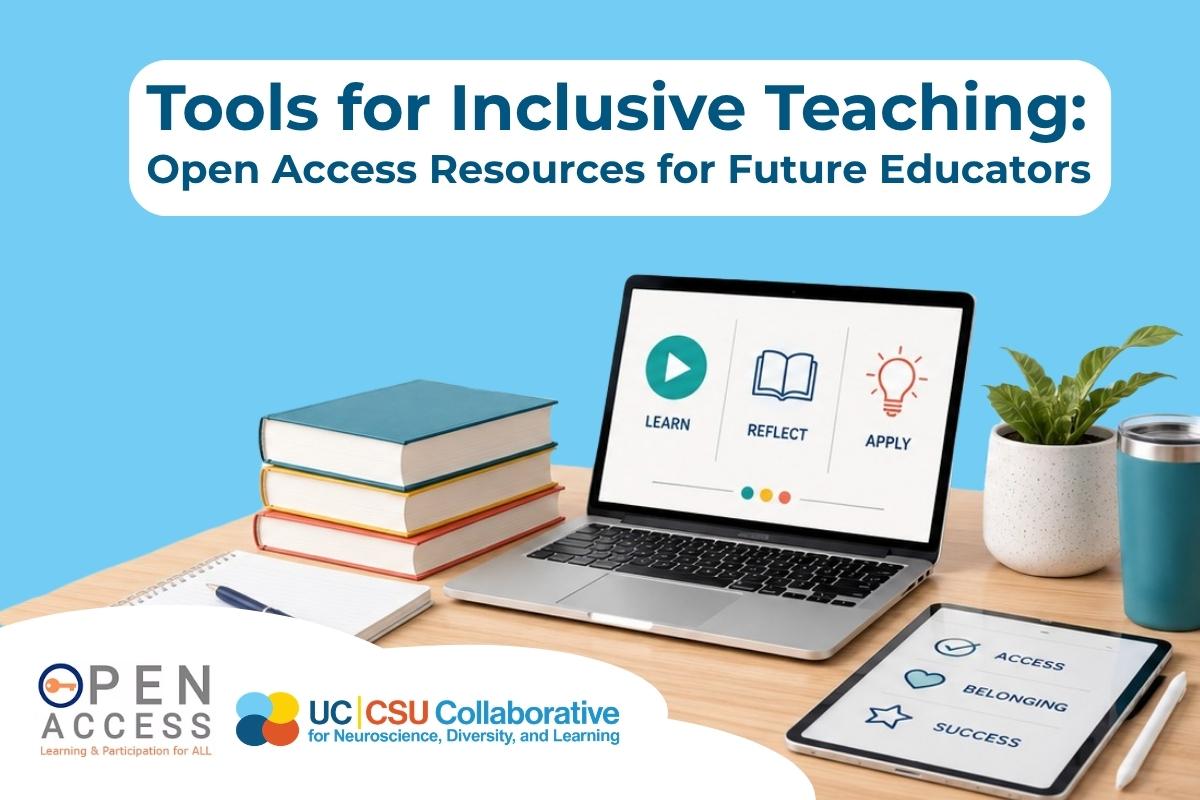
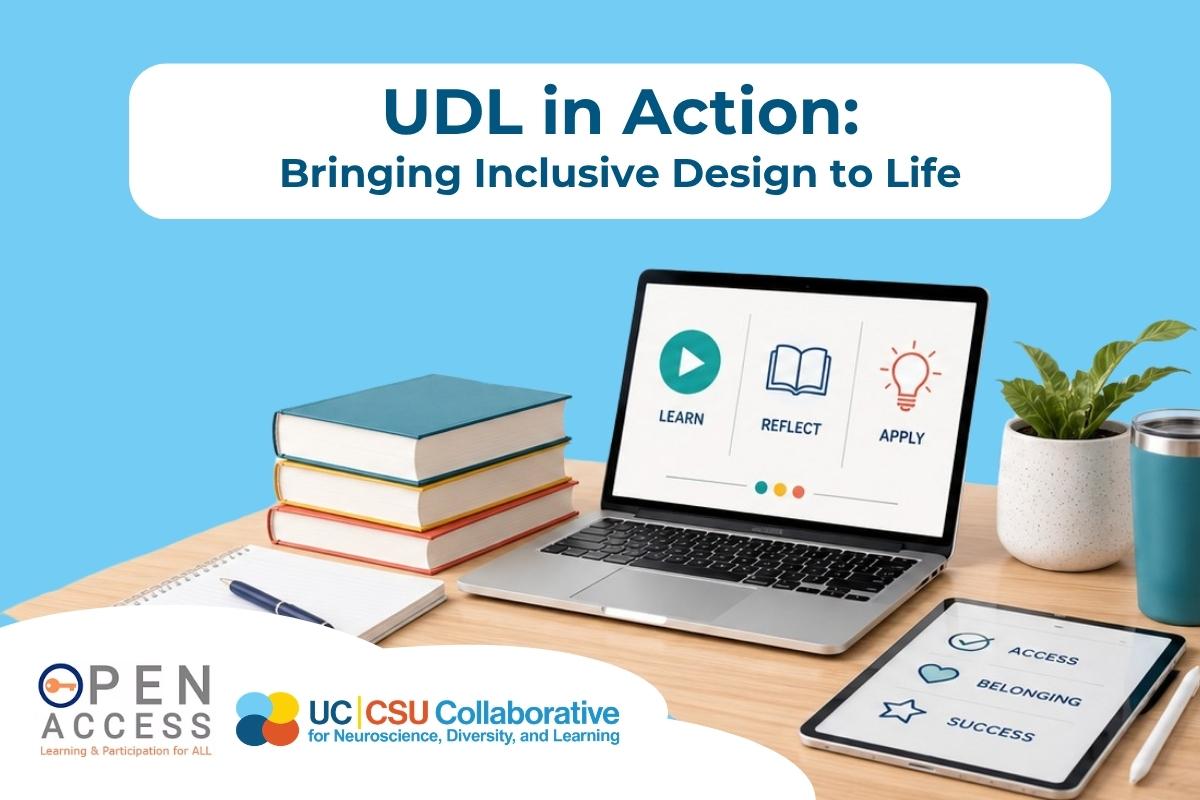
| | | | The UC|CSU Collaborative Faculty Director Jennie Grammer is currently serving as President of the International Mind, Brain, and Education Society (IMBES), an interdisciplinary organization that brings together researchers and practitioners across neuroscience, education, and the cognitive and developmental sciences to foster collaboration and translate research into meaningful educational practice. | | | Featured Module: Supporting Literacy Development in Adolescents with Reading Challenges | | | Our Literacy & Dyslexia Team has expanded our Language, Literacy, and Dyslexia Series with a new module titled Supporting Literacy Development in Adolescents with Reading Challenges. By middle school, students are expected to have developed basic reading proficiency and use their reading skills to engage in more cognitively complex tasks. Unfortunately, for too many students this is not the reality. The purpose of this module is to share an understanding of how adolescent development can inform the ways in which we support struggling readers in secondary school settings. This module addresses TPEs (Teacher Performance Expectations) 7.1 through 7.10. | | In Case You Missed It: Our Recent Webinars | | | Tools for Inclusive Teaching: Open Access Resources for Future Educators | | | | Discover a collection of high-impact Open Access resources that can immediately support teacher candidates as they prepare for the school year. This session highlights practical tools that help educators design inclusive learning experiences, collaborate effectively, and proactively plan for learner variability. Participants will leave with resources they can use during coursework, coaching, and field experiences. | | UDL in Action: Bringing Inclusive Design to Life | | | | What does accessibility look like in authentic classroom settings? This session showcases examples of UDL, AT and AAC implementation through classroom photos, videos, and stories from Open Access Showcase Sites. Participants will explore how educators are designing learning environments, lessons, and experiences that anticipate learner variability. The session will also highlight the Open Access UDL Unlocked Podcast as an ongoing professional learning resource. | | Was this newsletter forwarded to you? | | | | | |