|
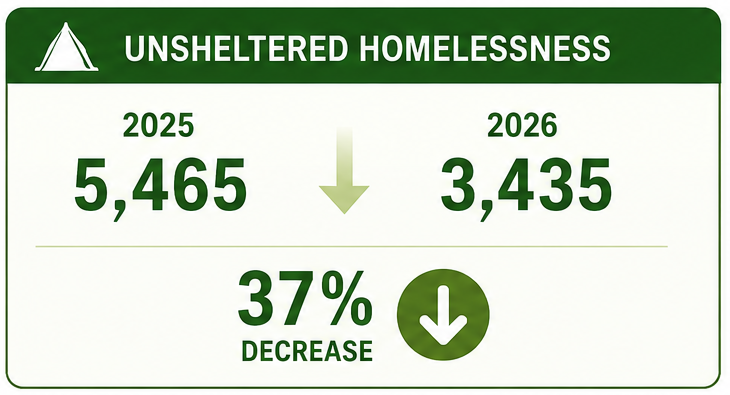
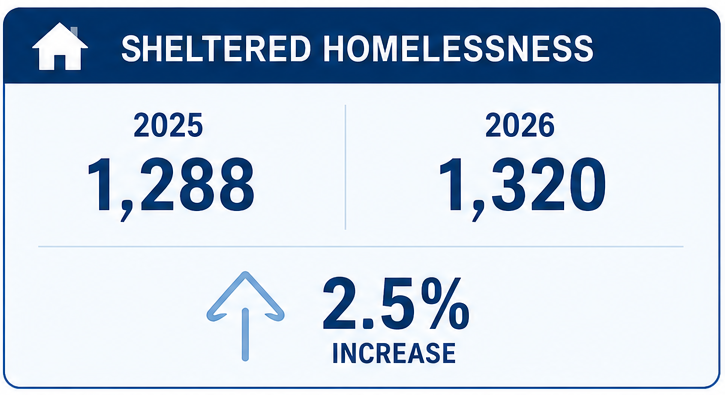
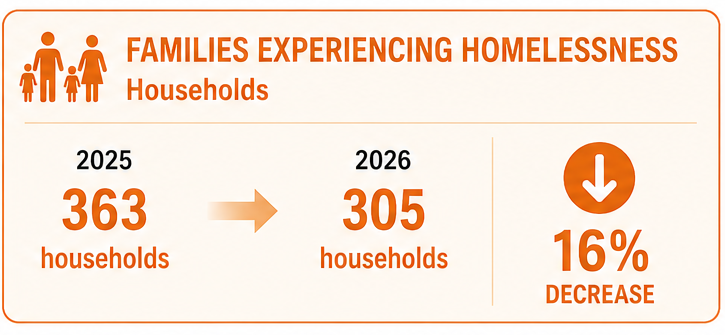
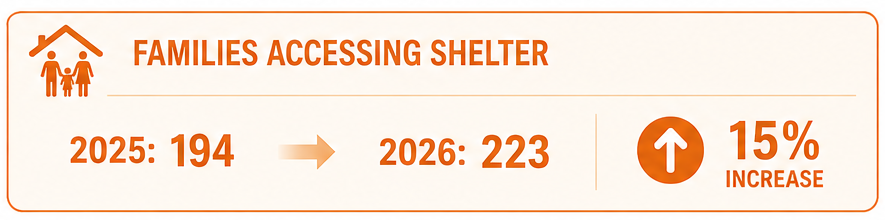
While this reflects positive movement toward safer living situations, continued investments in rapid rehousing, homelessness prevention, and permanent housing solutions remain essential to ensure families achieve long-term housing stability. While these numbers represent meaningful progress in reducing unsheltered homelessness, they also remind us that homelessness continues to evolve across different populations and requires targeted, coordinated responses.
The reduction in unsheltered homelessness in the Antelope Valley reflects years of collaborative work between local jurisdictions, outreach teams, service providers, healthcare partners, law enforcement, housing partners, faith-based organizations, volunteers, and members of our community. Progress of this magnitude is not the result of any single organization or program. It is the product of sustained partnerships, shared accountability, and an unwavering commitment to helping our neighbors move from homelessness toward stability.
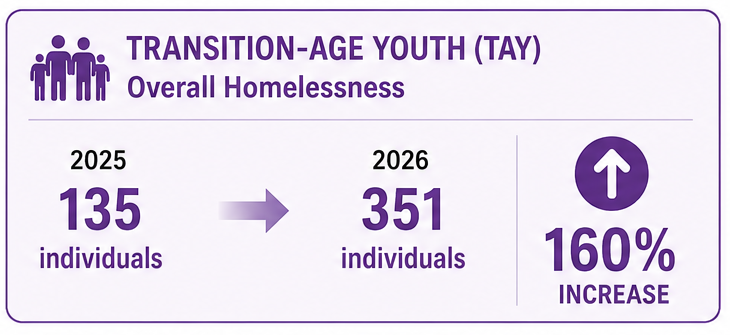
Although these results provide reason for cautious optimism, our work is far from complete. The increase in transition-age youth experiencing homelessness, along with the continued need for affordable housing, behavioral health services, prevention resources, and long-term housing solutions, reminds us that significant challenges remain.
As a longstanding homeless services provider for Service Planning Area 1 and the Coordinated Entry System lead for the Antelope Valley, Valley Oasis believes this is an important opportunity to come together as a community and define our next chapter.
Over the coming months, Valley Oasis will convene a series of regional stakeholder meetings, inviting local government leaders, service providers, healthcare partners, law enforcement, education partners, businesses, faith communities, individuals with lived experience, and other community stakeholders to develop a coordinated local action plan that reflects the unique needs and priorities of the Antelope Valley.
Our guiding framework will be simple: People. Partnerships. Local Solutions.
Together, we will identify our community's highest priorities, strengthen collaboration across sectors, and build upon the progress we have made to create sustainable, locally driven solutions that reduce homelessness and improve housing stability throughout the Antelope Valley.
We invite all community partners to participate in this collaborative effort as we continue working toward a future where every person has the opportunity to obtain safe, stable, and permanent housing.
The progress reflected in this year's Point-in-Time Count demonstrates what is possible when communities work together. Valley Oasis remains committed to serving as a collaborative partner, listening to our community, strengthening local partnerships, and helping lead a coordinated response that reflects the needs and values of the Antelope Valley.
Together, we can continue building a stronger, healthier, and more resilient community for everyone.
With hope,
|