|
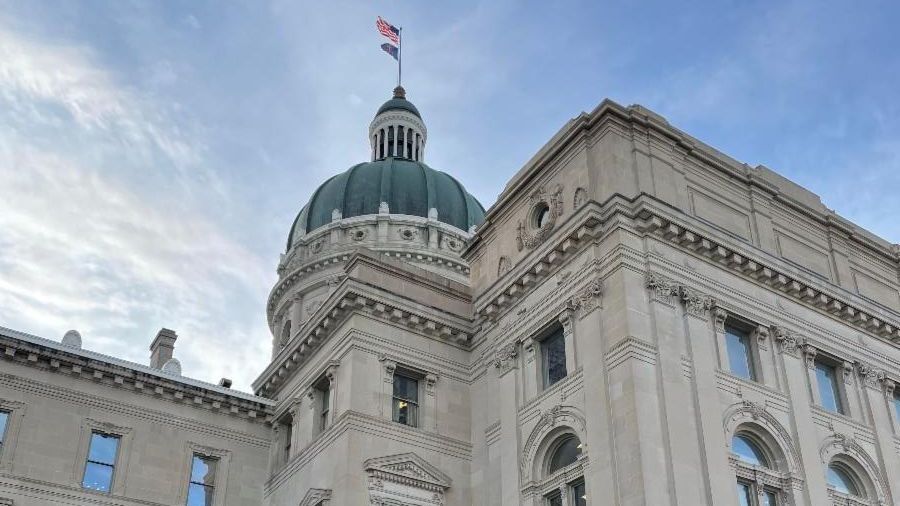
After a brief and fast-moving session, the Indiana General Assembly concluded its 2026 legislative work last Friday. Below is a summary of the legislation that passed and will impact non-public schools. Some of these new laws directly affect our schools, while others apply to public schools but may have indirect implications for us.
Legislation Impacting Non-Public Schools
Choice Scholarship Application Window Adjusted – The IDOE Choice Office can begin processing applications without income verification on May 1 (instead of July 1) for next school year. This is a significant relief for the DOE Choice team and for our schools!
Federal Tax Credit Scholarship Program – Indiana will opt into the federal SGO program. While Governor Braun had already opted in administratively, this legislation codifies participation so that future governors cannot reverse the decision. Schools may begin fundraising under this program on January 1, 2027.
I-READ Pass Rate – The threshold used to determine whether a school must participate in the reading cadre requirement is changing. Instead of a 70% pass rate in any single year, schools will now be evaluated based on a 75% average pass rate over a three-year period.
Transportation in Career Scholarship Accounts – Transportation will now be funded at 100% in a Career Scholarship Account (CSA) rather than at 50%.
Social Media Restrictions for Children – Beginning January 1, 2027, children ages 15 and under will need to get parental permission for their social media accounts. Even with parental permission, social media companies will no longer be able to include addictive algorithms on these accounts. Schools bear no legal responsibility in enforcement. While this is not a school-specific change, it will impact all children in Indiana.
Legislation Affecting Public Schools (Not Applicable to Non-Public Schools)
Bell to Bell Cell Phone Ban – Public schools must implement and enforce a “bell-to-bell” policy prohibiting student cell phone use during the school day.
School Technology – Public schools must provide parents with greater control over filtering and app usage when school-owned devices are taken home.
Immigration – Public schools, as government entities, may not impede immigration officers in the performance of their duties. As private institutions, non-public schools are not included in this law.
Work-Based Learning Liability – Employers who host "apprenticeship" students must insure them under their workman’s comp. This only references specifically outlined apprenticeships, and not internships or other student work, volunteer, or shadow experiences.
Proposals That Did Not Pass
While we are pleased with many of the outcomes this session, several proposals did not advance, including:
- Removing the income threshold on tax credit scholarships through an SGO
- Allowing non-public schools access to the teacher residency grant
- Banning ultra-processed foods in school lunches
There were additional disappointments that will become legislative priorities in 2027. Most notably, addressing the preschool funding shortage will be a major emphasis moving forward.
Overall, we are grateful that no legislation passed this session imposing new regulations on non-public schools.
Thank you for the strong support from our stakeholders throughout this session. A special thank you to those who contacted their legislators — your advocacy makes a difference. It has been an honor to serve as the voice of non-public schools during the 2026 legislative session.
|