|
Dear ,
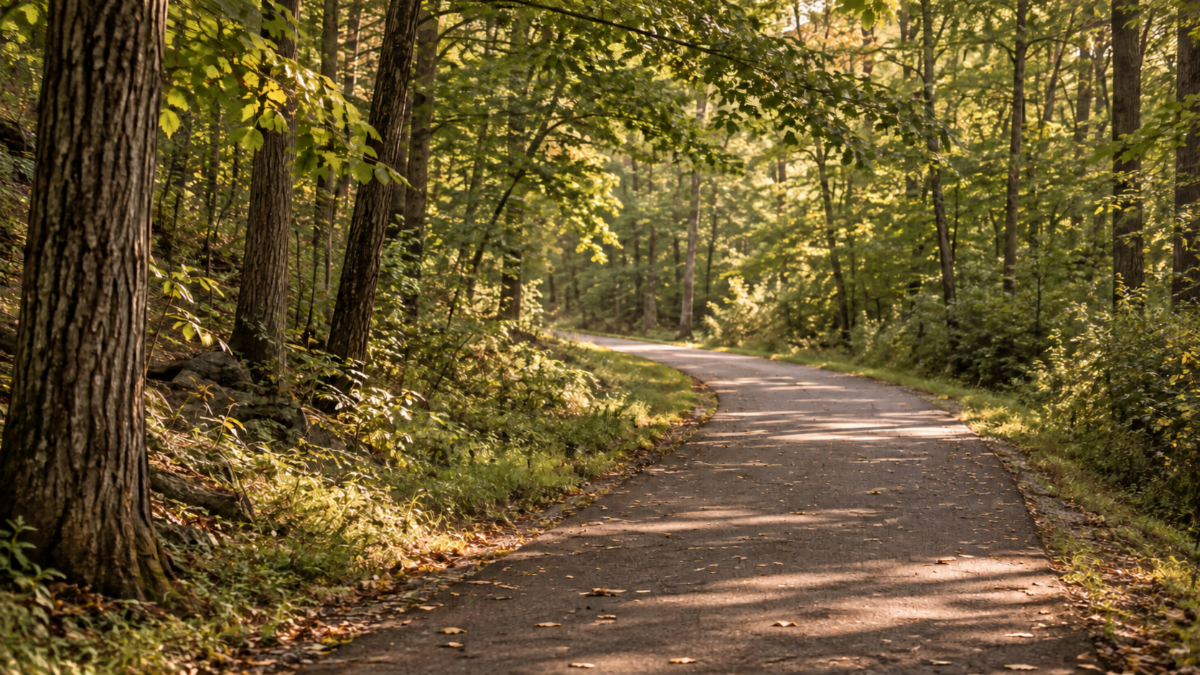
This past weekend, on the Washington and Old Dominion Trail here in Virginia, I encountered a runner carrying an enormous remembrance flag, honoring those who lost their lives on September 11, 2001.
Our paths crossed briefly. A feeling stayed with me. It brought me back to New York, and also to a question that reaches beyond that day: How do we remain caring and involved in a world that gives us reasons to withdraw, harden, or live in fear?
Many of you know that I was living in New York City when the attacks occurred, two months into my preventive medicine residency at Mount Sinai Hospital. In the months that followed, attending to helpers, healers, and protectors became central to my work—and it shaped my understanding of wellbeing.
On this twenty-fifth anniversary, I honor those who died, those who loved them, and those still carrying the consequences. I also want to bring my learning forward into how we respond to the mass violence and trauma of our world.
War, displacement, terror, and attacks on communities leave people mourning, frightened, and struggling to find their footing. Families try to protect their children. Helpers respond while experiencing overwhelming stress of their own. People far from the violence wait for news of someone they love. These experiences call for a humanity that reaches across borders and differences.
Looking back, I remember an opening of hearts and minds after September 11. People became more willing to acknowledge how deeply an experience could wound someone. Pattern-recognition grew regarding flashbacks, startling at ordinary sounds, and remaining constantly on alert. Being frightened could be met with understanding. People had more language for their pain, and others were more prepared to honor that pain.
|