|
The 17 January 2022 blockade of the border by truckers in Manitoba was a test run for ‘The Freedom Convoy 2022,’ where truckers are planning on driving slowly across Canada in order to protest the perceived overreach by the US government on vaccination requirements for cross-border truckers. Their stance is that they are not anti-COVID vaccinations, but rather that they simply advocate against government mandates. It is important to note that truckers, in general, have realized their power over logistics and politics. In December, videos went viral showing truckers boycotting entrance into Colorado, forcing state prosecutors to reevaluate the initial 110-year sentence handed down to a 26-year-old truck driver for a 2019 accident. Likewise, during the COVID-19 pandemic, truckers' rallies have taken place in Brazil, Australia and the United States over politics, but most notably over vaccination requirements. The extreme far-right have taken advantage of the adverse reactions from the trucking community, often either infiltrating the protests or escalating the rhetoric behind the demands. To this point, the Freedom Convoy 2022 has an extreme right-wing third party, with no previous ties to the trucking industry, that started a GoFundMe to support the Convoy and has raised close to $4.5 million USD in 9 short days. It cannot be stressed enough that blocking roads is dangerous for a number of reasons. Beyond merely causing inconvenient traffic jams, medical supplies, first responders and rescue services depend on roads to get to emergencies.
| | |
|
TRAC Insight:
The Escalation of Militancy in Pakistan, 2021-2022:
An Examination of Tehreek-e-Taliban Pakistan (TTP), Islamic State Khurasan (ISK-P), and Baloch Separatist Groups
| |
While militancy has long been on the rise in Pakistan, it is evident there has recently been a significant escalation of violence from each of Pakistan’s terrorist threats: Tehreek-e-Taliban Pakistan (TTP), Islamic State Khurasan (ISK-P), and Baloch separatist groups. These organizations have increased their activities, diversified their modus operandi, and expanded their areas of operation, resulting in larger-scale attacks in a variety of locations. Most notably, these groups have begun to target Pakistan’s major cities – Lahore, Islamabad, and Karachi – in the provinces of Sindh and Punjab. Prior, these cities were rarely subjected to violence as security is always high. The dangers of this development should not be understated, especially given the Taliban’s (IEA) instability from next-door. If these trends persist, it is certain that the insecurity of Pakistan’s geopolitical landscape will intensify, with casualties of both security elements and civilians increasing. | |
TRAC Incident Report:
Belarusian Activists Launch a Ransomware Cyber Attack, Hijacking the Railway System and Disrupting Ticket Sales, in Protest of the the Russian Troop Surge & Dictatorship in Belarus
| |
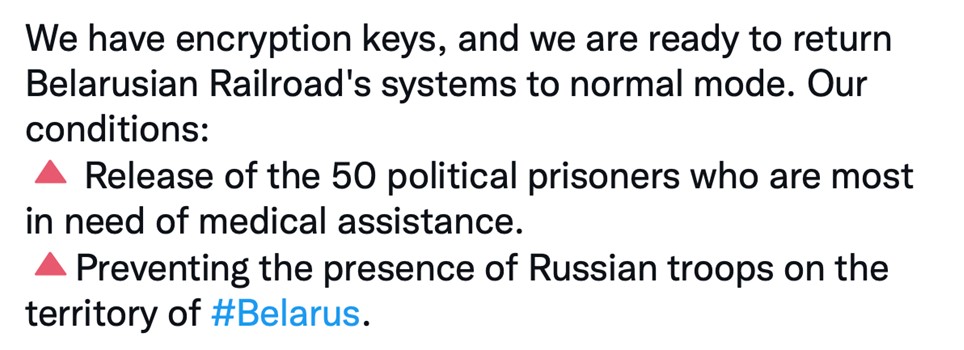
Image: Screenshot of 'ransom demand' posted on Twitter | |
In protest of Belarusian President, Alexander Lukashenko and Russian troop movement in the nation, an unknown Belarusian activist group launched a ransomware attack against the country’s railway system. The ultimate goal of this attack was to disrupt the Russian troop being transported to the Ukraine. The activists published their demands via Twitter, asking for the 50 political prisoners who are most in need of medical assistance and the prevention of the presence of Russian troops on the territory of Belarus. The majority of the railway’s servers, databases, and workstations were encrypted by the group. They first gained access to the railway’s systems in December, as other databases had bee hacked as well. In order to minimize emergency scenarios, the automation and security systems were purposefully not affected by this cyber attack and the Belarusian Railway service cited "technical reasons" for the difficulties experienced by customers. | |
TRAC Incident Report:
Islamic State Ambush on Gas Station Next to Sina’a Prison in Ghuweiran Neighborhood, Hasakah, Northeast Syria
| |
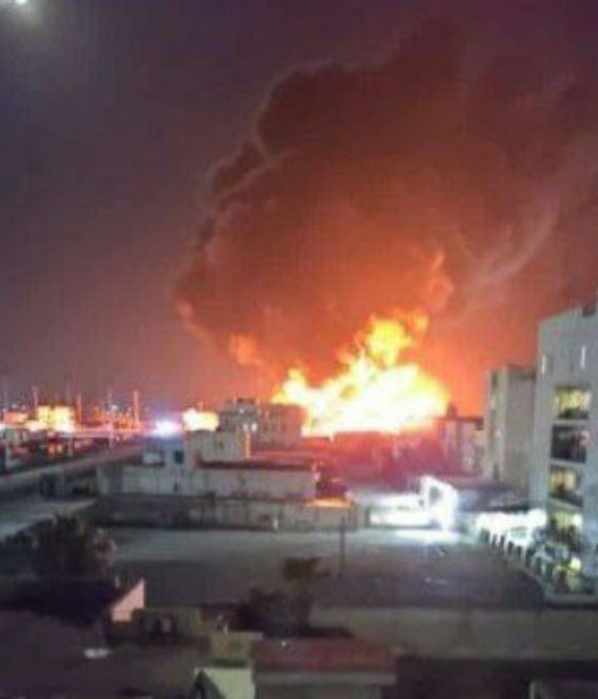
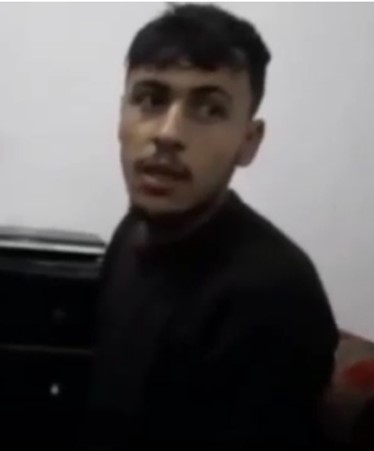
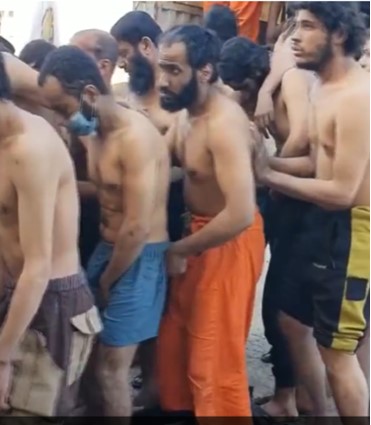
Images: (Left) Screenshot of IS Sleeper Cells Breaching SDF Sina’a Prison with a Car Bomb (VBIED); (Center) Screenshot of 'selfie-video' of SDF member taken hostage; and (Right) Screenshot of some of the SDF Captured 110 Inmates who had escaped Sina’a Prison | |
As Islamic State enters its sixth day of holding the Sina’a Prison siege, the gas station next to the prison was stormed by IS fighters in the middle of the night, killing at least 5 SDF members. The gas station attack was likely an diversionary tactic to gain more weapons from SDF supplies. This siege began in the early morning hours of 21 January 2022, when armed gunmen breached the walls of Sina’a Prison after a car bomb (VBIED) targeted the gate. This is the largest attack on Syrian soil since the loss of the Caliphate in late 2019. Many have speculated that Islamic State activated all of its sleeper cells in Hasakah for an operation this large and considering how well planned and coordinated the assault on the prison was, it is likely IS put everything they had in Hasakah behind this raid. All the prisoners held at Sina’a Prison are fighters loyal to the Islamic State. It was reported that at least 110 Islamic State inmates, armed and dressed in plain clothes, escaped and currently it is unclear if the 89-110 prisoners rounded up by the SDF are the total number to have escaped. Last reported numbers of inmates held in Sina’a Prison were roughly 5,000. The fact that the SDF have imposed a total curfew on Hasakah, as well as blocked anyone coming in and out of the city, suggests that there are still more IS inmates at large. Certainly, the success of the escape will bolster the remaining IS sleeper cells in Hasakah. | |
|
Far-Right Extremism/ Poster: Eco-Fascist Telegram Channel: “Start Hunting Tech CEOs For Sport”
| |
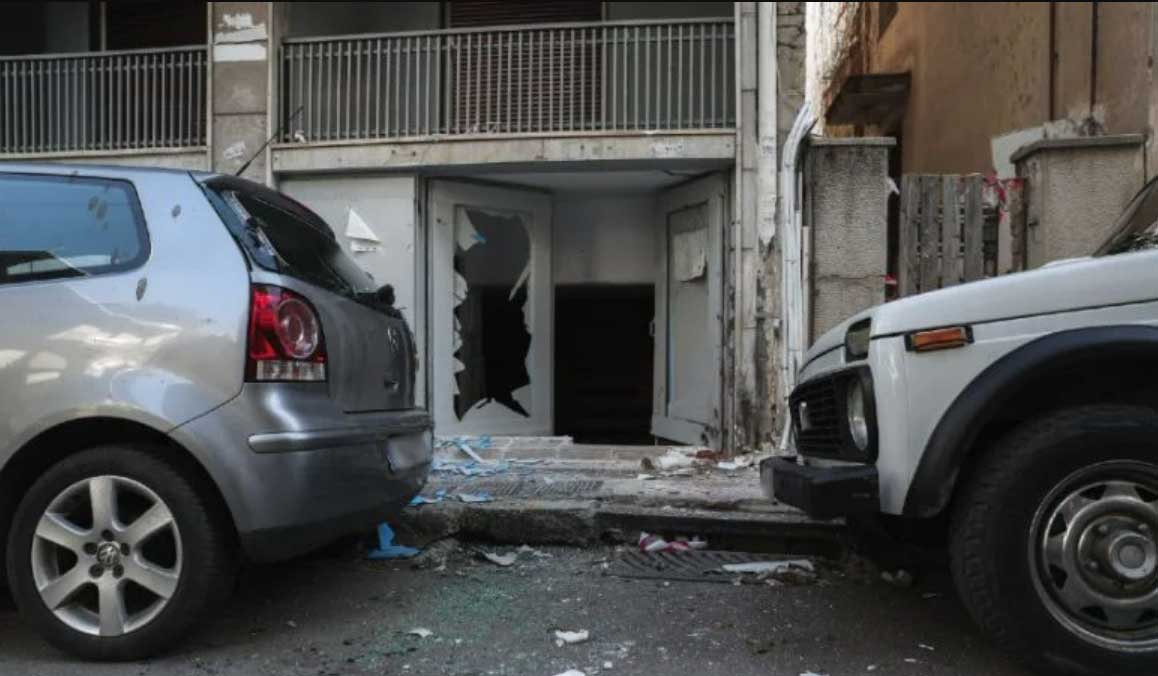
Photo: Unknown Perpetrators Attack a Mosque with a Home Made IED Filled with Nails, Athens, Greece | |
|
TRAC Incident Report:
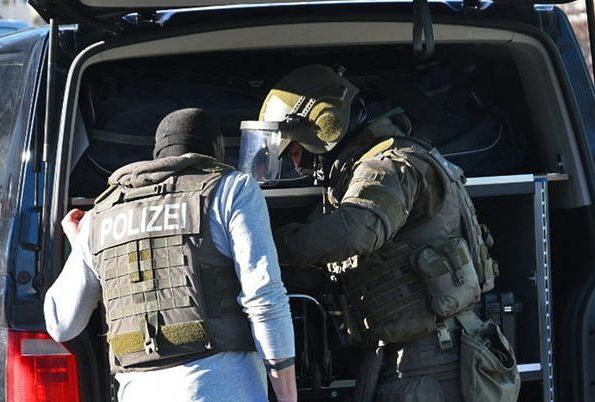
A Lone Wolf Gunman Opens Fire, Injures Several, & Kills One, Before Killing Himself at the Neuenheimer Feld University Campus in Heidelberg, Germany
| | | | |