Twenty-Seven States Have Opted In

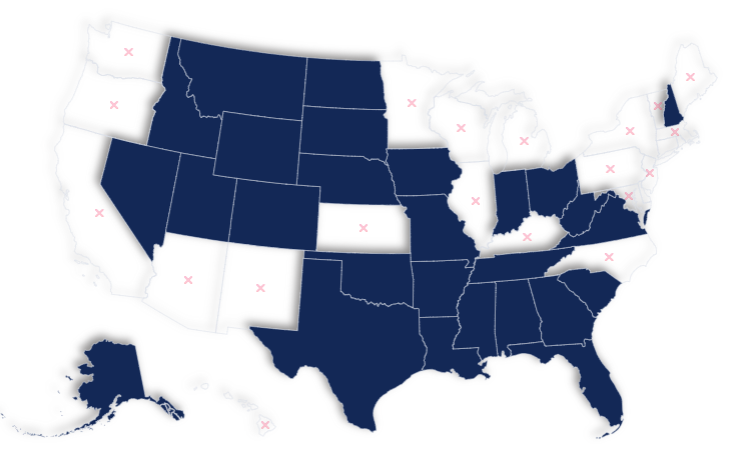
States that have opted in to the new federal scholarship tax credit program. Map found at the official White House website.

Twenty-seven states have opted in to the new federal tax credit scholarship program. When the law goes into effect January 1, 2027, taxpayers nationwide will be eligible to receive a 100% federal tax credit on donations up to $1,700 to participating scholarship granting organizations. The donated funds will be used for scholarships for a wide variety of educational purposes, including private school tuition.


Under the new law, each state will have the power to decide whether it will allow scholarships in that state. The decision will generally lie with the governor. Given that the program costs participating states nothing, and that public school students can receive scholarships for purposes such as tutoring, it is hoped that all states will opt-in despite pressure from school choice opponents. Twenty-three states have thus far declined to do so.

Muslim Schools Still Being Denied Participation in Texas School Choice Program

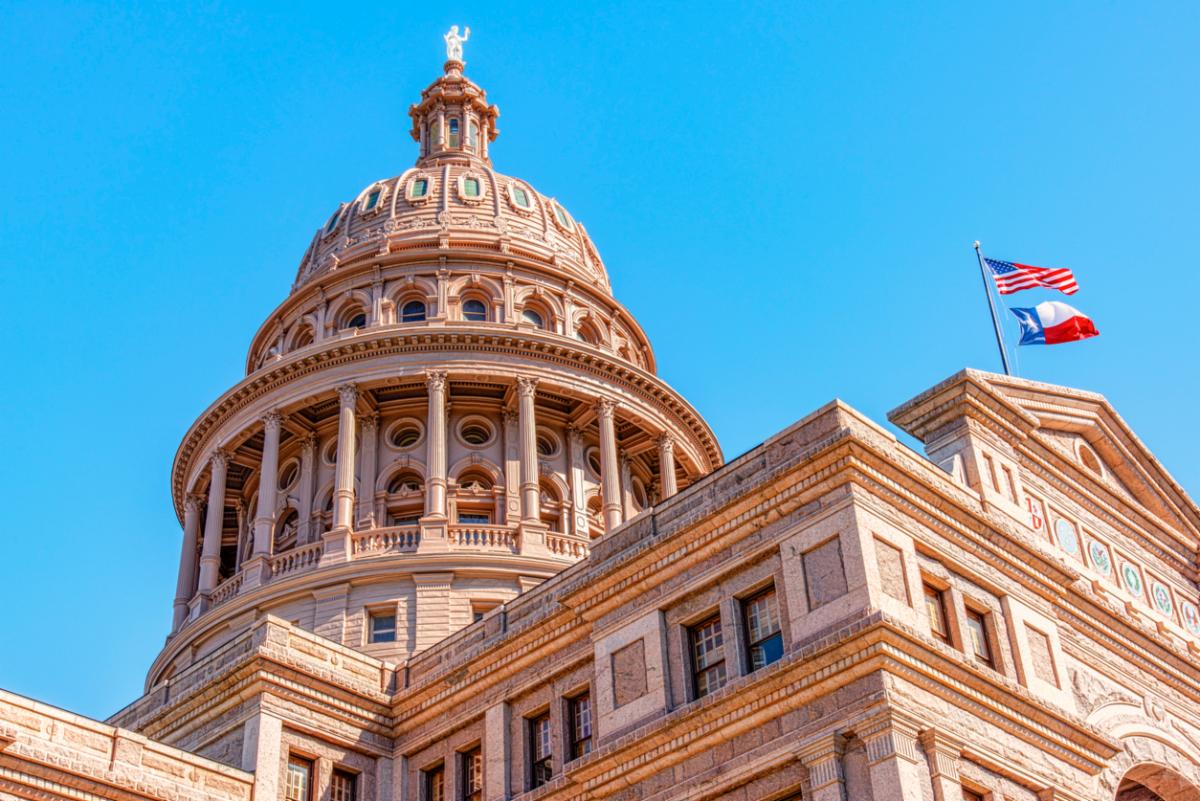
More than 130,000 students have applied to participate in the new Texas Education Freedom Accounts (TEFA) program. However, the ability of Muslim schools to participate is still being blocked by the state's chief financial officer.


In response, six state senators and 49 state representatives submitted a letter to Acting Comptroller Kelly Hancock formally urging him to ensure the equitable inclusion of accredited Muslim private schools in the TEFA program. The letter says that "the selective exclusion or indefinite delay of accredited Muslim schools from the TEFA program is unwarranted, unjust, and unlawful. By denying Muslim Texans the same access to public benefits granted to other faith-based communities, the State invites constitutional challenges, legal liability, and imposes an unfair burden on Texas children."


CAPE's state affiliate, the Texas Private Schools Association (TPSA), continues to advocate for schools that have been denied participation in the program.

Federal Education Budget Stays Flat

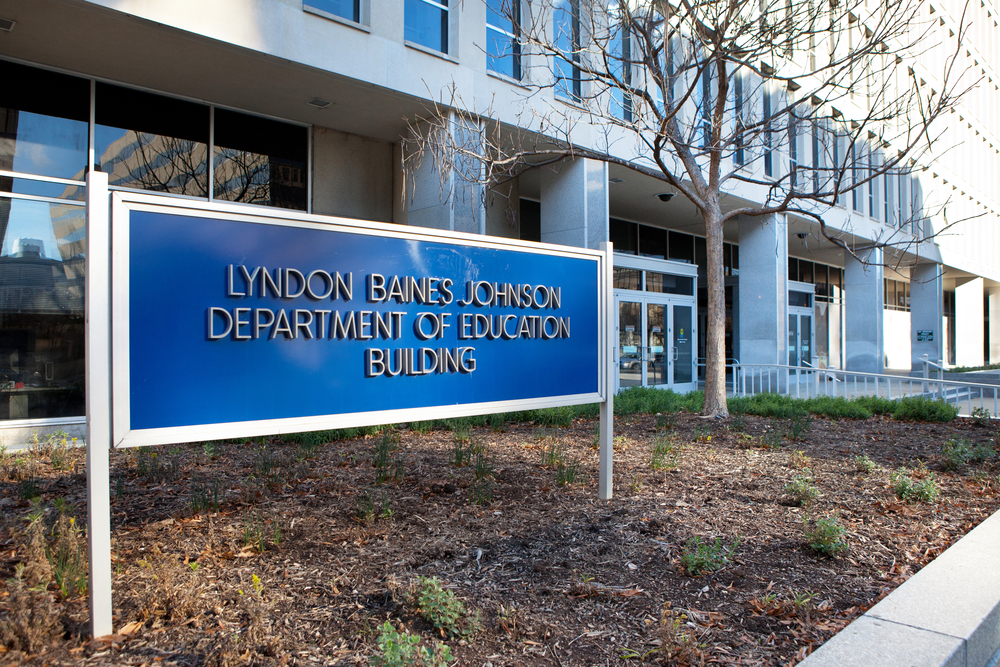
On February 3, President Trump signed budget legislation that will provide level funding for most federal K-12 education programs through September 30. According to Education Week:


Schools nationwide can expect roughly similar year-over-year funding levels this fall for key programs like Title I for students from low-income households, the Individuals with Disabilities Education Act for special education services, Title II for professional development, and Title III for English learners.


The final legislation doesn’t require the Trump administration to halt efforts to shift Education Department programs to other agencies, and it doesn’t explicitly prohibit the administration from taking further steps to diminish the Cabinet-level agency.


It does, however, include requirements for the department to consult more closely with Congress on the status of its efforts to shift responsibilities to other agencies.

Virginia Bill Targeting Private Schools Beaten Back

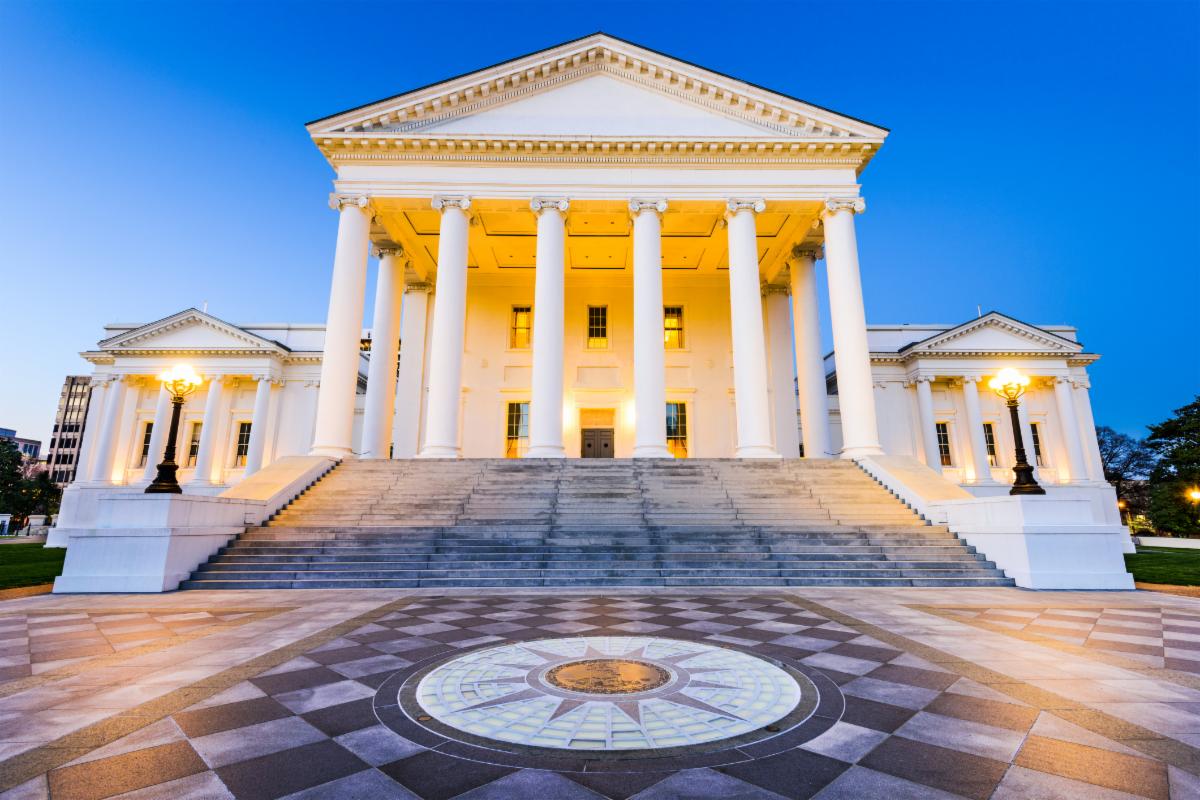
Legislation taking aim at private schools was fended off in the Virginia legislature for the time being, though the bill will remain alive for 2027.


Under HB359, private schools that participate in school choice programs, including the new federal scholarship tax credit, would be subject to intrusive state regulation in order to ensure that those private schools adhere to "accountability, transparency, and civil rights requirements comparable to those imposed on public schools."


According to the bill summary, private schools involved with school choice, even if not taking public funds, would have to comply with conditions:


(i) requiring all students enrolled at schools who receive such funds to take Standards of Learning assessments; (ii) requiring all such schools to receive accountability ratings from the Board of Education; and (iii) prohibiting such schools from discriminating in admissions, enrollment, discipline, retention, or access to educational programs and services on the basis of race, color, religion, national origin, sex, sexual orientation, gender identity or expression, disability, special education status, language proficiency, or socioeconomic status.


CAPE's Virginia affiliate, the Virginia Council for Private Education (VCPE), has been actively engaged on the issue.

Is Universal Choice Bankrupting States?

From Marty Lueken at EdChoice:


1. In order for choice programs to “bankrupt” states, they would have to take up a significant percentage of state budgets. They do not.


2. If choice programs are “bankrupting” states, we should see choice program spending taking up an ever-larger slice of state budgets, potentially crowding out other spending. We are not seeing that either.


3. Most calculations stack the deck against choice programs anyway, only counting costs while ignoring savings or benefits. Even this totally biased way of looking at the question does not show choice bankrupting states.


In FY 2026, total choice program costs are about $10.2 billion, while total state spending on all public services in states with choice programs is nearly $1.45 trillion. Put differently: choice programs represent about 0.74% of total state expenditures, or less than one penny of every state dollar.


Read the whole thing here.

Valued Platinum Sponsors of CAPE

Website

Who We Are

Blue Ribbon Schools

News

Facebook  LinkedIn  Twitter

Contact Us

Council for American Private Education

1300 Pennsylvania Ave, NW #190-433, Washington, DC 20004

844-883-CAPE