|
Q: What is the importance of safety on projects of this size and impact?
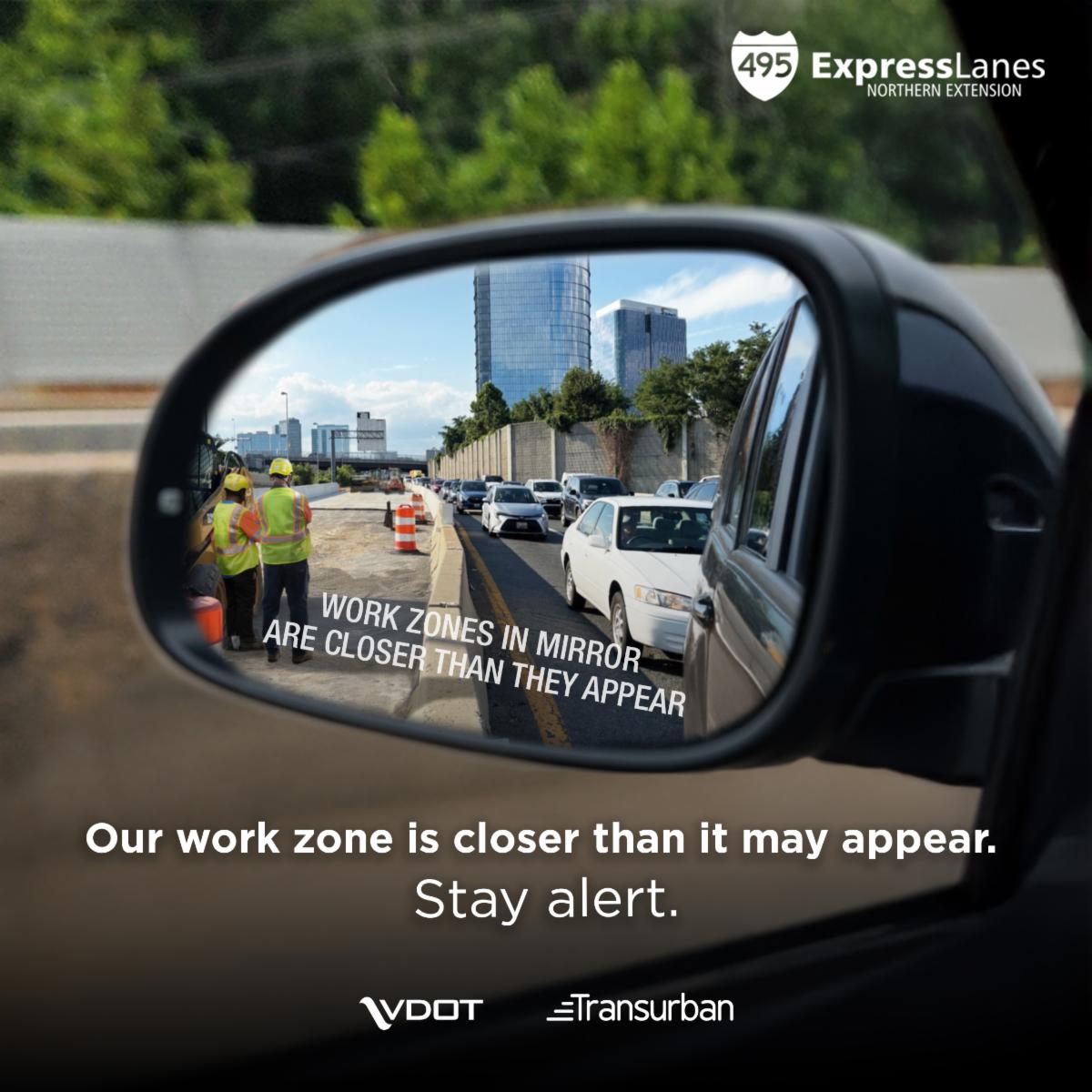
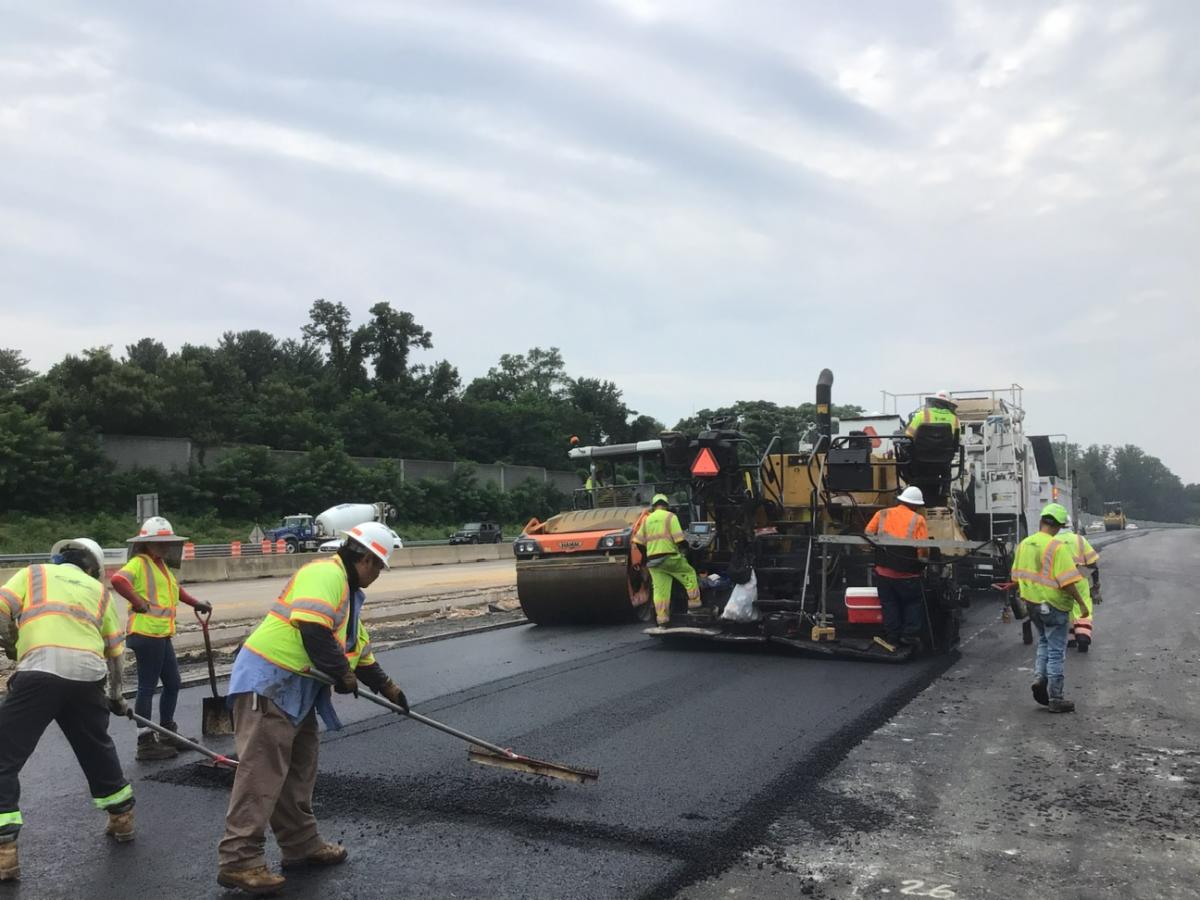
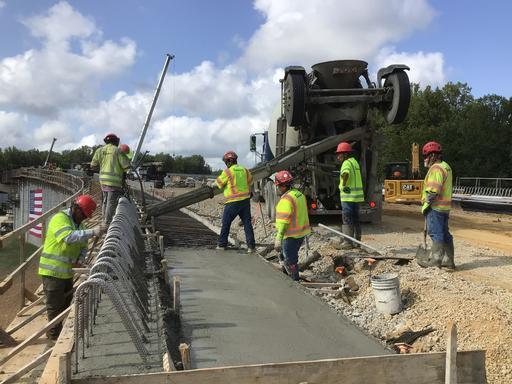
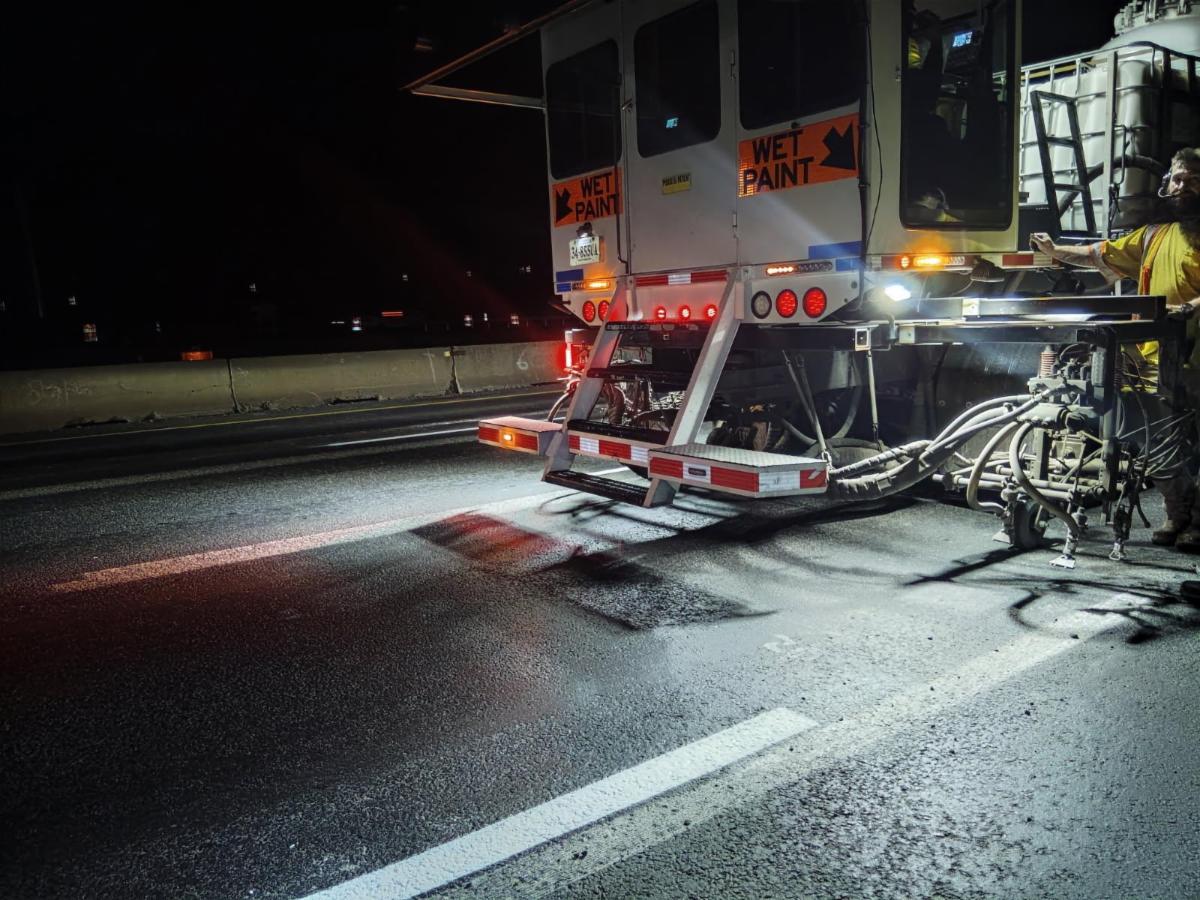
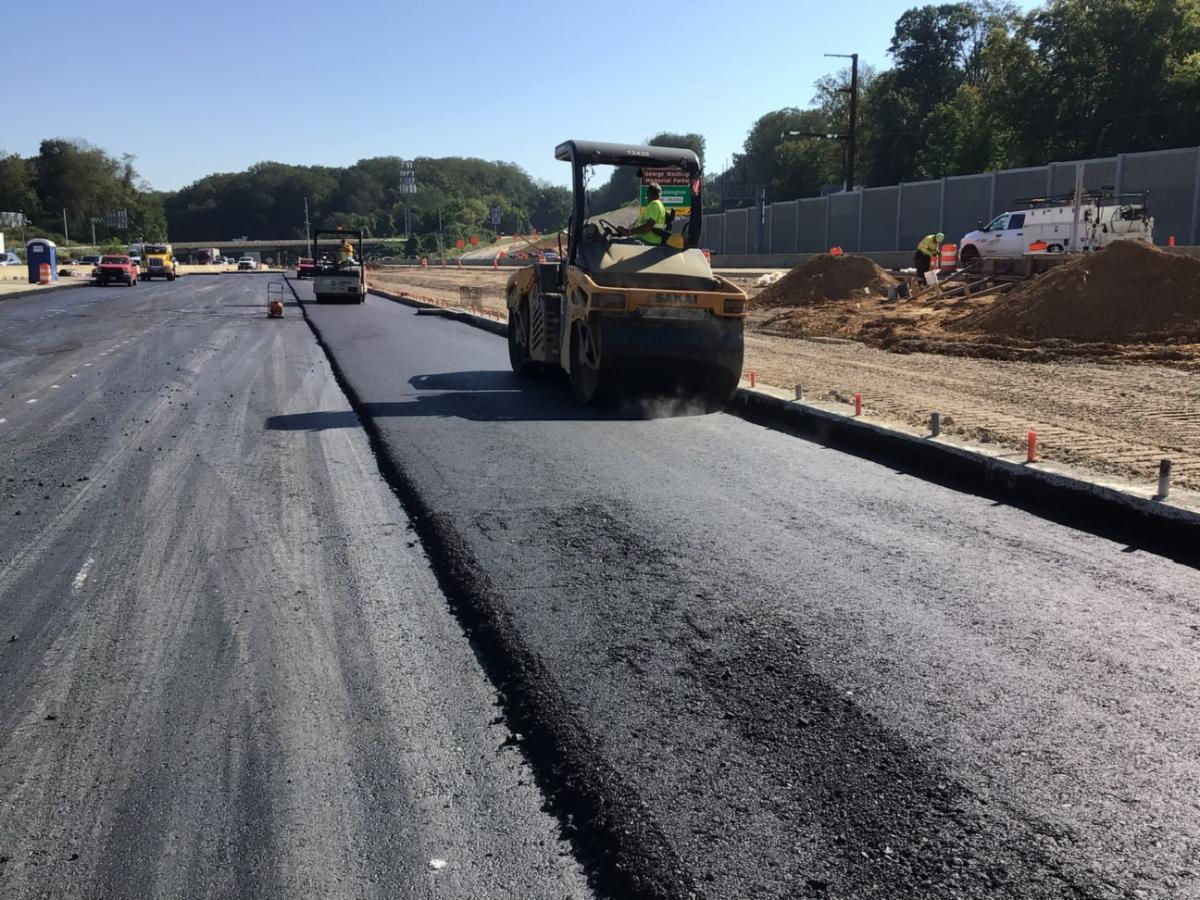
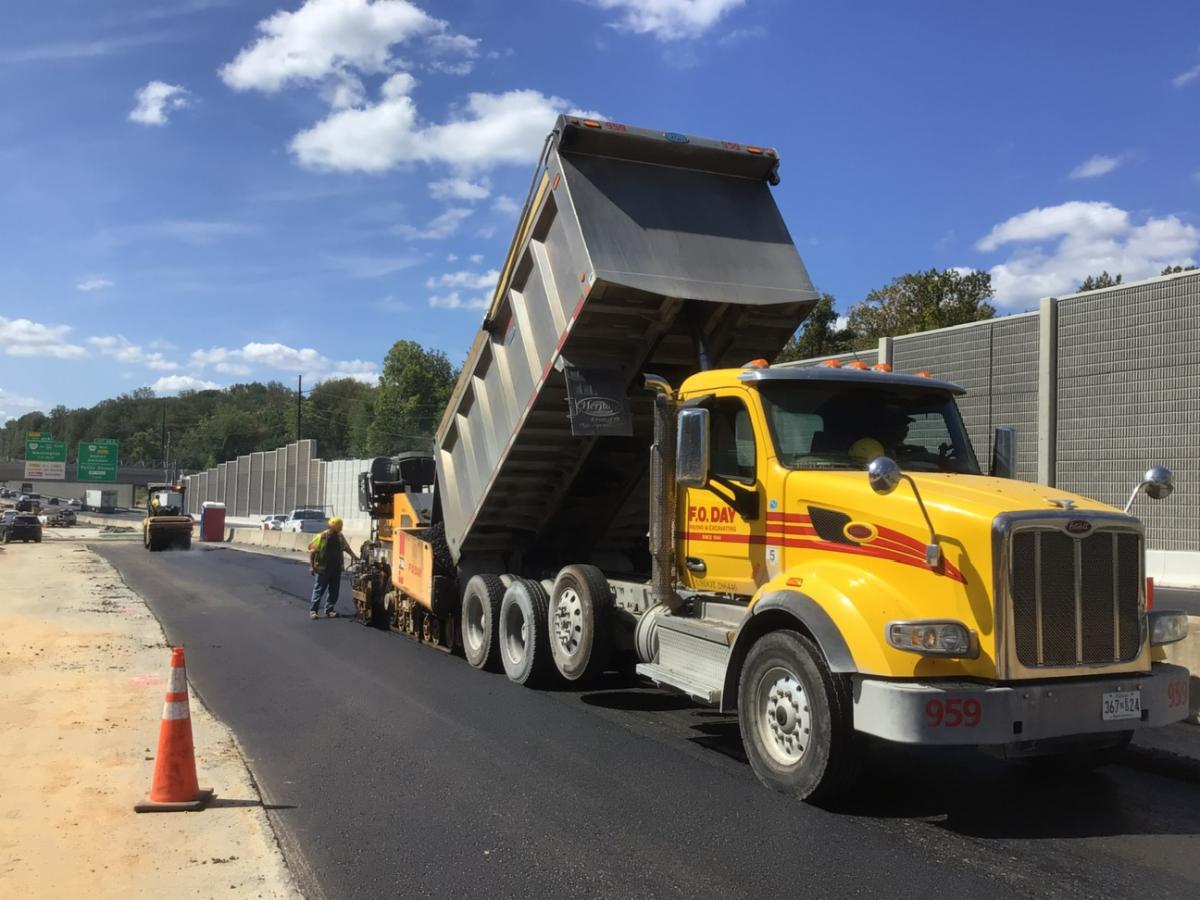
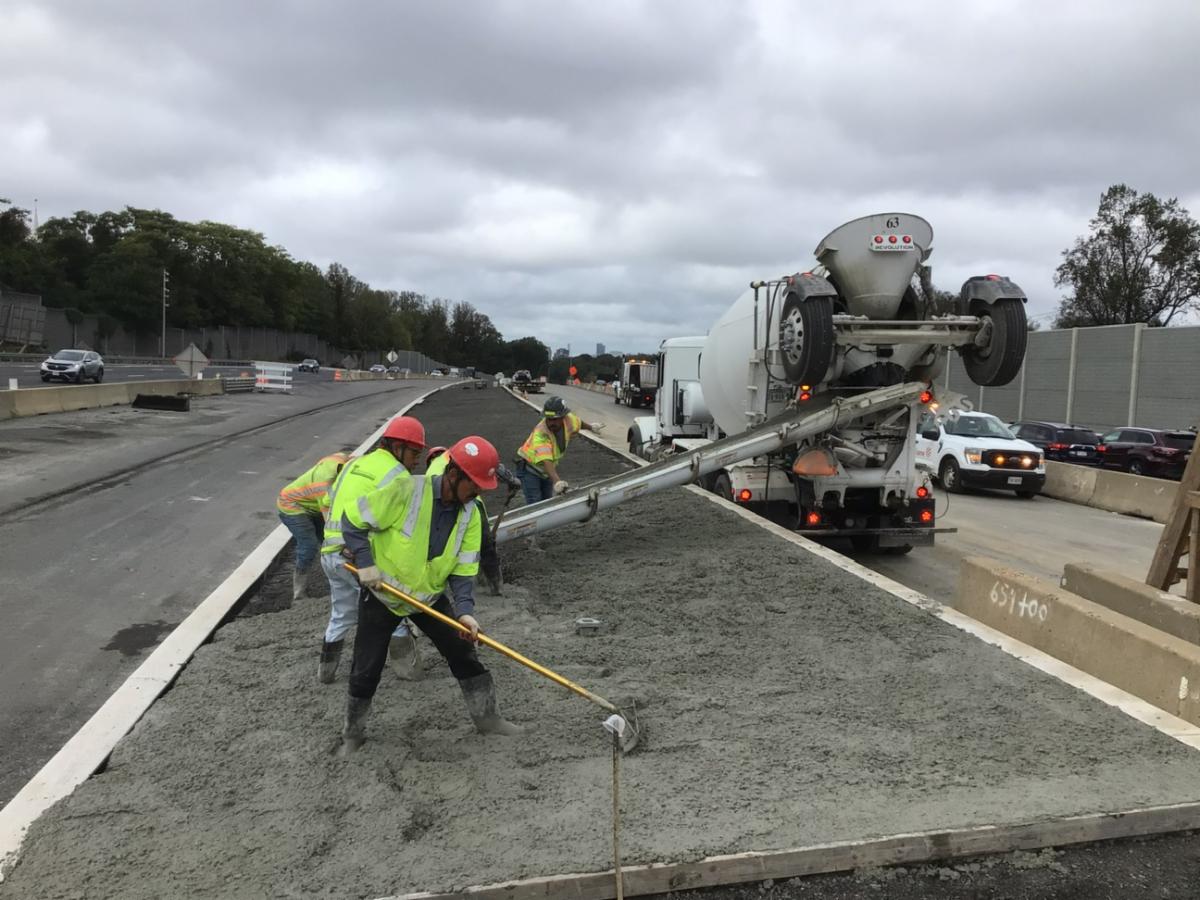
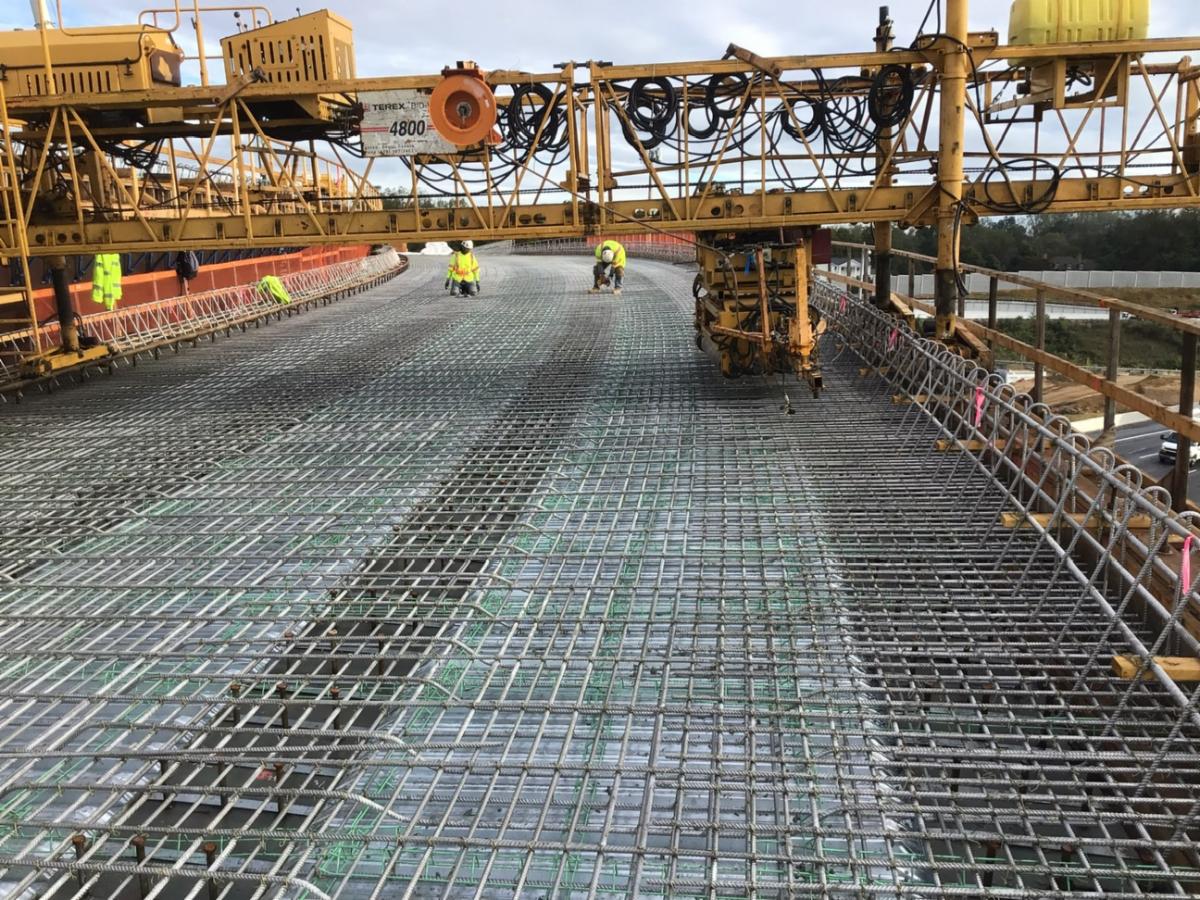
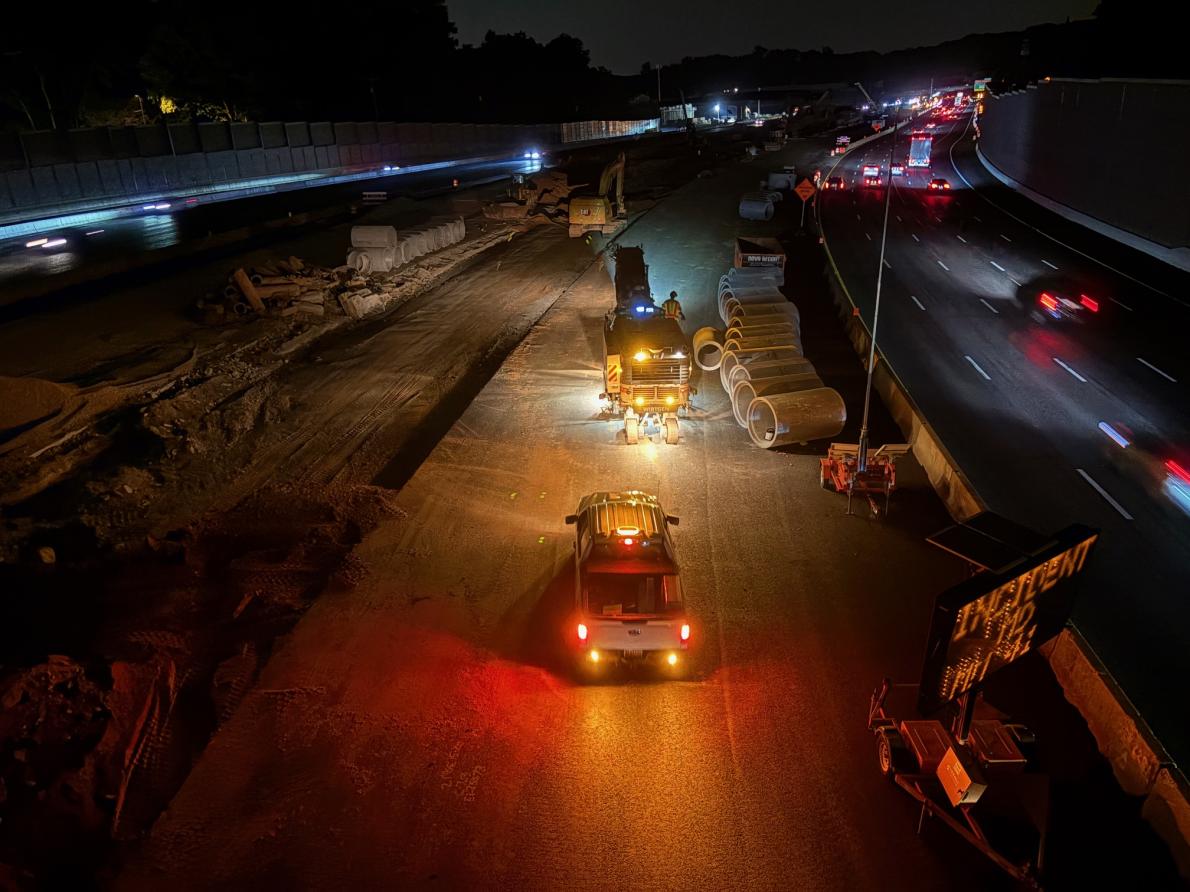
A: Every worker, consultant, and visitor deserves to go home safely at the end of each day. On a project of this scale, with numerous trades operating in close proximity, effective coordination is critical. It ensures that concurrent work can proceed without compromising the safety of others. Additionally, robust traffic management is essential to protect the motoring public and workers.
Q: In what ways has 495 NEXT been unique compared to other projects you’ve supported in your career?
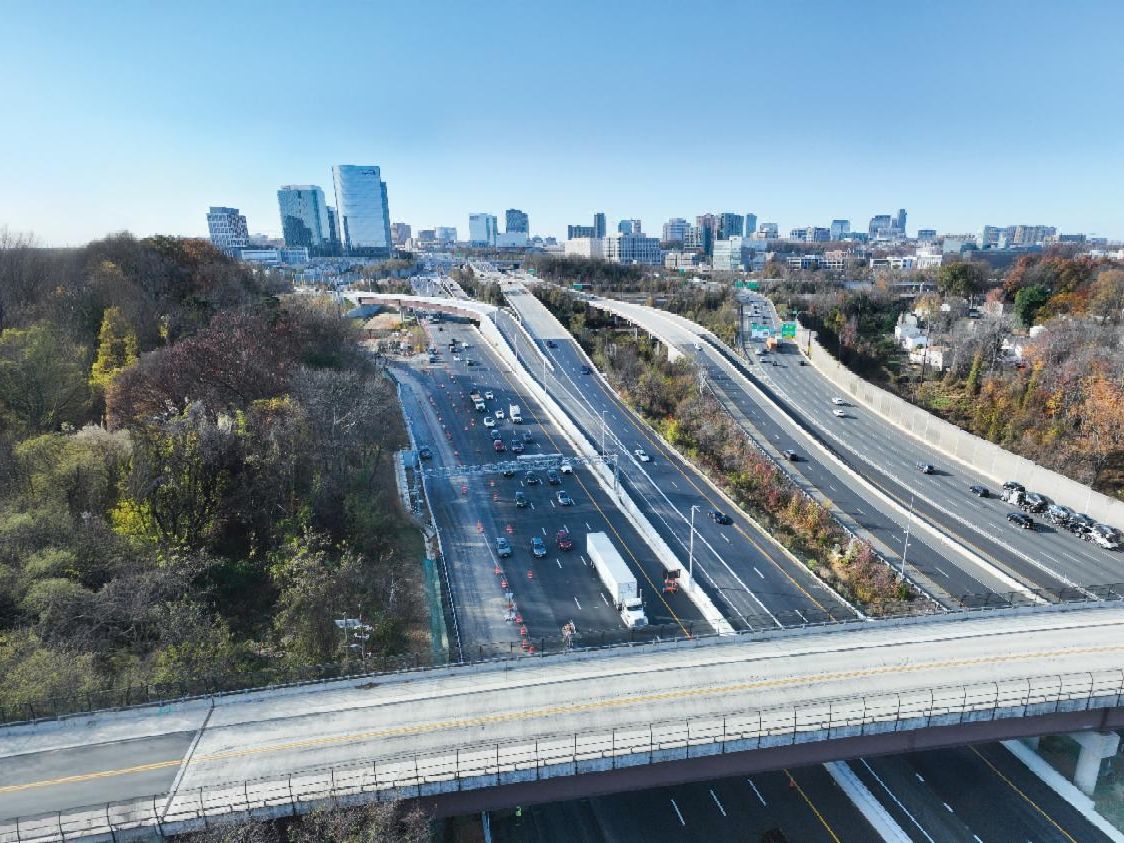
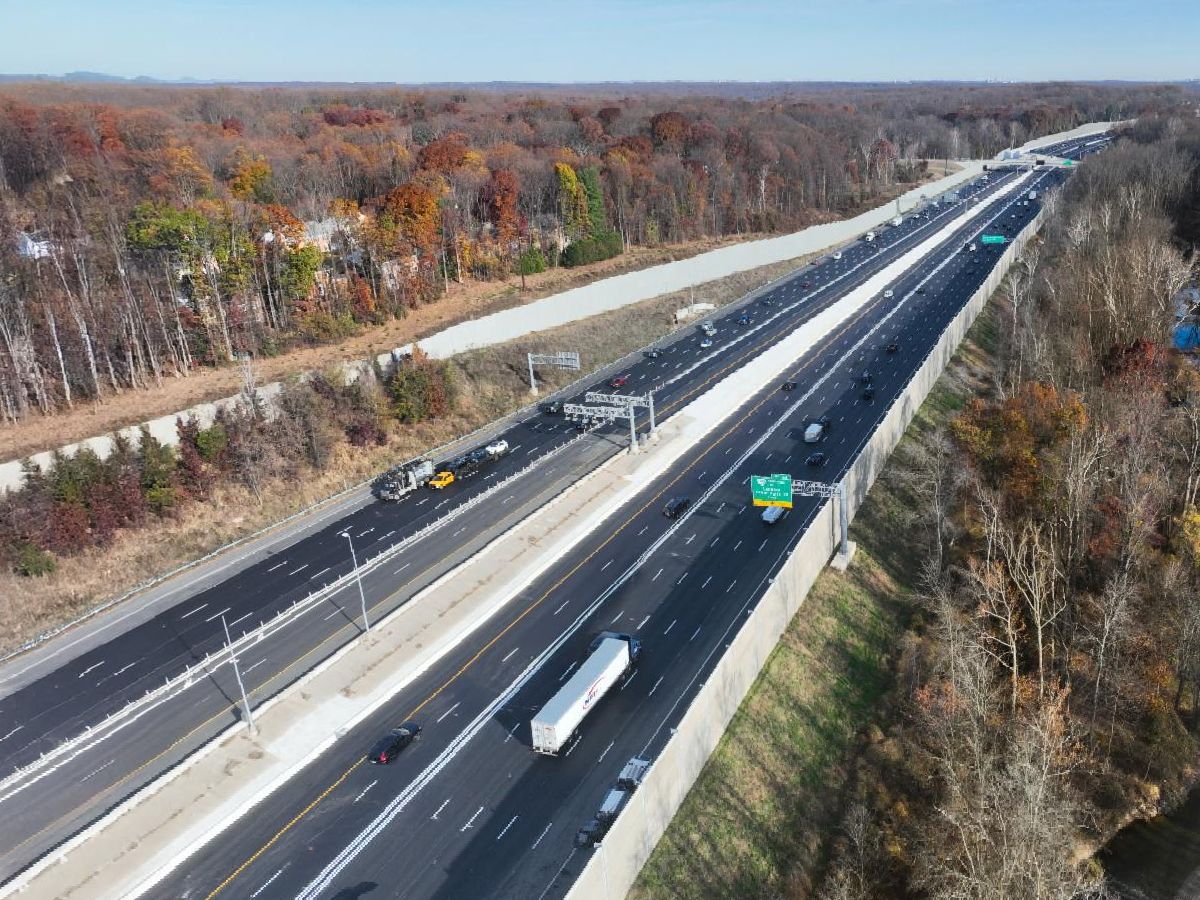
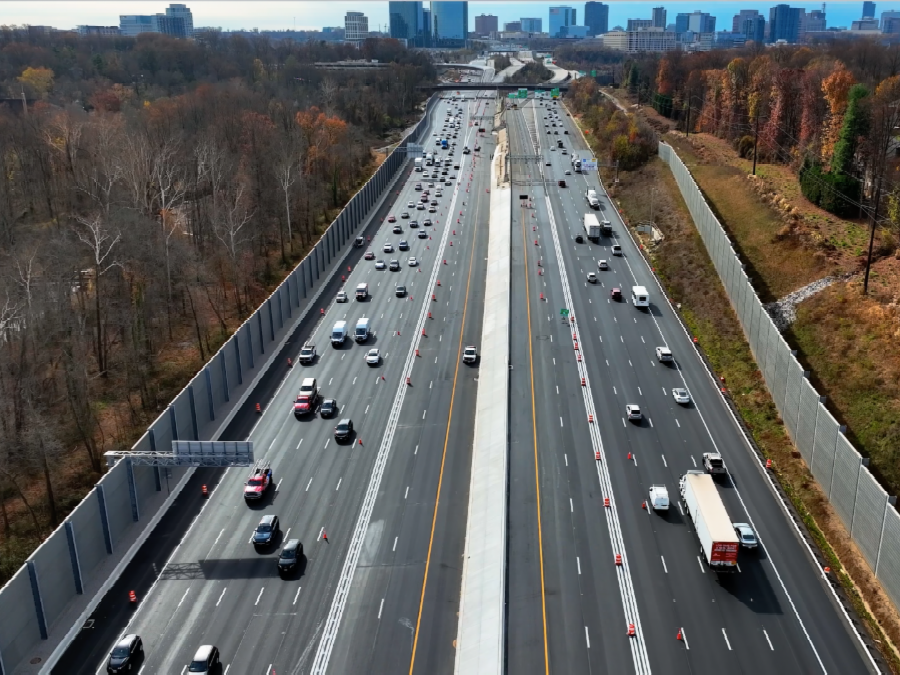
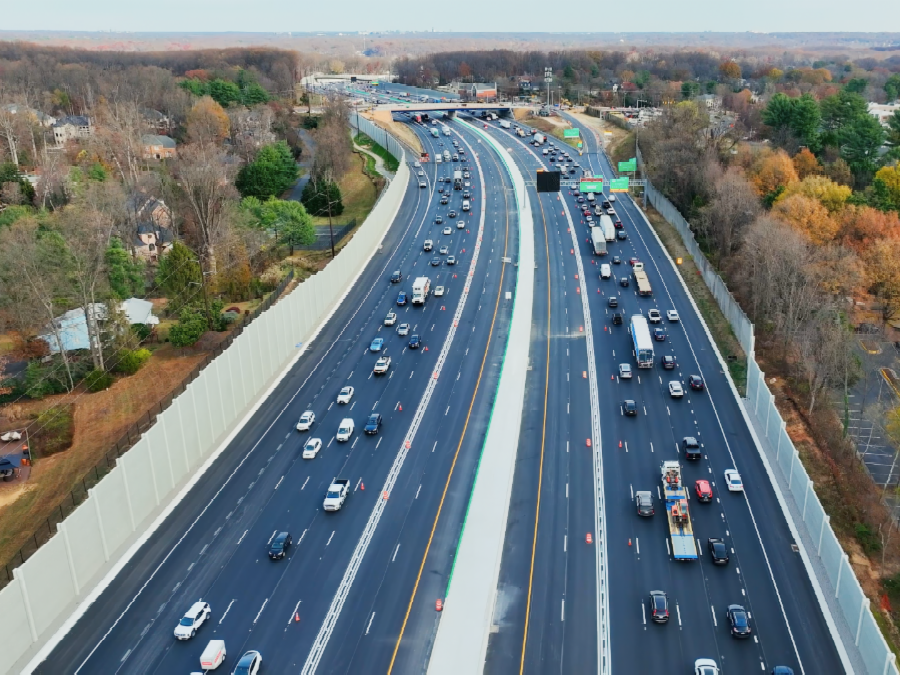
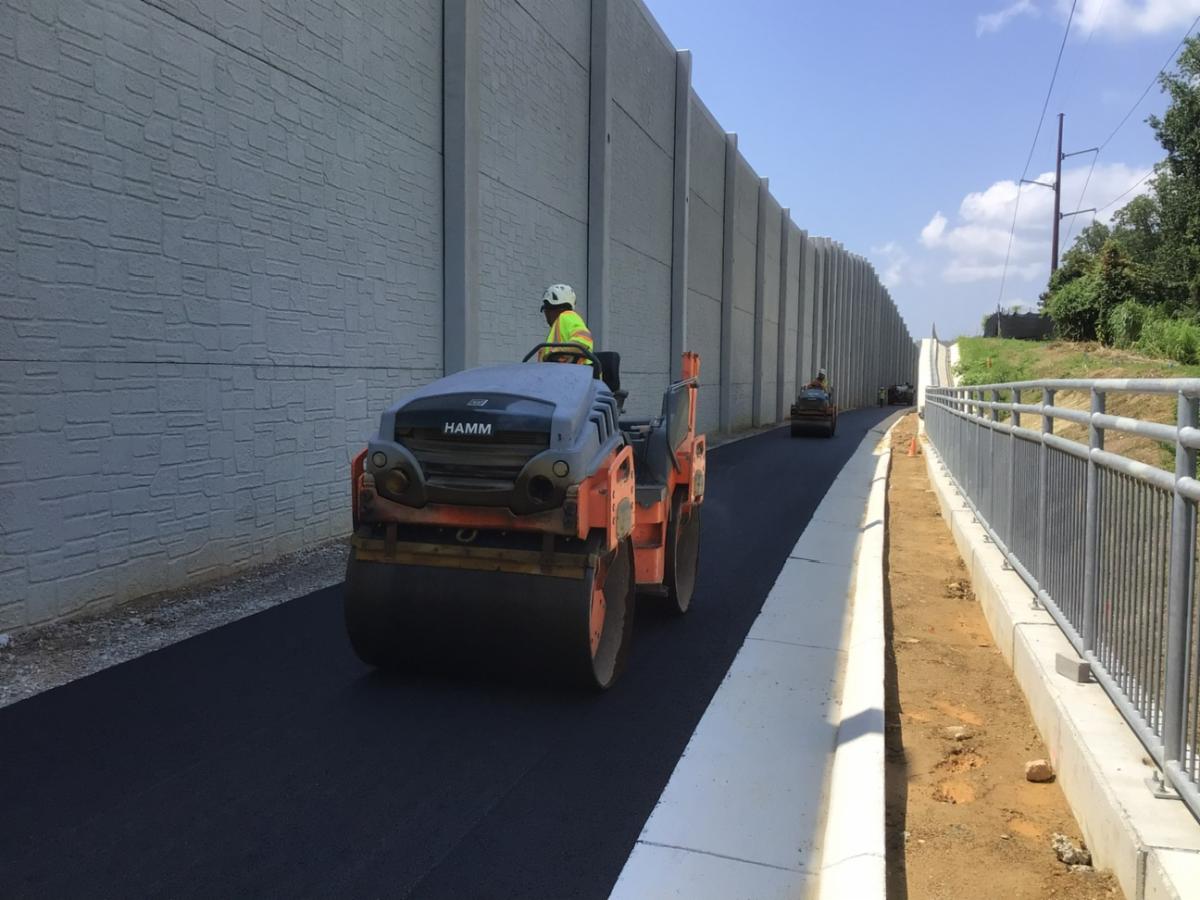
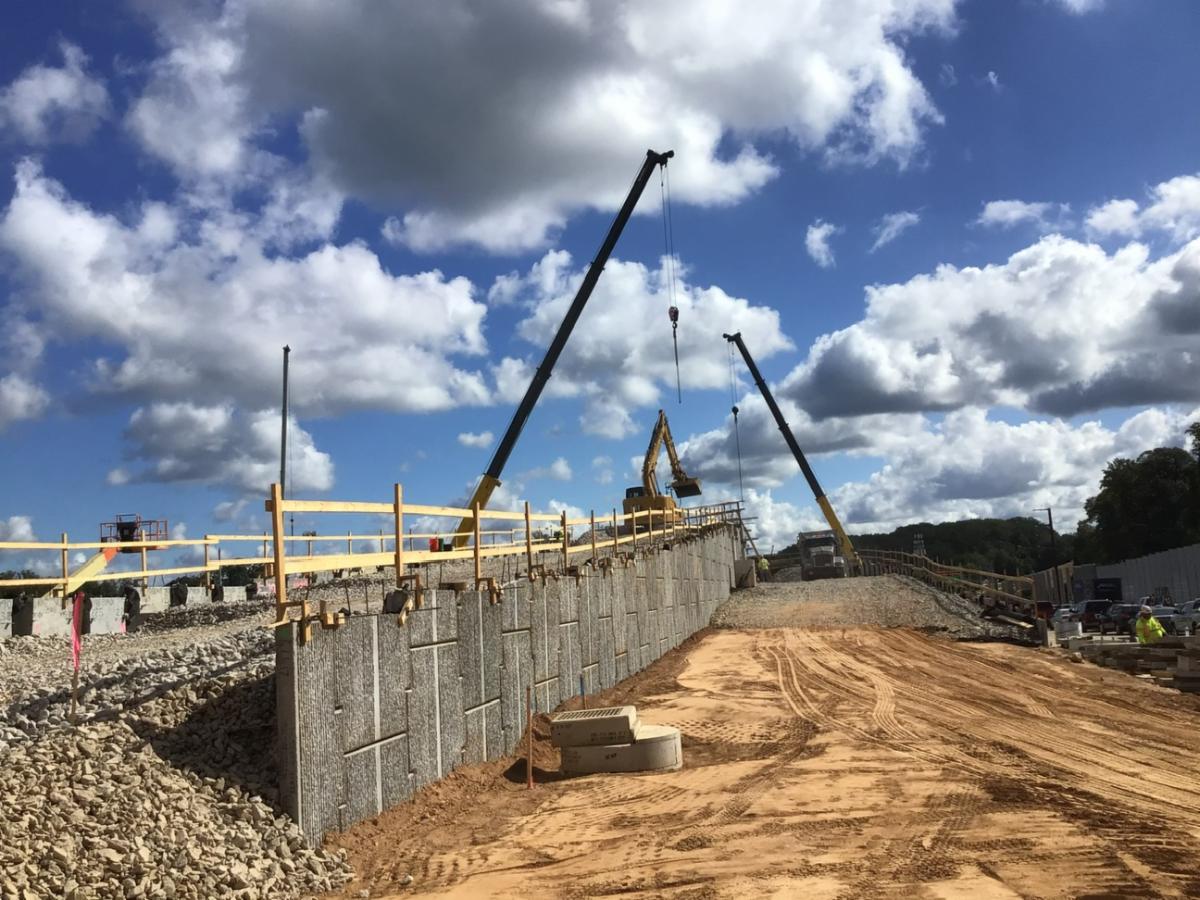
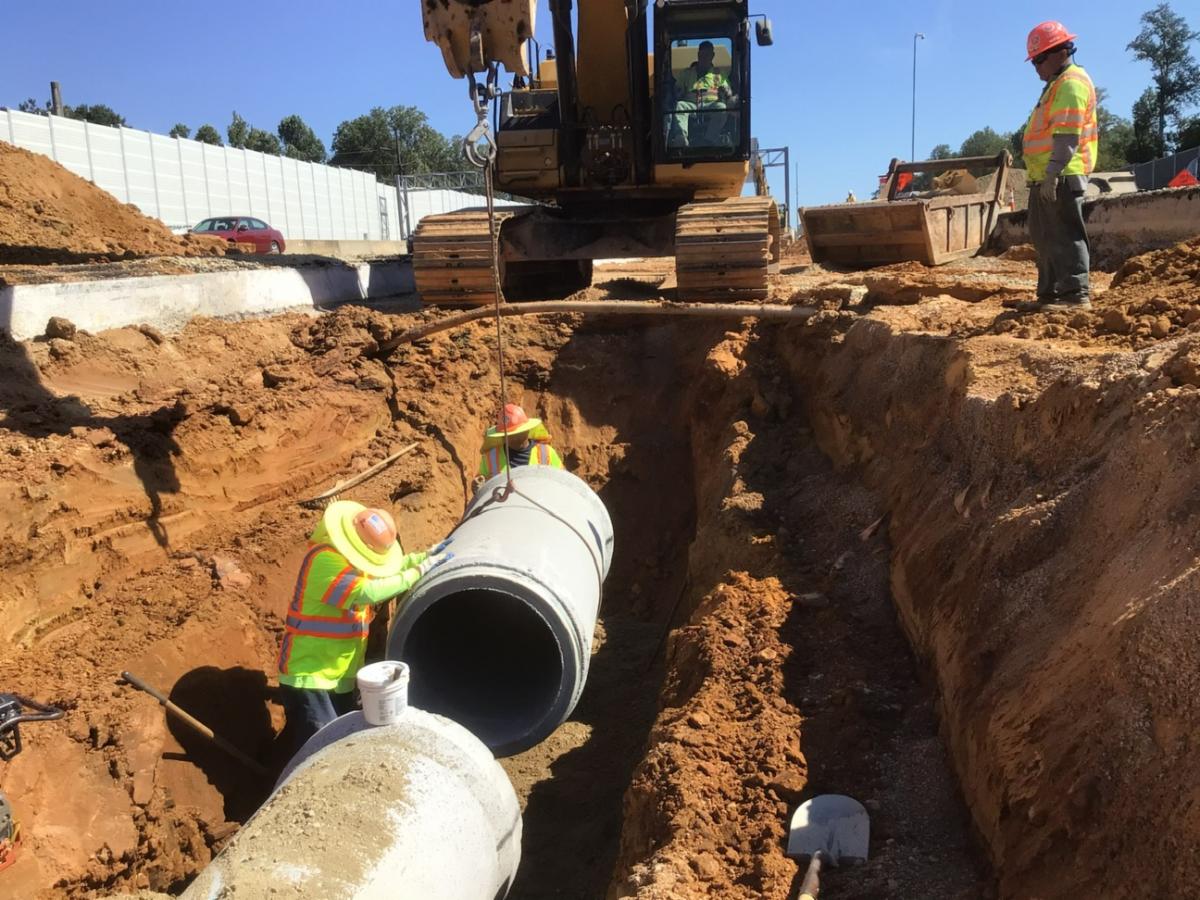
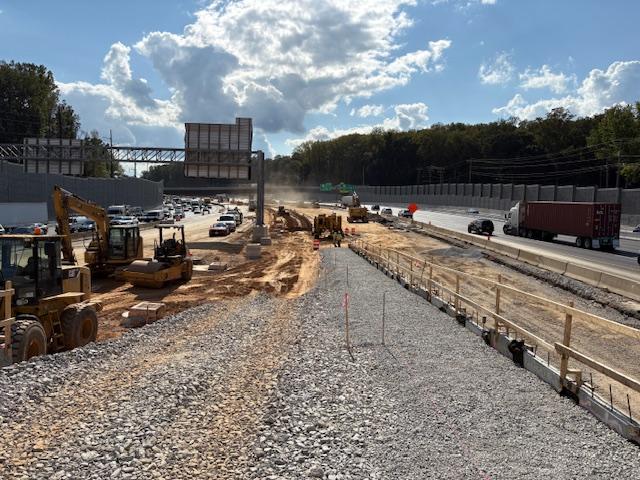
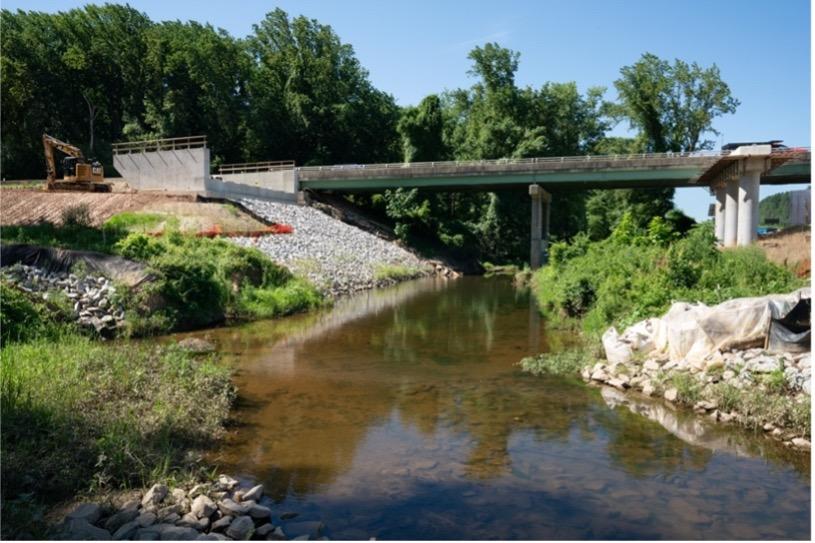
A: The amount of work required in such a compact area is a unique feature. We have so much work going on in tight areas every day. Many crews are working in the same space at the same time. This project has also had a huge positive environmental impact because it includes restoration of Scotts Run.
Q: What have you enjoyed most about working on 495 NEXT?
A: The working relationships between VDOT, Transurban, and Lane Construction, along with all the subcontractors, have been an incredible collaboration opportunity from a safety perspective. Our contractors are incredibly active in the promotion of safety.
Q: Are there any defining moments that have helped you progress to your current role?
A: I was working in an operational role at Transurban and had an opportunity to join the Health, Safety, and Environment team about three-and-a-half years ago. It was a great decision - I value having a job where I can help preserve life and the environment, and work across the entire Transurban portfolio in North America.
Q: What’s the best piece of advice you have for someone interested in pursuing a career in construction design?
A: If you're considering a career in Health, Safety, and Environment, attention to detail is absolutely essential. The role is as much about educating and guiding others as it is about applying standards - and often, it's the smallest details that make the biggest difference for a safe outcome. Effective safety professionals approach their work like coaches; they’re trusted resources who help crews understand requirements, elevate awareness, and foster accountability.
|