State Senator Kevin Priola's
5.0 Coronavirus Pandemic Local Update
Dear Friends,
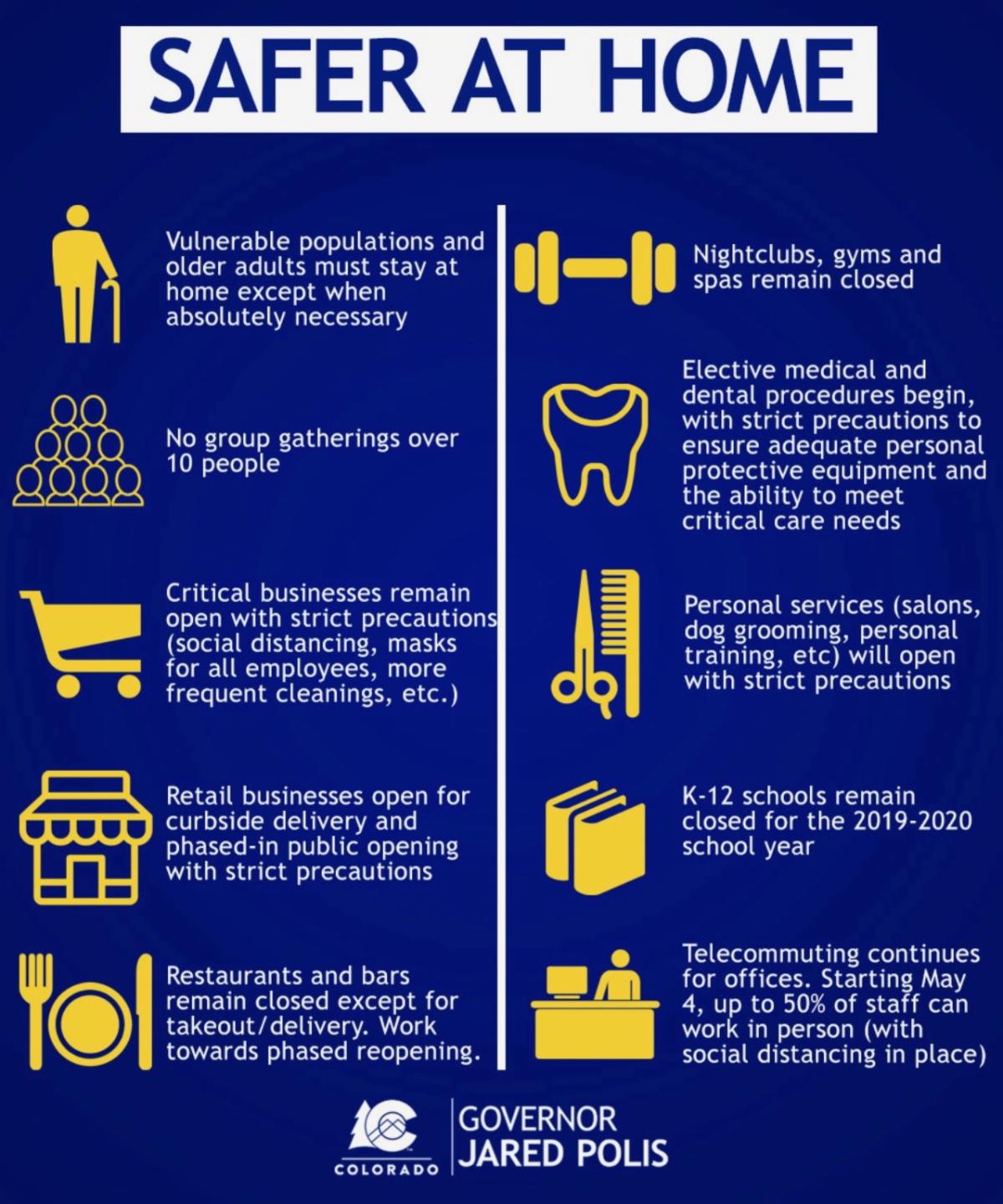
The Governor has officially decided to transition Colorado into a state of re-opening. There are very clear guidelines in place for which businesses may re-open, and what safety precautions they must follow. It is still highly encouraged that you do not leave home unless you have to, as most recreational businesses and activities (restaurants, bars, gyms, etc.) will still remain closed. I have included some graphs and images throughout this newsletter that help to clarify what our transition to "safer at home" means. I encourage you to share these facts and links with other that are concerned about the pandemic.
As of Friday April 24th, Colorado has had around 11,300 confirmed cases and around 560 deaths from Covid-19. The good news is that studies from Stanford and
this one from New York City show that more have had ben exposed to Coronavirus than experts previously thought. This means that the statistical death rate is lower than earlier estimates.
At the County level:
The city and county of Denver has extended the stay at home order until May 8th. Tri County Health along with the Counties of Adams, Arapahoe, Boulder, Broomfield & Jefferson are considering extending until May 8th as well.
The following is from the Tri-County website:
Gradual reopening of businesses may look different across Adams, Arapahoe and Douglas counties
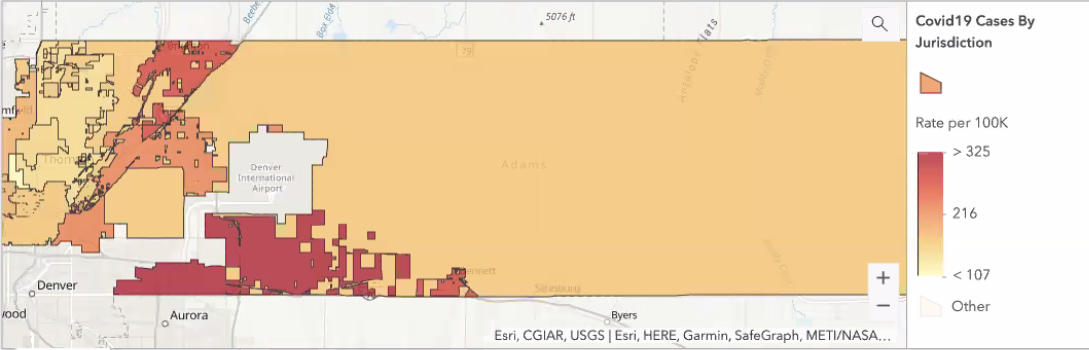
Denver Metro Counties rising numbers of COVID-19 may delay reopening
The statewide Stay-at-Home Order is set to expire on Sunday, April 26 and Governor Polis has directed local public health officials to implement data-informed strategies at the local level that best meets the needs of local communities. Tri-County Health Department is working with other local public health agencies and its local partners to develop those strategies.
"While we want to minimize confusion for the public, reopening could look different for different communities based on the level of COVID-19 cases in that specific area," said John M. Douglas, Jr., MD, Executive Director of Tri-County Health Department. "Many parts of the state do not have growing numbers of COVID-19 cases and it makes sense for them to open, but in the more densely populated counties in the metro area, opening too soon could be detrimental to keeping us healthy and open moving forward."
We are studying current trends and will be reviewing the need to extend the stay at home order for two weeks until May 8th for specific locations that are still experiencing high numbers of people sick with COVID-19. A decision will be made by Sunday, April 26 on most appropriate steps to be taken to begin to slowly reopen our local businesses.
Regardless of whether the orders are extended, it will take every individual in our counties to continue to follow social distancing guidelines, staying at home as much as possible, wearing masks and practicing abundant personal hygiene and cleanliness to keep our communities healthy and economically viable.
|
|
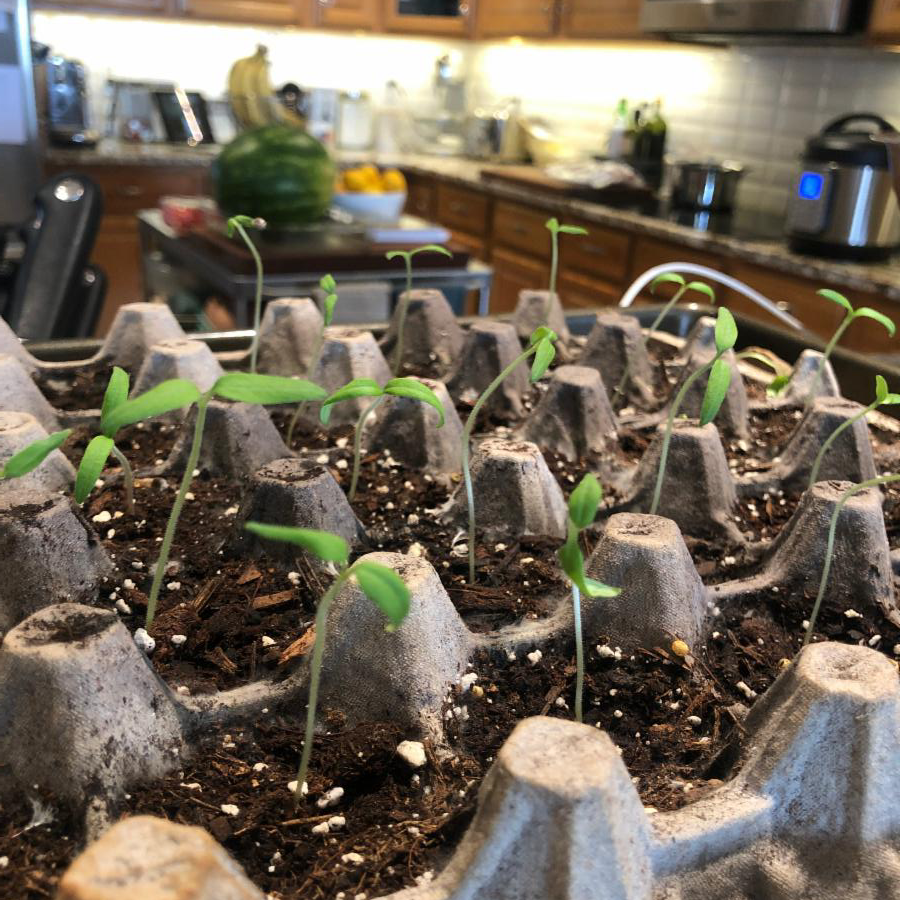
Spring is coming, home-schooling and getting the garden ready.
|
Doctors are now beginning to keep an eye out for blood clots, a new complication that may happen as a result of COVID-19. This goes for people of all ages, including as young as five years old, as even those below the warning age of 70 years have begun to fall extremely ill. Our hearts go out to all families that have lost someone in these hard times.
Make sure to also keep an eye out for risk factors confirmed by doctors, and evaluate your own health to see if you fall into any of the outlined categories.
What does "Safer-At-Home Mean"?
The goal of this phase is to maintain 60-65% physical distancing.
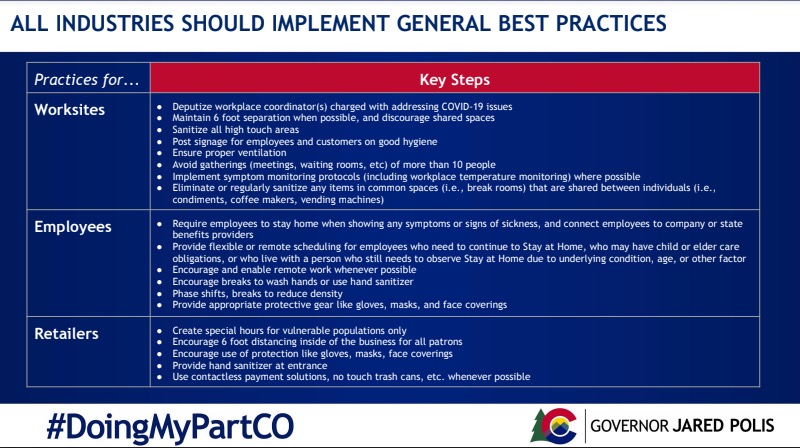
-Critical businesses will remain open with strict precautions (social distancing, masks for all employees, more frequent cleanings, etc.)
-Retail businesses may open for curbside delivery and phased-in public opening with strict precautions
-Elective medical and dental procedures begin, with strict precautions to ensure adequate personal protective equipment and ability to meet critical care needs
-Personal services (salons, dog grooming, limited personal training, etc) will open with strict precautions starting May 1
-Telecommuting continues for offices. Starting May 4, up to 50% of staff can work in person (with social distancing in place)
-Nightclubs, gyms, and spas will remain closed
-No group gatherings of more than 10 people
-K-12 schools remain online only for the remainder of the 2019-2020 school year
-Vulnerable populations and older adults must stay home unless absolutely necessary
What does this mean for the general public?
-Follow Safer at Home guidelines
-Strongly advised face coverings and staying 6 feet apart in public
-No gatherings over 10 people
-Sick people may not go to work
-Limit non-essential travel
What does this mean for older adults and the vulnerable populations?
-Continue to Stay at Home except when absolutely necessary
-Utilize special industry hours for vulnerable populations
What does this mean for seeing friends and family?
-People should limit interactions except with immediate household
-If you do see limited family or friends outside of your household, be extra cautious to stay 6 feet apart, wear face covering, and limit contact
-Stick to solo and non-contact recreation activities like running, walking, or hiking in your local community. Do not travel outside of your local community for recreation
What are the next steps for the Safer-At-Home phase?
The state is working to develop best practices and specific guidance for different industries during this phase and will have more details regarding the following in the coming days:
-Retail
-Offices
-Elective Medical and Dental Services
-Childcare
-Personal Services
-Real Estate
How will local governments be affected?
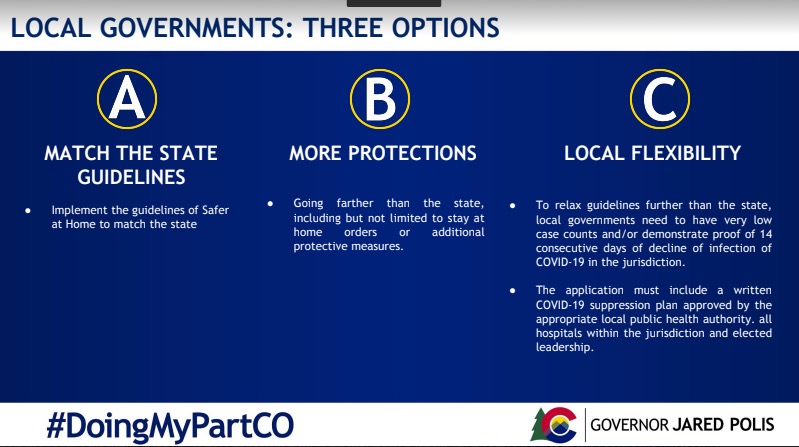
-Operates under the states Safer-At-Home executive order and public health orders
-Can go farther than the state, including but not limited to stay at home orders or additional protective measures
-Can apply for a variance from the state. To do so, they need to demonstrate proof of very low case counts of COVID-19 and or 14 days of decline of infection within the county.