DONATE >
 

Weekly Newsletter


May 10, 2023

Quote of the Week:

“Life’s challenges are not supposed to paralyze you,

they’re supposed to help you discover who you are.”

-Bernice Johnson Reagon


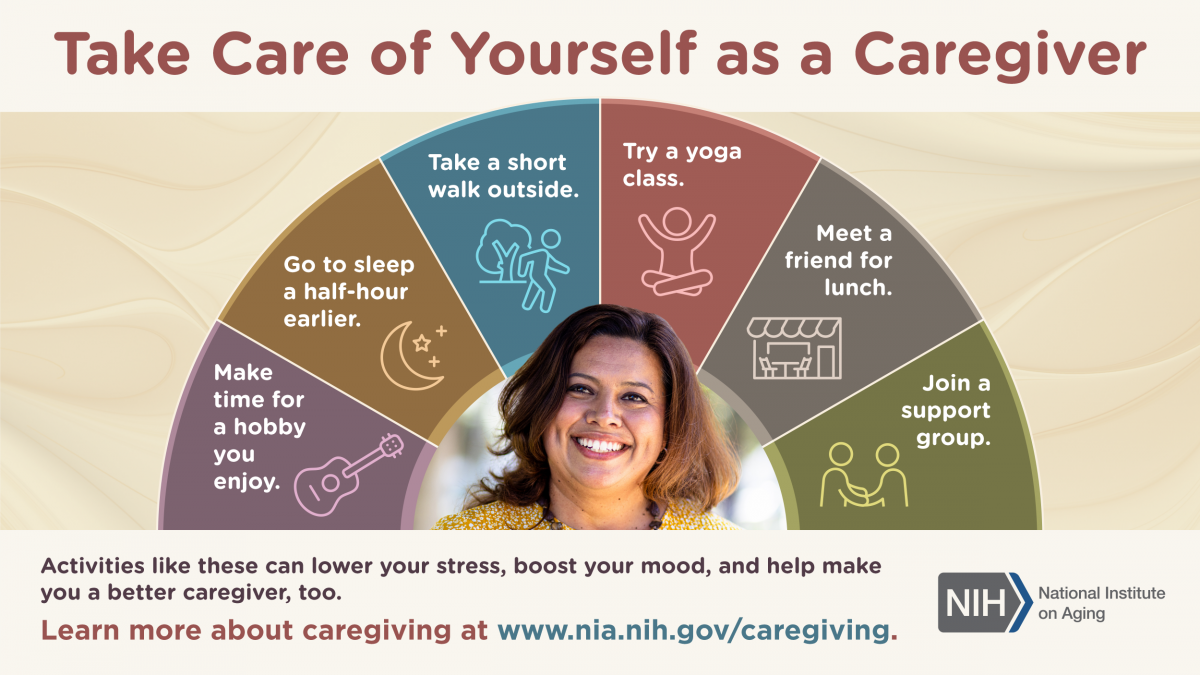
EMPOWERMENT FOR CAREGIVERS


Ongoing changes in health and behaviors emerge when a loved one is diagnosed with cognitive/physical decline; especially when that diagnosis is dementia. Coping strategies must be adjusted to, and managed, often leading to a standoff; confusion and disorientation evidenced both by caregiver and care receiver.


Our loved one’s reality, and ours, can be at cross purposes…each point of view and self reference being “real” to the perceiver. This accounts for the futility of trying to “reason” with one who has dementia. We learn, by trial and error, the wisdom of a willingness to “step into their world” in order to connect and find common ground. “Reasoning”, the drive to explain and correct puzzling behaviors becomes a study in futility. We are puzzled by accusations born of expressed paranoia. The aimless night wanderings. The “word salad’ of verbal expressions. Confusion and forgetfulness.


We try new strategies to redirect, to cope. We consult the experts. The relationship shifts as we learn to take charge to compensate; gradually apprenticing to a more singular role.


POWERLESSNESS, OR HOPELESSNESS?


An impasse can arise as we come to realize that we are faced with a progressive,

and ultimately terminal illness. We can neither save nor cure them... Now What?!

We turn to two concepts in this often painful struggle; One, helplessness, the other, powerlessness. Google sees them as synonymous… but are they really?

HELPLESSNESS:  

To embrace helplessness is to embrace a certain victimhood; a self defeating attitude of futility. 


We hold a self-concept of weakness, of disempowerment. We tend to come from a place of past and present failures. Easy to lose sight of innate strength and courage lying dormant, out of reach; a myopic self appraisal. A sure gateway to depression and self-loathing.

POWERLESSNESS:  

Consider the twelve Step approach: Only when one acknowledges powerlessness can we consider allowing circumstances to align with a willingness to accept that which we cannot change. Certainly, we can’t control the uncontrollable. Yet, a lot can be done in learning how to provide effective care, comforting, and enhanced connecting with our loved ones. We learn about detachment. We hear, “Do more of what works, less of what doesn’t, and try new things.”

So much we can do when we accept what we can’t change. Though we just can’t change the eventual outcome, we can make today count. It’s the ultimate reality check, knowing we are doing the best we can at any given time, in any given circumstances. We’ve learned that, “when we know better, we do better.” To accept our powerlessness is to accept our innate humanity - it’s limitations and its potential.


Our caregiver support group is a powerful and dynamic community. Having forged a compassionate supportive space, one can freely share and trust in being held with confidentiality and warm, loving regard. With courage, transparency, safety, and compassion…each member can be assured that they are “gotten”. That they are held with respect and empathy, devoid of judgement driven by a desire to “fix”.


A POWERFUL space created to uplift each member in their hour of POWERLESSNESS.


karen@daybreakcenters.org

Caring for the Caregiver

Support Group


DayBreak's 'Caring for the Caregiver' Program provides no charge, comfort calls & support groups for families caring for a loved one with dementia and other complex chronic conditions.


To learn more about the program and register for upcoming groups,

email Karen Kelleher, M.A.

(Caregiver Support Coordinator)


ASK KAREN:


We would love to hear from you!


This section is for you to send in your questions and stories to Karen Kelleher, our Family Caregiver Support Coordinator

(like "Dear Abby").

Ask Karen
 

UPCOMING EVENTS & WORKSHOP:


COMMUNITY RESOURCES:

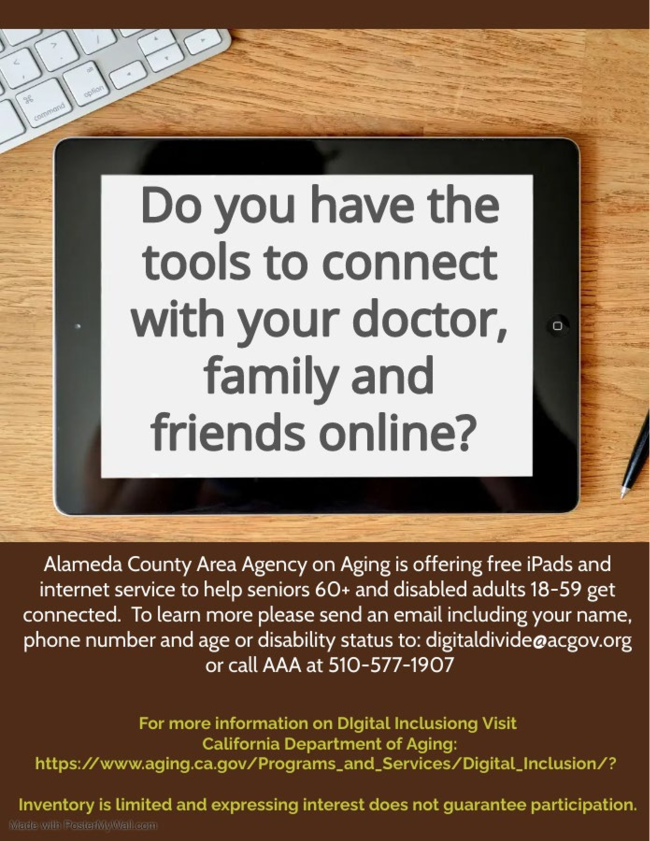
Alameda County Area Agency on Aging

Senior Information & Assistance Program

800-510-2020 | 510-577-3540

seniorinfo.acgov.org

Food Resources for Older Adults:


INFORMATION & ASSISTANCE LINE

To help you navigate resources and find the

right help for you and your loved one. 

Contact: 510-834-8314
 

MAKE A DONATION


By donating, you will brighten the day of people,

helping them to meet the challenges of aging

with more joy and better health.

 
DONATE >>
 

Visit our website for more information and resources:

daybreakcenters.org
 
Facebook  Instagram  YouTube