|
|
Vaidya Mishra's Newsletter - #45, Vol. 6, November 18, 2016
|
|
Kichdi-on-the-go!
Hey we've all been there! We want to be good and eat good and stay healthy, but sometimes despite our best efforts we get caught up in a whirlwind of activity, and hunger never waits! So we end up reaching for that cinnamon bun, or chocolate coated peanut butter cookie... and then spend the rest of the day regretting.
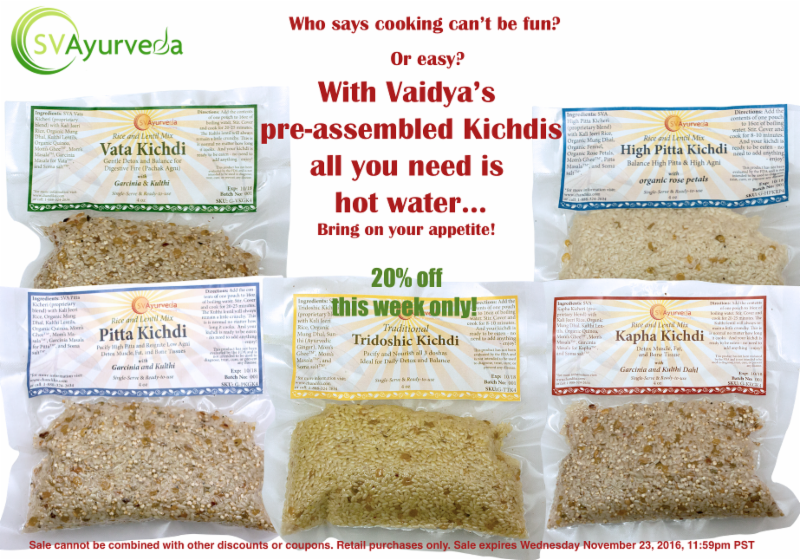
Remorses no more now that we have Vaidya's pre-assembled kichdi on our side! All you need is hot water and you're set to have your balanced tridoshic meal in 10 minutes. Don't believe it? Read all about it below.
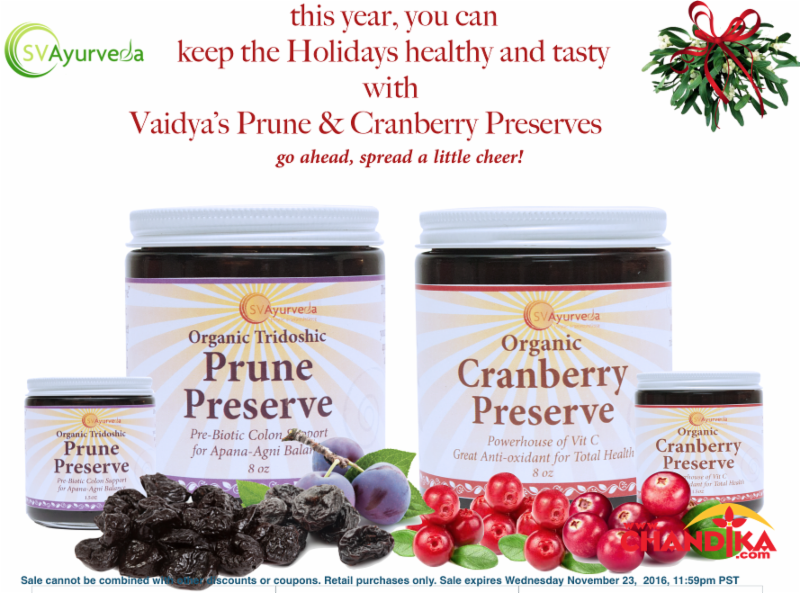
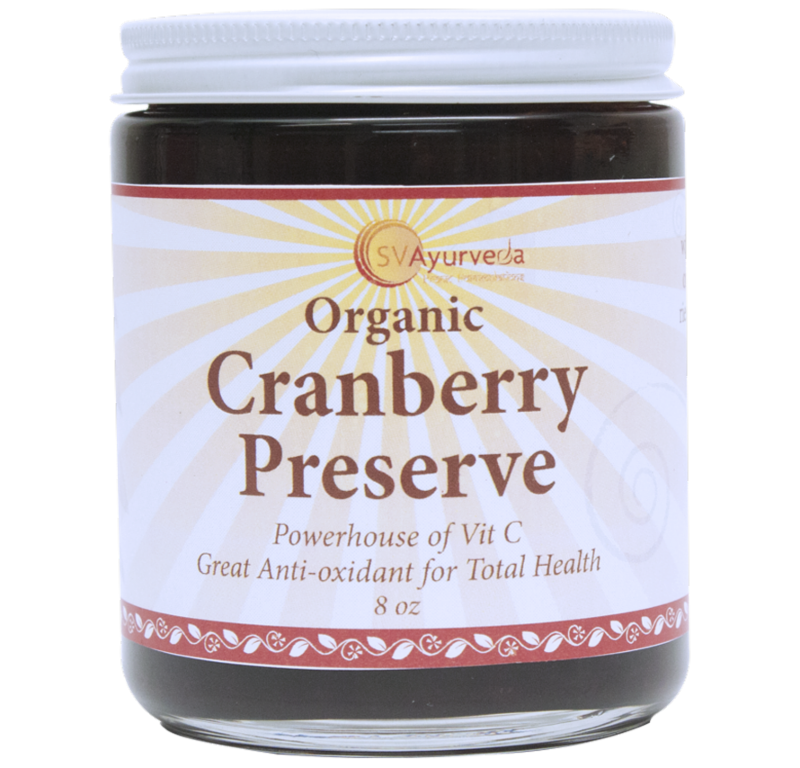
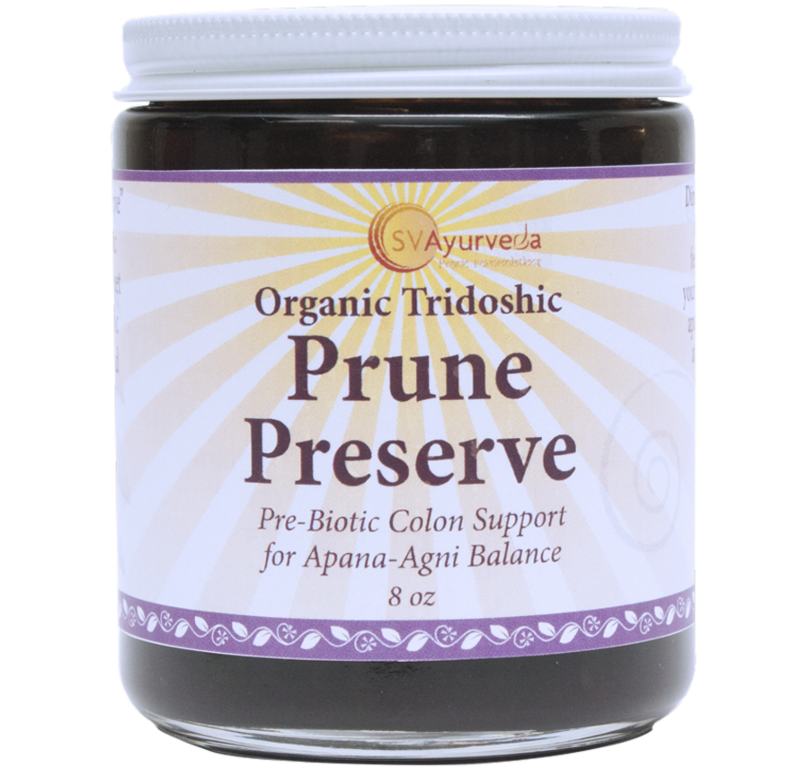
What's Thanksgiving without cranberries? How about a SVA Cranberry Preserve? Vaidya's latest newest product. How about some prunes to go with that? Prunes have so many health balancing properties, specially for our colon, they are a great addition to our daily diet. And now, with Vaidya's newest Prune Preserve, you can do so easily. Read all about it below.
Vaidya's first installment of the Cellulite Course was a great success with 40 registered participants. Course participants receive printed material, video footage, and participate in a live video call each month. A private group on Facebook has been set up where students interact with Vaidya and with eachother. If you are still considering joining, you may do so. You can watch Vaidya's first live lecture below. The link to his first chapter is also embedded below. Call us to sign up: 1.818.709.1005.
This week on www.chandika.com discover Vaidya's full range of kichdi products; and sample the Cranberry or Prune (or both) preserves as well! All on sale at 20% off. Spread some cheer - the holiday season is here!
|
|
SVA Kichdi: Ayurvedic Comfort Food On-the-Go!
Tridoshic Single-Serve Pre-assembled Rice, Lentils, and Spice Pouches
Can you eat comfort food and still be healthy? Try it with one of my 5 ayurvedic kichdi-s: variations on a the classical original blend of rice, lentils, and spices. When the samyog (combination) and samskar (preparation) are done right, kichdi is a full meal, creamy in texture, light, yet nourishing and sustaining. Highly popular in South Asia with innumerable varations, Khichdi (Khicṛī) is derived from Sanskrit खिच्चा khiccā, a dish of rice and legumes. In India, it is not only the first solid food that we give to our babies, but it is also used when cleansing and detoxifying the body of seasonal residual impurities. Kichdi is ideal when trying to reset the overall digestive system and can be used anytime of the year or day - depending on preparation and ingredients. The concept is simple and allows itself to be easily tailored to address different conditions. Anyone who has ever had a seasonal ayurvedic cleansing treatment - PK (panchakarma) - will surely have tasted a kichdi. But now you can add kichdi to your seasonal or weekly menu for an easy and delicious way of staying on top of your health.
The basic recipe of kichdi is discussed at length in the ayurvedic shastras. The idea is to mix rice and lentils with a healthy fat and some spice, and cook it down either to a creamy texture or as a blend of rice and legumes. There are no limits to the variations and flavors of kichdi you can make. To meet the needs of everyone for nutrition and detoxification at the same time, and to address all Ayurvedic body type variations, I have put together fivefast cooking pre-mixed kichdi pouches. Each pouch has everything you need for one serving: rice, lentils, spices, ghee, and Soma Salt. You don't need to add anything! All you have to do is cut your pouch open, add it to boiling water, and let it cook for a few minutes.
Why have I made these mixes available?
|
11 Health Benefits of Cranberries
Cranberries are delicious when sweetened just right, but there are many more reasons we should eat them more often. You don't have to wait for the Fall, or Thanksgiving. With my new Cranberry Preserve, you can enjoy the health benefits of cranberries year round. Because they have so many health benefits. Here are a few:
1) Antioxidant powerhouse
This disease-fighting fruit is one of the highest ranking,
regularly consumed foods for antioxidant content per serving, according to the Cranberry Marketing Committee. Antioxidants protect cells from the damage that oxidative stress and free radicals can have on them. That damage can lead to serious conditions like cancer and heart disease.
Some of the antioxidants found in cranberries include anthocyanins, ellagic acid, quercetin, resveratrol, selenium, and vitamins A, C and E.
2) Rich Source of Phtyonutrients
|
Type of Phytonutrient
|
Specific Molecules
|
|
Phenolic Acids
|
hydroxybenzoic acids including vanillic acids; hydroxycinnamic acids inculding caffeic, coumaric, cinnamic, and ferulic acids
|
|
Proanthocyanidins
|
epicatechins
|
|
Anthocyanins
|
cyanidins, malvidins, and peonidins
|
|
Flavonoids
|
quercetin, myricetin, kaempferol
|
|
Triterpenoids
|
ursolic acid
|
3) Low-calorie flavor booster
One cup of fresh cranberries contains 46 calories, according to the USDA. If you like them raw, they're a great low-calorie snack - but their tart flavor makes them an acquired taste. Use them in cooking and baking to add a pop of flavor while not adding a lot of calories, as in these recipes:
4) Urinary tract infection preventer
Cranberries and cranberry juice have long been associated with preventing UTIs. There's a substance in cranberries that prevents "infection-causing bacteria from sticking to the urinary tract walls," according to WebMD.
Study results, however, are very inconsistent. Some studies suggest that cranberries can lower the chance of repeated infections in young women. However, an October 2016 study published in the Journal of the American Medical Association found that female patients in nursing homes who took cranberry capsules for a year didn't have fewer episodes of UTIs than those who took placebos.
5) High in fiber
One cup of cranberries contains 4.6 grams of dietary fiber. The Mayo Clinic says fiber maintains bowel health, lowers cholesterol, and helps control blood sugar. Foods high in fiber can also help control weight because they make you feel fuller for a longer period of time.
6) Full of Vitamins and Minerals
One cup of cranberries contains 24 percent of the recommended daily value of vitamin C and 7 percent of the recommended daily values of vitamins K and E, according to Self Nutrition Data. It's also a good source of the mineral manganese, containing 20 percent of the recommended daily value.
7) Cardiovascular Disease
Some evidence suggests that the polyphenols in cranberries may reduce the risk of cardiovascular disease (CVD) by preventing platelet build-up and reducing blood pressure via anti-inflammatory mechanisms.
8) Research on Cancer
Research has shown that cranberries are beneficial in slowing tumor progression and have shown positive effects against prostate, liver, breast, ovarian, and colon cancers.
9) Supports Dental Health
The same proanthocyanidins in cranberries that help prevent UTIs may also benefit oral health by preventing bacteria from binding to teeth, according to Researchers at the Center for Oral Biology and Eastman Department of Dentistry at the University of Rochester Medical Center. Cranberries may also be beneficial in preventing gum disease.
10) Ant-inflammatory Benefits
For the cardiovascular system and for many parts of the digestive tract (including the mouth and gums, stomach, and colon) cranberry has been shown to provide important anti-inflammatory benefits. It's the phytonutrients in cranberry that are especially effective in lowering our risk of unwanted inflammation, and virtually all of the phytonutrient categories represented in cranberry are now known to play a role. These phytonutrient categories include proanthocyanidins (PACs), anthocyanins (the flavonoid pigments that give cranberries their amazing shades of red), flavonols like quercetin, and phenolic acid (like hydroxycinnamic acids).
11) Immune Support
While research in this area is somewhat limited, recent studies on the immune support benefits of cranberry are exciting. In studies on very small numbers of human participants, intake of cranberry extracts has shown the ability to improve multiple aspects of immune function, and to lower the frequency of cold and flu symptoms in the subjects. In several of these studies, the cranberry extracts were standardized to contain a known, higher-end amount of proanthocyanidins (PACs)-somewhat comparable to a double-strength cranberry juice.
|
|
Top 11 Benefits of Prunes
1) Helps Digestion
Prunes are high in fiber, which helps prevent hemorrhoids
brought on by constipation. Chronic constipation is a common problem in older adults and can be caused by pelvic floor dysfunction or the side effects of medication. It can also be a painful problem for infants. Prune juice acts as a laxative thanks to its high sorbitol content, so ask your doctor if it's right for you. A serving size of six prunes has 4 grams of dietary fiber, and one-half cup contains 6.2 grams. Women typically need 25 grams of fiber
each day, while men need at least 30 grams
2) Aids Normal Body Functions
Prunes are a good source of potassium, an electrolyte that assists in a variety of vital bodily functions. This mineral helps with digestion, heart rhythm, nerve impulses, and muscle contractions, as well as blood pressure. Since the body doesn't naturally produce potassium, consuming prunes or prune juice can help you avoid deficiencies. One half-cup of prunes contains 637 milligrams of potassium
. This accounts for nearly 14 percent of your daily recommended need. Most adults should consume about 4,700 milligrams of potassium a day.
3) Provides a good source of iron
Anemia occurs when the body doesn't have sufficient healthy red blood cells, which iron helps to make. Shortness of breath, irritability, and fatigue are all signs of mild anemia. Prune juice is a great source of iron and can help prevent and treat iron deficiency. One half-cup of prunes contains 0.81 milligrams of iron,
while 1/2 cup of prune juice contains 3 milligrams. The average adult needs 10 milligrams a day
, while menstruating or nursing women need 15 milligrams, and pregnant women need 30 milligrams.
4) Builds Bones and Muscles
According to some studies
, dried prunes are an important source of the mineral boron. Boron can help build strong bones and muscles. It may also help with improving mental acuity and muscle coordination.
Prunes may be particularly beneficial to fighting the bone density loss that is a common side effect of radiation.
A 2016 animal study
has found that dried plums and dried plum powder can reduce radiation's effect on bone marrow, preventing bone density loss and promoting bone health.
Prunes even have some potential as a treatment for osteoporosis.
Another recent study
presented evidence that dried plums can prevent bone mass loss in postmenopausal women who are prone to osteoporosis. Only 50 grams (or five to six prunes) a day were necessary to see benefits.
5) Reduces Plague Buildup
Plaque buildup in the arteries causes atherosclerosis, a narrowing of the arteries, which can result in a shortage of oxygen and blood to the tissues of the body. If left untreated, this can lead to heart failure, stroke, and heart attack.
Research
suggests that dried prunes may help slow the development of atherosclerosis. Scientists have shown that eating prunes and drinking prune juice can significantly reduce blood pressure.
Prunes can also be good for overall heart health. A
2010 study reported
that blood pressure and hypertension were reduced in groups that were given prunes daily. This finding suggests that prunes can reduce hypertension and boost cardiovascular health.
6) Regulates food intake
Dried plums can help you manage your weight by keeping you feeling full for longer.
One study
found that eating dried plums as a snack can suppress hunger for longer than a low-fat cookie.
7) Lowers risk of colon cancer
Colon cancer is often hard to detect, but it can be aggressive. Diet can help prevent colon cancer, and research has shown that adding dried plums to your diet may reduce your risk. A recent study
conducted by Texas A&M University and the University of North Carolina
determined that eating dried plums can positively affect and increase microbiota (or beneficial bacteria) throughout the colon. This, in turn, can reduce the risk of colon cancer.
8) Prunes help to lower cholesterol
The soluble fiber helps to lower cholesterol by soaking up excess bile in the intestine and then excreting it. Bile is made from cholesterol in the liver in order to digest fat. When the body excretes bile along with the fibre from prunes and plums, the liver must use cholesterol in the body to make more bile thereby lowering the amount in circulation in the body. Soluble fibre may also inhibit the amount of cholesterol manufactured by the liver in the first place. A
2011 study
found that prunes are more effective than psyllium at relieving constipation.
9) A good source of vitamin K and beta carotene
A 2013 study showed that an increased intake in beta carotene can actually
make people happier
. Beta-carotene also protects and fixes the damage of free radicals on our cells meaning it can help reverse the signs of aging. Vitamin K works in conjunction with beta carotene to fight the signs of aging by
helping reduce bone loss
and improving circulation.
10) Improves Vision
Prunes are a great source of vitamin A, essential for healthy vision. Vitamin A deficiency is linked to night blindness, dry eyes, macular degeneration, and cataracts.
11) Aids in managing type 2 diabetes and obesity
Prunes are high in soluble fiber that helps to keep
blood sugar levels
stable. Soluble fiber slows the rate that food leaves the stomach and, as a result, delays the absorption of sugar into the blood stream. Soluble fiber also increases the body's sensitivity to insulin. The soluble fiber in prunes helps you feel satisfied after a meal, which can
prevent overeating and subsequent weight gain
.
|
SVA Cellulite Solutions
Still not sure whether this course is for you?
Watch the first live call and read the first chapter! Then call us
to sign up at: 1.818.709.1005.
|
|
SVA Cellulite Solutions
Lesson 1 - November 5, 2016
Vaidya Mishra: "I am very happy to inaugurate the SVA Cellulite Course. I have been quite involved in researching the Sutra to Science approach to cellulite. The first and foremost step to take before starting any course is to understand the basic principles from the shastras and modern science. Everyone knows that cellulite is not easy to cure or to help. But, during my research on making this course, I tried to create a protocol which should help with certainty. It will help at least from stage one to stage five. Cellulite (like other health conditions) can be classified in terms of stages: stages 1 - 6. The shastras say that when any disease, any condition, goes to the sixth stage it's difficult to manage. You will learn more about these stages later.
Today, I am going cover the basic principles of Ayurveda but in a very unique way. I am going to teach these principles with special relevance to cellulite. We will learn a sutra that will help us understand cellulite, physiologically and anatomically. Understanding from the deep source of any condition helps us to manage it. If you don't understand from the deep source, the management will always be superficial. Your management will either be ineffective or only partial.
Cellulite Management based on Tri-Sutra Ayurveda
..."
|
|
Tridoshic Kichdis and Prune and Cranberry Preserves on sale this week at
|
|
Vaidya Mishra's Prana Center
1.818.709.1005 |info@prana-center.com
|
|
Place article copy here. Be sure to make the articles short and concise as people tend not to read much more than a couple of paragraphs. Place article copy here.
|
|
|
|
|
|