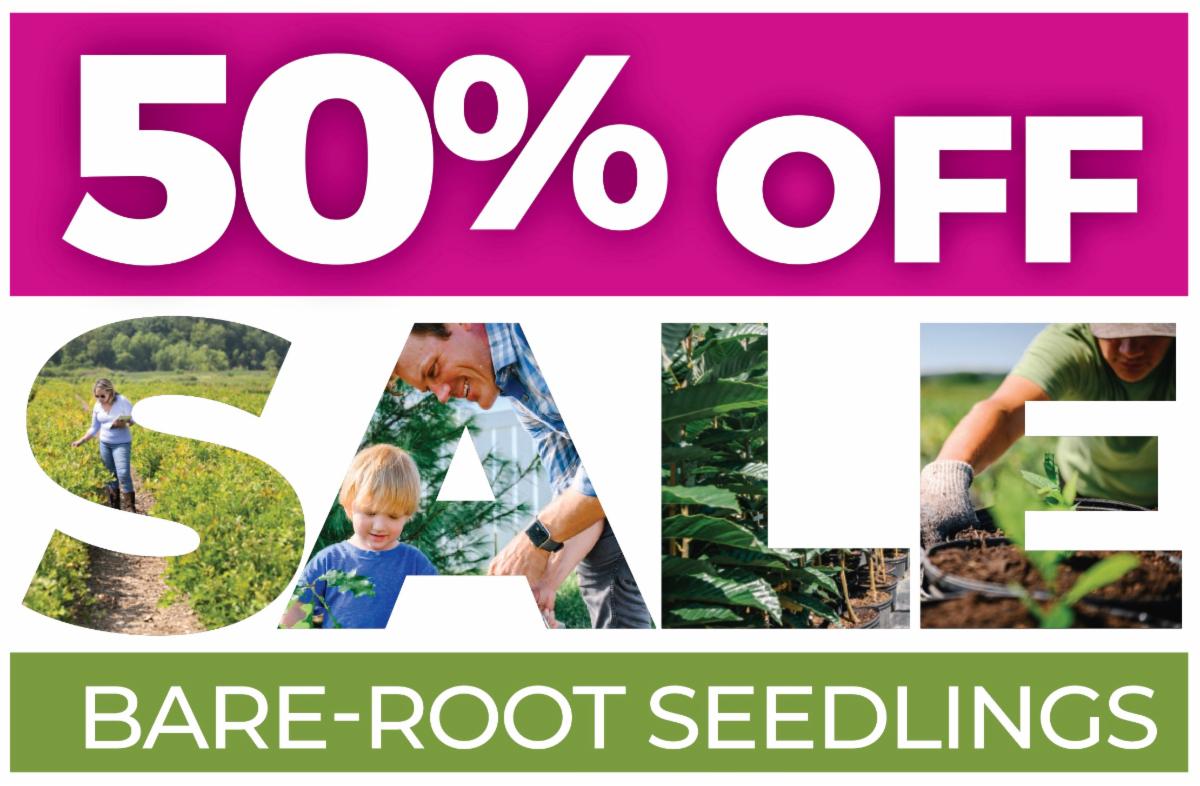
50% OFF all remaining seedlings

while quantities last.


> Same high-quality native stock.

> Same proven genetics and performance.

Just…fewer of them every day.


If you’ve shopped our seedling sale before, you know how it goes—

the best selections don’t sit around long. If you haven’t…this is your chance.

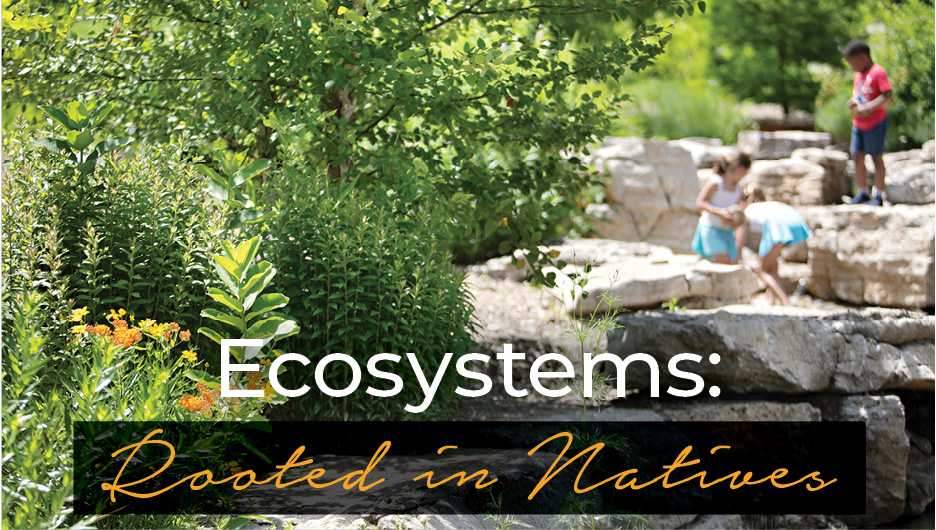
Across the country, communities are rediscovering what natural systems have always known: landscapes are not mere decorations—they are ecosystems.


When landscapes are built around native plant communities, they do far more than look natural. They become important habitats, supporting pollinators, rebuilding food webs, stabilizing soils, and strengthening the ecological systems that sustain both wildlife and people.


This month’s e-newsletter highlights key ideas for restoration professionals, urban foresters, and land stewards nationwide, and spotlights one of our upcoming Field Day speakers who explores native plants in productive landscapes.

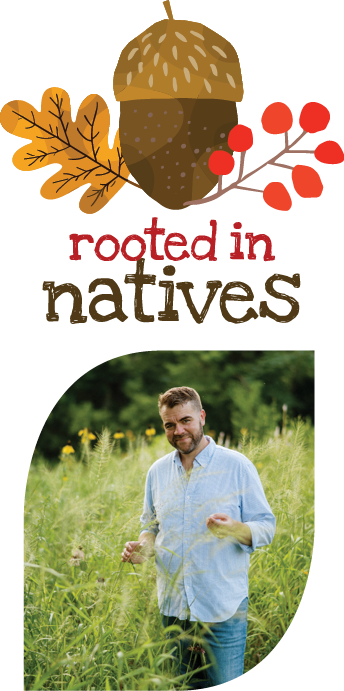
Announcing our 2026 Fall Field Day Keynote Speaker — Kelly Norris

We’re excited to share that Kelly Norris will serve as the keynote speaker for the 2026 Fall Field Day, “Rooted in Natives – Design Once. Perform for Decades,” on September 17.


A leading voice in ecological landscape design, Norris is known for translating native plant communities into landscapes that are both beautiful and high-performing. His work has appeared in national publications, including The New York Times, Better Homes & Gardens, and Gardenista.


His keynote, “Rooted in Natives: Designing Living Landscapes for a Resilient Future,” will explore how native plants shape landscapes that support people and the natural world.


This is a FREE event, but space is limited!

Native Trees for Tough Urban Sites

Field Note: In cities, trees aren’t just landscape elements—they are living infrastructure.


Urban trees must endure compacted soils, reflected heat, limited rooting space, and occasional drought. Species selection has become one of the most crucial decisions for urban foresters and landscape professionals.


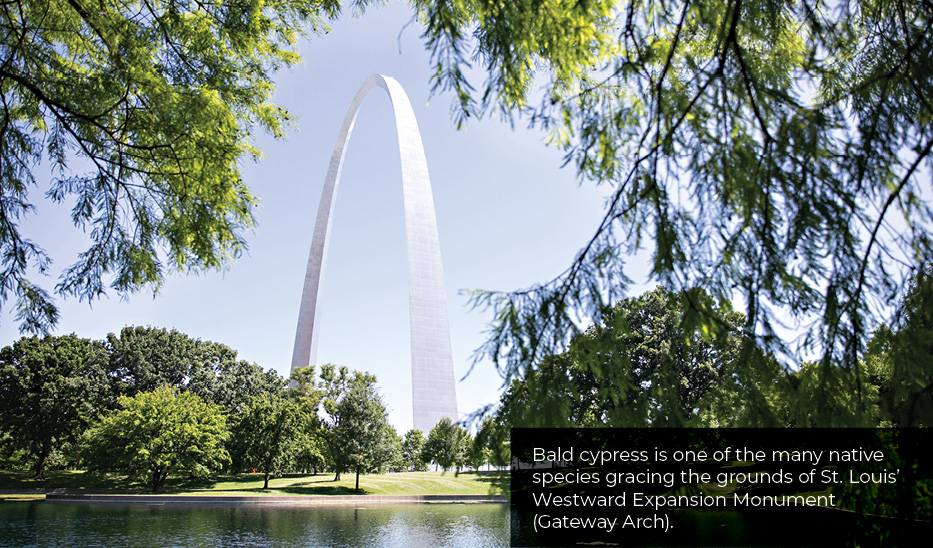
Native trees suited to local climates often deliver the most reliable long-term results. Species like Bur Oak, Chinkapin Oak, Kentucky Coffeetree, and Bald Cypress have adapted to tolerate disturbance, heat, flooding, and seasonal stress.


When the right species are matched to the right site, trees cool neighborhoods, manage stormwater, and support the food webs that healthy landscapes depend on.

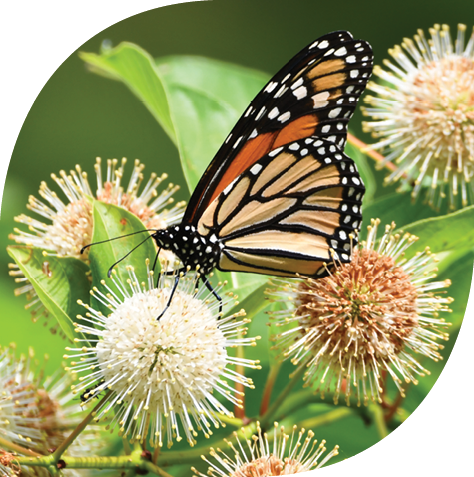
Buttonbush

A native shrub that powers wetland restoration and pollinator habitat.


Few native shrubs support as much life in wet landscapes as Buttonbush (Cephalanthus occidentalis). Found naturally along wetlands, ponds, and streambanks, Buttonbush thrives in saturated soils and periodic flooding. This makes it a reliable choice for stormwater plantings, detention basins, shoreline stabilization, and wetland mitigation projects.

Its distinctive spherical flowers bloom in early summer, attracting native bees, butterflies, and other beneficial insects. Later in the season, seed heads provide food for waterfowl and other birds.

Buttonbush reminds us that native plants are more than ornamental—they are habitat builders that help restore functioning ecosystems.

Check current availability of our RPM-produced Buttonbush (available in #3 and #5 containers).

Forrest Keeling Nursery (FKNursery.com) is the leading producer of native plants in North America. With over seventy-five years dedicated to environmental stewardship, Forrest Keeling’s innovative technology and meticulous attention to superior plant provenance make it exceptionally equipped to provide premium native plant materials for any project. 

WHOLESALE HOURS OF OPERATION

Monday-Friday: 7:30 am - 4:00 pm

Saturday: 8:00 am - 12:00 pm

Sunday: Closed

(800) 356-2401 | info@fknursery.com | Received from a friend? Subscribe Now!

Facebook  LinkedIn  YouTube
LinkedIn Share This Email