|
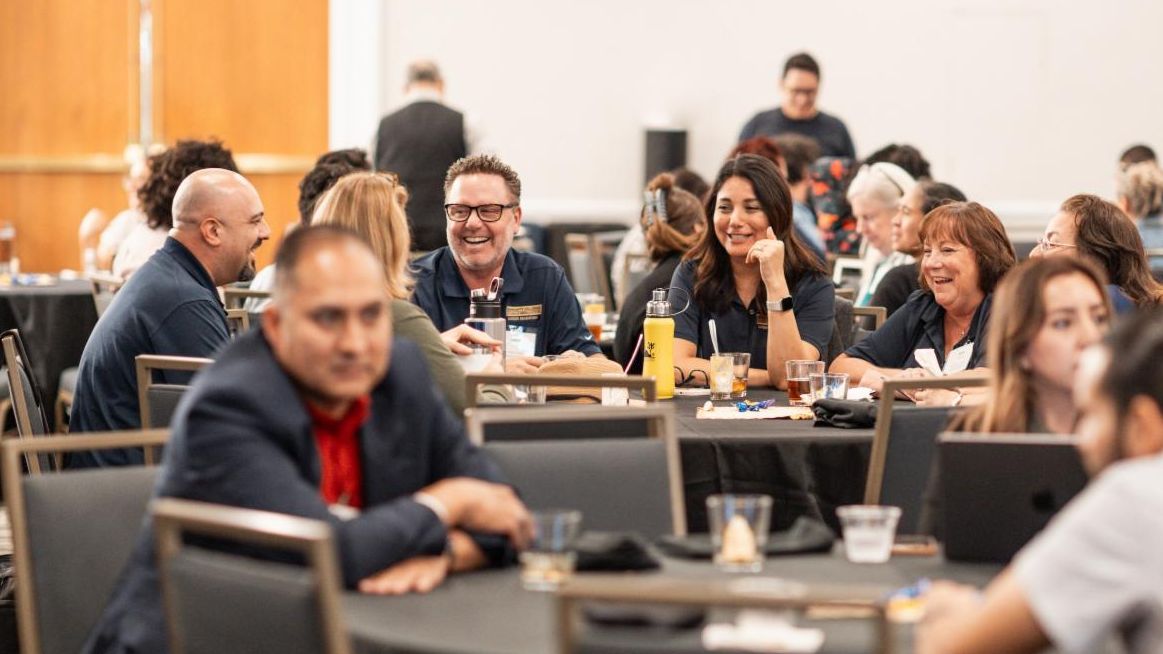
The San Diego & Imperial Community Colleges Regional Consortium and Center of Excellence recently kicked off its third Strong Workforce Faculty Institute, showcasing innovative classroom practices developed from prior cohorts. This professional development program empowers faculty to examine their course data, reflect on practices that impact the student experience, and develop data-informed action plans for student retention and success.
Since its inception in 2020, the Institute will have served 500 faculty from Career Technical Education and other disciplines–including full-time and part-time instructors–by the time this third cohort wraps up in May. The program directly supports the San Diego & Imperial Counties Community Colleges, which collectively serve over 165,000 students annually in the region.
Dr. Tara Yosso, Associate Dean of Academic Personnel at UC Riverside, delivered the keynote presentation, posing questions such as:
- Who gets to tell the story?
- Whose culture has capital?
- What does universal design actually look like?
Dr. Yosso emphasized the complex nature of redesigning systems to drive community cultural wealth and student success, urging educators to embrace discomfort and problem-solving with their students.
The afternoon session featured 12 institute alumni presentations on various topics from classroom expectations and grading policies to inclusive communication, including:
How might short-term sessions drive student success?
Cerise Myers from Imperial Valley College compared student success rates between six-week courses and the standard 16-week format, observing higher achievement levels in her short-term courses.
She recognized that shorter sessions work better for some subjects than others. This led to a discussion on retention, sparking a thought-provoking question: Are we addressing the needs of the college or those of the workforce?
Myers shared that one of the key drivers for better student outcomes in her courses was her repeated commitment to her students: Verbally and through her syllabus, she reiterated that she was dedicated to their success, a takeaway that can be applied to any course.
How might we cultivate a sense of belonging and strengthen students’ connections to their campuses?
Suganya Sankaranarayanan from MiraCosta College presented her research on fostering four types of classroom connections: student-to-student, instructor-to-student, student-to-campus, and student-to-self. Her strategies, such as campus tours and breathing exercises, aimed to reduce stress and improve student outcomes.
One student shared how the approach made a difference: "During our campus tour, we discovered mental health services that I didn't even realize were offered for free for students. Since then, I've utilized these resources to help manage my stress, and it has significantly improved my overall well-being."
These innovative approaches demonstrate how the Faculty Institute fosters cultural understanding, collaboration and data-driven strategies to enhance the student experience and promote academic success.
|