|
A 2019 case involving a Hillsborough County paramedic who tested positive for cannabis despite holding a medical marijuana card highlighted a growing workplace dilemma. The court ruled in his favor under Florida’s Civil Rights Act, raising questions about whether public employers must offer accommodations for certified patients (Giambrone v. Hillsborough County, Fla. 13th Circuit Court).
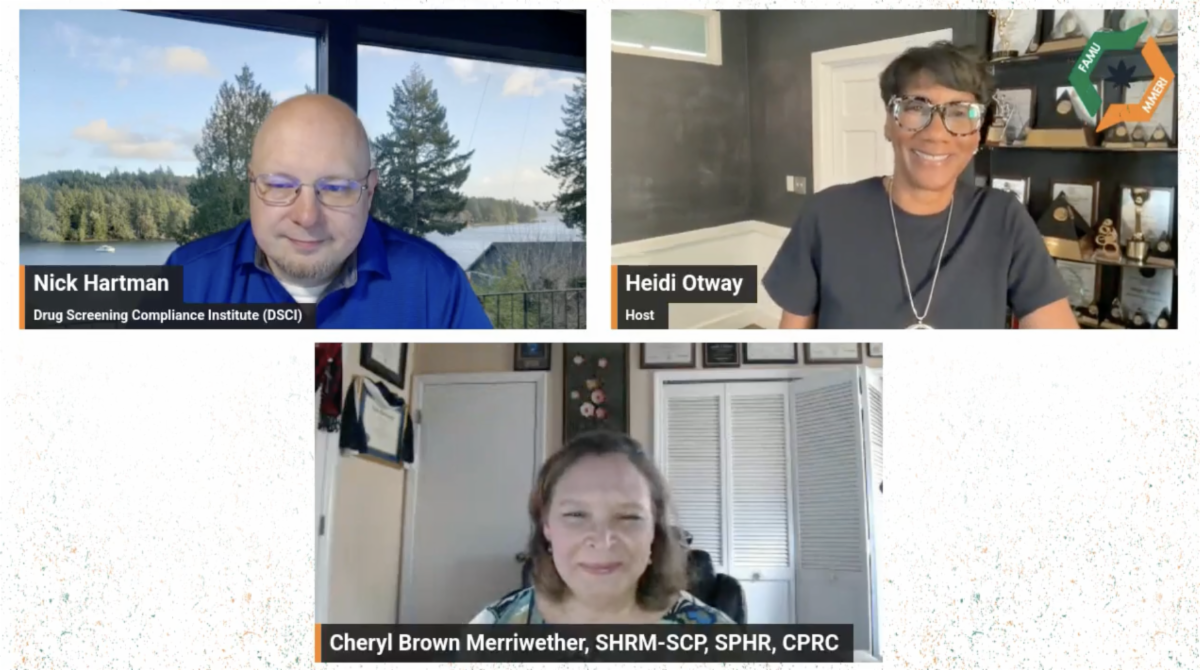
Although medical marijuana is legal in Florida, it remains prohibited under federal law. Employers are not required to allow on-duty use, and safety is a concern. Cheryl Vice President and Executive Director Brown Merriwether, of the Net Institute Center for Addiction and Recovery Education, explained, “Employers may continue to enforce zero tolerance policies… but they need to be aware that case law is evolving and may require us to look at these issues differently in the future.”
She emphasizes that liability is especially critical in “safety-sensitive” industries such as healthcare, law enforcement, and construction. The National Safety Council (NSC), also warns that cannabis use in these roles significantly increases the risks of injury or death.
Nick Hartman, co-founder of the Drug Screening Compliance Institute, stressed, “Clear policies help employers support staff while maintaining safety and compliance in these high-stakes roles.”
Still, testing presents challenges. Urine screens cannot determine when cannabis was used, complicating impairment decisions. Hartman noted, “The only tool that's out there that exists today that we would recommend is oral fluid or saliva drug testing,” he said. “Saliva drug testing or oral fluid testing has been used in our nation's workforces for over a decade, and actually, the Department of Transportation (DOT) recently approved oral fluid testing as an alternative specimen method for DOT federally regulated testing programs – pending its implementation.”
Merriwether pointed out employers still face uncertainty, stating, “Nearly 40% of employers report challenges interpreting drug test results or managing impairment issues.” She also says added complications come from unregulated cannabidiol (CBD) products that may contain tetrahydrocannabinol (THC) and the rise of remote work, which limits rigid zero-tolerance policies.
Hartman observed Florida’s framework is relatively “employer-friendly,” while Merriwether concluded, “A recovery-friendly environment balances compliance with care… helping create a safe, supportive workplace for all stakeholders.”
|