|
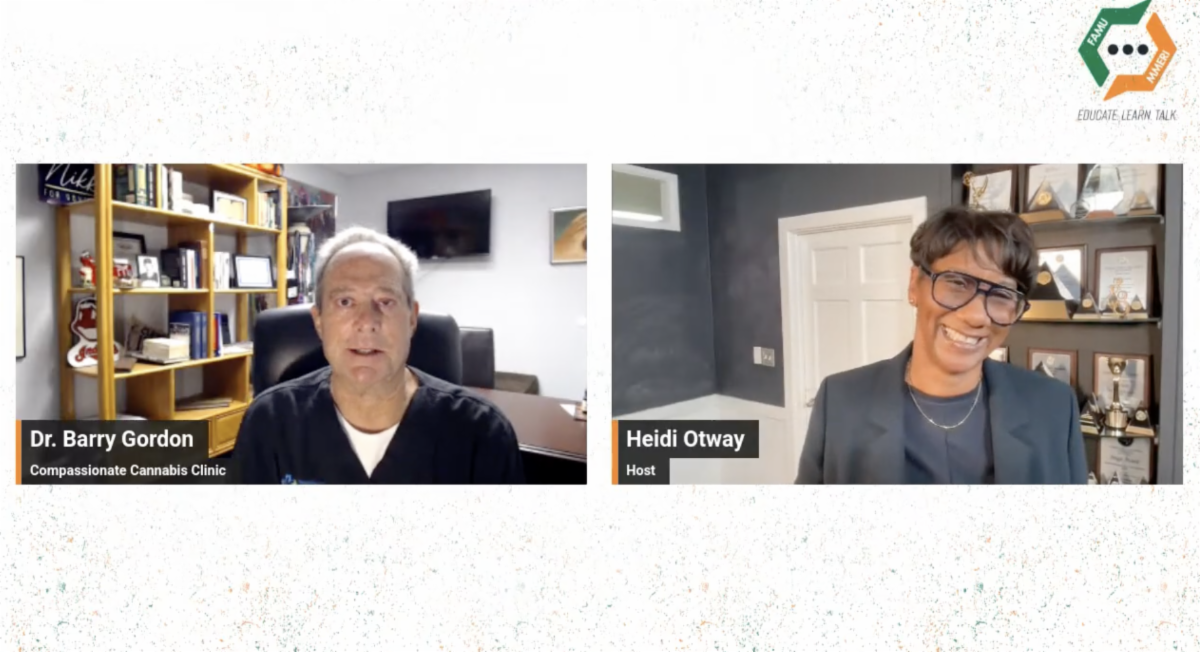
“We're beginning to accept the fact that cannabis is not without its complications,” says Dr. Barry Gordon, commenting on a growing body of research that points to a strong correlation between high-potency marijuana use and mental health disorders such as psychosis.
As the founder and chief medical director of the Compassionate Cannabis Clinic in Venice, Fla., Dr. Gordon is among a growing number of healthcare professionals raising concerns over the impact of high-potency tetrahydrocannabinol (THC) — the psychoactive compound responsible for the “high”— on marijuana users’ mental, emotional, and behavioral well-being.
Today's cannabis flower is drastically stronger than it used to be, jumping from historical levels of 2% to 7% THC up to 30% today in both legal and illicit markets.
High-potency and frequent marijuana use pose significant risks, especially for adolescents, and are linked to an increased likelihood of psychotic episodes, such as hallucinations, delusions, paranoia, schizophrenia, or an overall disconnection from reality. Research published online in JAMA Health Forum highlights this danger, showing that cannabis use during adolescence is associated with a higher risk of developing psychiatric disorders in young adulthood.
“We know that anybody under the age of 25 still has a developing brain,” says Dr. Gordon, adding that he emphasizes to patients under that age the importance of not exceeding his recommended treatment plans.
According to Dr. Gordon, early signs of psychosis often emerge gradually and are easy to miss. Indicators include neglecting daily routines, missing work or school, and changes in eating or sleeping habits.
If a friend or loved one appears to be experiencing the onset of psychosis, he strongly advises seeking immediate guidance from healthcare professionals, such as a primary care physician, a mental health counselor, or, in some cases, a medical marijuana physician.
But “if you see acute danger to self or others, then that's an immediate step in,” he says. “That's a 911 call. That activates the system to get the assistance that you may need acutely.”
|