A 10-minute walk around your place this Matariki

With the Matariki long weekend here, a lot of us will be spending more time at home — out in the garden, catching up on jobs, or keeping warm inside while the winter weather does its thing.


It is also a good time to notice the little things.

You do not need to be a builder to spot the early signs of a problem.


Two of the most common ones we see are the ones nobody thinks to look for:


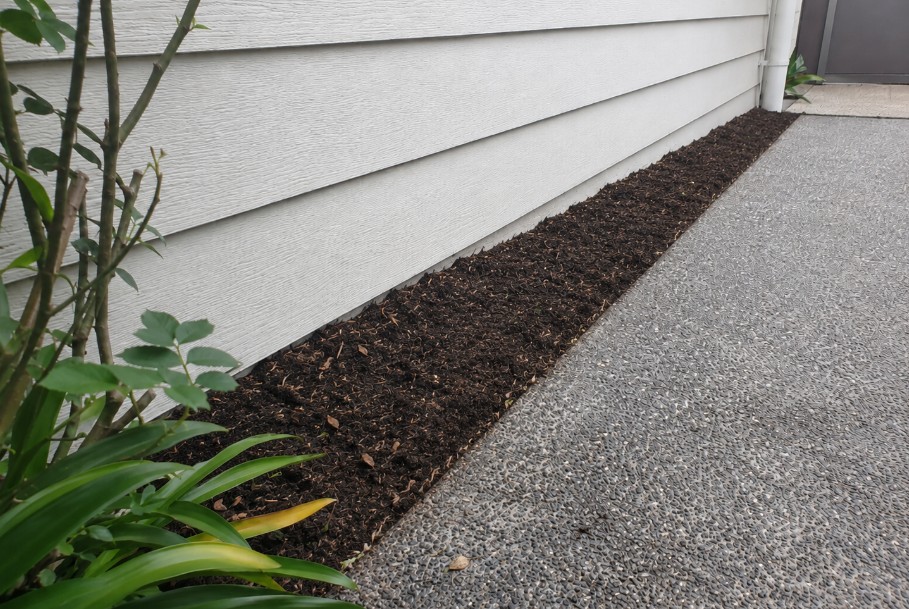
Garden beds and paths sitting too high against the cladding.


Soil, mulch, or paving stacked up against a wall gives water a way in that no amount of paint will stop. It is one of the most common causes of hidden rot we find, and it is usually Easy for the homeowner to fix.

The mulch is sitting right up against the bottom of the cladding. There should be a visible gap — usually about 175mm above soil. Once the boards are buried like this, water wicks up into the wall behind them, and no amount of paint on the outside will stop it.


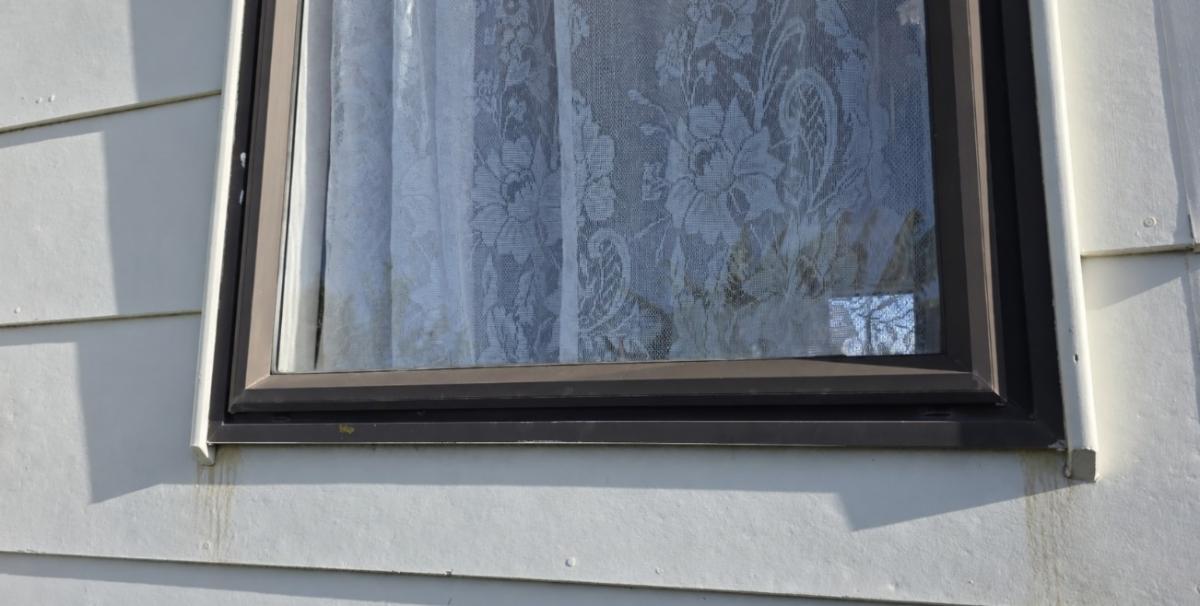
Staining under a window that never seems to dry out.


Often the water is not coming in where the stain is. It has travelled.


Catching this sort of thing early makes a real difference. Most house policies cover sudden, accidental damage but not gradual damage — so a slow leak found late can end up being yours to sort. Worth knowing before it becomes obvious.


The corners of the sill are where water gets out. Look at the grey trails running down the boards underneath — that has been happening for a long time before anyone noticed.

If you have got 10 minutes over the weekend, we have put together a simple walk-around check for the outside of your home. No tools, no ladders, no jargon.


Read the 10-minute home


Not sure what you are looking at?

Sometimes a stain has an obvious cause, and a bit of maintenance is all that is needed.


Other times, the water is nowhere near where it is showing up, and the repair that seemed obvious does not actually fix the problem.


That is the work we do.


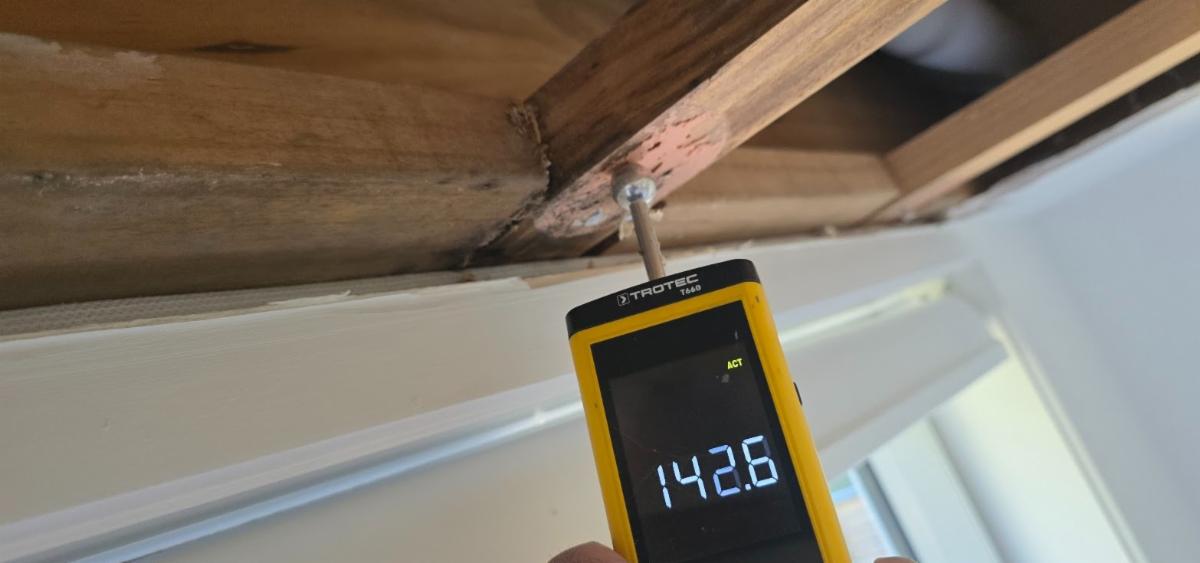
We trace water back to where it is really getting in — using moisture readings, thermal imaging where needed, and opening up small areas to confirm the cause.

Then we can repair it properly, not just cover it up.


Not guesswork.


Not just patching over the symptom.


Over thirty years of pulling failed buildings apart tends to teach you where to look.


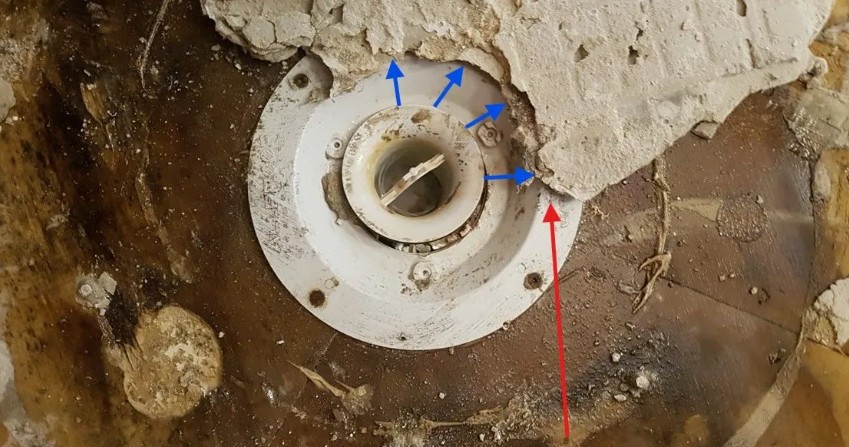
How a Tiny Flange Gap Became a Major Leak: Lessons from a Bathroom Failure

Lessons from a Bathroom Failure ... See how a small waterproofing mistake led to major water damage and what to avoid.


Aries Builders | 108D station road | auckland, 1062 NZ