|
A Closer Look at ט and ת:
What Happens at the End?
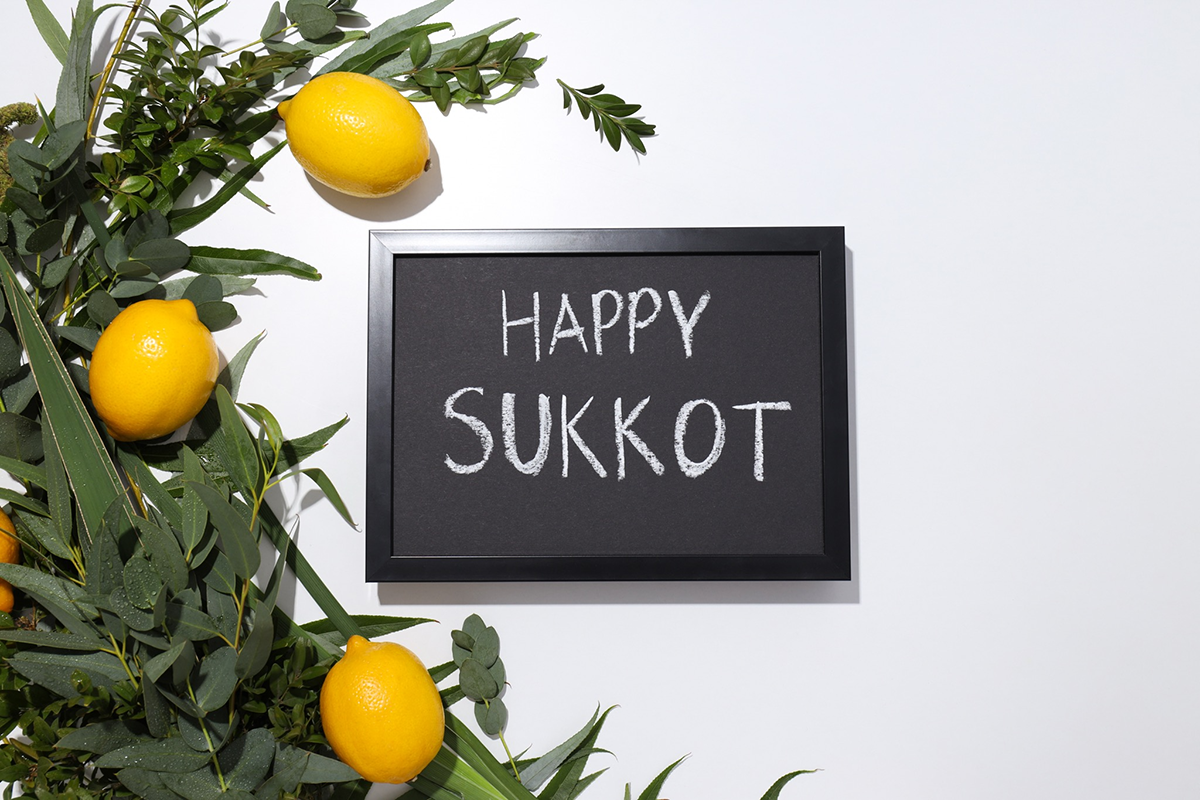
Shannah Tovah! September and Tishrei usher in a season of renewal, from Rosh Hashanah and Yom Kippur to the joyous holiday of Sukkot. Speaking of which, have you ever noticed that Sukkot is pronounced a little differently in Hebrew and in English?
There are several differences between the pronunciation of Sukkot and סֻכּוֹת, but in this issue, we'll zoom in on the final /t/ sound, as compared to the final ט or ת.
In English, the /t/ at the beginning and at the end of a word are often pronounced a little differently. At the beginning of a word, the tip of the tongue touches the roof of the mouth just behind the upper teeth, blocking the airflow, with pressure building up behind it. The tongue then pulls away, letting the trapped air escape and creating the clear /t/ we hear at the start of words like telephone and taxi.
At the end of a word, however, American English speakers often don't release the /t/. The tongue still moves into position and blocks the airflow, and pressure still builds up behind it, but instead of releasing the /t/, the speaker may move directly into the next word, or, if at the end of a sentence, simply come to a stop. As a result, there's often no audible release of the final /t/ in English in words such as cat and hat.
In Hebrew, though, ט and ת are pronounced much more consistently, whether they occur at the beginning or at the end of a word. Unlike English, the final ט or ת is not typically "swallowed." It's released and clearly heard, for example in words such as תּוּת and תַּרְבּוּת, which begin and end with the same clear ת.
The examples below illustrate the contrast between the /t/ at the end of a word in English and the ט at the end of that same word in Hebrew:
-
robot → רוֹבּוֹט
-
internet → אִינְטֶרְנֶט
-
concert → קוֹנְצֵרְט
-
yogurt → יוֹגוּרְט
-
project → פְּרוֹיֵקְט
A simple way to sound more Israeli: don't let your final ט or ת disappear. Give these sounds the same clear release you'd give them at the beginning of a word.
Thank you for joining me in exploring yet another aspect of the Hebrew/Israeli accent.
Wishing you a happy Sukkot and a wonderful year ahead,
|