A Few Days Left to Save ⏰ | $15 Early Registration Discount Ends January 13. Plan your spring semester today! | |
|
|
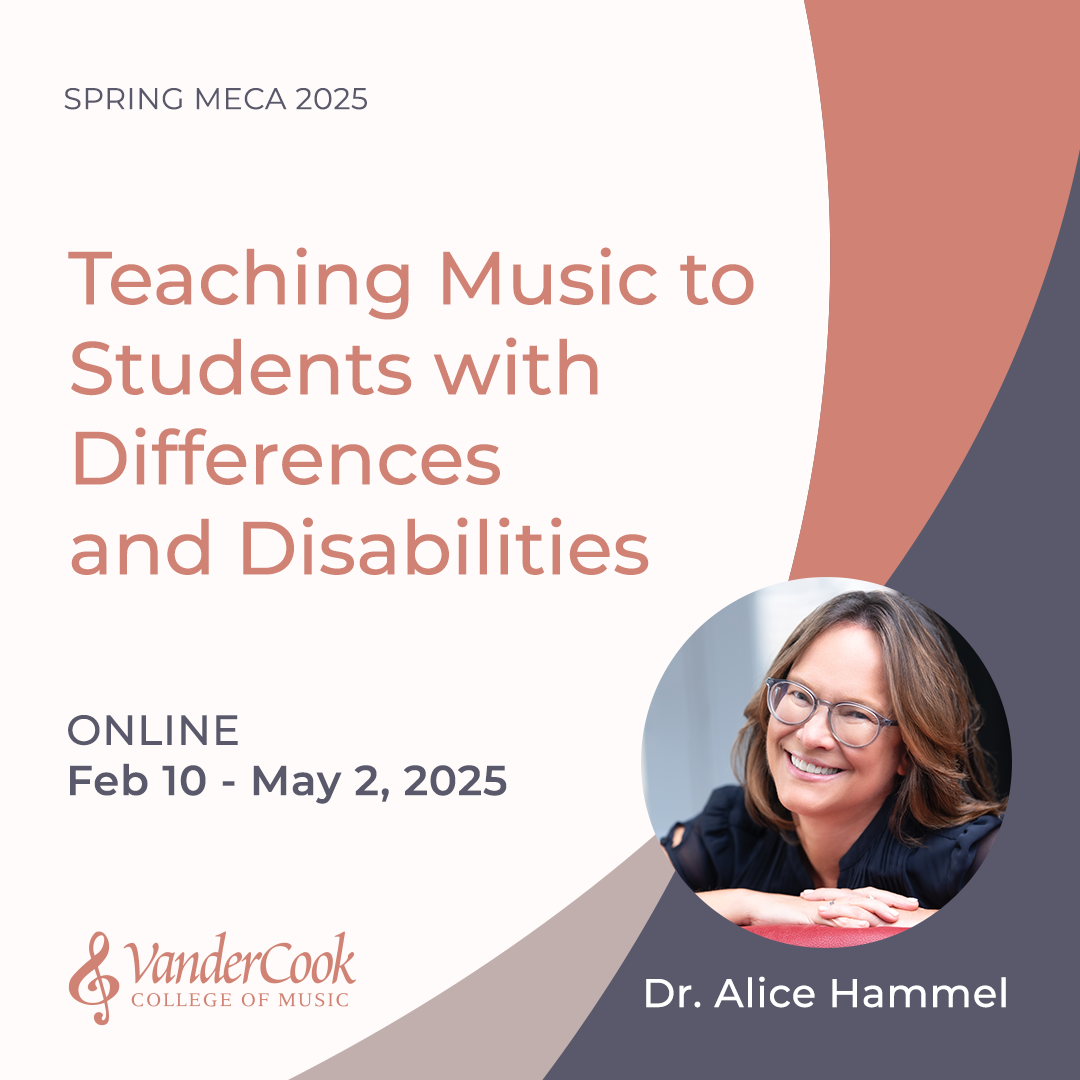
Teaching Music to Students with Differences and Disabilities
This course will focus on identifying areas of strength and challenge in students with differences and disabilities, advocating for the appropriate classroom environment for all students, and the creation of adaptations and modifications (winding) for students in inclusive and self-contained music classrooms.
| | | |
|
|
|
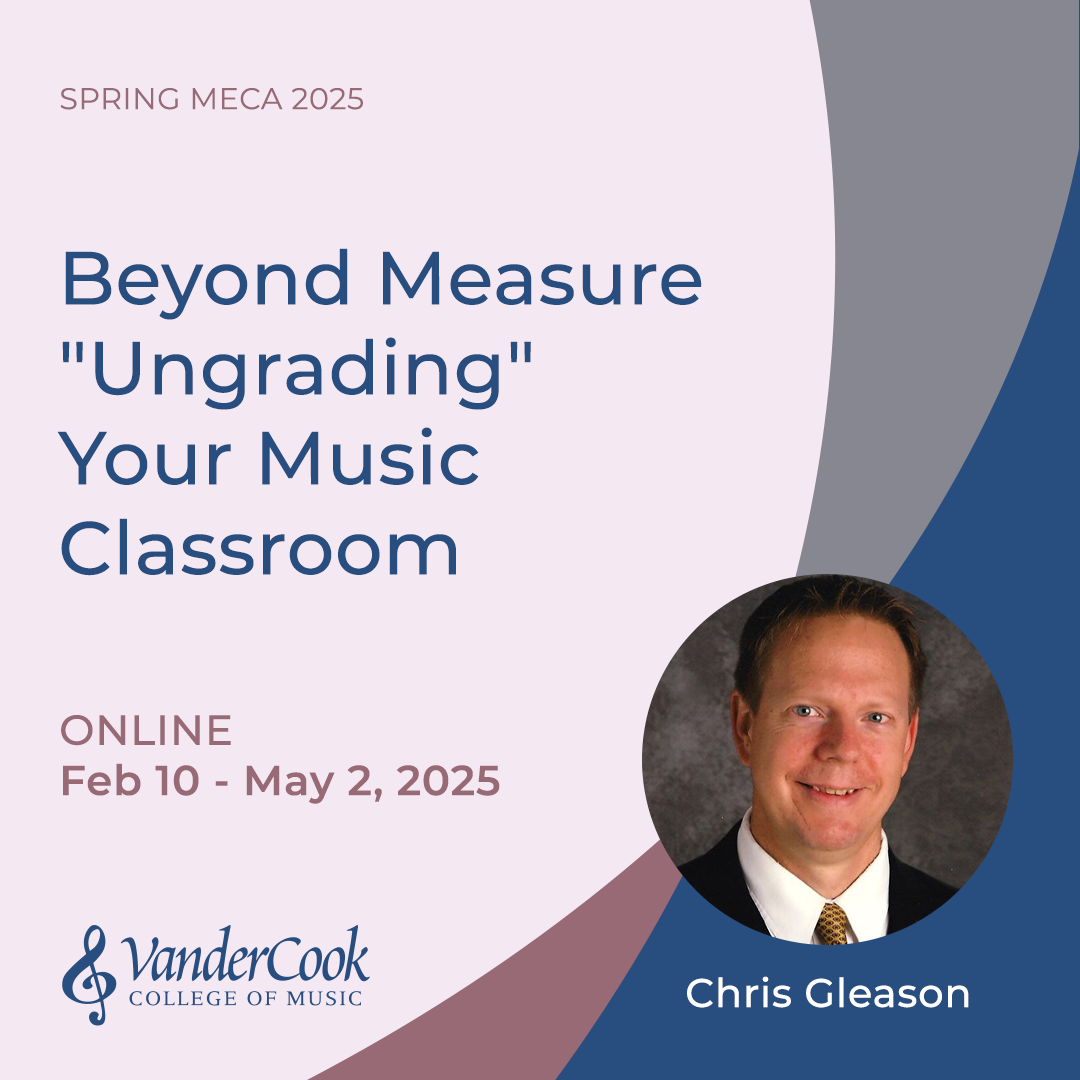
This course will examine the use, and purpose of assessment and grading. We will look at research and reflect on our own methodologies thinking deeply about equity, effectiveness, and our own grading practices. We will imagine and construct new assessment methods that serve the most important people in the room – the students.
| | | |
|
|
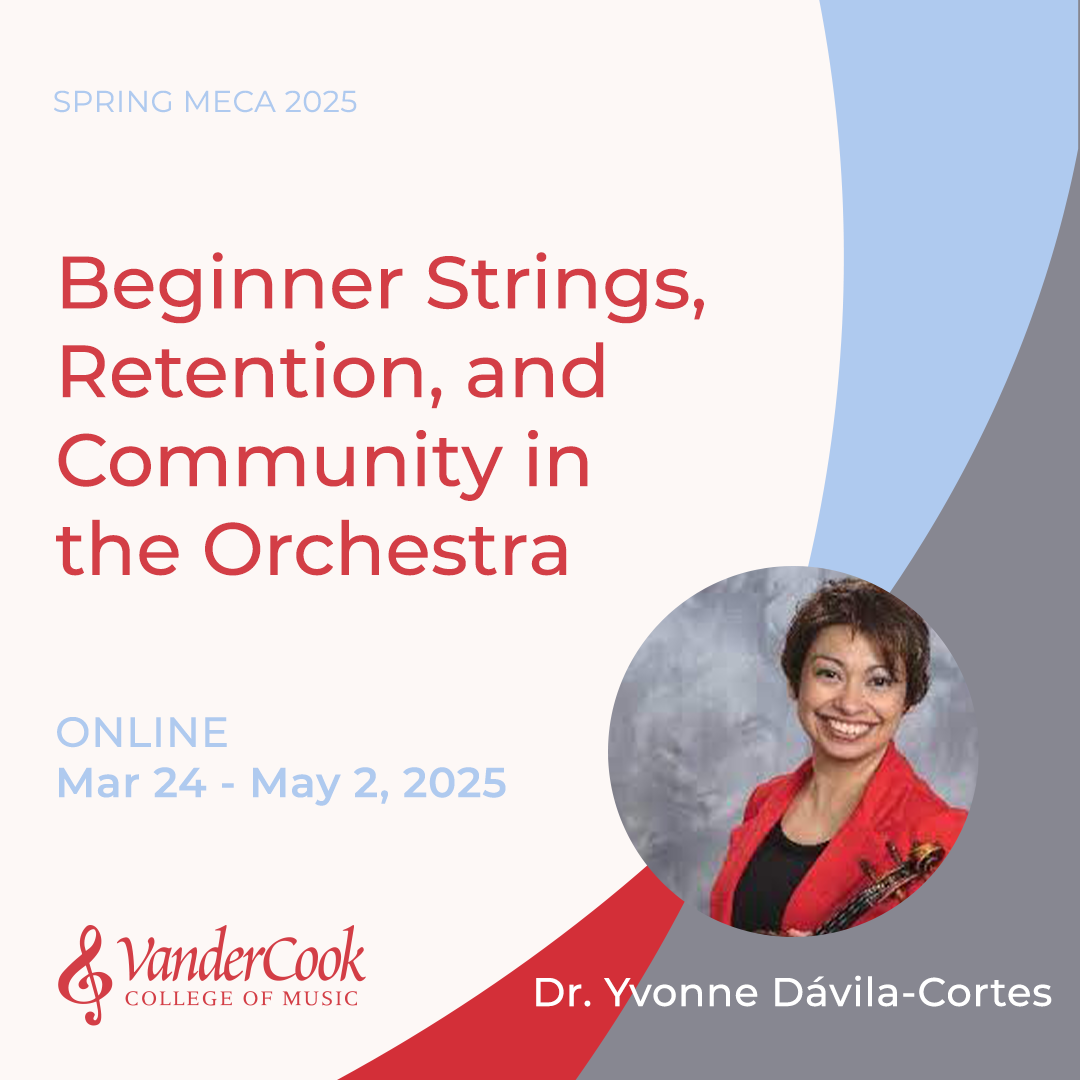
Beginner Strings, Retention, and Community in the Orchestra
This six-week course will discuss strategies in Beginner instructional strategies (bow hold, setting the left hand), Shoulder Rest and Chin Rest Styles and Fitting, Technique focused classes (tone production, bow techniques, shifting, vibrato, intonation), Recruitment and Retention; Building Community in the Orchestra Classroom, and Social Emotional Learning specifically in the Orchestra classroom.
| | | |
|
|
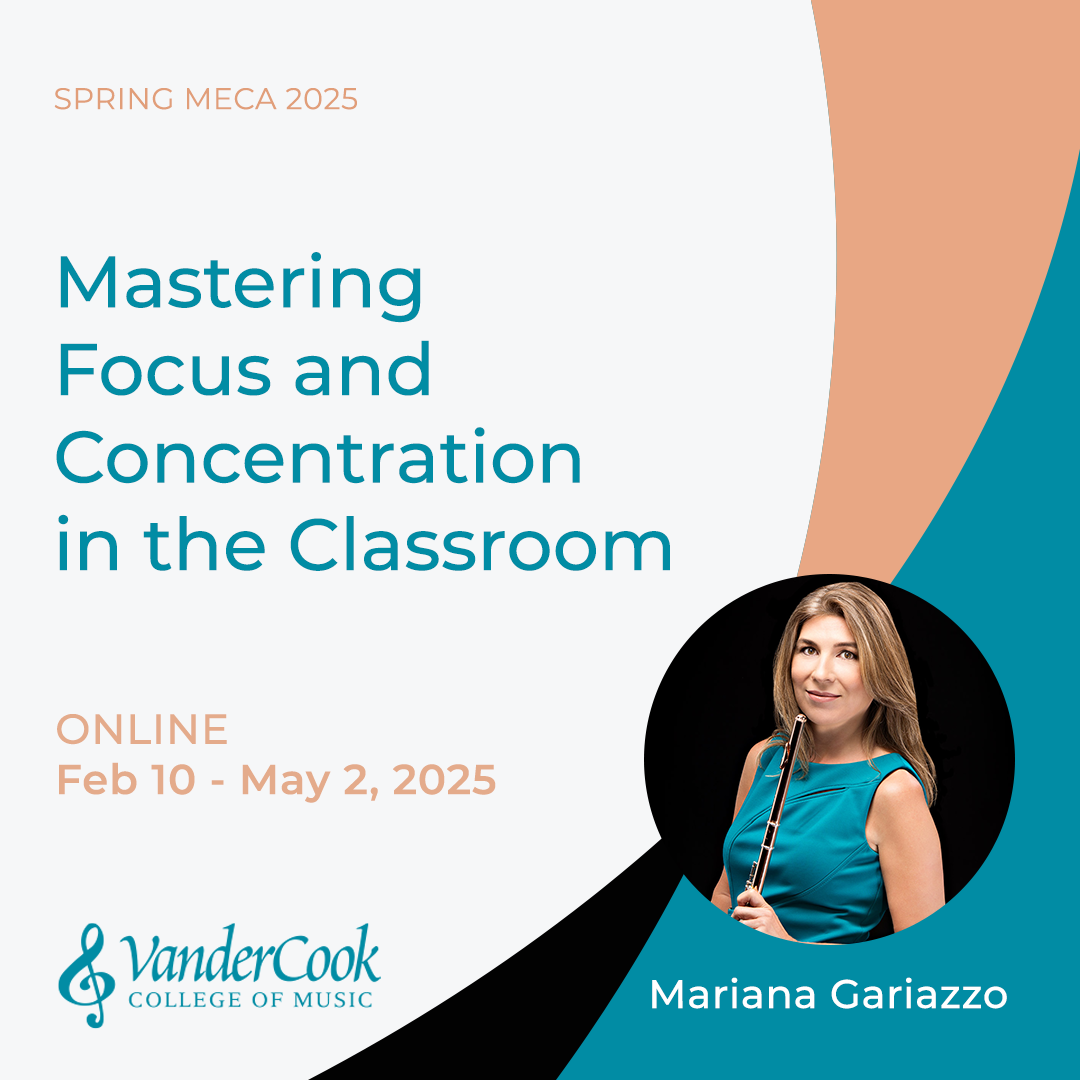
Mastering Focus and Concentration in the Classroom
This course offers practical and proven strategies to reclaim focus, cultivate brain fitness, and optimize productivity for students and teachers alike. The course addresses the most common focus-hindering factors of contemporary life and explores behavioral and cognitive tools to gain control over our brains and behaviors.
| | | |
|
|
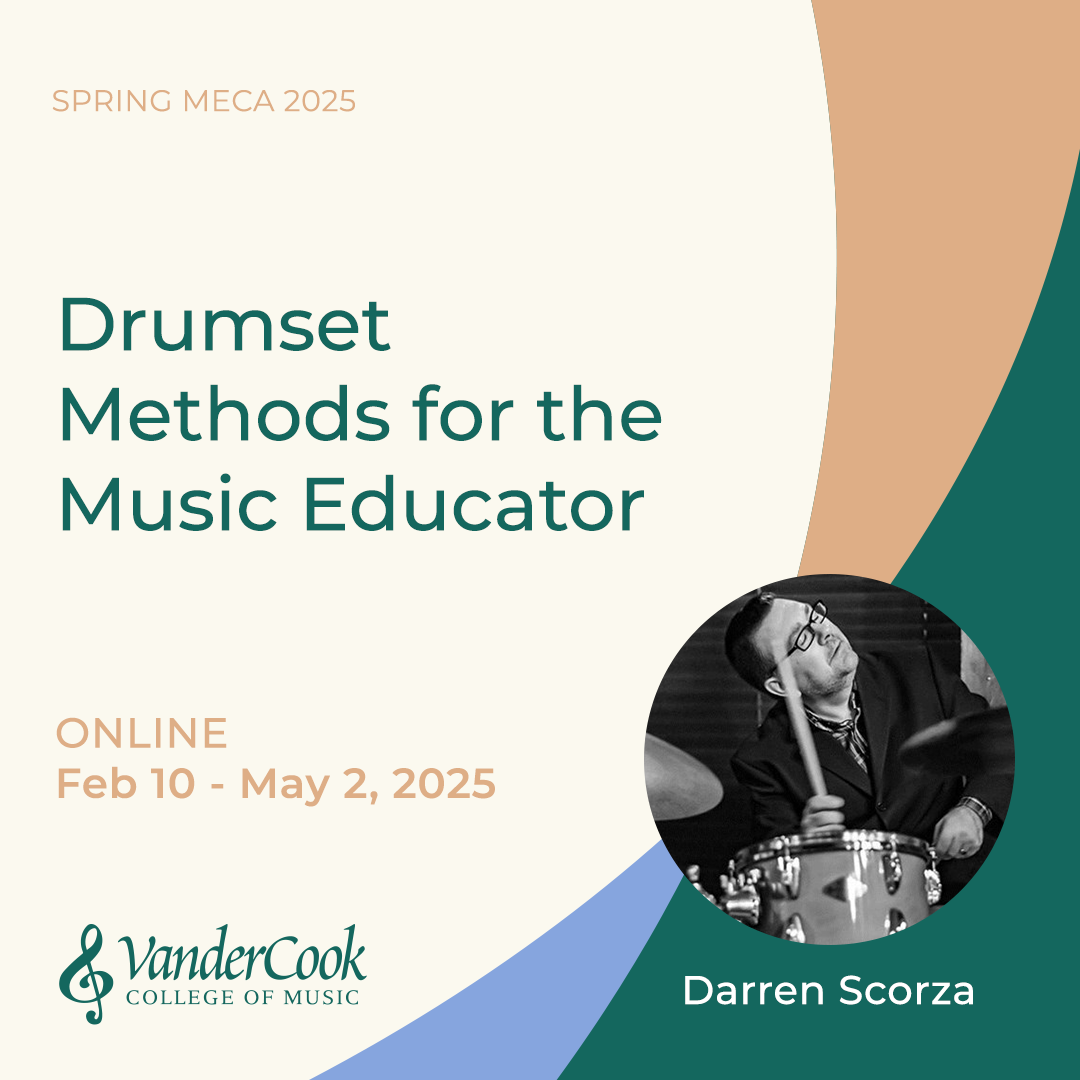
Drumset Methods for the Music Educator
Whether it be a concert band “movie medley,” a pops orchestra piece, or jazz band, introducing the young drum set player to these new pieces can prove challenging, and it’s a topic not often covered in other methods classes. This course will cover everything from drumset set-up, equipment choices, tuning to performance of basic beats, and discussion of the different types of notation the drummer will encounter.
| | | |
|
|
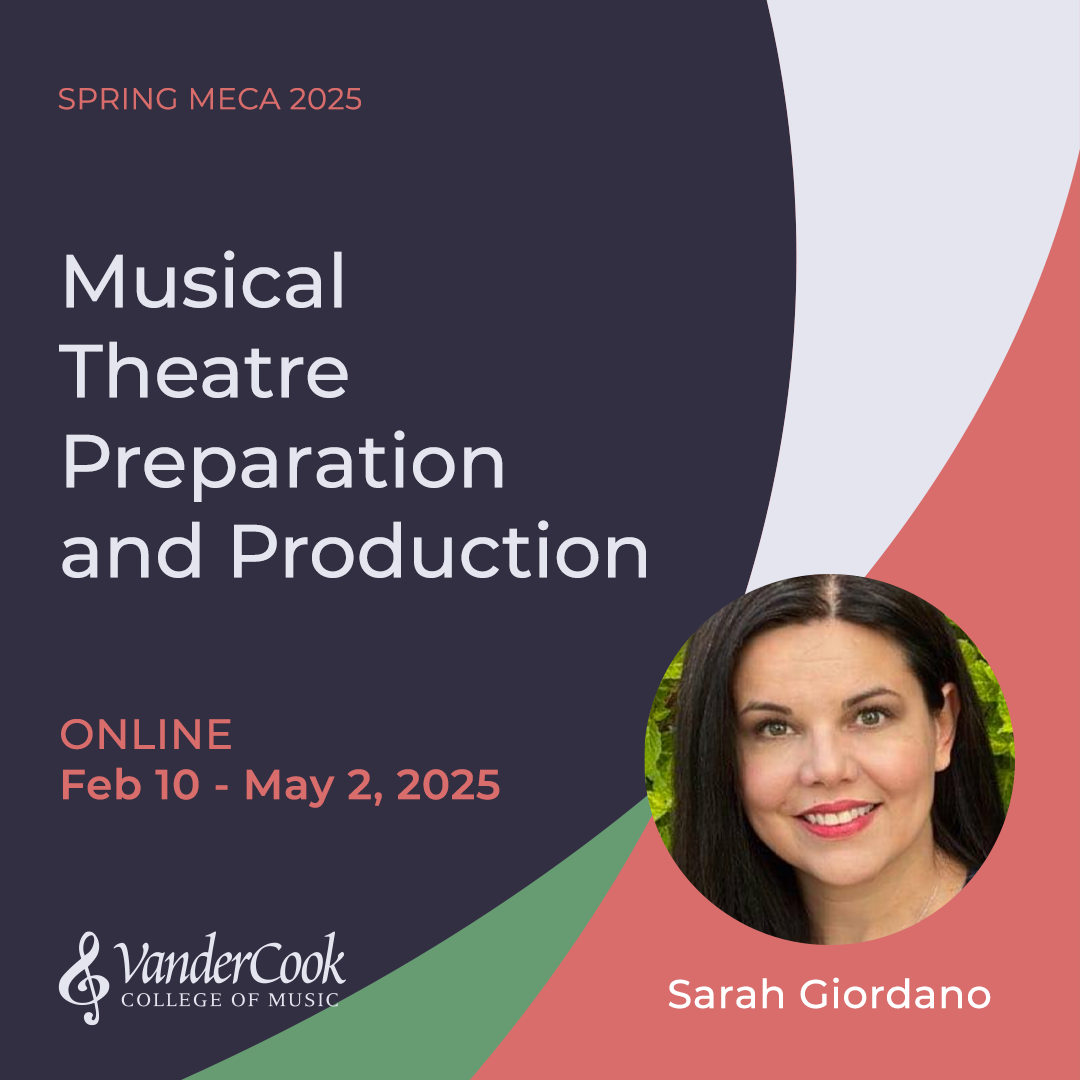
Musical Theatre Preparation and Production
This course is designed for music educators who direct their school musical. Musical directors of all levels (elementary, middle school, high school, community theatre) will benefit from course contents. This practical course will incorporate a step-by-step guide in planning one’s show from selecting your musical through the final bows.
| | | |
|
|
|
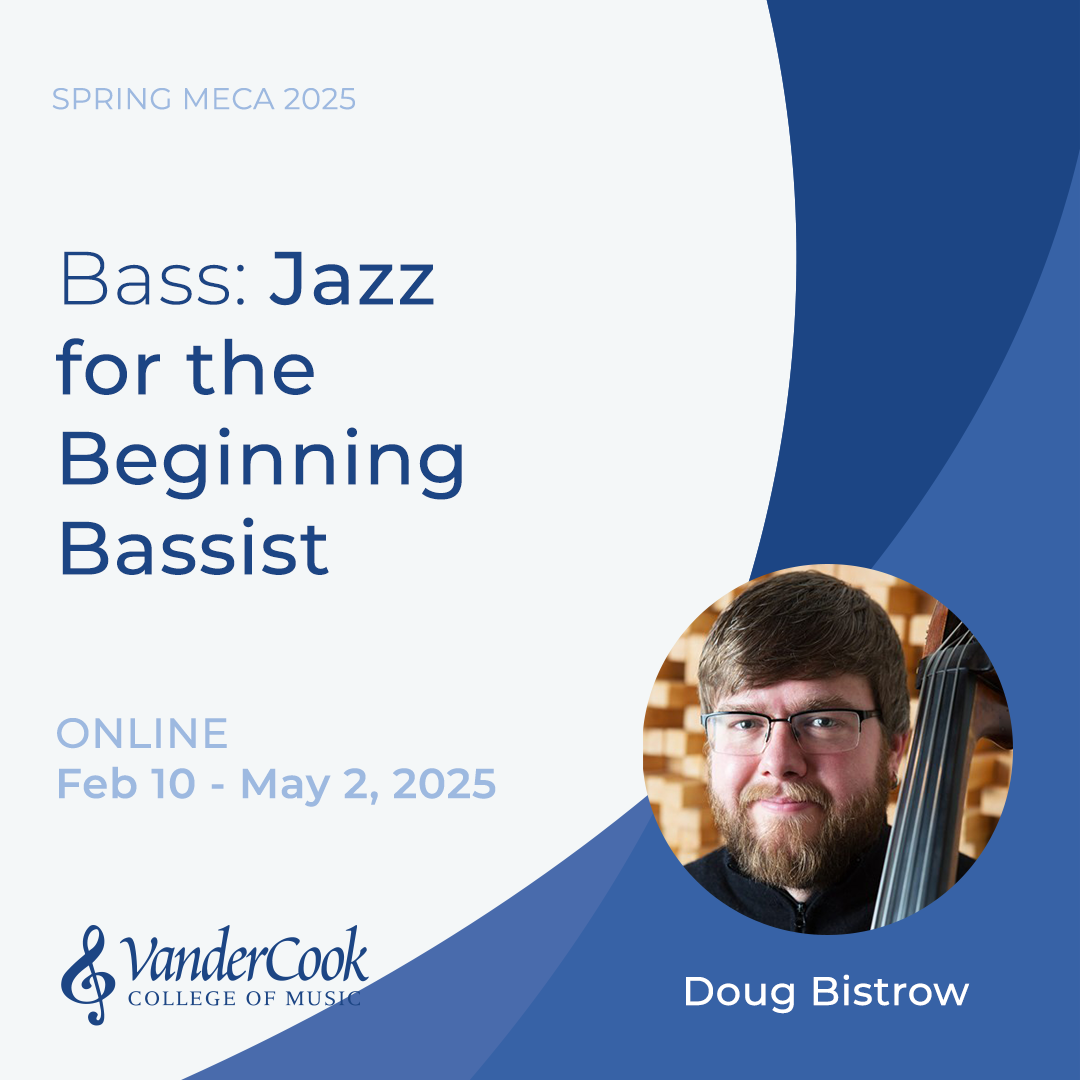
Learn the building blocks of improvising on the double bass or bass guitar in a jazz style. Develop walking bass lines and improvised solos from chord charts and discover methods for instructing young bassists in a jazz ensemble setting. Students can choose either upright or electric bass to take this course. No previous jazz or improvisation experience necessary.
| | | |
|
|
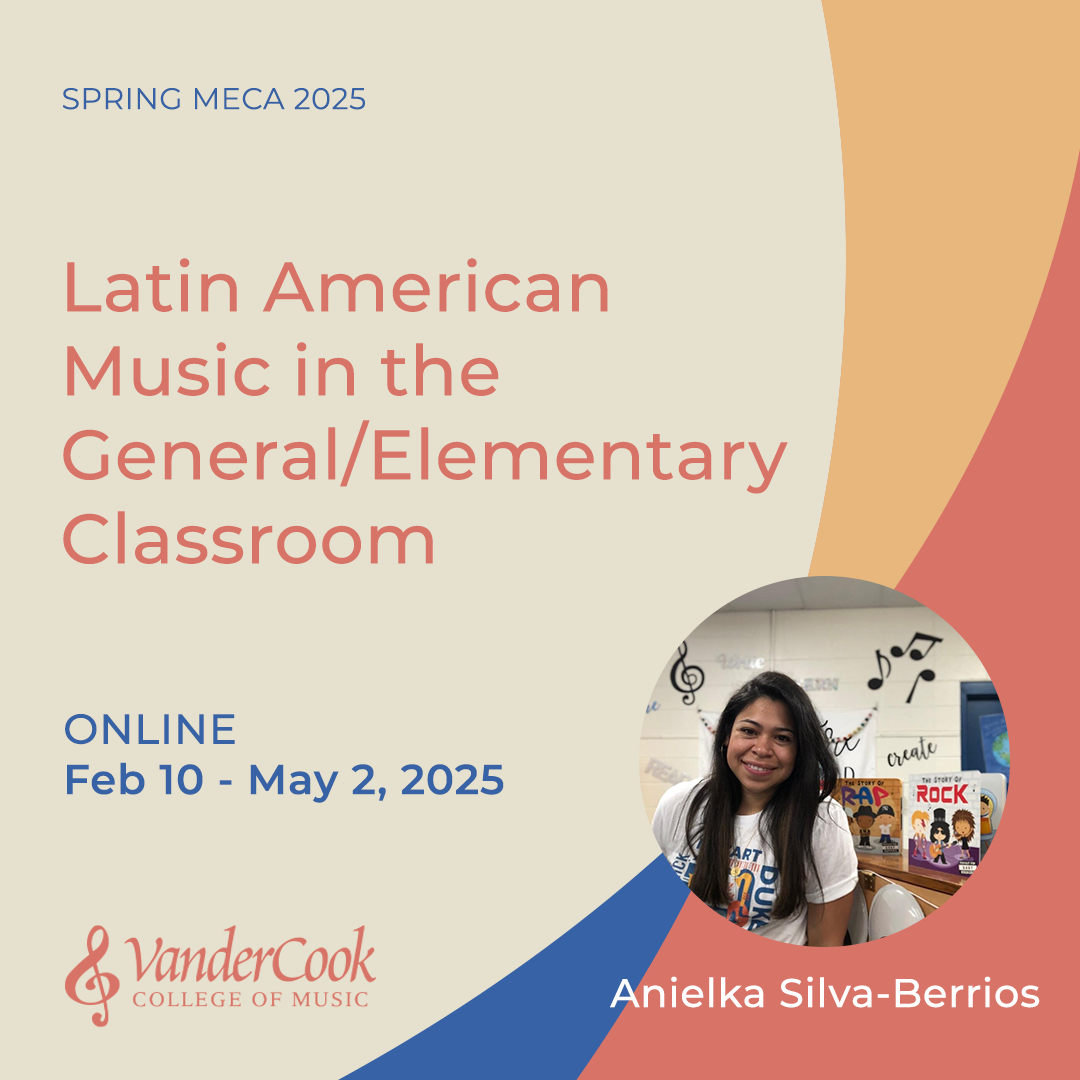
Latin American Music in the General/Elementary Classroom
As diverse as our Latinx students are, it is important to represent the music of their cultures, but also provide opportunities to learn about other Latinx cultures. Participants in this course will have the opportunity to learn about different Latin American music, culture, musical history, artists, dances, and songs, apply the content through a sample variety of activities appropriate for the music classroom using Orff Schülwerk and Kodály approaches, and develop authentic lessons that are inclusive, student-driven, engaging, and equitable for their students.
| | | |
|
|
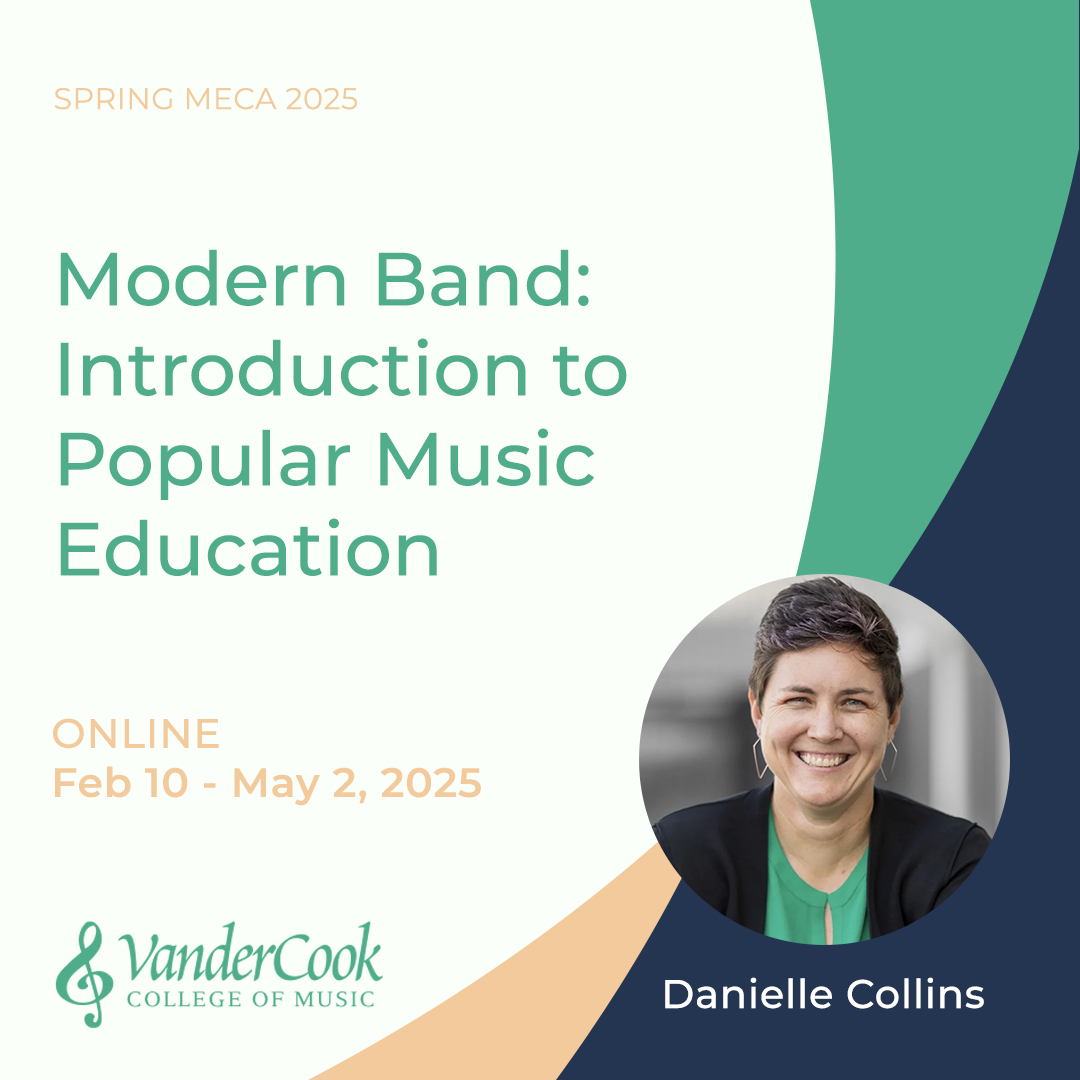
Modern Band: Introduction to Popular Music Education
This course is designed to help educators develop the essential skills needed to lead a student-centered Modern Band program. Educators will explore various aspects of popular music education, including performance preparation, live sound, equipment basics, student motivation, and show curation. The course emphasizes real-world applications that will allow students to engage actively with the music and understand the music industry’s collaborative nature. Teachers will create project-based activities that directly translate to classroom implementation.
| | | |
|
|
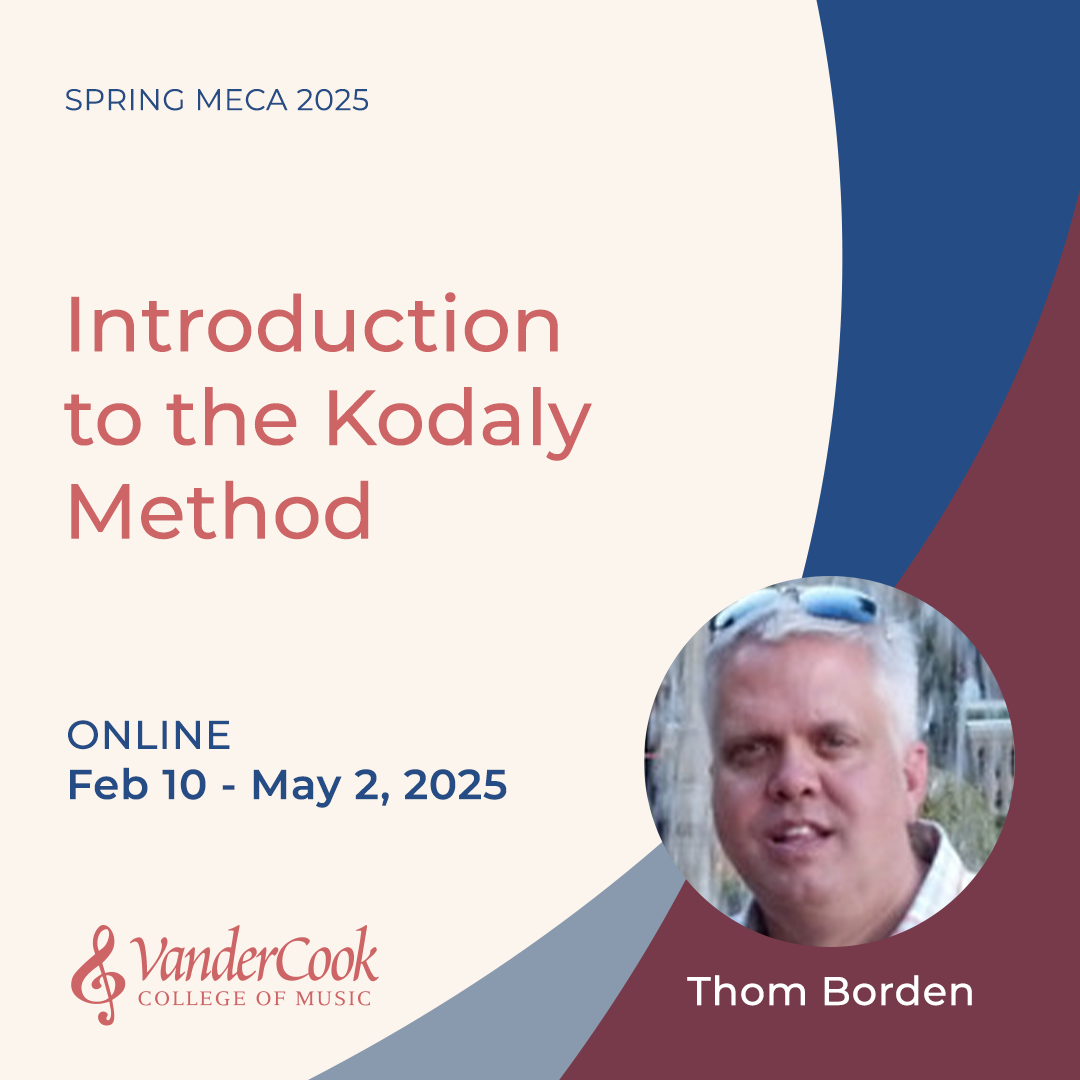
Introduction to the Kodaly Method
This course will introduce participants to the Kodály methodology using current research findings and the implications of that research on the development of a sequenced music and movement curriculum for early childhood through intermediate graded students. Materials and activities will be presented for children from birth through grade 5-6. Collecting materials, building and analyzing a folk song collection, designing teaching strategies, and lesson planning while developing a sequenced curriculum will all be covered.
| | | |
|
|
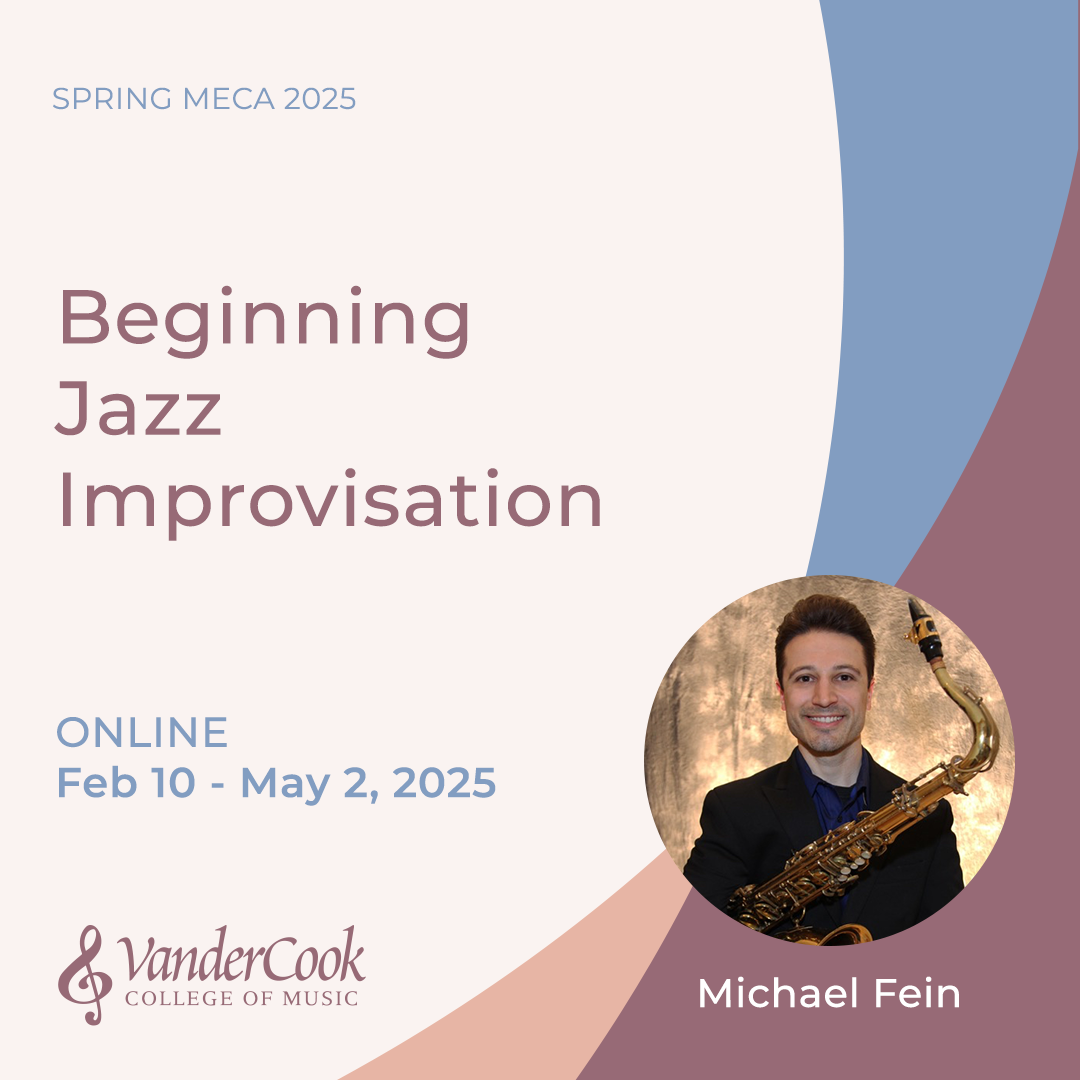
Beginning Jazz Improvisation
Learn the building blocks of improvising on the double bass or bass guitar in a jazz style. Develop walking bass lines and improvised solos from chord charts and discover methods for instructing young bassists in a jazz ensemble setting. Students can choose either upright or electric bass to take this course. No previous jazz or improvisation experience necessary.
| | | |
|
Start your Master of Music Education (MMEd) at
VanderCook College of Music!
Spring 2025 Session begins on Monday, February 10th
Earn your Master of Music Education (MMEd) through our flexible programming options that allow you to maintain your current full-time teaching schedule.
Other features include:
- In-person, online, and hybrid programming options
- A summer residency that includes three weeks of online instruction followed by three weeks of amazing in-person experiences on our campus
-
Up to 12 MECA credits may apply towards MMEd electives...and more!
Submit your application and begin your VanderCook journey TODAY!
call at (312) 788-1120
| |
The MECA Continuing Education Team | |
📞 Voicemail: 312.788.1139 | |
📩 Email: meca@vandercook.edu | | | | |