Volume XCVIII ~ June 2026 | | |
A Flash Of The Beacon
Welcome to A Flash of the Beacon! A quick look at what's happening at the Center for Lake Studies, highlights of current news and events, plus what's going on outside in nature.
| | |
Long summer days are here. Boats are returning to the water, and shoreline communities are reconnecting after the quieter months. As we head into this busy season, we’re especially grateful for the clean, clear water that defines the Lake Sunapee Region and for the shared commitment it takes to protect it. In the face of increasing pressures and environmental challenges, collaborative, science-based action remains at the heart of our work to preserve our lakes, ponds, and streams for future generations.
That work is already gaining momentum across the watershed. Collaborative stormwater management projects are underway with the Otter Pond Protective Association and High Pine Lane Association, early checks for curly-leaf pondweed have begun, and our recent homeowners workshop has energized our community to take positive actions on their own properties. We’re also onboarding our water quality interns, welcoming research fellows, and expanding research collaborations to strengthen cyanobacteria monitoring. These collaborative efforts are improving our understanding of changing conditions and informing our ability to respond quickly when needed.
| | |
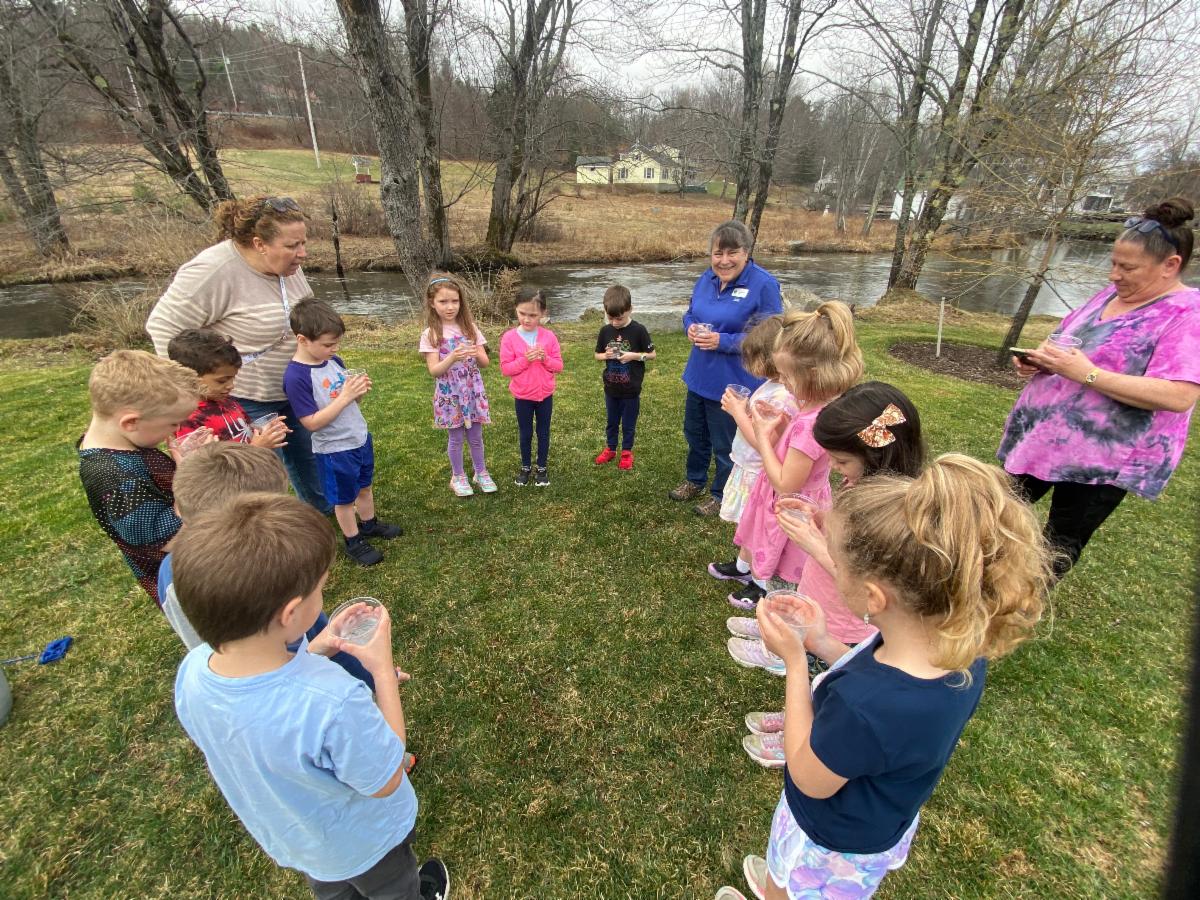
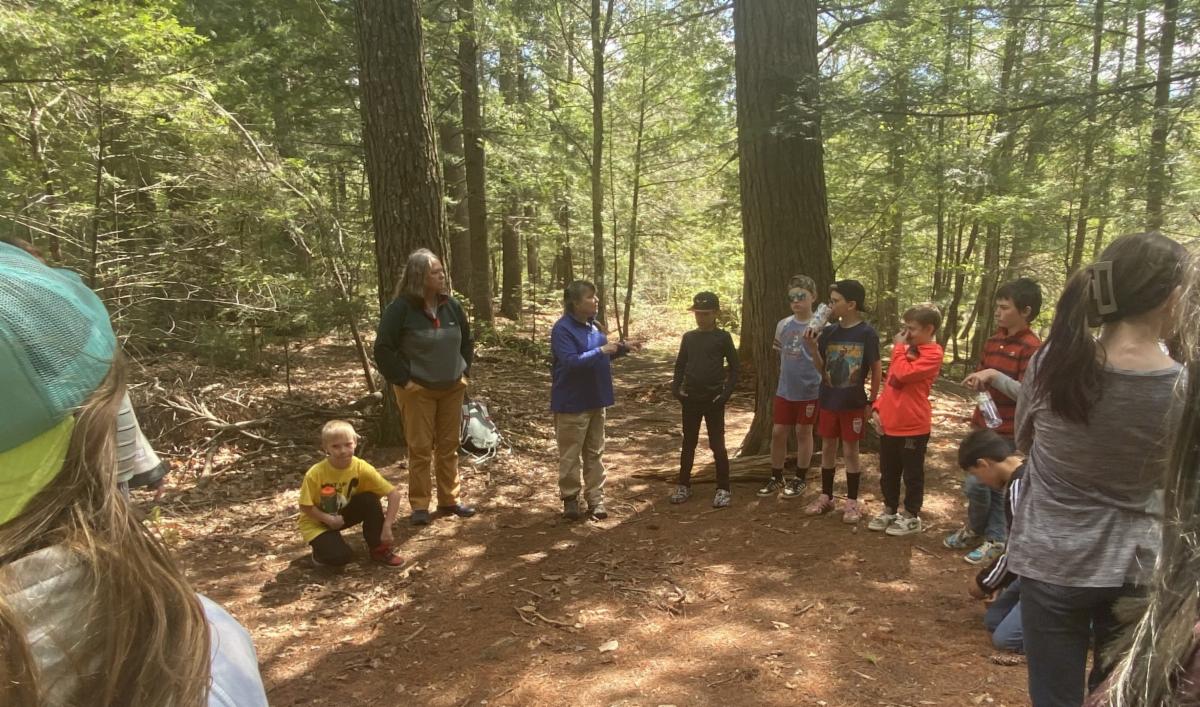
Our educators have also been busy wrapping up the school year and getting students outside in the watershed to release trout, explore aquatic ecosystems, and learn about the water cycle through hands-on experiences in nature. These foundational experiences support the next generation of lake stewards - inspiring curiosity, understanding, and care for the watershed in ways that last well beyond a single season.
We invite you to join us in our work by volunteering, attending events, supporting our programs, or simply spending time appreciating and caring for the watershed we all share. We love that our community is committed to protecting these lakes, ponds, and streams for future generations. Thank you for all the ways you support our work!
| | Invasive Species Prevention | | Lake Hosts Return for the Season | | | | |
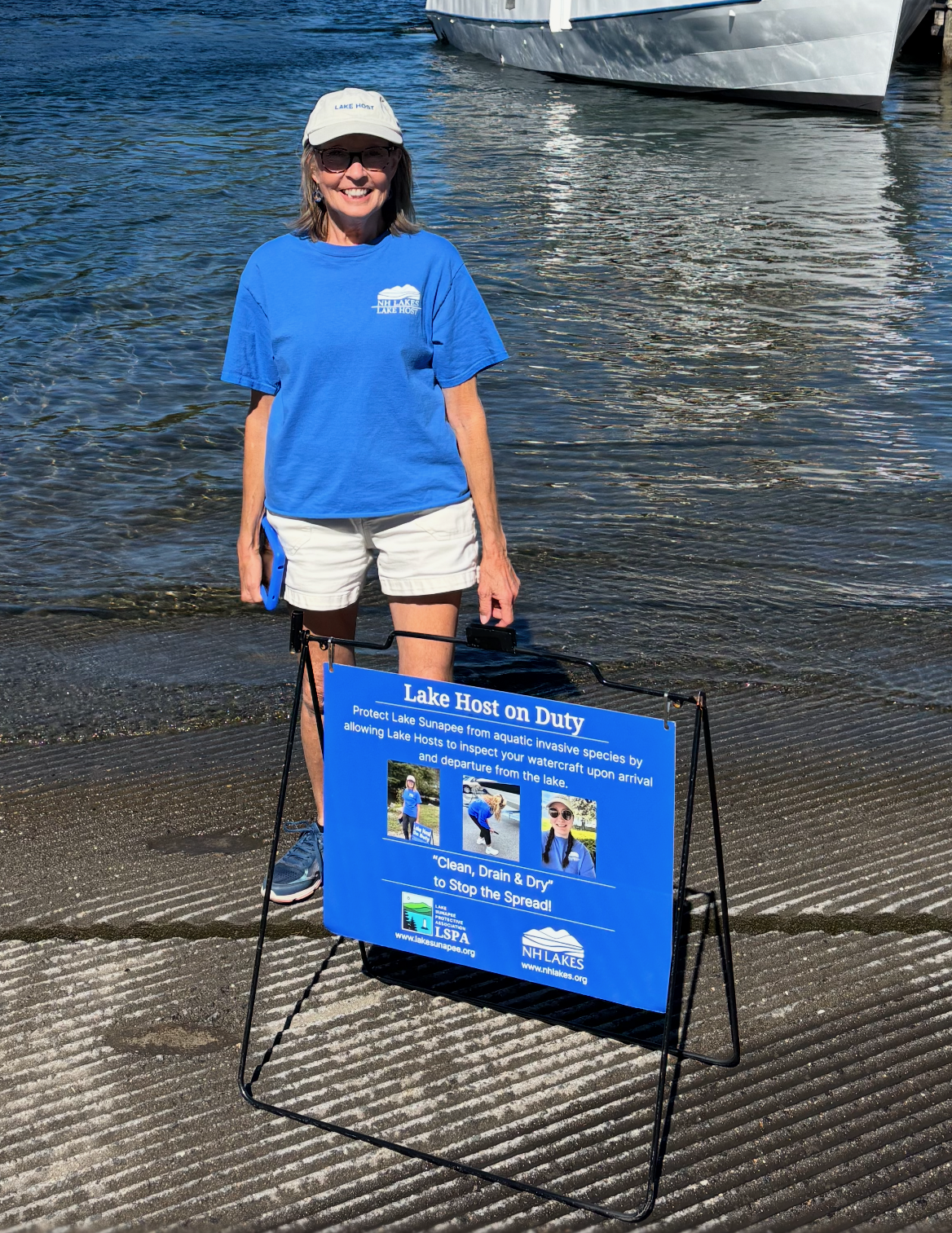
Lake Hosts are an essential part of our work to prevent invasive species infestations in Lake Sunapee. The 2026 Lake Host season began on May 15, with all five boat ramps on Lake Sunapee staffed. Lake Hosts provide courtesy inspections of boats and trailers coming and going from Lake Sunapee all summer long to catch invasives before they enter the lake.
Please make sure to say hello and thank them for the important work they do to help keep Lake Sunapee free of invasives.
LSPA is happy to partner with NH LAKES again this year to bring this program to Lake Sunapee.
| |
Curly-leaf Pondweed Update | | |
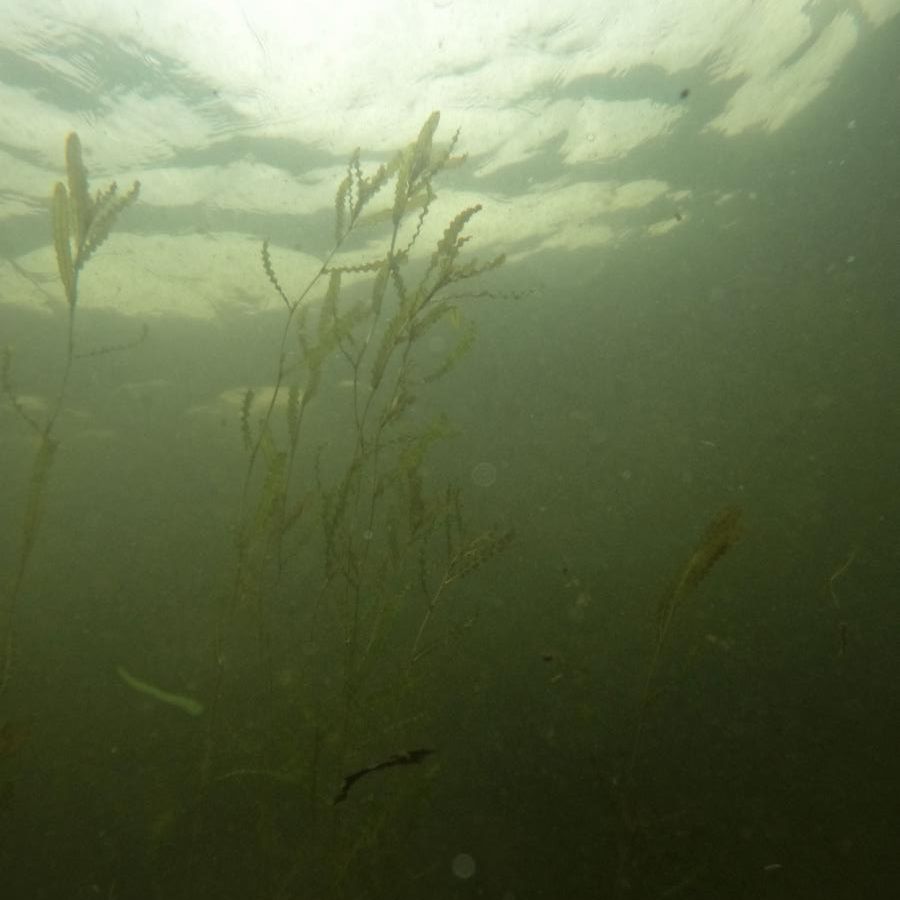
Last year, invasive curly-leaf pondweed was found in Georges Mills and Otter Pond. In collaboration with NHDES, Otter Pond Protective Association, and the Town of Sunapee, we removed the invasive plant from both sites.
This season, we got out early to ensure that our eradication efforts had been successful. LSPA Conservation Program Manager, Susie Burbidge, & Aquatic Invasive Species (AIS) Committee Chair Dave Beardsley paddled in Georges Mills on May 22 to look for signs of curly-leaf pondweed near the boat ramp, where the plant had been discovered before. We are pleased to report we did not see any of the invasive plants where they had been found in 2024 & 2025!
| | |
Susie & Dave also paddled on Otter Pond the following week, along with Invasive Watcher, Lin Brown, to check the location where it was discovered last year, and we are happy to report that we did not see any in Otter Pond.
LSPA has hired trained divers to check both locations in early June to confirm that no curly-leaf pondweed plants are growing in these locations.
Early detection and action are key to invasive species prevention!
| | | |
Interested in Learning How to Identify Aquatic Invasive Species?
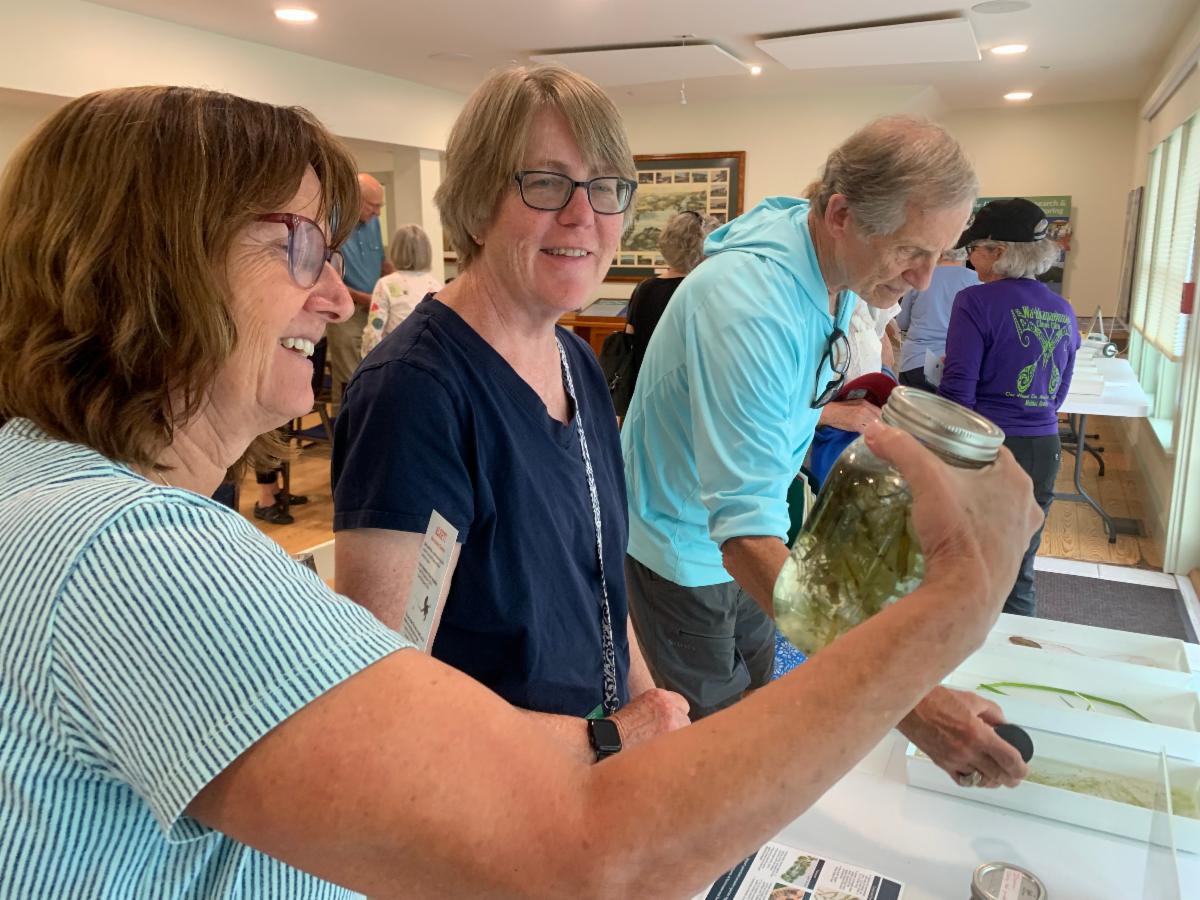
Join us and fellow Invasive Watch volunteers for a training session on invasive species prevention and what species we need to keep an eye out for in our local lakes. Plant specimens will be available for attendees to look at. Current volunteers and anyone interested in learning more about identifying aquatic plants are welcome to attend!
A Closer Look at Aquatic Plants: Community Invasive Watch Training
June 23, 4:30 PM - 5:30 PM
Click here to register
| | Can't make the training or want to keep learning?
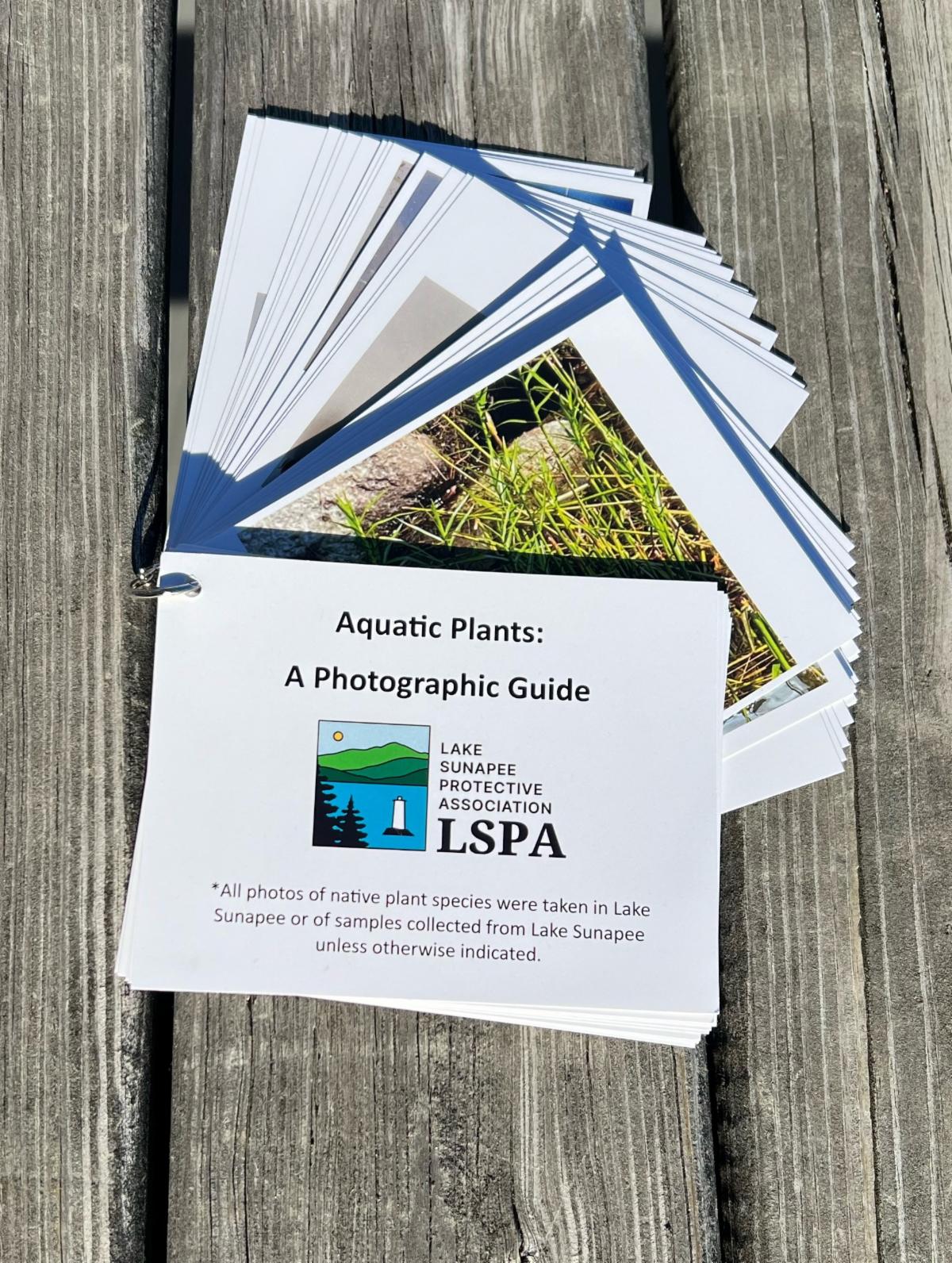
Check out the Aquatic Plant Guide created by LSPA’s Conservation Program Manager, Susie Burbidge. The guide features photos of native plants found throughout the Lake Sunapee Watershed, along with invasive species that threaten our local waters. It is available for purchase at the Center for Lake Studies for $15. | | | Managing Hydrilla on the Connecticut River | | |
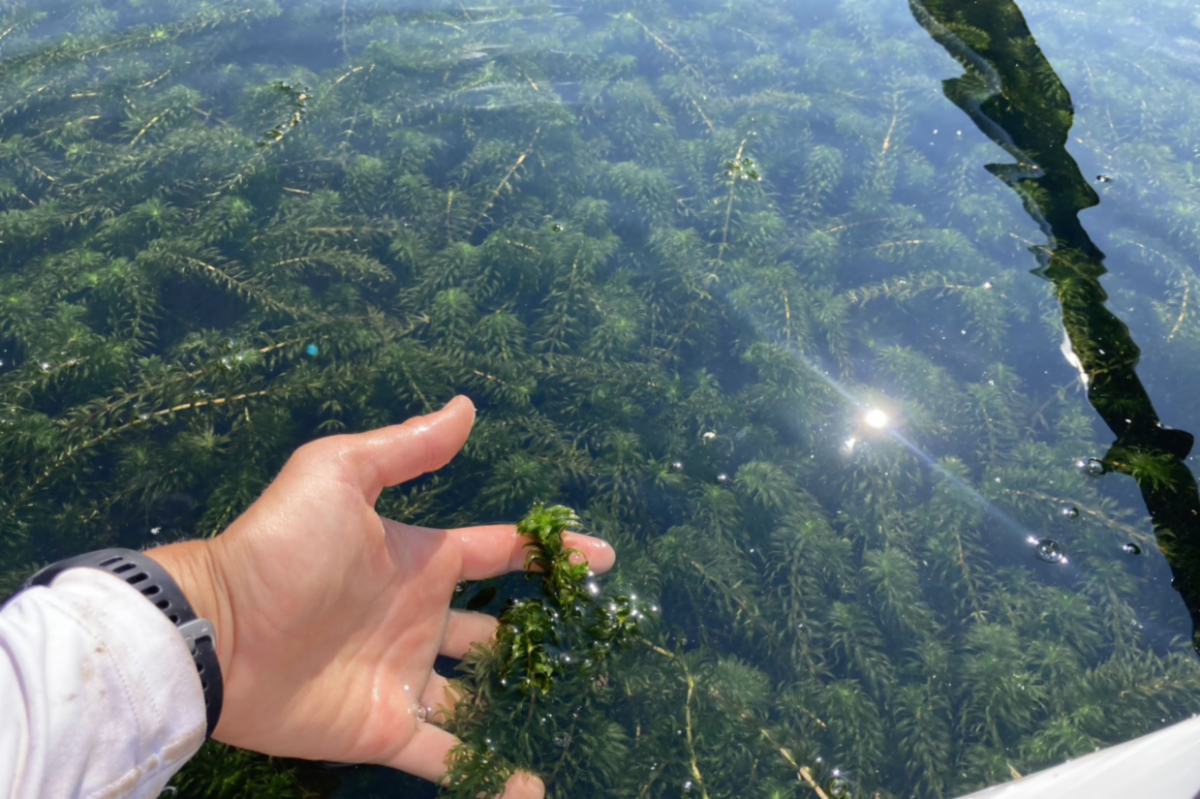
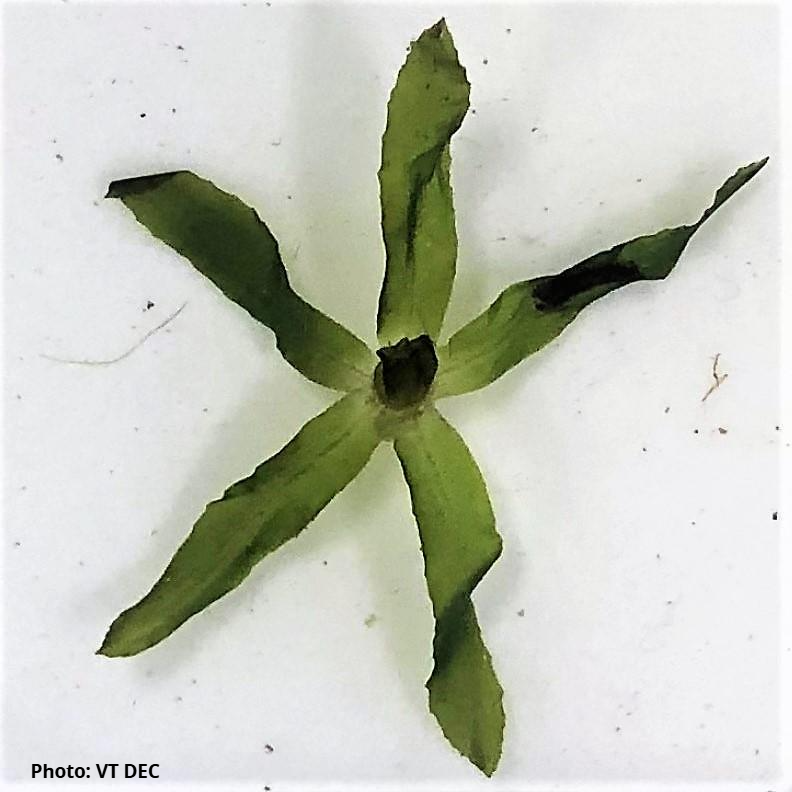
At our recent presentation on the aquatic invasive species hydrilla, participants learned about a recent infestation in the Connecticut River and the lessons it offers for prevention and management. The presentation was led by Ben Sperry, Aquatic Plant Management Team Leader and Research Biologist for the U.S. Army Corps of Engineers Research & Development Center. While hydrilla has not been found in New Hampshire, it is considered an emerging threat that lake communities should be aware of and prepared for.
| | If you missed the presentation or would like to watch it again, the recording is linked here. | | Collaboration & Community Science | | Welcome 2026 Water Quality Interns! | | |
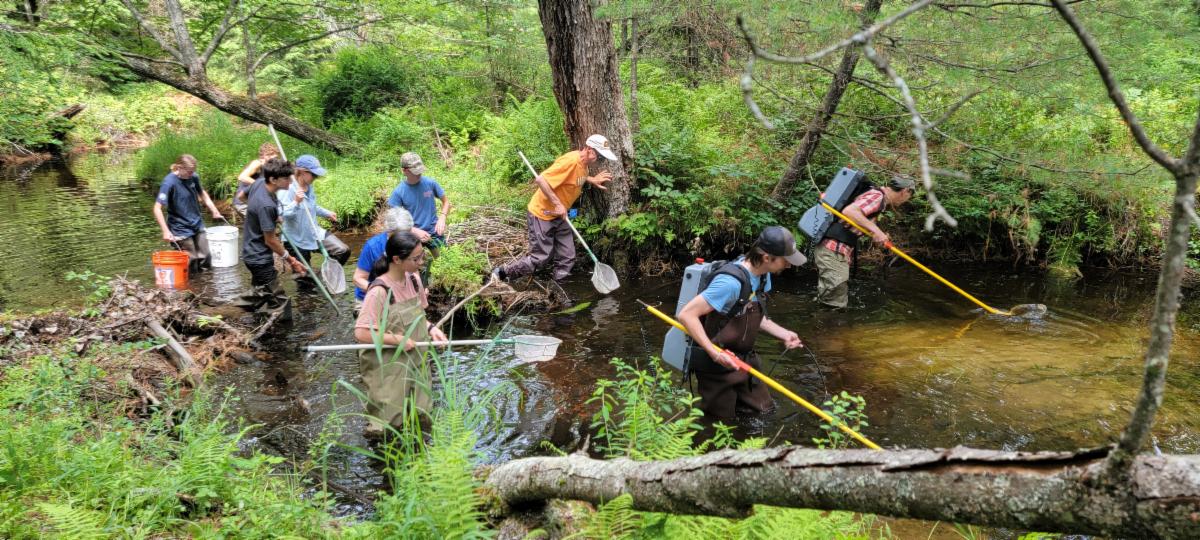
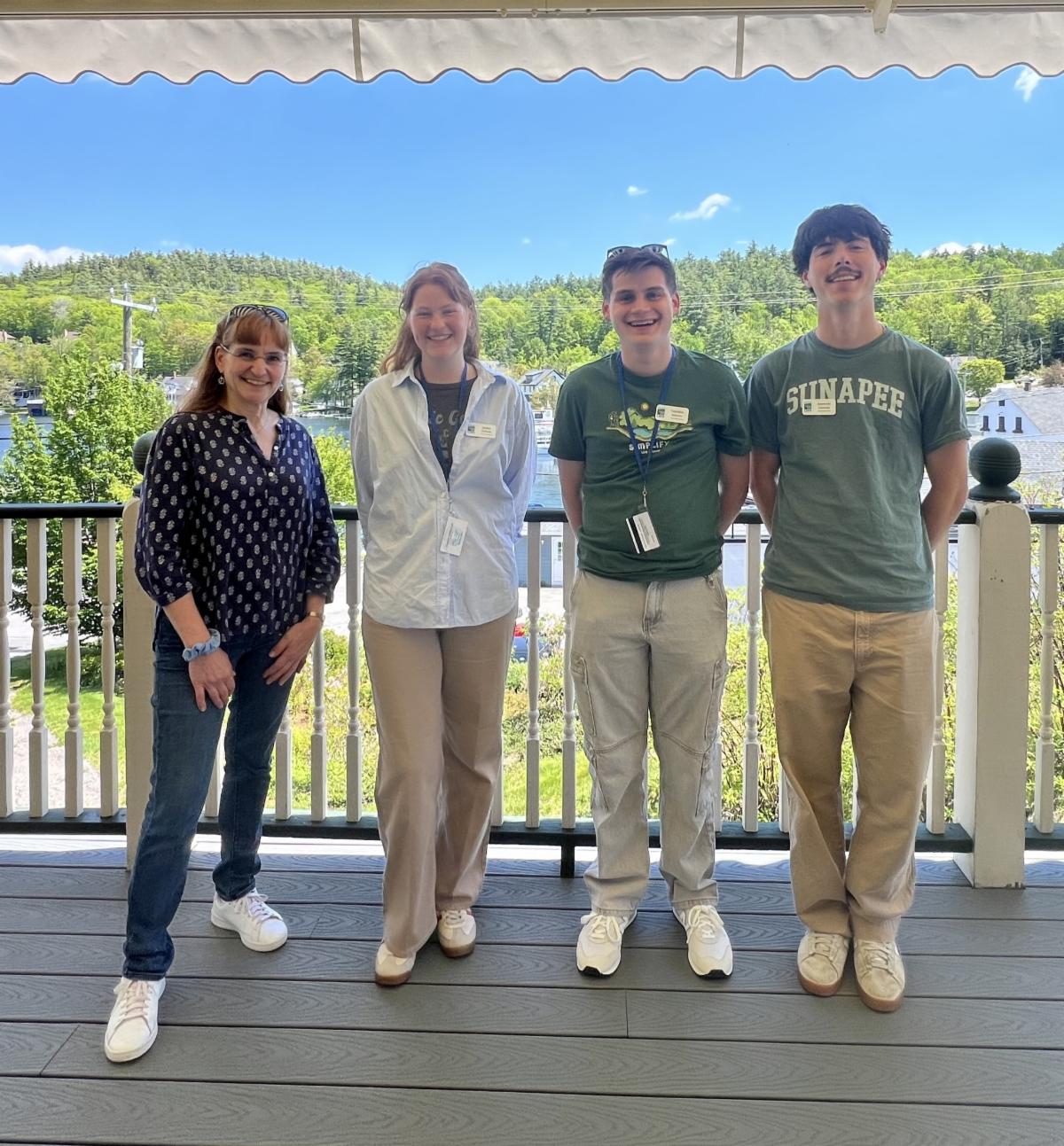
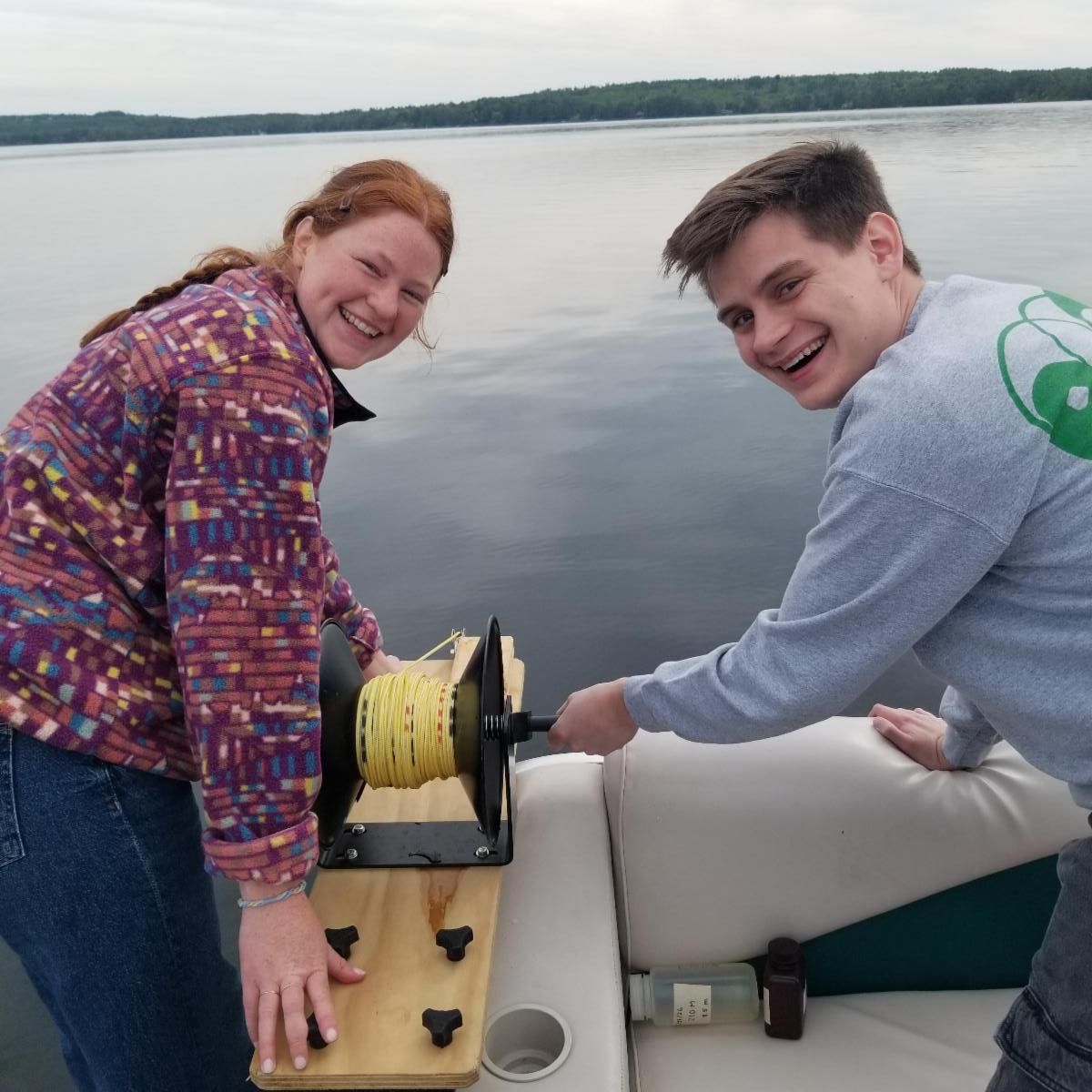
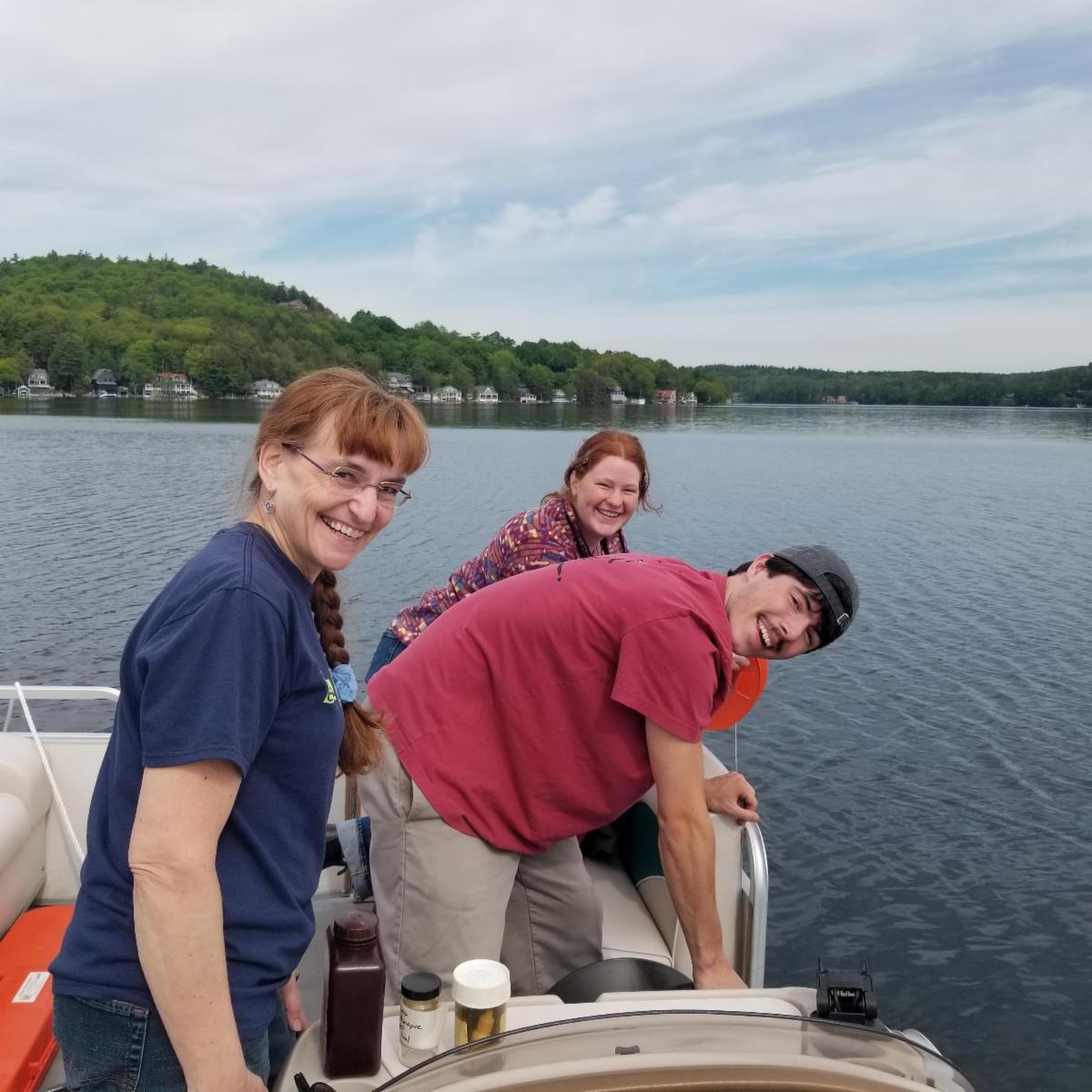
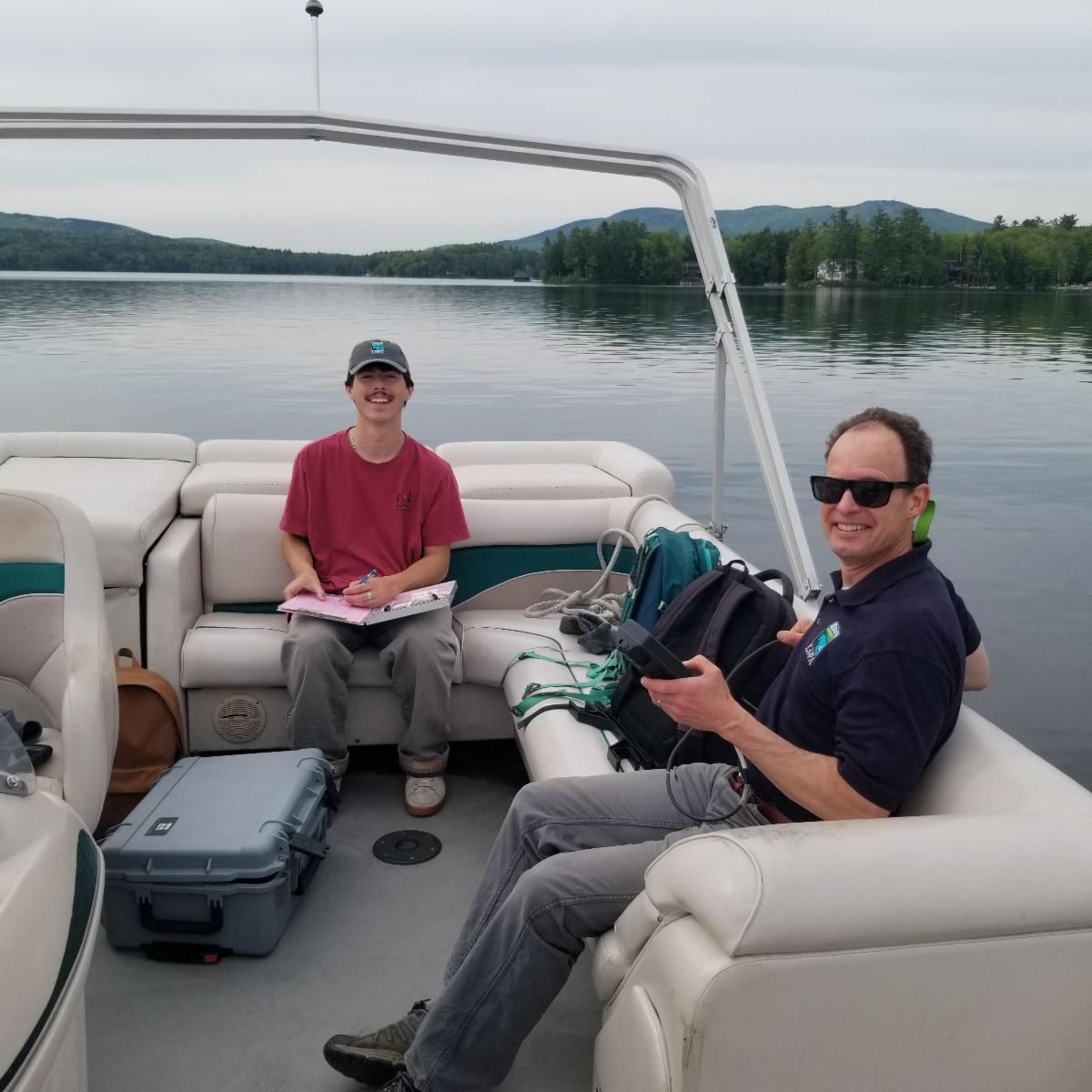
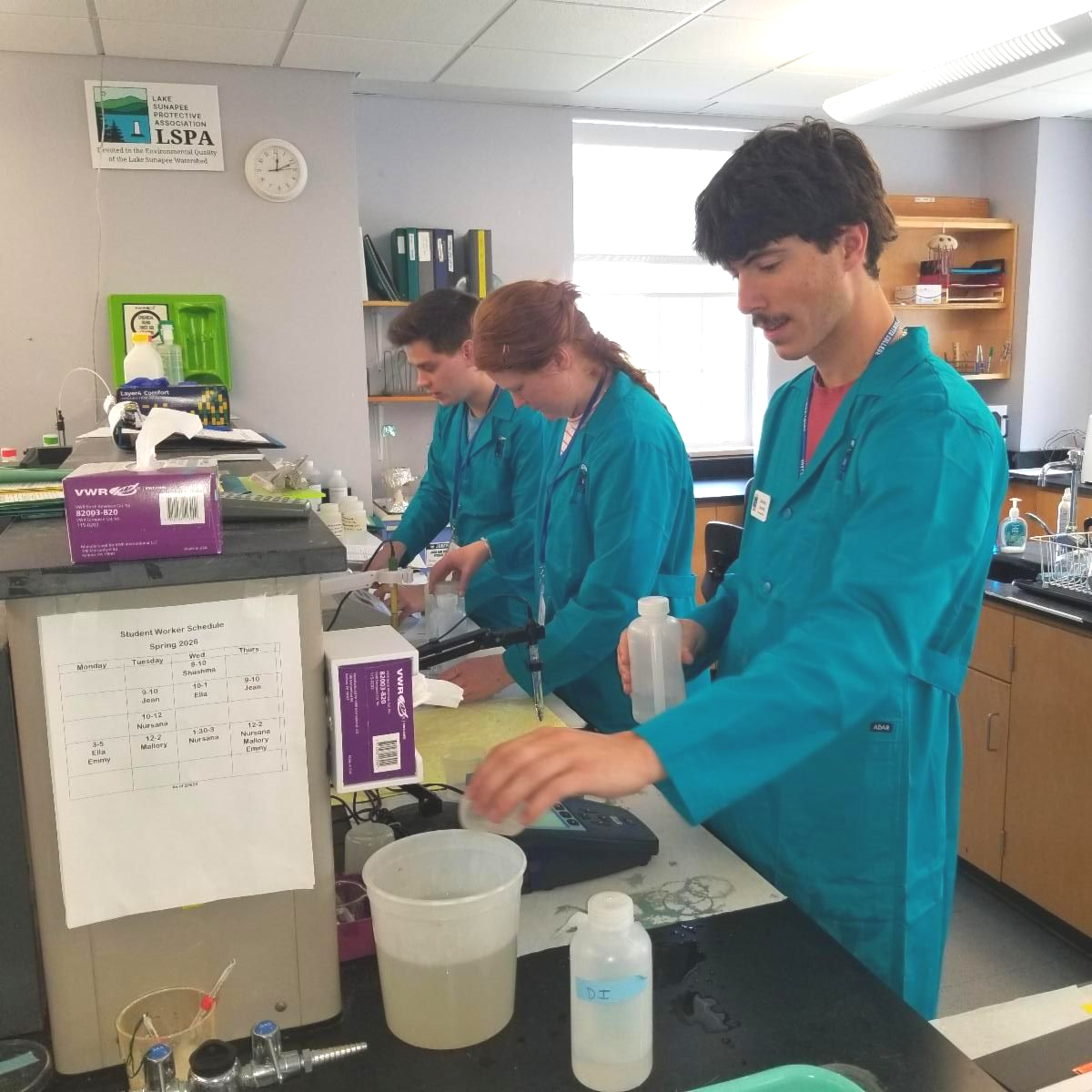
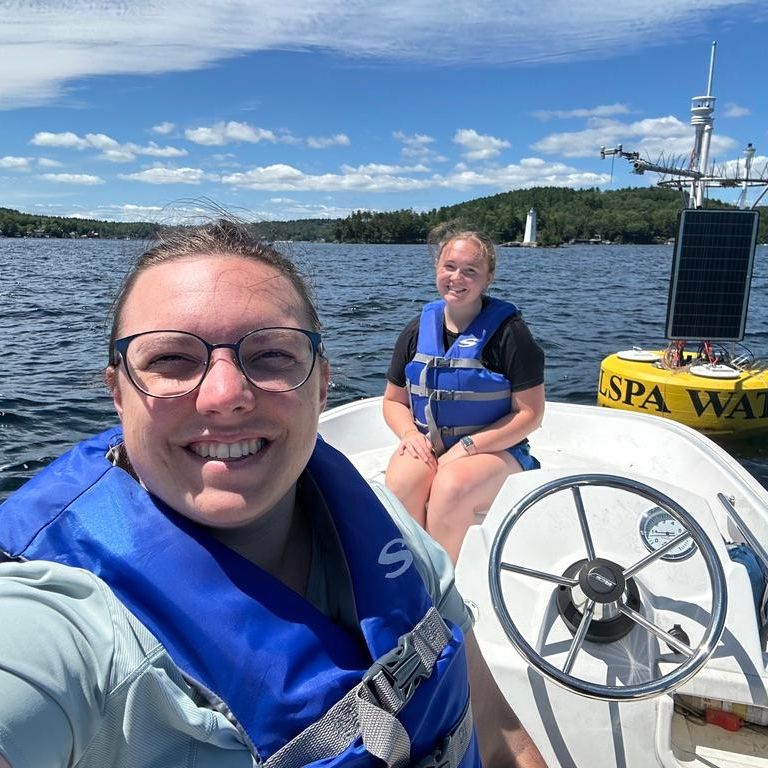
We're excited to welcome this year's three Water Quality Interns - Saylor, Camden, and Jameson - to our team! They started on May 26 and dove straight into hands-on training, beginning with lab protocol at LSPA’s Water Quality Lab at Colby-Sawyer College, followed by deep site sampling on Lake Sunapee. They have also been trained by Dr. Jess Trout Haney of Dartmouth to sample and identify cyanobacteria. The interns are quickly becoming familiar with water quality sampling protocols and field equipment as they prepare for a busy summer season!
| | Come meet our 2026 Water Quality Lab Interns at the Water Quality Lab Open House on June 9! It will be a great opportunity to tour the lab and learn more about our water quality work. | | Building Better Access to Water Quality Data: LSPA's Water Quality Database | | | | |
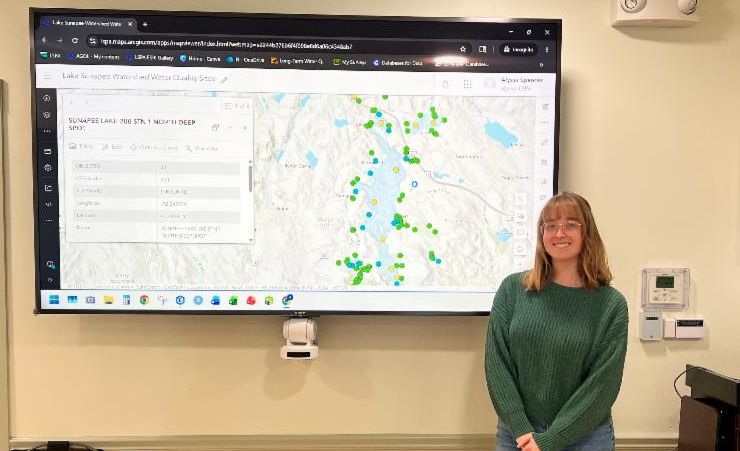
This summer's Water Quality Interns will also help pilot LSPA’s new water quality database, designed and built by Science Program Coordinator (and former Burkehaven Fellow) Alyssa Spencer. The new database aims to improve both data management and public accessibility to water quality data for our community.
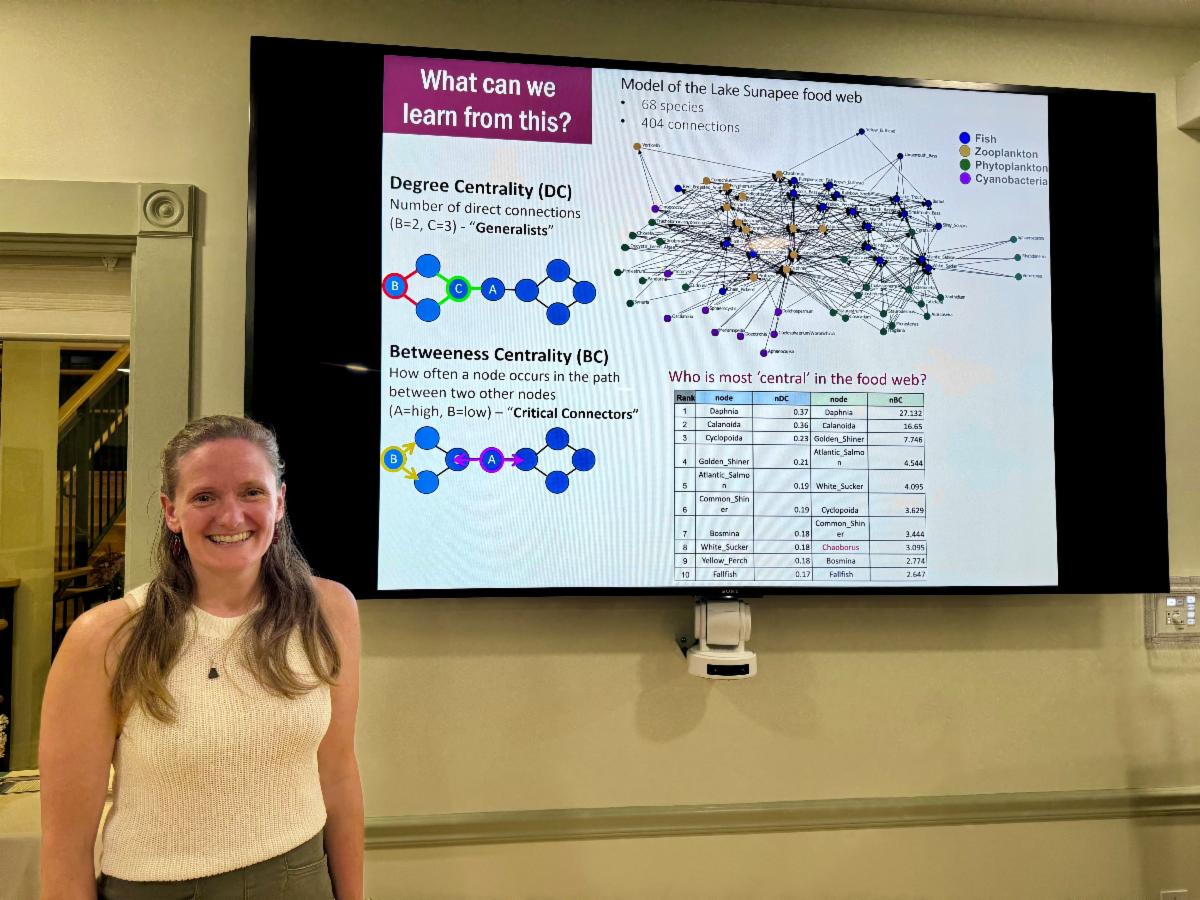
Interested in learning more? Join Alyssa for a presentation about the database and her other work as a Burkehaven Fellow on June 25.
| | Protecting Water Quality Through Septic Risk Assessment Mapping | | |
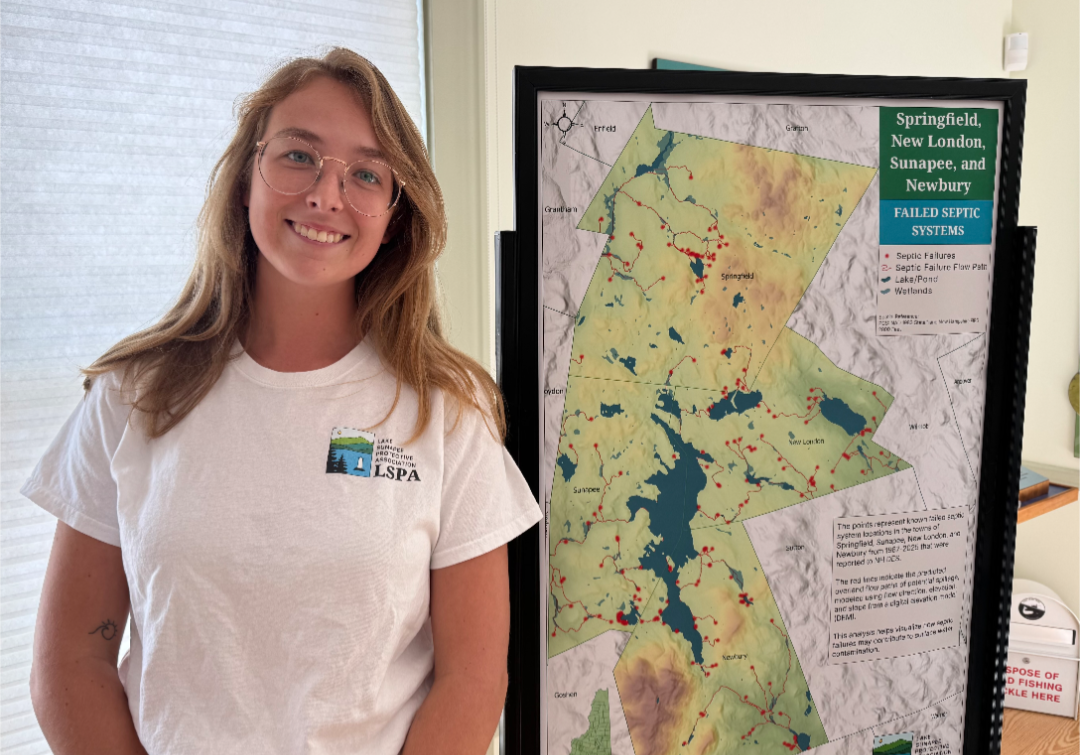
Alyssa Spencer has also been applying her GIS expertise to LSPA’s septic risk mapping work. In her new role as Science Program Coordinator, she is helping train new Burkehaven Fellow Maren Elvidge in the development of tools and educational materials to share with watershed towns to support community understanding of potential septic system vulnerabilities and infrastructure risks. Identifying these risks is an important first step in addressing these problems across the watershed. Learn more about the septic risk mapping efforts and the actions we can all take to maintain our septic systems and prevent septic failures here.
| | Doubling Down on Cyanobacteria | | |
Cyanobacteria blooms have been increasing across New Hampshire, including some lakes in the Sunapee Region. Fortunately, blooms remain rare on Lake Sunapee. This season, we are ramping up our efforts to monitor and prevent toxic blooms across the Lake Sunapee Watershed. Proactive measures are our best bet for maintaining the exceptionally high water quality that our region is known for and that we all cherish.
| | |
We are leveraging our research collaborations and timely funding opportunities provided by generous donors, to implement a cyanobacteria program that includes:
- Initiating long-term monitoring protocol to track changes in cyanobacteria populations over time
- Testing for toxins when blooms occur to determine the risks for people, pets and wildlife
- Using buoy data and water quality monitoring data to develop lake forecast models to understand the drivers of blooms
- Taking action on the ground to reduce the nutrient inputs that fuel cyanobacteria blooms
- Empowering homeowners and others who work and live in the watershed to take action to reduce their impact
These science-based, proactive and collaborative approaches are our best bet for protecting this beautiful place that we all love. Thank you to everyone who is invested in these efforts!
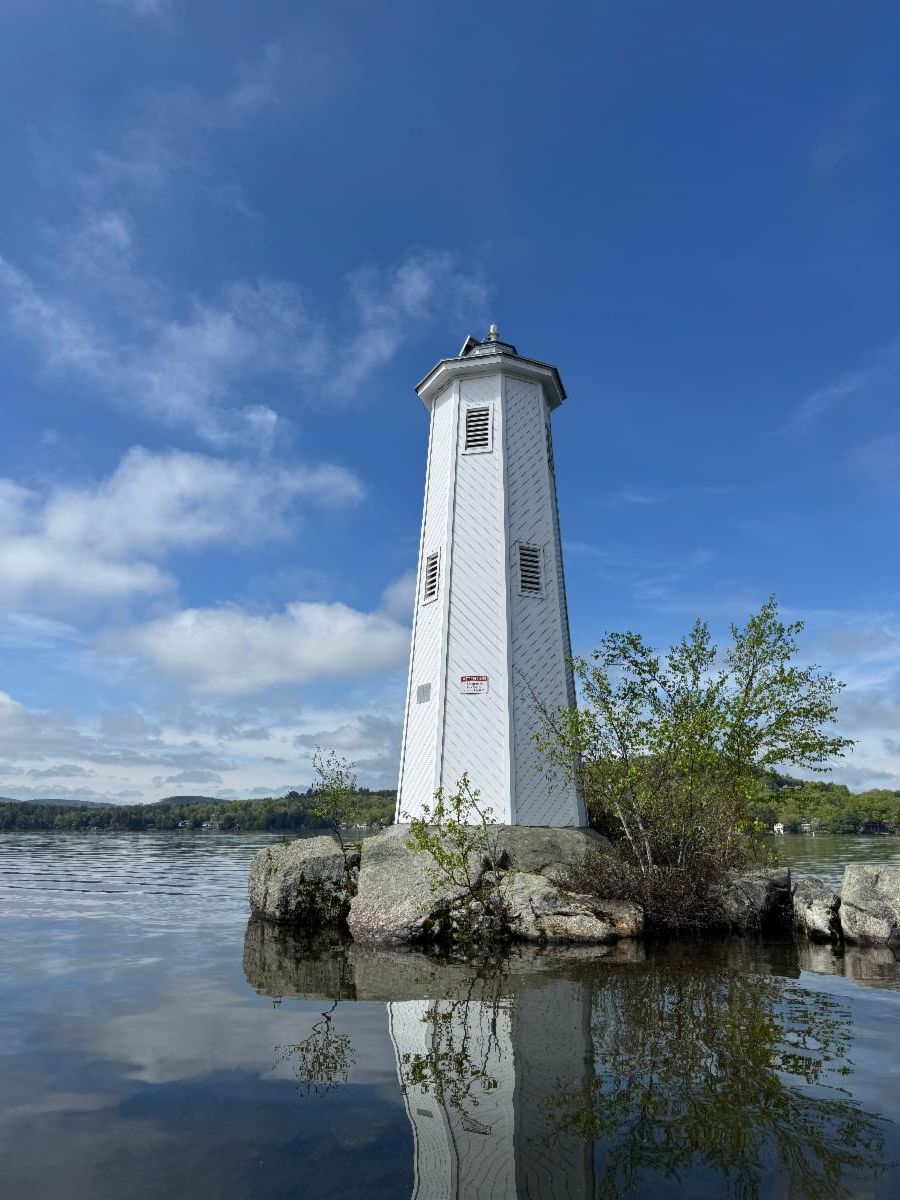
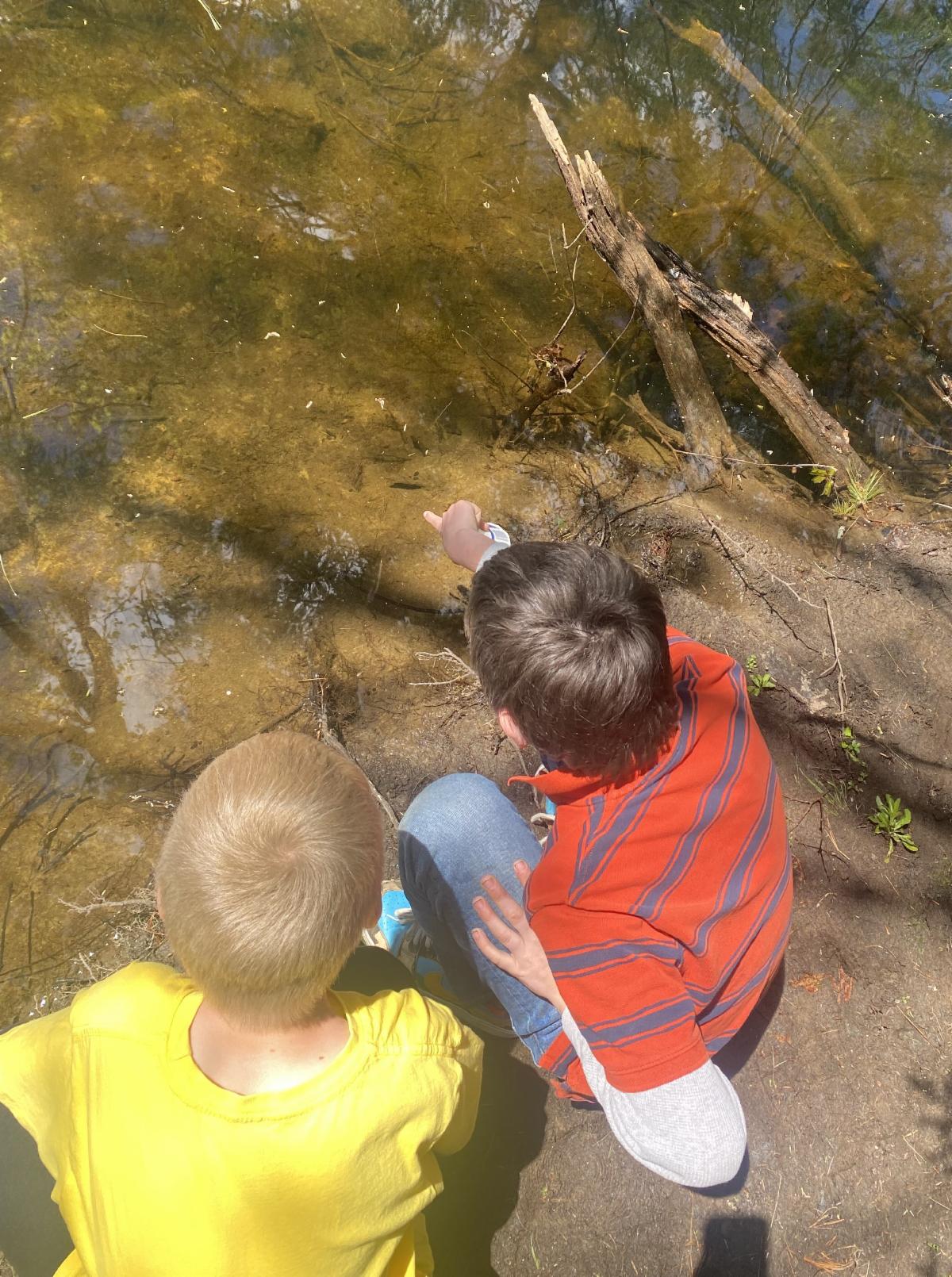
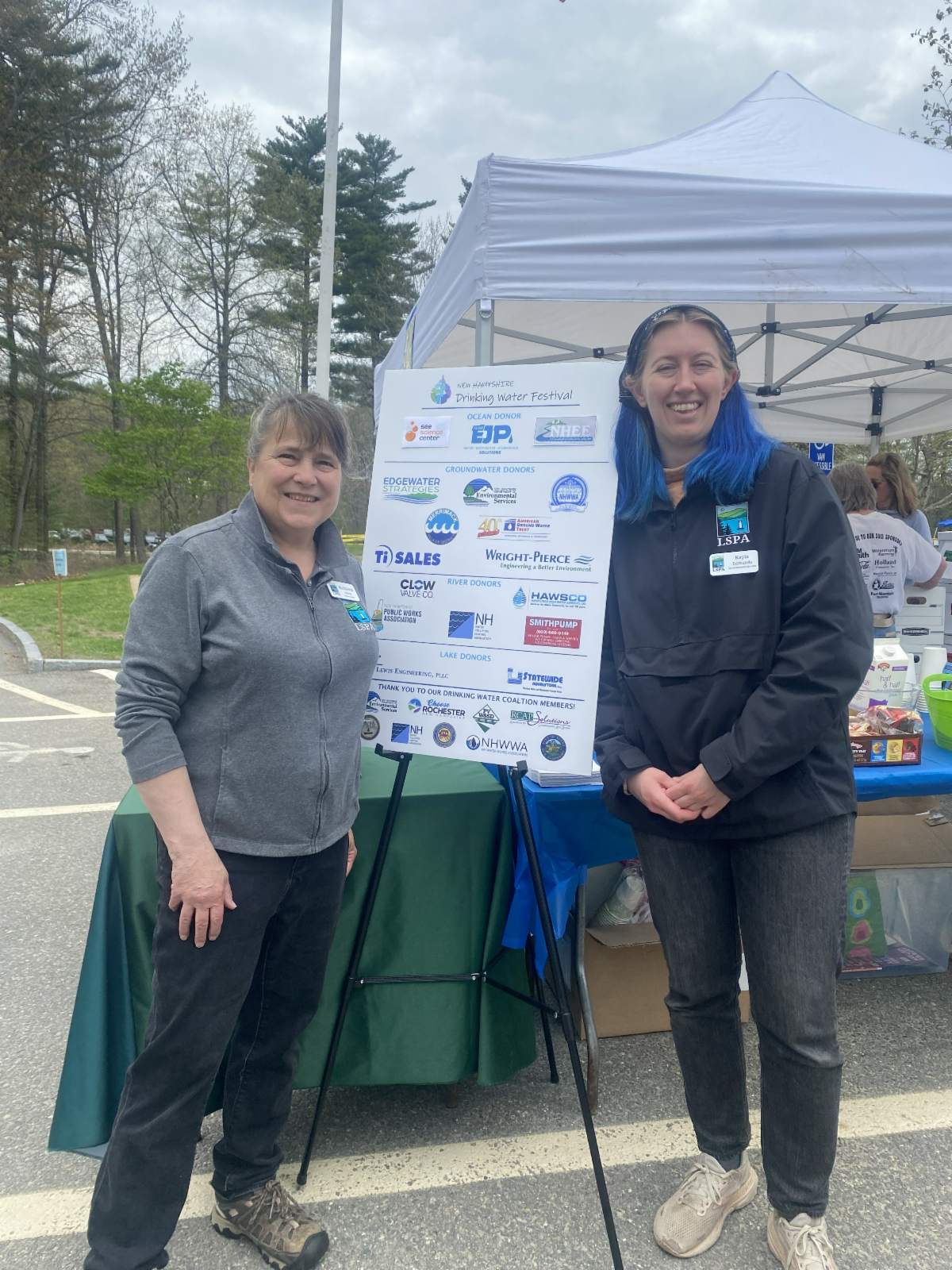
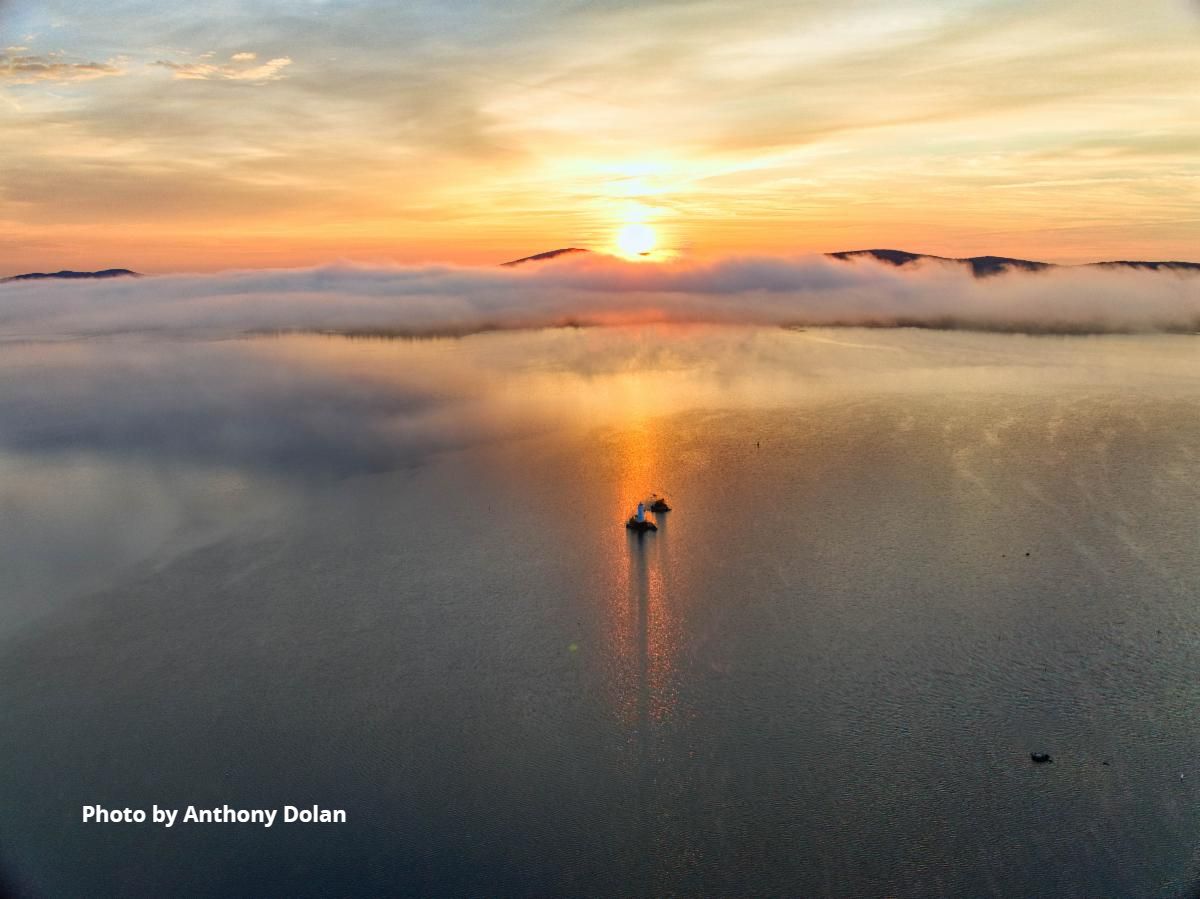
| | LSPA-VT Calhoun Fellows Katie Hoffman and Kat Myer will return this summer to develop a predictive cyanobacteria model using data from LSPA's Water Quality Buoy. | | Dr. Jess Trout-Haney began training this summer's Water Quality Interns to sample and identify cyanobacteria on May 29. | | One of our new Burkehaven Fellows, Maura Beatty, started today (June 1) and will work with Dr. Jess Trout-Haney to develop cyanobacteria monitoring protocols. | | New Weather Station for Loon Island | | | | Thanks to a generous donation from a local family, we will be adding a weather station to the Loon Island Lighthouse this summer. This station will provide important data to our research collaborators who use information from LSPA’s water quality buoy to forecast lake conditions and understand lake ecosystems. The data will also be useful to sailors and others who recreate on Lake Sunapee. You can see real-time weather and water quality data from our buoy here, and read more about our research collaborations here. | | Education as a Foundation of Stewardship | | LSPA Environmental Education in Regional Schools | | As our favorite May blossoms bloom, so do our spring and summer programs! The last of the trout have been released into local rivers after being raised in classrooms across the region since January. Trout release days are a culmination of the students' learning since January, observing in nature the habitat needs and behavior that’s been on view in their classroom tank all spring. This program brought trout to classrooms in Sunapee, Newport, Sutton, Bradford and Kearsarge Regional Middle School. | | | | | May brought the exciting opportunity to attend annual events, including the NH Drinking Water Festival and Sullivan County School to Farm Day, which gather environmental organizations from around the state together to educate on a shared, overarching topic. Students joined LSPA staff at these events to learn what a watershed is and how we can take care of our water resources. By building a model watershed as a group, they learned how actions anywhere in a landscape impact surrounding waterbodies. | | |
We’re so grateful for the warm weather, which has meant outdoor explorations during NEST (Nature Exploration Story Time). From celebrating the first dandelions to searching for signs of baby animals, there’s always something new to find outside! We always welcome families to picnic on the front lawn after story time, or take a walk down to the Harbor to enjoy the sunshine.
NEST is held every Tuesday at 10 AM. Check out our June NEST Schedule.
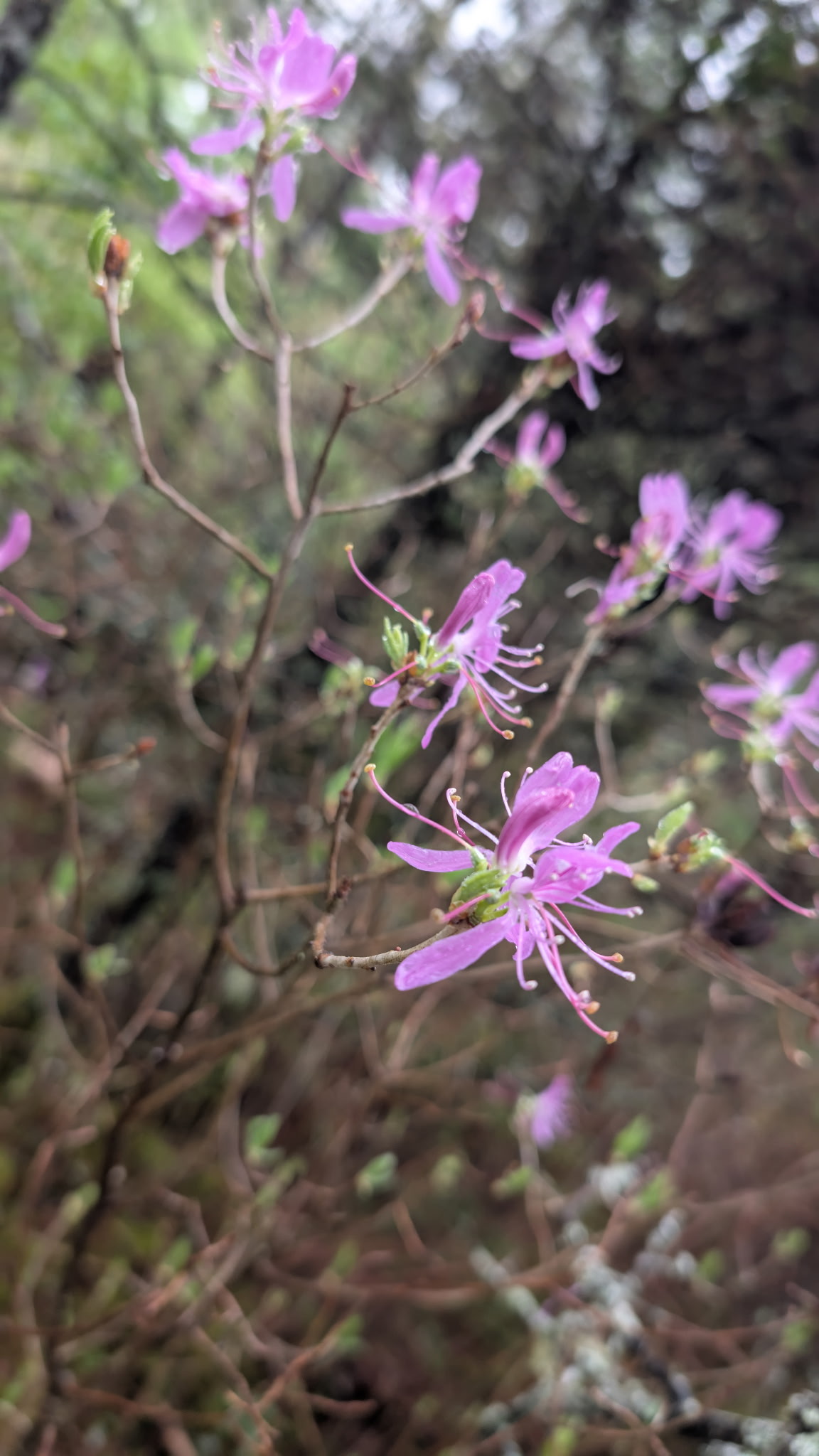
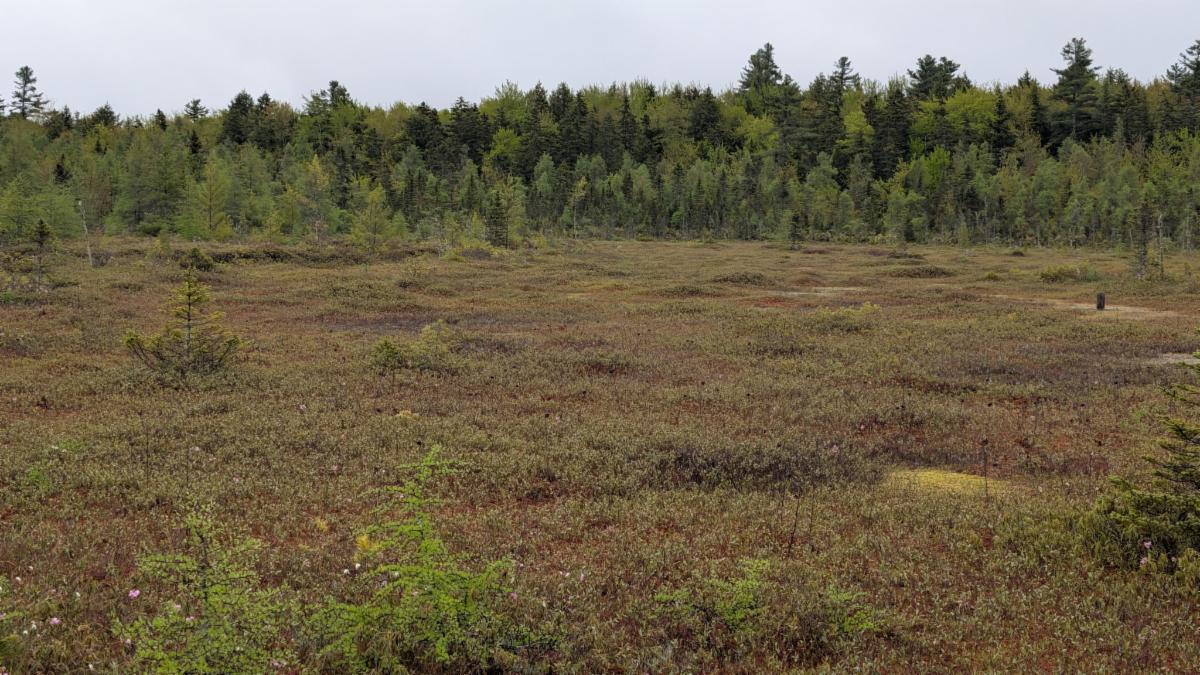
| | | Spring rains and warm weather bring with it the smells of refreshed earth and new growth. The verdant forests and landscapes enhance the vibrancy of blossoms within them. Great habitats to explore in June are bogs and wetlands, which teem with native plants and wildflowers! The Philbrick-Cricenti Bog Trail in New London is a spectacular walk at this time of year (and any) to see this variety. The yellow blossoms of marsh marigold are finishing up their tenure, while the bright pinks of tuberous grass pink are beginning to take up the call. Don’t miss some of the smaller but just as exciting plants, like the round-leaved sundew, a carnivorous plant, and the small, low flowers of the bog cranberry. To respect the beauty and importance of this habitat, please stay on the boardwalk when exploring and note that no dogs are allowed. There is an amazing biodiversity flora and fauna to notice and be shared by all. | | | Know a creative kid who loves lakes? Check out the North American Lake Management Society (NALMS) Poster Contest for K–12 students! This year’s theme, “Lakes: Nature’s Mirrors,” invites young artists to celebrate the lakes they love through original artwork. Cash prizes are available for winners. Learn more about the poster conetst here. | | | Recent Education Programs at LSPA | | Banding Together For The Birds | | |
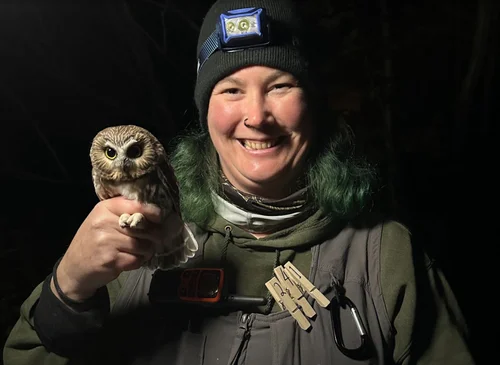
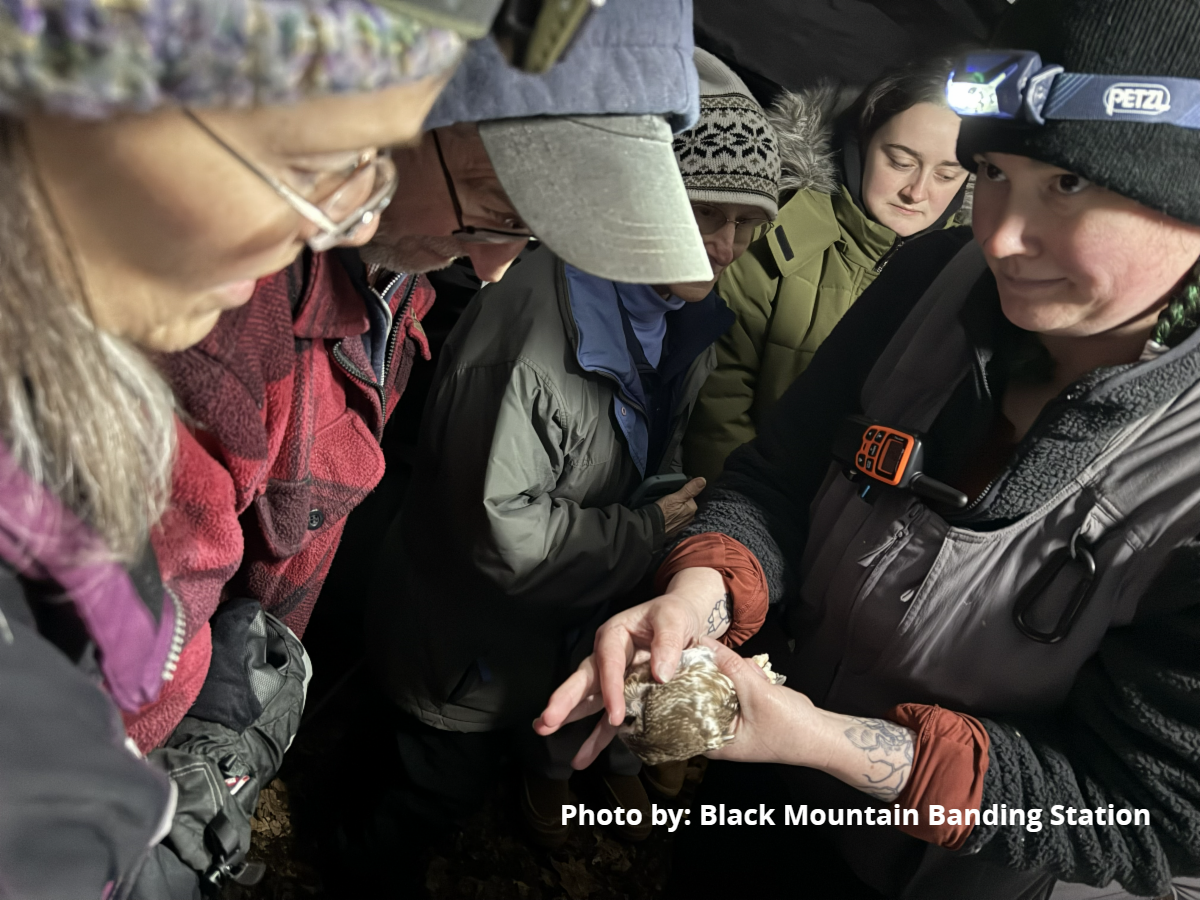
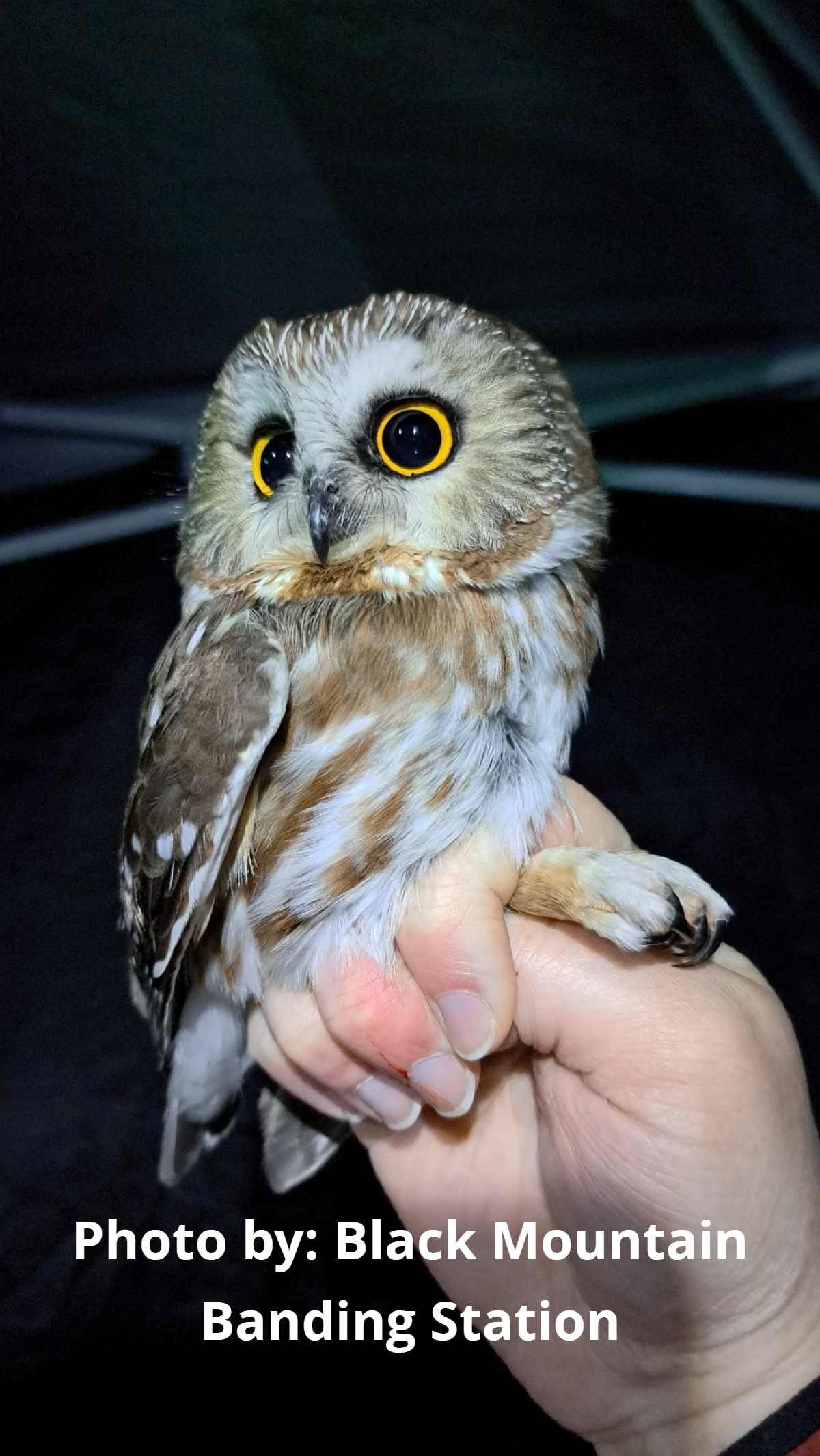
At our recent bird banding presentation, Lindsay Herlihy, biologist, naturalist-educator, and lead bander at Black Mountain Banding Station (BMBS) taught participants how bird banding helps scientists study migration, survival rates, population trends, and overall ecosystem health. The presentation highlighted the work of Black Mountain Banding Station (BMBS), which contributes to bird research while expanding knowledge of local bird populations and engaging the community in hands-on science.
| | |
Here are a few key takeaways from the presentation:
- Bird banders have extensive, specialized training and specific tools to ensure safe handling of birds. Bird safety is always the #1 priority.
- North American bird populations have decreased an estimated 33% since the 1970s. Understanding their migration can help us understand the dangers during this time and increase conservation efforts.
-
Long-term and range-wide studies, such as M.A.P.S (Monitoring Avian Productivity and Survivorship) provide the best data to inform habitat management decisions, understanding how species encounter anthropogenic threats, and broad-scale conservation efforts.
| | Managing Lake Sunapee's Water Levels | | |
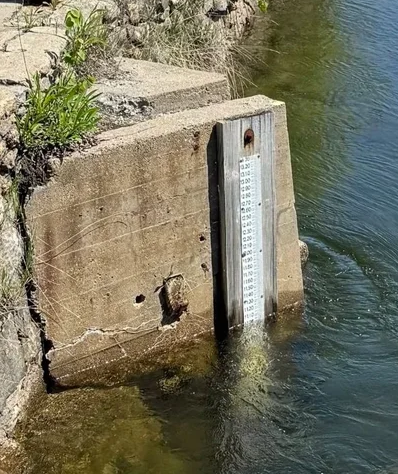
At our recent presentation with the New Hampshire Department of Environmental Services (NHDES) Dam Bureau, participants were provided an overview of the many factors that go into managing lake levels and dam operations on Lake Sunapee and on lakes across New Hampshire from Corey Clark (Chief Engineer) and Dan Mattaini (Operations and Maintenance Engineer). Dam engineers balance seasonal precipitation, inflow, evaporation, downstream water needs, and public safety to manage changing conditions throughout the year.
| If you missed the presentation or would like to watch it again, the recording is linked here, and the presentation slides are linked here. | | |
Here are a few key takeaways from the presentation:
- Lake Sunapee is managed by a specific dam management plan and a downstream water use agreement.
- While conditions have improved since last year, we continue to experience an ongoing drought.
- Slower, more prolonged periods of rainfall are better when heavy, short rainfall events cause increased runoff, the groundwater doesn’t recharge, and wetlands can’t absorb it all.
- A healthy watershed needs some water flowing downstream out of the lake to support waterbody health, aquatic organisms, and infrastructure downstream
| | Protecting Our Watershed Together: What is Next at Otter Pond Beach? | | |
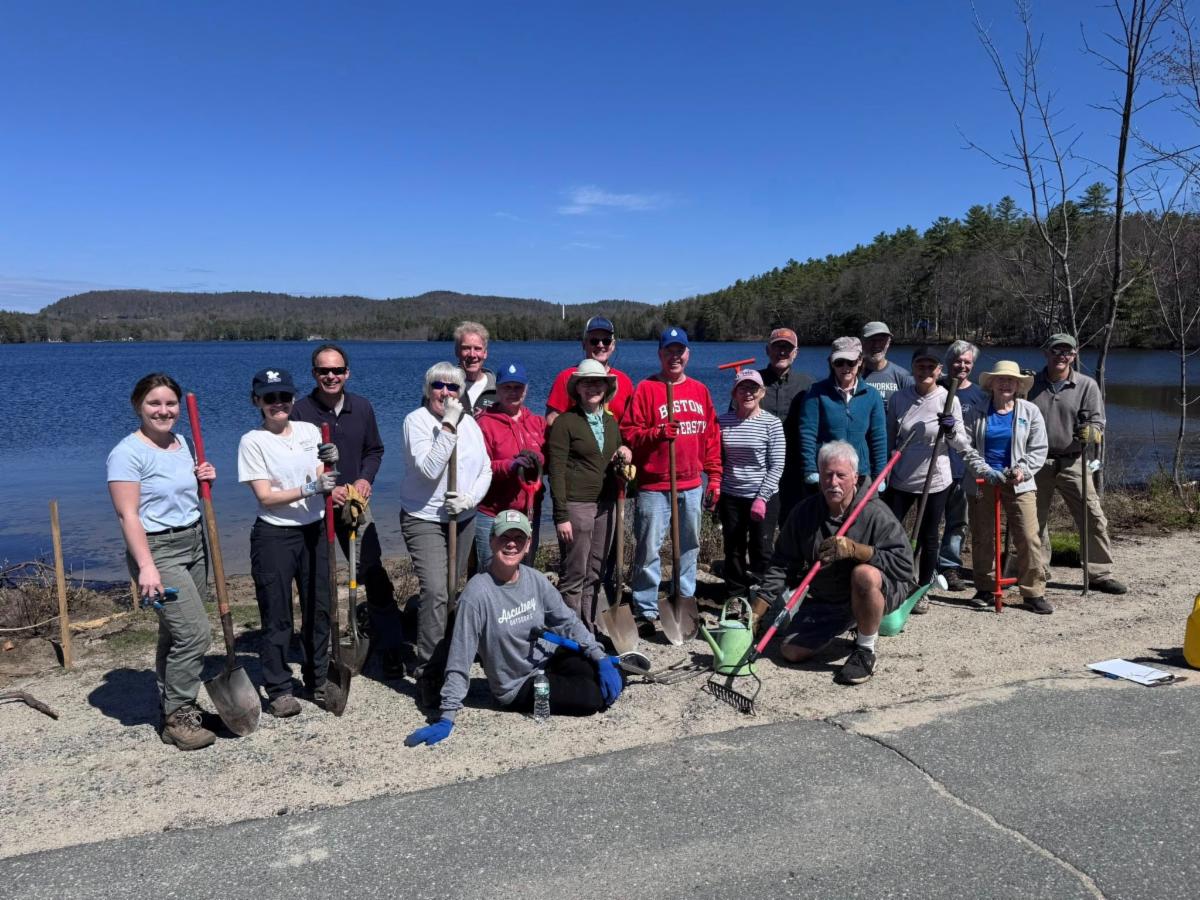
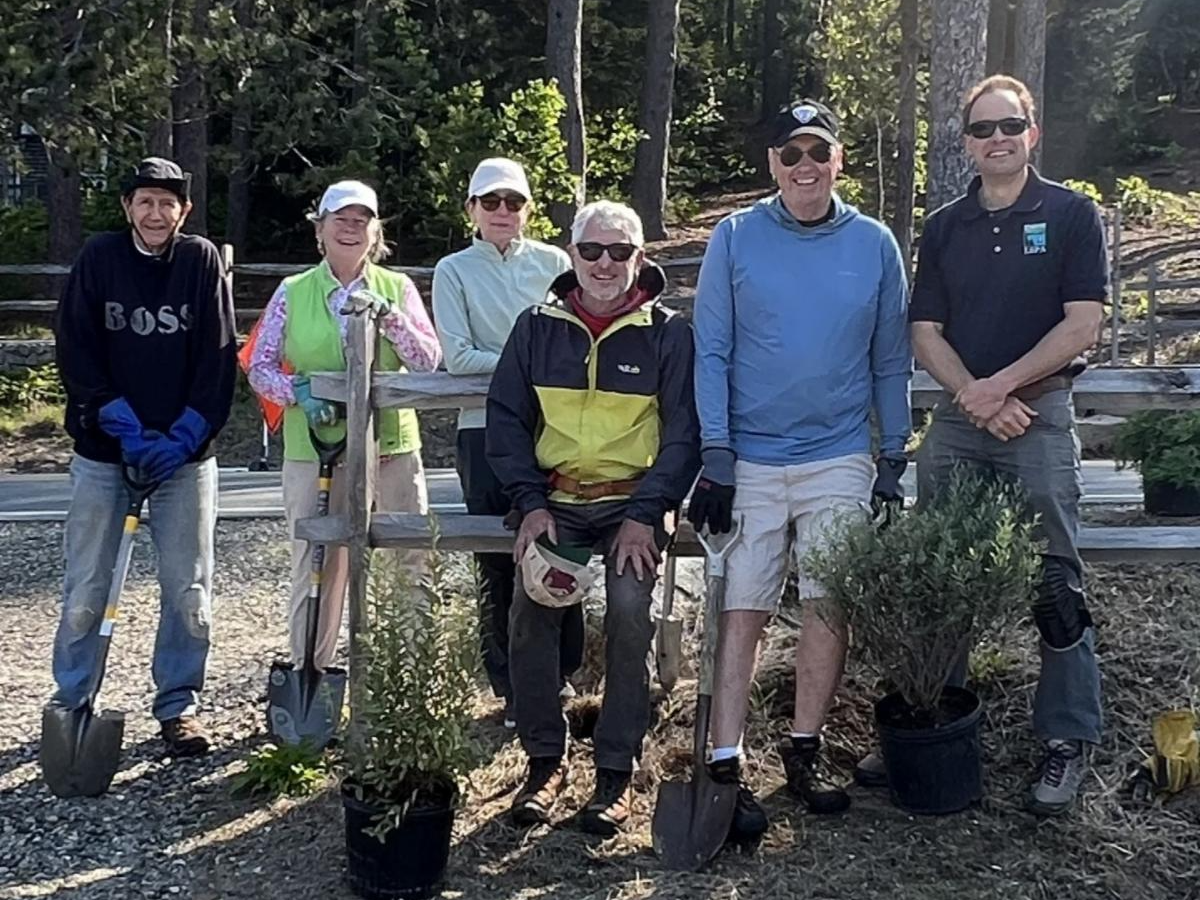
In April, volunteers planted over 200 native plants and shrubs at Otter Pond Beach to help reduce erosion and filter stormwater runoff.
Thank you to everyone who volunteered their time to support this important effort!
| |
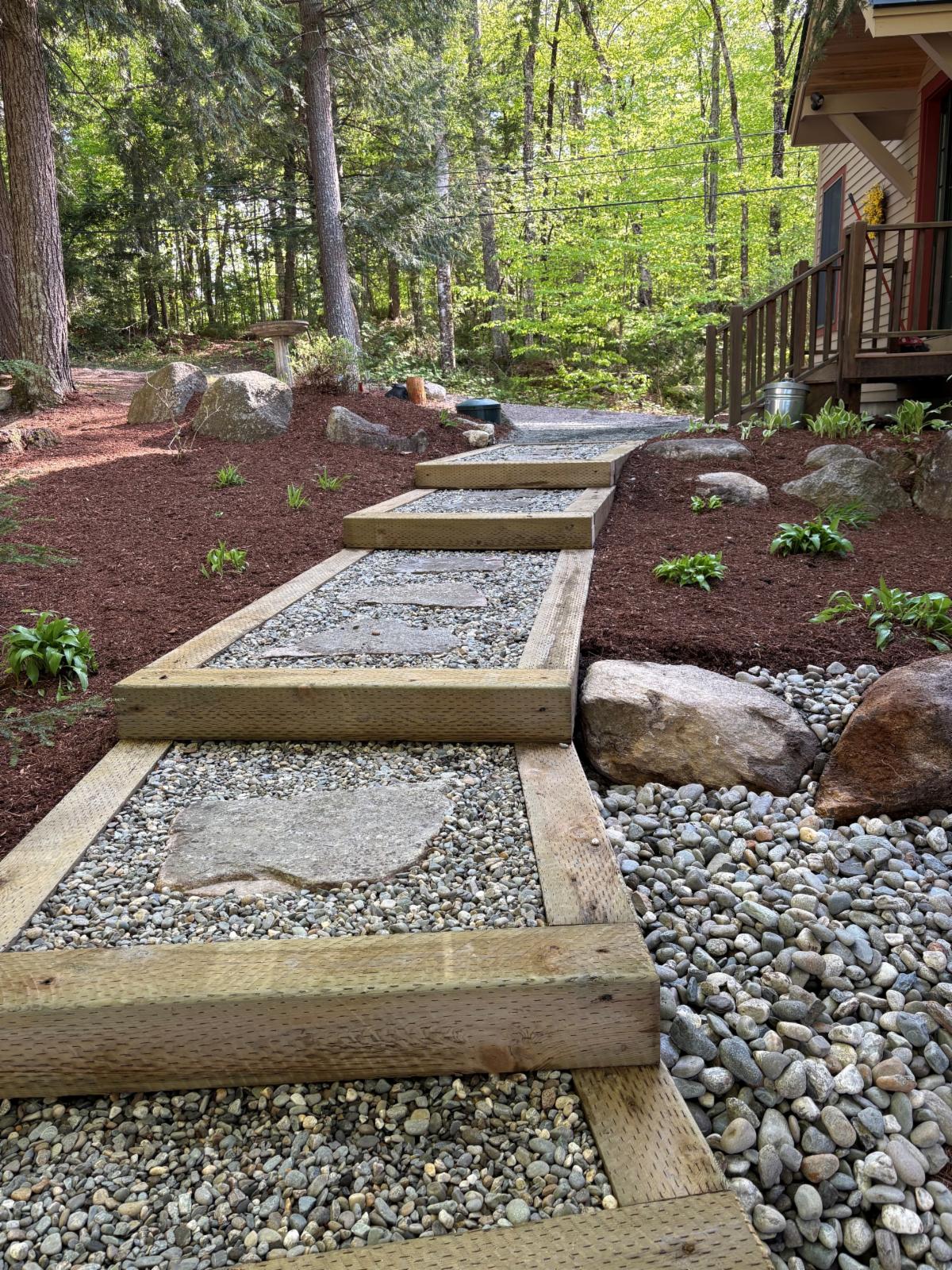
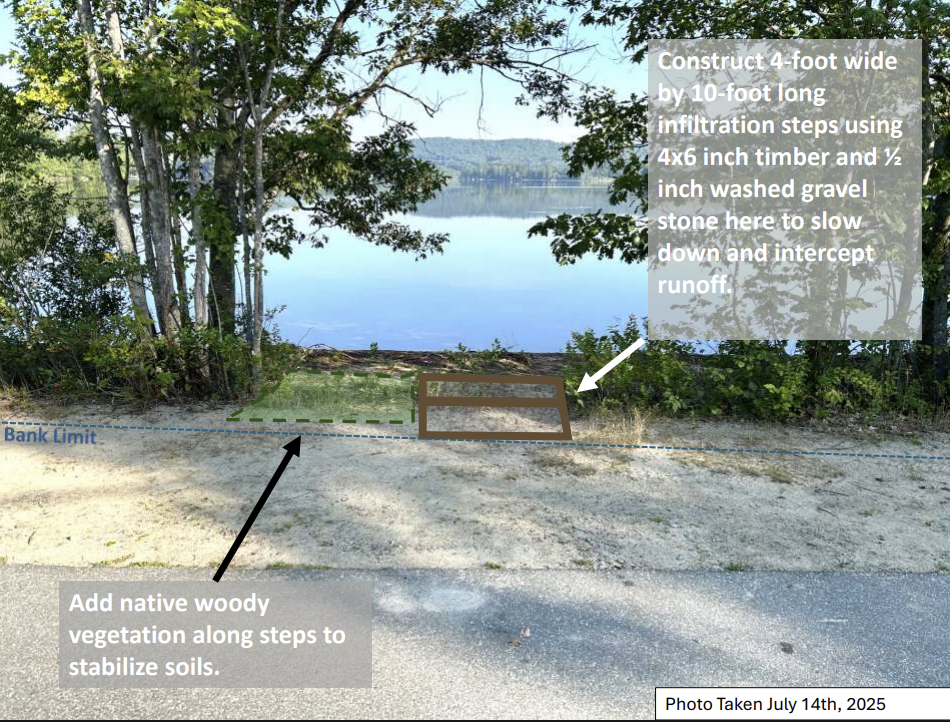
The next phase of the project will focus on reducing stormwater runoff through the installation of infiltration steps. Constructed with timber and washed gravel, these steps are designed to slow water as it moves downhill, allowing it to soak into the ground rather than flow directly into Otter Pond. Building on the native planting efforts done in April, the infiltration steps and additional vegetation will work together to further reduce nutrient input into Otter Pond. By limiting the amount of excess nutrients entering the water, these improvements will help decrease the chance of cyanobacteria blooms and support the water quality of this important community gathering place. We have taken care in the planning of this project to ensure the recreational opportunities are maintained at the site and won't be negatively impacted by the projects.
Click here to explore the detailed plan for this Watershed Management Plan project, including the native plants selected for this site.
| | Landscaping for Water Quality Workshop and Expo | | |
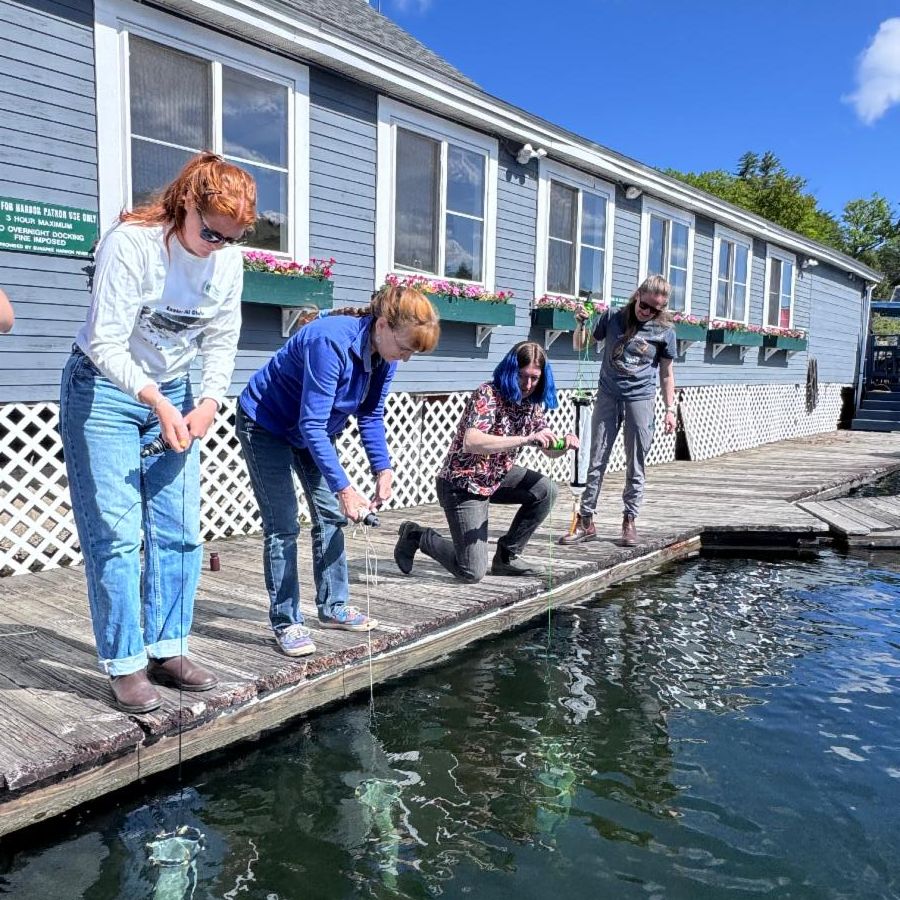
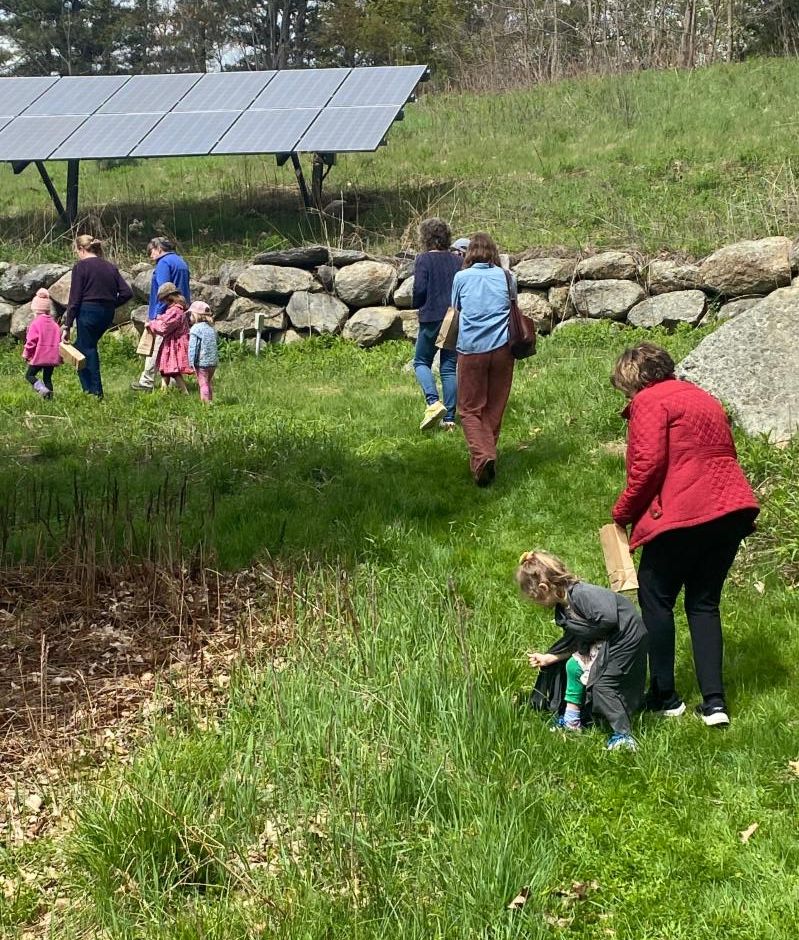
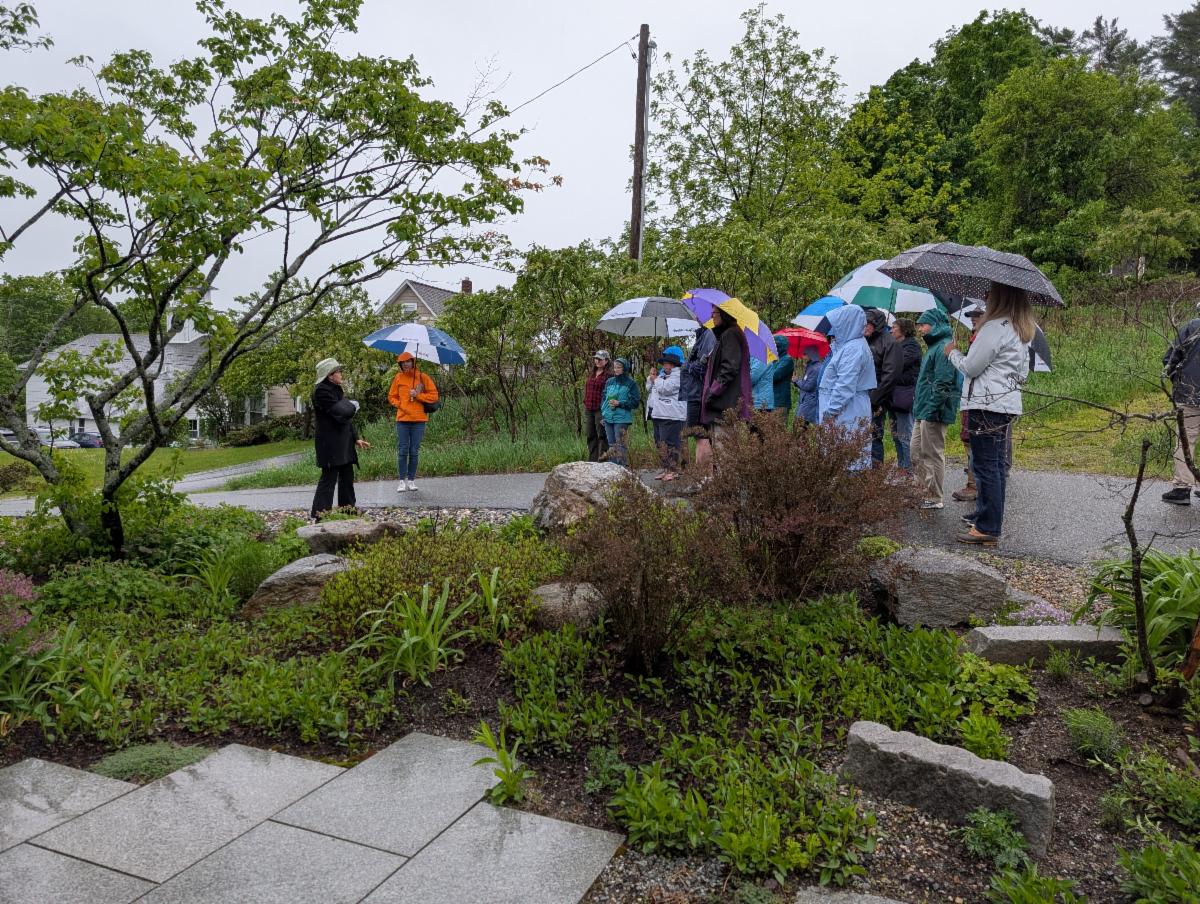
Thanks to everyone who participated in our Landscaping for Water Quality: A Workshop & Expo on Saturday, May 30. More than 25 participants joined us to learn practical ways to reduce runoff and protect water quality at their homes. The morning began with a classroom session before participants visited a local property to practice reading the landscape and identifying opportunities to slow rainwater and increase infiltration into the soil. Participants also learned about recent updates to LSPA's Watershed Wise program and heard from a homeowner who shared the changes he recently made to improve his property's impact on water quality.
| | | | |
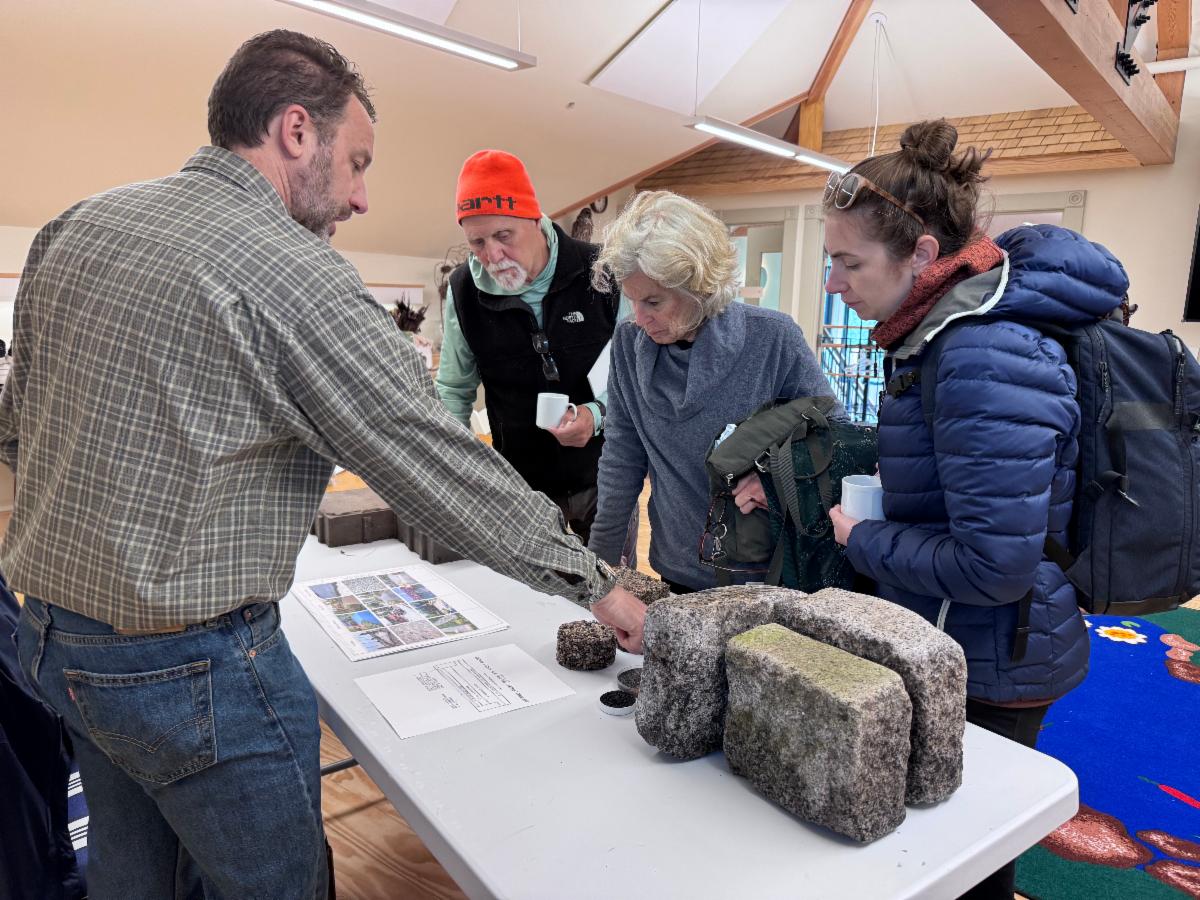
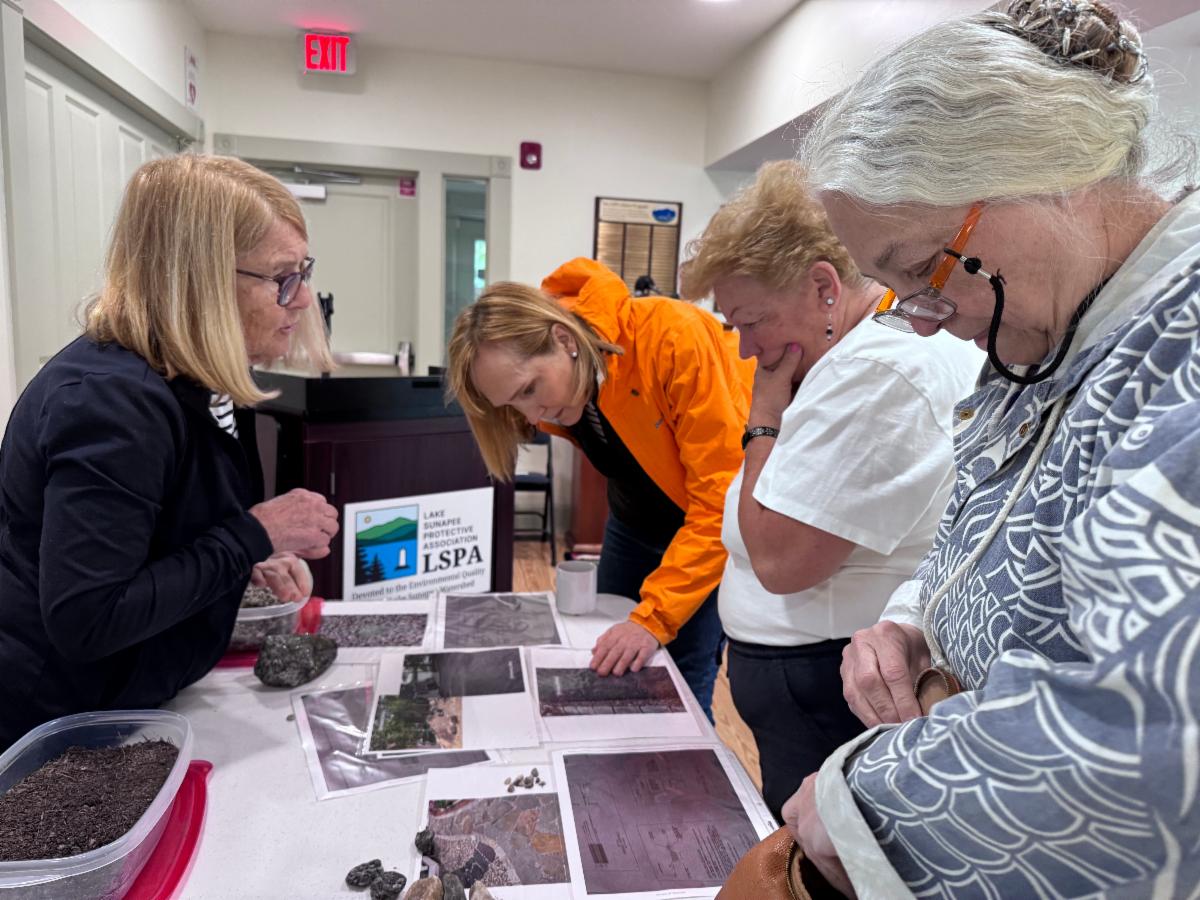
The expo featured stations where participants gained hands-on guidance in soil health and organic lawns, erosion control materials, permeable pavers, NH LAKES LakeSmart program, septic system risk analysis, and a help desk for erosion-related issues. Each station emphasized steps that homeowners can take on their own properties to protect water quality.
Thank you to our exhibitors!
- Complete Land Organics
- Gradient Landscape Architects
- NH LAKES
- Odd Duck, LLC
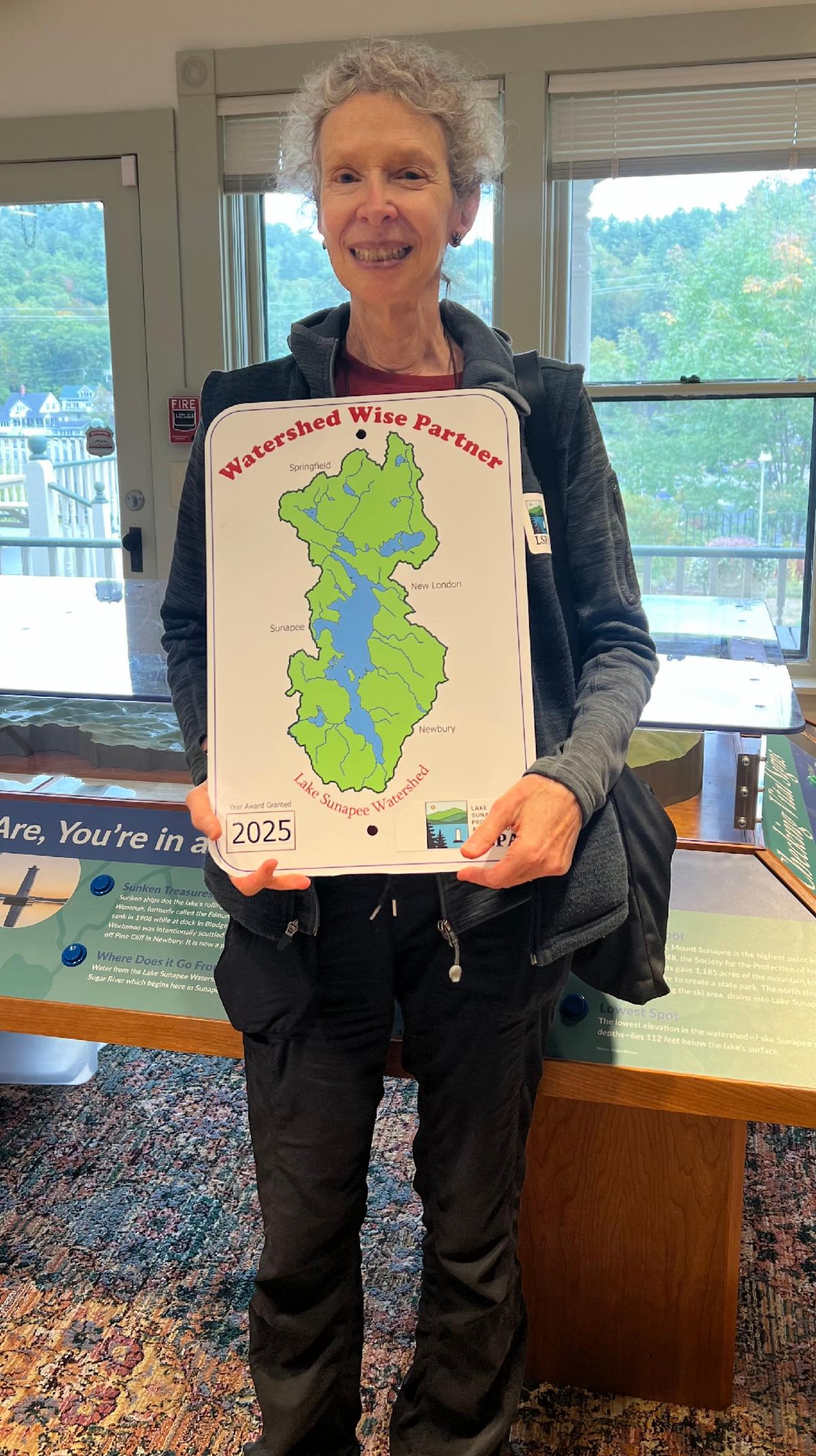
| | Become a Watershed Wise Partner! | | |
Did you know that how you manage your waterfront property can affect water quality?
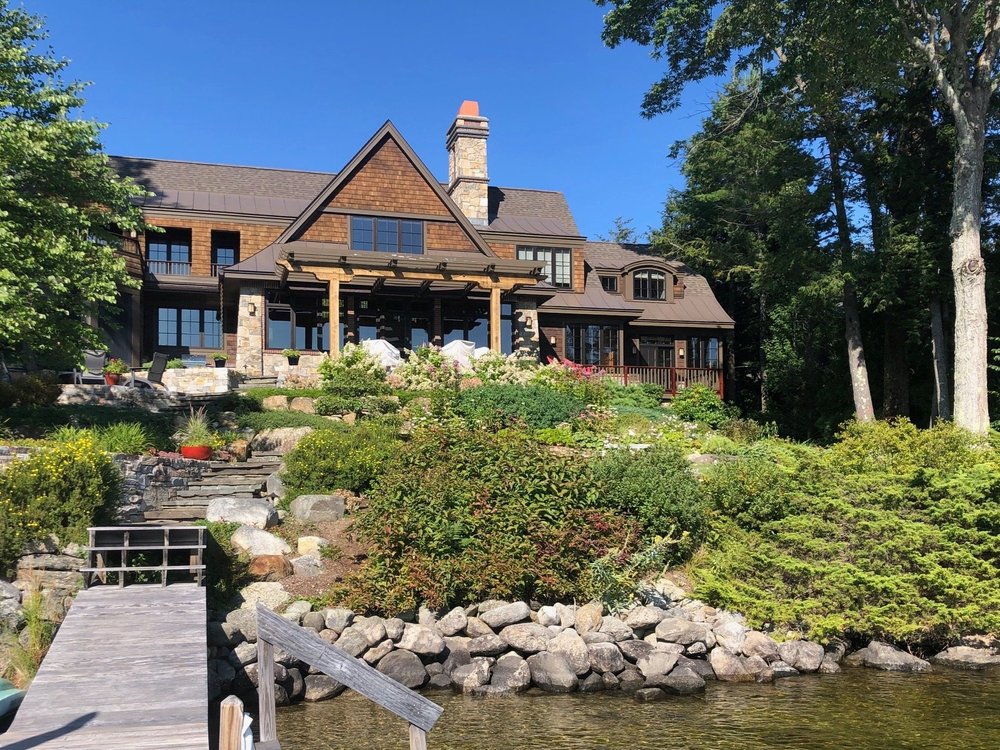
Vegetation along the shoreline is a lake or stream’s last line of defense against pollution coming off the surrounding landscape and into the water. You can help reduce pollution and erosion by:
- Vegetating your shoreline with trees, shrubs, and groundcover (low-growing vegetation).
- Installing a rain garden to capture stormwater coming off a driveway, roof, or down a hill.
- Leaving the leaves and pine needles that fall in vegetated areas.
- Minimize the amount of lawn you have at the water’s edge.
| | |
For more information on how to implement these best practices, including plant lists, step-by-step how-to guides, and more, visit our Watershed Wise Waterfront Resources page.
Already doing some of these best practices? Become a Watershed Wise partner! Fill out our Watershed Wise questionnaire and a staff member will follow up for a free site visit to provide additional advice.
Actions taken by property owners across the watershed can make a big difference!
| | Addressing the Outdated Wastewater Infrastructure at Mount Sunapee Resort: Updates and Next Steps | | |
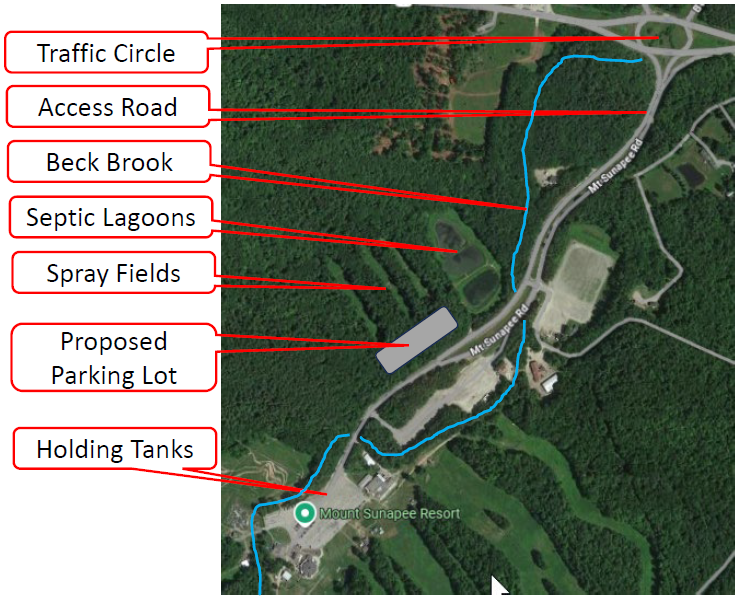
Efforts to address the outdated wastewater infrastructure (aka the lagoons) at the Mount Sunapee Resort continue to move forward, with several important updates taking place over the past few months. The contract with Weston & Sampson for the wastewater feasibility study is expected to head to the Executive Council for approval soon. The study, funded through a combination of Clean Water State Revolving Funds and State Park Funds, represents an important next step in proactively addressing the aging system. We are very appreciative of the support from the Department of Natural and Cultural Resources (DNCR) in moving this work forward.
| | |
The feasibility study will play a critical role in evaluating the pros and cons of several potential solutions while also providing an independent, third-party review of existing data. This process will help establish a shared understanding of the current system's issues and limitations, as well as the best path forward.
DNCR staff, led by Interim Director Adam Crepeau, have been generous with their time in meeting with local stakeholders to discuss the process, answer questions, and listen to community concerns. The annual operating plan (AOP) from Vail Resorts, which typically includes reference to maintenance plans for this system, was submitted to DNCR by the May 15 deadline this year, although it has not yet been shared publicly.
| | |
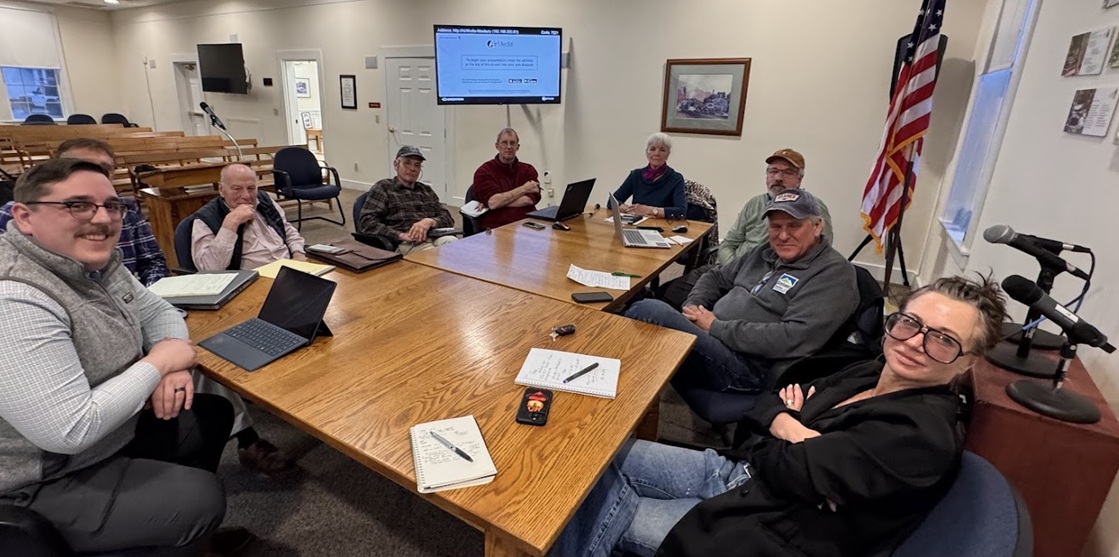
The Mount Sunapee Advisory Commission meeting, which is typically held in June to review the AOP, has been postponed and will most likely take place in July. Because the feasibility study will not be completed until late 2026 or early 2027 at the earliest, the recommendations from Weston & Sampson will not be available prior to this summer’s meeting. In the meantime, additional science and monitoring efforts are ongoing. Stay up to date and engaged on this topic here.
| | |
LSPA continues to work with watershed communities to advance our Salt Management Plan, also known as our road salt reduction initiative. Led by Watershed Committee Co-Chairs Stu Greer and Mike Thomas, this effort focuses on practical ways towns can work together to reduce road salt use, limiting the amount of chloride entering our watershed and protecting local water quality.
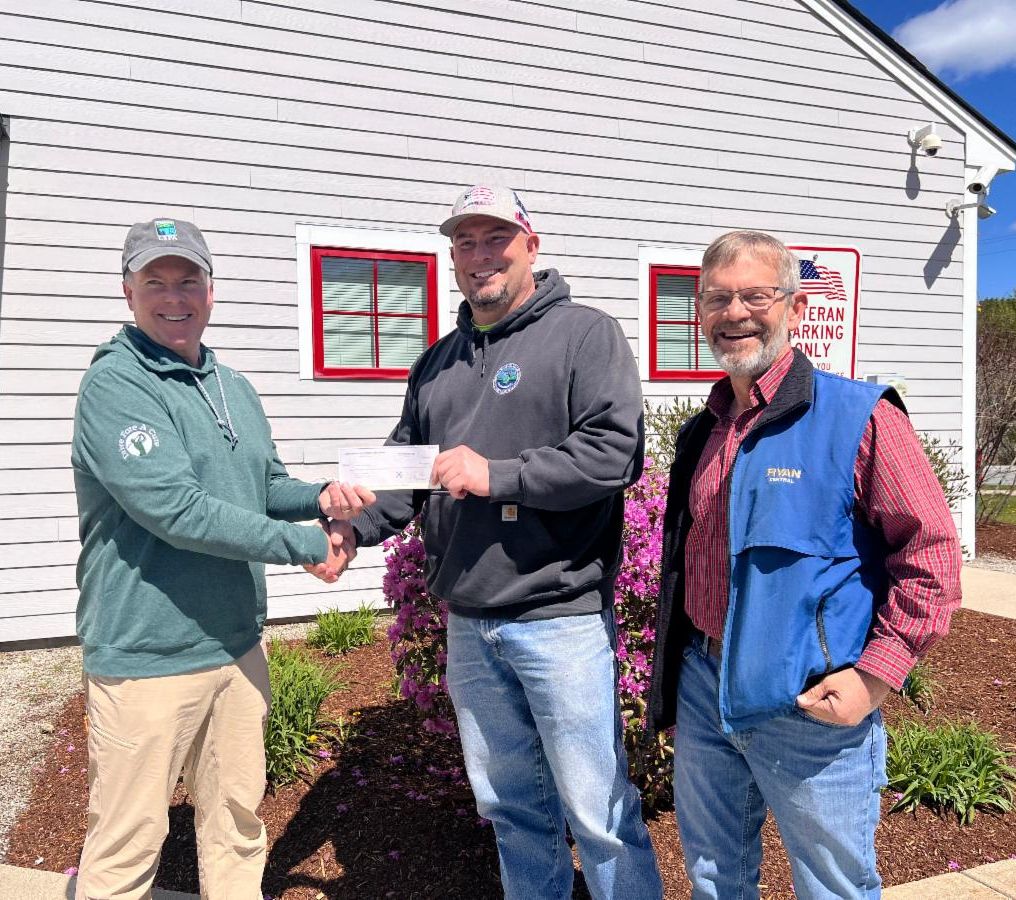
Recently, LSPA met with the Town of New London to discuss road salt reduction strategies and also provided grant funding to the Town of Sunapee Highway Department to pilot new equipment on road salt trucks aimed at reducing salt use while maintaining safe winter roads. Learn how you can reduce your salt use during the winter here.
| | Fuel Spill in Georges Mills Harbor | | |
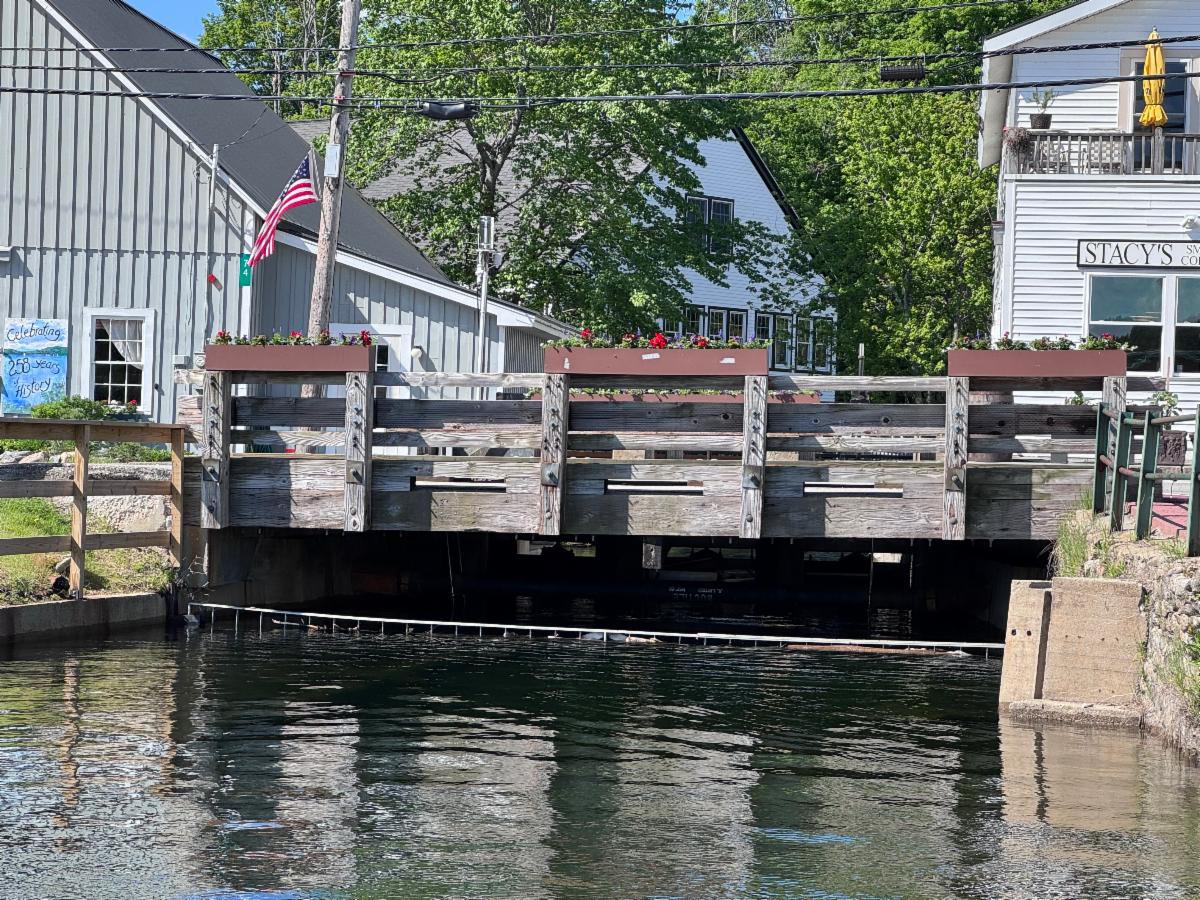
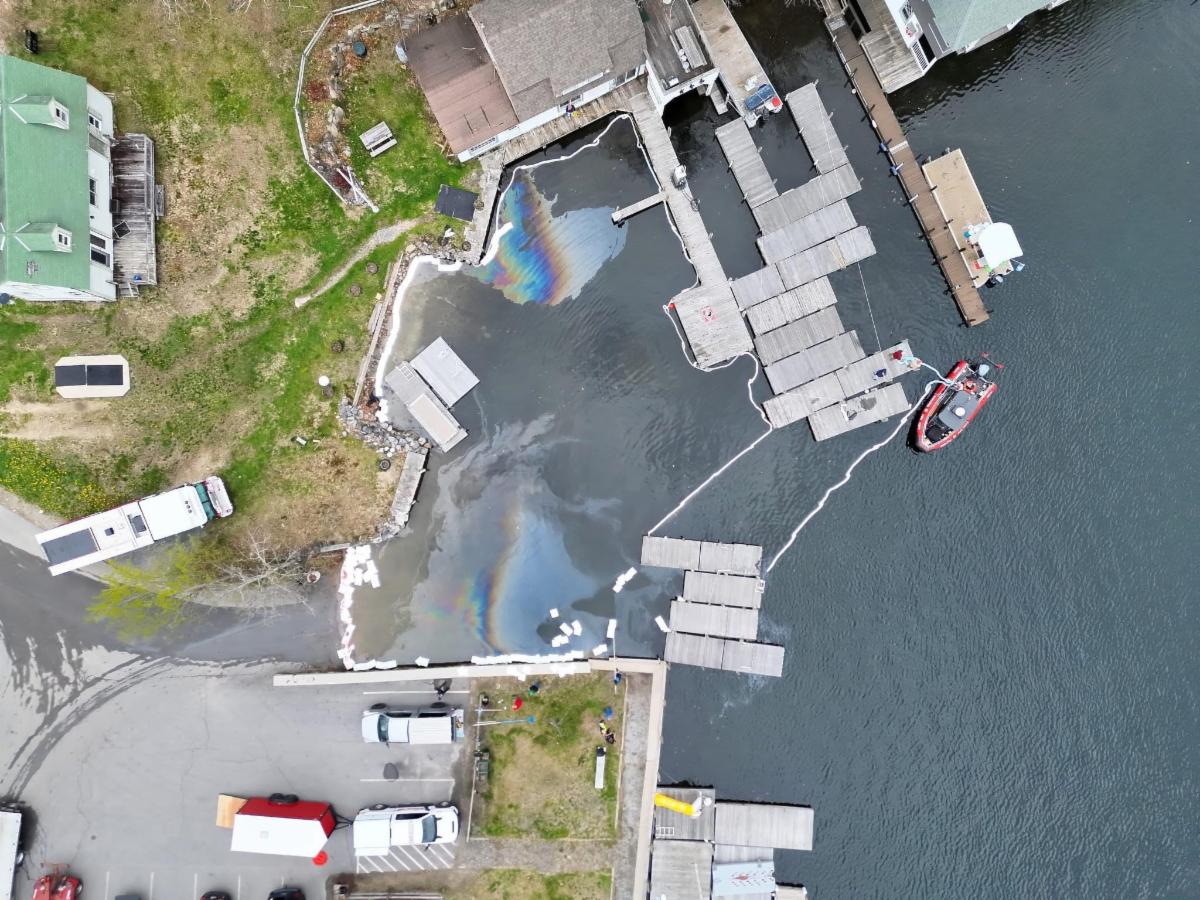
On May 6, emergency responders quickly mobilized to contain a fuel spill in Georges Mills Harbor after a ruptured hydraulic line on a tow truck released fuel into the water. Thank you to the Sunapee Fire Department and the several mutual aid partners for their quick response to contain the fuel spill.
This incident serves as an important reminder: If you suspect an oil, fuel, or other hazardous spill in or near the water, call 911 immediately. Quick reporting allows emergency responders to respond rapidly, contain spills sooner, and help protect our lakes, streams, and ponds from lasting impacts.
| | |
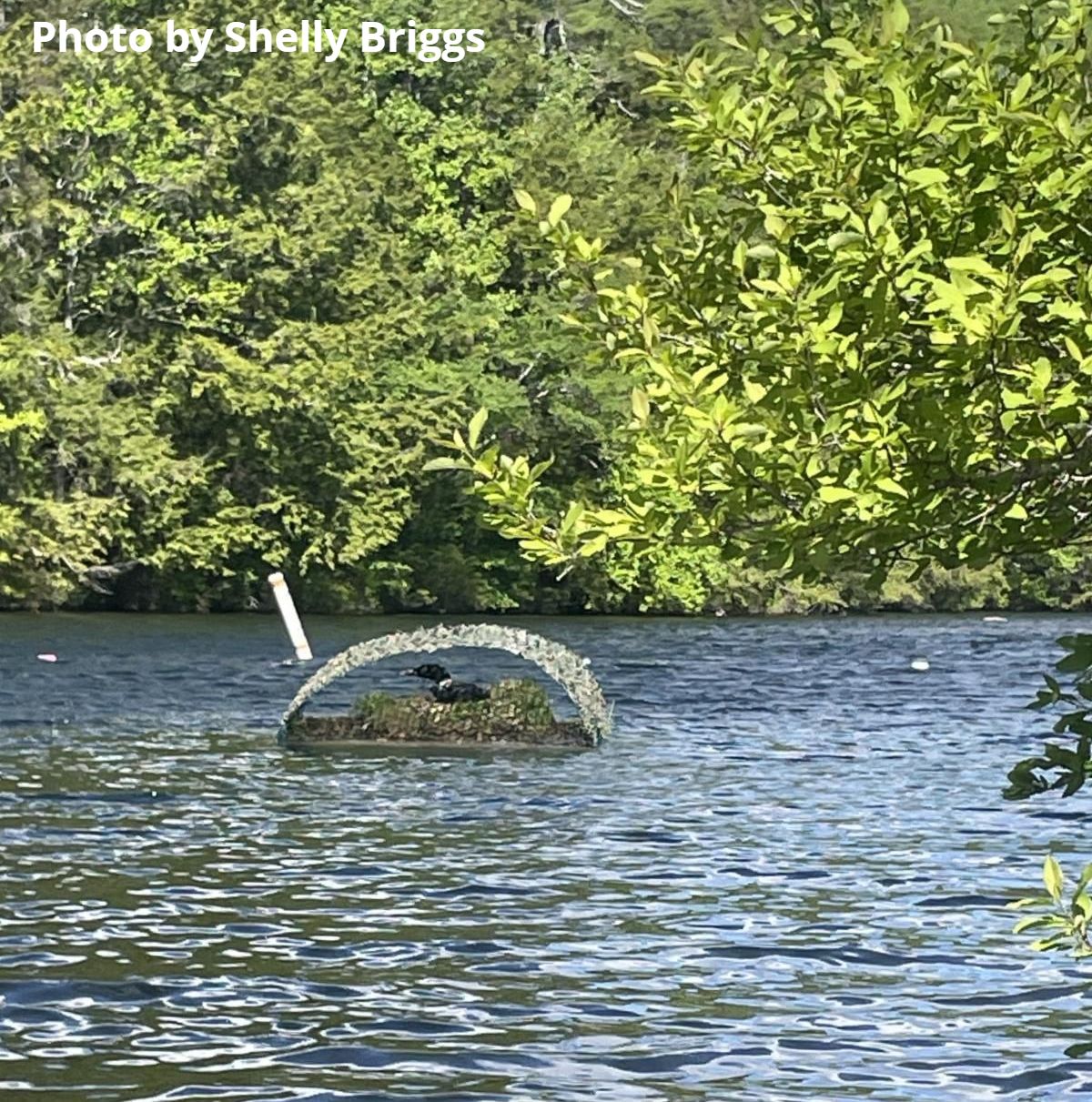
As of late May, one pair of loons has started nesting on Lake Sunapee! During a recent survey conducted by Loon Preservation Committee (LPC) Senior Biologist, John Cooley, and LPC Sunapee Region Field Biologist, Eli Lammi, along with LSPA Loon Committee member, Shelley Briggs, observed three other pairs on the lake. The peak of nest initiation in New Hampshire is usually the first week of June, so hopefully the three other pairs will start nesting soon. Both the male and female will take turns incubating the egg(s) for approximately 28 days, so we should start seeing chicks around the 4th week of June.
Please remember if you come across a loon on a nest or in the water, make sure to give it plenty of space (at least 150 feet or more).
| | | | Thank You to LSPA Members Who Make This Work Possible! | Renew Your Membership or Become a New Member! LSPA membership directly supports programs that protect the Lake Sunapee Watershed, including: | |
- Monitoring water quality throughout our watershed
- Preventing and controlling aquatic invasive species
- Building infrastructure to reduce stormwater runoff
- Providing free environmental education programs to schools, families, and professionals
- Supporting property owners in becoming responsible stewards
- Shaping environmental policy at the local and state levels
Click here to renew your membership or become a new member.
| | Join Our Community - Volunteer with LSPA! | | |
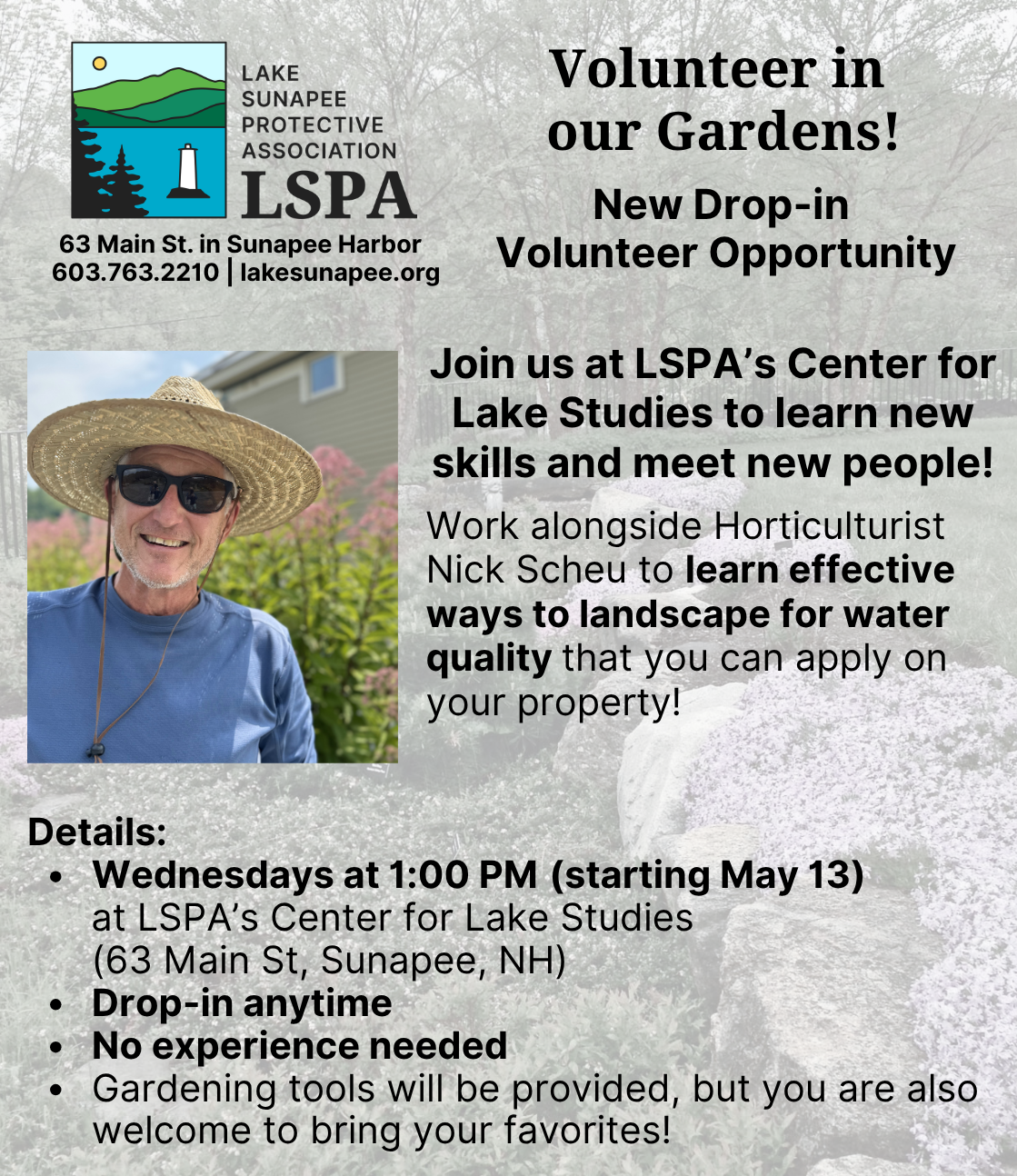
Interested in volunteering with LSPA? Join us! Volunteers are essential to LSPA’s work. From monitoring water quality to supporting hands-on education programs, your time and talents help protect the Lake Sunapee Watershed for future generations.
In addition to our usual volunteer needs, which include Invasive Watchers, Lake Hosts, Water Quality Monitors, and Center for Lake Studies Helpers, here are some current volunteer needs:
- Photography
- Water Quality Monitors
- Graphic design
- Event planning
- Gardening
- Education
- IT
- Video editing
- Website design
Fill out our volunteer interest form and join us!
| | | |
Send us your favorite pictures from around the watershed!
If you have photos from around the Lake Sunapee Region from all seasons that you would like to share, send them to photos@lakesunapee.org and please include your name in your email so we can give you photo credit.
| | | Please forward this to your friends and family. | |
|
Lake Sunapee Protective Association
Center for Lake Studies
Physical Address:
63 Main Street
Sunapee, NH 03782
Mailing Address:
PO Box 683, Sunapee, NH 03782
| | | | |