|
TLCI Friday Forum Series Highlights
Issue 4, June 2025
| | | |
Latino Men's Health Forums Launch Amid Federal Policy Changes
These are pivotal moments for Latino health. Federal research funding is in crisis and key equity terms are being erased from policy. Despite these challenges, The Latino Cancer Institute (TLCI) remains resilient. In this issue:
- Our virtual 2025 Latino Men's Health Forum Series
- The upcoming launch of our Cancer Resources Asset Map
- A new partnership with the Disability Rights Legal Center
- Policy changes threatening Latino health equity
Read our Founder’s thoughts on President Biden’s prostate cancer diagnosis.
| | Latino Men’s Health - Virtual Forum Series 2025 - Launches September 12, Hispanic Heritage Month | | |
Spotlighting Cancer, Addressing An Unanswered Burden
Latino men face high rates of late-stage cancer. This fall, TLCI hosts three virtual forums on increasing cancers affecting Latino men, including prostate, liver, colorectal, stomach and testicular cancers, while addressing the complex roles of genetics. biology, culture, economics, and yes, machismo.
Major Scientific, Health Care and Business Leaders Join Our Mission: We're pleased to announce that Dr. Eric Small, a global leader in cancer science, has joined our Honorary Men’s Forum Committee along with Silicon Valley based author, Frank Carbajal, Founder of Es Tiempo, LLC, and CEO Rafael Vaquerano, Gardner Health Services. Dr. Small, a distinguished prostate cancer specialist at UCSF, who was raised in Mexico, recognizes the critical importance of focusing on Latino men's cancer, the second leading cause of death in Latinos.
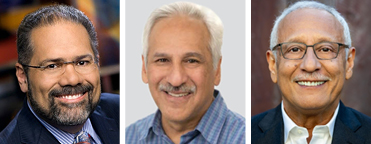
| | | From left to right, Ray Suarez, Marty Gonzalez, Tomas Almaguer | |
“Ask the Men”
First Virtual Forum | September 12
In a rare, candid conversation, three Latino cancer survivors address cultural silence as they share their journeys in a live conversation—from diagnosis to treatment to the dynamics of machismo in health behaviors!
| | |
“I hardly told anybody … I was really afraid … employers would stay clear.”
— Ray Suarez, Colon Cancer Survivor, journalist and podcast host
“A few seconds of uneasiness is a small price to pay when it could save your life.”
— Marty Gonzalez, Prostate Cancer Survivor, retired SF TV journalist
| | |
Save the Dates: September 12 | October 3 | October 24
🕘 9:00 AM – Noon PT (Virtual)
| | 📨 Share with your community and stay tuned for speaker announcements for October. | |
When Federal Policy Meets Community Reality
September 2025 is a pivotal moment for Latino men’s health advocacy. As we recognize Hispanic Heritage Month, we also confront threats—deep NIH budget cuts, an estimated $12 billion, per Reuters, June 9, the erasure of health equity language, and the defunding of disparities research.
| | |
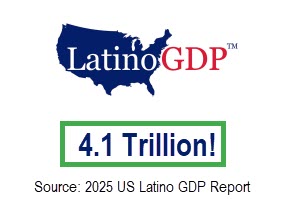
These policy shifts harm not only Latinos and underserved communities—they defy economic logic. If U.S. Latinos were a country, their $4.1 trillion GDP would rank fifth globally, UCLA Latino GDP Report, 2025.
Considering Latinos are a major economic driver for the US, addressing Latino health disparities is fiscally sound.
| | | |
💡 Why It Matters: The Stats Behind Our Mission
- Cancer is the second leading cause of death for Latino men.
- Each year, 13,000 are diagnosed with prostate cancer, but only 28% over age 50 get screened (ACS 2024–2026).
- Cancer deaths cost the Hispanic community $8.8 billion annually (ACS CAN, 2022).
| | |
URGENT: Policy Changes Threaten Cancer Research and Latino Health Equity
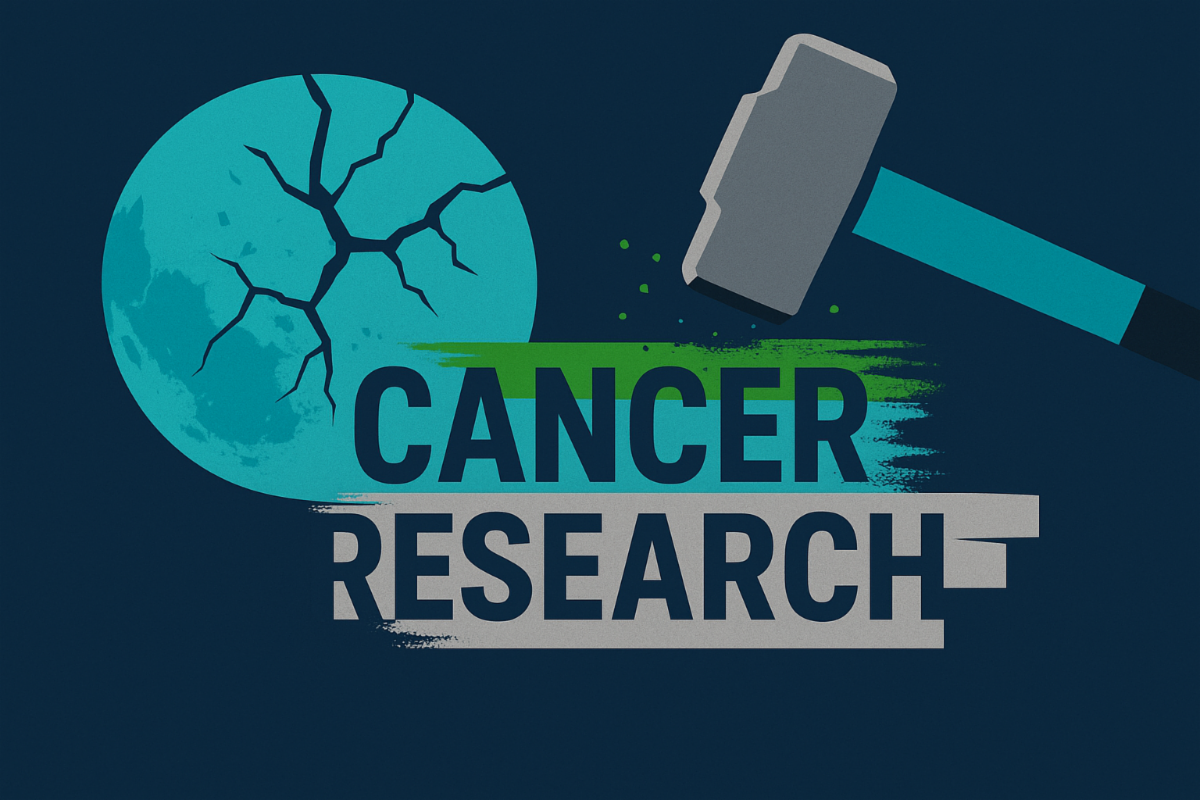
Early this year, major policy shifts shook the cancer research world—threatening to undo years of hard-fought progress in tackling health disparities that hit Latino communities hardest.
| | | | |
The Scale of the Crisis
A Senate committee report found that the Trump administration slashed $2.7 billion from NIH research funding in just the first three months of 2025. Cancer research took a 31% hit compared to this time last year—putting former President Joe Biden's Cancer Moonshot’s bold goals, to reduce cancer deaths by 50% in 25 years, at serious risk. While science is making cancer more treatable for some, too many Latinos still face barriers to timely diagnosis and quality care. Meanwhile, more young people are being diagnosed with cancer.
| |
Devastating Impact on Latino Health Research
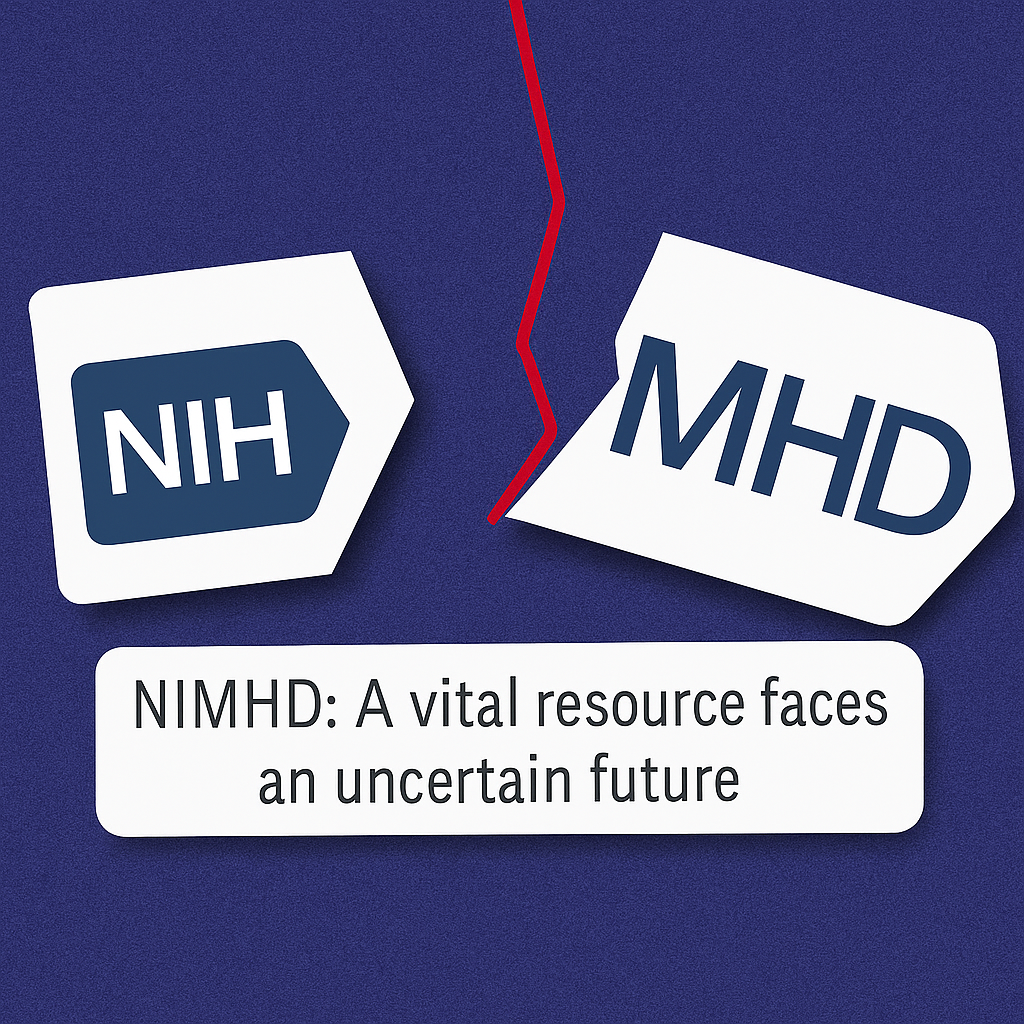
The National Institute on Minority Health and Health Disparities (NIMHD) was hit hardest, losing nearly $224 million—a staggering 30% of its total funding. That’s "tenfold higher than the average cut."
This is devastating, especially with nearly 4 million Latino cancer survivors expected by 2030. Latinos already face significant barriers including lower insurance coverage, reduced access to cutting-edge treatments, and higher mortality rates for certain cancers.
| | | |
Real Consequences for Patients
Anjee Davis, CEO of Fight Colorectal Cancer, told CBS News that one of their members with stage IV colorectal cancer had just qualified for a last-chance clinical trial, but the trial was canceled overnight when NIH funding disappeared.
The Elimination of Health Equity Research
The proposed 2026 budget goes even further, proposing to eliminate the National Institute on Minority Health and Health Disparities (NIMHD) completely. This would wipe out multi-millions of dollars in federal research involving cancer disparities in Latino and other vulnerable populations—research that organizations like TLCI depend on to understand and address health inequities. Late breaking news reported from a news organization, The Hill, on Monday afternoon, June 16th - A U.S. federal district judge ruled "unlawful and void," the actions of the federal government in targeting and cancelling grants connected to gender ideology, as well as, diversity, equity and inclusion. Judge William Young, a Reagan appointee, order the funds restored. It's more than likely the Trump administration will appeal.
| | The Latino Cancer Institute remains committed to our mission of advancing cancer care equity, but we can’t do this alone. Donate Now! We need to raise our voices and continue advocating for research that reflects the realities and the rights of the Latino community, cancer patients and survivors. | | |
The Disappearing Words: When Language Becomes a Casualty
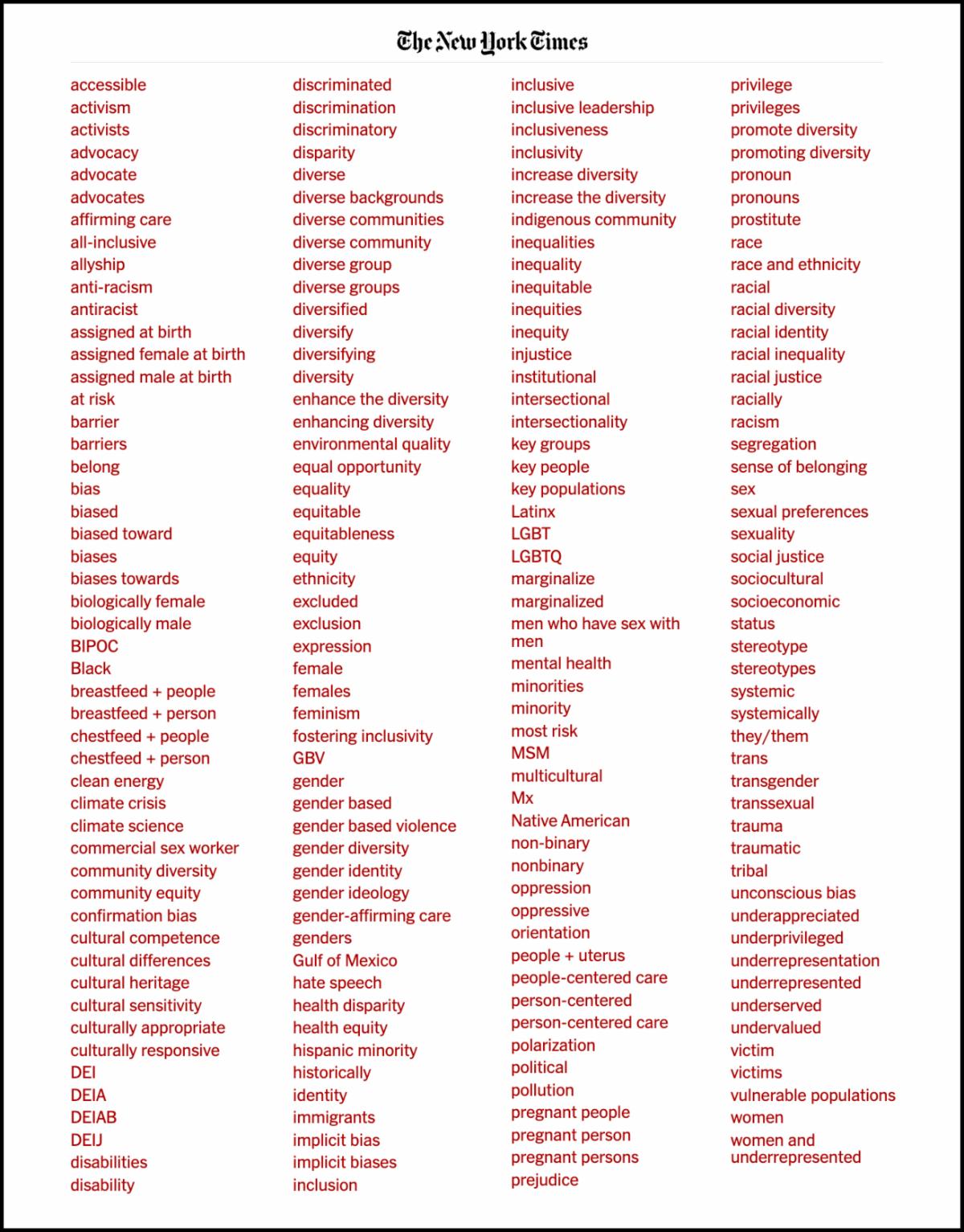
Beyond the dramatic budget cuts, another troubling executive action emerged: the systematic removal of key terms from federal websites and documents that are essential for identifying, discussing and addressing health inequities affecting Latino and other impacted racial and ethnic communities.
| | |
The Scope of Linguistic Erasure
The Trump administration has flagged 197 words that federal agencies should limit or avoid, including "disparities," "equity," "inclusion," "underserved,” “advocacy,” “women,” “cultural heritage,” “climate crisis,” and “Latinx." According to an interactive analysis by The New York Times, these changes have swept across federal health agencies and have disrupted funding for disparities researchers.
| | | | |
Research Under Review
The National Institutes of Health and Veterans Affairs are now actively scouring existing grants for flagged terminology. Research projects that mention Latino health disparities, cancer equity, or maternal mortality differences by race are being targeted for review or termination.
Why Words Matter for Latino Health
How can researchers study why Latino women have different cervical cancer outcomes if they cannot use the word "disparities"? How can clinicians address lower screening rates in Latino communities if "equity" or “barriers,” becomes forbidden terminology?
When we cannot name the problem, we cannot solve it. For Latino families facing cancer, this linguistic erasure may translate into real barriers to accessing culturally competent care and community-specific research.
| | |
Strengthening Community Resources
Now more than ever, we need to strengthen coalitions, forge new partnerships and amplify our efforts to make cancer support easier to find for vulnerable communities.
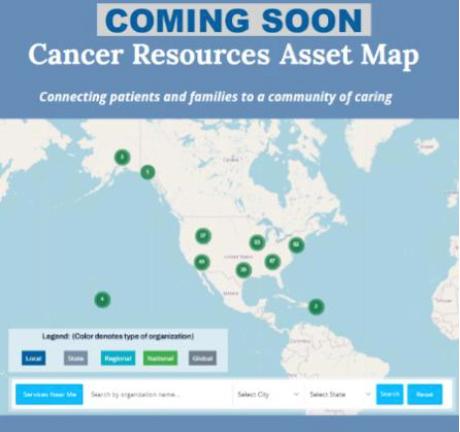
Our virtual Cancer Resources Asset Map reflects that unwavering support—offering pathways to care, connection, and hope for Latino families, so no one faces cancer alone, no matter what happens in Washington.
| | |
Launching this fall, our Cancer Resources Asset Map, hosted on the TLCI website, will connect patients with over 300 organizations with special emphasis on Spanish-language support resources. Organizations can apply to be On The Map!
It will be available in both English and Spanish for use by everyone:
· Patients and families
· Community health workers and promotores
· Clinics and community-based organizations (CBOs)
· Social workers
· Comprehensive Cancer Center Navigators
Testing begins in the summer. We’ll preview at our 2025 Fall Forum!
| | | | |
Growing Partnerships
We’re excited to announce a new collaboration with the Disability Rights Legal Center (DRLC) to champion the rights of those impacted by both cancer and disability. Through its Cancer Justice program, DRLC recognizes cancer as a disability and offers free legal support—helping individuals secure accommodations, navigate insurance and employment challenges, and understand their rights.
This partnership will be highlighted on October 11, 2025, when Ysabel Duron, TLCI founder and longtime cancer equity advocate, is honored at DRLC’s 50th Anniversary FDR Gala.
| | | | |
Bag It Cancer empowers patients and caregivers with trusted tools to navigate diagnosis, treatment, and survivorship—through their signature Bag It Bags and an online Cancer Resource Center.
Facing Our Risk of Cancer Empowered (FORCE) supports individuals and families affected by hereditary cancer with vital resources on genetic testing, risk reduction, and community support.
| | TLCI Engagements: May Highlights | |
|
ACS NCBRT Engagement Day
TLCI joined the American Cancer Society’s National Breast Cancer Roundtable Engagement Day to help advance equity in cancer research and policy. Our presence ensures Latino voices stay at the forefront of national cancer initiatives.
| | | | |
| | |
ISPOR–The Professional Society for Health Economics and Outcomes Research
TLCI founder Ysabel Duron spoke on a panel at the ISPOR 2025 conference in Montreal, CAN, focusing on equity in health economics and outcomes research (HEOR). She highlighted the importance of community-centered frameworks, trust-building, and valuing lived experience. Ysabel called on researchers to see community advocates as partners—and policymakers to invest in community agencies as bridges to care.
| | | |
|
Get Involved: Ways to Make an Impact Today
When federal research fails our communities, we need to step up.
We welcome your feedback, thoughts, and suggestions for this exciting work. To share your story or learn more about getting involved, email us at: contactUs@latinocancerinstitute.org.
| | | | | | |
Moving Forward Together
Thank you for joining us as The Latino Cancer Institute advances Latino health equity. We depend on your support to continue driving impactful conversations and initiatives that address health disparities and improve lives.
| | | | |