1946 at-a- Glance
It was the first year of peace after World War II, but global stability still remained elusive. Tensions between East and West gave rise to the Cold War.
· January: The first General Assembly of the United Nations opened in London, with delegates from 51 nations. The U.N. adopted its first resolution: the elimination of nuclear weapons and the of international control over atomic energy.
· February: Diplomat George F. Kennan sent the now-famous "Long Telegram" from Moscow, warning of Soviet expansionism and urging a policy of containment— a key moment in the emerging Cold War.
· March: Winston Churchill delivered his “Iron Curtain” speech at Westminster College in Fulton, Missouri, declaring that an iron curtain had descended across Europe. The speech is widely seen as the formal beginning of the Cold War.
· April: The League of Nations dissolved in Geneva, with its remaining functions, assets, and staff transferred to the United Nations. The League had existed since 1920, but failed to prevent the outbreak of World War II.
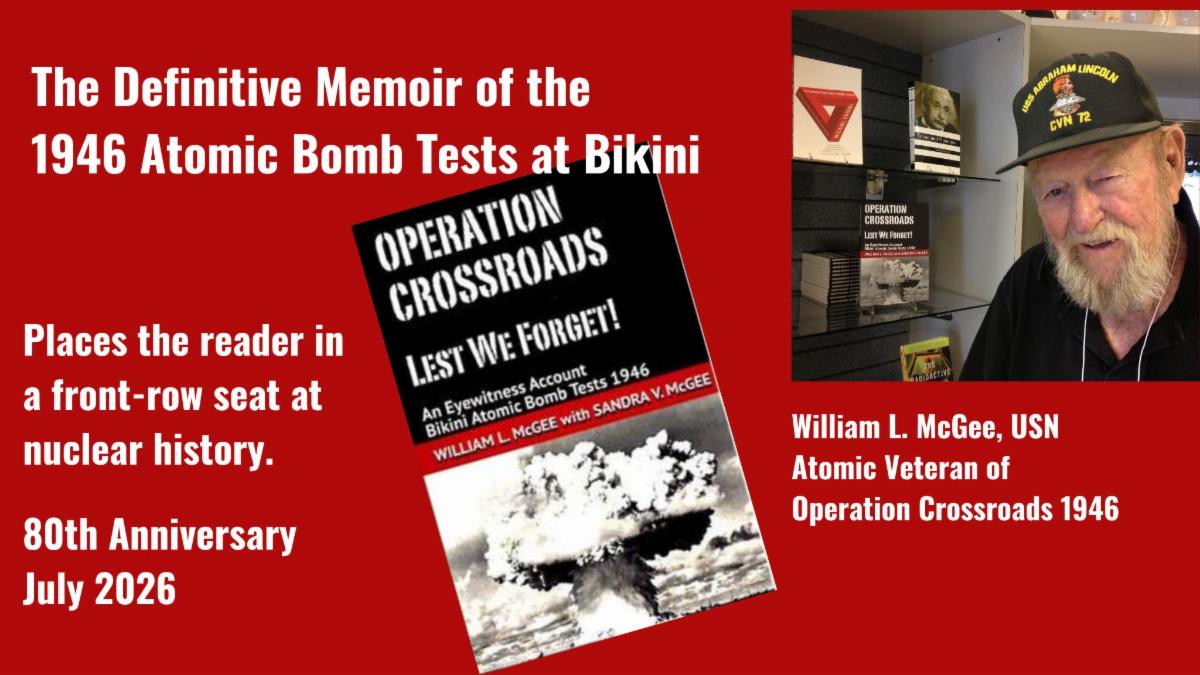
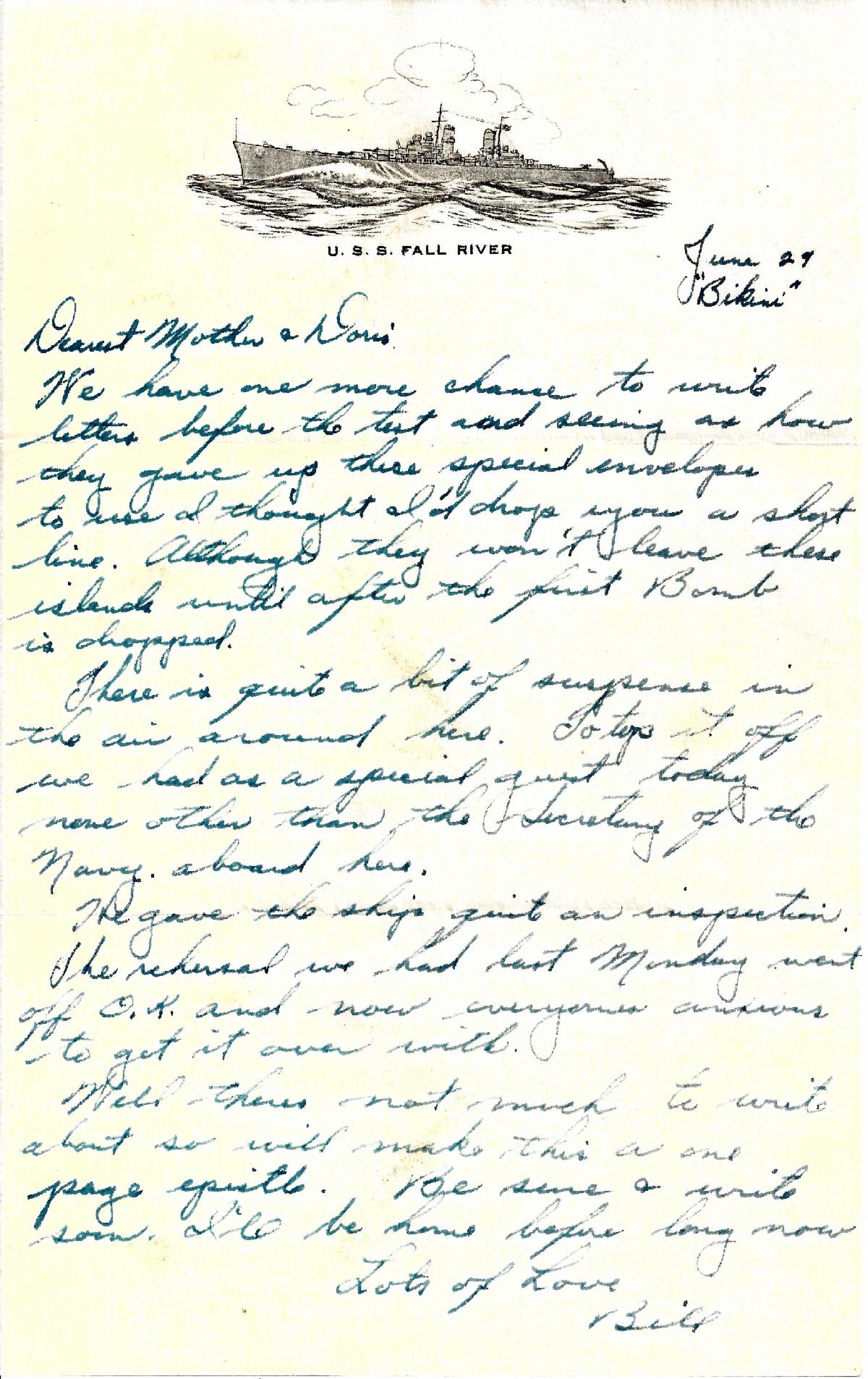
· July: The United States conducted its first peacetime atomic bomb tests at Bikini Atoll code-named Operation Crossroads. This marked a new phase in nuclear weapons development.
· August: The United States Atomic Energy Act was signed into law by President Truman, transferring control of nuclear energy from the military to a newly formed civilian Atomic Energy Commission. Commission.
· The first “Baby Boomers” were born
· Earl Tupper invented Tupperware
· Benjamin Spock’s Common Sense Book of Baby and Child Care was published
· Cost of a first-class stamp, $.03; a loaf of bread, $.10; a gallon of gas, $.21
· Life expectancy: 66.7 years
– From Operation Crossroads, Lest We Forget! An Eyewitness Account
|