|
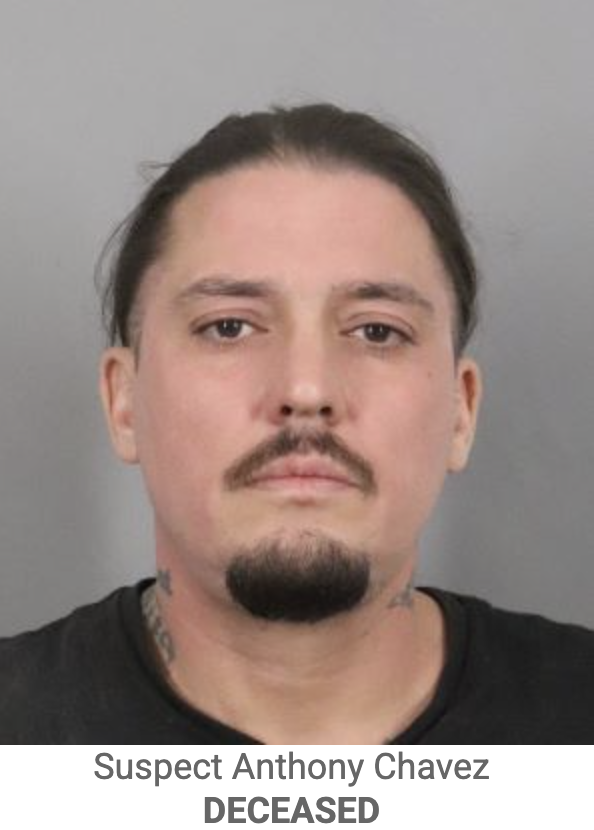
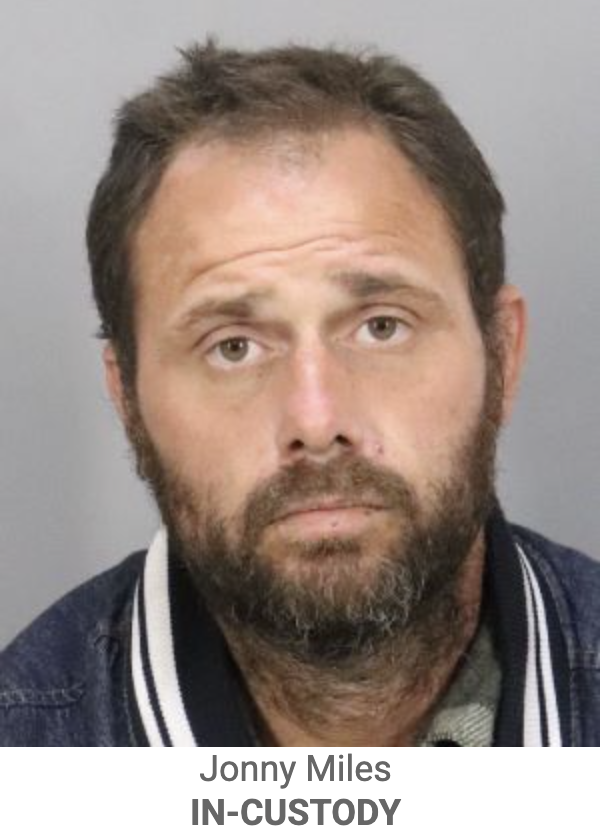
Both had criminal histories. Both committed crime sprees. And if it were up to me, both would have still been behind bars or would have had to meet a much higher bar for proving that they were committed to change before being released.
One shot SJPD Sergeant Matt Walsh — who is thankfully still alive. A criminal history check revealed multiple convictions for a variety of violent crimes including robbery, assault with a deadly weapon, auto theft, narcotics and much more.
The other committed over 50 burglaries in the last 6 years. He was arrested in 2020 for 15 counts of theft, served two years, was released, re-arrested in 2023 for 21 counts, re-released in 2026, before we caught him red-handed once again.
Catch, release, catch again, re-release. It’s an endless cycle.
Some of the suspects our police officers encounter have created a life pattern around committing crime. And they become our most dangerous. We’ve had two officers shot this year in San José, and both suspects, including Anthony Chavez, had a long rap sheet.
It’s cases like these where I have to ask myself, often when I’m at the hospital surrounded by the family of the injured officer, what is our mechanism for ensuring that rehabilitation occurs?
How can judges see a criminal history like the ones associated with the suspects above and keep releasing them even when they violate the terms of their release?
How do we balance freedom and the potential for personal growth with our need for safety?
Prop 36’s new “treatment mandated felony” is one answer (if Sacramento would fund its implementation). But not everyone commits crime because they have a severe addiction.
Often, mental health issues play a big role. That’s why I’ve been advocating so hard to strengthen our mental health system in California. To rebuild the system we tore down in a way that offers the help people need, and holds them accountable for accepting it.
But I’ve also started to spend more time following the decisions our judges make. In some cases, we’ve sent interns to court to monitor and report back. And I have to say — some of our judges aren’t striking the balance that I think the community would expect.
But the great thing is, we have the power to change that. Often, only one person runs for judge in each election. We need to demand better and we need to pay attention. The decision we make in the voting booth leads to real world results in our communities. And I for one will be paying attention this November and beyond — for the good of our officers, our residents, and our entire city.
And beyond that, my team and I will be doing even more to shine a spotlight on breakdowns in our criminal justice and behavioral health systems, and advocate for specific changes. To start, we’re taking a group of city and county leaders to San Diego next month to see what’s working in a county that has used Prop 36 to compel more repeat offenders into treatment. We’ll also spend more time looking at how we can improve our carceral system to better rehabilitate and reintegrate those who serve time for crimes committed.
I’m not satisfied with the status quo, and I know you aren’t either — but together we can demand more and move our various levels of government toward better solutions.
|