|
Data centers are expanding rapidly, and communities across California — including San José — are raising concerns.
These facilities power the data processing behind many of the services we use every day: smartphones, navigation, banking, telehealth, productivity tools at work, video streaming, search, chat and so much more. As the Capital of Silicon Valley, San José is part of the national conversation about where this infrastructure goes and how it is built.
The question is not whether our economy increasingly relies on data storage and processing infrastructure. It does. The question is whether we accept growth at any cost — or set clear rules to ensure that economic growth benefits the public. We’re right to raise concerns when we see rapid change and hear stories of environmental damage and quality of life impacts.
Many of the most alarming stories about data centers come from states with weaker environmental rules, dirtier electrical grids or fewer local protections.
In San José, data center projects already undergo environmental review processes that include detailed assessment of air quality, greenhouse gas emissions, water use, noise, hazardous materials and energy demand. Through San José Clean Energy, they can receive between 62% and 100% carbon-neutral electricity, and regardless of their provider, they must meet California’s nation-leading renewable energy requirements. Backup generators are also subject to regional air-quality rules limiting their use primarily to outages, testing, and maintenance.
California regulators are also developing protections that would require large new customers to pay upfront for most of the electrical infrastructure needed to connect their projects, helping ensure existing ratepayers are not left footing the bill. I think most of us would agree that companies should pay the full cost of any grid upgrades required to facilitate their growth.
Those protections put us ahead of much of the country, but they are not enough.
Residents should not have to navigate technical documents project by project to understand what standards apply. Developers should not receive different answers depending on when or where they apply. And City leaders should not wait for problems to emerge before defining responsible development.
That is why, in late May, I joined Councilmembers David Cohen, Domingo Candelas, and Peter Ortiz in proposing a citywide framework for data centers. On June 10, the City’s Rules Committee adopted our direction to develop uniform standards and best practices, and we expect the administration to return with recommendations this fall.
This work will address the concerns residents raise most often: energy demand and sourcing; water use and efficient cooling; air quality and backup generators; greenhouse gas emissions, noise and water quality; and clear, consistent community notification before decisions are made.
We are also supporting Senator Steve Padilla’s SB 887, which would require qualifying data centers to pay their full interconnection and grid costs, use recycled water or efficient cooling, meet clean-energy requirements, and enter into enforceable community-benefit agreements.
Data centers can bring real benefits. They generate stable Utility User Tax revenue for the City’s General Fund. A 50- to 99-megawatt facility, once fully operational, should generate between $3 and $6 million annually for public safety (police officers and firefighters), parks, libraries, roads, and neighborhood services. Moreover, if rates are priced properly, each new GW of data center load on the grid will translate into a 1% lower cost per kilowatt hour for all ratepayers because it spreads the cost of maintaining the entire grid across more users.
But revenue cannot be a permission slip to ignore quality of life or harm the environment. A project that creates economic value while shifting environmental or other costs to nearby families is not a good deal.
Our goal is to build on our existing protections by codifying existing requirements in one place and addressing any remaining gaps before the industry expands further: protect ratepayers, reduce potable water use, demand cleaner power, minimize pollution and noise, and maintain nearby communities' right to weigh in with a meaningful voice. In fact, we can go even farther — I believe that new investments should make our overall grid cleaner and more reliable, and expand our advanced water purification facility and purple pipe network. These projects can and should be leveraged to upgrade our energy and water systems for everyone.
In the coming weeks, the City will host listening sessions and working groups before draft standards return for public review. We want residents, environmental advocates, labor, utilities, neighborhood leaders and industry experts to help shape the policy.
Please watch for updates about opportunities to participate from the City. Tell us what protections should be mandatory, how residents should be notified, what information should be public and what benefits host communities should receive.
San José can remain a city where innovation happens without asking our neighborhoods to absorb an unfair share of the cost. Getting that balance right will require clear standards, public accountability and your participation.
| |
|
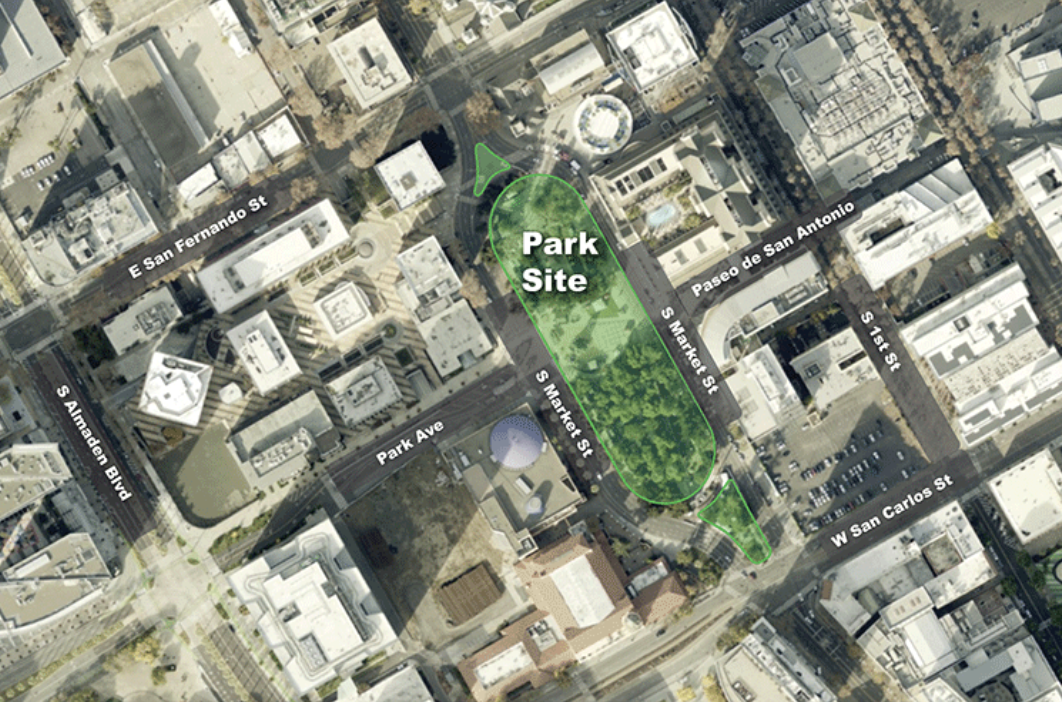
San José, help choose a new name for our downtown plaza.
After receiving nearly 600 community suggestions, the City has narrowed the list to five finalists. Rank your choices before midnight on August 3 by taking the following survey.
| |
We initiated this community-led process precisely because we did not want City Hall to dictate the outcome. Instead, the residents who use this public space every day should help decide its future.
Whether you come for the ping-pong tables, to catch a show at San José Jazz Summer Fest or make holiday memories at Christmas in the Park, help us write the next chapter of this park’s story.
| | |
California’s approach to homelessness should not be one-size-fits-all.
The State’s current overarching approach is called “Housing First,” which focuses on connecting people with stable and affordable housing first, with the understanding that addressing other, more complicated challenges – from job loss to health issues – is incredibly difficult while living on the streets. This approach is generally sensible, but where it can fall short for many individuals is what happens after coming indoors.
Specifically, a subset of people who receive subsidized housing fail to make further progress in their personal journey – and far too often, return to the streets or even die of overdose – due to deep, untreated addiction. In standard affordable and permanent supportive housing environments, working toward sobriety is not a requirement and sometimes not even an explicit goal. But research shows that people who enroll in dedicated sober-living environments (also known as “recovery housing”), where achieving sobriety is core to the community’s values and residents can ultimately be asked to leave if they don’t adhere to program guidelines, are significantly more likely to overcome their addiction.
Sadly, California currently prohibits state dollars from being spent to operate dedicated sober-living environments. This is a mistake. Sober-living environments should not be the only option for people struggling to turn their lives around, but they should always be an option given the better outcomes they often achieve.
I appreciate the fact that addiction is a complex and chronic brain disease. I have a family member who literally ended up on the streets due to addiction. So I agree with Sacramento that a person should not be returned to the streets simply because they are failing to achieve sobriety. We need safe, indoor places for everyone, sober or not.
But it is a big mistake to not invest heavily in shelter and housing solutions that help higher rates of individuals become sober, find a sense of purpose and community, and graduate to greater levels of self-sufficiency. Despite what some of the more extreme advocates may say, we shouldn’t be afraid to make a value judgement on this point – those who suffer from severe addiction are better off achieving sobriety, and achieving that sobriety requires accountability.
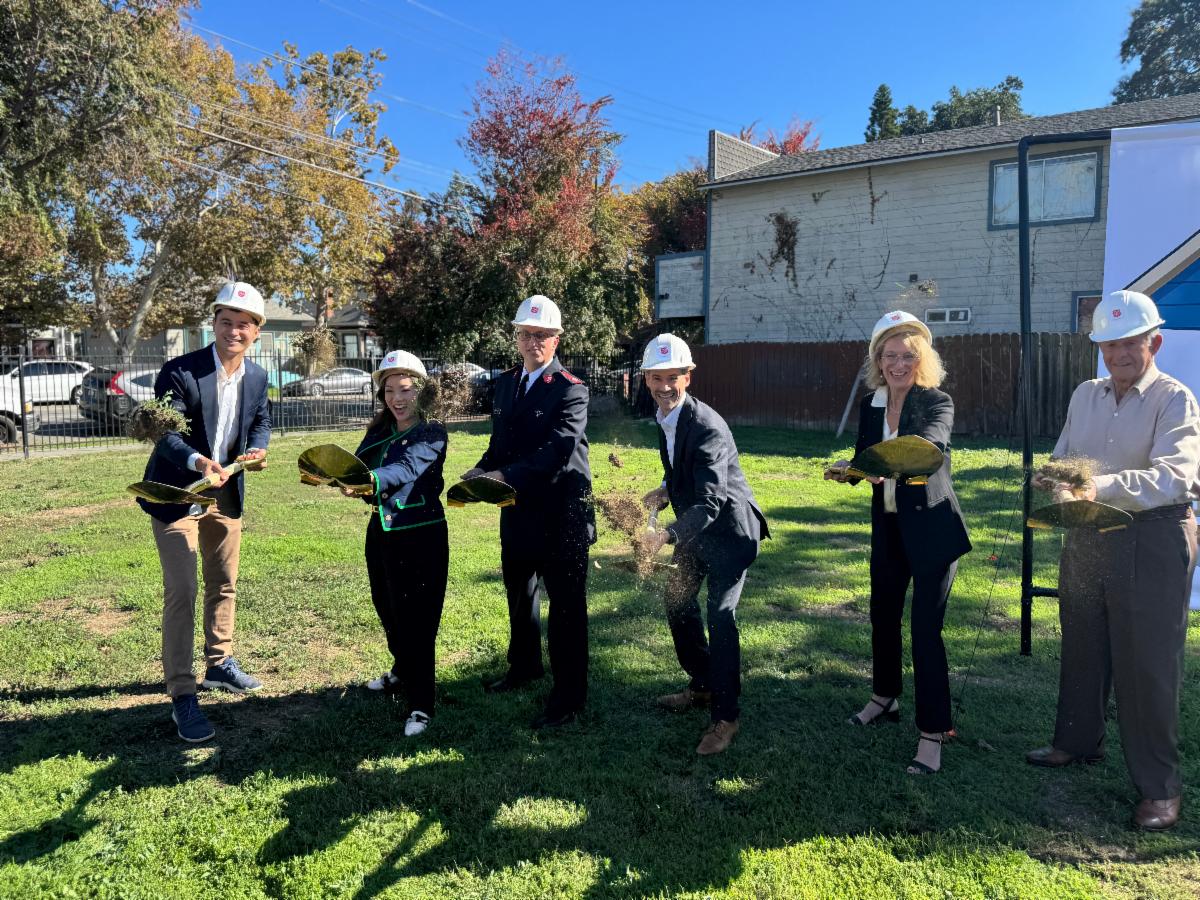
Fortunately, San Francisco Assemblymember Matt Haney, who has seen first-hand the devastating impact of increasingly powerful drugs like meth and fentanyl, has authored AB 1556, which would allow “recovery housing” to qualify for state funding. Programs would need to provide peer support, overdose-prevention training, access to overdose-reversal medication, and a clear plan for helping residents after a relapse rather than automatically putting them back on the street.
| |
This is not about replacing Housing First. It is about giving people more than one path out of homelessness.
AB 1556 passed the Assembly unanimously and is now moving through the State Senate. If you believe recovery housing should be part of California’s response to homelessness, please contact your state representatives and ask them to support AB 1556.
Find your representatives here: https://findyourrep.legislature.ca.gov/
| | |
The World Cup is over, and Spain has been crowned champion. But here in San José, the impact of the tournament will last well beyond the final whistle.
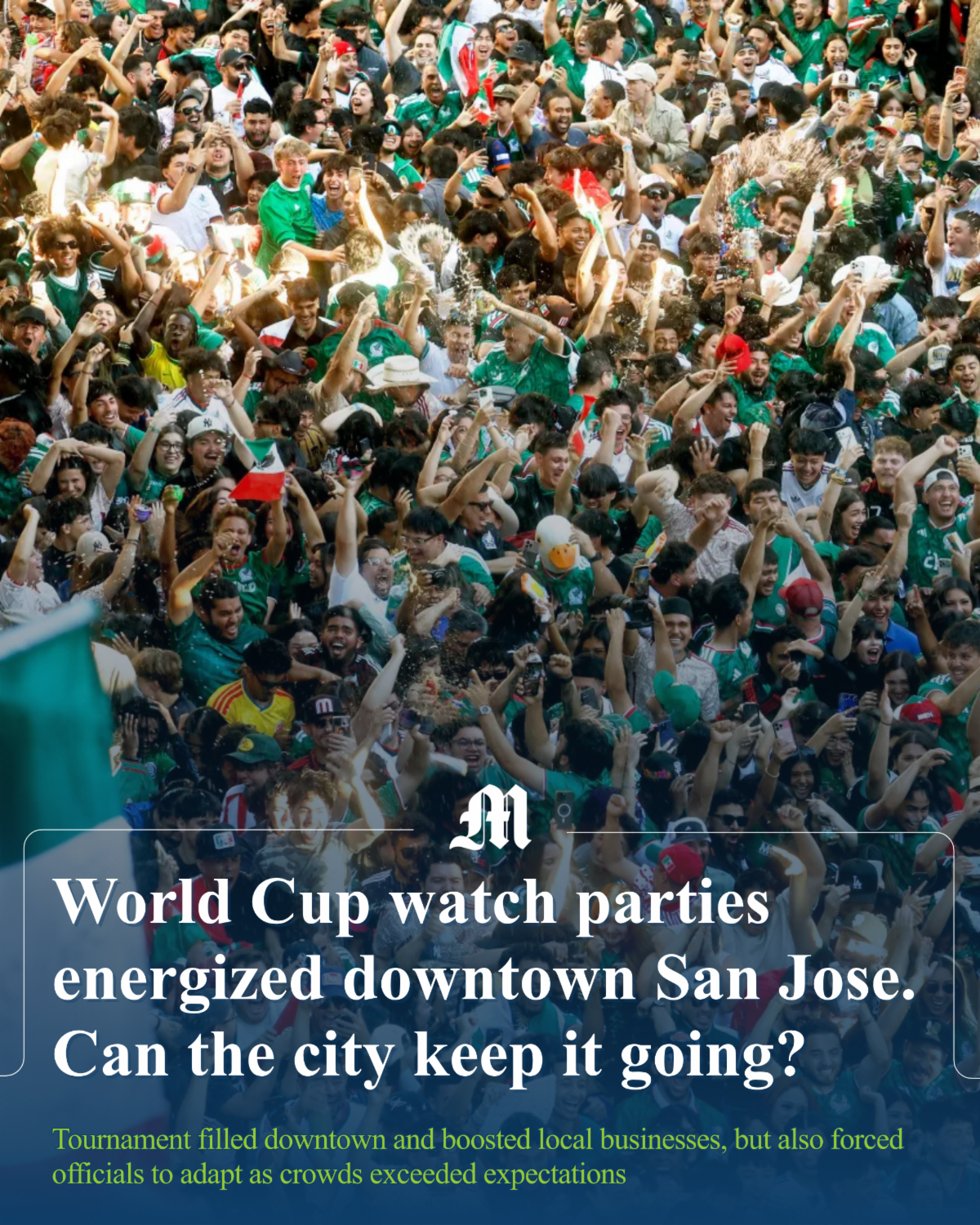
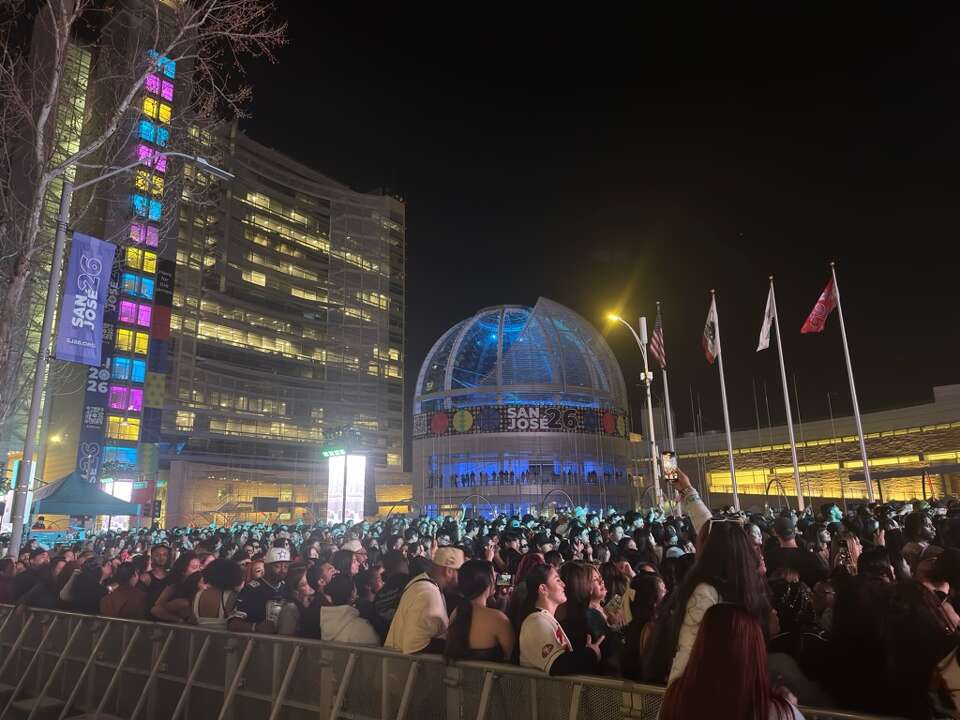
For six weeks, the energy downtown was electric. San Pedro Square became our region’s soccer celebration hub, welcoming one million cumulative visits over 39 days of watch parties, family activities and community celebrations—nearly three times our initial estimate of 350,000.
| |
That success did not happen by chance. We began laying the groundwork two years ago, including hiring a director of sports and special events to work hand-in-hand with the San Jose Sports Authority to prepare San José for a landmark year in which our region would host both the Super Bowl and the World Cup.
Together, we created SJ26, a unified brand designed to make these events feel like one cohesive San José experience rather than a series of disconnected games and activities. Through the SJ26 app, residents and visitors found watch parties, concerts and events, along with guidance on parking, transit and navigating the city. The experience began with online marketing, led visitors to the airport, and then continued through SJ26 branding on bus stops, parking meters, wayfinding materials and even City Hall itself. And all of it was made possible by early investments from the City, VTA, and SJ26’s corporate sponsors, including DevCon, EBay, Adobe, CasinoMatrix, Google and others.
| Photo Courtesy of Todd Inoue/Special to the San Francisco Chronicle | |
And the impact extended well beyond San Pedro Square. More than 500,000 passengers traveled through San José Mineta International Airport during the tournament, including players from nine national teams, FIFA officials and international dignitaries. The airport coordinated 21 official team arrivals and departures and handled its busiest departure day of the year following the United States match at Levi’s Stadium.
Our hotels also saw significant gains. From June 12 through July 11, occupancy increased 9% compared with the previous year, average daily room rates rose 17% and revenue per available room increased 28%. On match days, hotel revenue per available room climbed more than 42%, with even larger gains as the United States advanced to the knockout stage.
Restaurants, bars, retailers and other small businesses benefited from packed sidewalks and a steady stream of fans. This was the result of unprecedented coordination among City departments, public safety teams, the San Jose Earthquakes, the San Jose Sports Authority, Team San José, corporate sponsors, community partners and countless volunteers.
Now we have an opportunity to build on that momentum.
The World Cup comes only once every four years, but we should not have to wait four years to bring San Pedro Square—or our other entertainment districts—to life again. The CrossFit Games are already underway, Slam José! will bring a free basketball festival downtown in September, and the Rock ‘n’ Roll San José Half Marathon returns in October. They join a growing sports community that includes the Earthquakes, Sharks, Bay FC and San José’s new professional women’s hockey team, which has yet to be officially named.
We have built the partnerships, proven the model and shown that downtown San José can be the place our entire region comes together to celebrate.
The World Cup may be over, but San José’s momentum is just beginning.
| | |
Levitt Show Sunday Concert
TODAY, Sunday, July 26th
St. James Park, N 2nd St &, E St James St, San Jose, CA 95112
Kev Choice Ensemble is more than just a band, they're a high energy visionary perfect for fans of hip-hop, jazz, classical, and soul. Don’t miss out, find more information on the ensemble and their performance here.
Italian Family Festa 2026
Ending TODAY, July 26th
History San Jose, 635 Phelan Avenue, San Jose CA 95112
San Jose’s Italian Family Festa celebrates culture, food, music & community! This summer event is hosted by the Italian American Heritage Foundation and wraps up TODAY at History Park San Jose. Stop by for some delicious food and a great time — get all the details here.
How to Train Your Dragon — Movie Night in the Park
Saturday, August 1st
Joseph D. Grant County Park, 18405 Mt. Hamilton Road, San Jose, CA 95140
Catch How to Train Your Dragon under the stars at Joseph D. Grant Park on August 1st. Free admission, just bring a blanket and your love for dragons! Find more information here.
San Jose Jazz Summer Fest
August 7th through August 9th
San Jose Plaza, 194 South Market Street, San Jose, CA 95113
Jazz, soul, funk, Latin energy and pure showmanship. San Jose Jazz Summer Fest is back with a lineup packed with jazz and R&B legends. Get all the details and grab your tickets here.
365 Night Market
August 28th & August 29th, 4:00 PM to 10:00 PM
Grand Century Mall, 1001 Story Road, San Jose, CA 95122
Join 365 Night Market on August 28-29 at Grand Century Mall, San Jose for a weekend filled with dance and music performances, raffle giveaways, shopping, and delicious street food! Grab your tickets here.
Silicon Valley PRIDE
August 29th to August 30th
History San Jose, 635 Phelan Avenue, San Jose CA 95112
Celebrate love, diversity, and community at the Silicon Valley PRIDE Festival & Parade on August 29–30! This year's theme, "Flourish & Bloom," honors the strength, resilience, and vibrant spirit of the LGBTQ+ community as we continue to grow, thrive, and uplift one another. Learn more here.
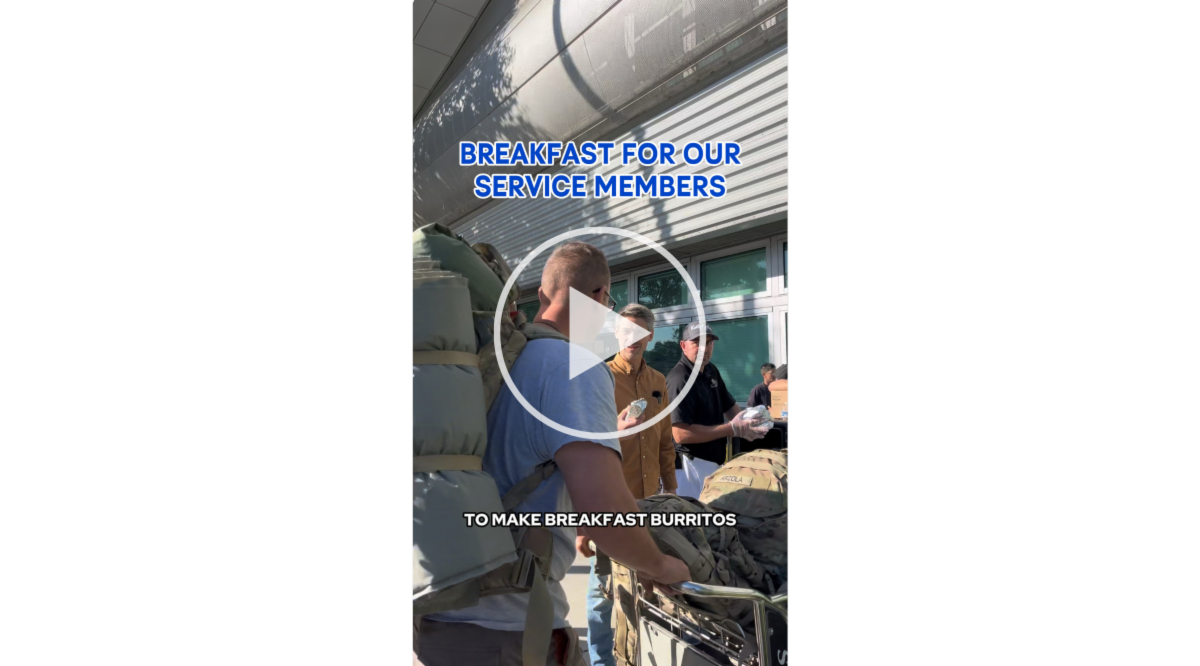
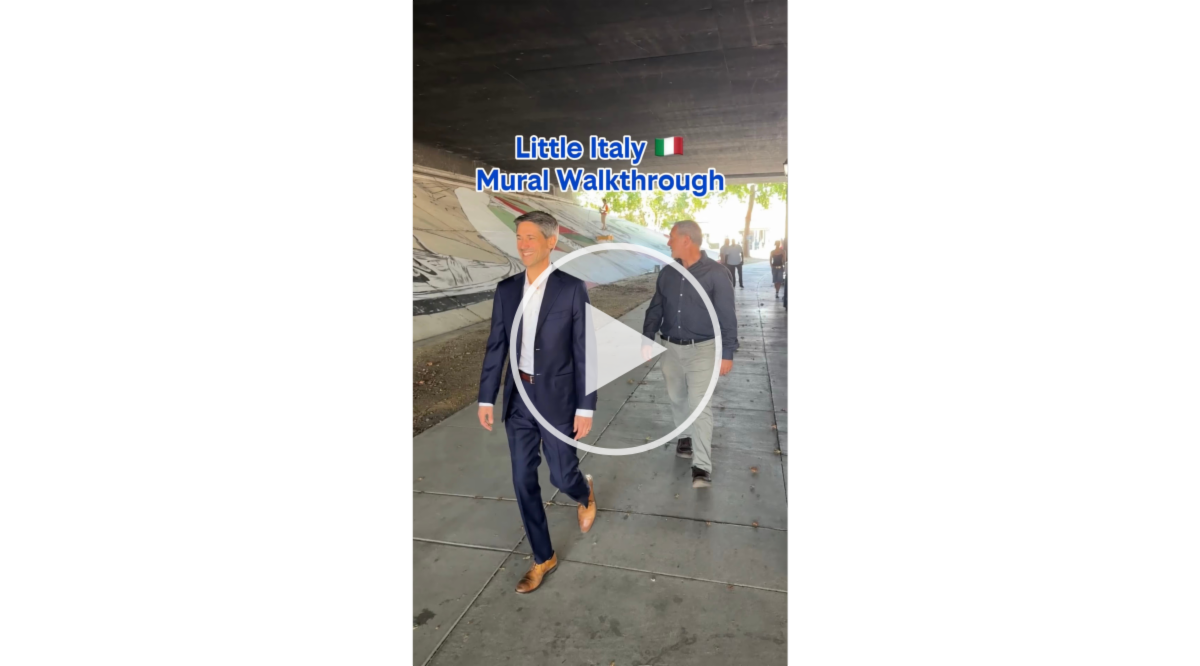
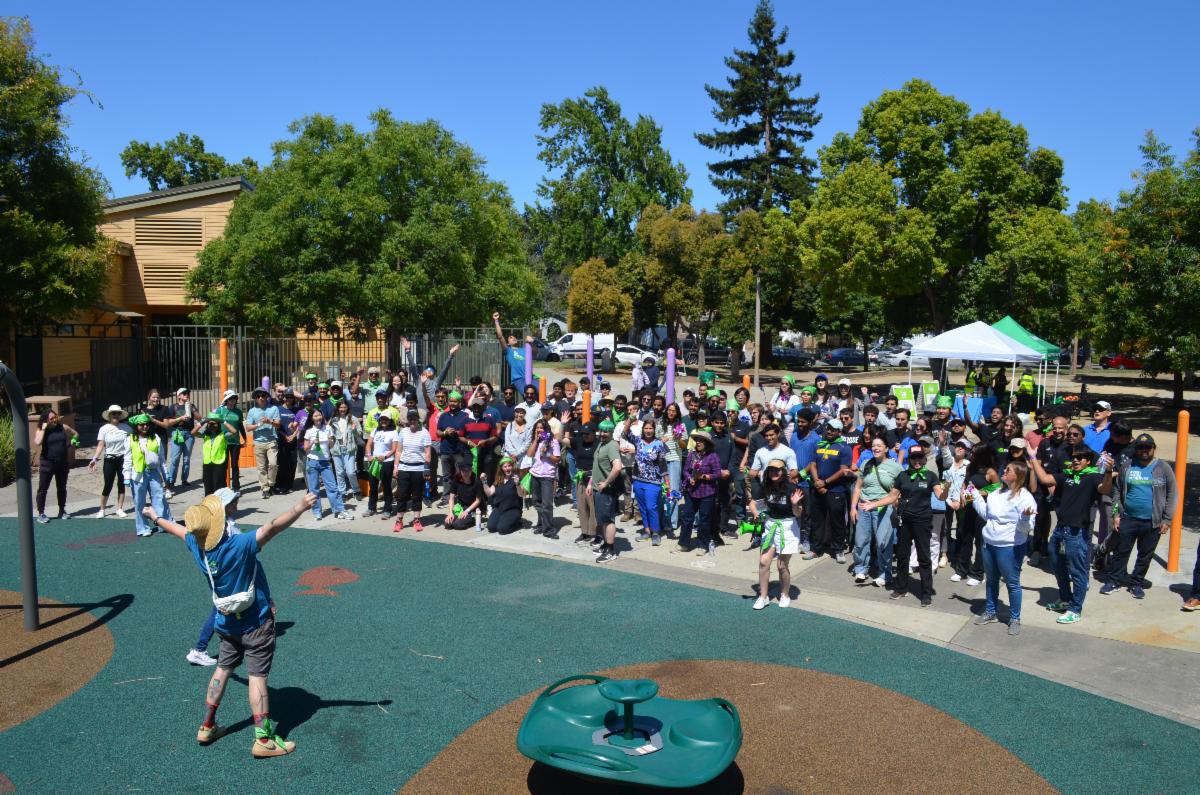
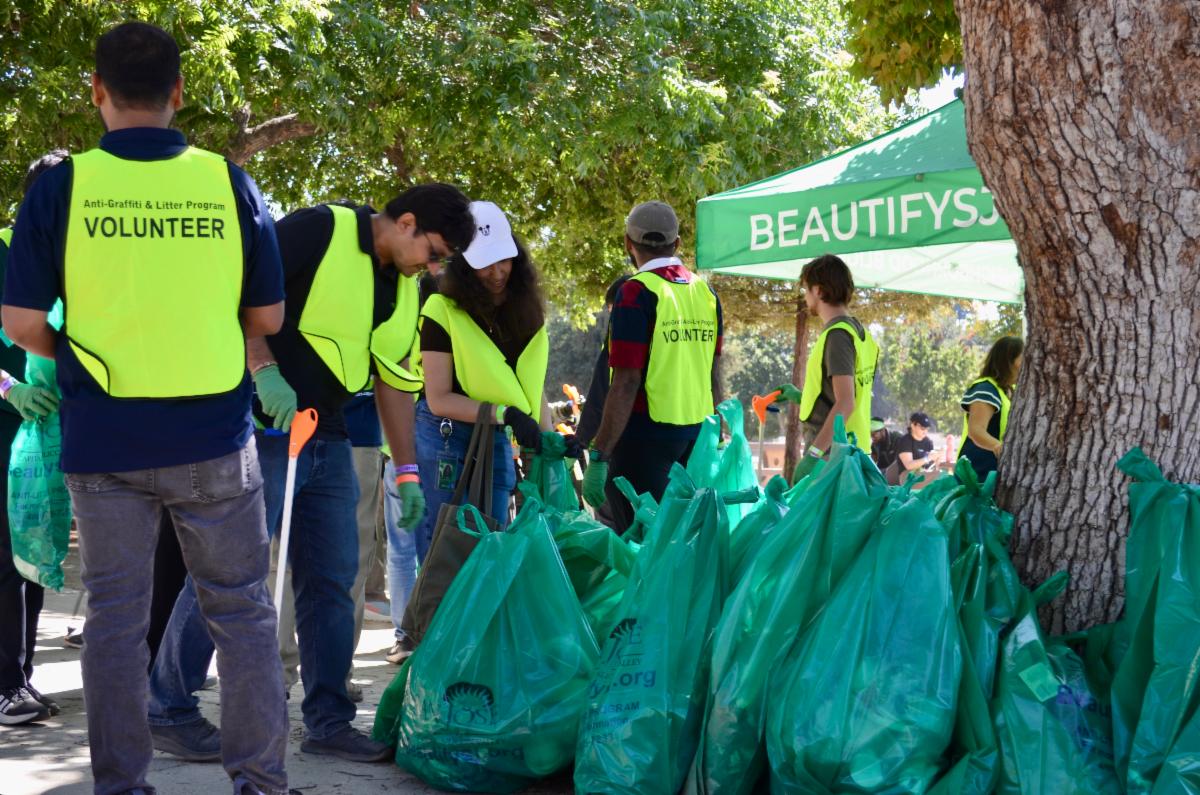
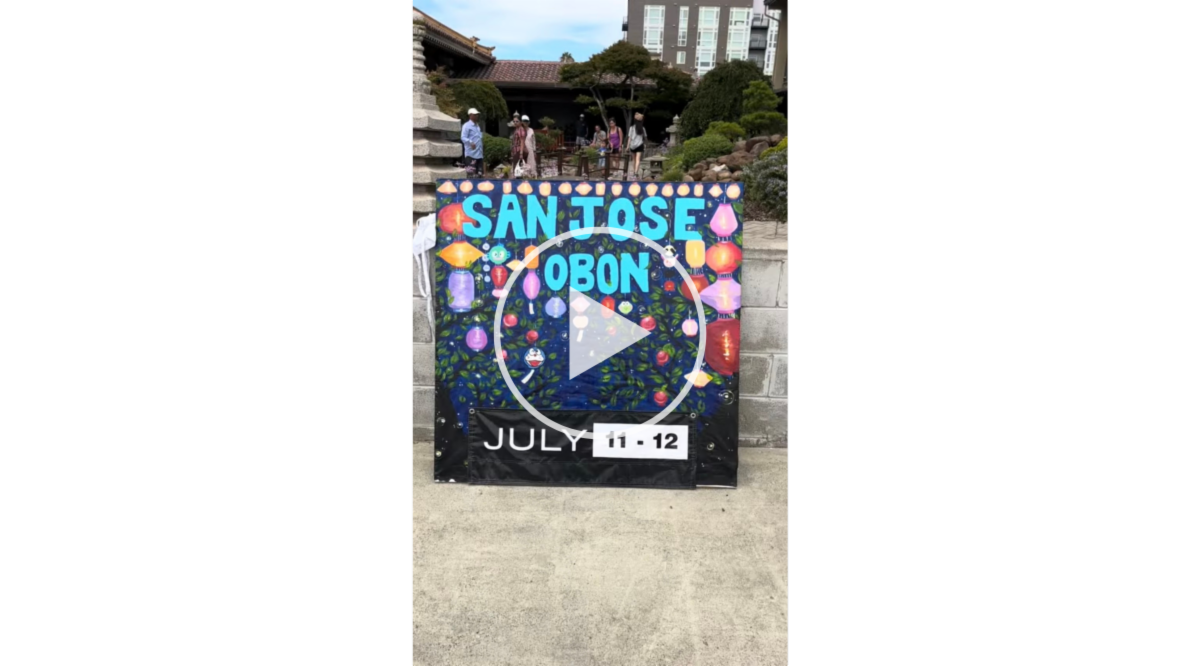
| | Serving Breakfast to our Service Members | Freedom isn't free, it’s earned every day through the service and sacrifice of our military. Yesterday, I had the privilege of joining the San José Mineta Airport in serving breakfast to our troops as a small way of saying thank you. We can never fully repay their sacrifice, but we can always show our gratitude. | First impressions matter. That's why we're welcoming visitors and families to our historic Little Italy neighborhood with a brand-new mural. Thank you to Together We Create 408 and all the artists for their work! Together with landmarks like the Little Italy archway, this mural celebrates the neighborhood's rich heritage, honors the contributions of Italian immigrants, and keeps their legacy alive for generations to come. | | Every March, San José goes green for NVIDIA’s GTC. This month, NVIDIA went green for San José. A huge thank you to the 200+ NVIDIA volunteers who showed out this morning to beautify our city! Alongside BeautifySJ and District 1 Councilmember Rosemary Kamei, my office joined NVIDIA to revitalize Starbird Park and the community center. We’re grateful to everyone who rolled up their sleeves to build a cleaner, greener San José. | | Honored to celebrate San José's's Obon Festival, the largest in North America! We enjoyed great food, lively dancing, and an incredible celebration of culture and community. Thank you to everyone who made this special tradition possible. | | | | |