|
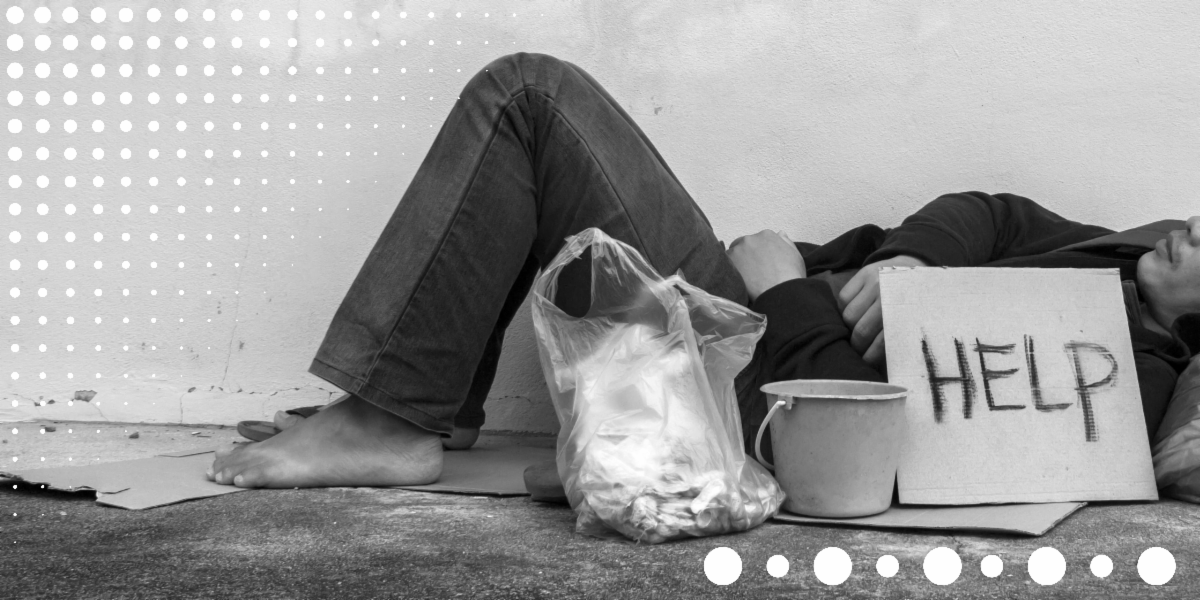
If you haven’t experienced it yourself, you’ve certainly heard the story: “He wouldn’t take the care bag; he only wanted money. Probably to buy booze.”
Ray first came to the Center a few months ago on a weeknight. At least 50 years old and pretty tall, Ray's skin is leathery from years in the sun. He was wearing jeans, a faded white t-shirt, and a ballcap over scraggly, long reddish hair that fell towards his face. He had eaten his meal and was walking down the hall looking around when I walked out of the laundry room.
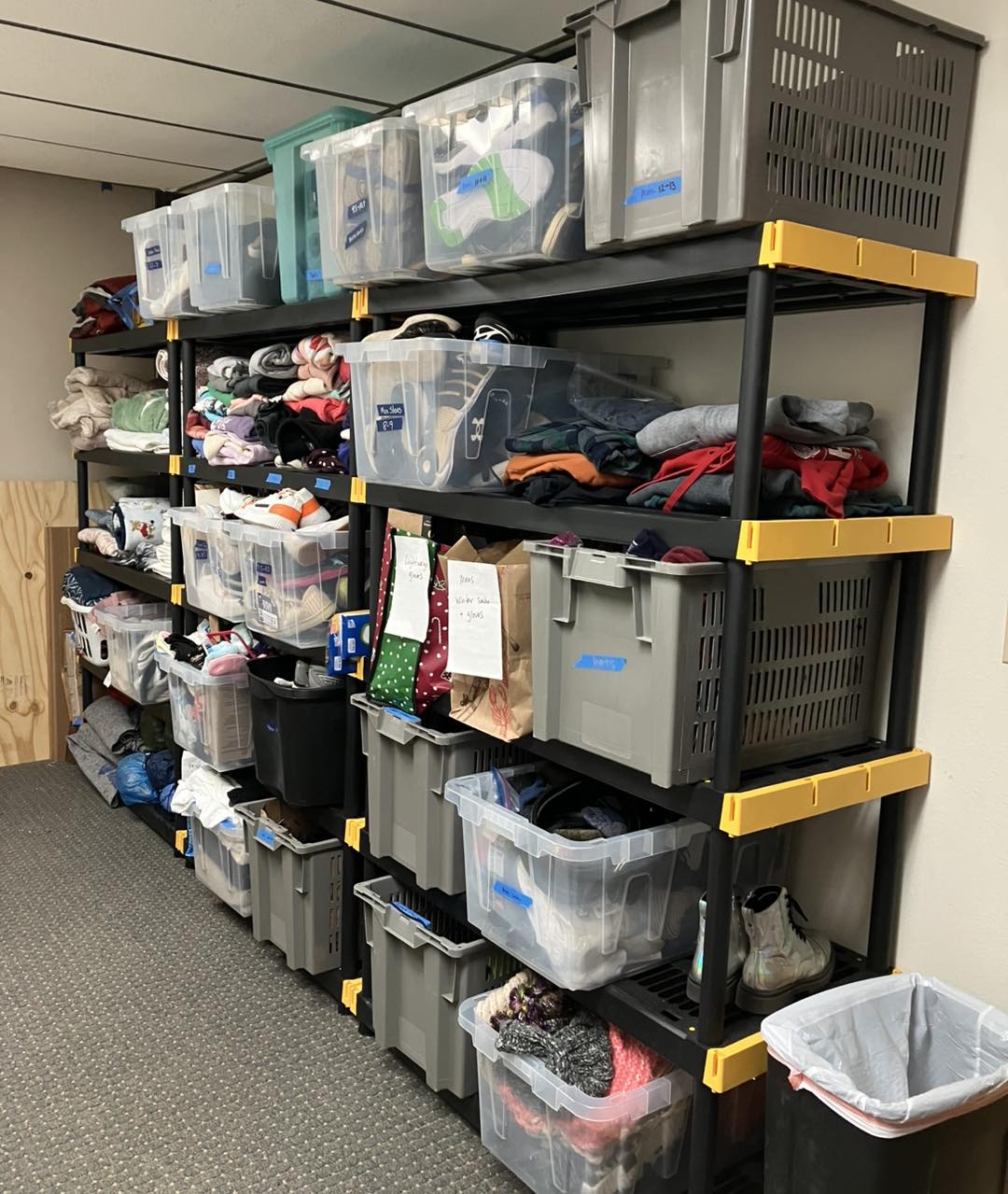
He asked if we had any clothing. I apologized and explained that we unfortunately don’t provide clothing. He turned around angrily, “Well, what do you provide then?!” He was irritated, mumbling under his breath, and said he was hungry and had been told no for a second plate.
You might be thinking: “Typical homeless attitude. He should be grateful for what he got.”
And I don’t disagree.
Humans complain, no matter how much we have. However, many of us excuse ourselves and hold unhoused people to a higher standard.
We do all live with stress, though. Your boss is a jerk; there isn’t enough time in the day to get the work done; there was a car accident; a parent is dying of cancer; your kid is failing math.
These are real struggles, and struggling to feel grateful while having a job, a car, and a house doesn’t make you a terrible person. It just makes you a person.
What about the more ridiculous complaints? — I hit too many red lights on the way to work; I dropped and broke my eye shadow, and now I will have to buy another one; this drive-thru line is so long! Whose idea of “fast” is this…or more importantly, why are there lights on and cabinets open and no one is home!
Are you thinking, “Typical middle-class attitude. She should be grateful for what she has.”
When I think of my long list of ridiculous complaints, I feel embarrassed. But not ashamed, because ungratefulness and complaining are part of being human. My challenge is not to compare the best of me to the worst of you. Not to expect a good attitude from the person on the street corner just because I think they should want a pair of socks or a McDonald’s burger. Maybe they just ate and have a pair of socks in the backpack already and don’t have room for more right now. Maybe she is a vegetarian (didn't see that one coming, did you?) or needs cash for a bus pass to get to an appointment. And I would be dishonest if I didn’t admit maybe it IS to buy alcohol or cigarettes. I drown my sorrows with ice cream. I know some of you have wine every night. And if I was dirty, scared, and hungry all the time, I might use a harmful substance to ease the pain, too. Giving anyway simply acknowledges a person’s humanity and need, and accepts the opportunity to think beyond myself and know the rest is not up to me.
Back to Ray mumbling angrily down the hallway: I followed him, apologized again, and explained it was still early and we would have many more people come in to eat. I asked him about himself and how he had heard about Micah. He looked down at his feet, “Sorry.” I put my hand on his shoulder. “It’s ok. I know life is really hard. I’m glad you’re here,” I said.
“I shouldn’t be grumpy and ungrateful. I know you are helping as much as you can,” Ray responded. Again, “It really is ok. I understand why, and you don’t owe us any particular response.”
Alissa Gilmore
Executive Director
Micah Community Movement
NW OKC Faith Alliance
|